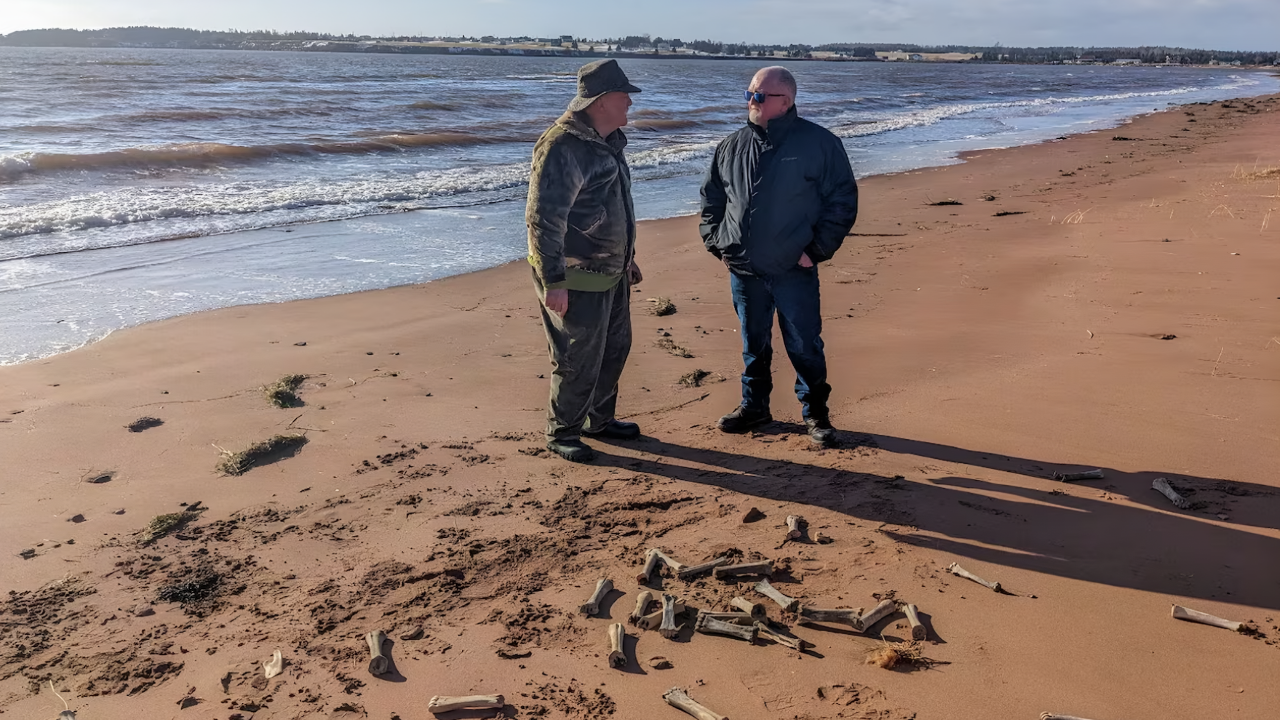
In early January 2026, researchers surveying Texas beaches uncovered an unsettling sight: thousands of heart urchin skeletons strewn across miles of sand, turning a rare treasure into a grim carpet along the Gulf of Mexico shore.
Routine patrols by Jace Tunnell, community engagement editor at the Harte Research Institute for Gulf of Mexico Studies, revealed the scale on January 9. What had been occasional “lucky finds” now blanketed at least 60 miles of central Texas coastline, from Nueces and San Patricio counties near Corpus Christi. Visual records—photographs and videos—captured dense clusters of white skeletal tests dotting the beaches, prompting immediate questions about hidden disruptions in the seafloor ecosystem.
The Rarity Shift
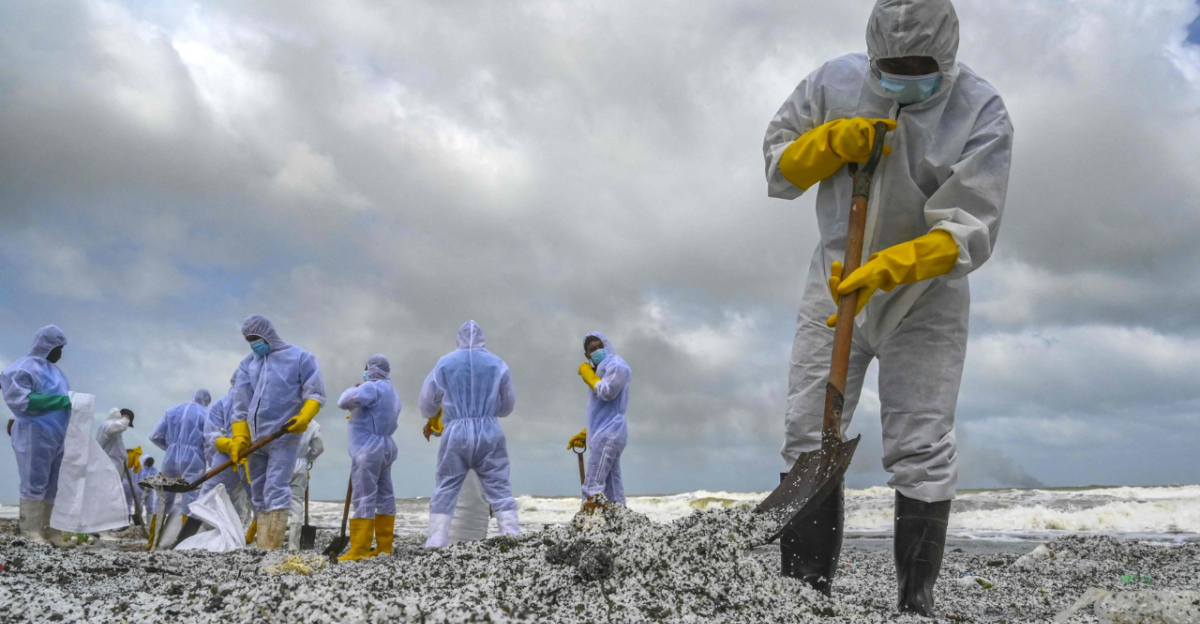
Heart urchins, or sea potatoes (Meoma ventricosa), live buried 2 to 3 centimeters under Gulf sands, evading easy detection. These small echinoderms, kin to sand dollars and sea stars, act as sediment engineers, churning seafloor material to aerate it, cycle nutrients, and support burrowing communities. Tunnell, with years of weekly surveys, had rarely spotted even one. Now, he collected a gallon in days—more than his entire career prior. “I always felt like if you found one, you were lucky. Now I’ve got a whole gallon of them!” he noted, underscoring the anomaly.
Storm Surge Unleashed
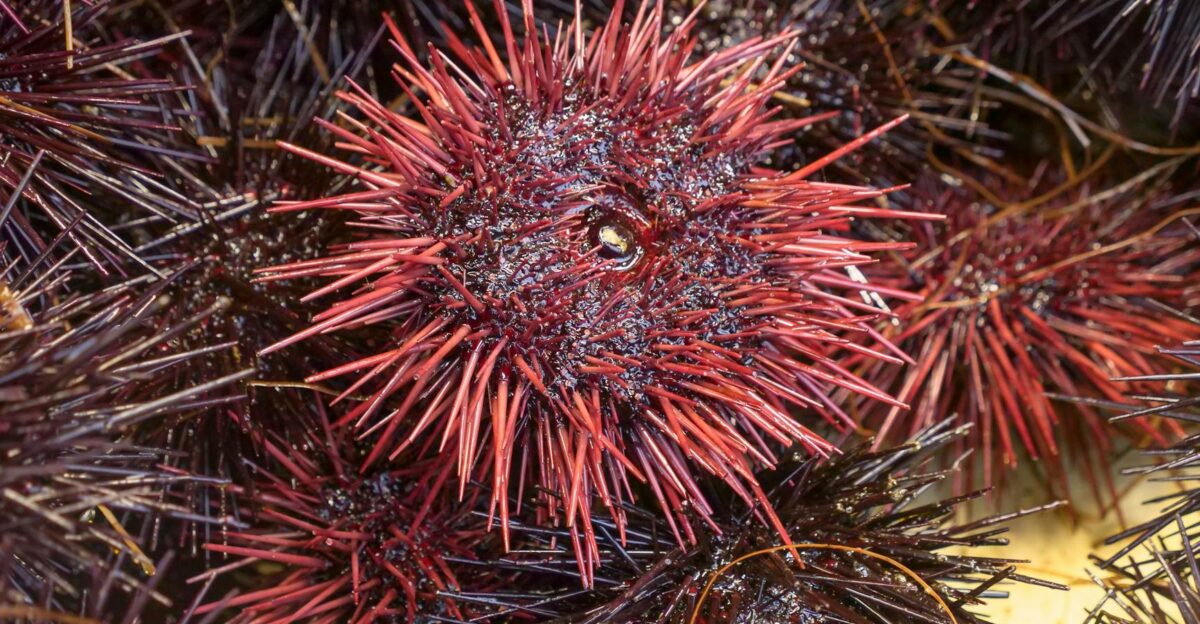
The timing aligned with a polar cold front sweeping the Texas coast from January 6 to 10. National Weather Service alerts predicted sharp pressure drops, temperatures plunging up to 20 degrees Fahrenheit, winds gusting to 35 mph, and towering waves in the northwestern Gulf. Rough seas followed, dislodging shallow-water organisms. Tunnell pinpointed the mechanism: “I suspect that a cold front or something similar moved in, creating large waves that led to this massive die-off.” Violent waves uprooted the burrowed urchins, exposing them to lethal forces they could not withstand.
Juvenile Mystery Emerges
Most skeletons measured about one inch long—juveniles from a recent generation. Larger adults, up to three inches, were scarce, skewing the mortality toward younger cohorts. This pattern hints at targeted vulnerability: perhaps young urchins, settled just years ago, lacked resilience against the disturbance. The missing adults fuel speculation—prior reproductive shortfalls, survival differences, or a full generational wipeout. Without them, sediment reworking could falter, disrupting benthic productivity across Texas waters.
Monitoring and Response
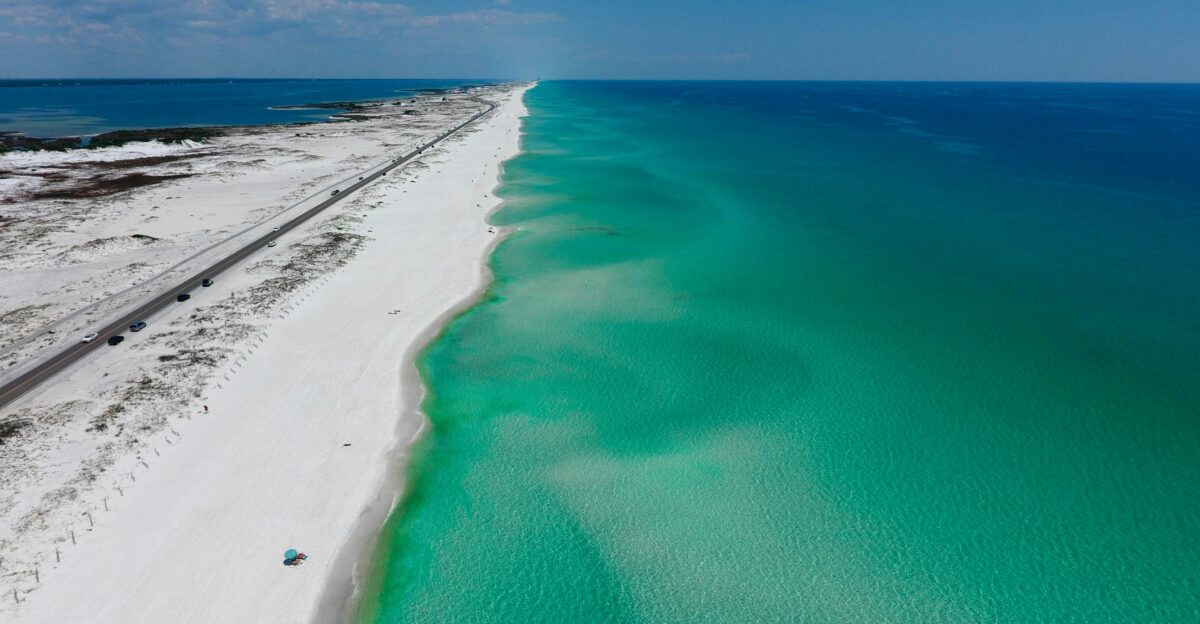
No robust baseline tracked heart urchin populations, exposing a data void in Gulf monitoring. Past surveys logged them as rarities, but systematic records were absent. The Harte Institute responded swiftly, posting evidence on Facebook and Instagram, sharing locations, and rallying citizen observers. Tunnell’s update read: “The biggest news this week has to be the mass die off of these sea potatoes. Literally thousands and thousands washing up along at least 60 miles of Texas beach that I surveyed this week.” This crowdsourced effort amplified the signal, turning solitary fieldwork into communal vigilance.
Ongoing Questions and Horizons

Cold fronts batter Texas shores routinely, yet mass strandings like this stand apart. Global parallels exist—a 2022 Caribbean Diadema die-off, a 2021 Pacific sea star pandemic—but Gulf heart urchin events lack precedent in records. Causation remains unproven; wave action and chills correlate but do not fully explain the lethality amid climate volatility, warming seas, and intensified storms. The Harte Institute vows continued surveys to gauge recovery or recurrence. Enhanced monitoring for understudied species could fill gaps, informing protection amid rising ecological pressures. This stranding signals potential fragility in marine systems, urging sustained scrutiny to safeguard unseen seafloor dynamics.
Sources:
Harte Research Institute, Sea Potato Mass Stranding Alert
Yahao News, Mass die-off: Thousands of rare sea creatures wash up on Texas coast
NOAA National Weather Service, Offshore Waters Forecast
Frontiers in Marine Science, Unravelling echinoid mass mortalities: a global overview of sea urchin, brittle star, and sea cucumber disease and mortality
Texas Parks and Wildlife Department, Marine Resources Division
AIMSPRESS, Effects of sediment disturbance by the heart urchin Meoma ventricosa: Implications for benthic ecosystem functioning