Even the most revered supercar manufacturers have stumbled. Ferrari misfires and Porsche engine failures show that even iconic brands betray their heritage. Buyers paid millions expecting perfection, only to face fire hazards, mechanical disasters, and terrible designs. These failures aren’t obscure—they involve legendary marques whose worst models ruined reputations. Here’s what’s going on behind the scenes of automotive missteps.
When Perfection Fails: The Pattern Nobody Talks About
Legendary supercar brands face a paradox: innovation is required, yet exclusivity drives profits. Recessions, rushed timelines, and experimental tech often backfire. The 1990s and 2010s revealed failures from skipped quality control or cheaper parts. Buyers expecting flawless $200,000+ machines instead received unreliable experiments. The difference between legends and startups is how catastrophically they fall, and sometimes disaster is inevitable.
The Economics Of Disappointment
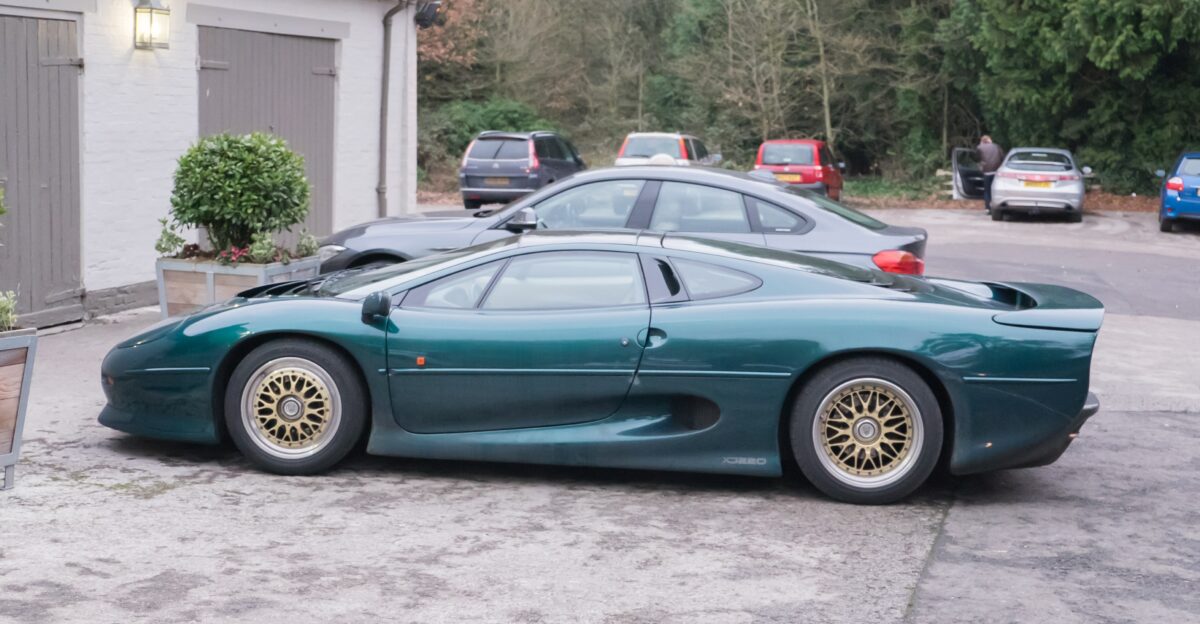
Failures in supercars are expensive. Some brands lose 40% of resale value instantly. Production runs collapse, lawsuits mount, and recalls cost millions. The Jaguar XJ220 saw 1,125 buyers demand deposits back after specifications changed. The Bugatti EB110 bankrupted its company within four years despite $450,000 price per unit. These aren’t minor setbacks—they are existential threats that reveal even untouchable brands are vulnerable.
Why Legendary Brands Fall The Hardest
Heritage creates expectations impossible to meet. When Ferrari delivers a slow car, it feels like betrayal. Porsche 996 Carrera engines fail at 80,000 miles, costing $600+ per repair. Aston Martin Vantage 4.7 requires full engine rebuilds at the same mileage. McLaren 570S can catch fire. Loyal fans crucify brands for imperfection, making innovation a dangerous tightrope. Pressure to innovate while preserving exclusivity often guarantees dramatic failure.
The Smoking Gun: Documented Disasters
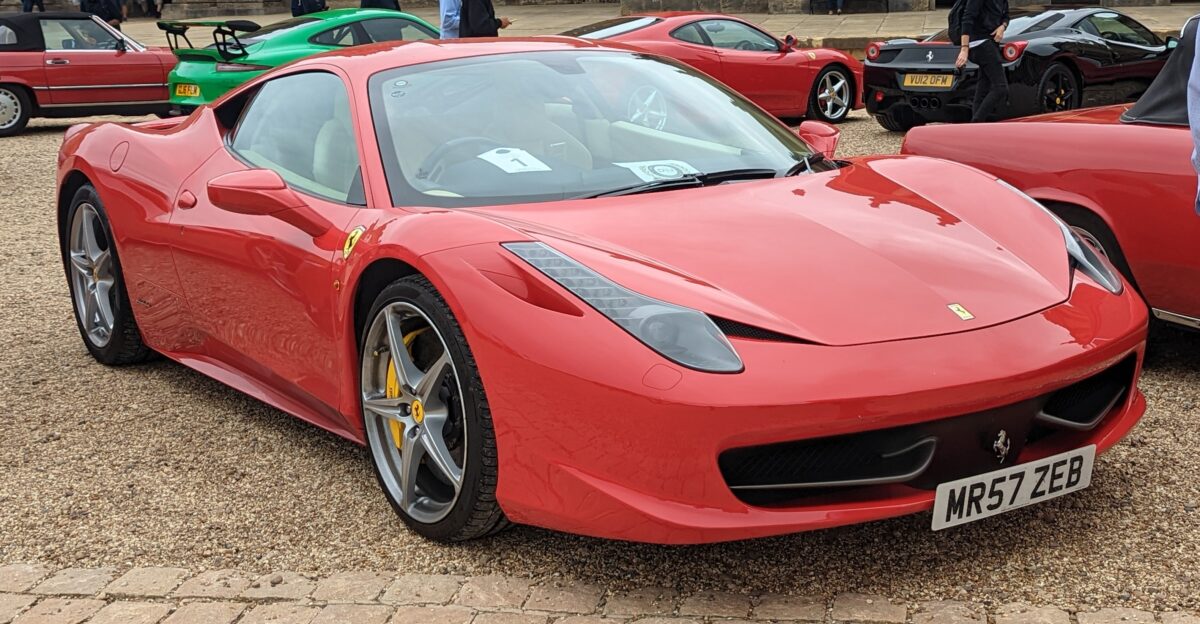
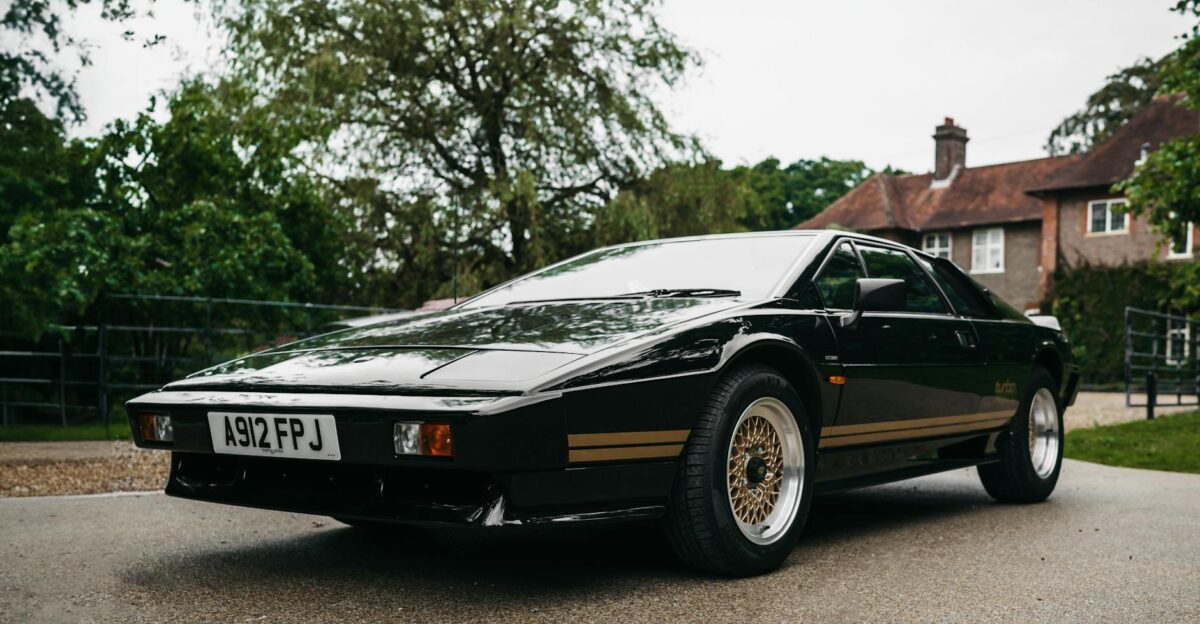
Records show undeniable failures. Ferrari 458 Italia had 1,248 fire-related recalls globally. Lotus Esprit V8 needed 4 exhaust systems, 3 AC compressors, and full gearbox replacement within 26,000 miles. BMW M1 sold only 430 units. The 1984 Corvette C4 launched with 200 horsepower and a 4+3 manual nightmare. Bugatti EB110 gained fame for bankruptcy. These verified disasters expose how even legendary brands can self-destruct through engineering errors.
The Reckoning Begins
Let’s examine 12 iconic manufacturers whose worst models became industry cautionary tales. From Italian powerhouses to American muscle icons, these brands produced vehicles that shattered reputations. Billions in lost brand value, thousands of angry owners, and poor engineering decisions created automotive legends for all the wrong reasons. Discover which supercars you’d never buy used—and why even the most legendary brands can fail.
1. Ferrari
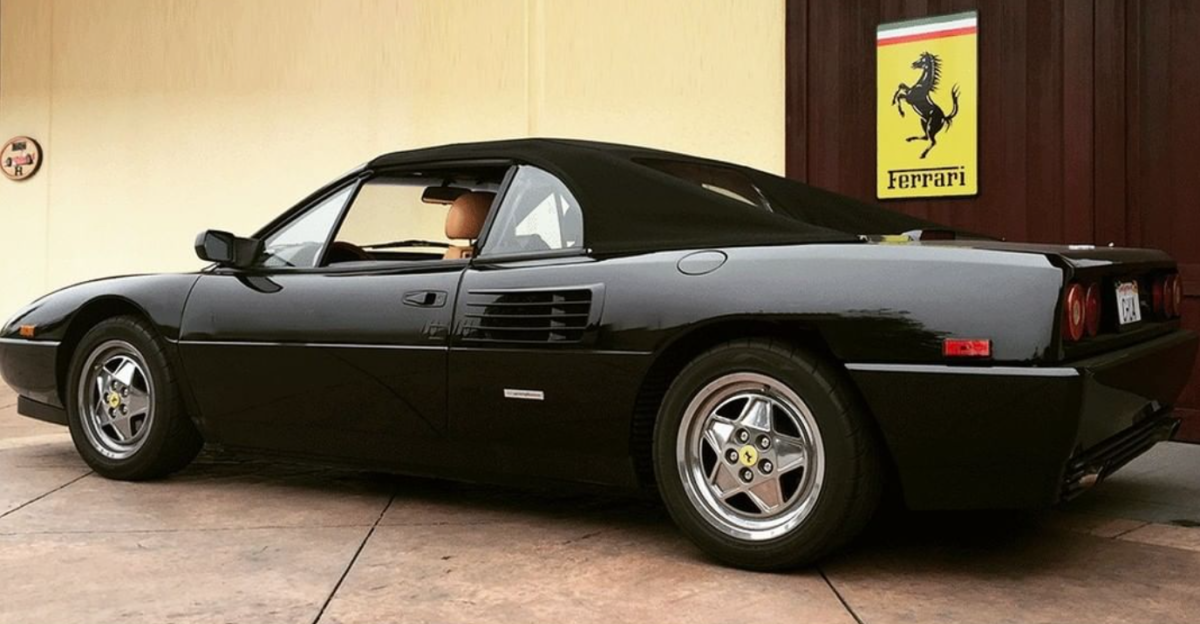
Ferrari’s Mondial is widely condemned as its worst model. Priced at $300,000+, it delivered 214 horsepower and 9-second 0-60 times. Critics called it underpowered and ugly—Luca di Montezemolo admitted it was “really terrible.” Owners reported chronic reliability issues. The Mondial became a punchline, symbolizing Ferrari’s failure in the 1980s-90s recession. Collectors avoid Mondials despite Ferrari’s legendary heritage. However, other Italian brands weren’t immune to mistakes.
2. Lamborghini
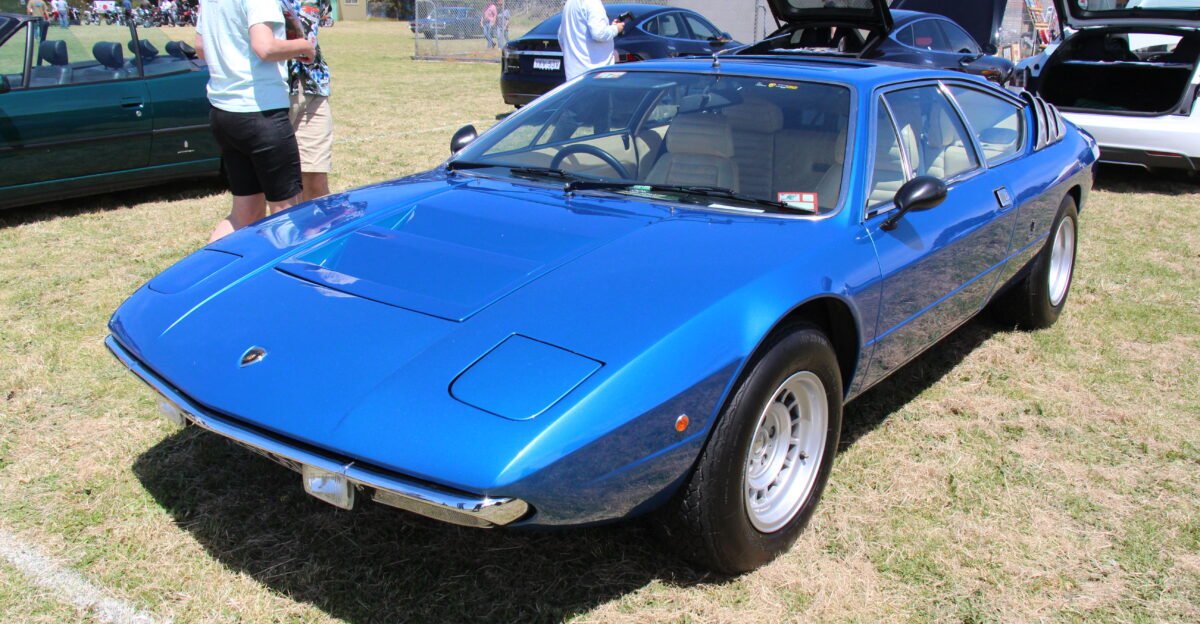
Lamborghini’s Urraco P200 and Jalpa delivered 182-255 horsepower. Enthusiasts rejected these “not real Lamborghinis.” Production quality suffered; reliability was atrocious. Both compromised exclusivity for mediocre performance. Buyers expected aggression and power but received underpowered compromises. Lamborghini learned budget-consciousness and supercar prestige rarely coexist. These models proved that even Italian legends struggle to scale down. Yet German manufacturers also faced public embarrassments.
3. Porsche
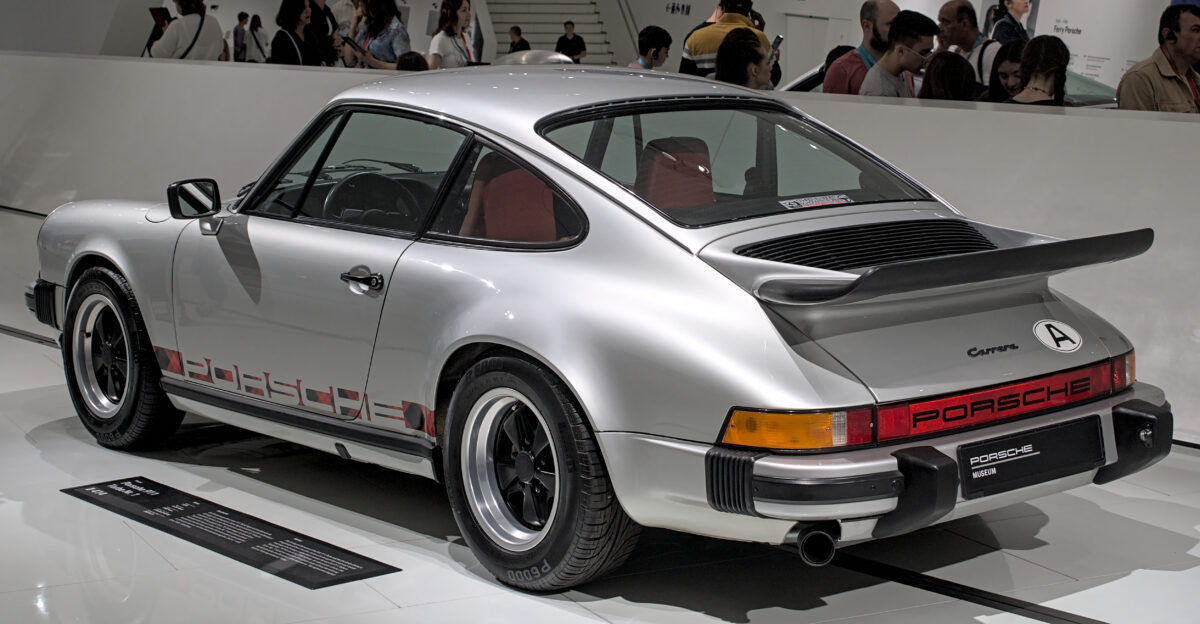
Porsche’s 996 Carrera introduced a water-cooled engine that sounded hollow compared to air-cooled 911s. The IMS bearing failed spectacularly in thousands of vehicles, causing engine seizures at 80,000 miles. Repairs exceeded $15,000. Owners felt betrayed; resale values plummeted. The 996 became infamous as “the worst Porsche ever built.” Even perfectionist engineering can produce failures damaging brand legacy. The pressure to innovate often outweighs reliability.
4. Aston Martin
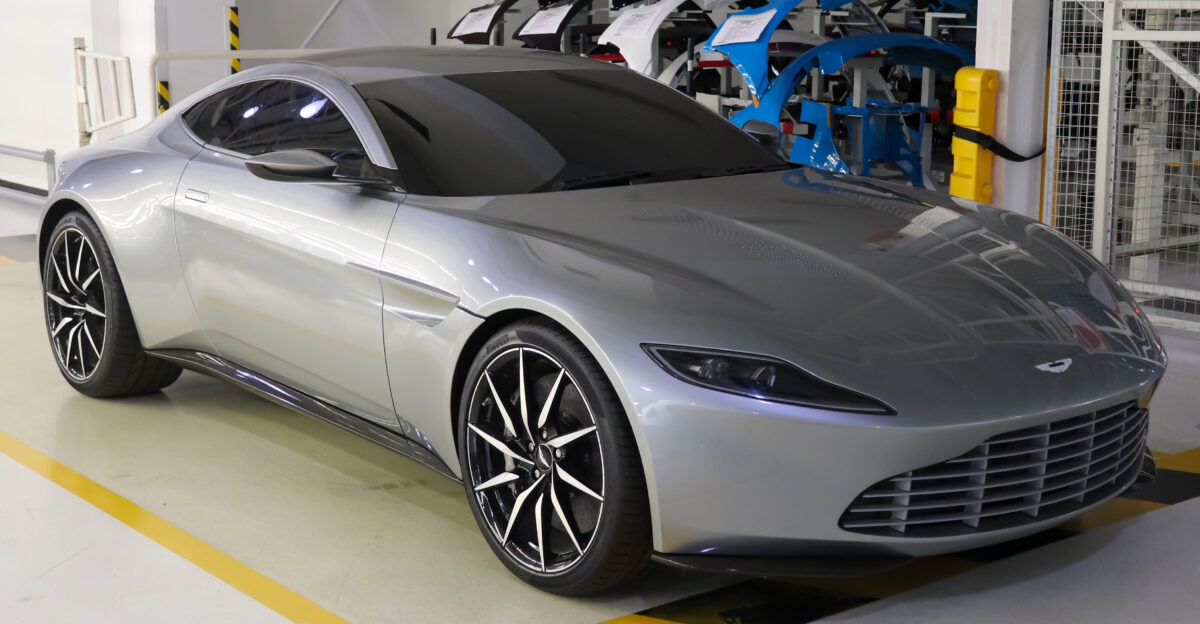
The Lagonda sold only 645 units over 14 years. Its wedge-shaped design drew criticism, while mechanical issues persisted. The Vantage 4.7 engine developed bearing failures, requiring complete rebuilds at 70,000 miles. Aston Martin never publicly acknowledged the systemic problem; owners discovered it through forums. Heritage couldn’t save the model. Prestige is no safeguard against engineering mistakes, and the Lagonda remains a cautionary tale. Meanwhile, British brands like Lotus also faltered spectacularly.
5. McLaren
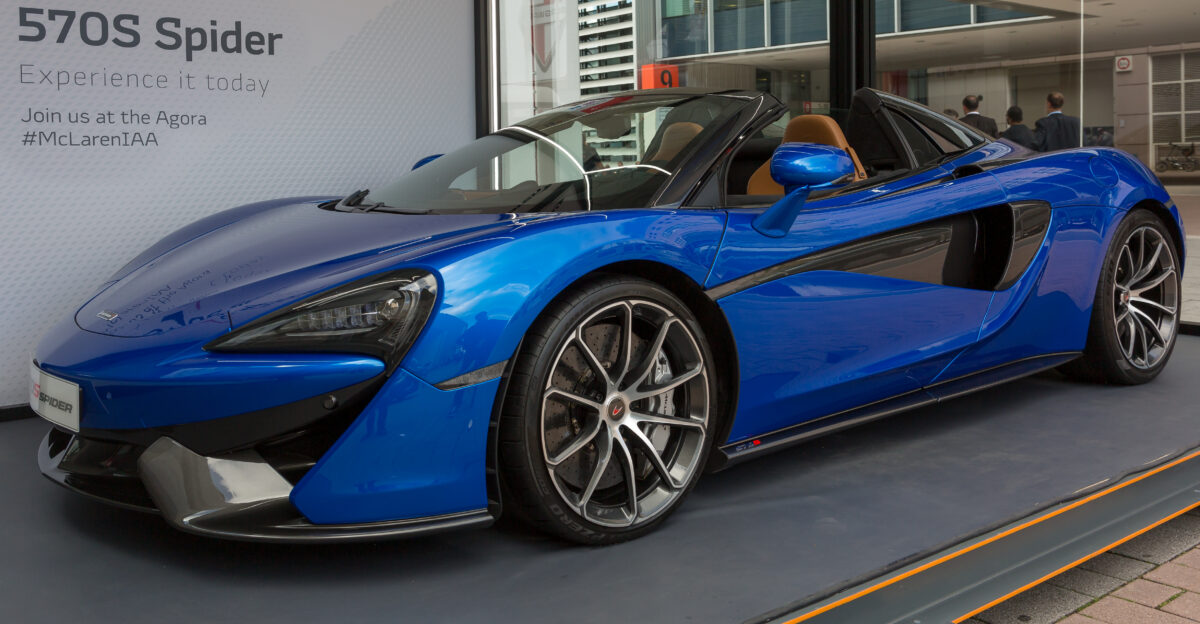
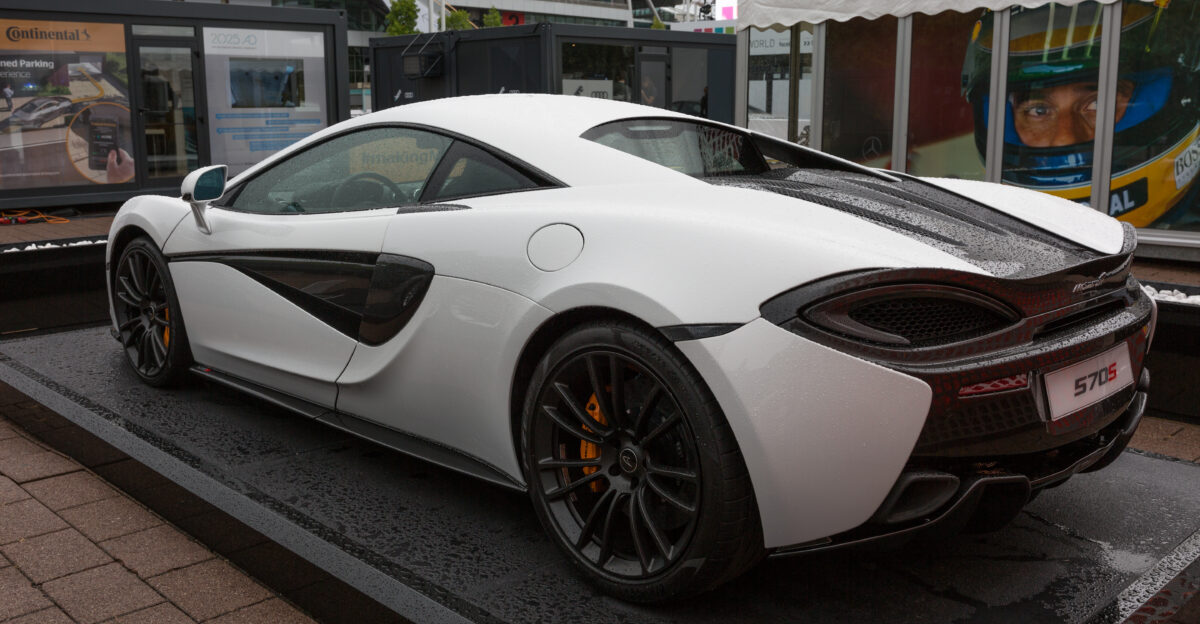
McLaren promised hybrid precision engineering, yet the 570S suffered fire hazards and chronic unreliability. Owners reported turbo failures, electrical fires, and breakdowns. One described his fleet as “the most unreliable supercars we own—constant fire issues.” Expensive repairs and insurance nightmares followed. The 570S proved performance without reliability destroys brand credibility. Even high-tech innovations cannot override poor quality control. Despite modern manufacturing, disasters can still happen to cutting-edge supercars.
6. Maserati
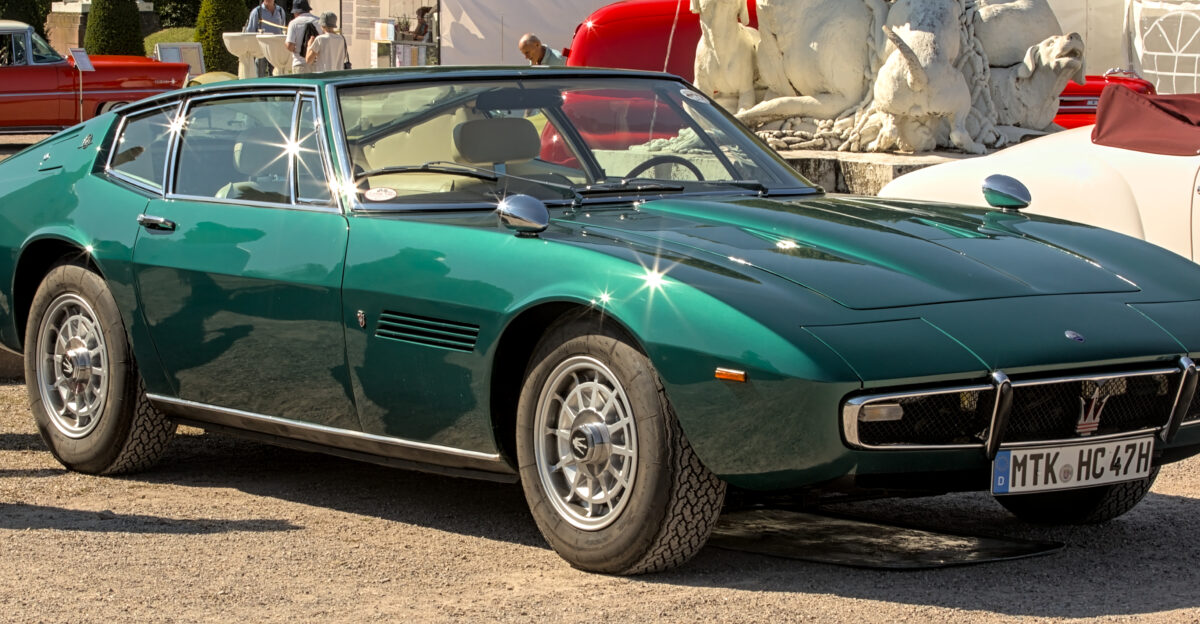
Maserati used Chrysler parts under FCA ownership to cut costs. Owners found Dodge Durango components throughout the luxury sedan. Engine failures plagued the model, with some cars needing three engine replacements under warranty. Reliability ratings dropped drastically. Buyers noticed penny-pinching, and Maserati’s reputation for Italian craftsmanship suffered. The Ghibli scandal revealed cost-cutting can destroy credibility. Such mistakes show that luxury buyers demand authenticity in every component.
7. Jaguar
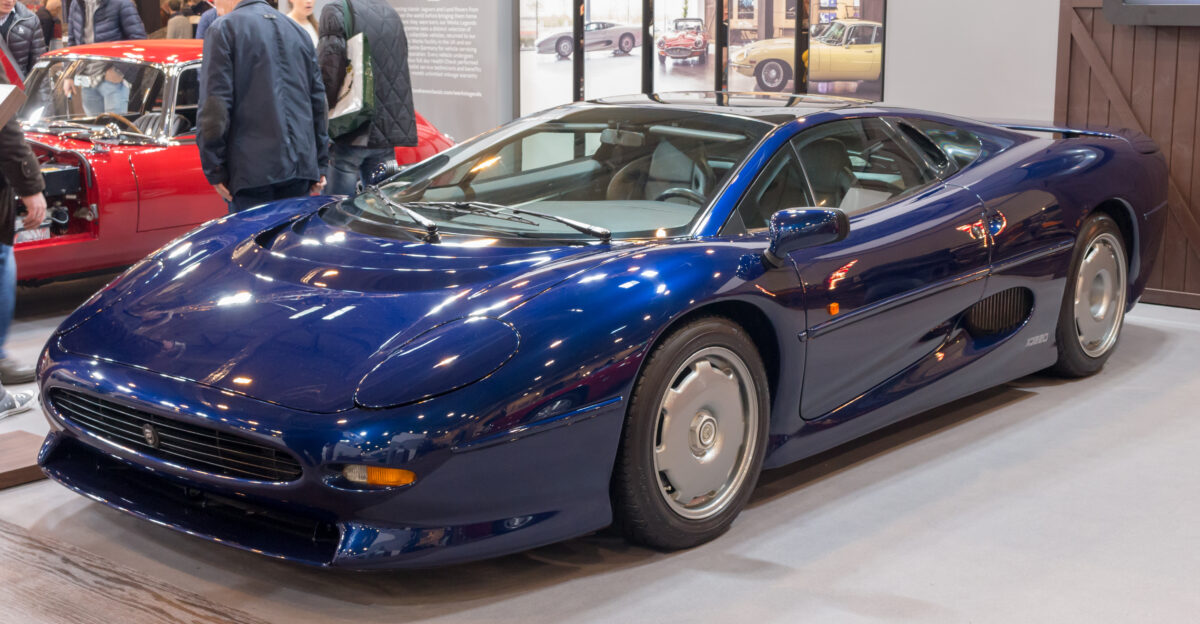
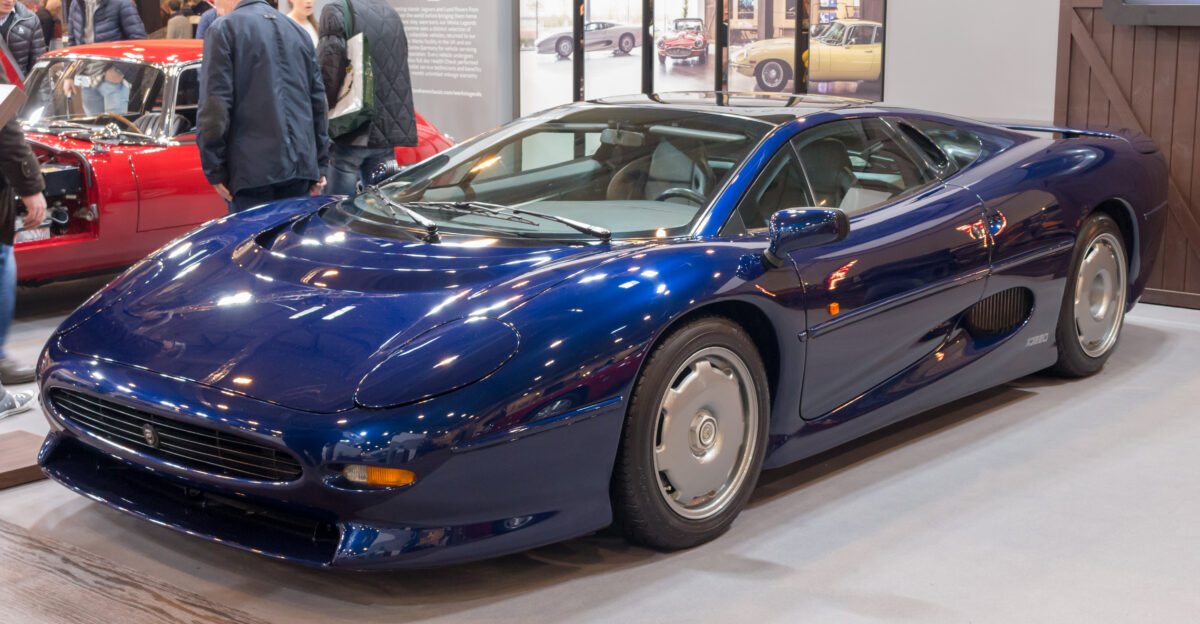
Jaguar promised a $450,000 V12 all-wheel-drive supercar. Buyers placed 1,400 deposits sight-unseen. Jaguar changed everything to V6 and rear-wheel-drive without approval. Furious buyers sued, and only 275 vehicles were produced. Broken promises overshadowed engineering flaws, damaging Jaguar’s reputation for decades. The XJ220 became an infamous scandal demonstrating that corporate dishonesty destroys legendary status faster than mechanical failure. Yet German innovations also carried hidden risks.
8. BMW
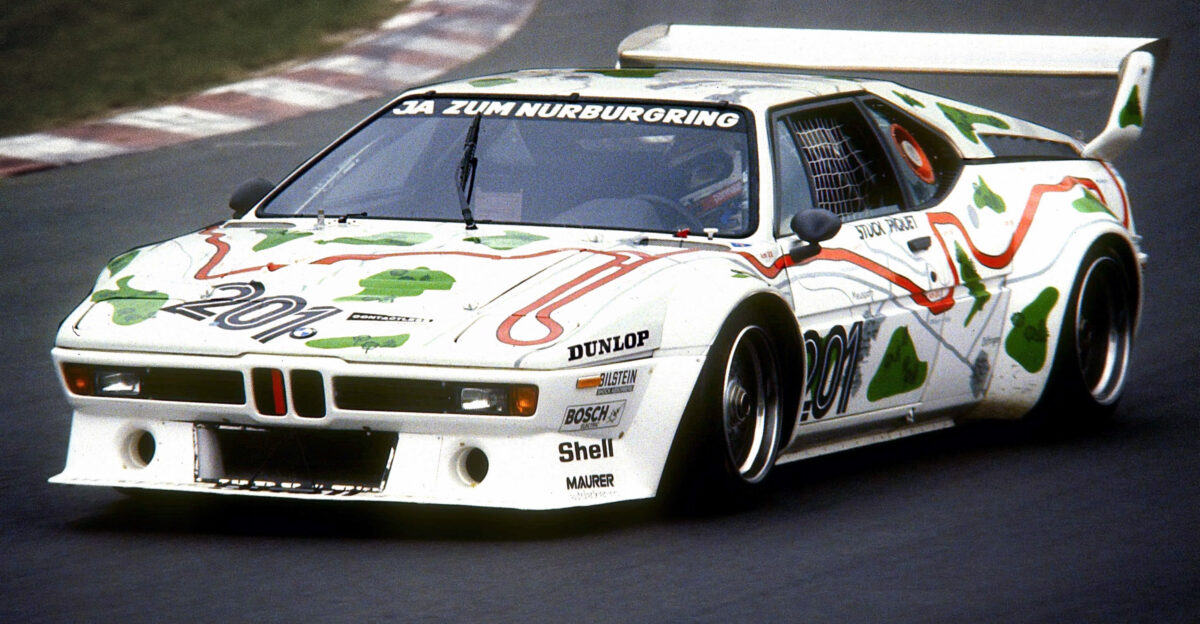
BMW’s M1 sold only 430 units; its mid-engine layout failed commercially. The i8 promised hybrid revolution but delivered underpowered performance. Both models illustrate how experimental technology without proven reliability backfires. BMW’s supercar ambitions collapsed under failed experiments. Manufacturing perfection does not prevent market rejection. Even brands known for engineering excellence must face consequences. The lesson is clear: even the most innovative companies can misstep spectacularly.
9. Lotus
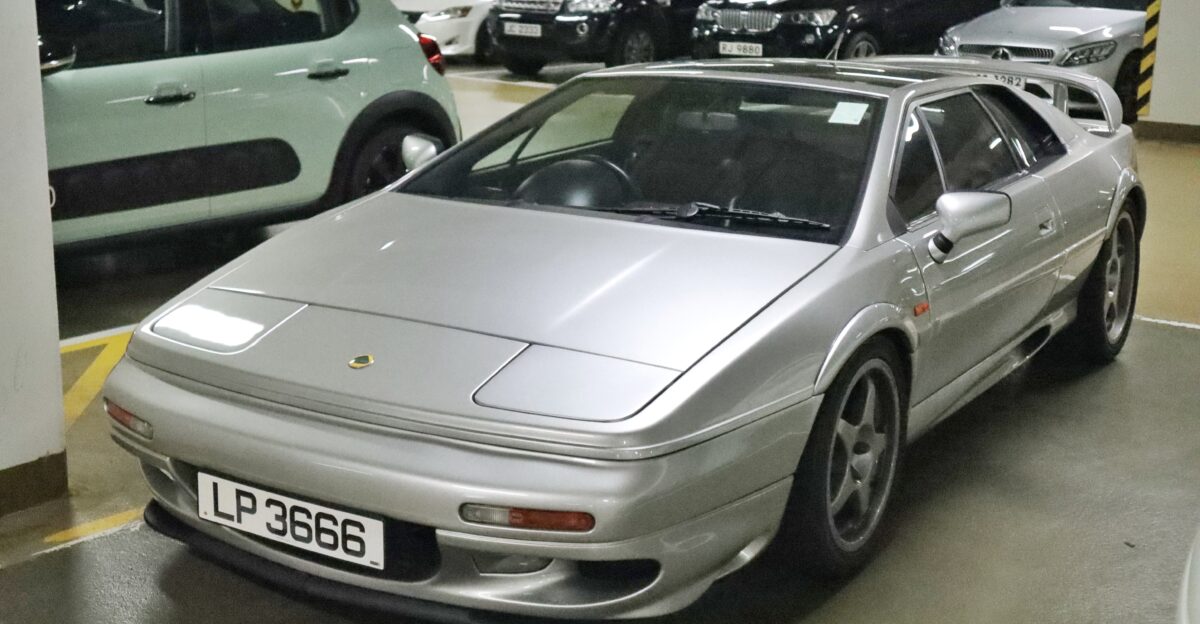
Lotus promised precision with the Esprit V8. Owners encountered chaos: 4 exhaust systems, 3 AC compressors, and complete gearbox replacement within 26,000 miles. Production quality was inconsistent, and materials cheap. The V8 Esprit remains a cautionary tale about overpromising performance without delivering reliability. Despite surviving, Lotus suffered lasting reputational damage. These failures highlight how even boutique British engineering cannot escape fundamental quality-control issues. Meanwhile, American manufacturers had their own high-profile misfires.
10. Mercedes-Benz – The SLR McLaren Disappointment
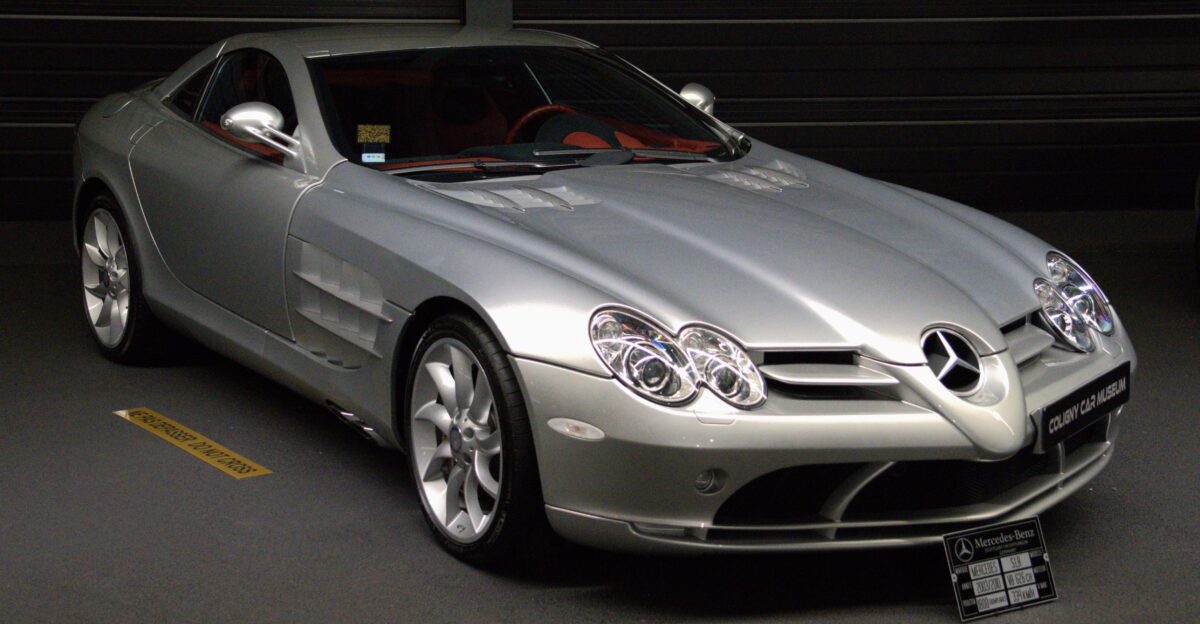
The $450,000 SLR McLaren arrived overweight at 3,800 pounds and underperformed. Equipped with a 5-speed automatic instead of performance transmission, it lagged behind lighter competitors. Critics called it “neither GT nor sports car—PT Cruiser of supercars.” Collaboration between prestigious brands didn’t guarantee success. Expensive mistakes damaged credibility worse than humble efforts. Even Mercedes learned that supercar buyers demand innovation and reliability in equal measure.
11. Bugatti
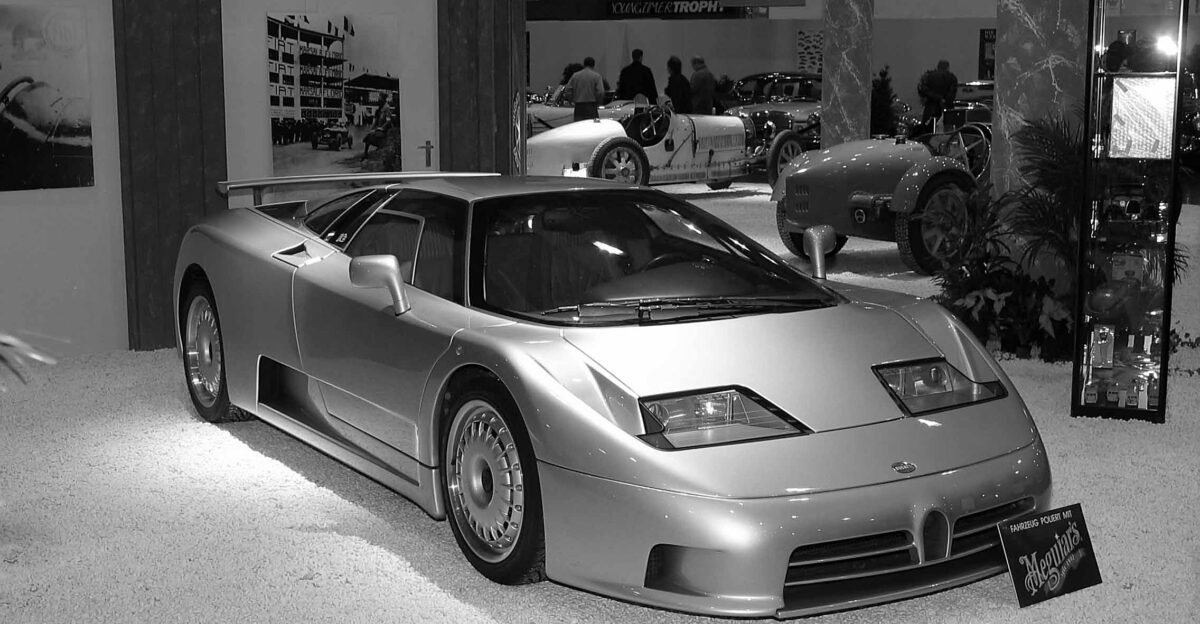
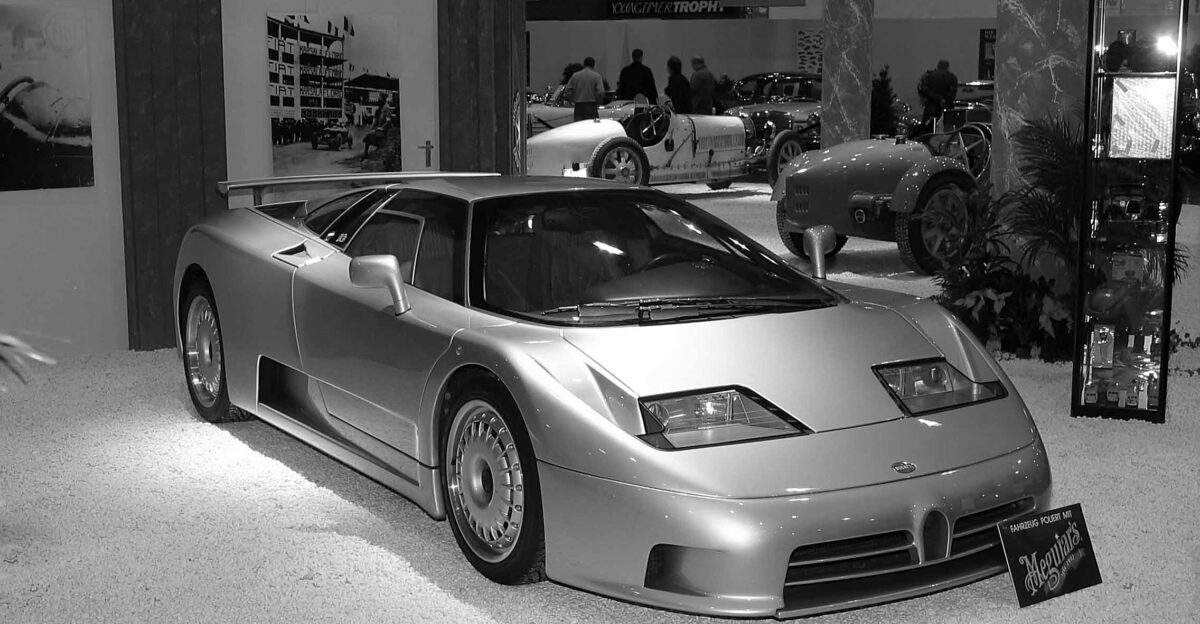
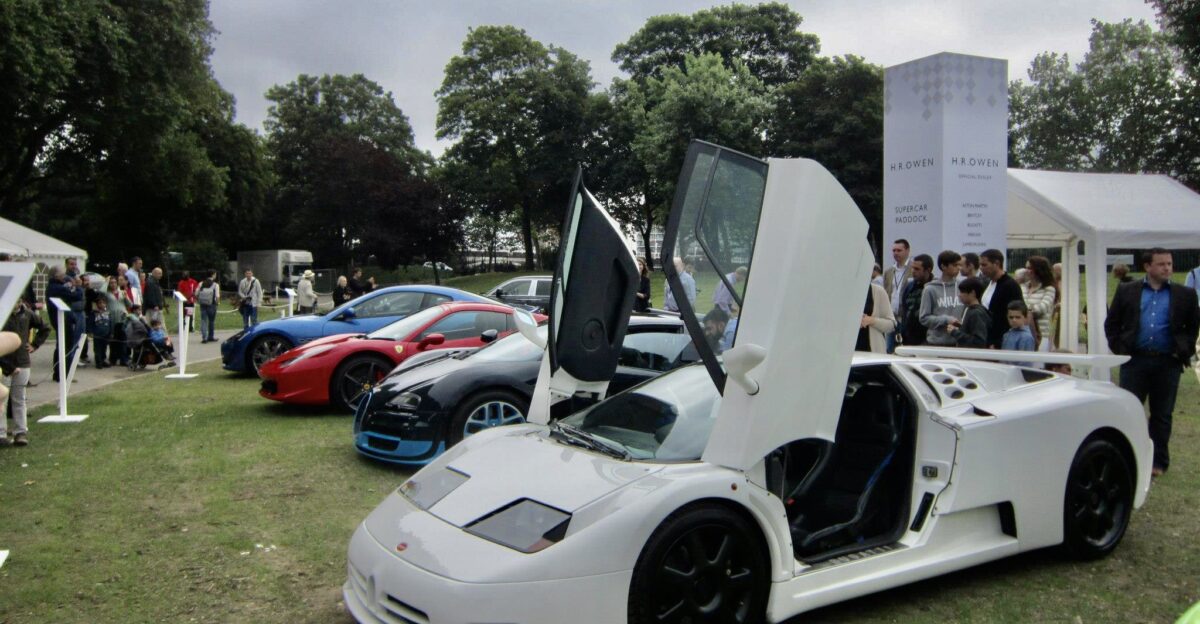
Bugatti’s EB110 launched in 1991 with a quad-turbo V12 producing 555 horsepower for $450,000+ . Only 139 units sold before financial collapse. EB112 sedan and Lotus acquisition drained resources, and by 1995 Bugatti went bankrupt. Ambitious innovation couldn’t overcome poor timing and management. The EB110 became legendary for failure, proving that even heritage brands cannot survive corporate missteps. Luxury reputation can vanish almost overnight when decisions fail spectacularly.
12. Chevrolet
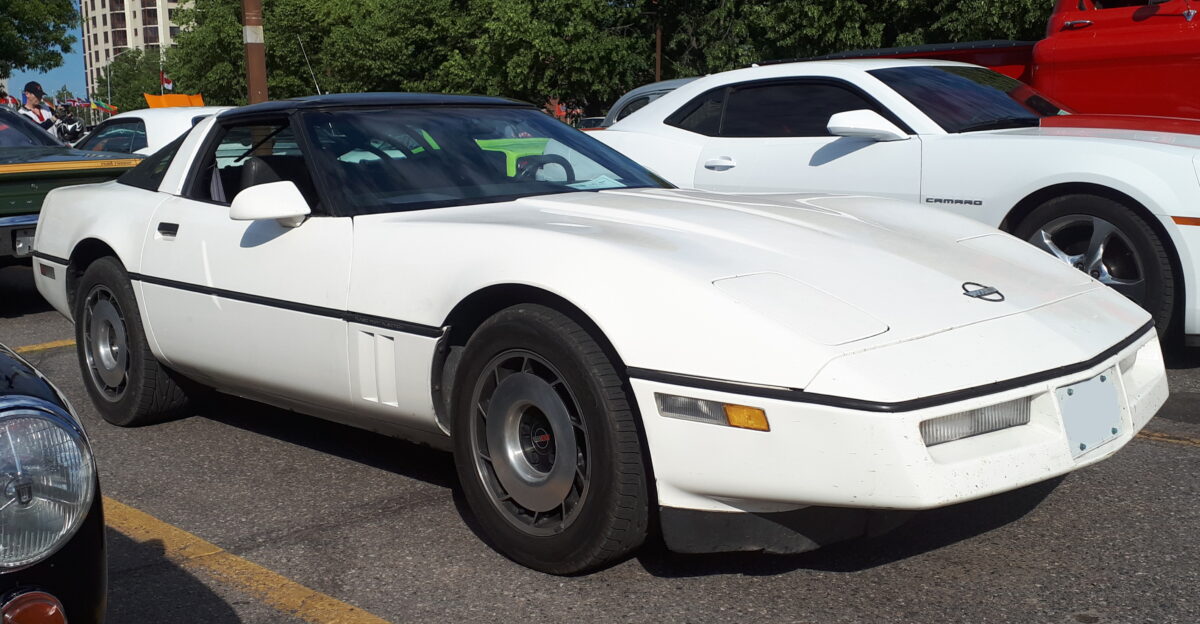
The 1984 Corvette C4 launched with 200 horsepower and a 4+3 manual transmission nightmare. California models had automatic-only 3-speed units. Early C4s lagged behind competitors with better performance. Chevrolet’s American muscle heritage seemed betrayed by cost-cutting. Reputation took years to recover as platform evolved. The C4 illustrates how legendary brands cannot rely on prestige alone to offset engineering missteps. These lessons still inform supercar manufacturing today.
The Lasting Legacy Of Legendary Failures
These 12 brands endured billions in lost value and permanent consumer distrust. Yet innovation, quality recovery, and accountability enabled survival. Modern manufacturers study these cautionary tales. Heritage doesn’t guarantee quality—it guarantees consequences when it fails. The supercar industry evolved because these brands crashed spectacularly, teaching lessons about arrogance, cost-cutting, and overpromising. Today, reputation requires careful management and relentless engineering precision.
What These Disasters Reveal About Luxury
Premium pricing demands premium execution. Buyers paying $300,000-$500,000 expect perfection. Mediocrity triggers disproportionate outrage. Heritage creates impossible expectations, and failure becomes catastrophic. These 12 manufacturers demonstrated that legendary brands must deliver every promise. The supercar industry exists today partly because these failures showed the consequences of betraying buyers. Their worst models became the industry’s most instructive lessons in luxury, engineering, and trust.
Sources:
“10 Sports Car Models That Have Way Too Many Problems.” HotCars, November 19, 2019.
“The Worst Supercar Model From Every Major Brand.” SlashGear, Published Date Unavailable.
“These Are 10 Of The Worst Supercars Ever Made.” Dyler, October 10, 2023.