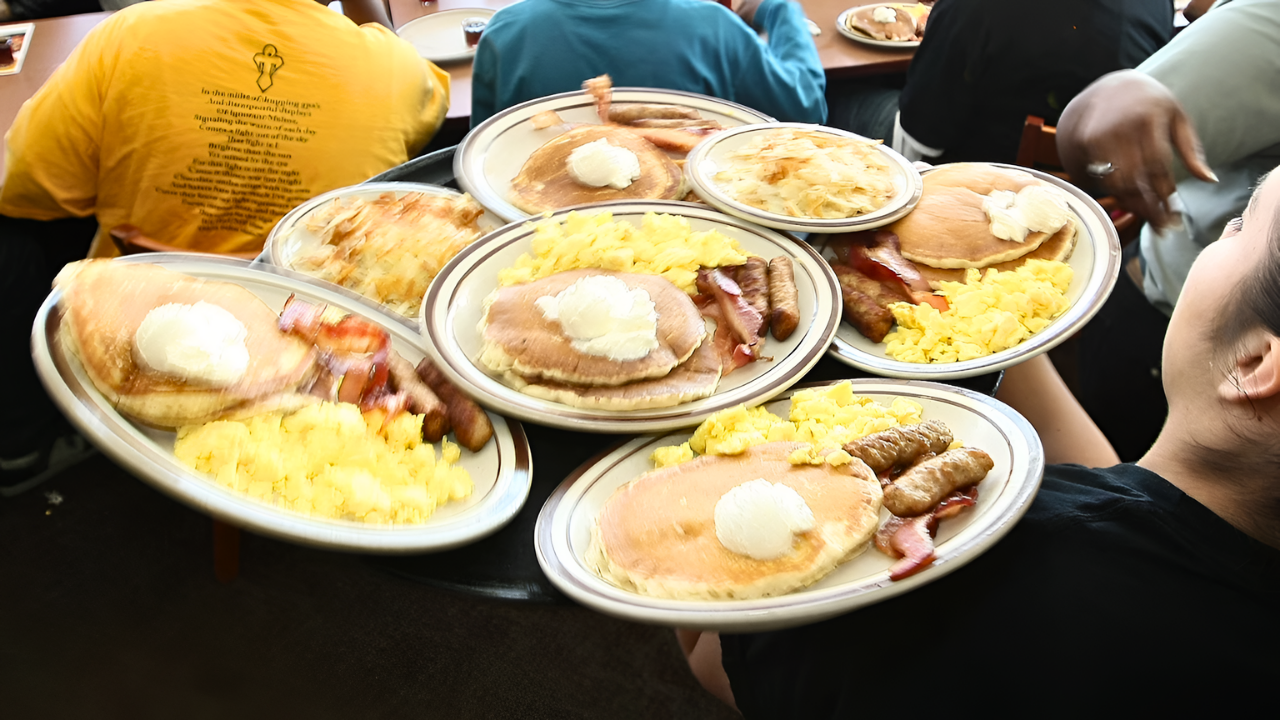
Once Cincinnati’s unrivaled brunch powerhouse, Taste of Belgium captivated diners for nearly two decades with its signature Belgian waffles, earning acclaim on Food Network’s Diners, Drive-Ins and Dives and repeated “Best Brunch” honors from CityBeat and Metromix. By late 2025, however, the chain’s rapid decline exposed the harsh realities facing casual dining in the post-pandemic Midwest.
The Unraveling Begins

Quiet closures started in May 2024, escalating into a cascade that shuttered eight of the chain’s more than ten locations across Ohio and Kentucky within eighteen months. By January 2026, only three Cincinnati sites remained operational, leaving industry watchers stunned and workers scrambling.
Founder Jean-François Flechet opened the first Taste of Belgium in 2007, introducing an uncommon Belgian waffle concept to the American Midwest. The business weathered the 2008 recession and COVID-19 shutdowns, building a loyal following through authentic fare and consistent quality.
The Perfect Storm

Post-pandemic inflation drove up food and labor costs, while downtown foot traffic, particularly in Cincinnati’s Over-the-Rhine district, failed to rebound. Reliance on third-party delivery services like DoorDash and Uber Eats, crucial during lockdowns, now eroded margins with high commissions.
On January 6, 2026, Taste of Belgium entered Chapter 11 bankruptcy in the U.S. Bankruptcy Court for the Southern District of Ohio, reporting liabilities up to $10 million, including $2.65 million in secured claims and $217,248 in priority tax debts. The move aimed to restructure rather than liquidate.
Closure Timeline and Worker Impact

The shutdowns progressed in phases: three Cincinnati-area spots in May 2024 (Clifton Heights, Liberty Township, Montgomery Road), two more in September 2024 (Crestview Hills, Kentucky; Mason Montgomery Road), followed by Austin Landing in December 2024, Beavercreek in January 2025, and the flagship Over-the-Rhine site in September 2025. Employees, numbering 201–500 per LinkedIn data, often learned of closures with little or no advance notice. Dozens of workers lost their positions abruptly, prompting questions about notice and unpaid wages under labor laws.
Legal and Market Pressures
Landlords filed eviction suits for back rent, including claims exceeding $61,000 at one site, forcing further closures to conserve cash. This mirrored a wider casual-dining crisis, with competitors nationwide filing bankruptcies amid rising ingredient prices, labor shortages, and a shift toward faster, cheaper options.
Strategic Pivot Ahead

Flechet refocused on three viable locations: Rookwood in a bustling shopping area, The Banks on the downtown riverfront, and Findlay Market in a historic hub. Bankruptcy enabled a menu overhaul, emphasizing modern Belgian twists to attract premium diners and cut operational complexity. Analysts, however, caution that persistent challenges—inflation, delivery fees, and evolving habits—demand fresh capital or partnerships for viability.
As Taste of Belgium restructures, its fate underscores vulnerabilities in mid-sized cities like Cincinnati, where local icons battle economic headwinds and delivery dominance. The next year will reveal whether targeted reforms can revive the brand or signal deeper shifts in the restaurant landscape, affecting jobs, neighborhoods, and dining culture alike.
Sources:
The Street – “Favorite casual restaurant chain files Chapter 11 bankruptcy”
Cincinnati.com – “Buzz built the brand, but it couldn’t save Taste of Belgium”
WCPO – “Taste of Belgium files for bankruptcy, remaining restaurants to stay open”
Cincinnati Business Courier – “Taste of Belgium faces lawsuits amid restaurant closures”
Cincinnati.com – “Taste of Belgium closes seventh location since May”
WHIO – “Taste of Belgium closes another location”