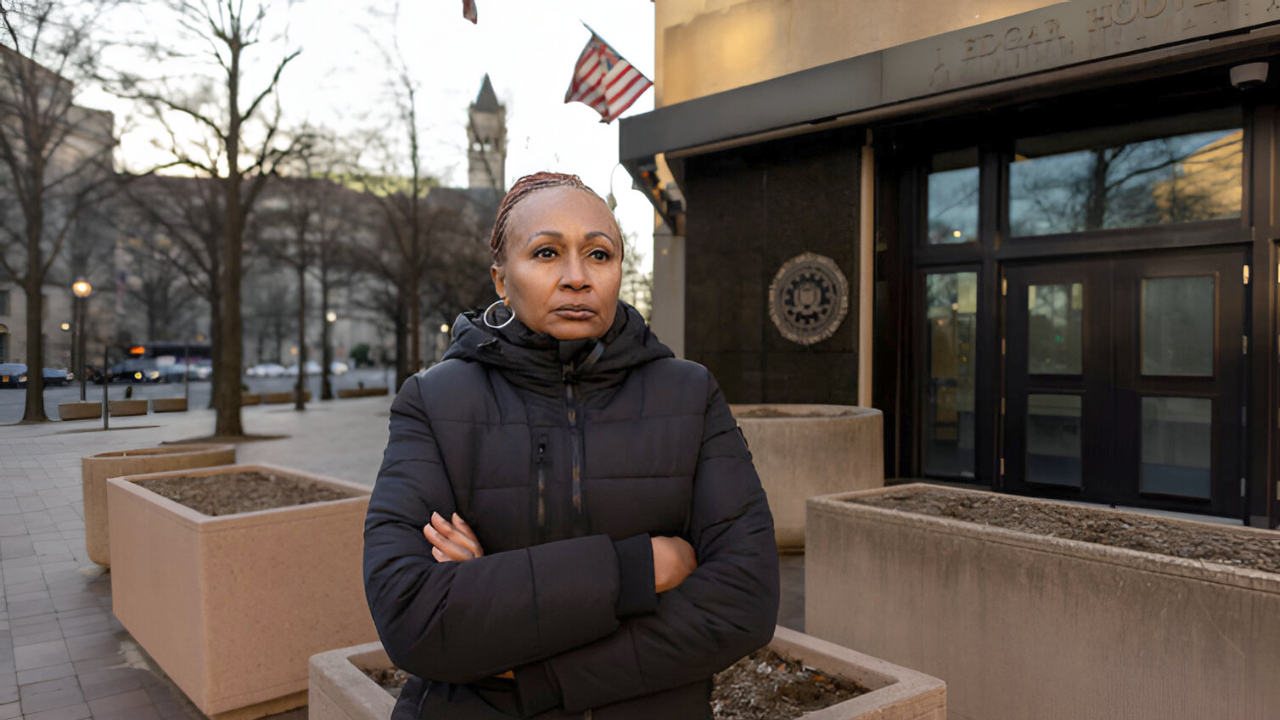
A new congressional bill is putting the question of divided loyalties in the spotlight, raising concerns for millions of Americans who hold multiple passports. Senator Bernie Moreno’s Exclusive Citizenship Act, introduced in December 2025, demands that dual citizens choose one nationality within a year or risk losing their U.S. status.
Moreno’s push has ignited debates over allegiance and identity in an increasingly globalized world. “Accidental Americans” and long-established dual citizens alike face uncertainty. Here’s what’s happening as lawmakers grapple with the implications of this bold proposal.
Moreno’s Push for Exclusive Allegiance

Senator Bernie Moreno, a Republican from Ohio who naturalized as a U.S. citizen at 18, introduced the Exclusive Citizenship Act in late 2025. The measure would ban dual nationality, requiring existing dual citizens to renounce either their U.S. or foreign citizenship within 12 months of enactment, which itself would begin 180 days after passage. A federal registry would track compliance, and failure to act would automatically strip individuals of their U.S. citizenship.
The proposal revives the notion of “sole and exclusive allegiance,” a concept rooted in historical security fears. Current law, however, does not enforce such a mandate. Moreno frames the bill as a safeguard for American identity, emphasizing complete commitment to the nation, while supporters hail it as a stand against foreign influence. Critics, though, question both its reach and its mechanics.
Millions Could Be Affected

Estimates suggest between 7 million and 10.7 million Americans currently hold dual citizenship, according to State Department and census data. Another 20 million to 30 million qualify for foreign citizenship through ancestry but have not claimed it. Many acquire dual status involuntarily, either through birth abroad, parents’ nationality, or descent programs from countries like Ireland, Italy, or Poland.
“Accidental Americans,” born in the U.S. but tied to other nations by parentage, make up a large portion of the affected population. Often, these individuals have limited ties to their second country yet would face difficult choices under Moreno’s plan. The scale of potential impact highlights the complexities of modern citizenship and the global connections many Americans maintain.
Legal Challenges Loom Large
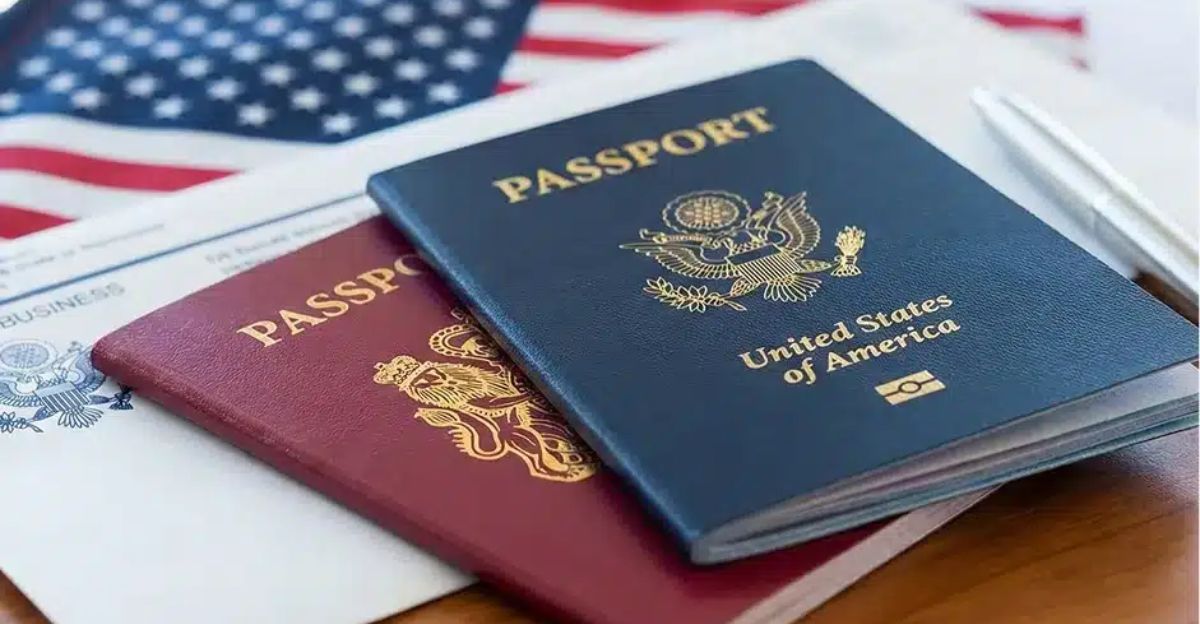
U.S. law currently allows dual citizenship without restriction. Naturalized citizens may retain their original nationality if foreign laws permit, and acquiring another citizenship voluntarily does not revoke U.S. status. Supreme Court decisions present formidable barriers. In Afroyim v. Rusk (1967), the Court ruled Congress cannot strip citizenship without voluntary renunciation. Vance v. Terrazas (1980) further required both voluntary action and intent to give up U.S. citizenship.
Legal scholars argue Moreno’s “deemed relinquishment” clause violates the 14th Amendment’s Citizenship Clause. They predict swift challenges in federal courts and injunctions to halt enforcement. Past treaties, such as the Bancroft Treaties terminated in 1980, no longer complicate dual citizenship, making the proposed law even more extraordinary in its demands.
Renunciation Process Poses Practical Hurdles
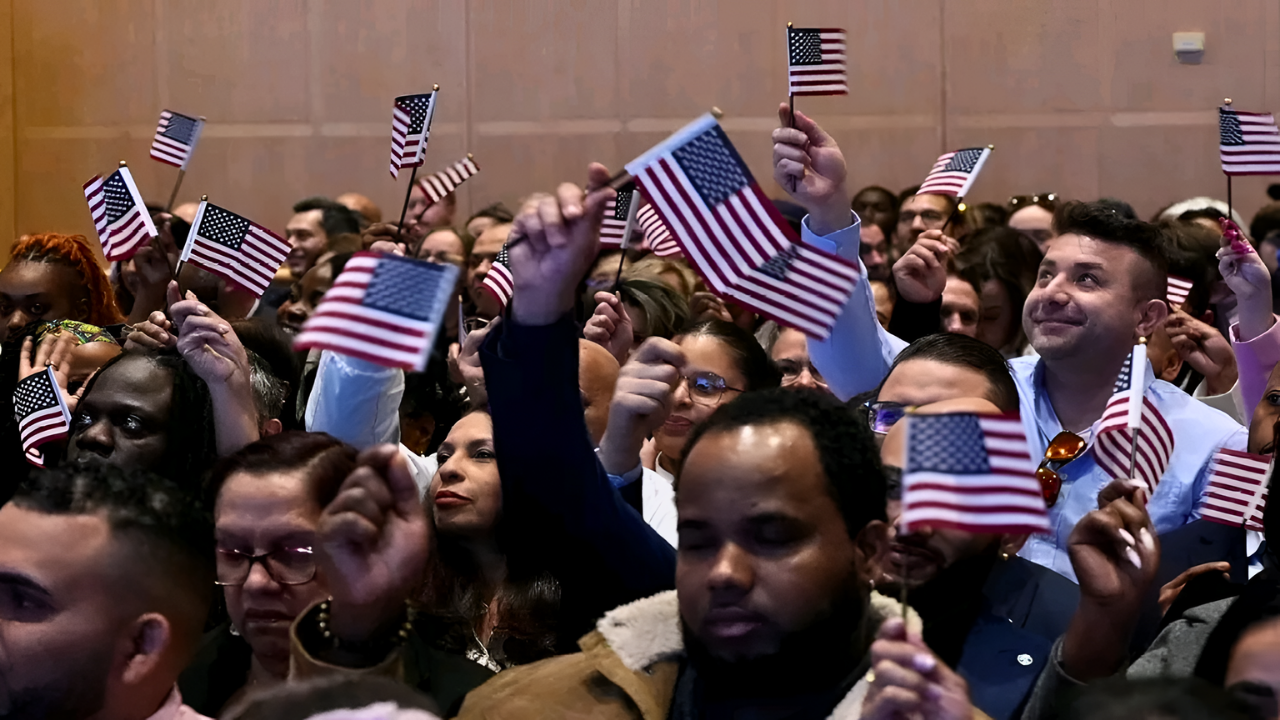
Renouncing citizenship is a complex process. It requires in-person appearances at U.S. consulates abroad, a $2,350 fee per person, extensive paperwork, and confirmation of understanding the consequences without duress. The system currently handles about 5,000 cases per year but faces a backlog of 30,000 cases. A mass rush under a one-year deadline could overwhelm facilities lacking remote or expedited options.
Public opinion is largely opposed. A December 2025 YouGov poll showed only 31% of Americans favor ending dual citizenship, with 60% opposed. Support is heavily partisan: 59% of Republicans approve, while only 11% of Democrats do. Just 15% view dual citizens as notably less loyal. Meanwhile, demand for second passports continues to grow amid travel disruptions and ancestry pursuits, even as countries like Italy tightened descent rules in March 2025.
What’s at Stake for Americans
The stakes extend beyond bureaucracy into identity and policy. Passage of the bill remains unlikely due to Republican divisions, Democratic resistance, and procedural challenges. Yet litigation could drag on for years if advanced, creating uncertainty for millions of dual citizens.
For those affected, the bill tests whether U.S. citizenship can accommodate multifaceted lives in a connected world. It raises fundamental questions about national sovereignty, personal heritage, and how Americans navigate loyalty and identity across borders. The debate underscores the tension between legal definitions of allegiance and the lived reality of global citizenship.
Sources
Afroyim v. Rusk. Supreme Court of the United States, June 30, 1967
Vance v. Terrazas. Supreme Court of the United States, April 2, 1980
Only one-third of Americans support eliminating dual citizenship. YouGov, December 4, 2025
New Moreno Bill to Outlaw Dual Citizenship. Senator Moreno Official Website, December 2025