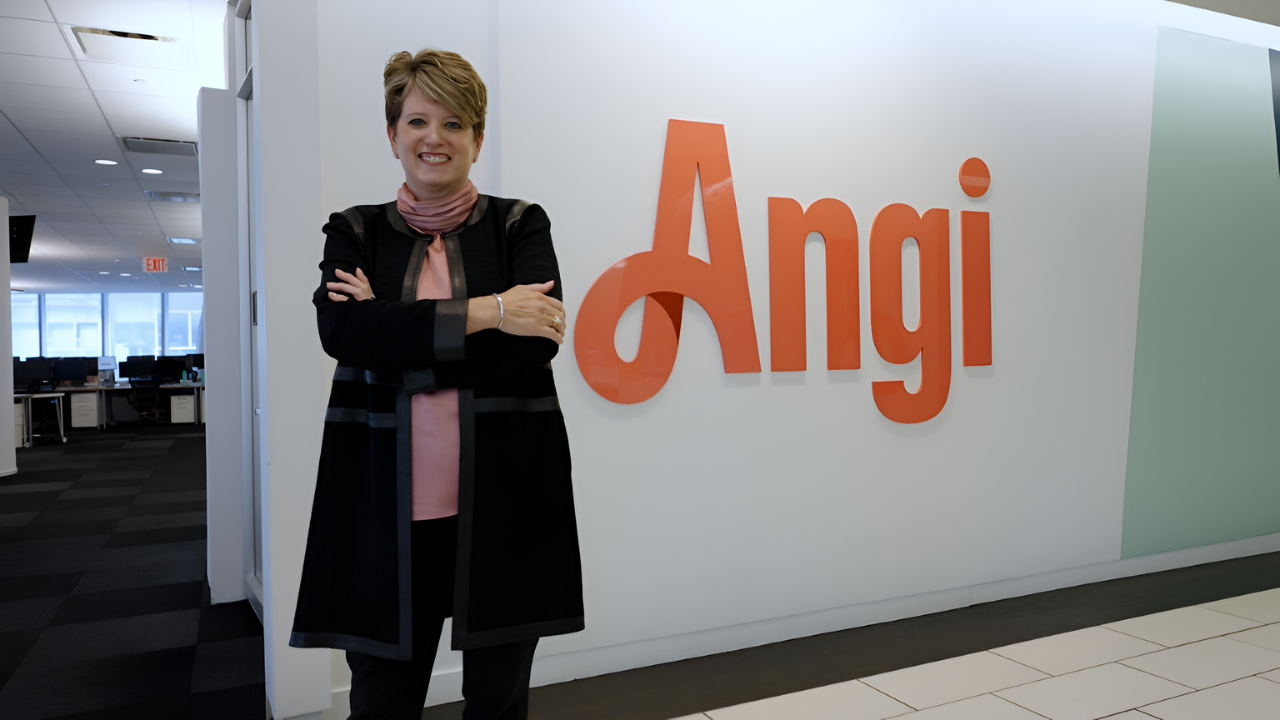
In January 2026, Angi, the company formerly known as Angie’s List, announced that it would cut 350 jobs, about 12.5% of its total staff. The reason? Improvements in artificial intelligence (AI) that made many roles unnecessary. This event showed that AI is no longer just a future risk; it’s already reshaping real companies and real jobs today.
The company’s filing on January 7 explained that using AI would save Angi between $70 million and $80 million every year. However, paying severance to the laid-off workers would cost between $22 million and $30 million, a reminder that cost savings often come after short-term expenses. Angi’s decision fits into a much larger global pattern. A 2025 World Economic Forum survey found that 41% of companies expect to reduce their workforce because of AI by 2030, and in the U.S., that number climbs to 48%. Artificial intelligence, once a tool for experiments and small projects, has now become a central part of business strategy worldwide, changing how companies operate and how workers fit into that structure.
Job Cuts Spread Across Big and Small Companies

This wave of AI-driven change is not limited to Angi. Smaller tech companies have also been hit hard. Tailwind Labs, for example, cut three out of its four engineers after AI tools began to handle much of their coding work. Even large, well-known firms are restructuring their teams. Meta’s Reality Labs division, which focuses on virtual and augmented reality, plans to let go of 10% of its staff early in 2026. Citigroup, one of the world’s largest banks, expects to cut 20,000 jobs by the end of the year as part of a cost-saving and efficiency push.
Amazon’s case is slightly different yet connected. The company let go of 14,000 corporate workers in October 2025, officially calling it a “reorganization.” Still, leaked internal documents show that Amazon plans to automate up to 75% of its warehouse operations by 2033. Instead of announcing new layoffs, the company has been quietly scaling back hiring and adjusting how work gets done. Altogether, these moves show that automation’s impact is not isolated, it stretches from small startups to major global corporations.
Quiet Cuts and Growing Employee Concerns
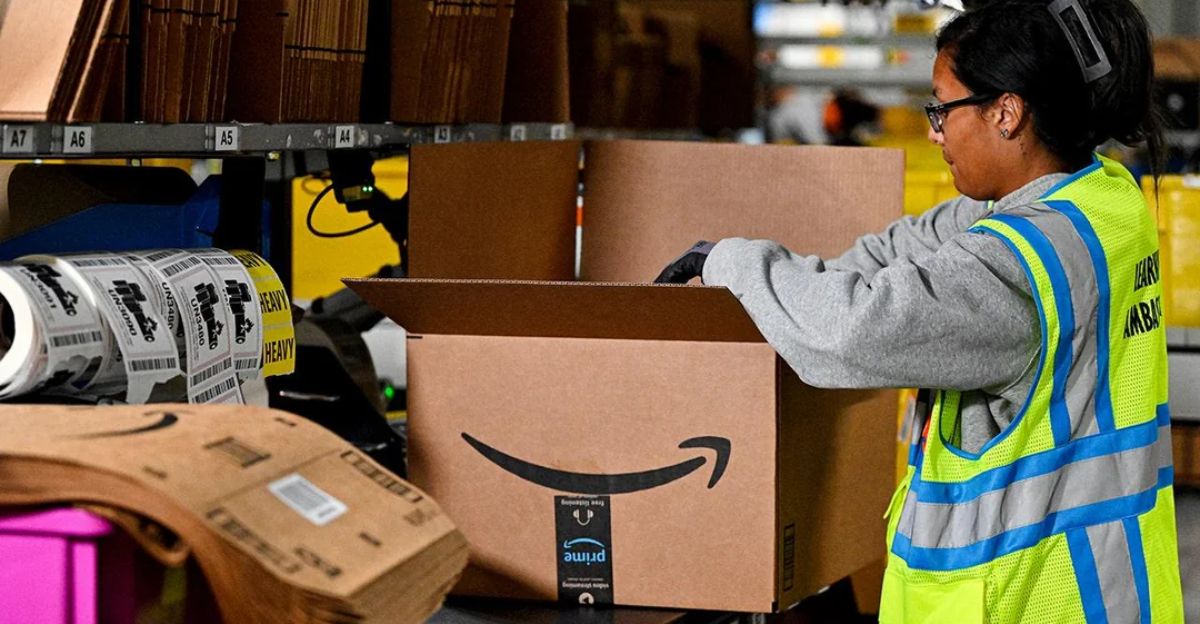
While some companies make big announcements, others are taking a quieter path. Amazon’s decision to avoid replacing departing warehouse workers is one example of what experts call “silent attrition.” This method reduces staff numbers over time without the shock of formal layoffs, but the effect is the same: fewer human workers are needed.
Inside companies, employees are growing uneasy. In late 2025, more than 1,000 Amazon workers signed an open letter warning management that AI was starting to threaten jobs that were once considered safe. Their message reflected a growing concern that efficiency might be coming at too high a human cost. Many employees worry not just about job loss but also about a future in which machines handle most routine tasks, leaving fewer opportunities for people.
Executives, however, defend their choices. Citigroup’s CEO, Jane Fraser, described the company’s job cuts as part of a necessary “transformation.” Angi also emphasized in its public filings that these shifts are meant to strengthen the company for the long term. Amazon and Meta continue to invest heavily in AI technology, seeing it as key to staying competitive. But skepticism remains high, a survey found that about 69% of workers believe companies use “AI layoffs” as an excuse for deeper cost-cutting measures driven mostly by profit concerns.
Legal, Economic, and Ethical Challenges

As AI becomes more common, new legal and social questions are emerging. Labor lawyers are watching closely for possible violations of employment laws, especially if layoffs appear to unfairly target older workers. Advocacy groups are calling for retraining programs to help employees learn new skills and adapt to technology-driven industries. There’s also growing worry about how these changes affect outsourcing in developing countries, where many tech and support jobs are already at risk.
A recent MIT Iceberg Index study found that AI now performs work equal to 11.7% of the U.S. labor market, mainly in fields like administration, finance, professional services, and manufacturing. This percentage may rise quickly as software becomes more capable. Over 100 companies have already filed WARN notices in 2026, signaling planned layoffs, with more expected from major firms including Citigroup and Meta. At the same time, demand for workers who understand AI continues to grow, creating a divide between those with advanced tech skills and those without.
If governments and businesses fail to close this gap, the economic inequality between high-tech workers and others could deepen further. That’s why experts are calling for clear public policies, education reforms, and ethical oversight to balance AI’s benefits with its human consequences. The story of Angi and others may only be the beginning of a new era, one where machines reshape work faster than society can adapt.
Sources:
“The company behind Angie’s List is cutting 350 jobs ‘in light of AI-driven efficiency improvements’.” Business Insider, 7 Jan 2026.
“41% of companies worldwide plan to reduce workforces by 2030 due to AI.” CNN Business, 8 Jan 2025.
“Tailwind lays off 75% of its 4-person engineering team, citing ‘brutal impact AI has had on our business’.” Business Insider, 7 Jan 2026.
“MIT study finds AI can already replace 11.7% of U.S. workforce.” CNBC, 26 Nov 2025.