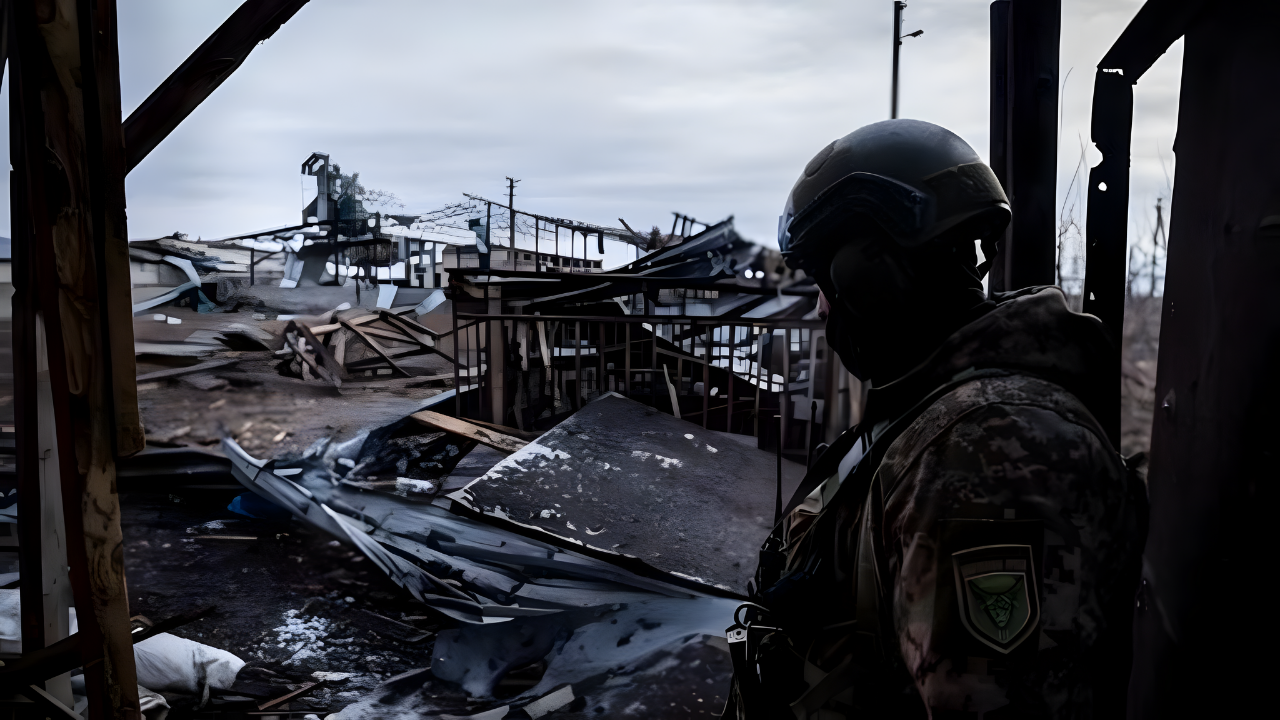
As night falls over eastern Ukraine, the sky flashes with explosions and the sound of artillery. Drones buzz constantly in the air. Over one recent day alone, Russian forces reportedly suffered about 1,400 casualties. The ongoing war continues to exact a huge toll on both sides.
Since Russia’s invasion of Ukraine on February 24, 2022, the fighting has gone through many phases. Russia took a lot of territory at first, but Ukraine fought back with the help of Western support. By the end of 2022, Ukrainian forces had reclaimed around 50,000 square kilometers. Since then, Russia has gained only about 5,000 square kilometers in return, leaving the war stuck in a long and bloody stalemate. Each new battle adds to one of the largest human and material losses seen in Europe since World War II.
The Financial Burden of War
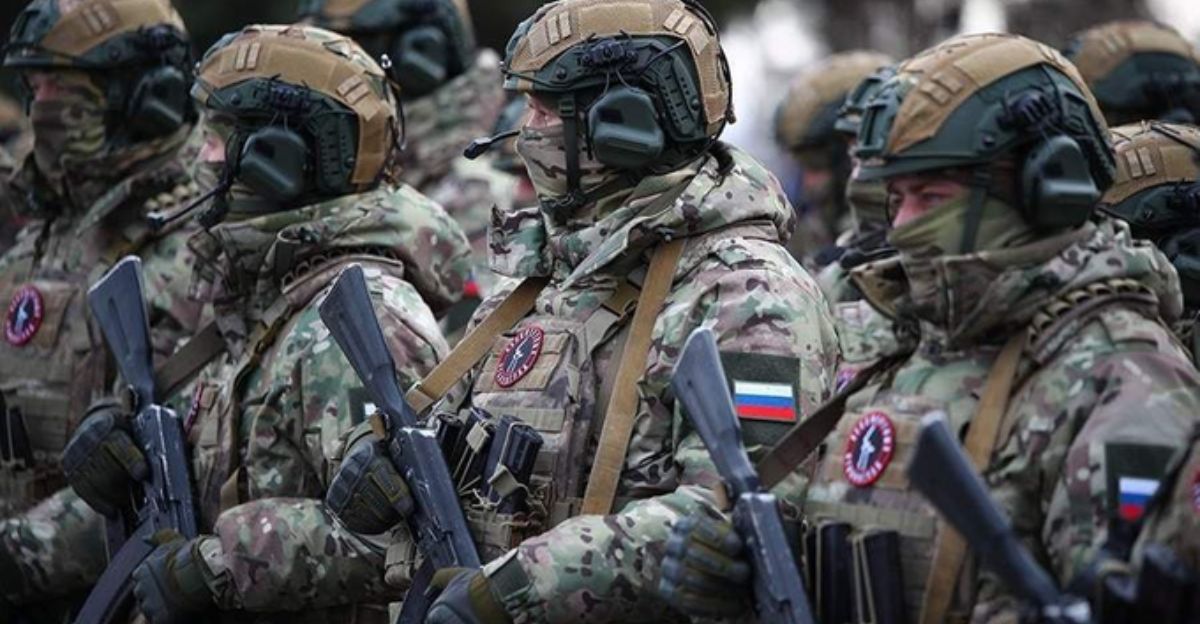
The war’s cost to Russia is staggering. Analysts from The Moscow Times, citing German security experts, estimate that by late 2025, Russia had spent around $542 billion on the conflict. With monthly costs near $13.2 billion, total spending could exceed $700 billion by the end of 2026. This includes more than $100 billion in destroyed equipment, $250–300 billion spent on ammunition such as shells, rockets, and drones, and about $80–100 billion on personnel expenses like soldier pay, medical care, and recruitment.
Russia’s war spending per day is enormous, about $23 million every hour. Russian industries continue to shift from civilian goods to military production to keep pace with demand. In just the first nine months of 2025, defense spending reached $142.25 billion, which is 30% higher than in 2024 and nearly triple what Russia spent before the war began in 2021.
For 2026, the Kremlin set aside $154.8 billion for defense, meaning almost 40% of the national budget now goes toward military and security efforts. These record-high expenses strain the economy and leave fewer resources for civilian needs.
The Toll on Soldiers and Equipment
Russian losses on the battlefield remain extremely high. Reports suggest the army now loses over 1,100 troops a day, with occasional spikes reaching 1,400 killed or wounded. Since the war started, Russia has lost over 1.18 million soldiers, and that number could reach 1.2 million by the end of 2026. Experts call this the worst scale of wartime casualties in modern European history.
Much of this damage comes from Ukraine’s precision attacks using artillery, drone strikes, and Western-supplied weapons like Javelin missiles. These tools have made traditional armored assaults far less effective. Ukrainian drones alone are believed to be responsible for destroying two-thirds of Russian tanks and causing 70% of troop losses.
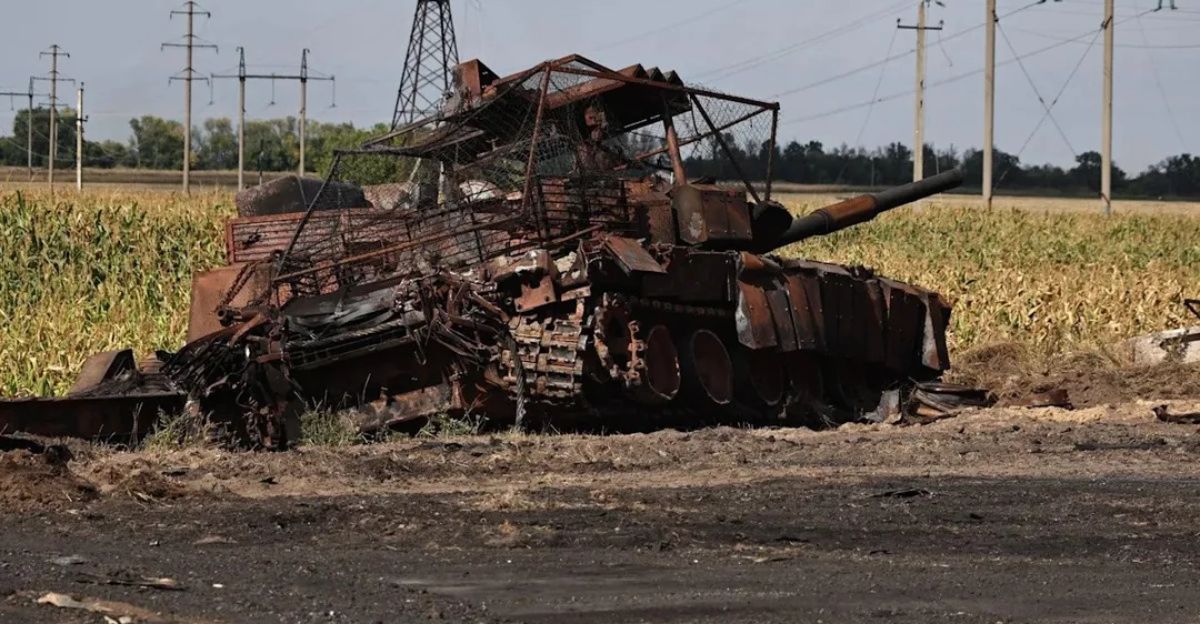
The destroyed equipment paints a grim picture. More than 11,400 Russian tanks, four times the quantity Moscow had before the war, have been lost. Alongside this, around 35,000 artillery systems, 432 aircraft, and nearly 90,000 drones have been destroyed. The cost of these losses is estimated at over $100 billion by early 2026.
Ammunition is another massive expense. Russian forces fire an estimated 10,000 to 20,000 shells each day, each costing about $1,000. Factories now produce around 250,000 shells per month, plus thousands of cruise missiles and Shahed drones every year. Yet despite building about 30,000 Shaheds and decoy drones since the invasion, the total cost of ammunition remains between $250 and $300 billion. Russia’s Black Sea Fleet has also suffered significantly, losing 28 ships and even a Kilo-class submarine, forcing the country to rely more on risky land routes for military transport.
Human and Economic Pressures
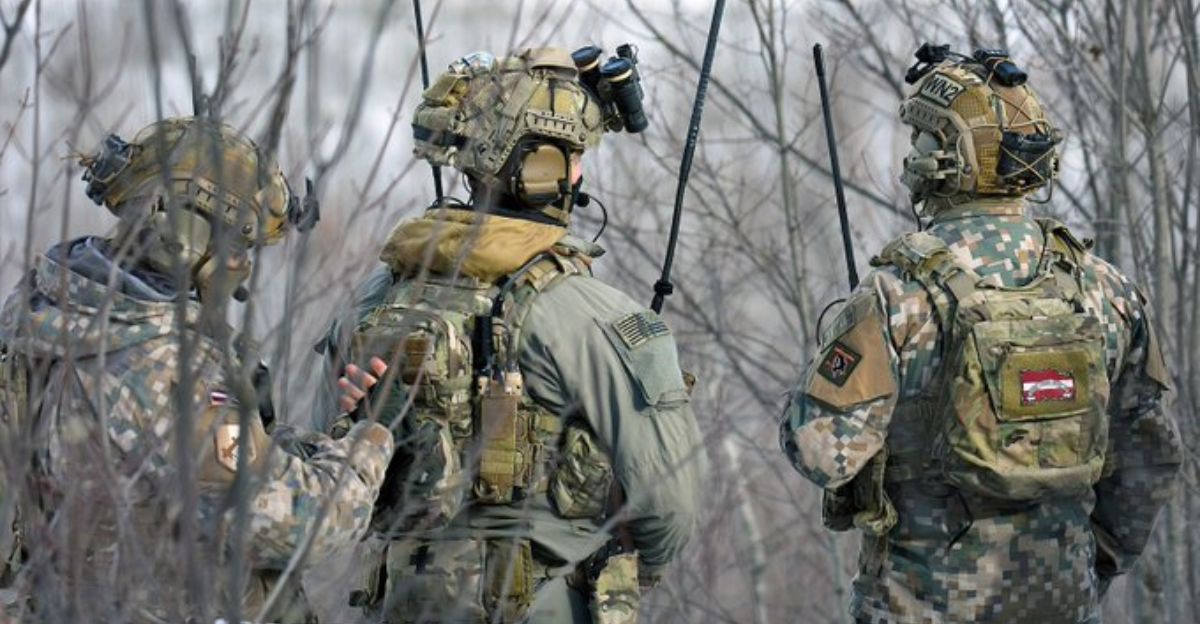
Russia has resorted to desperate recruitment measures. Prisoners and men from remote towns are being sent to the front to replace fallen soldiers. In battles like the one for Chasiv Yar, nearly 4,900 Russians were killed or wounded between April 2024 and February 2025, with little territorial gain. Even elite units such as the Spetsnaz have been depleted by high casualty rates, damaging morale despite changes in leadership and expansion efforts to reach a total force of 1.5 million troops.
The war has also reshaped the workforce. The defense industry now employs about 3.5 million Russians, up from around 2 to 2.5 million before the invasion. Factories run around the clock, many repurposed from civilian use to build weapons. But sanctions and production limits mean only 46% of Russia’s pre-war tanks remain, most of them old Soviet-era models.
Russia’s economy is now deeply tied to the war. An estimated 44% of the nation’s tax revenue goes directly to military spending. While the country has kept production moving, experts question how long this can last. Ukraine’s resilience and Western backing continue to frustrate Moscow’s goal of wearing Ukraine down. The outcome may depend on whether Russia’s industrial power and financial resources can hold out longer than the mounting human and equipment losses that have already defined the war.
Sources:
“Russia loses 1,400 personnel, 17 artillery systems in war against Ukraine over past day.” Ukrinform, 7 Jan 2026.
“Russia’s war spending hits new record.” Ukrainska Pravda, 10 Dec 2025.
“Russia Sets New Military Spending Record at $142.25B as War Costs Climb to $209M Per Hour for 9 Months.” United24Media, 10 Dec 2025.
“Russia producing three times more artillery shells than US and Europe for Ukraine.” CNN, 11 Mar 2024.