
Imagine two people at the same breakfast table, both 68 years old. One moves easily, remembers clearly, and eats with enthusiasm. The other struggles with stiff joints and a limited diet. The difference between them doesn’t come from expensive supplements or extreme habits, it comes from small, daily food choices made over many years.
Research shows that certain foods can help slow down the effects of aging. These aren’t rare ingredients but common items available in most grocery stores. When eaten regularly, they support memory, joint flexibility, heart health, and overall vitality. The key is consistency: eating them often enough that they quietly shape your long-term health.
Everyday Foods That Protect Body and Brain
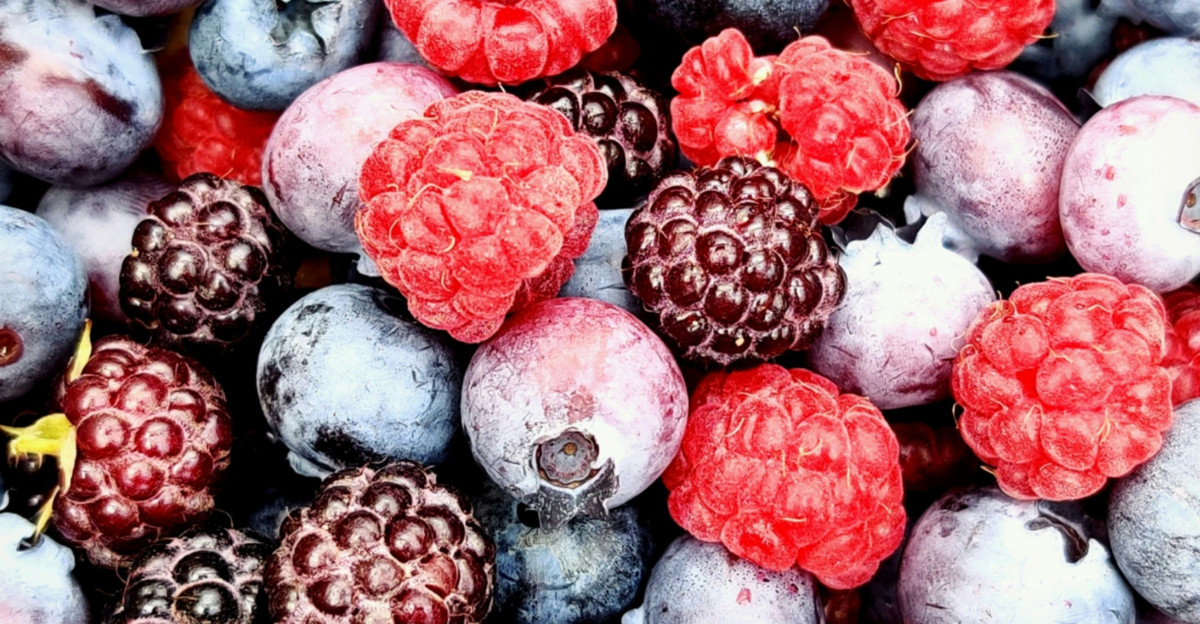
Berries and leafy greens stand out as powerful allies for healthy aging. Berries, like blueberries, strawberries, and blackberries, are packed with anthocyanins and polyphenols. These natural compounds help fight oxidative stress, the process that makes cells wear down faster. Studies show that people who regularly eat berries have lower levels of inflammation and experience slower age-related memory decline, by as much as two and a half years compared to those who rarely eat them.
The good news is that frozen berries work just as well as fresh ones since freezing preserves their nutrients. Adding them to yogurt, breakfast bowls, or smoothies makes it easy to enjoy their benefits daily without added effort.
Leafy greens, such as spinach, kale, and collard greens, are equally important. They contain nutrients like lutein, folate, and vitamin K, which protect the brain and blood vessels. Research from the National Institute on Aging found that people who eat these vegetables regularly show cognitive decline up to 11 years slower than those who don’t. These greens are affordable, easy to cook or blend, and help maintain balance, memory, and independence as we grow older.
Plant Proteins That Add Years to Life
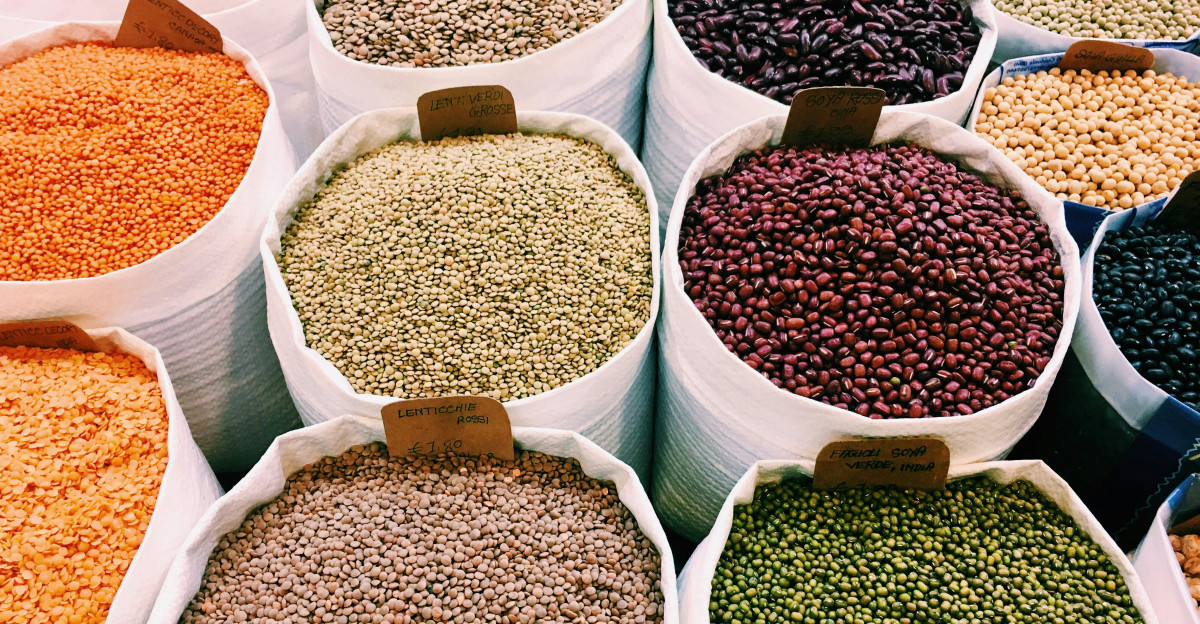
Legumes like beans, lentils, and chickpeas, are everyday foods linked to longer life. In parts of the world where people regularly live past 90, legumes are a dietary staple. They provide plant-based protein without the drawbacks of high animal fat diets. The fiber in these foods also feeds beneficial gut bacteria, improves blood sugar control, and lowers inflammation, all key factors that slow aging.
Because dried beans and lentils store well and cost little, they’re easy to include in meals year-round. Adding them to soups, salads, or stews a few times a week delivers lasting benefits. Over time, these small additions to your routine can add up to meaningful improvements in health and longevity.
Nuts are another food group once feared for their high fat content but now recognized as protective. Research following more than 119,000 adults found that regular nut eaters had lower rates of death from cancer, heart disease, and neurological conditions. The healthy fats, plant compounds, and protein in nuts help control blood sugar, reduce inflammation, and preserve muscle. Just a small handful, about an ounce each day is enough to see benefits. Keeping nuts visible on your counter or desk helps turn this into an easy habit.
A Balanced Approach for Long-Term Wellness

Foods that support aging well don’t have to be unusual or hard to find. Fermented foods like yogurt, kefir, sauerkraut, kimchi, and miso help your gut bacteria stay healthy. These microbes produce compounds that fight inflammation and improve how the body absorbs nutrients from other foods, such as berries and leafy greens.
Whole grains, like oats, brown rice, quinoa, and whole-wheat pasta, fill you up while stabilizing blood sugar. Studies show that people who eat more whole grains have lower risks of heart disease and live longer overall. Their mix of fiber, resistant starch, and plant compounds strengthens gut health, balancing energy throughout the day.
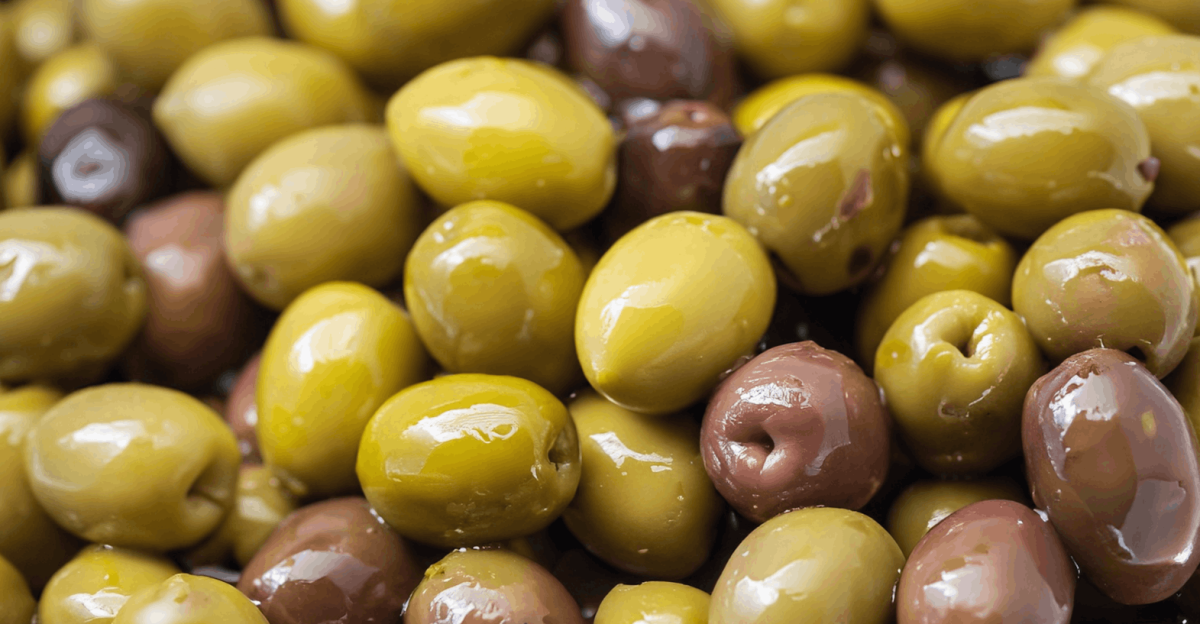
Olive oil, a cornerstone of the Mediterranean diet, ties all of this together. The famous PREDIMED study found that people who used olive oil daily had 30% fewer major heart problems compared to those on low-fat diets. Its combination of healthy fats and antioxidants helps reduce inflammation and improve blood flow. Using it consistently, in salads, over vegetables, or for light cooking, adds flavor and protection without the need for big dietary changes.
Building Lasting Habits, One Step at a Time
The real power of these foods lies not in perfection but in repetition. You don’t need to overhaul your diet overnight. Start by adding one new item each week, a handful of berries, a serving of beans, or a drizzle of olive oil, and build from there. Over months and years, these small habits reinforce one another, creating a pattern of eating that supports energy, mobility, and memory well into older age.
What matters most isn’t strict rules but reliable presence. Having healthy staples in your kitchen makes good choices automatic. Over time, these simple meals quietly become the foundation for a healthier, longer, and more fulfilling life.
Sources:
“Dietary intake of berries and flavonoids in relation to cognitive decline.” Devore EE, Kang JH, Breteler MMB, Grodstein F. Annals of Neurology, 2012.
“Nutrients and bioactives in green leafy vegetables and cognitive decline.” Morris MC, et al. Neurology, 2017.
“Association of nut consumption with total and cause-specific mortality.” Bao Y, et al. New England Journal of Medicine, 2013.
“Primary Prevention of Cardiovascular Disease with a Mediterranean Diet.” Estruch R, Ros E, Salas-Salvadó J, et al., for the PREDIMED Study Investigators. New England Journal of Medicine, Feb 2013.