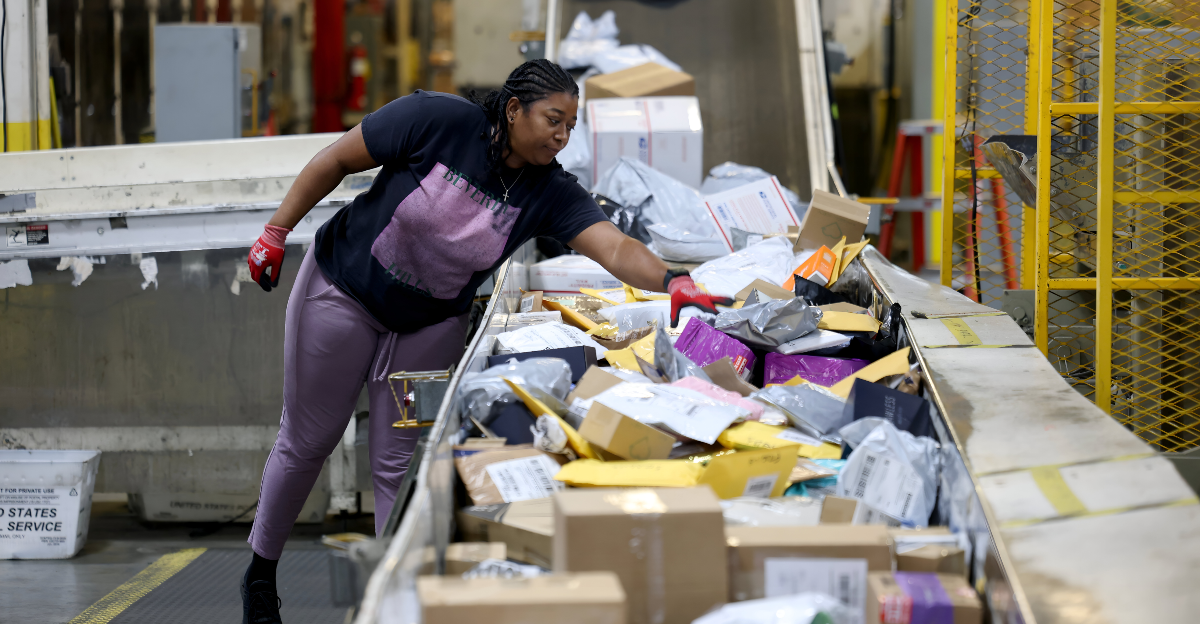
A trade regulation known as the de minimis rule permits goods valued below a predetermined threshold, in the United States, $800, for example, to enter duty-free, avoiding tariffs and customs charges. This rule made it easier for low-cost direct-to-consumer imports to soar, which fueled the growth of e-commerce and gave consumers access to cheaper goods, a wider range of products, and faster delivery.
But now that the U.S. government has eliminated it, customers will have to pay more and wait longer for shipments. The goal of the removal is to reduce the inflow of unsafe and counterfeit goods, stop unfair advantages given to foreign businesses, and advance fairness in domestic trade. However, this change in regulations will also result in higher administrative costs, duties, and logistical burdens for billions of shipments each year, which will unavoidably affect shipping schedules and consumer prices.
The Development of the De Minimis Rule
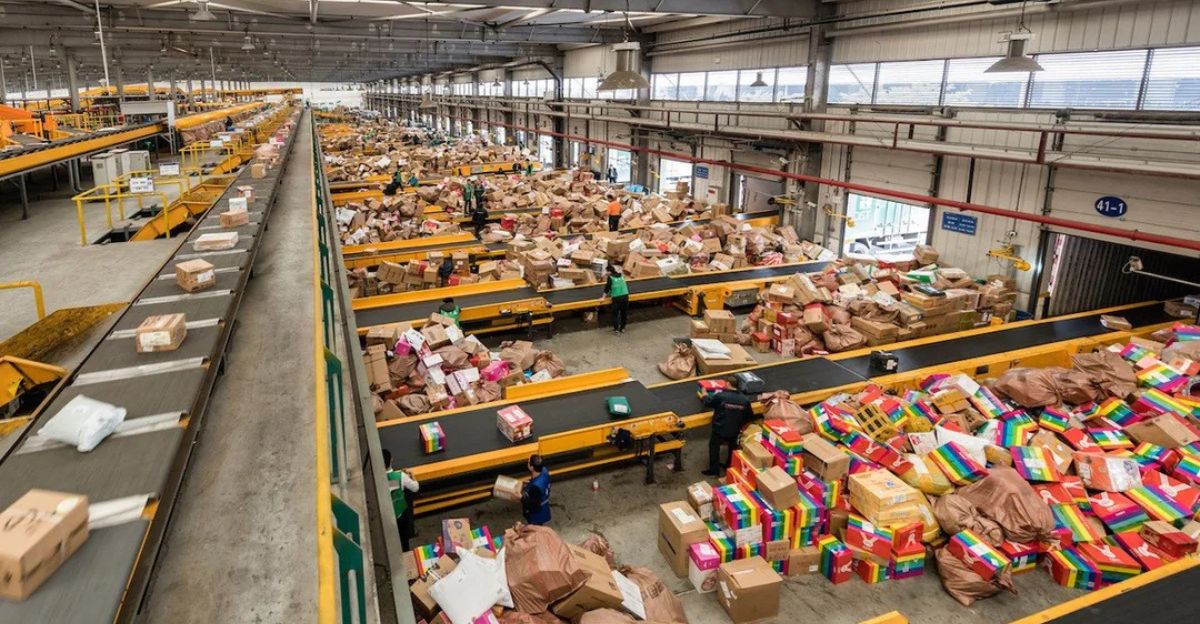
Throughout history, the de minimis principle, which translates to “the law does not concern itself with trifles,” was first used as a legal doctrine centuries ago to exempt low-value imports from onerous customs procedures. First established at very low levels, U.S. thresholds changed from $1 in the early 20th century to $200 before making a significant leap to $800 in 2016 under President Obama’s Trade Facilitation and Trade Enforcement Act.
Low-value shipments skyrocketed from 140 million in 2014 to over 1 billion in 2024 as a result of this increase, turning it from a small exception to a vital component of international e-commerce. Originally intended as a practical administrative tool, the threshold evolved politically into a loophole that was criticized for obstructing regulatory enforcement and distorting trade.
Current Patterns for Removing De Minimis
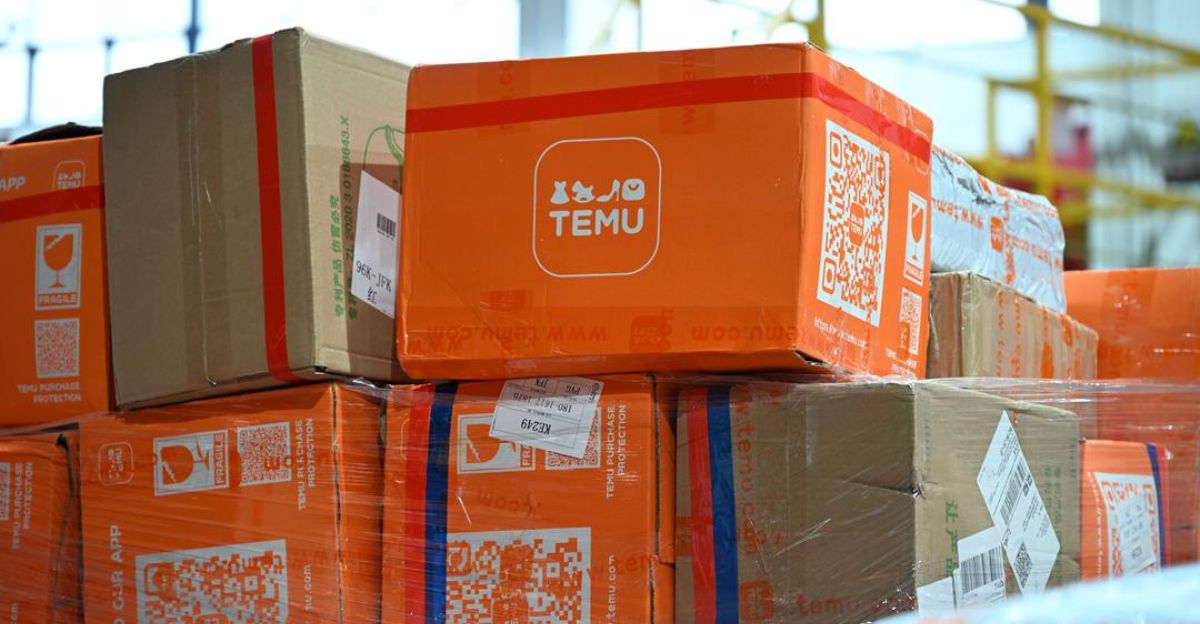
Pressure was placed on domestic retailers and customs authorities as a result of the unprecedented volumes of low-cost imports that dominated U.S. packages due to the massive growth of e-commerce giants like Shein, Temu, and Etsy that were taking advantage of the de minimis exemption. Concerns also grew over the misuse of this regulation to ship dangerous, fake, or illegal goods with little inspection, endangering both national security and consumers.
Executive actions were taken to revoke the exemption for essential trading partners like China, Canada, and Mexico after policymakers, particularly under President Trump, called it a “big scam” that allowed unfair competition and drug smuggling. The larger goals of drug interdiction, trade enforcement, and safeguarding American manufacturing are all intertwined with this policy change.
Difficulties with Customs Enforcement and Processing
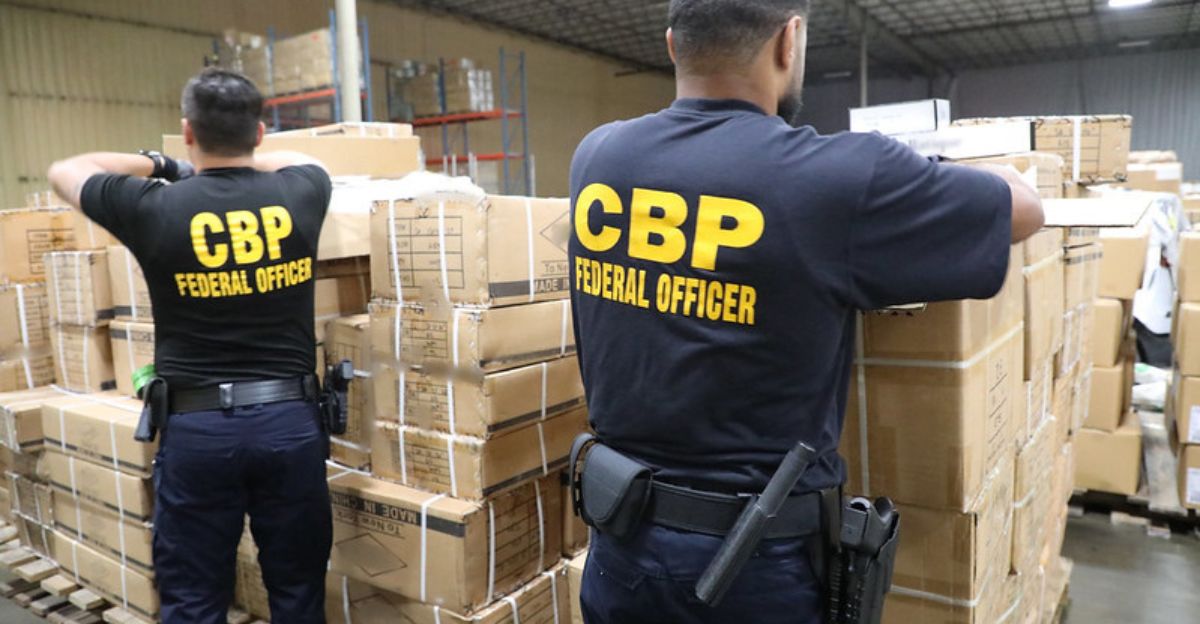
The administrative strain of handling the approximately 1.3 billion low-value shipments that were previously exempt each year is expected to overwhelm U.S. Customs and Border Protection (CBP) as a result of the removal of de minimis. Costly entry summaries, customs brokers, tariff collection, and other explicit documentation that was previously omitted will be needed for every shipment.
According to estimates, more than 22,000 more CBP officers would need to be hired and trained, placing a burden on resources and lengthening clearance times. Customers will have to wait longer as a result of delays that affect delivery networks and supply chains. Retailer inventories and the fluidity of e-commerce ecosystems will be impacted by the slow parcel flow caused by this administrative complexity.
Financial Expenses Transferred to Customers

It is estimated that eliminating the de minimis exemption will increase American consumers’ expenses by $8 billion to $30 billion a year, or an average increase of $34 to $136 per household. These additional expenses, which businesses will unavoidably pass on to customers, are the result of tariffs, administrative charges, and more costly logistics.
Minority and lower-income households are disproportionately affected by these expenses because they depend more on reasonably priced imports that are exempt. Reduced purchase volumes and fewer product options may cause consumers to change their behavior, exacerbating economic disparities. With this modification, millions of shipments would be subject to an effective import tax ranging from 14% to 55%.
Effect on Product Availability and Variety

The range of specialty and niche goods available to American consumers will be diminished by the elimination of de minimis, particularly from independent sellers and small foreign artisans. As tariffs and administrative burdens rise, online marketplaces such as Etsy and eBay, which benefited from the exemption to deliver distinctive, inexpensive, international items duty-free, now face a challenging environment.
Customers will be forced to choose more expensive imports or fewer, domestically sourced alternatives as a result of this restriction, which will stifle innovation and diversity in product offerings. Smaller sellers become less competitive, which has an intangible but powerful impact on consumer choice and creativity.
Impacts on Consumer Behavior and Psychology

Longer wait times and higher costs are frequently viewed negatively by customers, which exacerbates their annoyance and discontent. However, studies reveal that longer wait times can encourage some buyers to make larger purchases because they may indicate the value or desirability of a product.
However, over time, the psychological costs of waiting, such as annoyance and missed opportunities, can turn off customers or weaken brand loyalty. Increased customs processing delays after de minimis removal will intensify these unfavorable feelings, which could undermine customer confidence and change buying habits. In the face of longer delivery times, businesses need to manage these psychological dynamics to keep customers.
Implications for Small Businesses and the Supply Chain

Adapting to the end of de minimis presents significant challenges for small businesses that depend on cross-border e-commerce. Tariffs, logistical challenges, and increased compliance costs necessitate operational reorganization, which may result in price increases or declining profit margins.
Many need to reevaluate their supply chains, moving production or fulfillment closer to home or into areas with lower tariffs. Time, money, and strategic risk are all imposed by this shift. Particularly at risk of losing market share or going out of business entirely are vendors who specialize in international direct-to-consumer sales—the flexibility of the e-commerce ecosystem declines, which affects innovation and entrepreneurship.
The Strategic Justifications for Terminating De Minimis

Eliminating the de minimis exemption is a policy shift motivated by several strategic objectives, including improving national security by closely examining all shipments, promoting reshoring of manufacturing, fighting illicit drug trafficking and counterfeit goods, and leveling the playing field for U.S. companies in trade by enforcing tariffs fairly.
Although these goals are worthwhile, there are trade-offs involved, such as increased consumer expenses and supply chain interruptions. Rebalancing priorities in favor of domestic economic protection and regulatory control over low-cost consumer convenience and unfettered global e-commerce expansion is reflected in the strategy.
Market Changes and E-Commerce Giants

The de minimis exemption allowed e-commerce giants like Shein and Temu to import large amounts of inexpensive clothing and consumer goods with low tariffs, which fueled their rapid expansion and market share. These businesses are forced to reevaluate their supply chains, pricing strategies, and financial results when the exemption is removed. Price increases, local production, or a move toward higher-value goods are some of the various tactics that surface.
With repercussions on global competitive dynamics and consumer access to fast fashion and reasonably priced goods, this challenge is representative of the larger structural changes in trade and retail brought about by the removal of de minimis.
Historical Similarities and Trade Policy Insights

In the past, trade policies intended to safeguard home industries frequently had unforeseen effects on consumers. Early in the 20th century, protective tariffs were politically supported as a job-defense measure, but they increased prices and hindered innovation.
Such trade-offs are echoed by the current de minimis removal, which highlights the conflict between globalized consumer markets and economic nationalism. Previous trade disruptions demonstrate that, although consumers may be burdened by short-term costs, well-targeted policies and infrastructure support can lead to longer-term industrial investment and job growth.
Does the Consumer Gain Something?

By guaranteeing product safety, eliminating dangerous and counterfeit goods from the market, and encouraging fair competition that may spur improvements in domestic product quality, some contend that the end of de minimis benefits consumers.
Enforcing thorough customs inspection reduces the possibility of dangerous goods, such as hoverboards, fake helmets, or tainted goods, entering the United States, which could lessen harm and consumer deceit. Despite the short-term pain to consumers, proponents argue that higher prices are an investment in long-term economic resilience and regulatory integrity.
Impact on Reverse Logistics and Returns

Removing the de minimis exemption makes it more difficult to return products from foreign sellers because they may be subject to duties twice: once upon import and again upon return, increasing the cost to the customer and adding to the logistical complexity.
International purchases are discouraged because customers must deal with more paperwork and lengthy refund procedures. Brands may charge fees or restrict returns, transferring risk and cost to customers. In global e-commerce, reverse logistics costs increase for sellers, which may result in less lenient return policies and lower consumer satisfaction and trust.
Economic Modeling of Rising Consumer Prices

According to economic models, the elimination of the de minimis exemption disproportionately affects regular buyers of low-value covered goods by acting as a tariff increase equal to a 14-55% import tax. As tariffs and administrative expenses trickle down supply chains, models forecast a decline in import volumes and an increase in retail prices.
This compound price effect will have a detrimental impact on consumer welfare and purchasing behavior, especially for low-income communities that depend on reasonably priced imports. Demand may shift toward lower-quality or domestic alternatives as a result of the additional burden.
Changes to the Legal and Regulatory Framework
Section 321 of the Tariff Act of 1930 contains the de minimis exemption, which was first intended to lower the administrative expenses associated with handling small shipments. 2016 saw changes that significantly increased thresholds and broadened the scope of exemptions.
In order to bring U.S. standards closer to international standards while upending long-standing trade and e-commerce protocols, the 2025 policy reversal necessitates renegotiating enforcement procedures, customs data collection, and administrative regulations. In order to manage the surge of low-value imports under increased scrutiny, customs agencies are under pressure to create creative processing systems that efficiently integrate tariffs.
Adaptations in Technology and Logistics
Logistics and shipping firms must innovate customs processing through automation, data sharing, and more transparent documentation to minimize adverse effects and expedite tariff collection without obstructing parcel flows.
In order to adapt to the de minimis removal, technologies that facilitate pre-clearance, real-time tracking, and duty payment at purchase (DDP) will become essential. Although shipping times may be temporarily prolonged during this adaptation phase, the ultimate goal is to resume more efficient operations. To manage this shift, coordination between private carriers, postal services, and customs administrations is essential.
International Trade and the Risk of Retaliation

By lowering their own thresholds or enacting retaliatory trade barriers, other nations may disadvantage American exporters if de minimis thresholds are removed, which could cause diplomatic tension. Changes could affect multilateral trade agreements, exacerbate trade tensions, and make negotiations more difficult.
To prevent escalation, the United States must strike a balance between upholding cooperative relationships and enforcement priorities. Retaliation could undermine intended domestic protections and hurt American companies that depend on overseas markets.
Strategies for Consumer Adaptation

Customers will need to change their behavior by looking for options that include upfront duty payments (DDP), anticipating higher prices and longer wait times, and verifying the product’s origins to prevent unexpected tariffs. To cut costs, customers prefer domestic goods or combined shipments.
Although they won’t completely eliminate financial impacts, awareness and informed purchasing decisions will help to reduce unforeseen costs. In order to preserve trust throughout this transition, retailers may be more open about the implications of tariffs.
Long-Term Prospects for Markets and Policies
Removing de minimis may result in longer-term changes toward improved technology for customs enforcement and stronger domestic supply chains, even though the immediate effects will be higher costs and delays.
Innovation in localized manufacturing, tariff management, and regulatory compliance solutions may be introduced to the market. As information on the effects grows, policymakers may be compelled to review thresholds or exemptions in order to strike a balance between protectionism and consumer interests. The success of this crucial trade reform will be determined by ongoing observation and adjustment.
Conclusion
The de minimis exemption’s termination signals a dramatic change in the dynamics of international trade that will raise consumer prices and delay delivery. Although it seeks to protect domestic industry, improve safety, and correct imbalances, American consumers and small businesses bear a disproportionate amount of the administrative burdens and tariffs that result.
This change highlights the intricate trade-offs in regulatory reforms by requiring strategic adjustments in trade, logistics, and consumer behavior. In the end, it calls into question the delicate balance between effective international trade and national economic protections, necessitating knowledgeable customer decisions and quick corporate reactions.