
NASA scientists at Langley Research Center analyzed 23 years of satellite observations collected between 2001 and 2024 using the CERES instrument suite. Their findings show Earth is reflecting less sunlight back into space, meaning more solar energy is being absorbed by the planet.
This decline in reflectivity, known as albedo, signals a growing imbalance in Earth’s energy system and helps explain why warming has continued despite emissions controls.
Northern Hemisphere Darkens Faster Than the South

The analysis revealed a clear hemispheric asymmetry. The Northern Hemisphere is darkening significantly faster than the Southern Hemisphere, absorbing an additional 0.34 watts per square meter per decade.
While Earth receives roughly 240–243 watts per square meter of solar energy on average, even small sustained shifts in reflectivity can have major climatic consequences. This pattern challenges assumptions that hemispheric energy differences naturally cancel out.
Cleaner Air Plays a Measurable Role
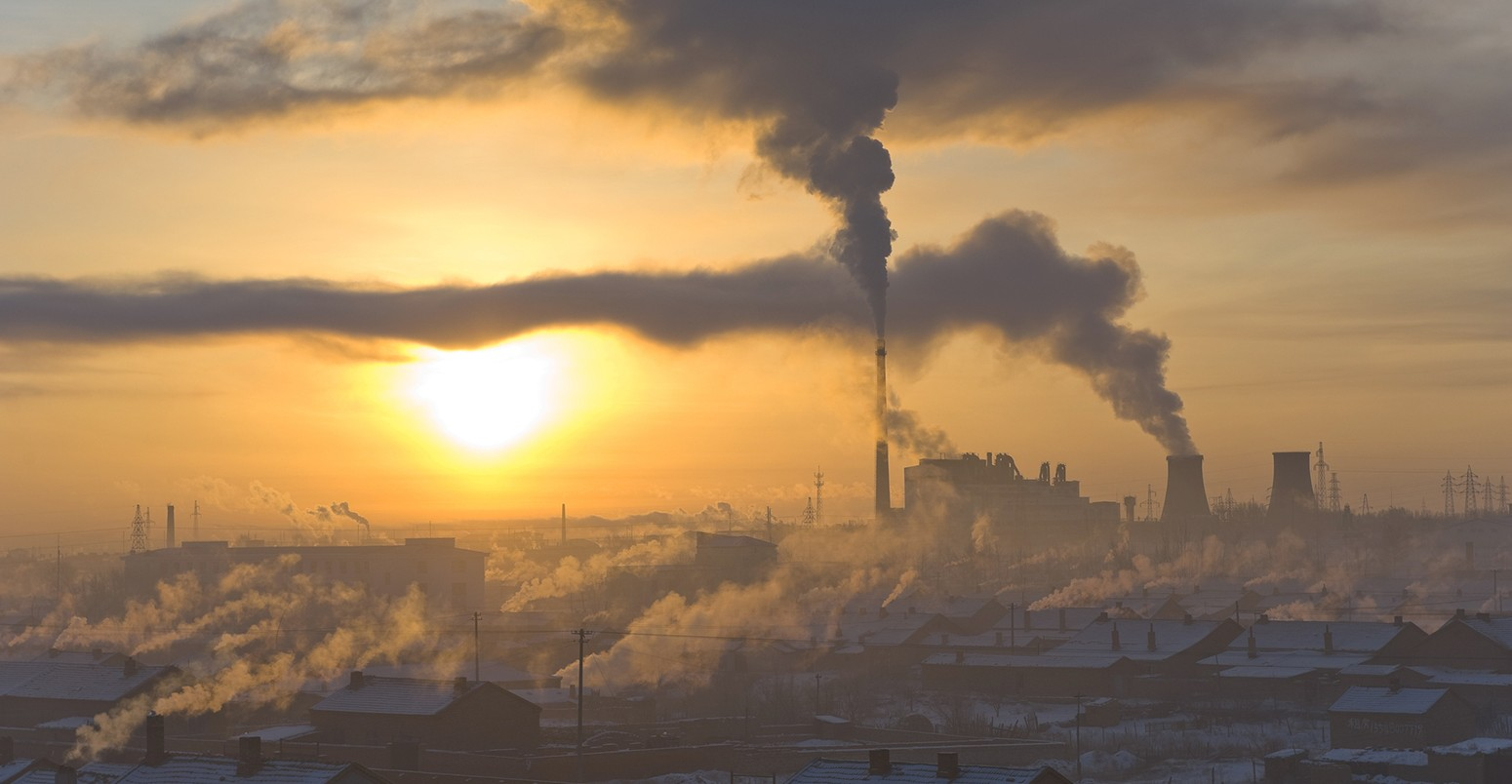
One major contributor to Northern Hemisphere darkening is reduced aerosol pollution. Air-quality improvements across the United States, Europe, and China have lowered concentrations of reflective particles that once bounced sunlight back into space.
While these reductions bring major public health benefits, they also reduce the cooling effect aerosols provided, allowing more sunlight to reach and warm the surface below.
Ice and Snow Loss Amplify Absorption

Declining Arctic sea ice and shrinking snow cover further accelerate the albedo drop. Bright ice and snow reflect far more sunlight than open ocean or exposed land. As ice retreats and snow seasons shorten, darker surfaces absorb additional heat, reinforcing warming trends.
This surface-driven change is especially influential in high-latitude regions, where seasonal ice once played a key role in regulating temperatures.
Clouds Don’t Fully Restore Balance

Scientists long assumed cloud systems would help redistribute energy between hemispheres. However, the data suggest clouds are not compensating for the observed asymmetry.
Lead researcher Norman Loeb noted that the role of clouds in maintaining hemispheric balance appears limited. This finding highlights a gap between long-standing assumptions and real-world observations captured through continuous satellite monitoring.
Southern Hemisphere Follows a Different Path
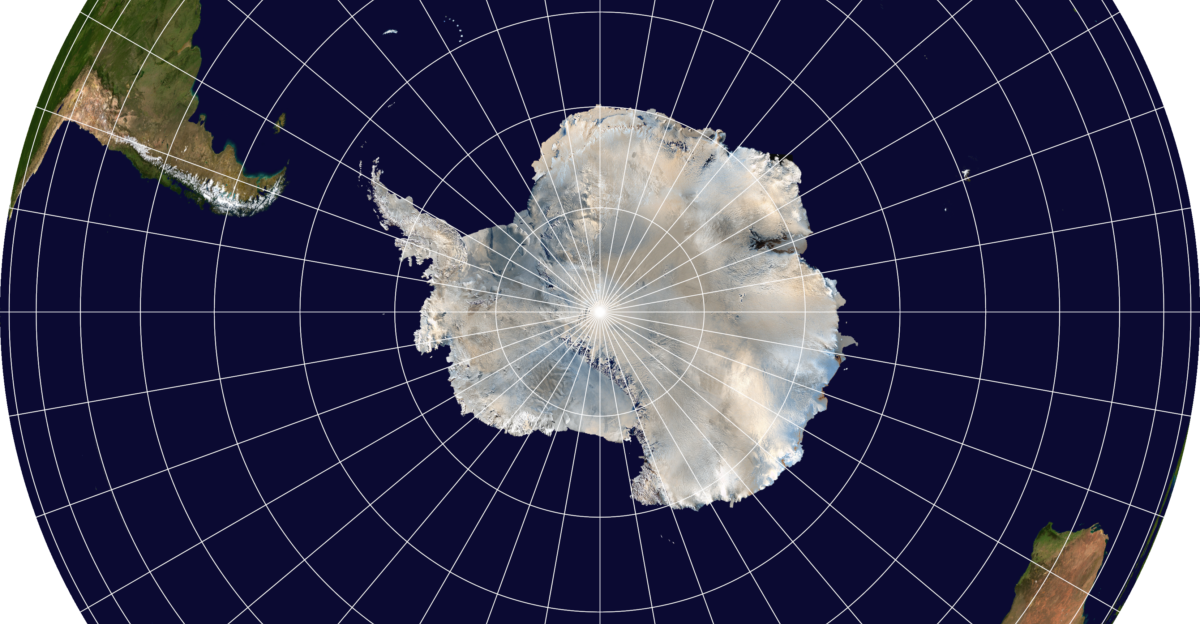
The Southern Hemisphere shows slower and more variable darkening. Events such as large wildfires in Australia and volcanic eruptions like Hunga Tonga temporarily increased atmospheric aerosols, reflecting more sunlight.
These episodic events contrast with the steady aerosol reductions in the Northern Hemisphere, helping explain why reflectivity trends differ between hemispheres rather than moving in lockstep.
A Growing Energy Imbalance

The hemispheric divergence translates into a growing difference in absorbed energy over time. While the additional 0.34 watts per square meter per decade may sound small, spread across Earth’s vast surface area it represents a substantial increase in retained heat.
This imbalance contributes to observed warming trends and underscores how subtle shifts in planetary reflectivity can drive long-term climate change.
Record Warmth Aligns With Observations

Recent years, including 2025, ranked among the warmest observed globally, with particularly strong anomalies across Northern Hemisphere land areas.
The albedo decline does not act alone but adds to greenhouse gas forcing, helping explain why temperatures continue rising even as some pollution sources decline. The findings connect satellite physics directly to lived climate impacts.
Implications for Highly Populated Regions

Because most of the world’s population lives in the Northern Hemisphere, faster darkening there has outsized human relevance.
Regions across North America, Europe, and Asia are absorbing more solar energy, increasing the likelihood of intensified heat extremes. These shifts raise concerns for infrastructure resilience, water resources, and public health as baseline temperatures continue to climb.
Energy Systems Face New Pressures
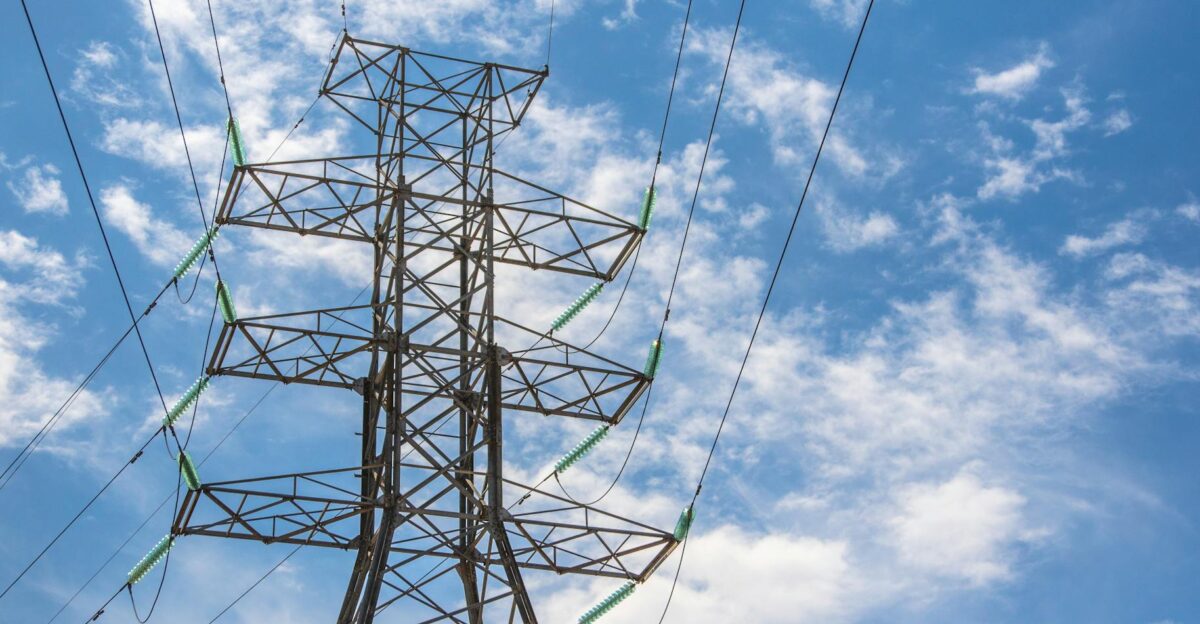
Electric grids in Northern regions may face higher cooling demand as warming accelerates. Cleaner air has unmasked warming that was previously offset by aerosol cooling, potentially increasing peak electricity loads.
Utilities and planners must account for faster regional warming when designing future energy systems, especially as electrification expands to meet climate and air-quality goals.
Arctic Communities See the Changes First

Communities in the Arctic have observed sea ice decline for decades, with practical consequences for travel, food systems, and safety.
Satellite measurements now quantify how these local changes contribute to broader planetary energy shifts. The loss of reflective ice is not just a regional issue—it feeds back into global climate dynamics by amplifying heat absorption.
Agriculture Feels the Downstream Effects

Reduced snow cover affects soil moisture, planting cycles, and crop resilience across Northern farming regions. Darker land surfaces warm earlier in the season, altering growing conditions.
These changes can increase stress on crops sensitive to heat and moisture variability, influencing food production patterns and raising adaptation challenges for farmers in mid- and high-latitude regions.
Asia’s Rapid Warming Context

Parts of Asia experienced exceptional warmth in recent years, aligning with faster Northern Hemisphere darkening. Large-scale aerosol reductions, combined with land and ice changes, contribute to regional heat buildup.
These trends may affect economic planning, energy demand, and climate adaptation strategies across densely populated and rapidly developing regions.
Health Benefits and Climate Tradeoffs

Cleaner air has delivered undeniable health gains, including fewer respiratory and cardiovascular illnesses. However, the same reductions remove reflective particles that once moderated warming.
The result is a complex tradeoff: improved air quality alongside increased heat exposure. Understanding this balance is critical for designing policies that protect both human health and climate stability.
Rethinking Climate Assumptions

The findings challenge the long-held belief that Earth’s atmosphere and oceans automatically correct hemispheric energy differences.
Instead, the data show persistent asymmetry developing over decades. This does not invalidate climate science but highlights areas where models must improve to better capture aerosol effects, surface changes, and hemispheric dynamics.
What This Means for Solar Energy
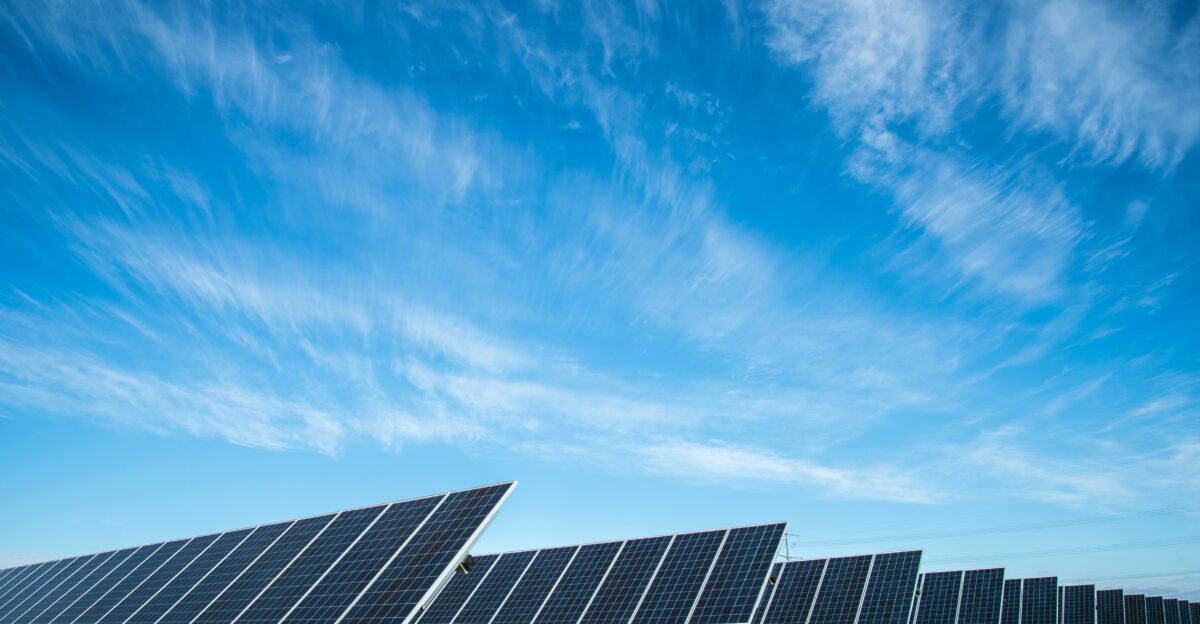
Increased surface absorption does not mean solar energy causes warming, but it may slightly improve solar power efficiency in some Northern regions.
More incoming sunlight reaching the surface can boost generation potential, though this benefit is minor compared to the broader climate implications of declining planetary reflectivity.
Economic and Market Attention Grows

Investors and planners are paying closer attention to updated satellite findings that refine warming projections.
Better understanding hemispheric energy divergence helps improve long-term risk assessments, infrastructure investment strategies, and climate resilience planning through the coming decades.
Practical Adaptation Considerations

Heat preparedness is becoming increasingly important. Energy-efficient cooling, reflective building materials, and urban heat mitigation can help reduce local impacts.
At the policy level, integrating air-quality goals with climate strategies can help minimize unintended warming side effects while preserving public health gains.
Why Continued Monitoring Matters

Ongoing satellite observations are essential for tracking whether hemispheric asymmetry accelerates, stabilizes, or reverses.
Researchers emphasize the need to refine climate sensitivity estimates and better represent aerosol and surface processes in models. Long-term measurement remains the backbone of understanding Earth’s evolving energy balance.
A Clear Signal From Space

Two decades of satellite data reveal a subtle but consequential shift: Earth, especially the Northern Hemisphere, is reflecting less sunlight and absorbing more heat.
Driven by cleaner air and shrinking ice, this trend highlights the complexity of climate systems and the need for integrated solutions that address warming without sacrificing air quality or human health.
Sources:
- NASA.gov, 2025: NASA press releases on CERES/Clouds and the Earth’s Radiant Energy System (CERES) data, e.g., “Earth’s Albedo Decline Observed in New Satellite Analysis”.
- IPCC AR6 WG1, 2021: “Climate Change 2021: The Physical Science Basis” (Working Group I contribution to the Sixth Assessment Report).
- Berkeley Earth, 2025: “Global Temperature Report for 2025” (annual surface temperature analysis).
- NASA Earth Observatory, 2024: Articles on Earth’s energy budget, e.g., “Tracking Earth’s Energy Imbalance”.
- NSIDC, 2023: “Arctic Sea Ice Extent and Thickness Trends” (National Snow and Ice Data Center reports).
- Nature, 2021: “Australian bushfire aerosol impacts on global climate” (related to 2019-2020 events).