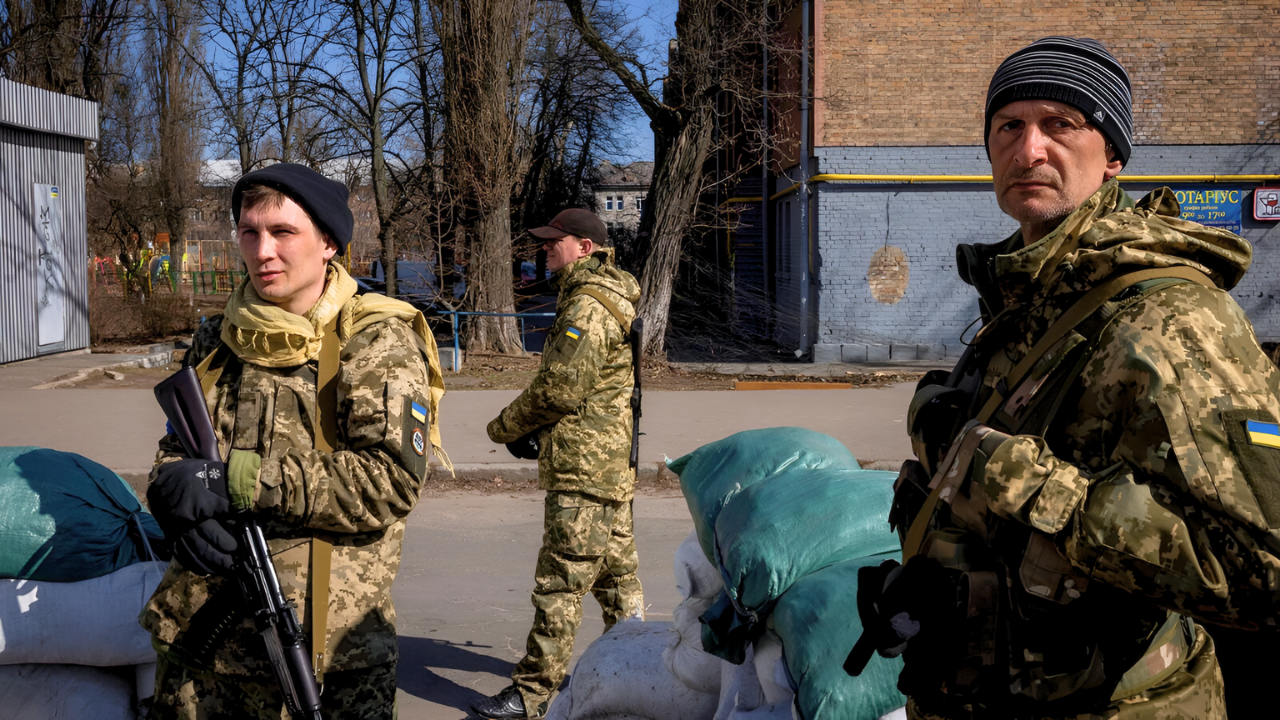
Ukrainian troops say they still hold the front-line town of Rodynske in Donetsk Oblast, despite intense Russian attacks and repeated claims from Moscow that the settlement has fallen. Military officials report that Russian assault units have been pushed back at heavy cost and that key defensive positions inside and around the town remain under Ukrainian control as of early January 2026.
Officers on the ground describe Rodynske as a narrow but crucial barrier standing between Russian forces and deeper advances toward Pokrovsk and the Ukrainian rear. With artillery, drones, and infantry battles reported daily along this sector, Rodynske has become a symbol of Ukraine’s determination to hold the line under relentless pressure.
Azov’s Stand at Rodynske
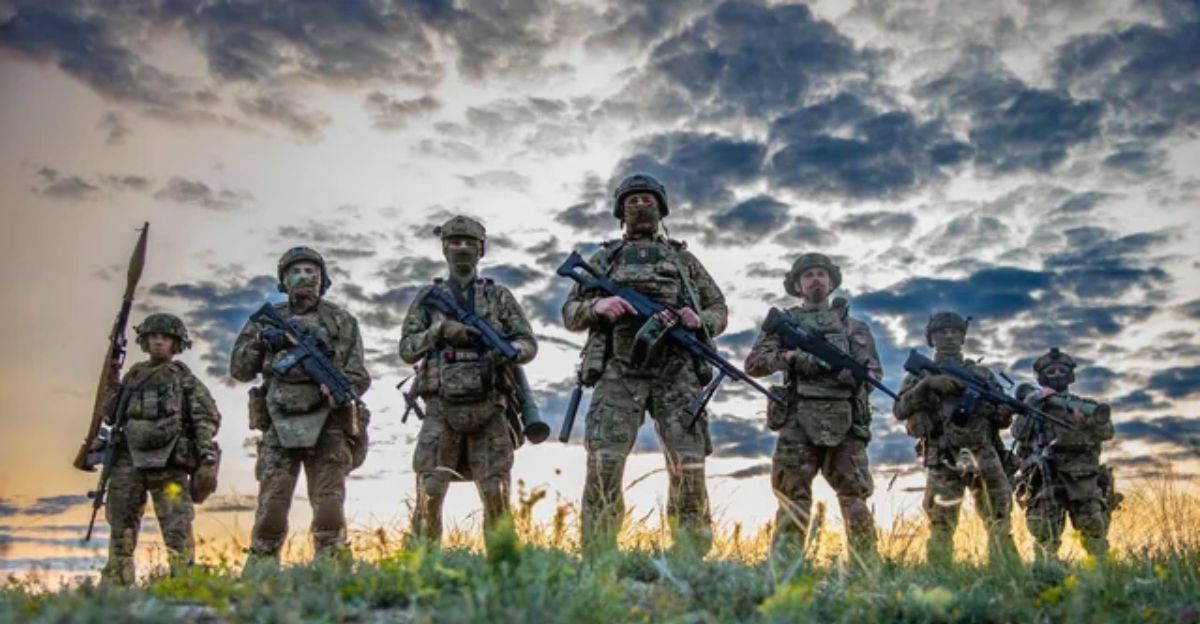
The 1st Azov Corps of Ukraine’s National Guard says its fighters, alongside other units, are firmly holding Rodynske and its outskirts, blocking the breakthrough Russia claims in its messaging. Commanders stress that Ukrainian forces remain dug in on commanding heights and fortified positions, allowing them to spot Russian movements early and strike assault groups before they can gain a foothold.
“As of January 4, our units are holding the defense within the settlement and on its approaches,” the Azov-linked 14th and 20th brigades said, directly contradicting Moscow’s narrative of a captured town. Kyiv’s decision to keep seasoned formations in Rodynske underlines how important this node has become in the broader Pokrovsk defense, where any collapse could open the way to deeper Russian penetration.
Over 200 Russian Troops Killed
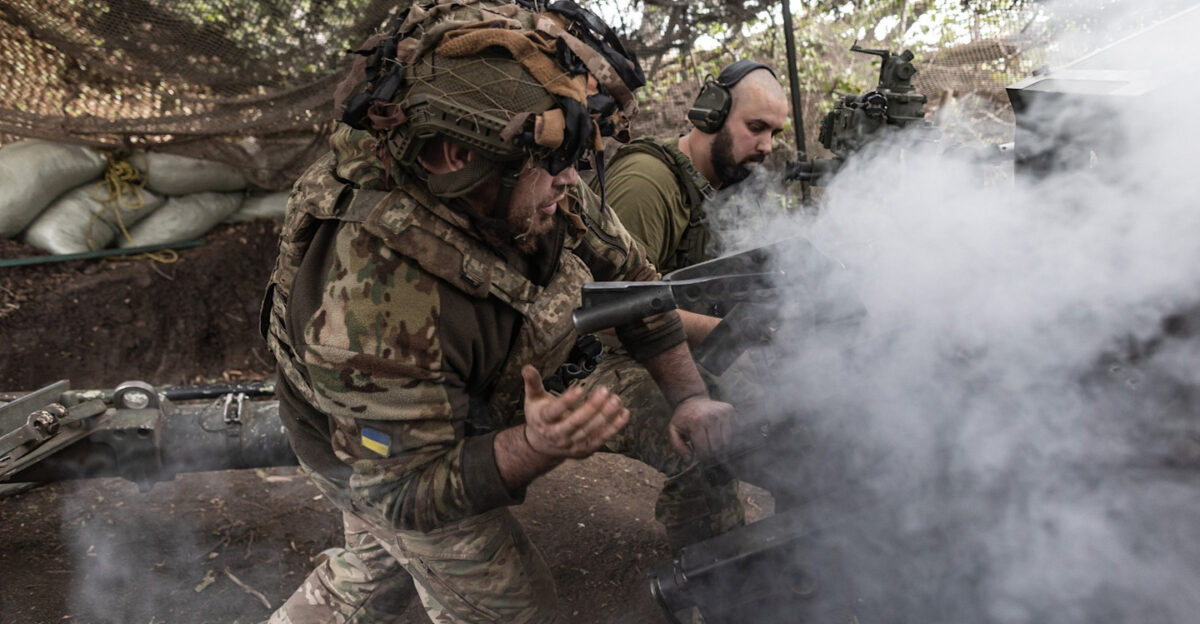
Ukrainian defenders say that in just the early days of January, fighting around Rodynske and the Pokrovsk axis has cost Russia more than 200 soldiers killed, the equivalent of several assault companies. These reported losses come as Russian units repeatedly test Ukrainian lines with infantry pushes, supported by artillery, drones, and armored vehicles, only to be driven back from the town’s edges and nearby villages.
Ukrainian officers describe a pattern of “meat grinder” assaults, in which small groups attempt to infiltrate ruined streets and tree lines but are detected by reconnaissance and hit by coordinated fire.
Forty-six Attacks, No Breakthrough
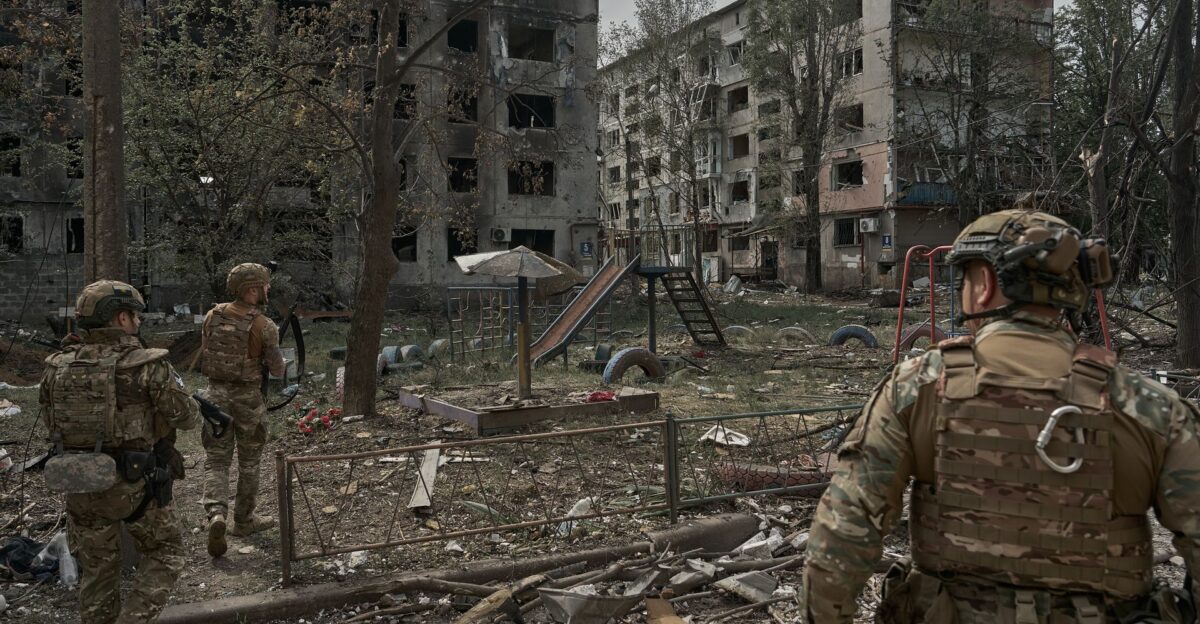
The pace of combat around Rodynske illustrates how fiercely both sides are fighting for this small but strategic town. Ukrainian officials report dozens of Russian attack attempts in the Pokrovsk sector in recent days alone, including strikes on Rodynske, Myrnohrad, and neighboring settlements along the same road network.
Many of these clashes involve repeated blows against the same positions, as Russian troops try to find a weak point and Ukrainian units rotate, reinforce, and counterattack to seal any gaps.
A Vital Supply Lifeline At Risk
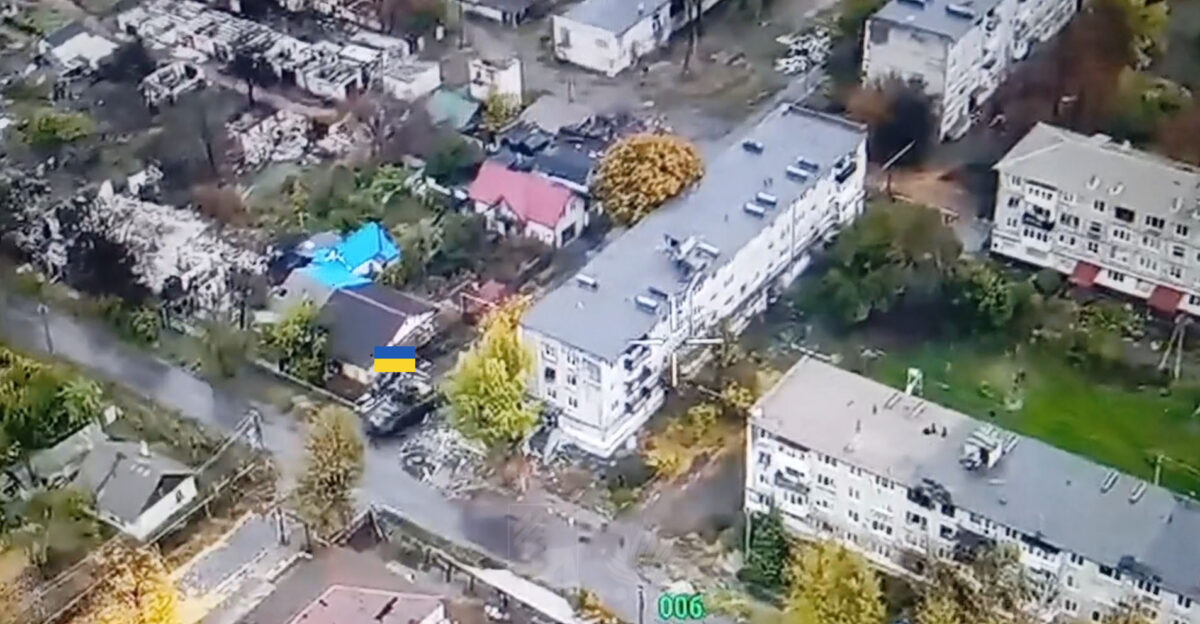
Rodynske’s importance lies less in its size than in the roads that run through and around it, forming a lifeline for Ukrainian forces defending the nearby city of Myrnohrad and the wider Pokrovsk area. Military analysts note that the town sits on a logistics axis feeding ammunition, fuel, and reinforcements into a cluster of front-line positions, meaning its loss could sharply restrict or even sever those supply routes.
An expert quoted by Ukrainian media warned that settlements like Bilytske and Rodynske lie along a road “which leads toward Pokrovsk and Myrnohrad,” and that a Russian breakthrough there would seriously complicate Ukrainian logistics.
From “80% Russian” Back to Ukrainian Control
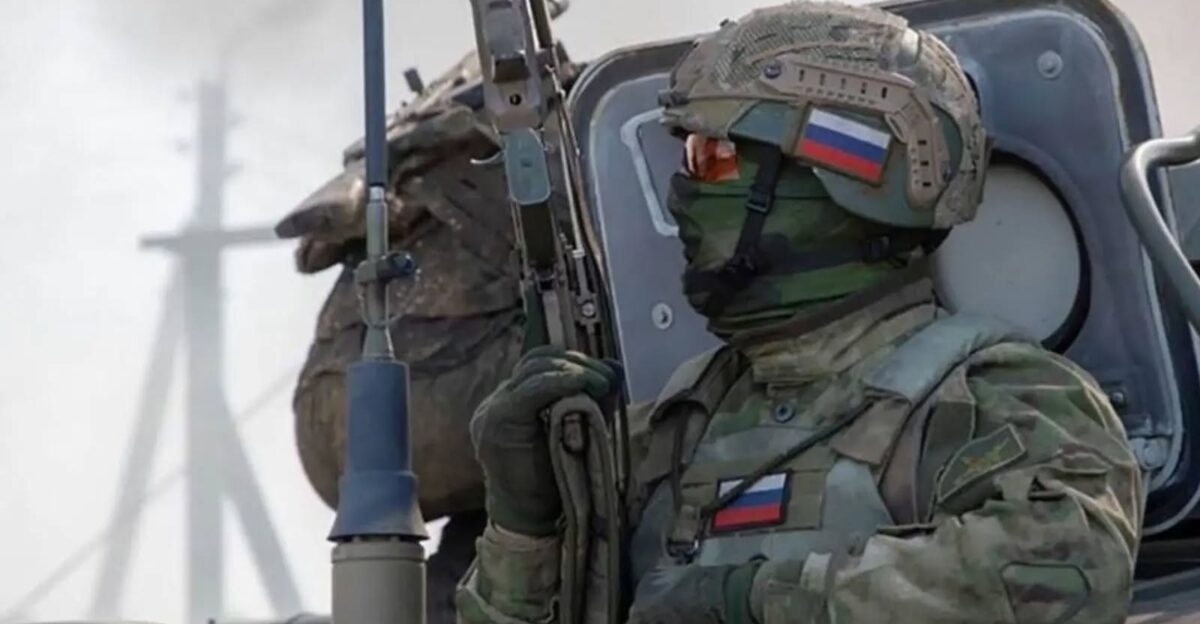
In December, Ukrainian sources described Rodynske as roughly 80% under Russian control, with only a narrow, dangerous corridor left for Ukrainian troops moving in and out of nearby Myrnohrad. That assessment triggered alarm that the town’s fate was effectively sealed and that the Myrnohrad logistics route was on the verge of collapse.
But by late December and early January, Azov and other Ukrainian units publicly insisted that they still held key positions in and around Rodynske, signaling that the local front had shifted again.
The Next Target
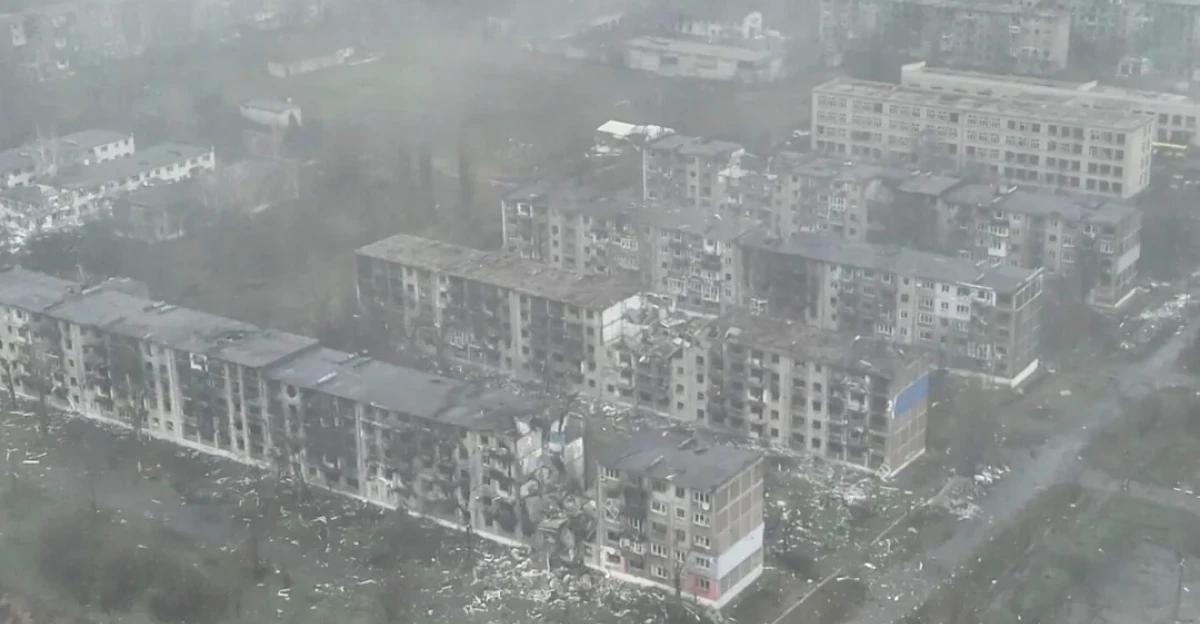
Just to the south and east, the industrial city of Myrnohrad has become another flashpoint, with Russian forces pressing from multiple directions to try to encircle or cut it off. Ukrainian and Western assessments say Russian troops have already seized or contested several approaches, leaving Myrnohrad’s supply routes vulnerable and casting the town as “nearly cut off” at times in recent reporting.
Holding Rodynske gives Ukraine room to maneuver and sustain Myrnohrad’s defenses, preventing Russian units from easily rolling deeper into the Pokrovsk hinterland. Local officials warn that if both Rodynske and Myrnohrad were to fall in short succession, the front around Pokrovsk could face a rapid and dangerous reconfiguration.
A Grinding Front
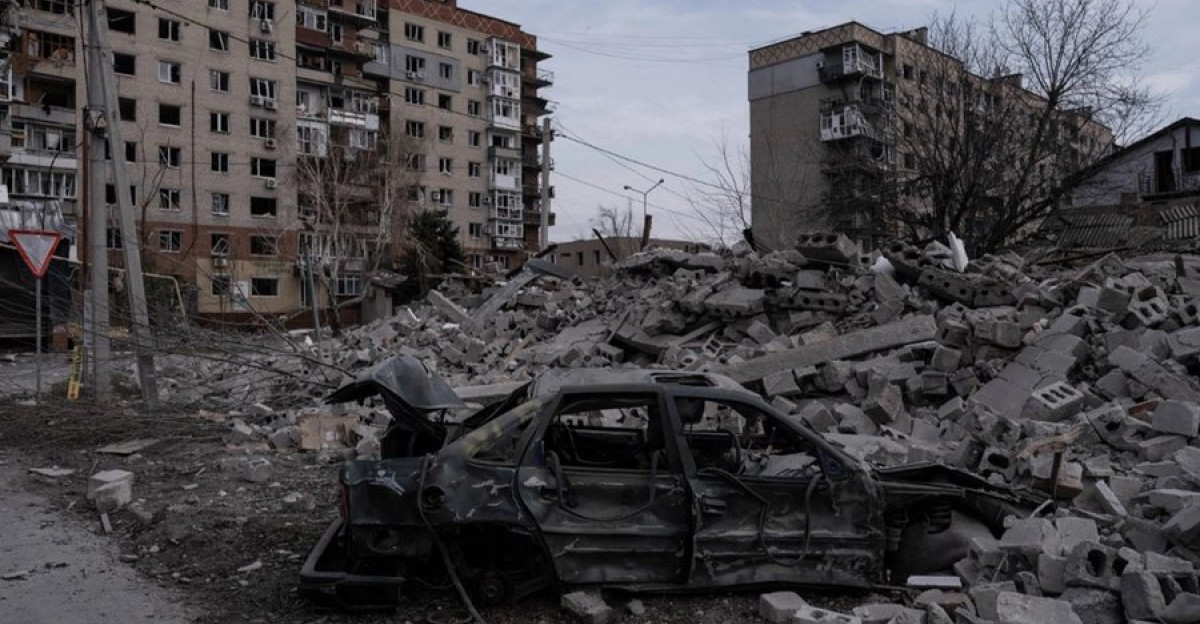
The Pokrovsk direction has emerged as one of the most violent stretches of the eastern front, marked by heavy artillery barrages, drone strikes, and close-quarters infantry clashes almost every day. Ukrainian reports describe dozens of combat engagements in this sector on some days, with Rodynske, Myrnohrad, and several nearby settlements repeatedly mentioned as attack points.
Analysts from conflict monitoring groups note that Russian forces have been throwing multiple brigades and artillery units into the Pokrovsk axis, hoping to force a breakthrough that has so far remained elusive.
Elite Ukrainian Units in the Fight
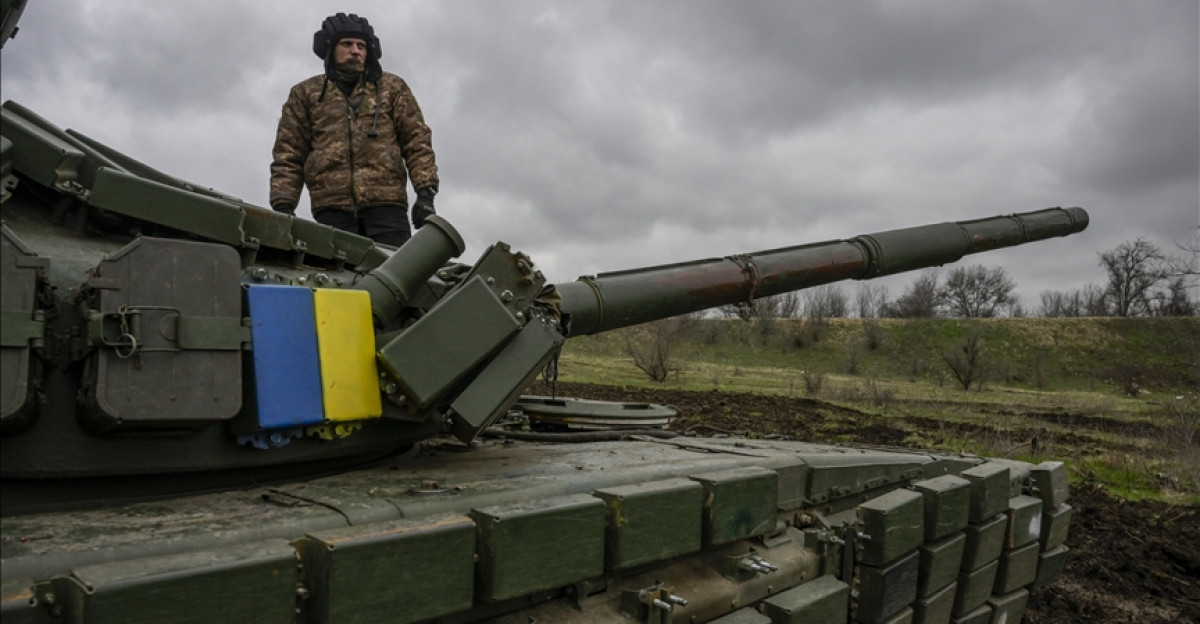
To defend Rodynske, Ukraine has deployed some of its most experienced and mobile formations, signaling how seriously Kyiv views the threat in this area. Officials say the 14th Chervona Kalyna Brigade and the 20th Lubart Brigade of the 1st Azov Corps are fighting there alongside the 132nd Separate Reconnaissance Battalion of the Air Assault Forces.
These units bring a mix of urban combat experience, reconnaissance capability, and rapid-reaction tactics, which are crucial for holding ruined streets and industrial zones that can change hands quickly.
How Ukraine Holds Off Wave After Wave
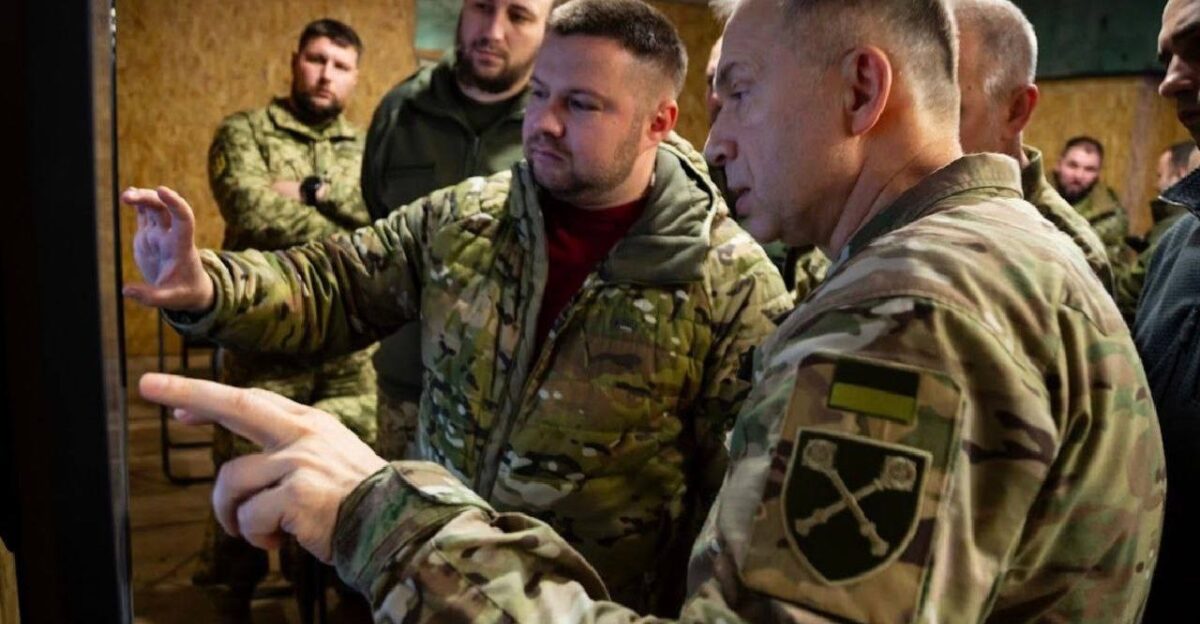
Ukrainian commanders say their strategy in Rodynske rests on layered defenses that stretch from the town’s outskirts into its streets, blending trenches, strongpoints, and hidden firing positions. Reconnaissance units and drone operators scan for Russian assault groups massing in nearby fields or ruins, enabling artillery and anti-tank teams to strike before attackers reach the main line of defense.
Once Russian troops manage to infiltrate certain blocks, small Ukrainian infantry groups are sent to contain, isolate, and push them back, often fighting room to room in shattered buildings.
Infiltration Teams and Staged Flag Videos
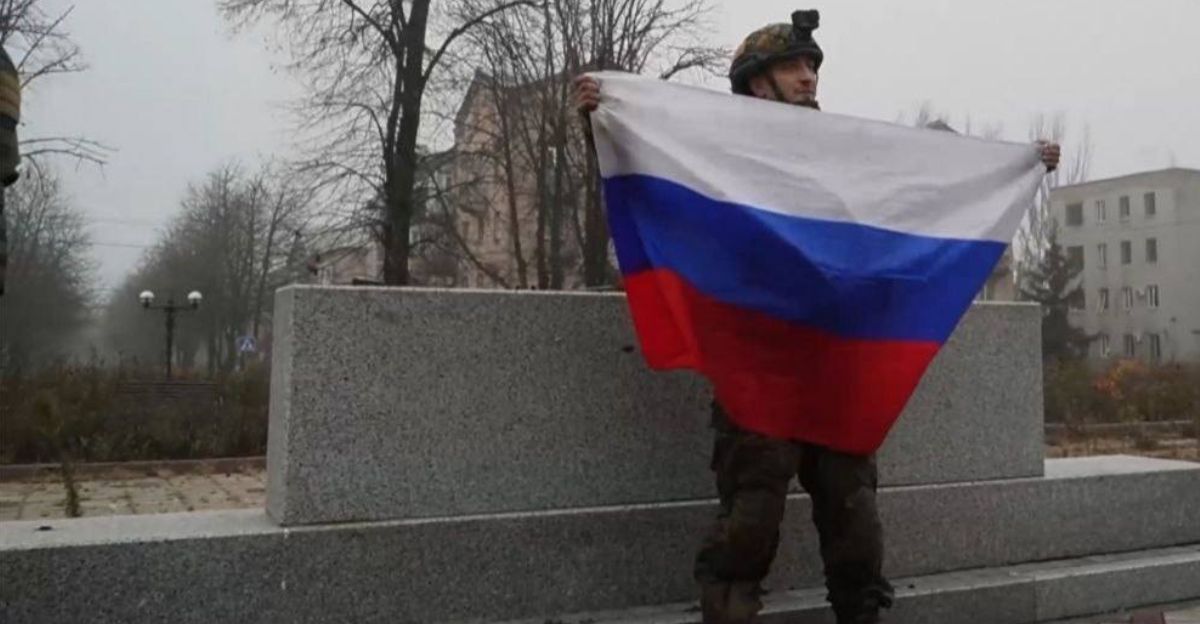
Ukrainian officials accuse Russia of increasingly relying on small infiltration teams that slip into damaged buildings in Rodynske, plant flags, and film short videos to claim the town has fallen. These groups, sometimes only a handful of soldiers, are portrayed as expendable units sent mainly to produce footage for state media and pro-Kremlin channels rather than to hold ground.
“Russian soldiers who manage to slip into the town are being detected and wiped out using all available means,” Azov’s 14th Brigade said, adding that such incursions do not translate into stable control. Analysts say this “flag-planting” tactic seeks to blur the line between propaganda and reality, creating headlines about captures even while Ukrainian forces still control key positions nearby.
Media Claims Versus Battlefield Facts

Russian state outlets and aligned bloggers have repeatedly announced the “liberation” or capture of Rodynske, circulating edited videos and dubious geolocation to bolster those claims. At the same time, Ukrainian military statements and independent assessments from Ukrainian and Western sources continue to describe the town as contested but under Ukrainian defensive control as of early January.
Information specialists say such messaging campaigns aim to maintain a sense of momentum for Russian domestic audiences and demoralize Ukrainians, even when real territorial changes are limited.
Heavy Losses in Men and Machines
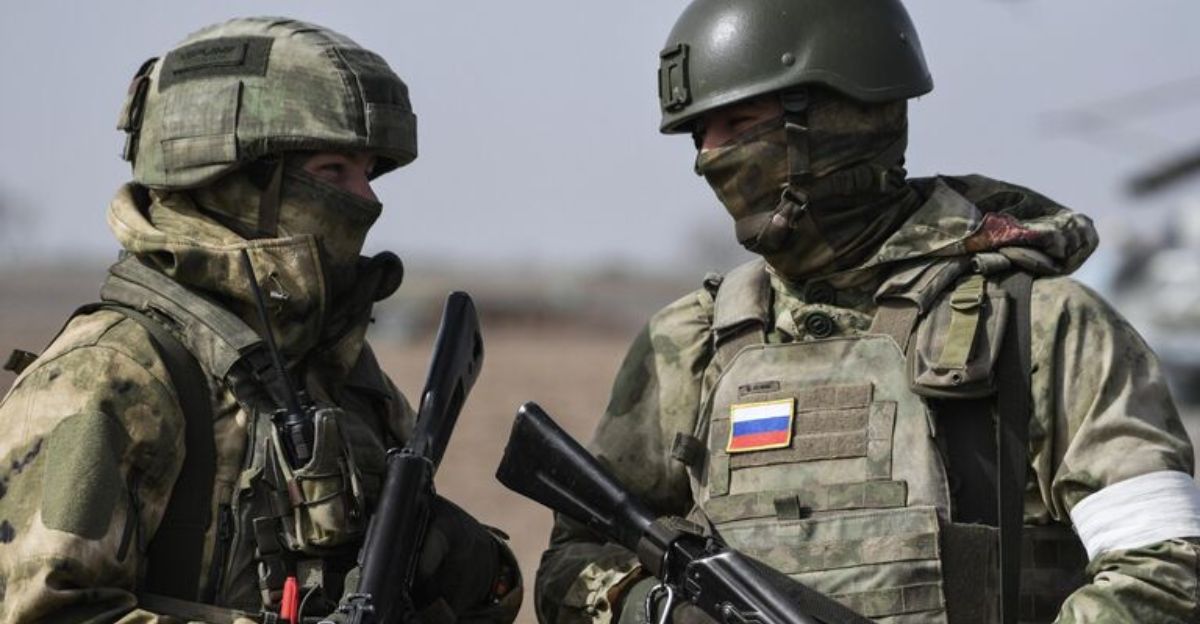
In a message released around January 4, the Azov 1st Corps said that “control over key positions is maintained” in Rodynske and that Russian forces are suffering “significant losses in personnel and equipment” during repeated assaults. Ukrainian General Staff updates from the Pokrovsk sector list dozens of enemy soldiers killed or wounded in a single day of fighting, along with destroyed vehicles, artillery systems, drones, and logistics infrastructure.
One recent report cited at least 38 Russian troops eliminated and eight wounded in the sector in just a few hours, along with 17 vehicles and 72 drones taken out. Military analysts argue that these kinds of figures, if sustained over weeks, highlight how costly Russia’s push toward Pokrovsk has become for relatively modest territorial gains.
The Human Toll Behind the Statistics
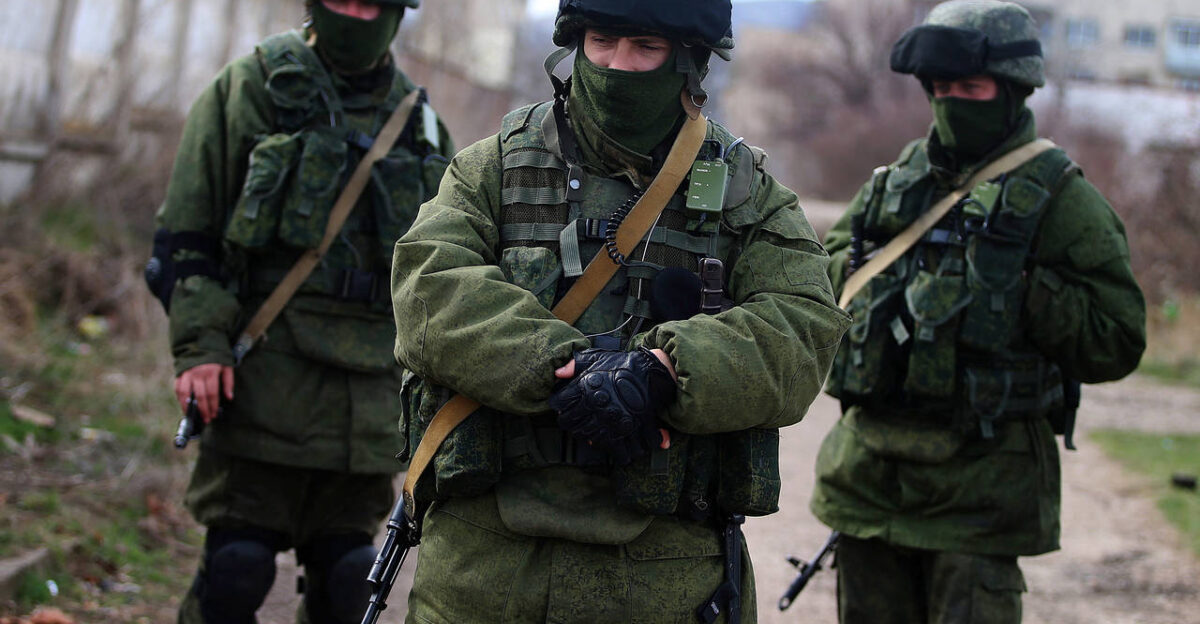
Behind the casualty counts are soldiers on both sides enduring constant shelling, drone strikes, and close combat in streets that have been reduced to rubble. Analysts say many Russian assault units in this sector are composed of recently mobilized troops or men from penal formations, often thrown into attacks with limited training and little chance of survival.
Ukrainian defenders, while more experienced, face unrelenting pressure and must fight, sleep, and move under near-permanent threat from artillery and reconnaissance drones. Local accounts describe a front where medics race along cratered roads to evacuate the wounded, and where civilians who once lived in Rodynske and Myrnohrad have largely fled, leaving ghost-like neighborhoods contested block by block.
What This Fight Means for the Wider Front
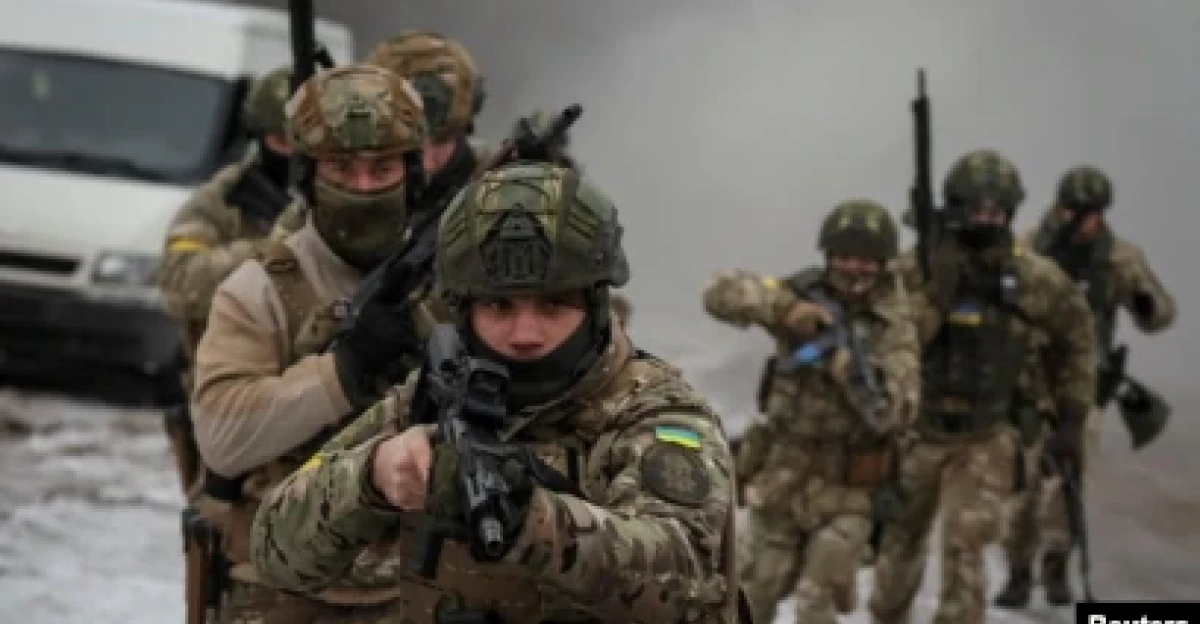
Military experts warn that if the casualty rate and intensity seen around Rodynske are mirrored in nearby hotspots, Russian losses around Pokrovsk could reach into the low thousands each month. For Ukraine, holding Rodynske keeps critical supply lines open and denies Russia a convenient springboard for operations deeper into government-held parts of Donetsk Oblast.
Analysts at independent research groups say that as long as Russian forces are forced to bleed for every street and field near Pokrovsk, it becomes much harder for Moscow to turn small tactical gains into a larger operational breakthrough.
Why Rodynske Matters Right Now
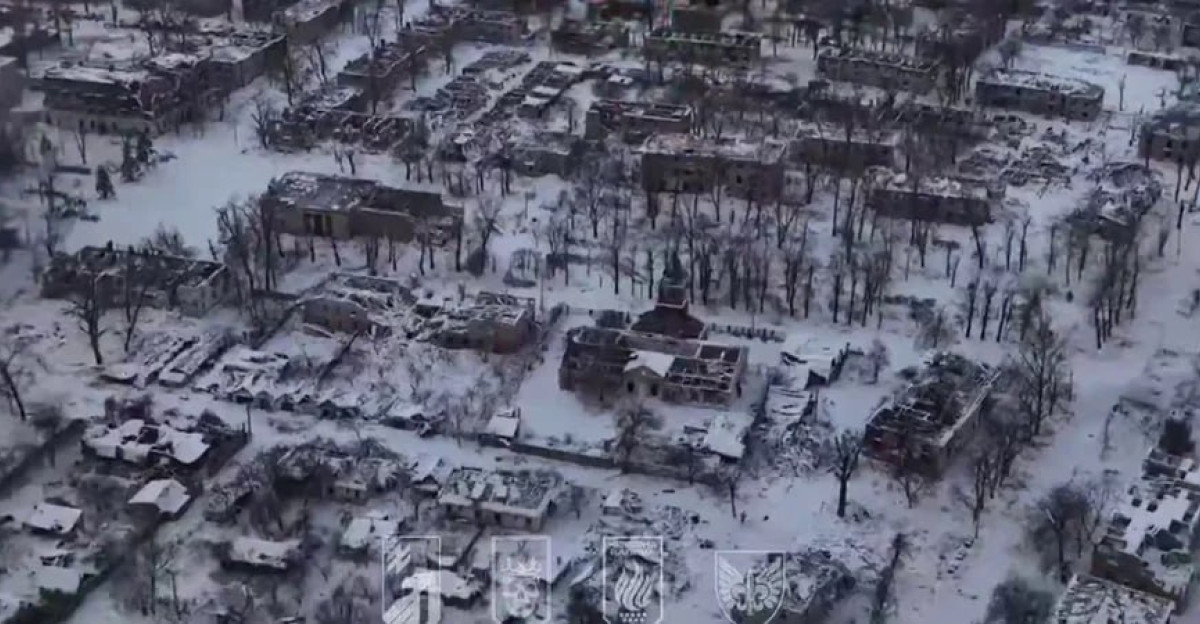
Rodynske has become a frontline test of whether smaller, highly motivated Ukrainian groupings can blunt larger Russian formations that rely on sheer numbers, artillery, and information warfare. As long as Ukrainian flags still fly over key positions in and around the town, Moscow’s declarations of victory will remain contested and, in Kyiv’s view, largely virtual.
The battle’s outcome will shape not only the security of nearby Myrnohrad and Pokrovsk but also broader perceptions of momentum in the war’s eastern theater.
Sources:
Ukrinform, “Ukrainian forces maintain control of Rodynske – military”, January 3, 2026
Kyiv Independent, “Ukraine denies Russia’s claim of capturing town near Pokrovsk, maintains ‘control over key positions’”, January 3, 2026
Ukrinform, “Defense Forces control Rodynske, combat operations continue”, December 30, 2025
Institute for the Study of War / Critical Threats, “Russian Offensive Campaign Assessment, January 13, 2026”, January 12, 2026