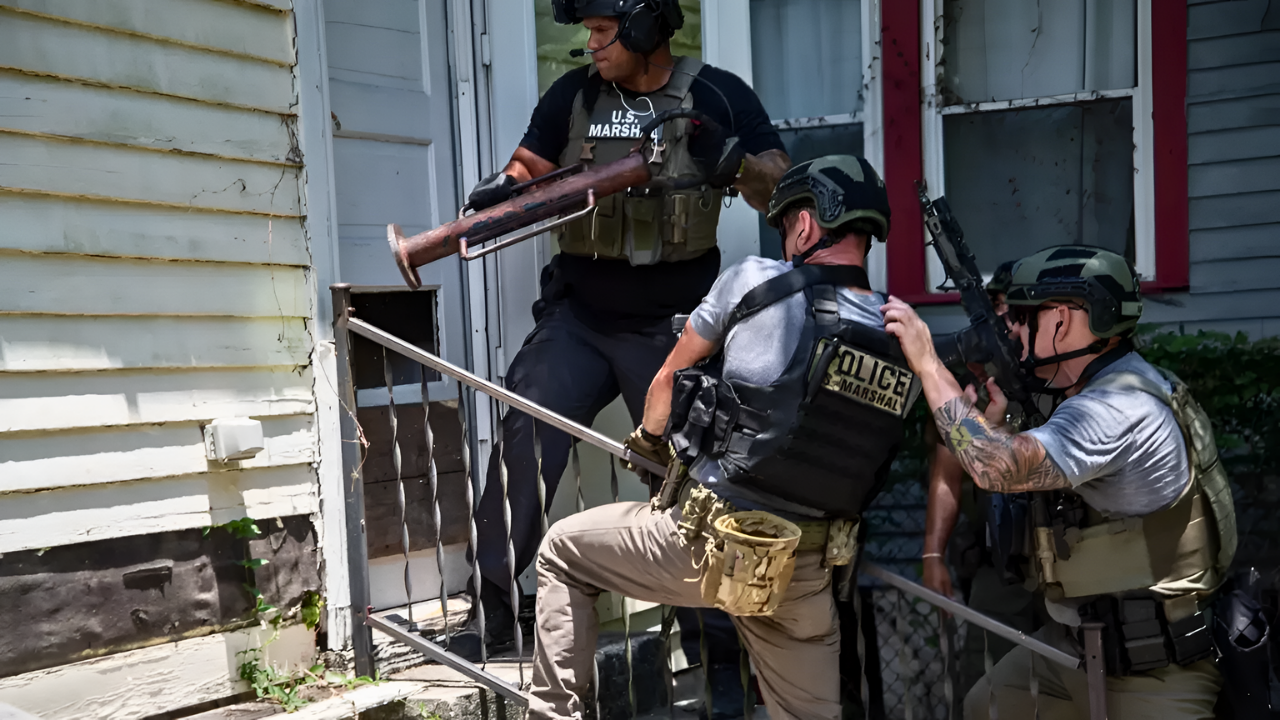
Operation Metro Surge, a nationwide immigration enforcement operation launched in December 2025, has led to over 2,000 arrests in the Twin Cities area, including 13 gang members arrested in Minneapolis. The operation targets various immigration enforcement priorities, with a focus on dangerous criminals, including gang members from MS-13 and Paisas.
With federal agents flooding the area, the operation has sparked controversy over tactics and civil rights concerns. The 13 gang arrests represent less than 1% of total enforcement actions, which include a range of immigration violations.
Why Minneapolis Became Ground Zero for ICE Operations
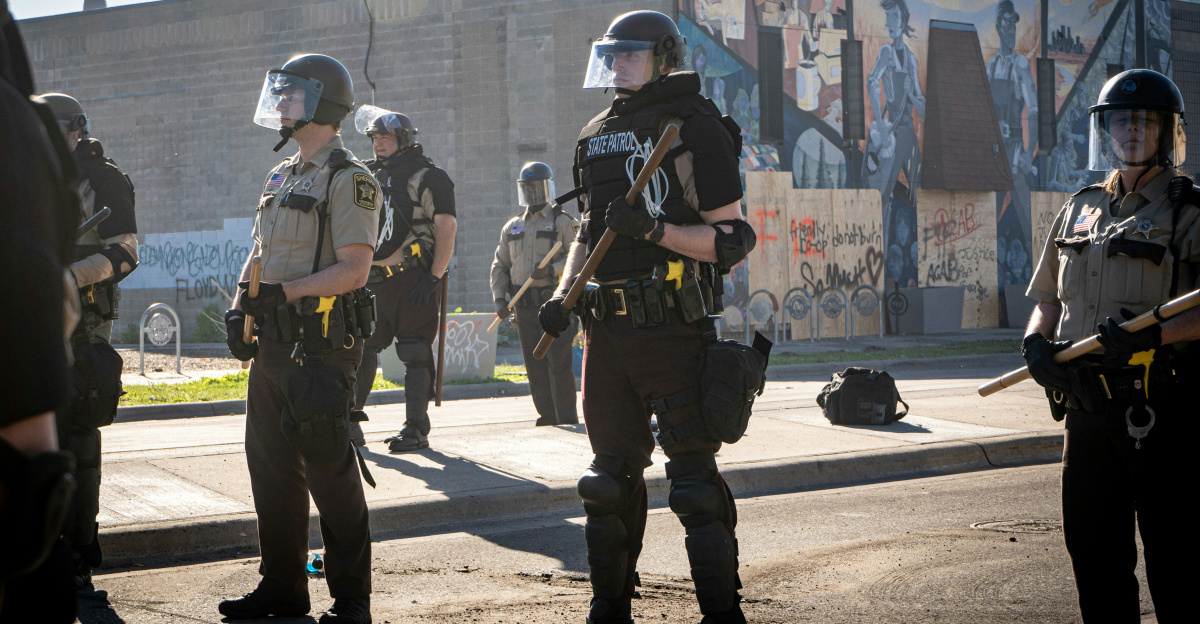
Minneapolis, a sanctuary city, has become a flashpoint for the battle between federal immigration enforcement and local sanctuary policies. Operation Metro Surge was launched in response to immigration enforcement priorities, with over 2,000 federal agents deployed to the Twin Cities area.
The operation includes efforts to dismantle gangs like MS-13 and Paisas, which have reportedly found a stronghold in the area, though gang-related arrests represent a small fraction of total enforcement actions.
Growing Fear in Minneapolis Amid Federal Crackdown
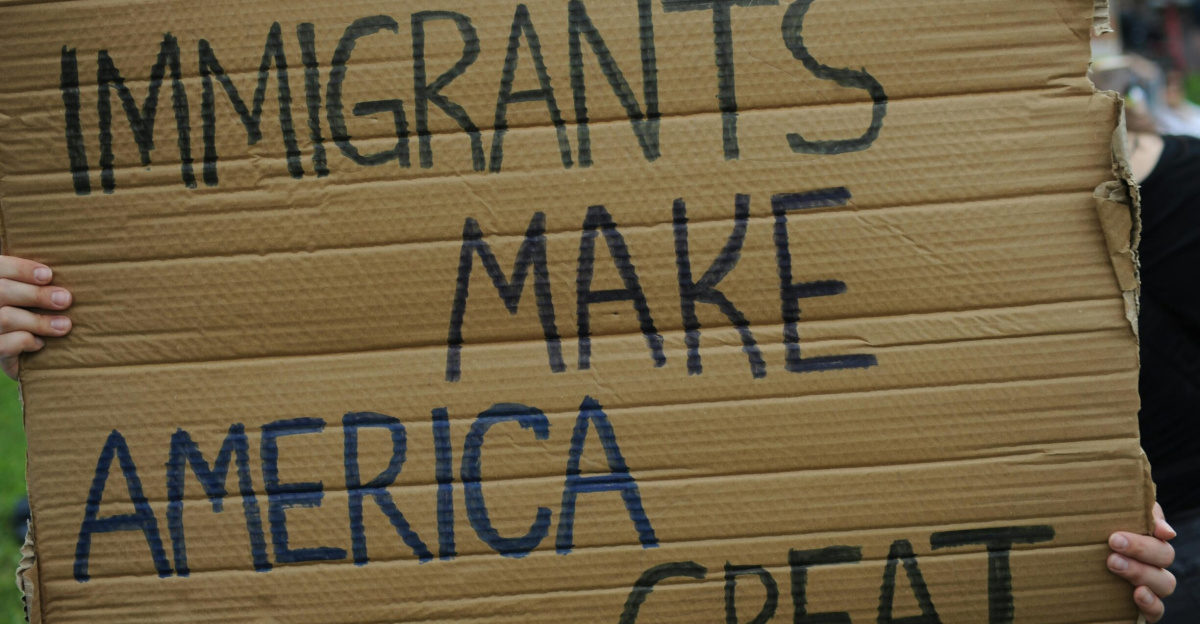
Minneapolis residents are experiencing heightened anxiety with the presence of 2,000 federal agents. The fatal shooting of Renee Nicole Macklin Good by an ICE agent on January 7, 2026 added to the unrest, with protests erupting in Somali and Latino communities.
Schools have gone remote in response to growing fears, and businesses in immigrant neighborhoods are facing disruptions as families stay home.
Impact on Local Businesses Amid the ICE Surge
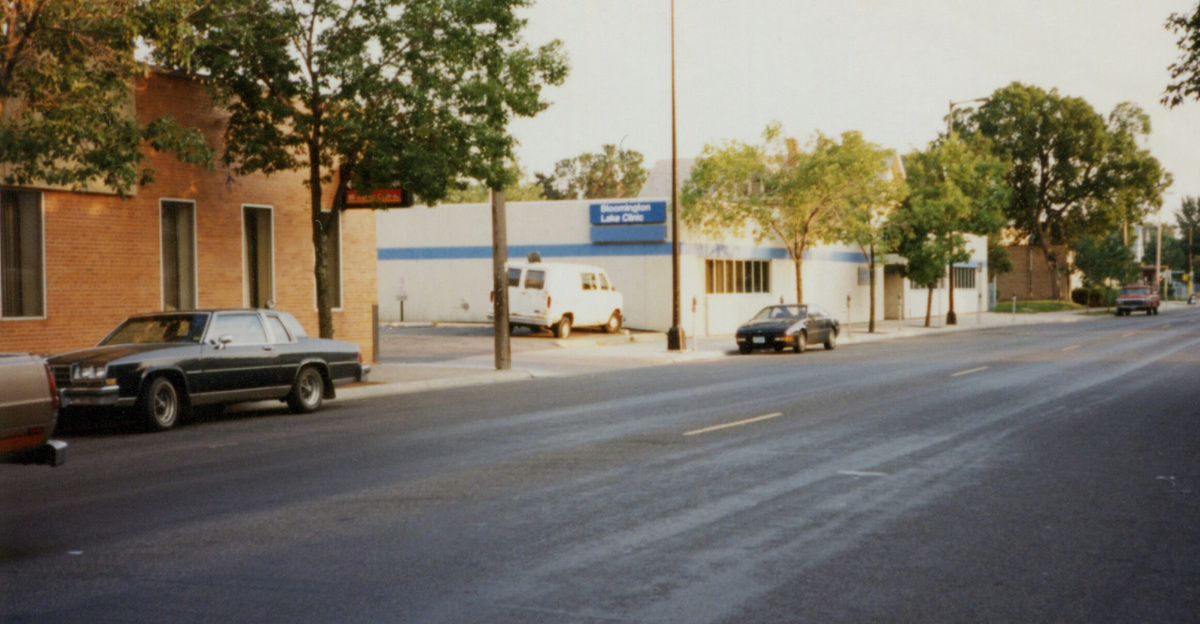
Operation Metro Surge has created significant challenges for Twin Cities businesses. Restaurants and shops in immigrant neighborhoods report steep sales declines—some by 50-80%—as families stay home out of fear of ICE encounters.
Local business owners have experienced staff shortages and temporary closures, with employees avoiding work to prevent potential detention.
Civil Rights Concerns: Alleged Wrongful Detentions

Civil rights groups are raising alarms over potential wrongful detentions during Operation Metro Surge. A 20-year-old U.S. citizen was detained on December 10, 2025 based on his appearance, and Native Americans in Cedar-Riverside report being stopped and questioned despite their citizenship status.
These incidents have led to accusations of racial profiling and violations of civil rights.
ICE Targets MS-13, Paisas, and Oriental Boys Gangs
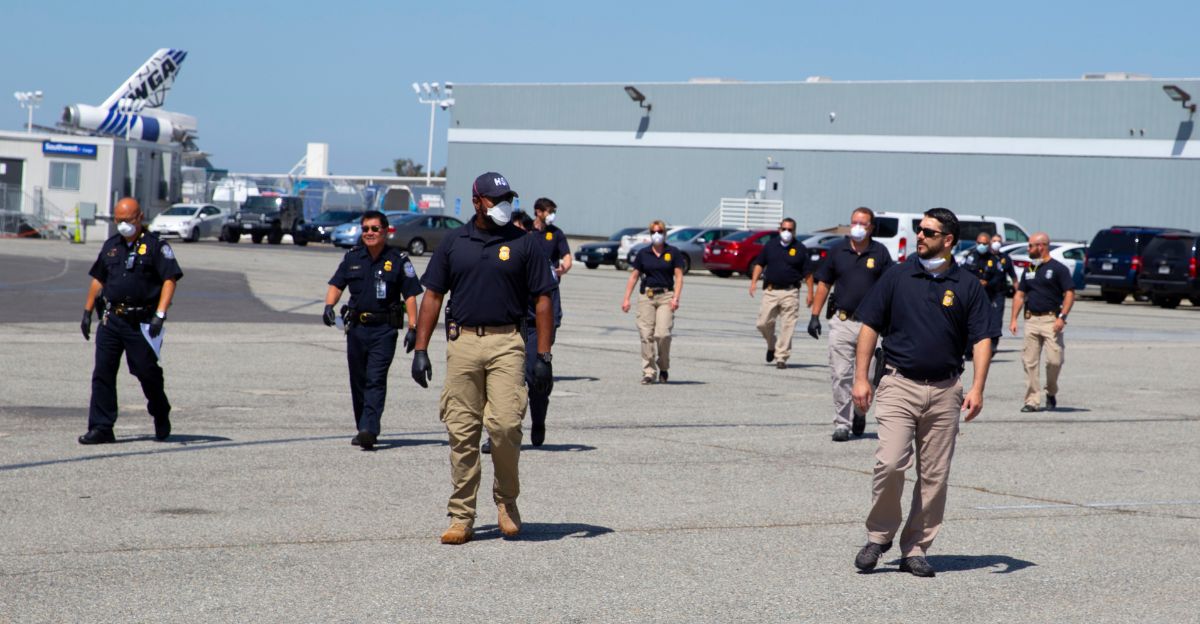
The 13 individuals arrested during Operation Metro Surge are reportedly members of notorious gangs such as MS-13, Paisas, and Oriental Boys.
ICE officials describe these gangs as being associated with violent criminal activity. The arrests are part of a larger strategy to curb the influence of transnational gangs in Minneapolis, though gang arrests represent less than 1% of total enforcement actions during the operation.
Tragic Shooting of Renee Nicole Macklin Good by ICE Agent

Renee Nicole Macklin Good, a 37-year-old mother of three, was tragically shot by an ICE agent during a raid on January 7, 2026. DHS claims Good weaponized her vehicle during the incident, while her family and local officials dispute this account, with video evidence and witness statements contradicting the DHS characterization.
The fatal shooting has led to protests and national scrutiny of ICE’s tactics, particularly in sanctuary cities like Minneapolis.
Six Federal Prosecutors Resign Over Investigation Handling
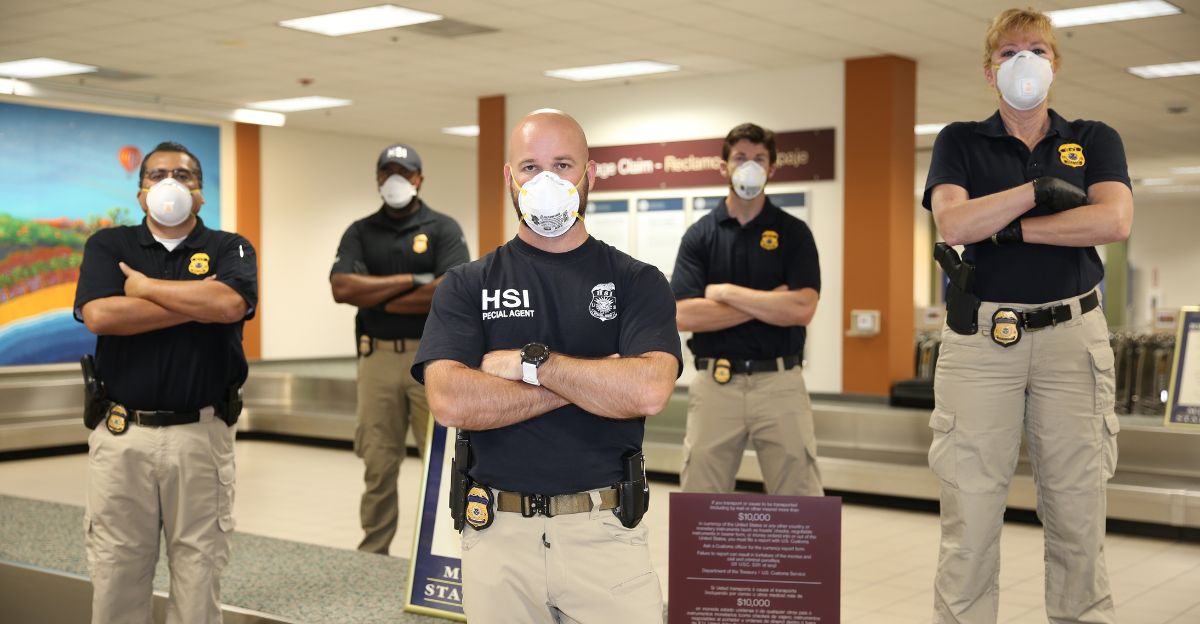
Six federal prosecutors in Minnesota resigned on January 13, 2026 following DOJ pressure in the investigation of Renee Good’s death. The prosecutors objected to directives to investigate Good’s widow rather than focusing on the ICE agent responsible for the shooting.
The resignations have sparked controversy, raising questions about the political influence of the DOJ in high-profile cases.
Escalating Protests: Federal Agents Deploy Tear Gas
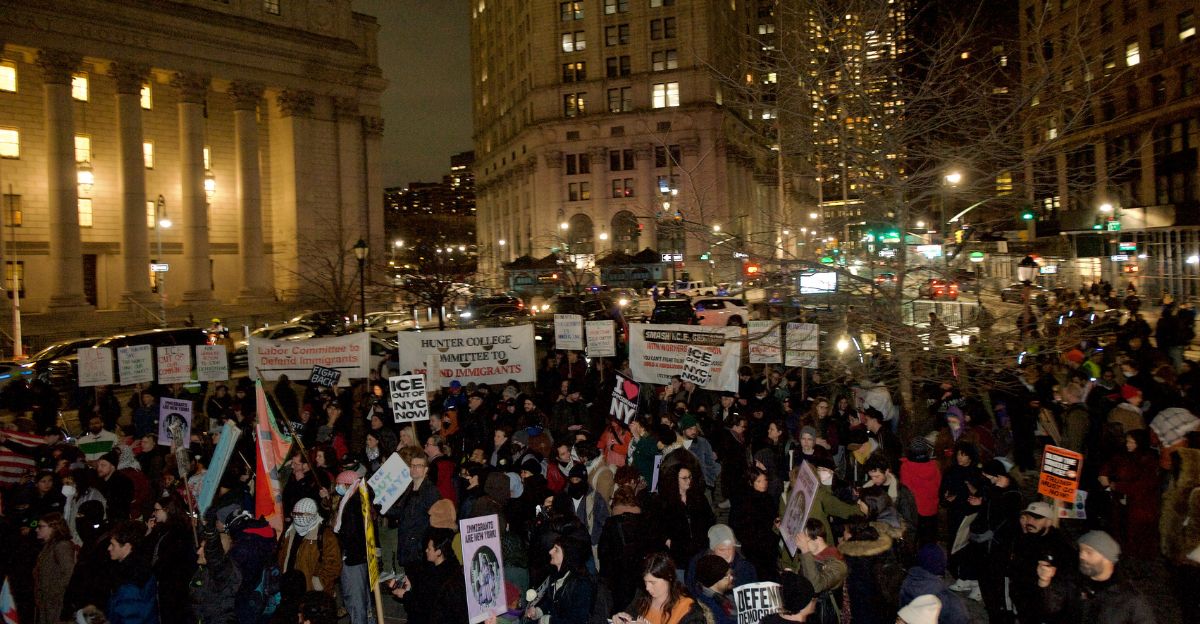
Protests against Operation Metro Surge intensified after Renee Good’s death, with demonstrators clashing with federal agents.
On January 13, 2026, federal personnel deployed tear gas and flashbangs to disperse crowds. Tensions between the community and ICE have reached a boiling point, with anti-ICE rallies becoming a regular occurrence.
A Surge of Federal Agents: Understanding the Arrest Breakdown
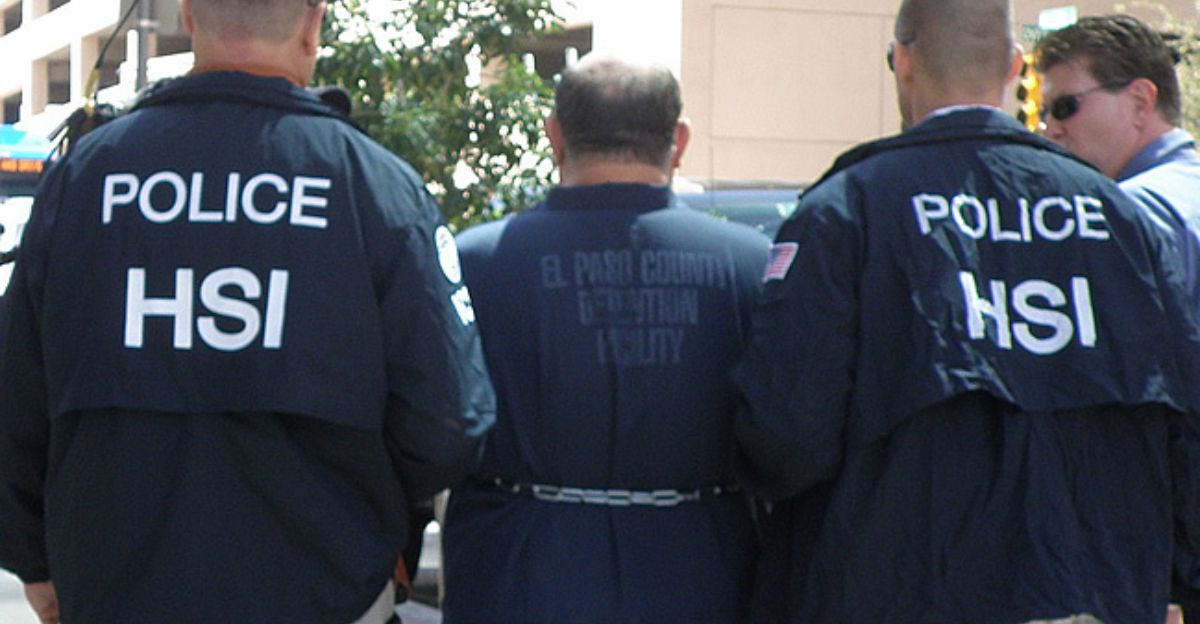
While 2,000 federal agents have been deployed to the Twin Cities, over 2,000 arrests have been made as of mid-January 2026. ICE has categorized these arrests into several overlapping groups:
212 individuals (approximately 10%) were categorized as “worst of the worst” criminals with serious criminal histories
Within this group:
75 individuals had violent criminal histories or gang affiliations
13 individuals were specifically identified as gang members, primarily from MS-13, Paisas, and Oriental Boys
Despite the high-profile nature of the operation and its stated focus on dangerous criminals, gang arrests represent less than 1% of total enforcement actions, which include various immigration violations. The majority of those arrested do not fall into the “worst of the worst” category.
Hotels and Economic Impact of Federal Operations
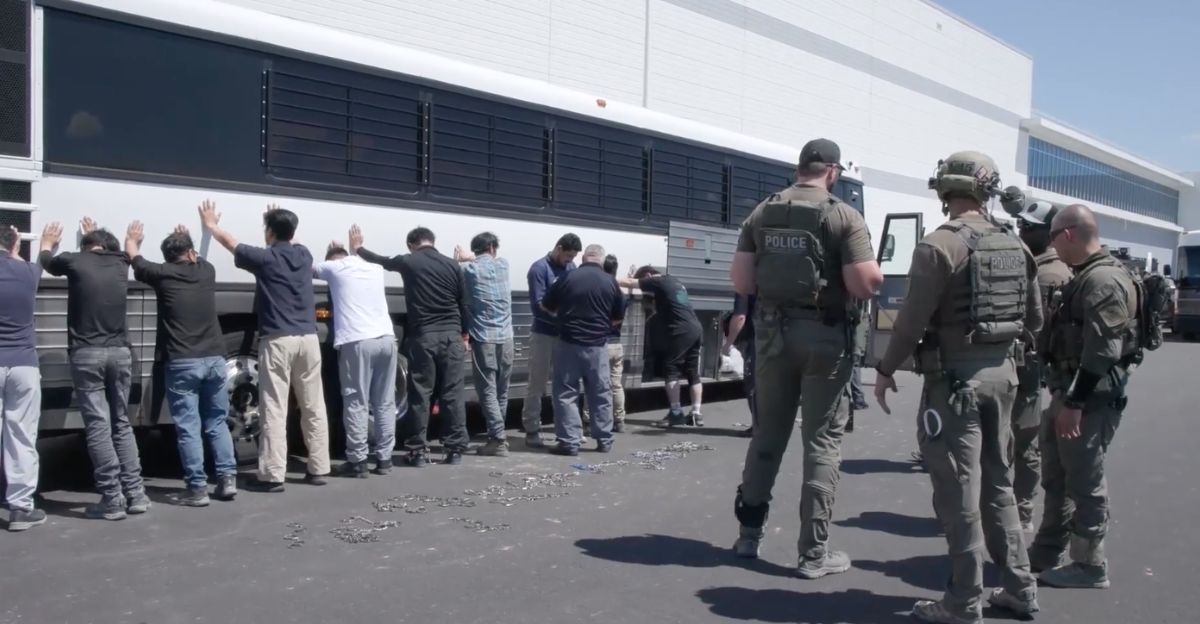
The federal presence has created mixed economic impacts in the Twin Cities. While some hotels have housed federal personnel, the Hampton Inn in Lakeville initially refused to accommodate ICE agents on January 5, 2026 and was subsequently removed from Hilton’s system and federal lodging programs.
Businesses in immigrant-heavy neighborhoods report decreased traffic and revenue as community members avoid public spaces out of fear of ICE encounters.
Legal Challenge: Minnesota Sues Over Federal Overreach
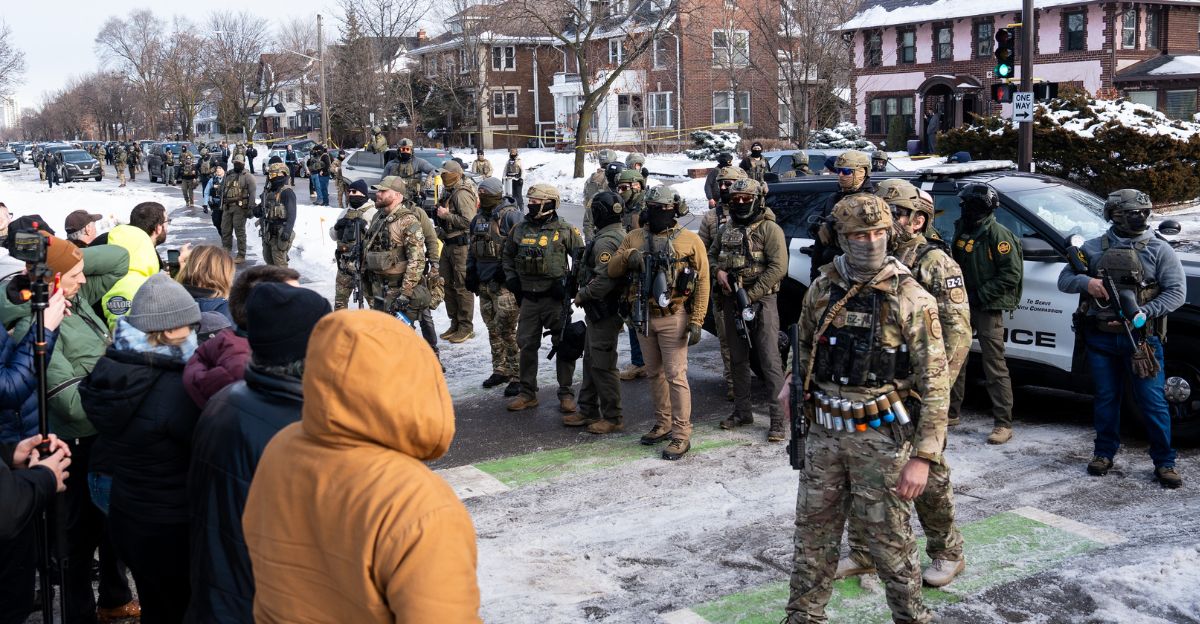
The Minnesota state government filed a lawsuit on January 12, 2026 against the federal government, challenging the tactics used in Operation Metro Surge.
The lawsuit argues that the operation violates the constitutional rights of residents and raises questions about federal overreach. The case highlights the growing tension between state sovereignty and federal enforcement priorities.
Community Impact: Schools Shift to Remote Learning
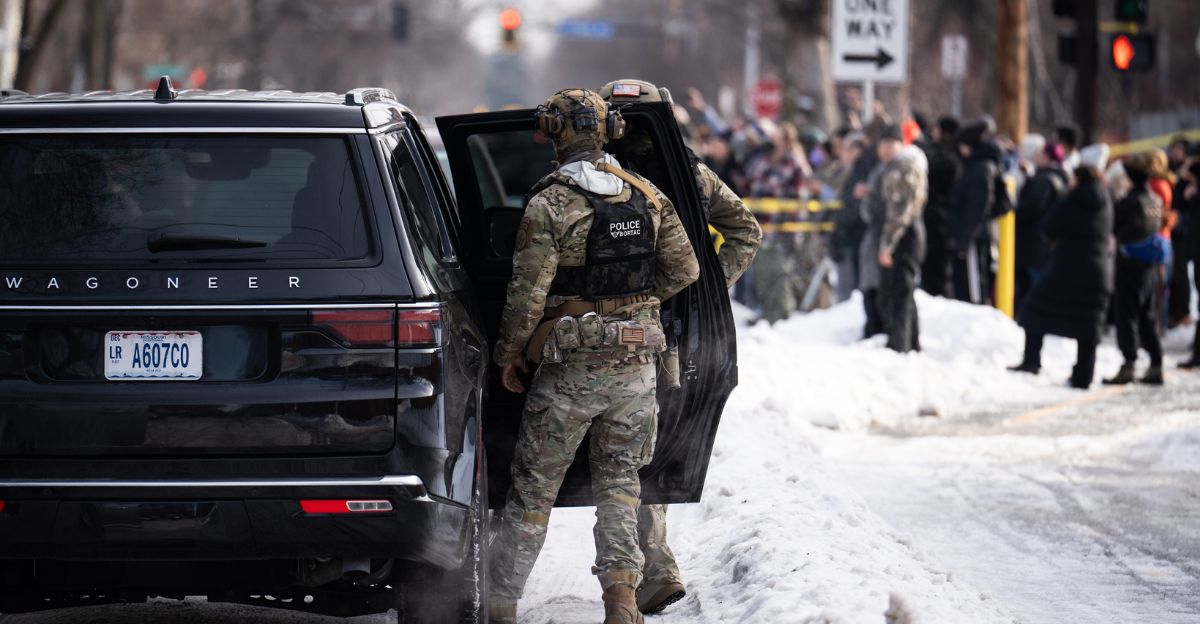
With fears escalating over ICE raids, Minneapolis schools in immigrant neighborhoods have shifted to remote learning through February 12, 2026.
Many families report keeping their children at home to avoid potential ICE encounters. This shift underscores the widespread anxiety within the community and the disruptive impact of federal immigration enforcement on daily life.
ICE Agent Shoots Venezuelan Man in Separate Incident
Tensions between federal authorities and Minneapolis residents deepened following a second incident on January 14, 2026, in which ICE agents shot a Venezuelan man in the leg.
While DHS claims the man assaulted an officer, local community members dispute this account. This event, coupled with Renee Good’s shooting, has further heightened mistrust of federal law enforcement.
Sanctuary City Debate Heats Up: Minneapolis at the Forefront
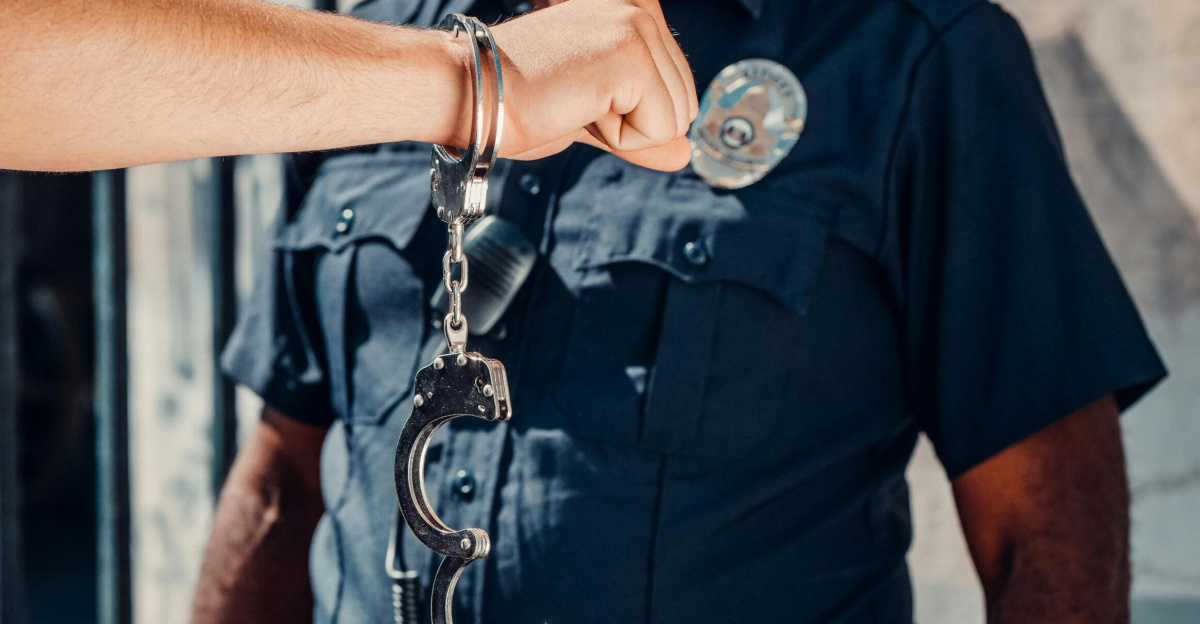
Operation Metro Surge has brought the sanctuary city debate to the forefront of national discussions. Minneapolis Mayor Jacob Frey has defended the city’s sanctuary status, but the operation highlights the friction between federal enforcement and local policies.
The operation underscores a broader national debate about immigration enforcement in sanctuary cities.
Political Backlash: Local Leaders Under Federal Pressure
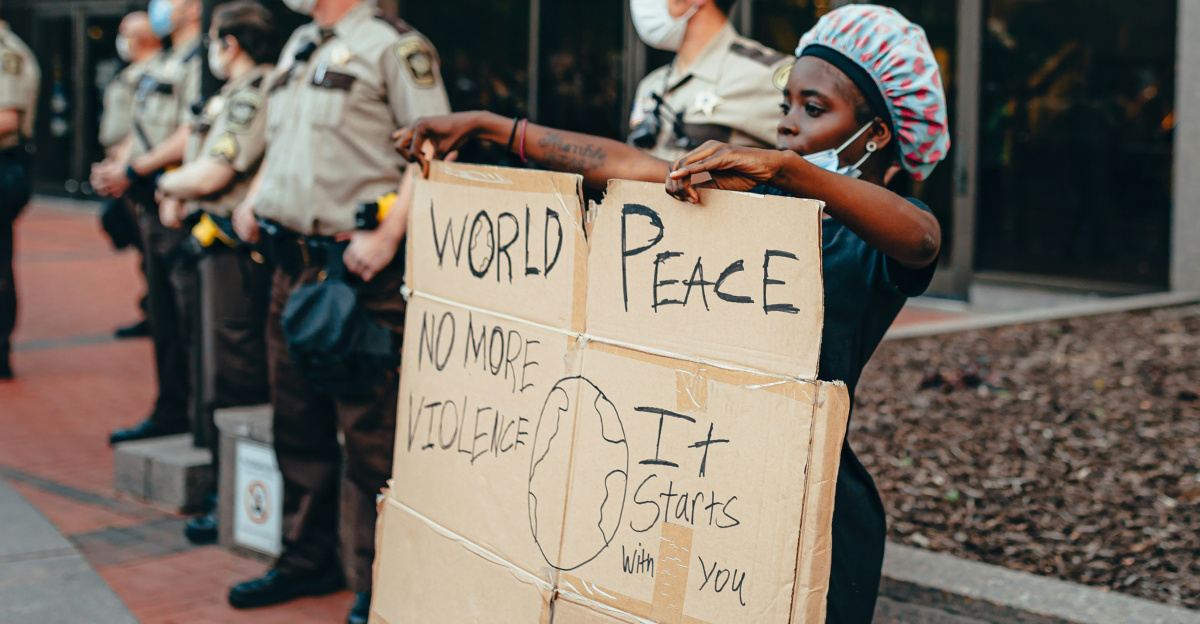
Minneapolis leaders face mounting pressure from both federal authorities and local activists. While federal agents demand cooperation in immigration enforcement, community groups argue for resistance to ICE’s presence.
Local officials, including Mayor Frey, are walking a fine line between meeting legal obligations and upholding the city’s sanctuary policies.
Timeline Clarification: Operation Metro Surge Began in December 2025

Operation Metro Surge officially launched in December 2025.
This timeline is important for understanding the operation’s duration and progress, particularly as the surge continues into 2026 with sustained federal presence and ongoing enforcement actions.
ICE Shooting Investigation Faces Obstacles
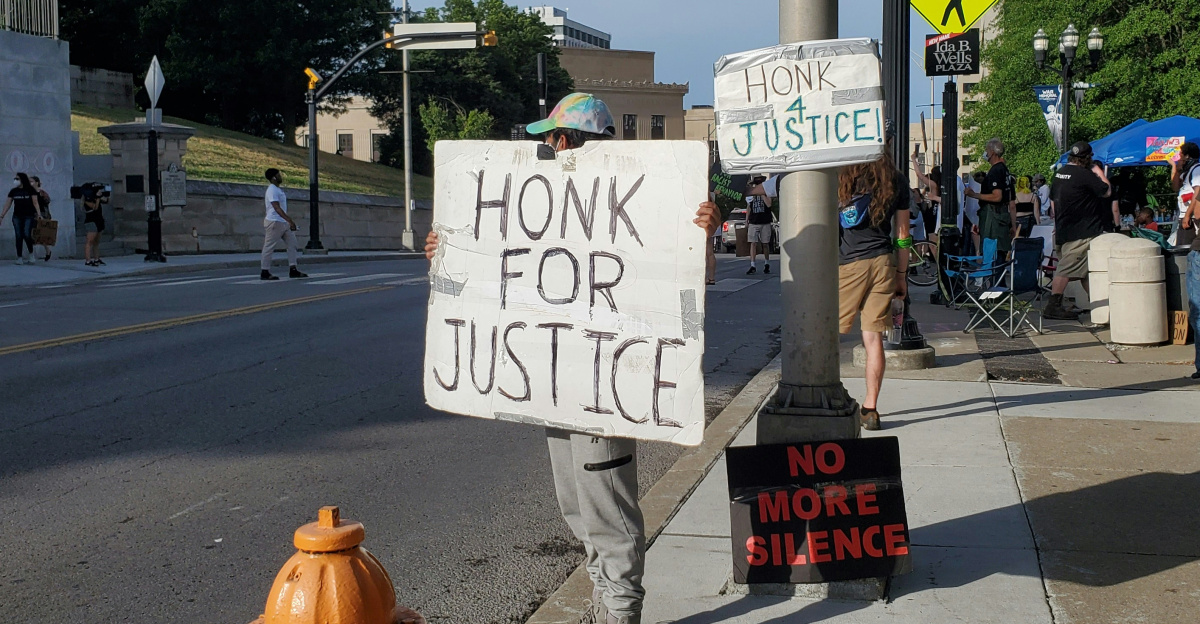
The investigation into the ICE agent responsible for Renee Good’s death has faced significant challenges. Six federal prosecutors resigned in protest over DOJ directives they felt pressured them to investigate the Good family instead of focusing on the agent involved in the shooting.
Calls for an independent investigation have intensified, with local leaders demanding accountability for the shooting.
DHS Signals Continued Enforcement in Minneapolis

The Department of Homeland Security has indicated that Operation Metro Surge will continue with a sustained federal presence in the Twin Cities.
Despite legal challenges, federal authorities are prepared to deploy even more agents to the area. There are also hints that the Minneapolis model may be replicated in other sanctuary cities across the country.
The Legacy of Operation Metro Surge: A Battleground for Immigration Policies

Operation Metro Surge has transformed the Twin Cities into a battleground for the future of immigration enforcement.
With over 2,000 arrests including 13 gang members, two shootings, six federal prosecutor resignations, and ongoing protests, the operation’s legacy is still unfolding. The conflict between federal enforcement priorities and civil liberties concerns continues to shape the narrative as the operation presses on.
Sources:
“2,000 Federal Agents Sent to Minneapolis Area to Carry Out ‘Largest Immigration Operation Ever’.” PBS NewsHour, 6 Jan 2026.
“Who Are the ‘Worst of the Worst’ Being Arrested by ICE in Minnesota?” FOX 9 Minneapolis-St. Paul, 13 Jan 2026.
“Six Prosecutors Quit Over Push to Investigate ICE Shooting Victim’s Widow.” The New York Times, 13 Jan 2026.
“Attorney General Ellison and Cities of Minneapolis and Saint Paul Sue to Halt ICE Surge Into Minnesota.” Minnesota Attorney General’s Office, 12 Jan 2026.