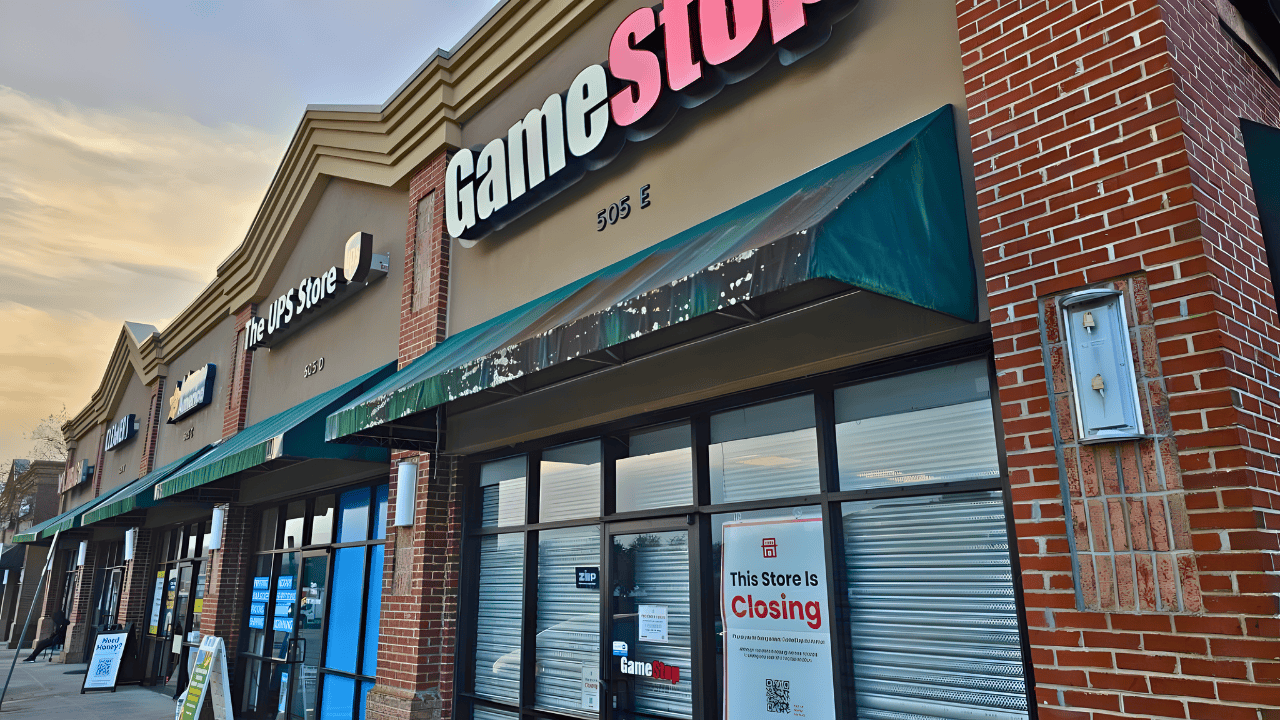
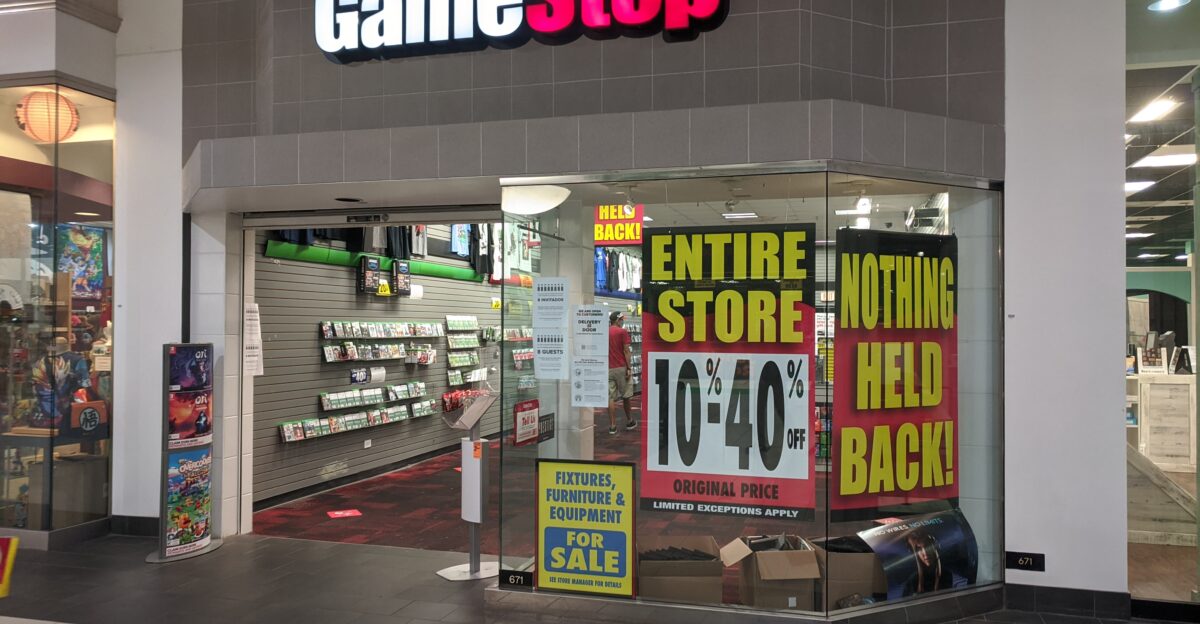
GameStop is closing between 390 and 470 U.S. stores in January 2026 alone, eliminating an estimated 1,800 to 3,000 jobs in one of retail’s most aggressive contractions.
The closures span 42 states, with California, Texas, and Florida hit hardest. Many employees learned their stores were shuttering through door signage, receiving minimal advance notice as the company rushes to complete closures before its fiscal year ends January 31.
Digital Gaming Dominance Crushes Physical Retail Model

The closures reflect an irreversible industry shift: 95% of video game sales now occur digitally through downloads and streaming platforms, leaving only 5% for physical retail. Physical game spending has plummeted 85% from its 2008 peak and declined 50% since 2021.
Sony, Microsoft, and Nintendo now sell digital-only console variants and heavily promote their own storefronts, completely bypassing traditional retailers like GameStop.
Revenue Declines Despite Recent Profitability

GameStop posted $77.1 million in net income for Q3 2025, compared to $17.4 million the prior year, but revenue fell 4.6% to $821 million, missing analyst expectations by over $166 million.
The profitability stems entirely from aggressive cost-cutting—including $60.6 million in reduced operating expenses—rather than growth. Hardware and accessories revenue dropped 12% year-over-year, while software sales declined from 32% to 24% of total sales.
CEO Ryan Cohen’s $35 Billion Compensation Sparks Controversy

GameStop’s board approved a $35 billion performance-based stock option package for CEO Ryan Cohen that requires growing the company’s market capitalization from $9.3 billion to $100 billion—more than a tenfold increase.
The package also demands $10 billion in cumulative EBITDA, a target analysts consider virtually impossible given GameStop’s declining revenue trajectory. Cohen receives no guaranteed salary or bonuses, earning only if these extraordinary milestones are achieved.
Analyst Skepticism: Price Targets Suggest 42% Downside

Wall Street analysts maintain overwhelmingly bearish views on GameStop’s prospects. The consensus 12-month price target of $13.50 implies 42% downside from current levels around $23, with ratings averaging “Reduce” or “Strong Sell.”
Long-term algorithmic forecasts project shares falling to $13.42 by end-2026, $9.36 in 2027, and potentially as low as $1.88 by 2030 as the physical gaming retail market continues its terminal decline.
Collectibles Pivot Shows Growth But Can’t Offset Gaming Losses
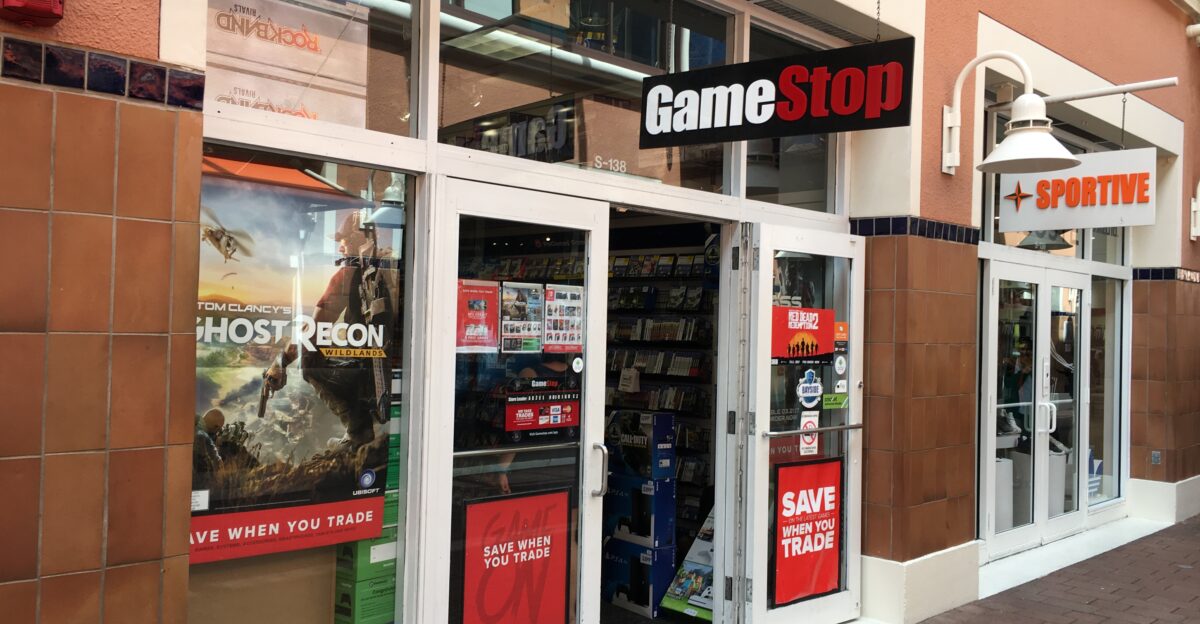
GameStop dramatically expanded its collectibles business—trading cards, action figures, and pop culture merchandise—which grew to 31.2% of sales in Q3 2025 from 19.9% the prior year. In Q1 2025, collectibles revenue jumped 54% to $211.5 million.
However, this growth cannot compensate for collapsing gaming categories. Hardware sales fell 32% in Q1, and even with collectibles expansion, total revenue continues declining across the business.
Bitcoin Strategy Adds Volatility to Struggling Retailer

Following MicroStrategy’s playbook, GameStop purchased 4,710 Bitcoin for $512.6 million in May 2025 after the board approved cryptocurrency as a treasury reserve asset. Holdings were valued at $519.4 million by November 2025, adding minimal gains but significant volatility to financial statements.
Critics argue the $512 million deployed to Bitcoin represents capital that could have funded business transformation or been returned to shareholders facing an 80% stock decline from 2021 peaks.
Meme Stock Origins Can’t Sustain Business Transformation
GameStop’s January 2021 short squeeze temporarily propelled shares from $17 to over $500, enabling the company to raise billions through stock offerings. That capital created an $8.8 billion cash cushion that has kept GameStop solvent despite years of revenue erosion.
However, shares have since collapsed 80%, and the meme stock phenomenon cannot overcome structural industry changes destroying the company’s core business model and competitive positioning.
Competitors Dominate Across Every Channel
GameStop faces superior competitors in all directions. Digital platforms—Steam, PlayStation Store, Xbox Store, Nintendo eShop—capture the vast majority of sales directly. Mass merchants like Amazon, Walmart, and Best Buy offer better pricing and selection for remaining physical products.
Subscription services including Xbox Game Pass provide game libraries for monthly fees, competing with individual purchases. GameStop offers no sustainable competitive advantage against any of these alternatives.
International Exit Accelerates Amid Global Struggles
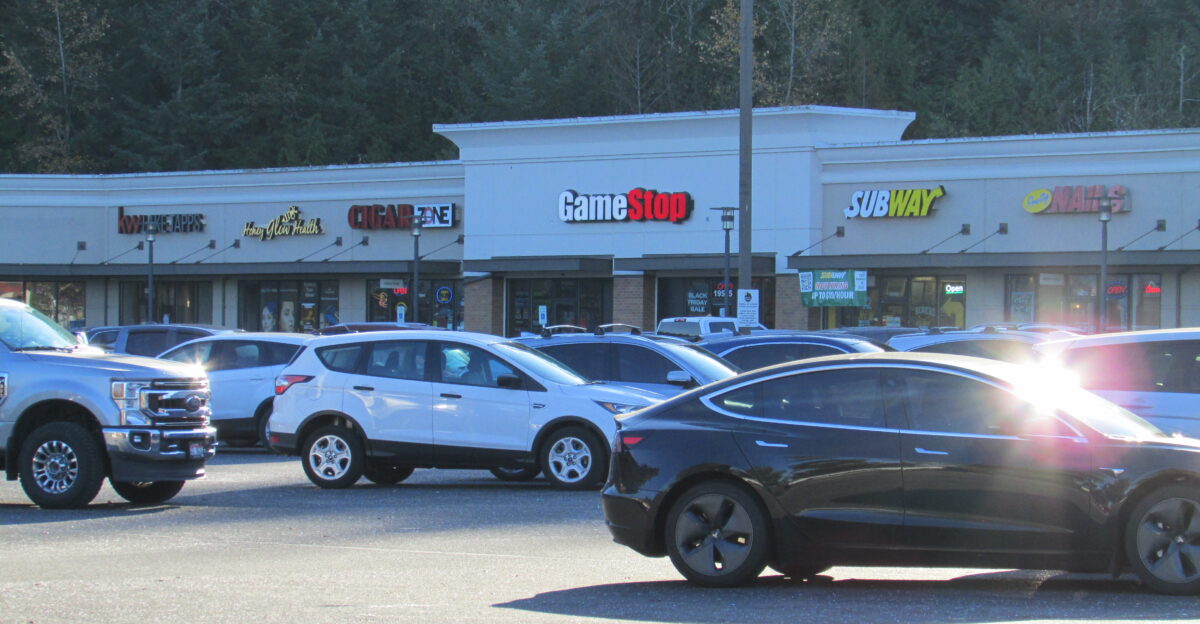
GameStop has exited or sold operations in Germany, Austria, Switzerland, Ireland, Italy, and Canada, with plans to divest French operations. The Canadian business was sold to entrepreneur Stephan Tetrault in May 2025.
These international exits reduce loss-making operations but further shrink the company’s addressable market. GameStop’s global store count has collapsed from over 6,000 at peak to approximately 3,200 by February 2025.
Store Closures Concentrate in Fiscal Year-End Push

GameStop deliberately concentrated January 2026 closures to complete them before its fiscal 2025 year-end on January 31. This timing allows the company to report all closure costs—lease terminations, inventory liquidations, severance—within a single fiscal period, creating cleaner financial narratives for fiscal 2026.
The 390-470 January closures represent nearly 80% of fiscal 2024’s entire 590-store reduction, accomplished in just four weeks.
Employee Backlash Over Abrupt Communication

Many GameStop employees expressed shock at the sudden closures, with some learning their stores were shutting through posted signage the same day customers discovered the news.
Reddit forums documented widespread frustration over minimal advance notice, particularly as closures affected even profitable locations when lease economics proved unfavorable. The juxtaposition of mass layoffs alongside Cohen’s $35 billion compensation package amplified employee demoralization and public criticism.
Community Loss: Gaming Hub Disappears from Neighborhoods

For gaming enthusiasts, GameStop’s contraction eliminates physical community spaces that served as gathering points for launch events, tournaments, and conversations. One Reddit user lamented: “I’m down to one store within an hour of me now, and that’s scheduled to close next.
Really sad because I enjoyed walking in and buying physical games on launch day.” The closures disproportionately impact smaller markets and lower-income communities where GameStop provided accessible gaming retail.
Broader Retail Apocalypse Claims 15,000 Stores in 2025
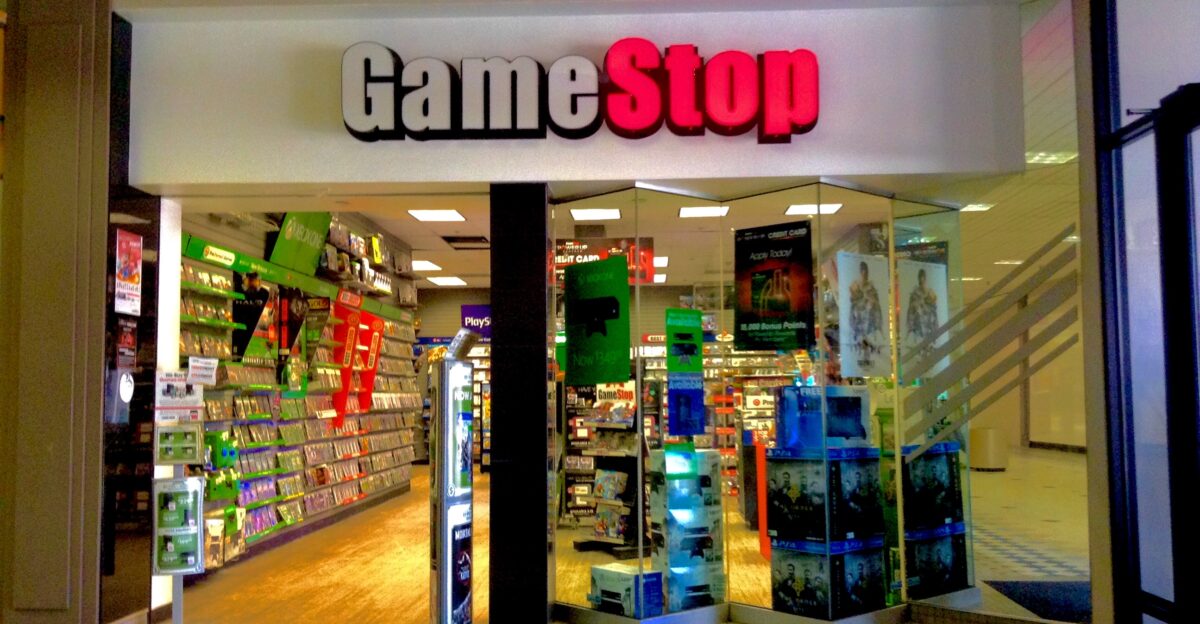
GameStop’s struggles occur within a massive retail contraction. An estimated 15,000 U.S. brick-and-mortar stores closed in 2025, more than double 2024’s 7,325 closures. Macy’s announced 150 closures, Walgreens plans 1,200 over three years, and Party City shuttered all 700 locations.
Nearly 300 retail chains announced 2026 closures, reflecting persistent e-commerce dominance, economic headwinds, and overexpansion. GameStop’s 400+ January closures rank among the most aggressive contractions.
Future Uncertain: Managed Decline or Transformation?
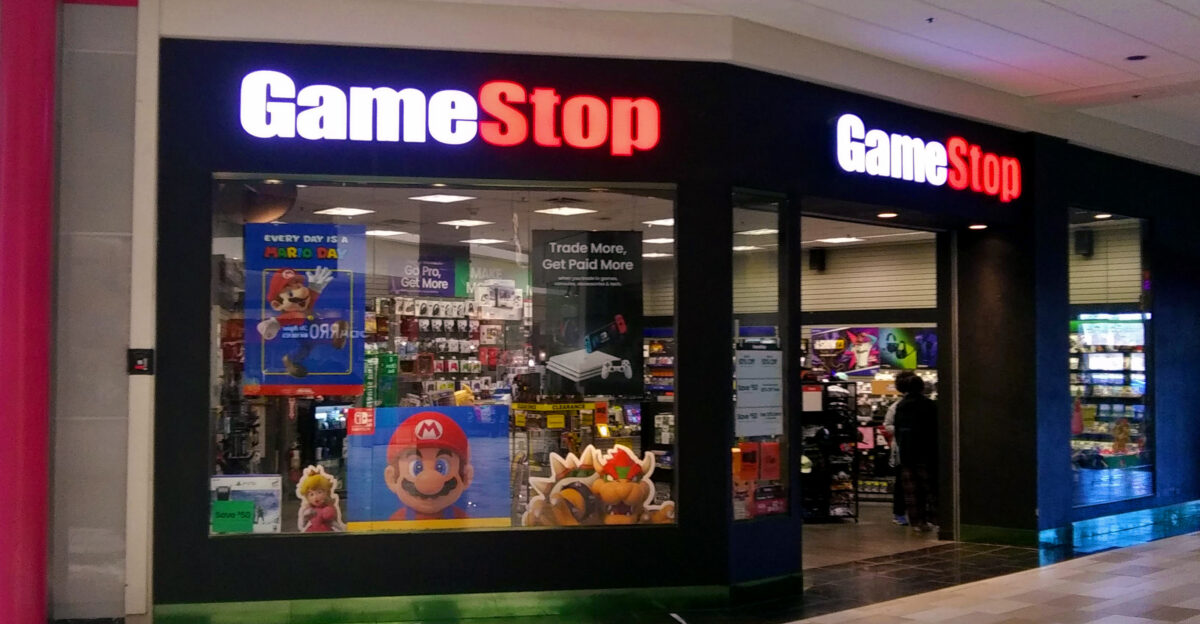
GameStop likely faces managed decline to a smaller, niche operator serving enthusiasts unwilling to adopt digital distribution.
The most probable outcome: the company shrinks to 800-1,200 U.S. stores, generates modest profits from collectibles and residual gaming sales, and gradually depletes its cash reserves. Whether GameStop stabilizes as a collectibles-focused retailer or continues deteriorating toward liquidation, its significance as a video game retailer has ended.
Sources:
“GameStop is closing more stores this year. Here’s what we know.” USA Today, 14 Jan 2026.
“GameStop is kicking off 2026 by shutting down over 400 stores in 42 states.” The Verge, 11 Jan 2026.
“GameStop CEO Ryan Cohen could be set for a $35 billion payday.” CNN Business, 7 Jan 2026.
“GameStop Discloses Third Quarter 2025 Results.” GameStop Corp. Investor Relations, Nov 2025.
“GameStop echoes Strategy in doubling down on bitcoin.” Reuters, 25 Mar 2025.
“Collectibles now make up nearly a third of GameStop’s sales.” Retail Dive, 9 Dec 2025.