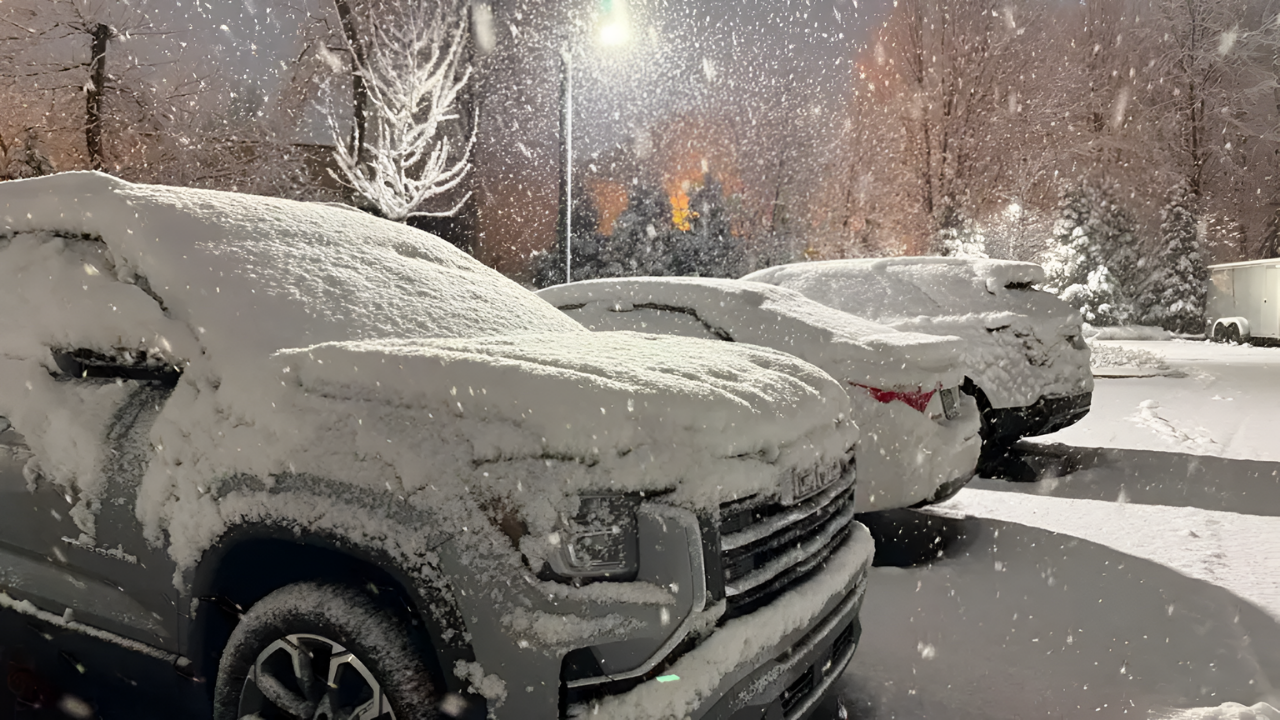
The Arctic is changing in unprecedented ways this January. A massive atmospheric disturbance at 30 kilometers up is intensifying rapidly.
Scientists note it mirrors the conditions before the devastating 2021 Texas freeze, which killed over 200 people and caused $130 billion in damage. Weather forecasters ask: How severe will the impacts be when this upper-atmosphere disruption descends to ground level?
Rarity Alarm
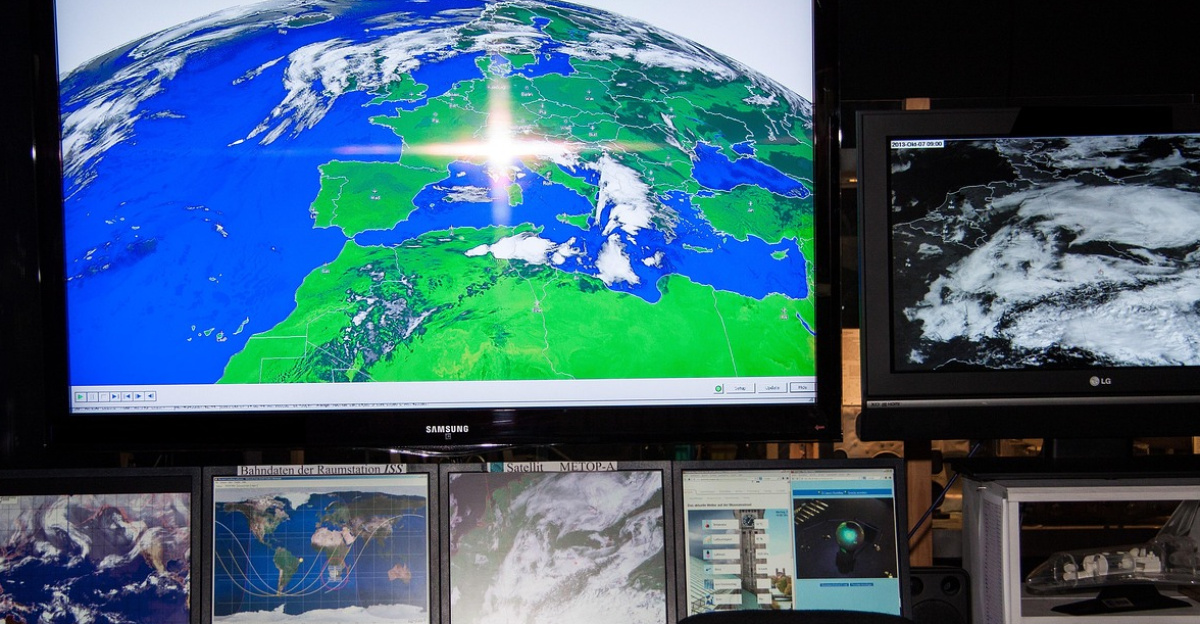
Sudden stratospheric warming events happen every few years. But January timing is extraordinarily rare. Meteorologists at Severe Weather Europe call it “quite unusual at this time of year.”
They note “fewer than a handful of these events occurred this early in the past 70 years.” One outlet reports this may be the earliest on record. This isn’t just cold coming—it’s a statistical anomaly with real consequences.
The Vortex Explained
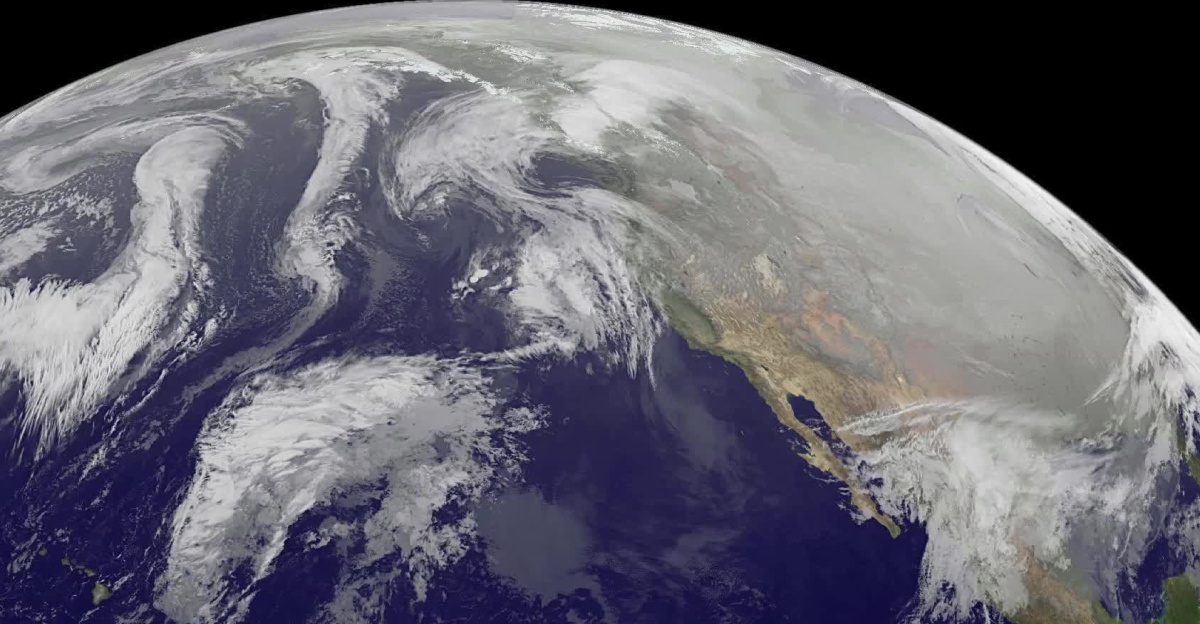
The polar vortex is a massive cyclone of frigid air spinning tightly above the Arctic Circle. Think of it as a frozen cage holding Earth’s coldest air. Strong upper-atmosphere winds normally keep it sealed.
But sudden stratospheric warming weakens those winds. The cage fractures. Arctic air escapes southward, reshaping weather patterns across millions of square miles.
The Two-Lobe Split
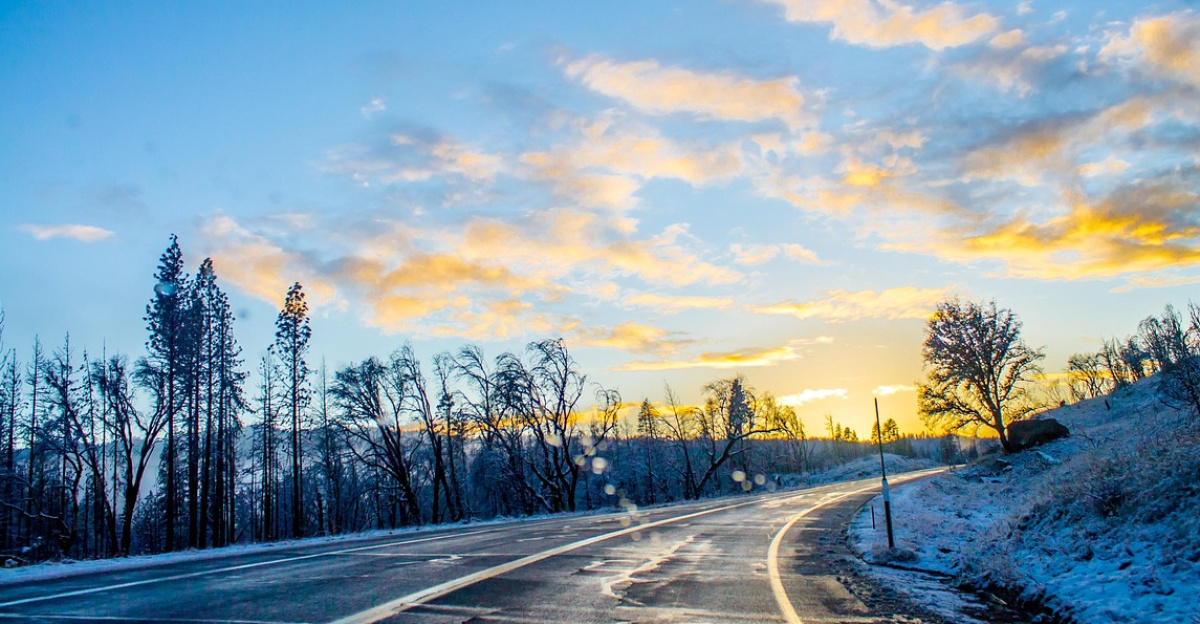
Satellite data shows the polar vortex splitting into two dangerous lobes. One displaces over North America near Hudson Bay. The second shifts toward Eurasia and Europe.
This split concentrates Arctic air over populated regions instead of dispersing it globally. Meteorologists call this cascading pattern “loaded dice” for extreme winter persistence. Impacts compound exponentially when the vortex splits.
The Forecast: 6–8 Weeks of Cold
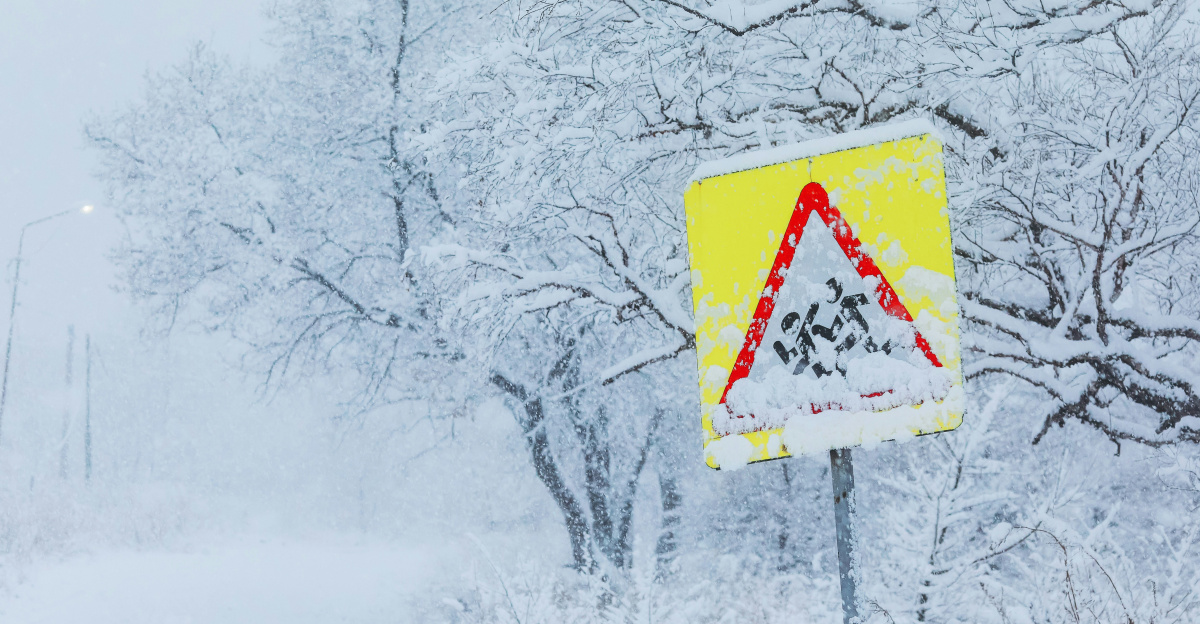
Atmospheric scientists predict six to eight weeks of below-normal temperatures. Stratospheric signals reach ground level in one to three weeks.
Multiple rounds of brutal Arctic air will push through late January, February, and early March 2026. AccuWeather and the National Weather Service issued extended cold advisories and freeze warnings. Severe Weather Europe projects “sustained disruption” with “the coldest air of the season” through early February.
North America Braced
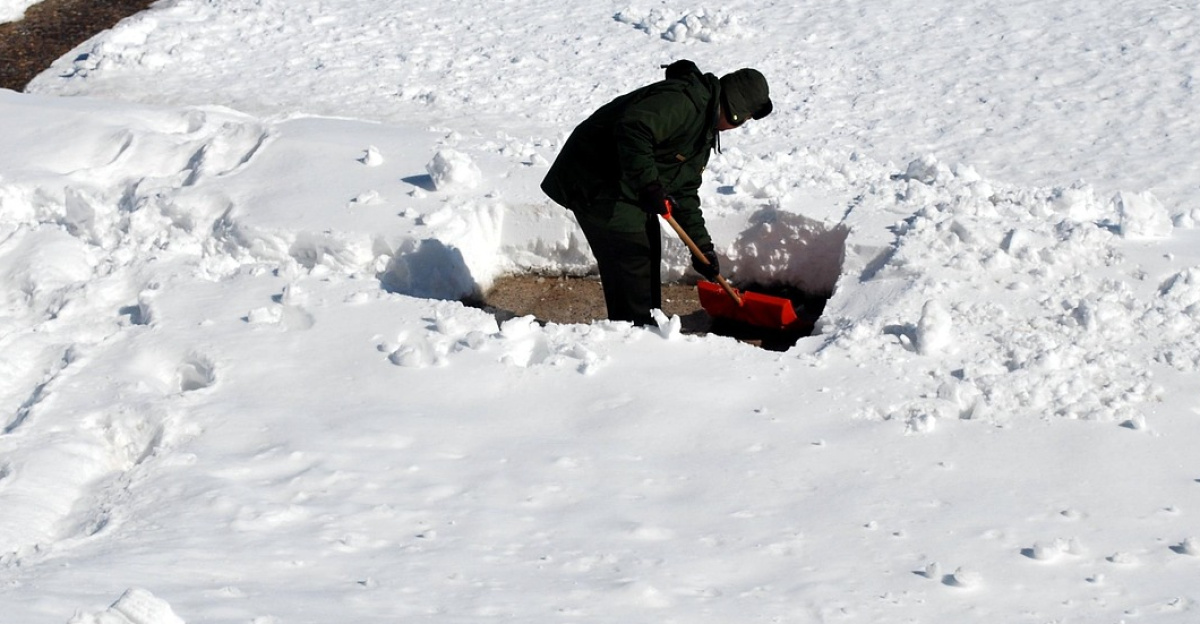
The United States already sees disruption as a leading edge. Forecasters describe “the coldest conditions of winter heading into early February.” Temperatures will plunge 10–30 degrees below normal across central and eastern regions.
The South faces advisory alerts. Florida will experience rare snow. Texas enters the early warning stages. Canada faces brutal conditions with “very cold air building” across western and central regions.
European Deep Freeze
Europe faces equal peril. Severe Weather Europe issued “Deep Snow and Arctic Cold” alerts across the continent. France, Germany, and the UK prepare for coldest temperatures in years. Europe is still recovering economically from last winter.
Prolonged cold will strain energy supplies, disrupt transportation, and threaten vulnerable populations. One meteorologist called it a “potentially historic Arctic polar vortex blast” affecting two continents simultaneously.
The 300-Million-Person Footprint
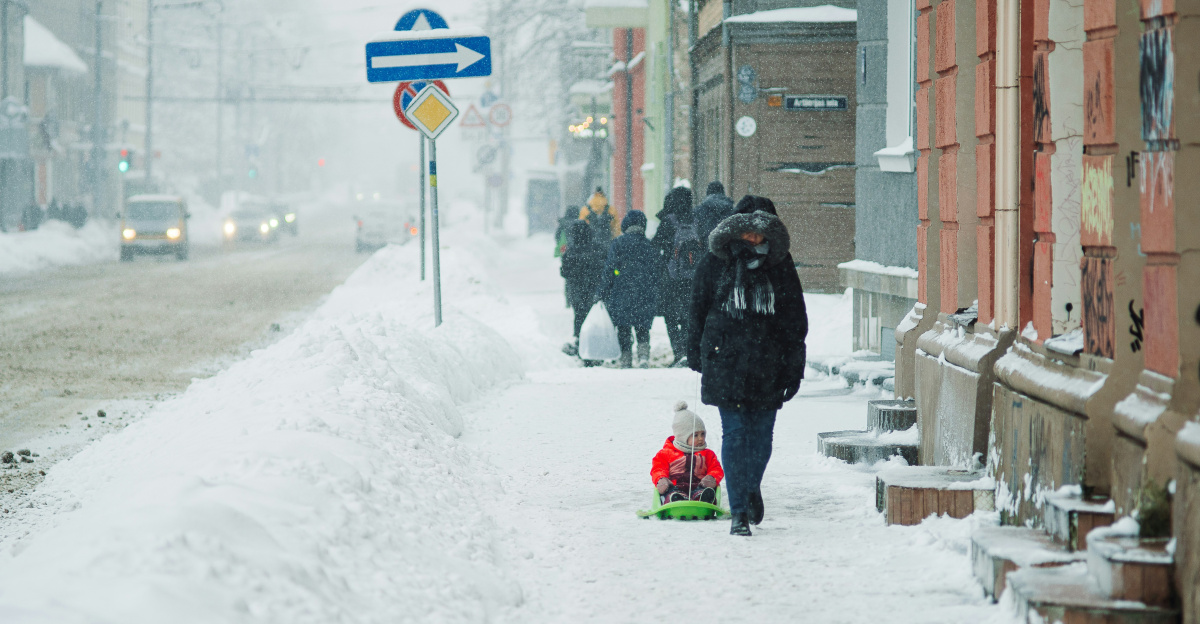
Three hundred million people across North America and Europe will experience below-average temperatures. That equals the combined population of the United States, Canada, and Germany. Other sources cite 250 million conservatively.
This unprecedented scale explains why meteorological agencies treat it as a major public health and economic continuity event. Energy demand will spike. Emergency services will be stretched thin. Vulnerable populations face life-threatening risks.
The 1–3 Week Lag: When Surface Cold Arrives
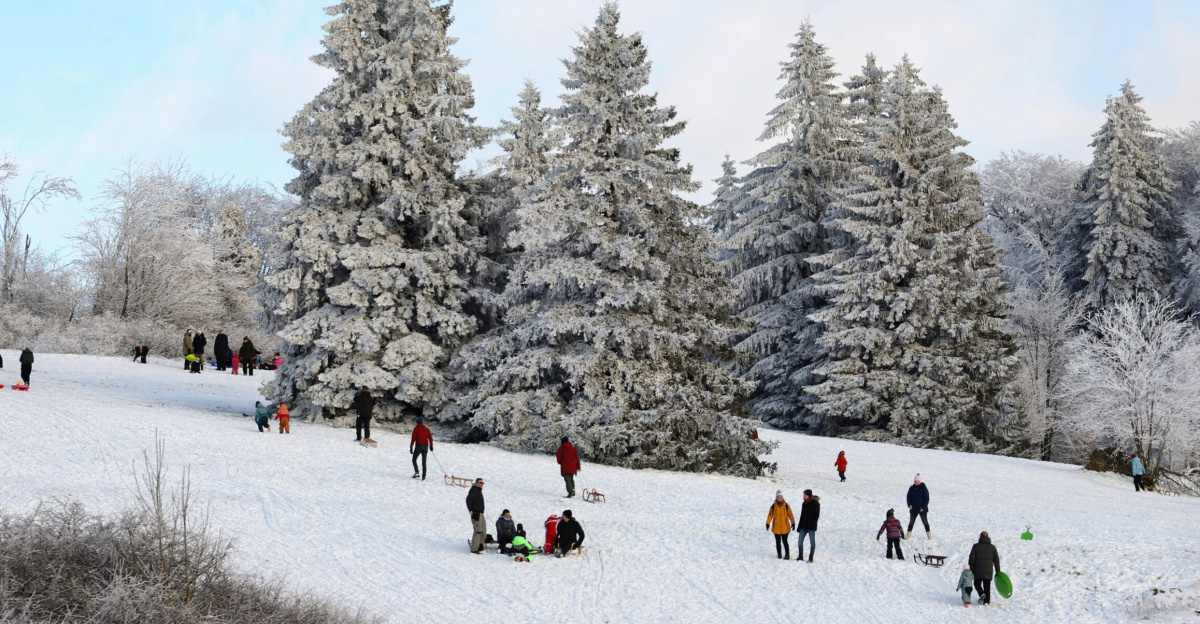
Peer-reviewed atmospheric science explains the forecast confidence. Research shows “effects typically take a week or more to reach the surface.” Standard delays last “approximately two to three weeks.”
The National Weather Service and AccuWeather issued warnings January 14–15, 2026, targeting late January impacts. Stratospheric warming occurs now. Ground-level cold arrives in 7–21 days. This timing window remains locked in by atmospheric physics.
The 2021 Parallel: A Warning Replayed

This 2026 disruption mirrors atmospheric conditions before the February 2021 Texas freeze. That event blindsided millions and caused cascading power failures. The 2021 freeze was regionally catastrophic but brief and concentrated.
Current 2026 forecasts indicate multiple regions will be affected simultaneously over a week-long period. A six-to-eight-week multi-continental version poses supply-chain, energy, and public-health risks that 2021 did not test.
Energy Infrastructure Under Siege

Power grid operators activate contingency planning across North America and Europe. Cold-driven electricity demand is extreme. Winter heating loads dwarf summer cooling loads. A six-to-eight-week period of consistently cold weather could push regional grids toward dangerous reserve margins.
The U.S. Federal Energy Regulatory Commission advised utility operators to maximize fuel inventory. European officials warn of natural gas shortages if heating peaks simultaneously across countries.
Supply-Chain Cascades
Cold disruptions extend beyond utilities. Transportation networks freeze or slow. Agricultural inputs face delays. Food supply chains experience friction. Manufacturing output in cold-sensitive industries declines. This event affects two continents simultaneously.
Global supply networks face synchronized stress instead of rerouting through unaffected regions. Early January 2026 showed tight inventories in heating oil, propane, and natural gas. A 6-8 week cold spell could deplete reserves faster than production replenishes them.
Market Volatility & Hedging Moves
Financial markets adjust to the forecast. Energy futures, including crude oil, natural gas, and heating oil are experiencing sustained demand spikes. Agricultural traders hedge crop-protection costs and delayed spring planting. Insurance companies reserve for cold-related claims.
This market response signals institutional actors’ view of the 6-8 week forecast as credible. When major financial institutions reposition their portfolios in anticipation of weather forecasts, predictions move beyond academic discussion into operational reality.
Expert Skepticism & Uncertainty Shadows
Not every meteorologist speaks with absolute certainty. Some weather specialists warn that the coupling between stratospheric warming and other phenomena is probabilistic. Others question whether the full 6-8 week duration materializes uniformly across regions.
Dr. Ryan Maue frames the period as “potentially historic,” hedging while affirming severity. This measured language reflects genuine uncertainty at the margins. The core forecast remains robust. Precise magnitudes, geographic distributions, and cold-surge durations remain forecast uncertainties.
Preparation or Prediction: What Comes Next?
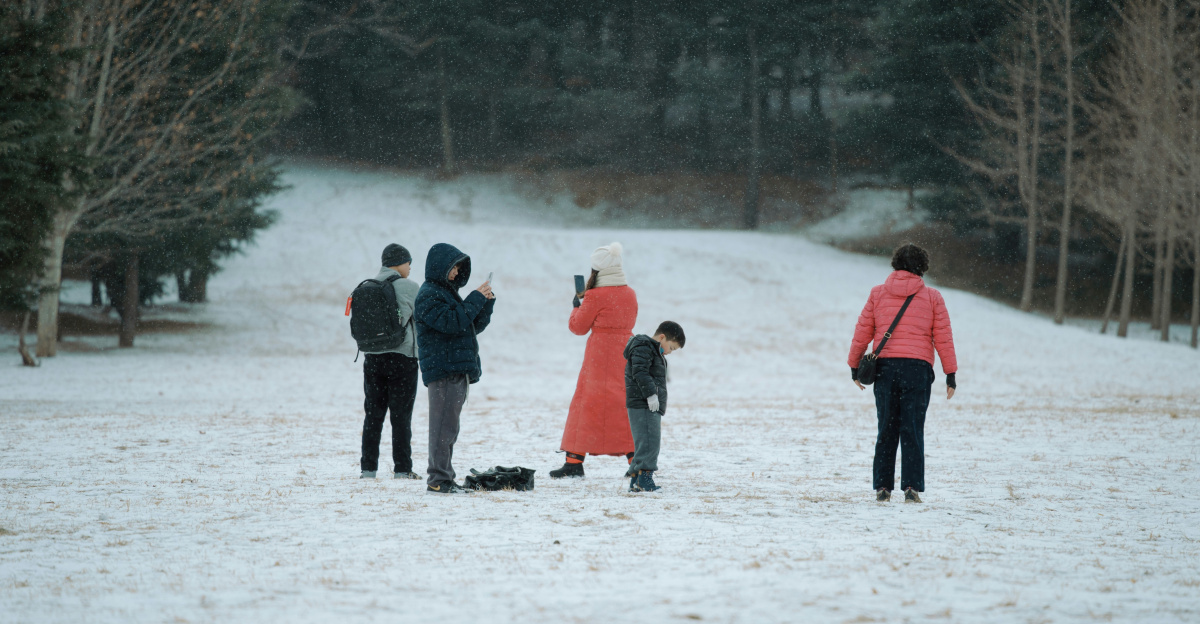
Three hundred million people face a narrowing window for preparation. The 2021 freeze proved catastrophic in a single region over a few days. The 2026 forecast shows multi-continental impacts lasting weeks.
What does adequate preparation look like? Should individuals stock fuel, food, and supplies, should governments mandate energy conservation now and, should businesses preemptively close operations? Or will societies react to impacts after they arrive, as before?
The atmospheric systems are in motion. By late January 2026, theforecast becomes weather history. The question remains: Will human systems write a better ending than 2021?
Sources:
Severe Weather Europe, various polar vortex articles, January 15, 2026
USA TODAY, various Arctic blast and polar vortex articles, January 14, 2026
Severe Weather Europe, polar vortex disruption article, January 11, 2026
Dr. Ryan Maue (Weather Trader) via USA TODAY, meteorological analysis, January 12-14, 2026
AccuWeather, polar vortex cold air forecast, January 13-15, 2026
YouTube meteorology analysis, polar vortex analysis videos, January 7-12, 2026