
Hundreds of thousands of Americans woke up to hazardous air as fine particle pollution surged across three states. Winter temperature inversions locked PM2.5 pollution near ground level, turning normally breathable air toxic.
In Augusta, Georgia, air quality spiked to an AQI of 166—classified as “unhealthy for all residents.” Officials warned that without wind or weather changes, polluted air would remain trapped, posing serious health risks to everyone exposed.
Air Alerts Ignite
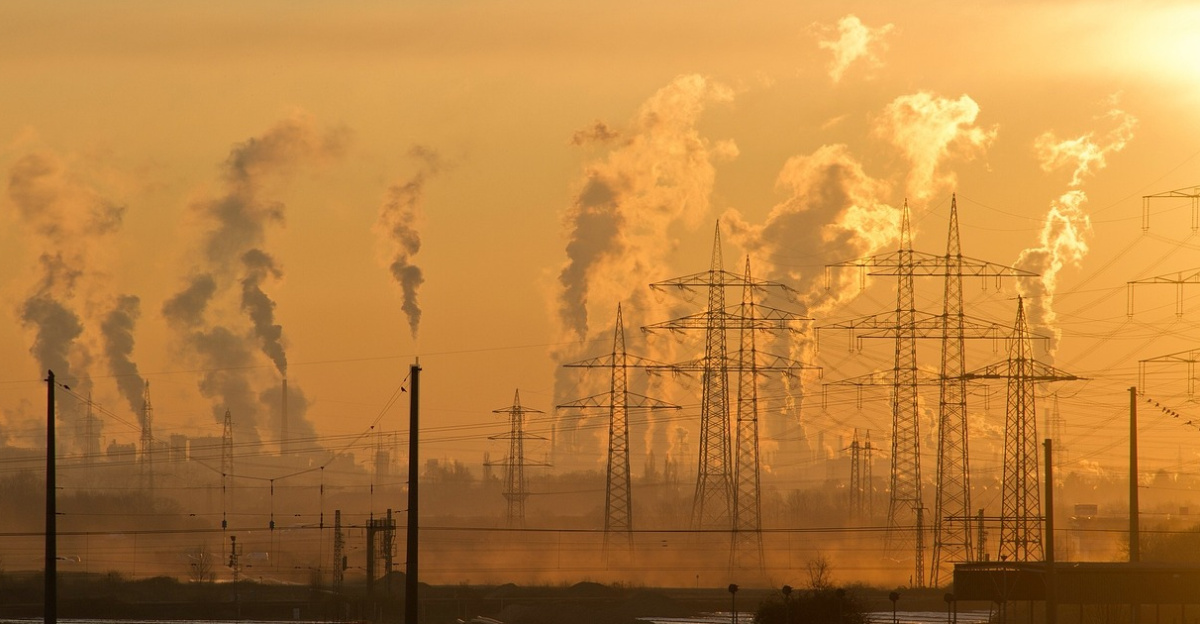
Air quality alerts were issued simultaneously in Georgia, South Carolina, and Oregon as stagnant high-pressure systems settled in. These weather patterns suppress air movement, allowing pollution to build day after day.
Authorities urged residents to limit outdoor activity, especially children, seniors, and those with heart or lung conditions. The alignment of alerts across distant regions highlighted how similar weather dynamics can trigger parallel health emergencies nationwide.
Why Winter Makes It Worse
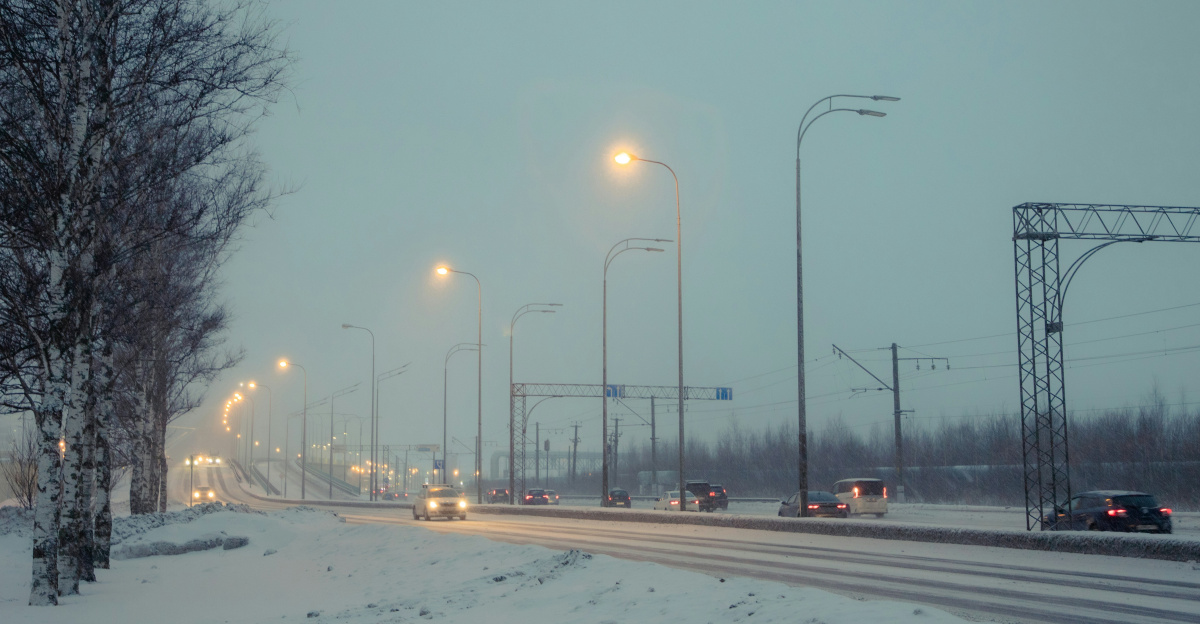
Cold winter nights create temperature inversions, where warmer air traps colder air near the surface. This prevents pollutants from dispersing upward. Vehicle emissions, wood smoke, and industrial particles accumulate at breathing level.
Unlike summer smog, winter PM2.5 pollution is largely invisible, making it especially dangerous. Experts warn these seasonal inversions can quickly push air quality into unhealthy territory without dramatic visual cues.
Stagnation Takes Hold
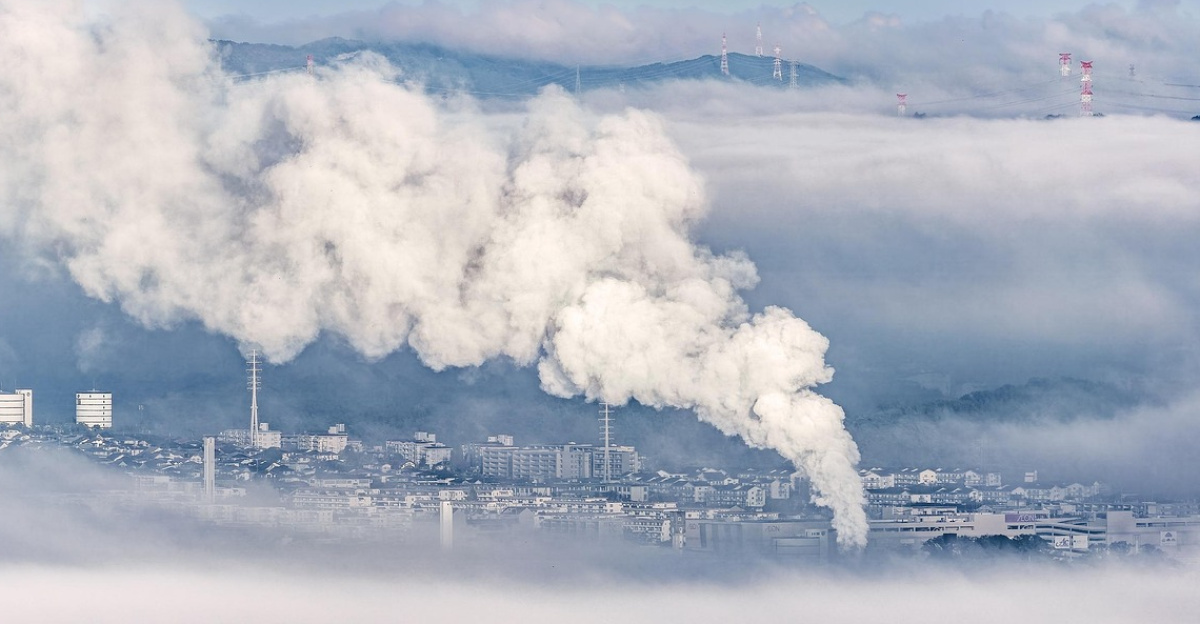
Light winds and freezing temperatures intensified the crisis. In Oregon, valleys experienced near-motionless air combined with freezing fog, worsening exposure. In the Southeast, calm conditions allowed pollution to linger over metro areas.
Multi-day advisories signaled that conditions were not short-lived. Officials emphasized that prolonged stagnation increases cumulative exposure, raising risks even for otherwise healthy adults.
Three States Under Warning

The National Weather Service confirmed active air quality alerts across Georgia, South Carolina, and Oregon on Tuesday, January 13, 2026.
Oregon’s Department of Environmental Quality extended its advisory through Friday morning. In the Augusta–North Augusta region, AQI readings peaked at 166, placing the area firmly in the “unhealthy for all” category. Residents were advised to stay indoors whenever possible.
Georgia’s Air Crisis
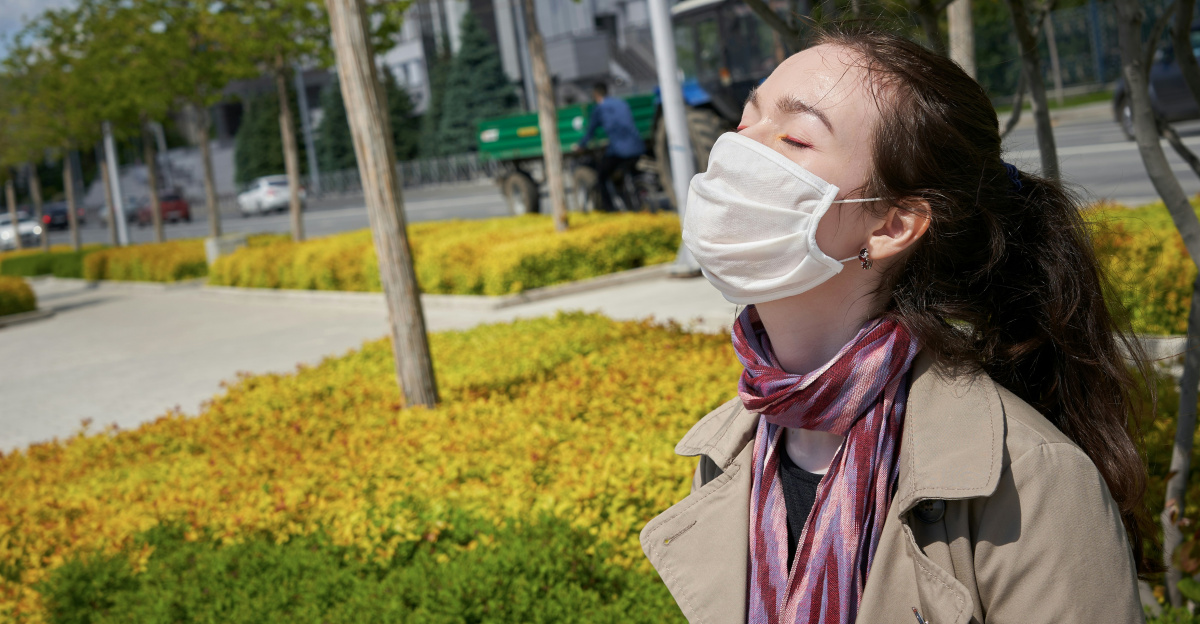
Augusta and Valdosta were among Georgia cities impacted by elevated PM2.5 levels. With pollution trapped close to the surface, health officials recommended avoiding outdoor exercise and keeping windows closed.
Clinics reported increased concern for patients with asthma and heart disease. The stagnant air pattern showed little sign of breaking, prompting statewide messaging focused on reducing exposure rather than quick relief.
South Carolina Spillover
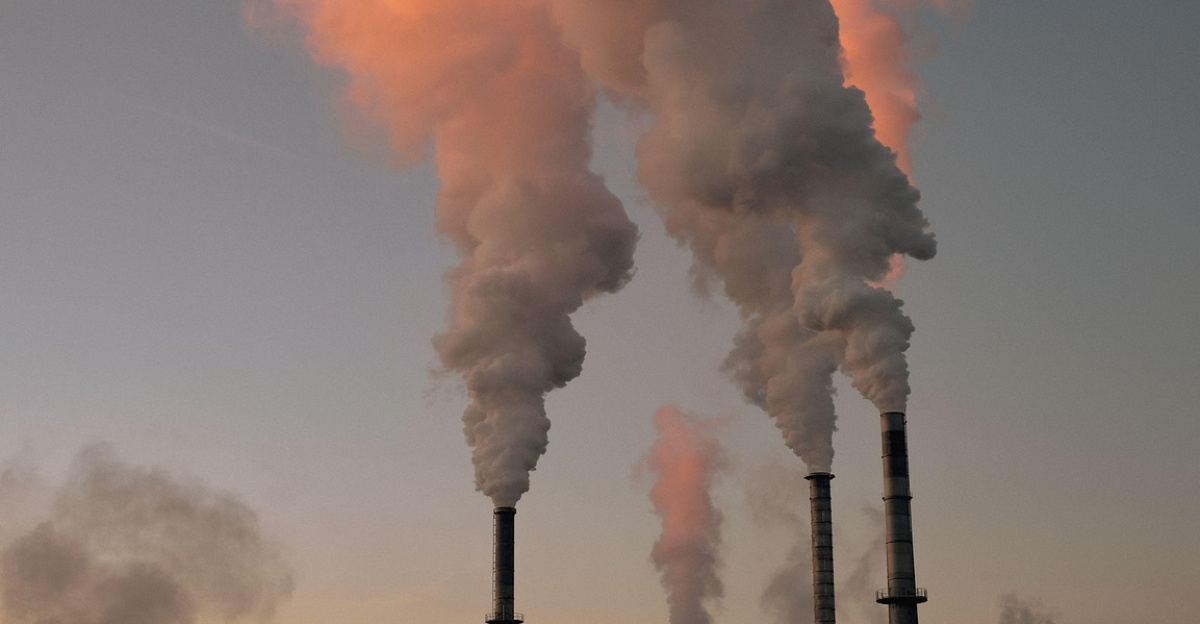
North Augusta, South Carolina, mirrored Augusta’s hazardous readings due to shared geography and weather conditions. Schools adjusted outdoor activities, and residents curtailed daily routines.
Health officials stressed that PM2.5 exposure raises the likelihood of asthma attacks, strokes, and cardiac stress. The cross-border nature of the pollution underscored how air quality crises do not respect state lines.
Oregon’s Valley Lockdown

Large portions of Oregon fell under extended air quality advisories, including Bend, Medford, Grants Pass, Klamath Falls, Eugene, and Corvallis. Freezing fog reduced visibility to as low as one-quarter mile in some valleys, compounding respiratory risks.
Authorities urged residents to remain indoors, avoid wood burning, and use air filtration where possible until weather conditions improved.
Who Faces the Greatest Risk
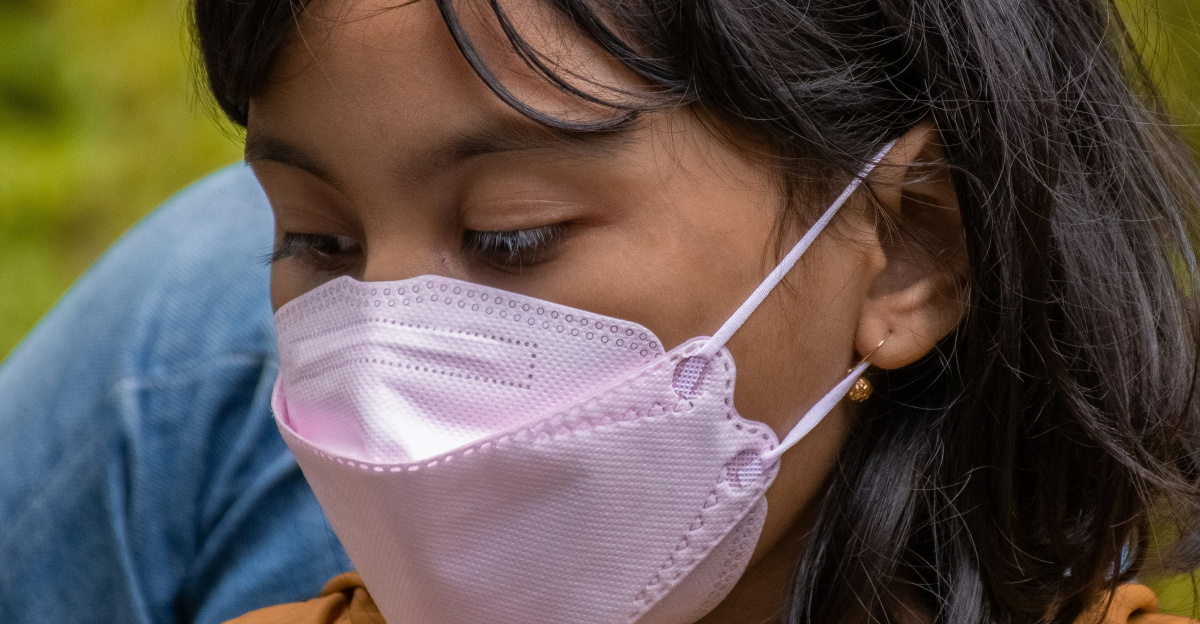
Children, older adults, and people with heart or lung conditions were identified as the most vulnerable. However, officials stressed that AQI levels above 150 pose risks to everyone.
PM2.5 particles are small enough to penetrate deep into the lungs and enter the bloodstream, increasing the likelihood of heart attacks, asthma flare-ups, and long-term lung damage with sustained exposure.
Understanding “Unhealthy For All”
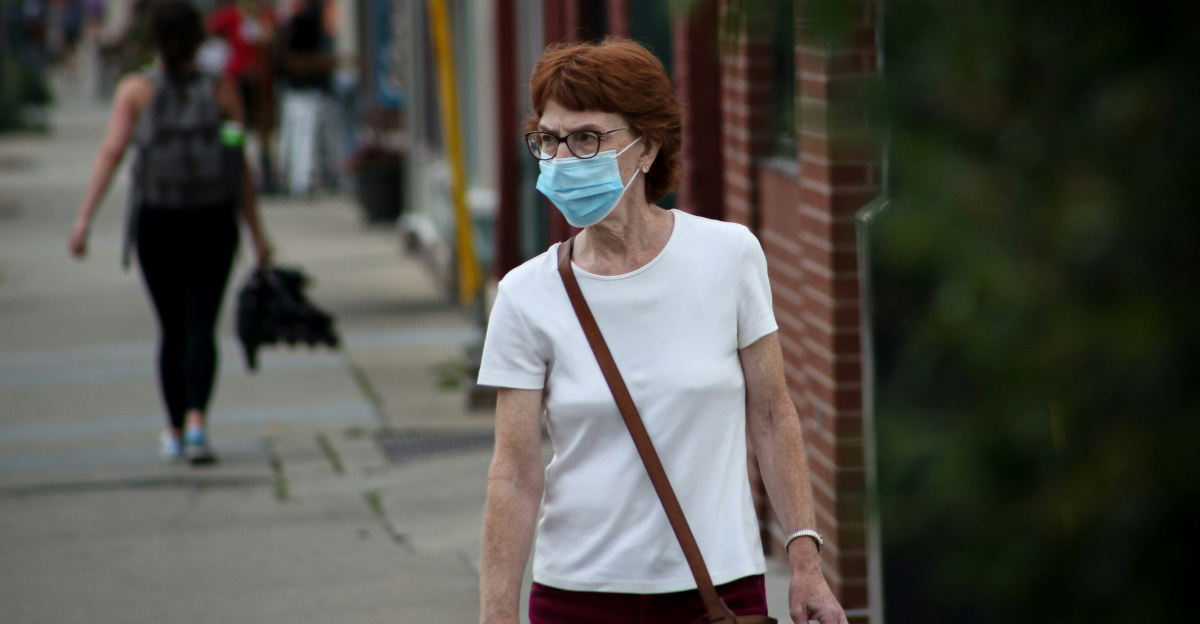
On the EPA’s Air Quality Index, readings between 151 and 200 are labeled “unhealthy for everyone.” At this level, even short outdoor exposure can cause symptoms such as coughing, shortness of breath, or chest discomfort.
Authorities emphasized that the 166 AQI reading in the Augusta area met this threshold, justifying urgent public health warnings.
An Invisible Threat
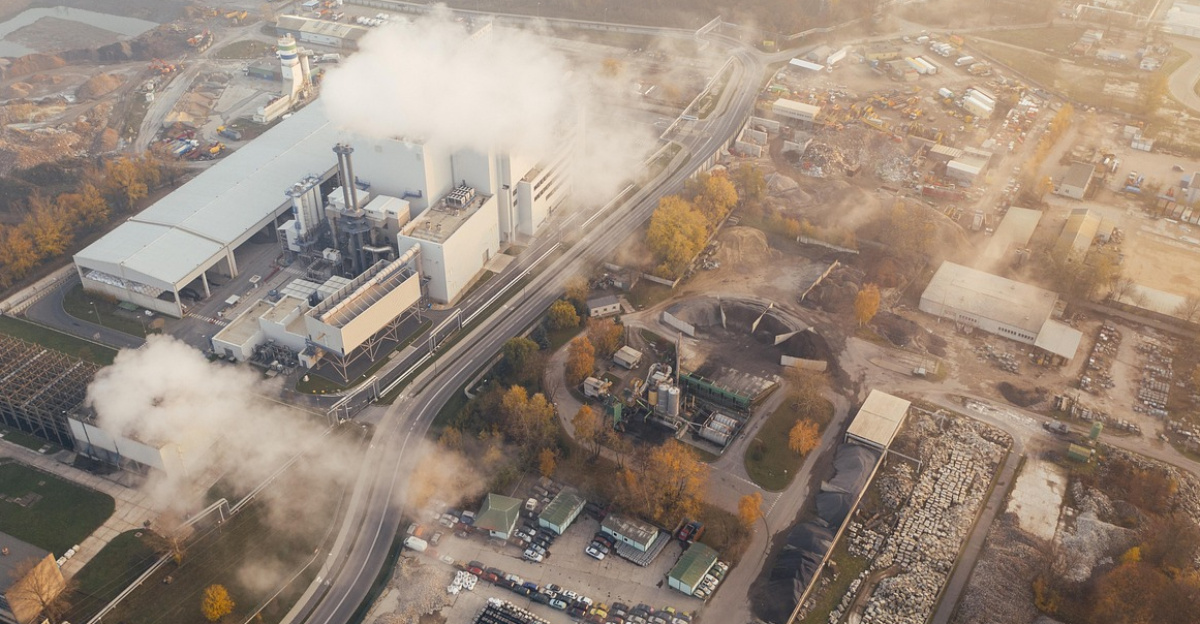
Unlike smoke from wildfires, winter PM2.5 pollution often has no strong odor or visible haze. This invisibility makes it easy to underestimate danger. Pollutants from traffic, industry, and heating sources combine into a fine particulate mix that quietly accumulates.
Officials warned residents not to rely on sight alone, urging frequent checks of local air quality reports.
Public Frustration Grows

Residents expressed frustration over repeated winter advisories that disrupt daily life. Oregon valley communities, in particular, noted that multi-day indoor confinement has become a recurring seasonal pattern. In the Southeast, commuters and families reported adjusting routines to avoid exposure.
The persistence of these events has fueled calls for stronger long-term pollution reduction strategies.
Agencies Extend Monitoring
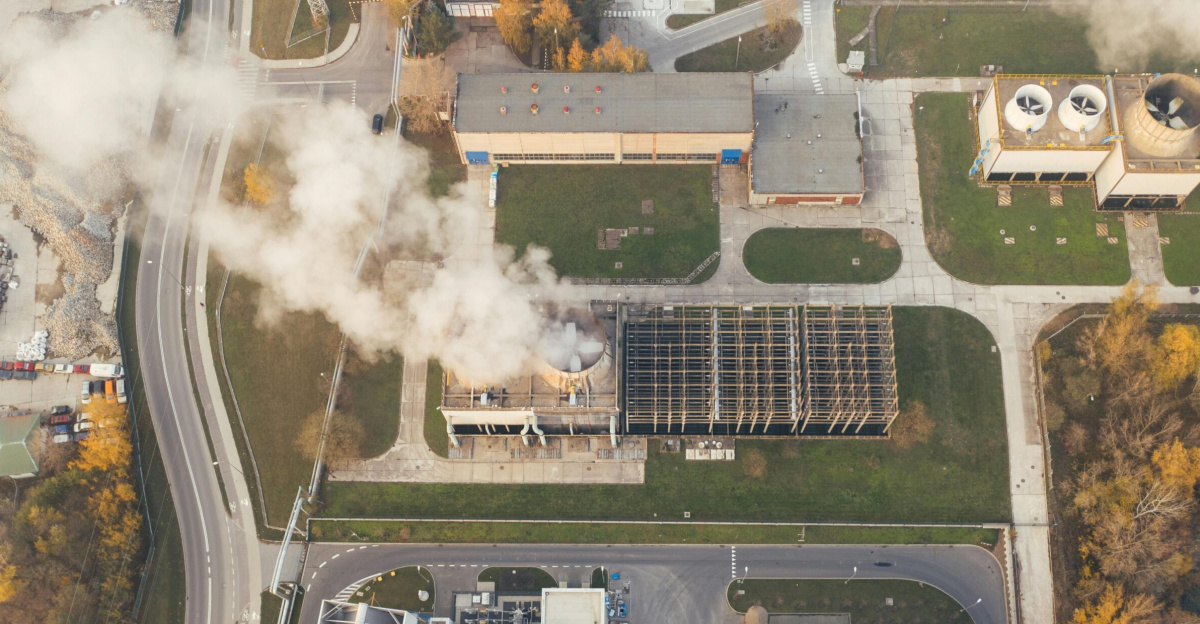
Weather and environmental agencies signaled heightened vigilance. Oregon advisories were extended through Friday morning, while Southeastern offices coordinated messaging on health precautions. Forecasters noted that without wind or precipitation, conditions would likely persist.
The unified response reflected recognition that stagnant air events are becoming more impactful and harder to break.
How Officials Urge Protection
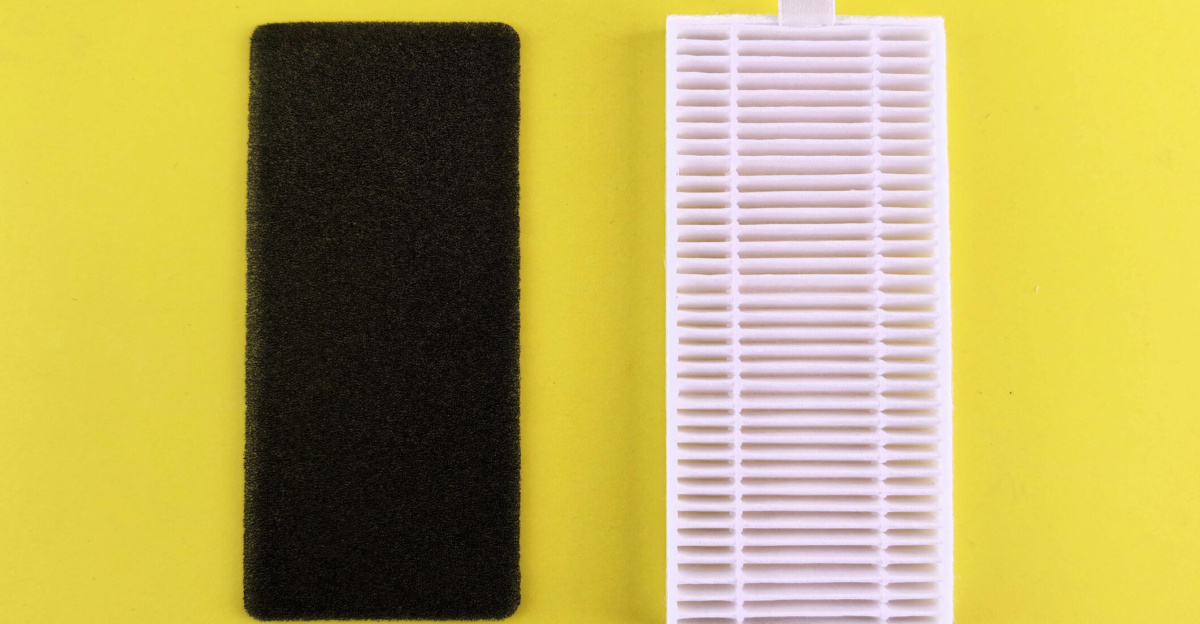
Authorities recommended staying indoors, using HEPA air filters, sealing homes against outdoor air, and avoiding wood burning.
Vulnerable individuals were encouraged to follow alert apps closely. While these measures reduce exposure, officials stressed they are temporary defenses. Lasting improvement depends on weather changes that allow polluted air to disperse.
A Warning for the Future
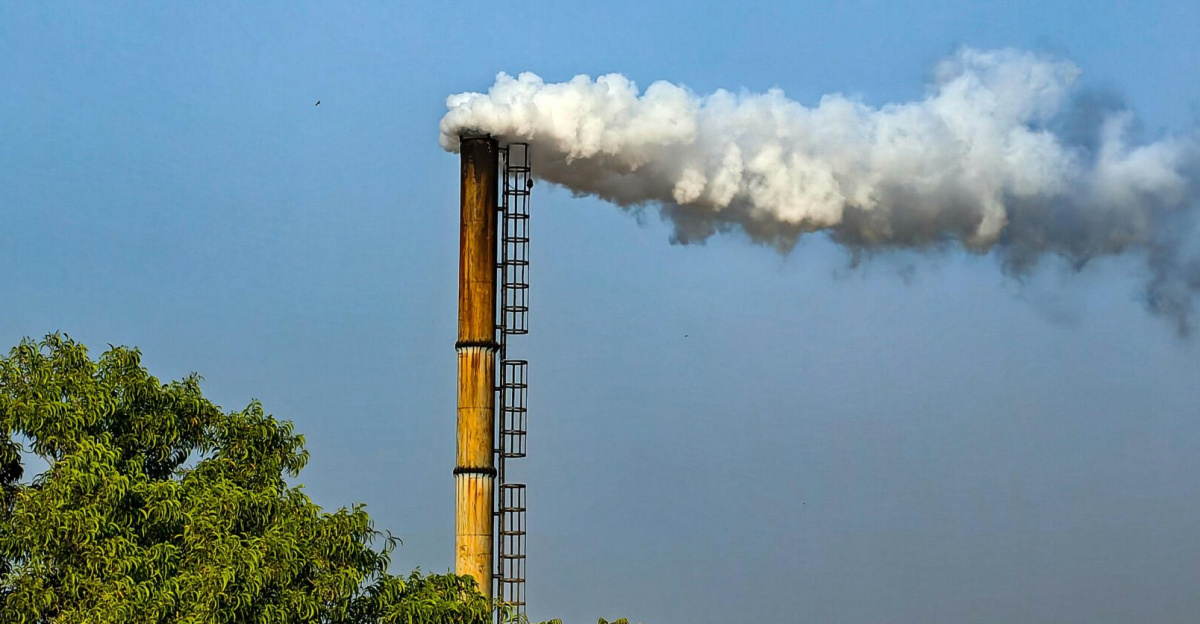
As alerts remain in effect through Friday, experts caution that similar winter air crises may become more common. Persistent high-pressure systems and recurring inversions suggest a pattern rather than an anomaly.
The episode raises broader questions about preparedness, emissions control, and public health resilience as invisible pollution increasingly dictates when Americans can safely step outside.
Sources:
- MSN (syndicated Daily Mail), Jan. 13, 2026
Title: “3 States Ordered To Stay Inside Following Urgent ‘Unhealthy For All’ Warning” [Covers: “3 States”; “Unhealthy For All”] - MSN citing NWS/Oregon DEQ, Jan. 13, 2026
Title: “Air Alerts Ignite Across Georgia, South Carolina, and Oregon” [Covers: “States”; “Warning”] - U.S. EPA AirNow AQI Basics; MSN, Jan. 13, 2026
Title: “Recurring Winter Inversions Drive U.S. AQI Surges” [Covers: “Urgent”] - Oregon DEQ Air Quality Advisories, Jan. 13, 2026; MSN citing NWS
Title: “High-Pressure Domes Trap Pollutants in Stagnation Squeeze” [Covers: “Following”] - MSN citing NWS/Oregon DEQ, Jan. 13, 2026
Title: “Triple-State Air Quality Alerts Hit Georgia, South Carolina, Oregon” [Covers: “Ordered”; “To Stay Inside”; “3 States”]