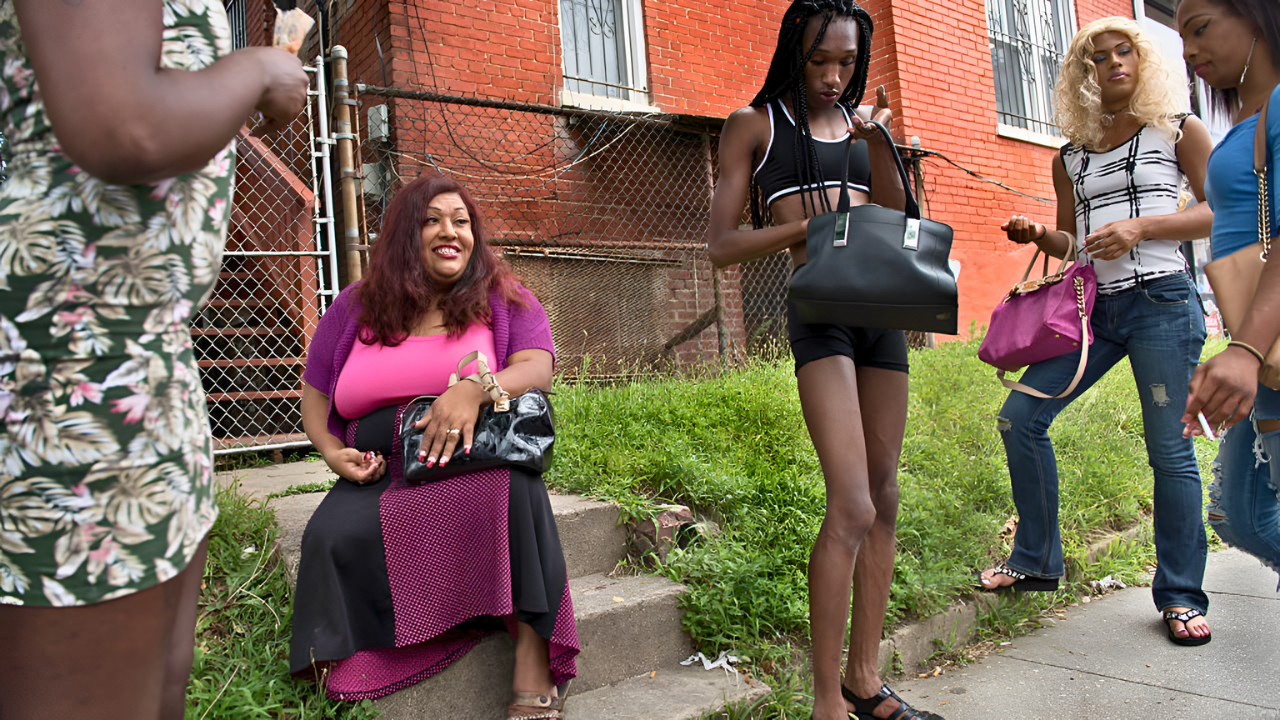
Federal prosecutors revealed that more than $956,215 in COVID-19 relief funds intended for a Washington, D.C.-based nonprofit were misused, triggering one of the capital’s most prominent pandemic fraud cases.
The money was meant to support homeless LGBTQ+ youth and immigrants during a public health crisis. Instead, investigators found extensive diversion for personal use. The case highlights how emergency aid programs, designed for speed, created vulnerabilities that could be exploited when oversight failed.
Aid Abuse Escalates
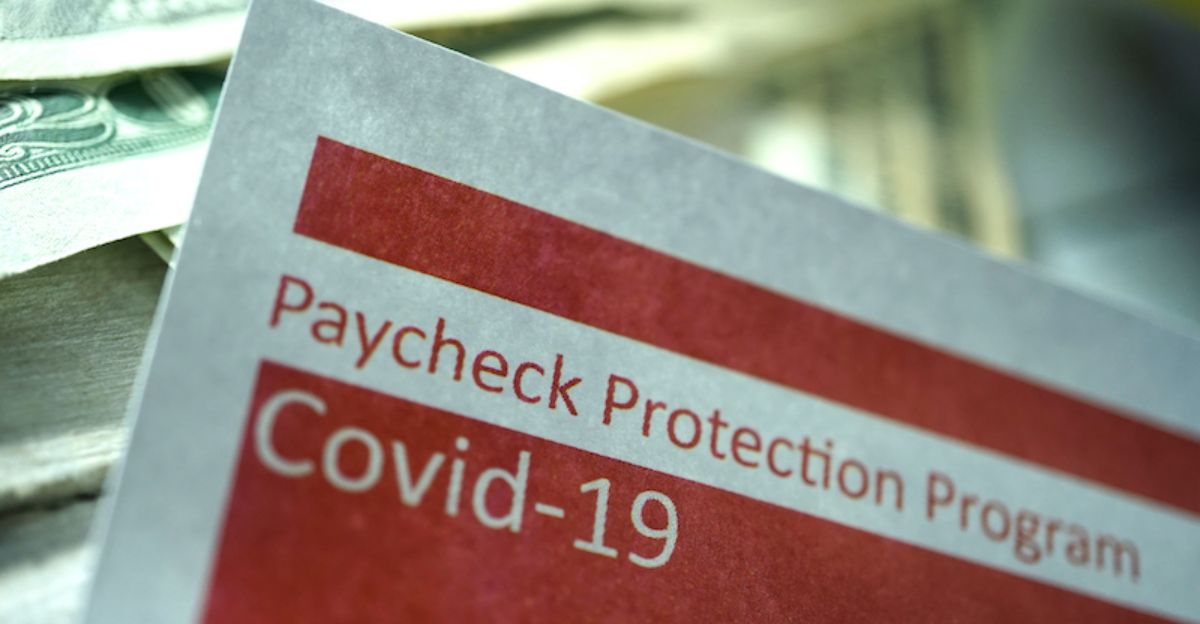
Pandemic-era programs such as the Paycheck Protection Program and Economic Injury Disaster Loans distributed billions nationwide, often with limited upfront verification. Casa Ruby received more than $1.3 million through these programs, but over $950,000 was later determined to have been diverted.
As financial controls weakened, unpaid bills mounted, employees went without wages, and housing services unraveled. The case underscores how rushed relief mechanisms can magnify damage when accountability systems break down.
Nonprofit Roots
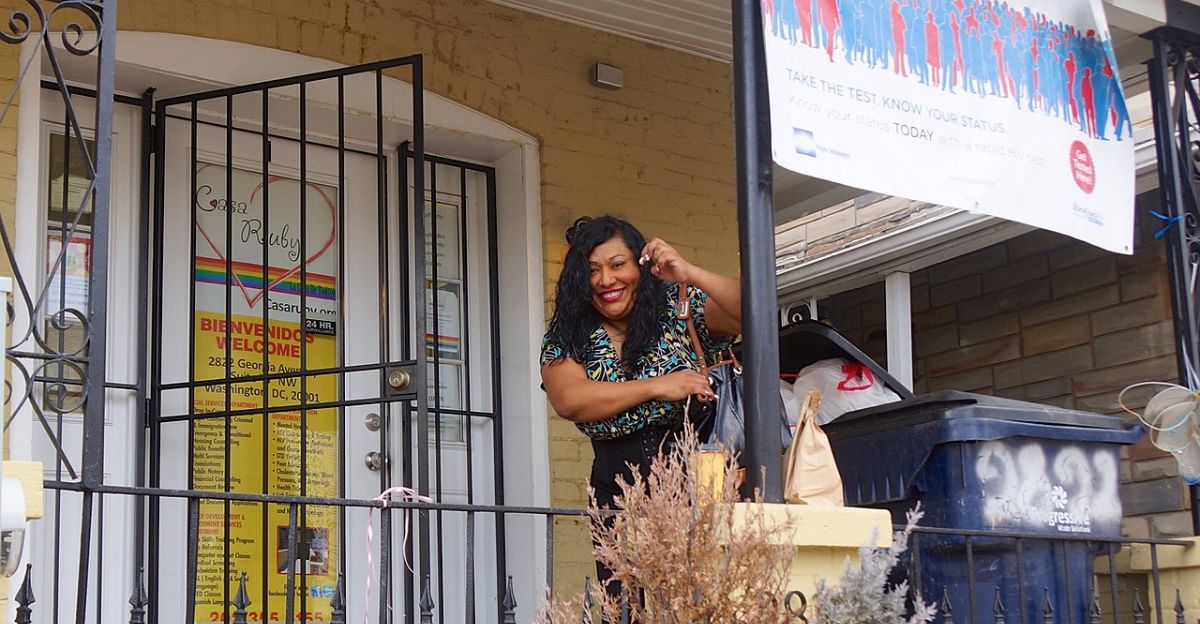
Casa Ruby began in the 1990s as a grassroots organization offering support to transgender youth and LGBTQ+ immigrants in Washington, D.C. Founded by Ruby Jade Corado, the nonprofit grew from a small drop-in center into a well-known service provider offering housing, legal referrals, and mental health support.
Over time, it became heavily dependent on government grants, a reliance that accelerated during the COVID-19 pandemic as emergency funding surged.
Pandemic Pressures Mount
During the pandemic, Casa Ruby’s revenue spiked dramatically, peaking at roughly $4.2 million in 2020. Alongside federal COVID relief, the organization had received millions in D.C. grants since 2016. However, internal governance did not scale with growth.
Audits were missed, board oversight weakened, and financial decision-making became centralized. These structural weaknesses allowed improper spending to continue unchecked until the organization’s finances collapsed.
Sentence Handed Down
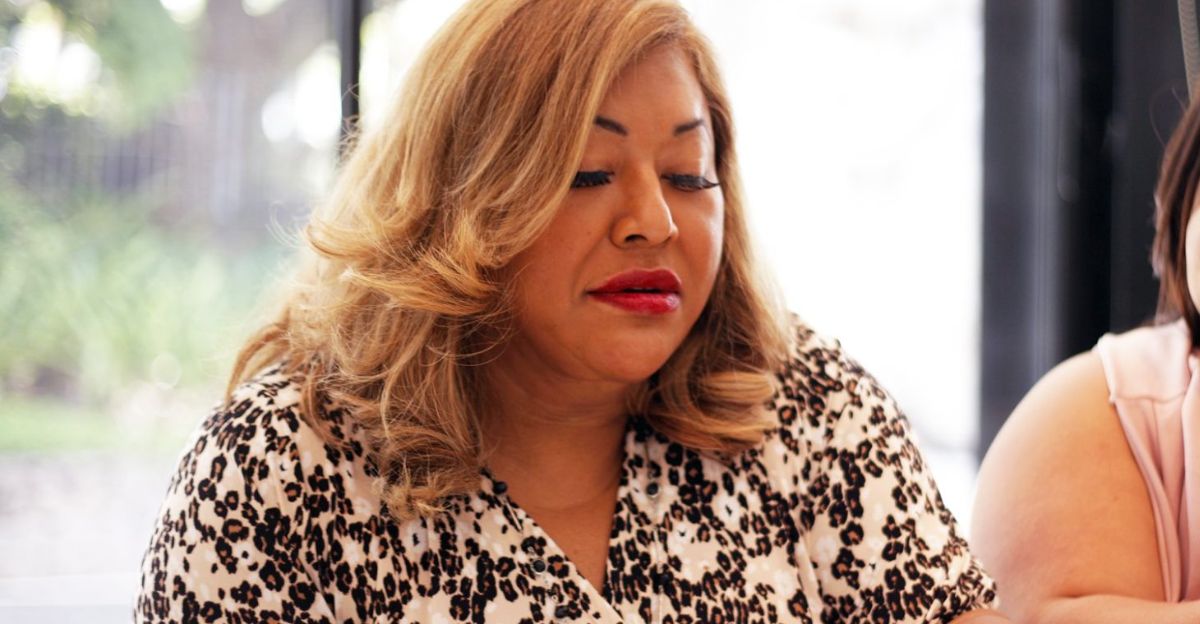
On January 13, 2026, U.S. District Judge Trevor N. McFadden sentenced Ruby Jade Corado to 33 months in federal prison after she pleaded guilty to wire fraud. The court ordered $956,215 in restitution to the Small Business Administration.
Evidence showed that significant sums, including at least $150,000, were transferred to personal accounts overseas. The sentence marked a decisive end to a case that had unfolded over several years.
D.C. Services Shuttered
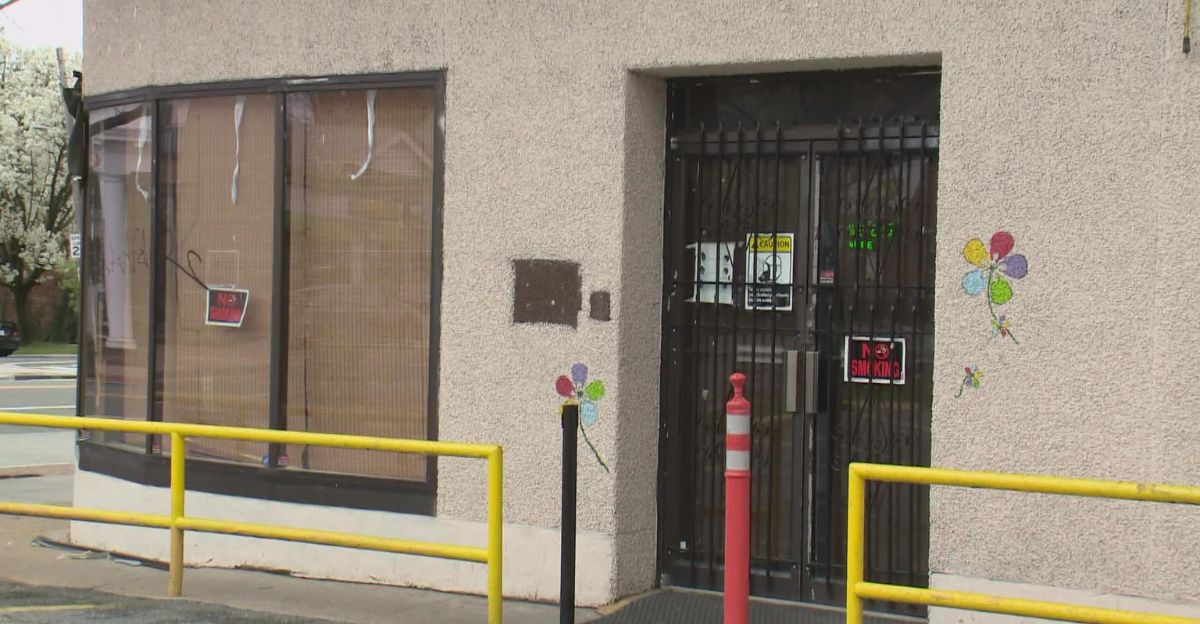
Casa Ruby ceased operations in July 2022, abruptly closing transitional housing and support programs. The shutdown left homeless LGBTQ+ youth and immigrants without shelter, case management, or mental health services.
Roughly 30 employees were left unpaid, and vendors reported significant outstanding debts. The collapse occurred amid a broader housing shortage in the region, intensifying the consequences for those who depended on the nonprofit for stability.
Clients Left Stranded
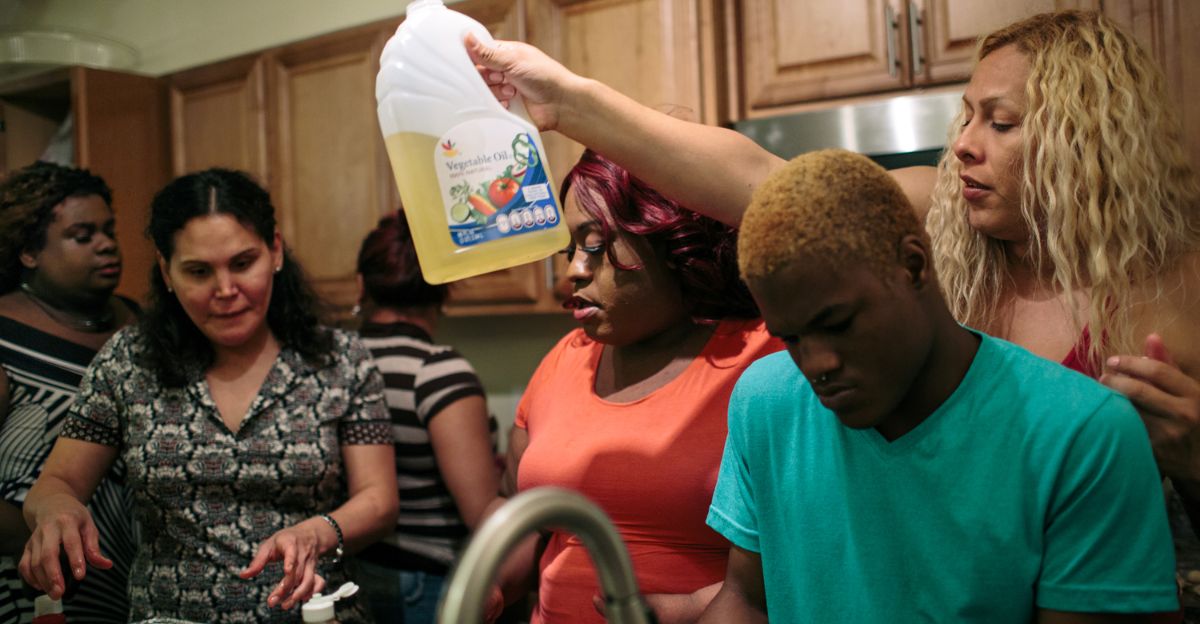
Residents and clients described sudden displacement when Casa Ruby closed its doors. Some were forced to leave housing with little notice, while others lost access to counseling and immigration-related assistance.
Advocates noted that the organization served individuals with limited alternatives, making the disruption especially severe. The fallout illustrated how financial misconduct within a nonprofit can directly and immediately harm vulnerable populations it was created to protect.
Federal Investigation

Federal authorities began investigating after financial irregularities surfaced and services halted. In March 2024, the FBI arrested Corado in Maryland following her return from El Salvador, where she had traveled as the nonprofit’s finances deteriorated.
Prosecutors outlined how funds were routed through personal and affiliated accounts rather than used for authorized expenses. The case became a focal point for discussions about improving federal oversight of nonprofit relief recipients.
Pandemic Fraud Patterns
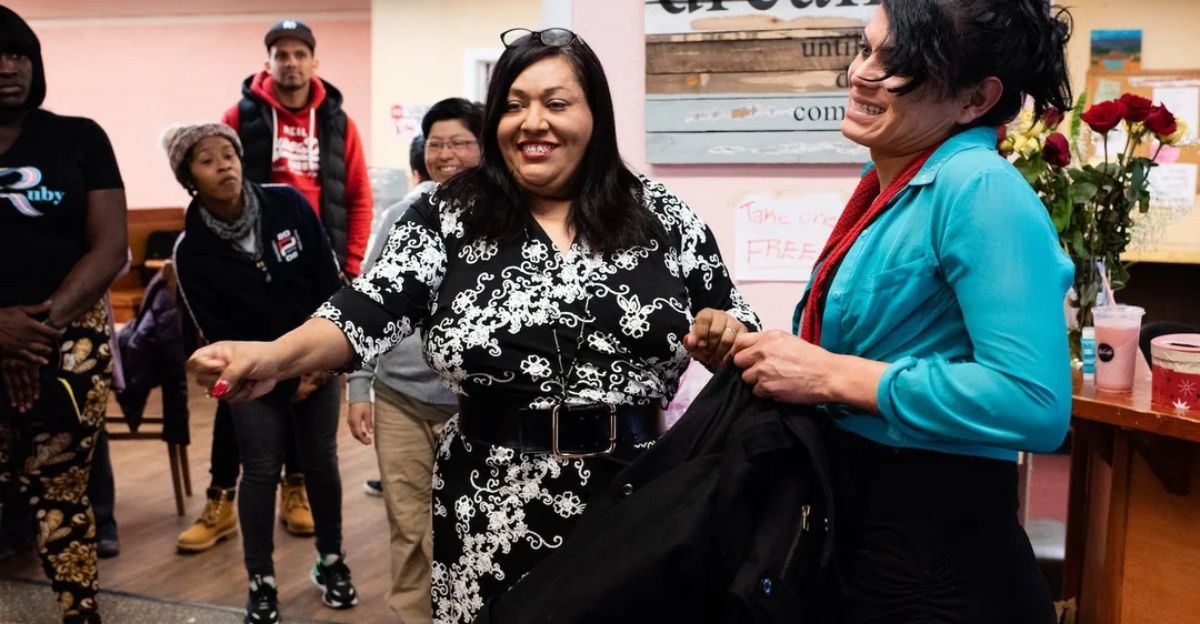
The Casa Ruby case reflects broader national trends seen during the pandemic, when emergency relief programs were exploited across multiple sectors. Investigators have documented billions in attempted fraud tied to PPP and EIDL funds.
Common risk factors included weak boards, absent audits, and excessive control concentrated in one executive. Experts argue that future emergency programs must balance speed with stronger verification and continuous monitoring mechanisms.
Offshore Transfers Revealed

Court filings confirmed that at least $150,000 in nonprofit funds were transferred to personal bank accounts in El Salvador. These transactions occurred while Casa Ruby struggled to pay rent and payroll obligations.
Prosecutors argued that the transfers demonstrated intent to conceal misuse and move funds beyond immediate detection. The international component added complexity to the investigation and reinforced the seriousness of the wire fraud charge.
Board Accountability Questions
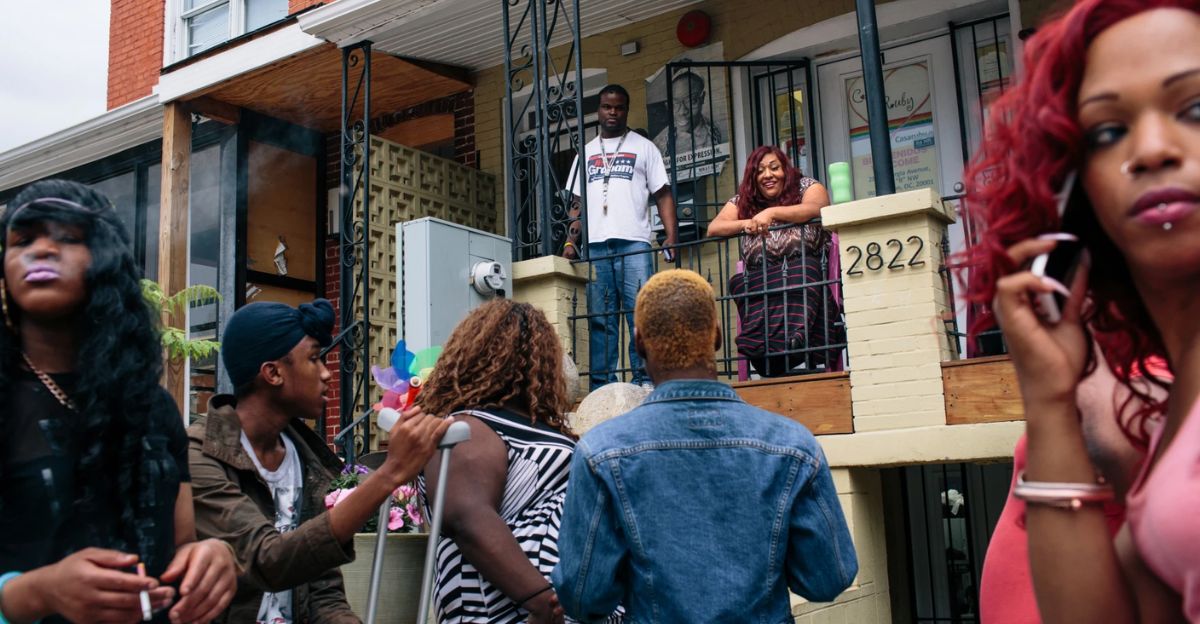
After the collapse, scrutiny extended beyond the founder to the organization’s governance structure. Former employees and partners questioned how financial red flags went unaddressed for so long. Separate civil litigation alleged that board members failed to exercise proper oversight, allowing one individual to maintain unchecked authority.
The disputes highlighted long-standing concerns about nonprofit boards that exist largely on paper rather than as active fiduciaries.
A Tarnished Legacy
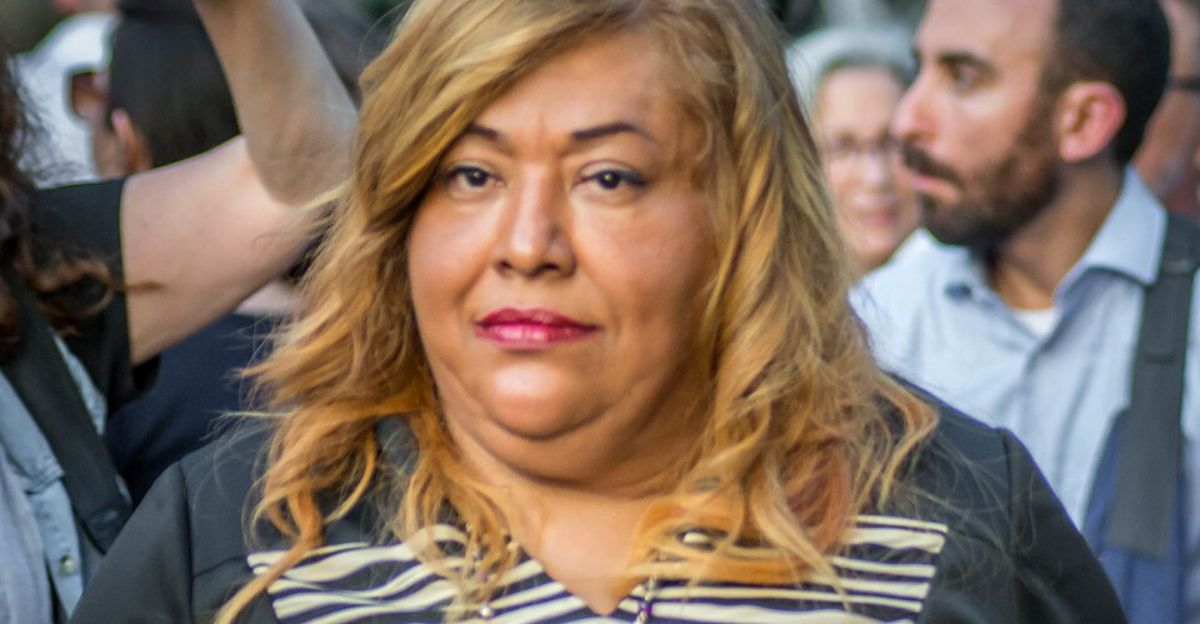
Before the scandal, Corado was widely recognized for advocacy on behalf of transgender individuals and immigrants.
She had received public praise and institutional support for years. In court, the defense emphasized her background as a refugee and activist, but the judge concluded those factors did not outweigh the harm caused. The conviction transformed her public legacy from celebrated advocate to cautionary example of breached trust.
Receiver Appointed
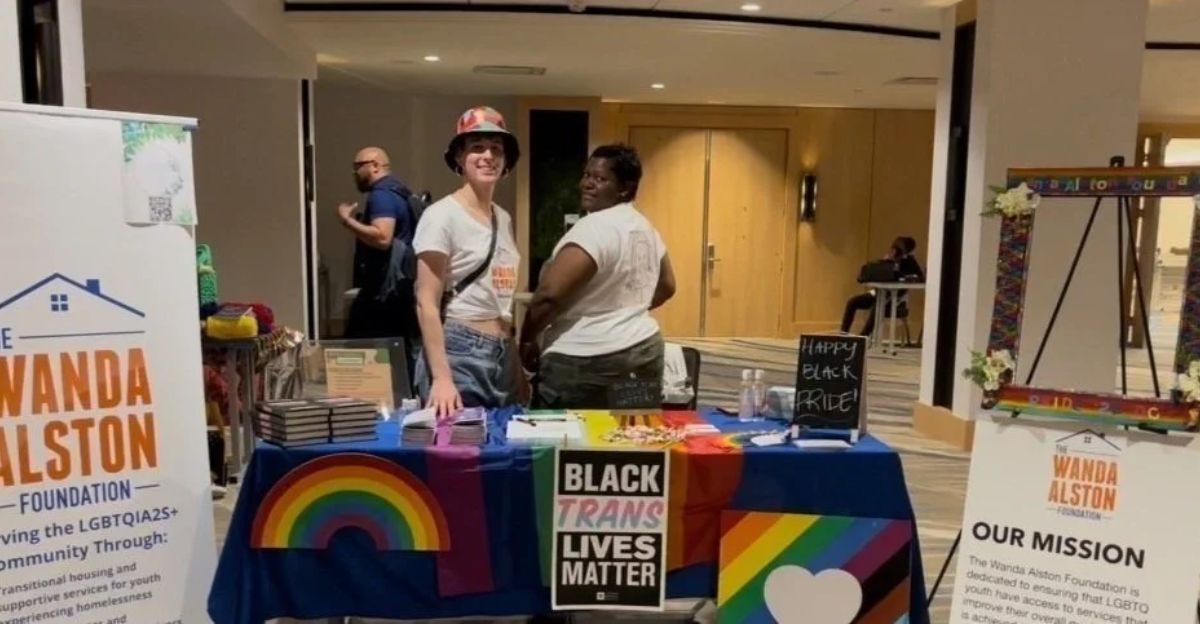
Following Casa Ruby’s shutdown, the Wanda Alston Foundation was appointed as receiver to manage remaining assets and pursue recovery efforts.
The focus has been on resolving debts and seeking restitution where possible, rather than reviving the organization. While some services were absorbed by other nonprofits, Casa Ruby itself has not reopened. The receivership process continues to unwind the financial aftermath of the collapse.
Incarceration Concerns
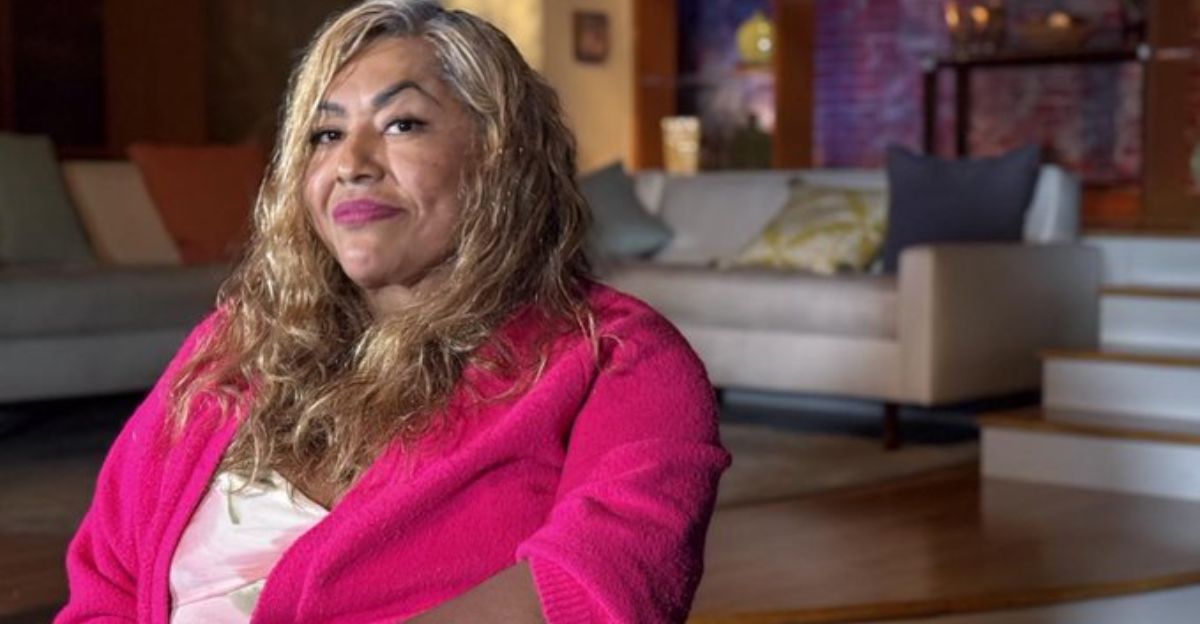
During sentencing, defense attorneys raised concerns about Corado’s safety as a transgender woman in federal custody.
While the court acknowledged those issues, it did not alter the sentence. The case has since been cited in broader discussions about correctional policies and protections. At the same time, policymakers continue debating whether existing nonprofit oversight reforms are sufficient to prevent similar abuses in the future.
Immigration Consequences
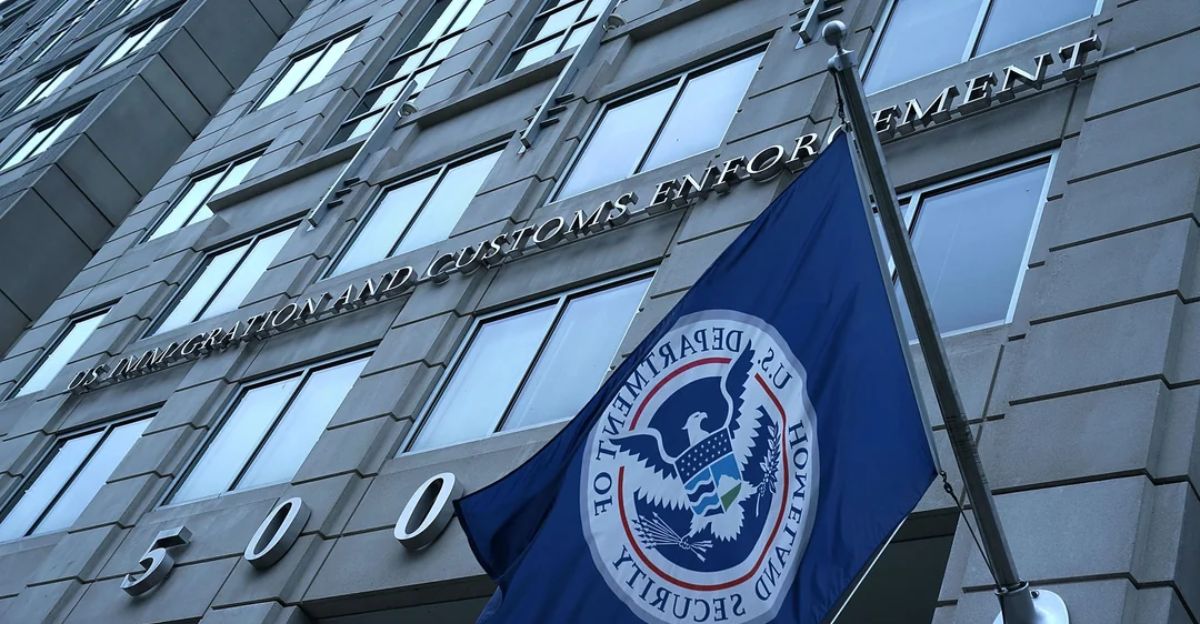
In addition to the prison term, Judge McFadden ordered Corado to report to Immigration and Customs Enforcement after completing her sentence. As a noncitizen, she is expected to face deportation proceedings.
The court noted that removal from the United States is likely, though immigration authorities will make the final determination. The prospect of deportation adds a significant collateral consequence to the criminal conviction.
Financial Damage Measured

The court calculated restitution at $956,215, reflecting the confirmed amount diverted from federal relief programs.
Investigators noted that Casa Ruby had received more than $1.3 million in pandemic aid, meaning a substantial majority was misused. Additional allegations at the local level suggested even broader financial mismanagement, though the federal case focused narrowly on wire fraud tied to COVID-19 funds.
Oversight Failures Exposed

At the heart of the case was a breakdown in nonprofit governance. Audits were delayed, financial reports went unreviewed, and internal controls were minimal. Regulators and watchdogs argue that emergency funding amplified existing weaknesses rather than creating them.
The outcome has prompted renewed calls for mandatory audits, real-time grant monitoring, and clearer accountability requirements for organizations handling public funds.
Community Impact

For the D.C. LGBTQ+ community, the scandal carried lasting consequences. Trust in service providers was shaken, and funders became more cautious. Individuals once helped by Casa Ruby had to seek support elsewhere, often facing long waits or reduced services.
Advocates stress that while one organization failed, the needs it served did not disappear, placing additional strain on already overextended nonprofits.
A Cautionary Case
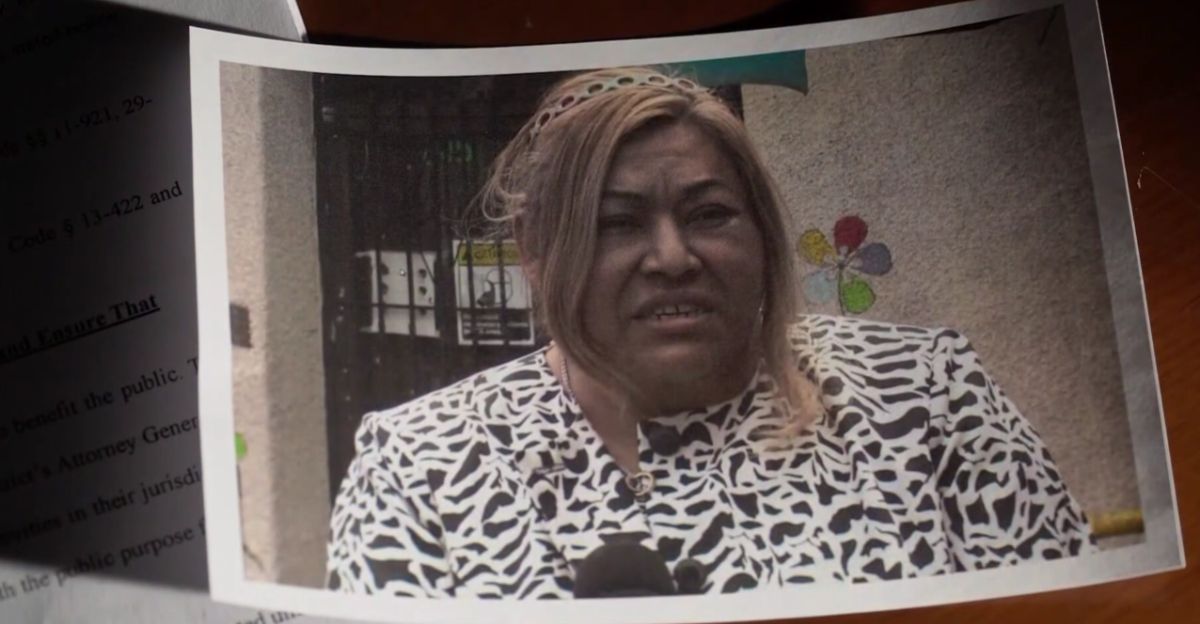
The Casa Ruby prosecution stands as one of the most prominent examples of COVID-era nonprofit fraud. It demonstrates how personal credibility and social mission can shield misconduct when oversight is weak.
Federal officials have pointed to the case as justification for tightening controls on future emergency aid. For communities affected, it remains a stark reminder that vigilance is essential, even within trusted institutions.
Lessons Going Forward
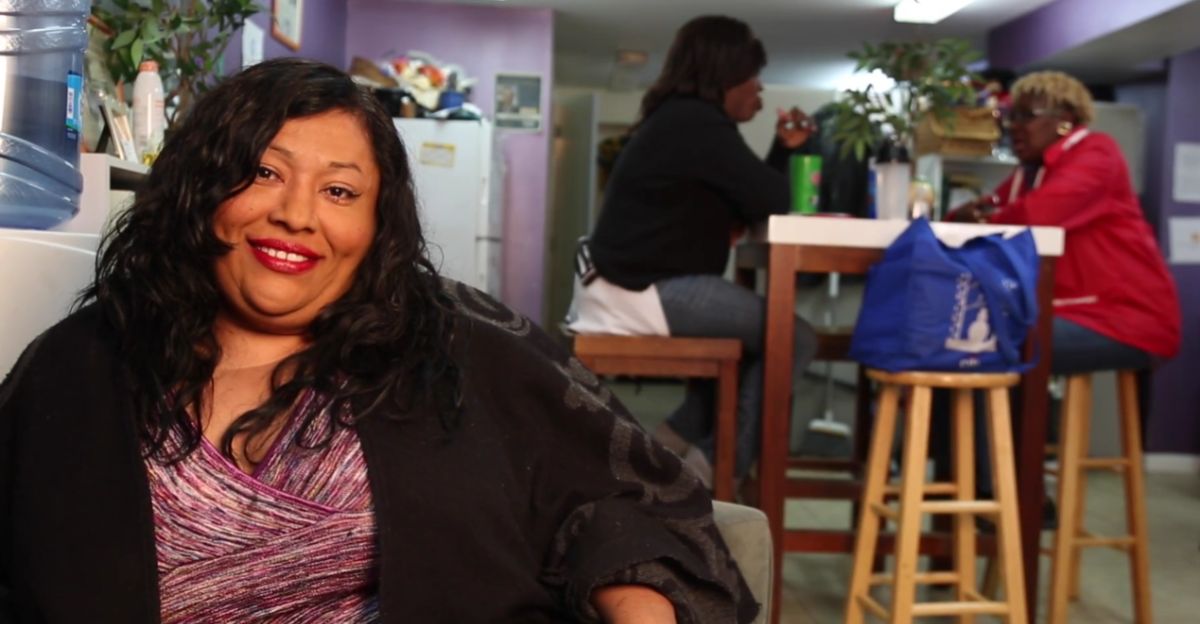
As pandemic programs wind down, policymakers and regulators are assessing lessons from cases like this one. Faster aid delivery must be matched with enforceable safeguards, active boards, and transparent accounting.
The consequences of failure are measured not only in dollars but in disrupted lives. The Casa Ruby case illustrates how fraud within a mission-driven organization can devastate the very people it was meant to protect.
Sources:
Washington Post, Jan. 13, 2026: Article on federal sentencing and fraud details (covers “Feds,” sentencing, ICE deportation).
DOJ Press Release, Jan. 13, 2026: Official release on Ruby Corado’s 33-month sentence and $956,215 restitution.
WJLA, Jan. 13, 2026: Coverage of aid abuse, offshore transfers, and nonprofit shutdown.
City Journal: In-depth analysis of nonprofit roots, board negligence, pandemic fraud trends.
GO Magazine, Jan. 13, 2026: Reports on founder background, client impacts, leadership legacy.
The Bay Net, Jan. 13, 2026: Details on financial pressures, regulatory reckoning, offshore escape.