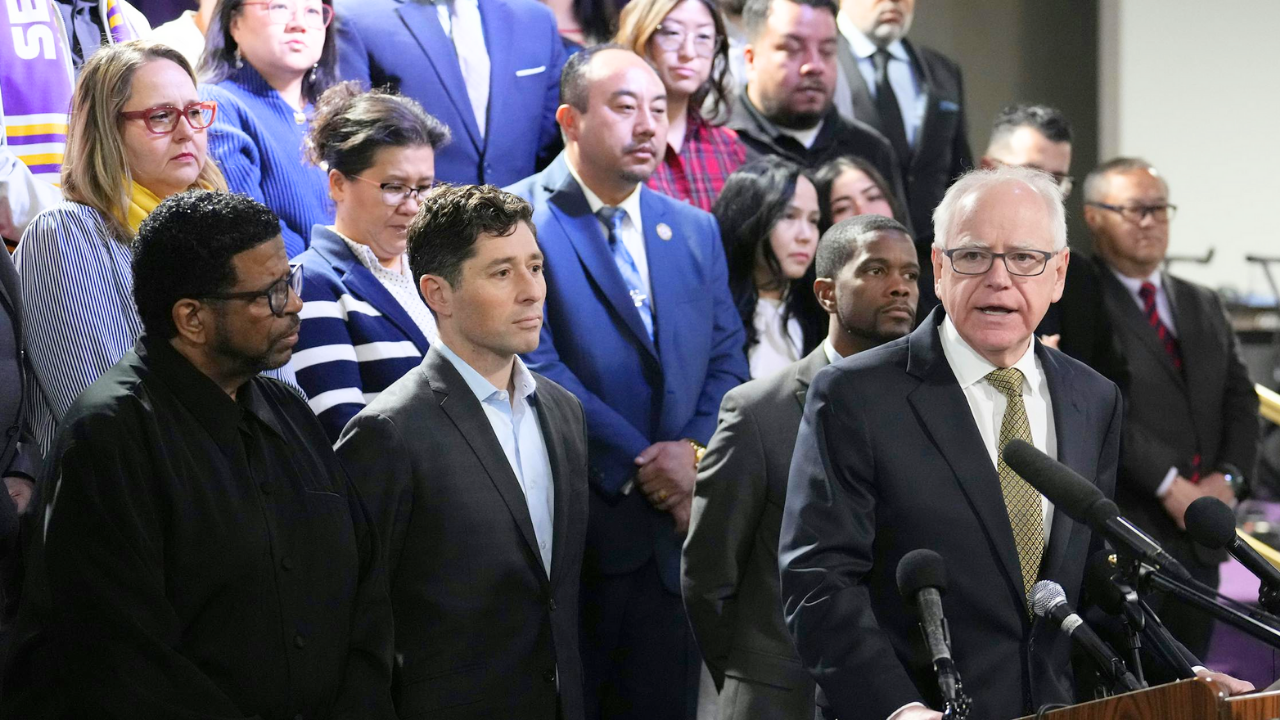
In the shadowed streets of Minneapolis-St. Paul, federal agents fanned out under cover of early winter dawn, launching Operation Metro Surge in December 2025. This unprecedented immigration enforcement swept up over 2,500 people by mid-January 2026, igniting clashes between federal authority and local resistance in Minnesota’s heartland.
Federal Deployment Scale
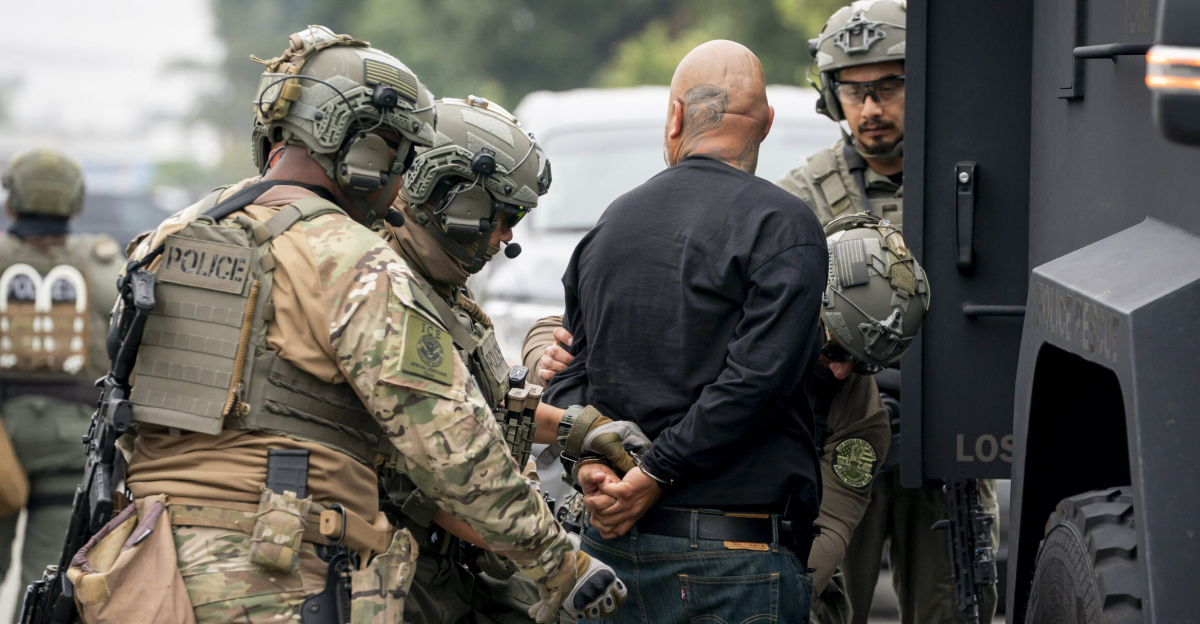
Between 2,400 and 3,000 armed agents from Immigration and Customs Enforcement (ICE) and Customs and Border Protection (CBP), under the Department of Homeland Security (DHS), converged on the Twin Cities starting early December 2025. The effort quickly expanded statewide, targeting individuals with deportation orders, including serious offenders. By mid-January, arrests hit about 2,500, with DHS hailing it as the largest such operation in its history. Officials linked the surge to Minnesota’s recent $9 billion welfare fraud scandal, justifying the intense focus. Yet local police described widespread chaos from raids rippling through neighborhoods, straining resources as officers logged over 3,000 overtime hours from January 8 to 11, at an estimated $2 million cost to taxpayers for just four days.
Governor Walz’s Response
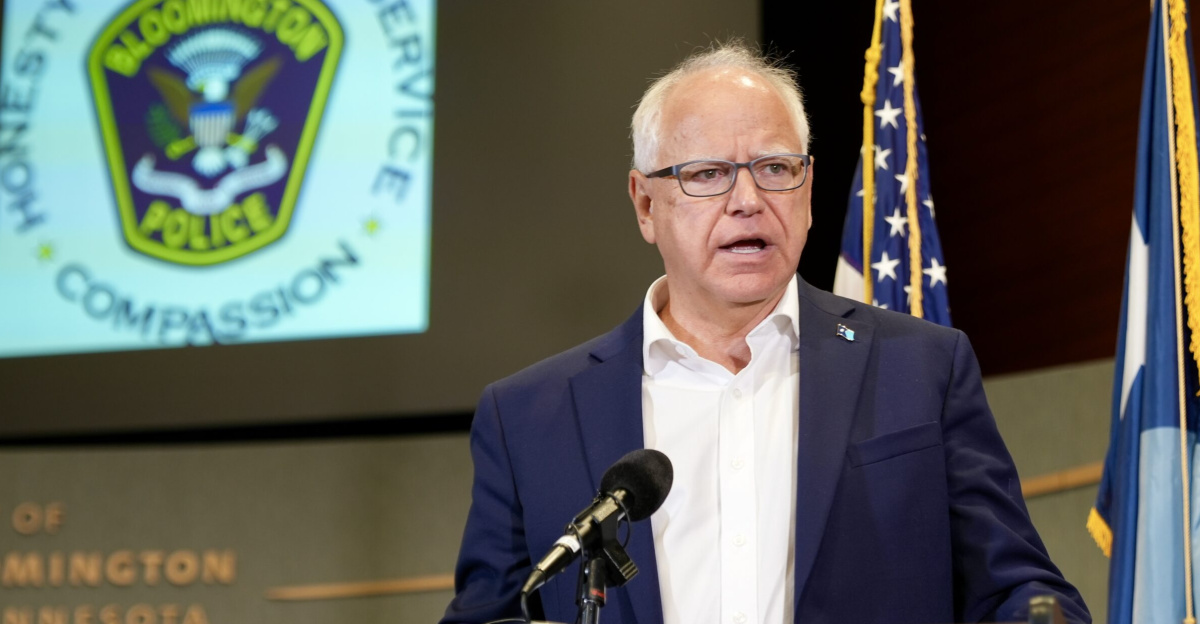
Governor Tim Walz addressed Minnesotans in a prime-time speech on January 14, 2026, labeling the federal presence an “occupation.” He encouraged residents to record ICE activities on their phones for potential legal use and called for “peaceful” protests, emphasizing that violence must not prevail. Walz rejected the operation’s tactics outright, framing them as overreach amid the escalating tensions.
Operation Timeline and Arrest Breakdown
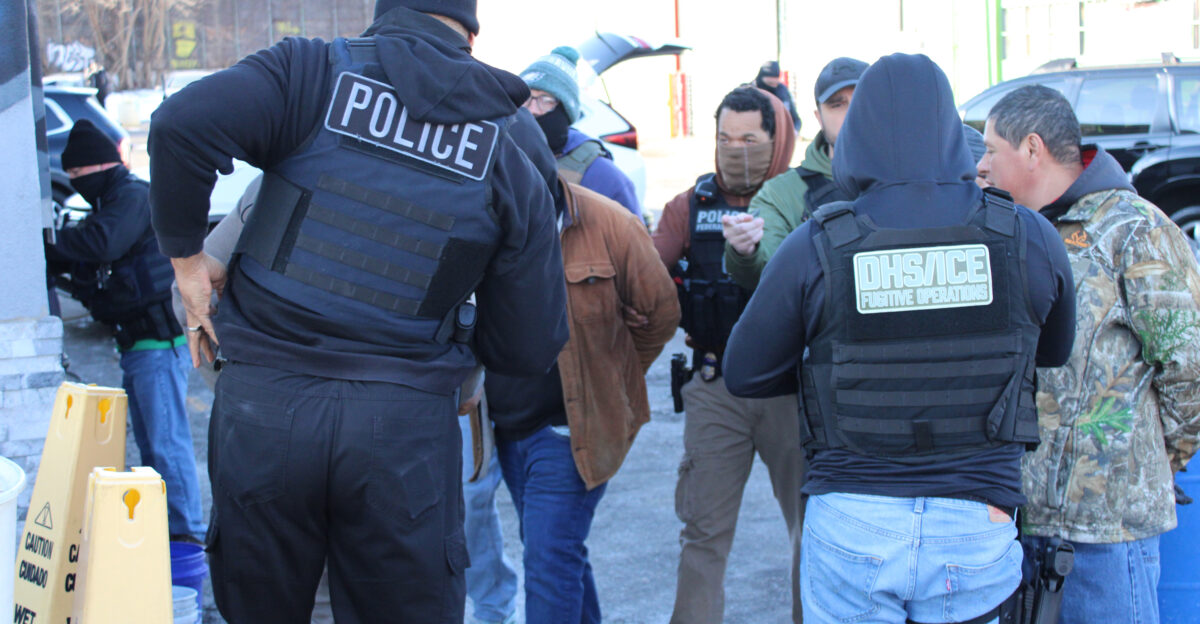
The operation kicked off modestly with 12 arrests from December 1 to 5, 2025, before surging on January 6, 2026, with 2,000 more agents flooding the Twin Cities. Of the total 2,500 detainees, DHS flagged 212—about 10%—as the “worst of the worst.” A closer look revealed 103 violent criminals, or 5.2% overall: 75 tied to violent crimes or gangs, 28 to sex offenses, 45 to fraud, theft or trafficking, 57 to drug offenses, and 7 to driving while intoxicated. This left 94.8% as non-violent offenders or those without criminal records, challenging the operation’s high-threat narrative.
Community Disruptions and Tragic Incidents
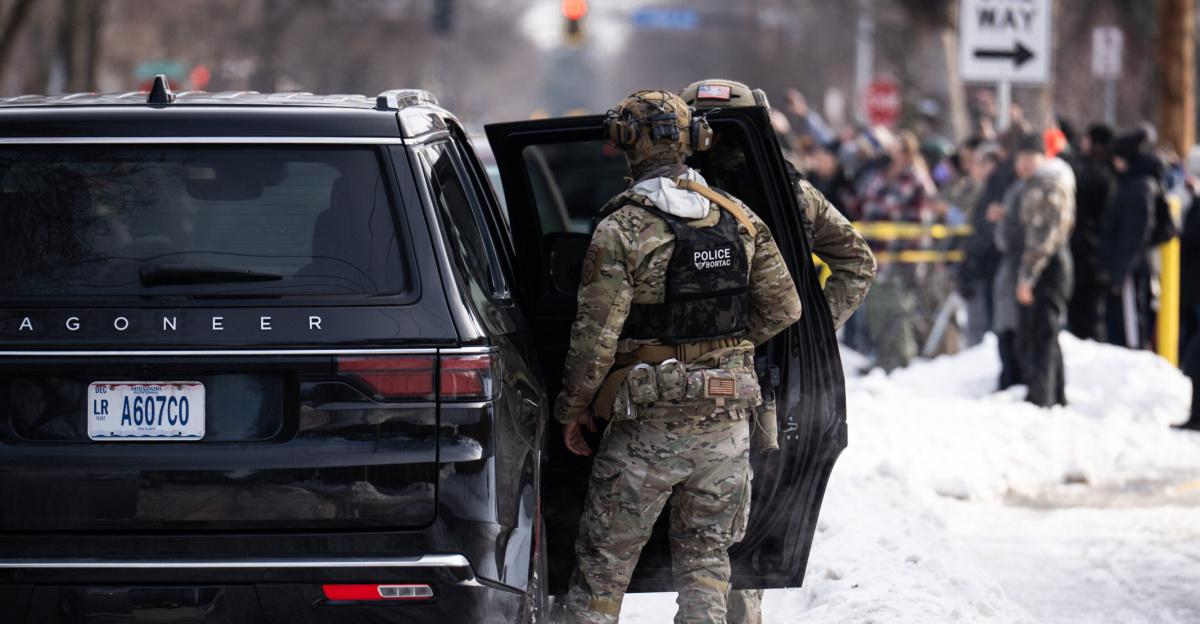
Raids upended daily life, prompting school lockdowns, business closures, and hospital interruptions. On January 8, Minneapolis Public Schools shifted to remote learning after agents clashed near Roosevelt High. The shooting death of Renee Good, a 37-year-old U.S. citizen and mother of three, by ICE agent Jonathan Ross on January 7 in south Minneapolis fueled outrage. Homeland Security Secretary Kristi Noem characterized the incident as “domestic terrorism,” but the claim faced widespread criticism from legal experts who questioned its applicability to the circumstances, spotlighting risks to civilians in the operation’s volatile opening days. Attorney General Keith Ellison later cited 20 cases resembling kidnappings by agents, plus detentions of three Oglala Sioux tribal members—all U.S. citizens—under a bridge.
Sanctuary Status Paradox and Legal Pushback
Despite no statewide sanctuary law—Walz confirmed to Congress on June 11, 2025, that no such legislation exists—the Department of Justice listed Minnesota as a sanctuary jurisdiction in June 2025 and sued in September over nonexistent policies. On January 12, 2026, Ellison filed suit on behalf of Minneapolis and St. Paul against DHS, alleging First and Tenth Amendment violations, excessive force, and racial profiling. Judge Menendez denied a temporary restraining order on January 14 but noted the case’s “enormously important” issues, with federal replies due January 19 and arguments looming by month’s end. President Trump, on January 14, threatened to withhold federal funds from Minnesota starting February 1, calling Walz incompetent—a move a federal judge had blocked in a similar attempt last August.
Disputed Claims and Broader Tensions
Federal assertions of assault rates on ICE agents spiking from 300% in April 2025 to over 1,000% by August faced scrutiny; an NPR and Colorado Public Radio review of court records showed only a 25% national rise in charges against all federal officers through mid-September. DHS withheld its data and methods. Heritage Foundation records logged just 77 noncitizen voting fraud cases nationwide from 1999 to 2023—averaging 3.2 per year—undercutting links to sanctuary policies. Critics saw political motives, with Trump decrying Minnesota as “corrupt” after its voters rejected him thrice, and the White House listing Democratic criticisms of ICE as a “war on law enforcement.” In the Twin Cities, federal agents now outnumber local police 2-to-1.
As arrests near 2,500 after approximately seven weeks, Minnesota faces mounting economic strain, swelling protests, and court battles over federal funding cuts. The standoff tests boundaries of immigration enforcement, state rights, civil liberties, and federal power in domestic operations, with outcomes poised to shape national debates on enforcement scale and accountability.
Sources: FOX 9 Minnesota News (January 2026)
Wikipedia Operation Metro Surge
State of Minnesota Lawsuit, January 12, 2026
U.S. Census Bureau population data
Politico federal funding reporting
NPR/Colorado Public Radio assault statistics analysis
Heritage Foundation noncitizen voting database
Minnesota Governor’s Office public statements