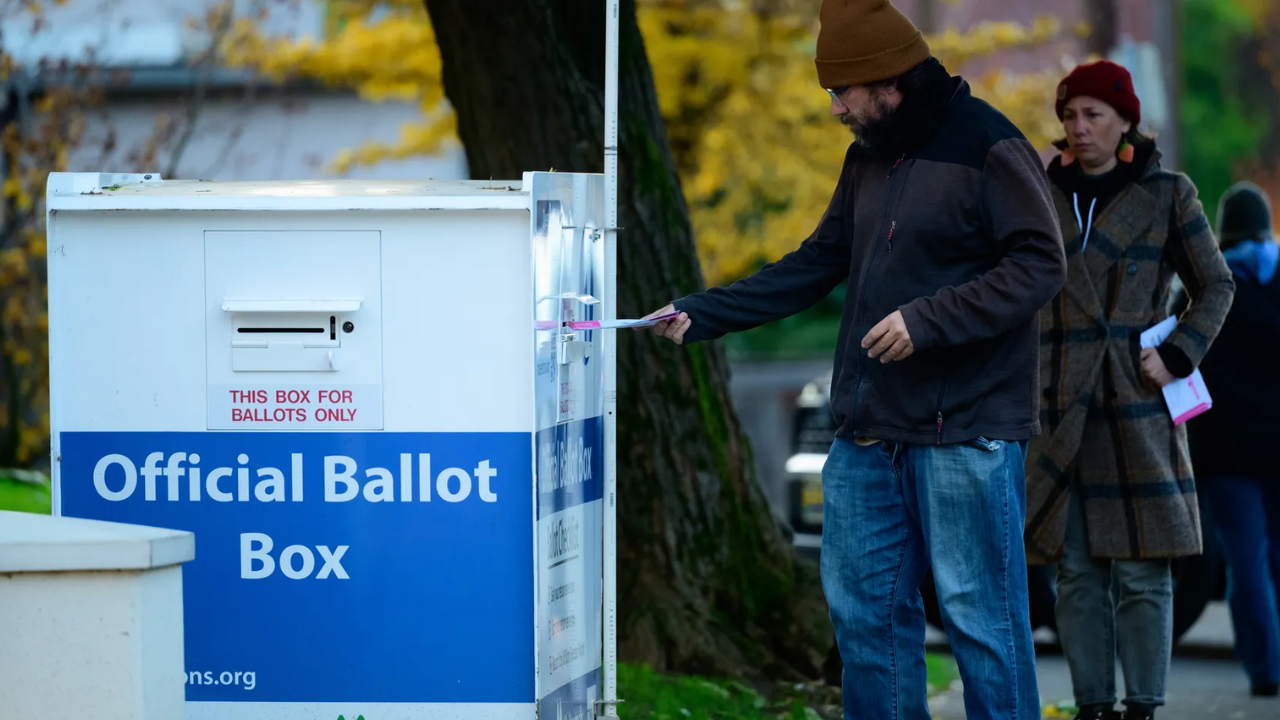
Oregon Secretary of State Tobias Read has initiated an aggressive cleanup of the state’s voter registration database, ordering the immediate cancellation of 160,000 inactive voter records and launching a process that could ultimately remove up to 800,000 outdated registrations before the 2026 midterm elections. The sweeping effort, announced in early January 2026, marks the resumption of routine voter roll maintenance that Oregon suspended nearly a decade ago—a hiatus that created a massive backlog and attracted federal legal scrutiny.
The cleanup targets registrations classified as “inactive,” meaning these individuals do not receive ballots because election mail was returned as undeliverable or they failed to participate in multiple election cycles. While inactive voters represent approximately 20 percent of Oregon’s total rolls, election officials emphasize that their presence on the books has not affected past elections, as none received ballots during their inactive status.
A Nine-Year Hiatus Ends
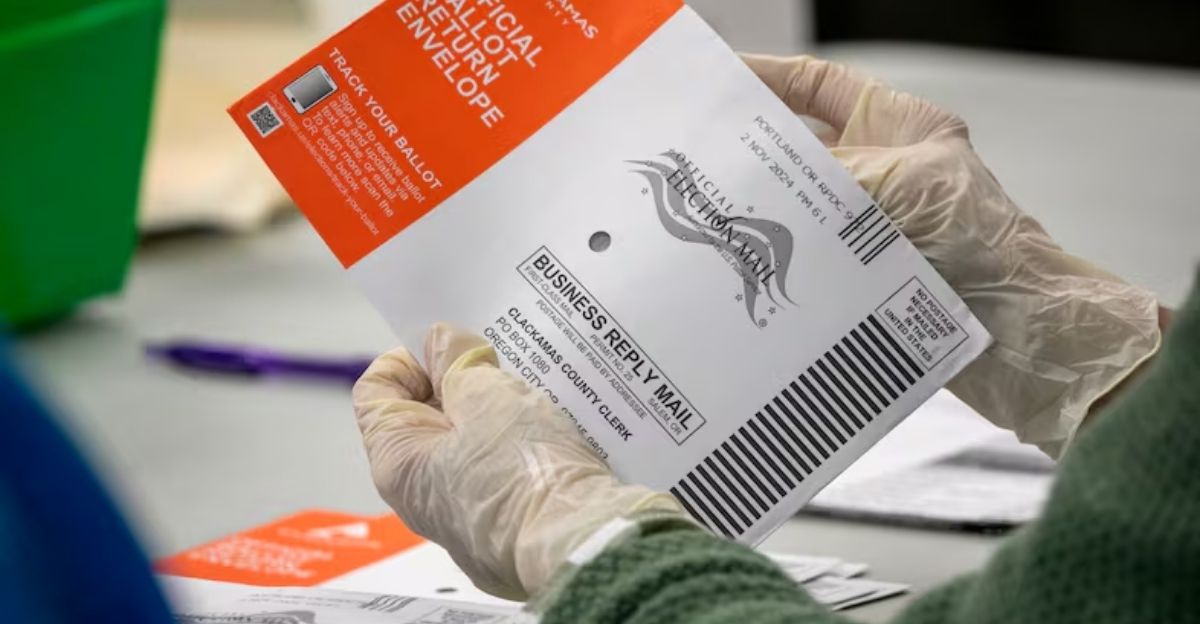
Oregon halted its voter roll maintenance procedures on July 20, 2017, when the state removed critical cancellation language from voter confirmation cards—notices sent to registrants whose mail was returned undeliverable. Without that warning language, federal law and state statute prohibited officials from removing inactive registrations, even when individuals failed to respond to notices or participate in elections for years.
The pause created an unprecedented backlog. Read, who assumed office in January 2025, made restoring the cleanup process a priority before he was even sworn in. His administration spent a year developing protocols that comply with both the National Voter Registration Act of 1993 and Oregon law while ensuring consistency across the state’s 36 county election offices.
Read framed the initiative as essential to maintaining public confidence in Oregon’s pioneering vote-by-mail system, which faces heightened scrutiny in the current political climate. “These directives are about cleaning up old data that’s no longer in use so Oregonians can be confident that our voter records are up-to-date,” he stated in January.
The Scope and Process of Removal
Read’s first directive orders counties to immediately cancel the 160,000 registrations that already met federal and state removal standards before July 2017. These individuals received confirmation notices, failed to respond, and did not vote in at least two subsequent federal general elections.
The second directive restores ongoing maintenance by updating voter confirmation cards to explicitly warn recipients that their registrations face cancellation if they neither respond nor vote before two federal general elections pass. This language restoration enables counties to resume routine list maintenance going forward.
After the initial 160,000 purge, approximately 640,000 inactive voters remain on the rolls. These registrants do not yet meet the statutory threshold for removal but will receive updated confirmation notices. Those who fail to respond or participate in upcoming elections will eventually be removed under the restored maintenance protocols.
County election offices are preparing to mail thousands of confirmation cards, an operation that increases printing and mailing expenses but is necessary to comply with Read’s directive and federal requirements. The enhanced effort also involves upgrading voter registration management systems to handle confirmation responses and status updates more accurately.
Federal Lawsuits Drive Action
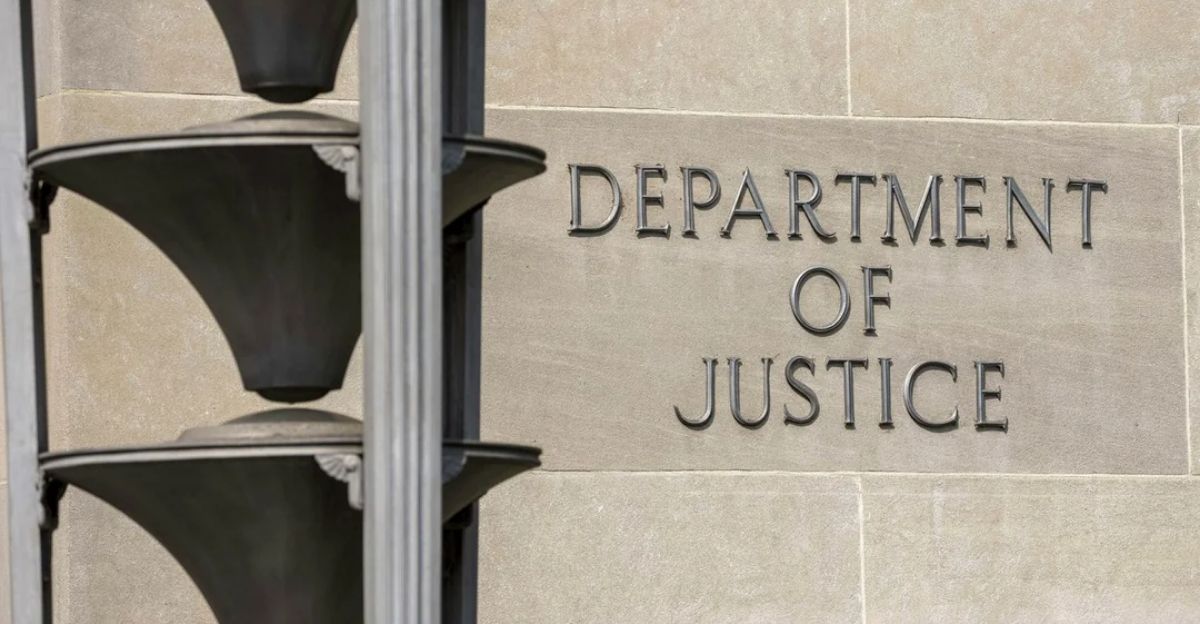
Oregon’s voter roll cleanup unfolds against a backdrop of federal legal pressure. The U.S. Department of Justice sued the state in 2025, alleging violations of the National Voter Registration Act, the Help America Vote Act, and the Civil Rights Act of 1960. The lawsuit demanded Oregon provide unredacted voter registration data, including Social Security numbers and full birth dates—information the state argued it is prohibited from sharing under privacy laws.
A federal judge tentatively dismissed the DOJ lawsuit in January 2026, ruling that Oregon does not have to surrender personally identifiable data on more than 3 million voters to federal authorities. The judge questioned the federal government’s motivations and expressed concern that centralizing voter data could chill registration and raise fears of misuse.
Separately, Judicial Watch filed litigation challenging Oregon’s voter roll maintenance practices, arguing the state failed to conduct required programs to remove ineligible voters and disclose related records. A court partially granted Oregon’s motion to dismiss that case in August 2025, though some claims survived.
Political reactions to the cleanup have divided along party lines. Republicans generally support the effort as strengthening election integrity, while some Democrats express concern about potential disenfranchisement of eligible voters who may miss confirmation notices. However, both parties acknowledge the necessity of accurate rolls under federal law.
What Oregon Voters Should Do Now
Oregon voters can verify their registration status at oregonvotes.gov/myvote, a portal that allows individuals to check whether their records are active, update addresses, and track ballot status. The online system provides real-time information and enables quick corrections to prevent inadvertent cancellation.
If a registration is canceled, Oregon offers multiple re-registration options: online at oregonvotes.gov for those with valid driver’s licenses or state IDs, by mail using registration cards, or in person at county election offices. The state’s Motor Voter program also automatically registers eligible individuals during DMV transactions.
Read has committed to ongoing maintenance beyond the initial cleanup, ensuring that Oregon’s rolls remain accurate through regular review cycles. This sustained effort aims to prevent future backlogs while balancing election integrity with voter access—a tension that defines contemporary debates over list maintenance nationwide.
As Oregon prepares for the 2026 midterms, the cleanup represents both a technical administrative correction and a politically charged intervention in a landscape where voter roll maintenance has become a flashpoint in broader conflicts over election administration.
Sources:
“Oregon to Resume Routine Cleanup of Outdated, Inactive Voter Registration Records with New Directives from Secretary of State Tobias Read.” Oregon Secretary of State, 8 Jan 2026.
“Oregon to purge up to 800,000 inactive voters from registration rolls.” Philomath News / Oregon Journalism Project, 10 Jan 2026.
“Oregon election system faces scrutiny as state moves to address 800,000 inactive voters: ‘Astounding’.” Fox News, 11 Jan 2026.
“Trump administration challenges Oregon over voter rolls in lawsuit.” Oregon Public Broadcasting, 5 Jun 2025.