SoHo, one of New York City’s most famous shopping districts, is changing fast. Expensive rents are pushing even big, successful brands out of their longtime spaces. By the end of 2025, available prime retail space in the area dropped below 10% for the first time ever. Landlords raised prices by about 25% compared to the previous year, making rent costs the biggest challenge for brands trying to stay in business.
What was once a shopping haven filled with luxury names and trendy pop-ups has become a battleground for survival. Only brands with very high profit margins or those that own their buildings can afford to stay. This real estate pressure has turned owning property into one of the most powerful advantages in modern retail.
Nike’s Direct-to-Consumer Plan Stumbles
Nike’s decision to sell directly to customers instead of relying on third-party retailers looked smart at first, but it isn’t working out as planned. In the last quarter of 2025, Nike’s direct sales fell 14%, and online orders were down 26%. This marked the seventh quarter in a row where digital sales dropped. The company’s CFO admitted that trying to manage everything directly had created “complexity and inefficiency.”
Now, Nike is rebuilding relationships with stores it had once cut ties with, such as department stores and sporting goods chains. The company’s retreat shows that the “direct-to-consumer” trend, often called DTC, may not be the future many believed it was. Other brands that focused heavily on online sales are facing similar problems. Shoppers want convenience and choice, not limited online options or higher prices for exclusivity. In other words, physical stores aren’t dead after all, they’re still an important part of how people like to shop.
Flagship Stores Shrink, Even for Luxury Brands
Large brand flagships, the impressive, multi-level stores meant to symbolize power and prestige, are now under pressure, too. According to research from Bain & Company, total store space for single-brand retailers shrank by about 25,000 square meters worldwide in 2025. Openings of new flagship stores fell 15–20% compared to just a few years ago.
Interestingly, while there are fewer stores opening, the ones that do remain are getting bigger, about 30% larger on average. This shows that brands are choosing either to go big or to leave physical retail completely. Every square foot now has to deliver real profit.
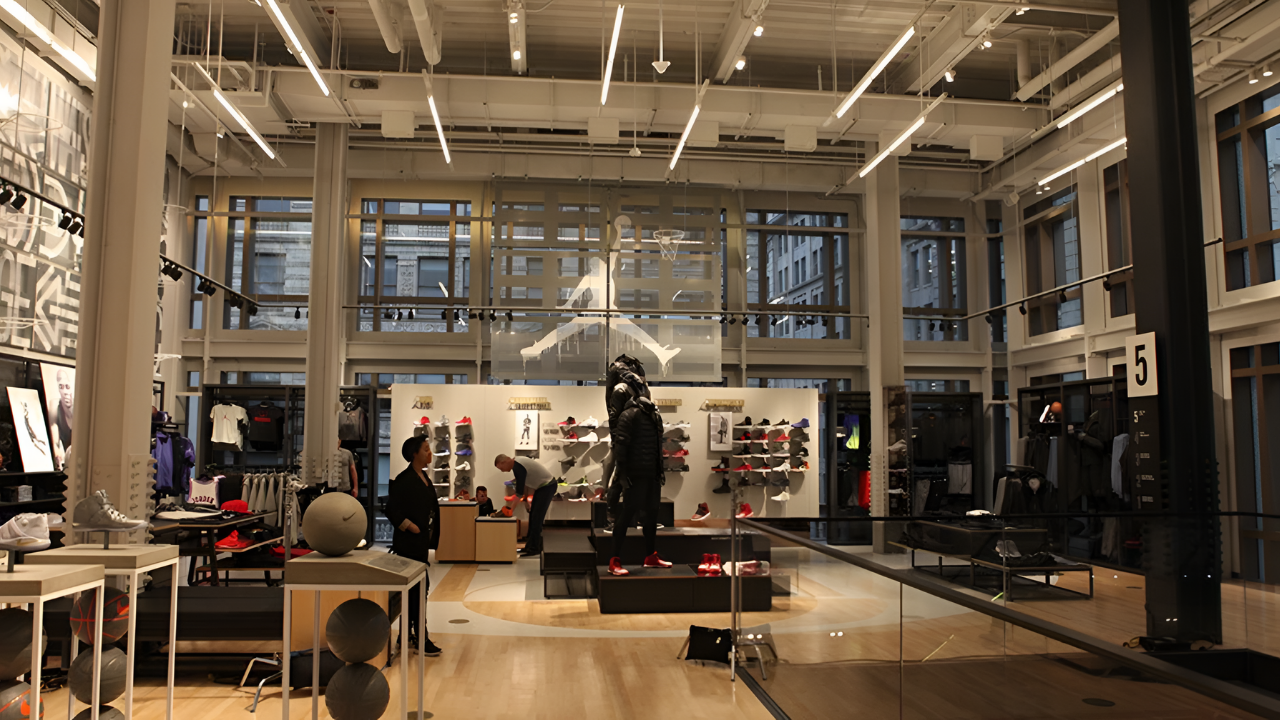
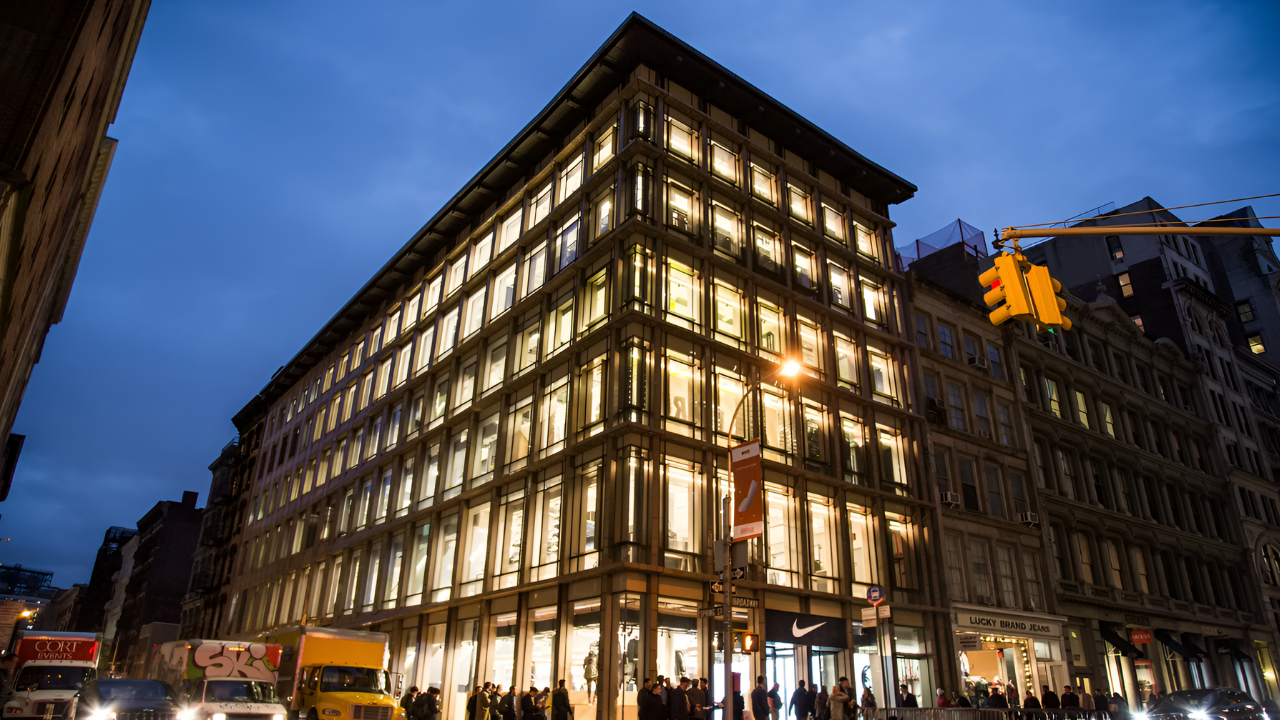
Nike’s SoHo flagship tells that story perfectly. The store, which opened in 2016, was once called “the Future of Sport Retail.” Spanning 55,000 square feet across five stories, it featured basketball courts, running treadmills for trying shoes, and digital tools for testing products. Sneaker fans from across the country visited it as a destination. But rising rent costs and falling in-store sales made the landmark store impossible to sustain.
IKEA’s Smart Real Estate Move and the Market’s Future
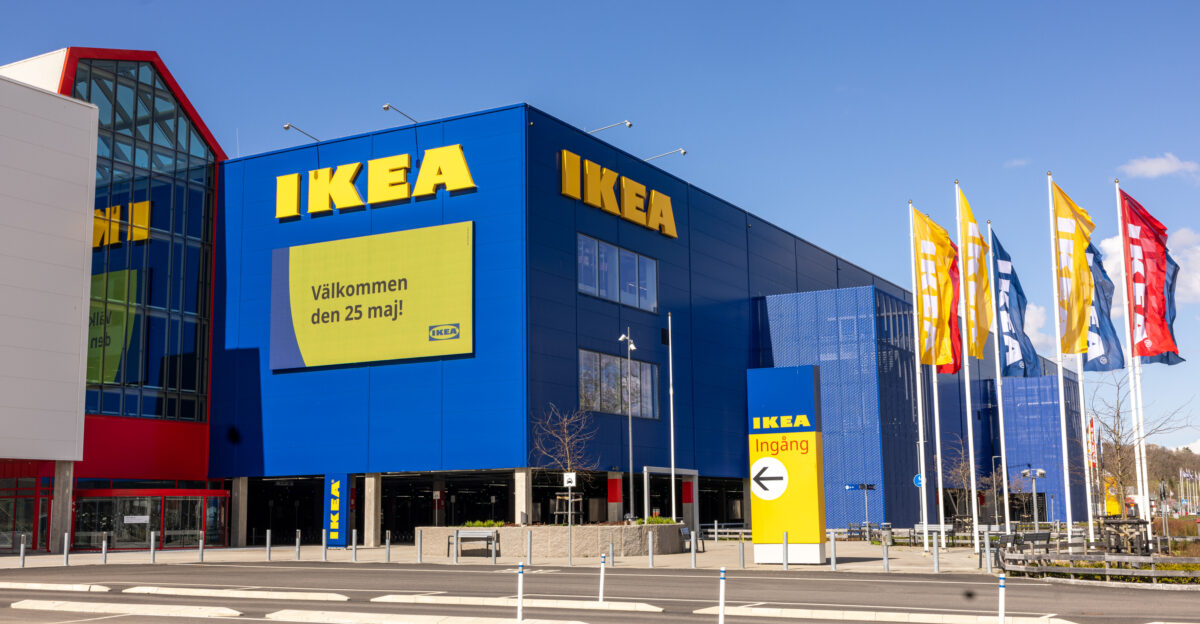
In 2025, IKEA’s parent company, Ingka Group, made a bold play that highlights how important property ownership has become. The company bought the historic Prescott House Hotel building at 529 Broadway, the same building that housed Nike’s SoHo store, for $213 million. Nike closed its store there permanently on January 10, 2026. IKEA plans to open a smaller-format furniture store and office space inside the property.
This purchase is part of IKEA’s $2.2 billion plan to buy and redevelop prime city locations around the world, including New York, Paris, London, Vienna, and Madrid. It’s a shift away from its traditional suburban mega-stores, recognizing that more people want to shop in city centers where foot traffic is strong. With over 64 million tourists visiting New York in 2025, IKEA’s bet on urban locations makes sense.
Meanwhile, SoHo’s rents have hit an average of $584 per square foot per year, an unsustainable level for most retailers. On one end of the market, luxury brands like Hermès can still thrive thanks to ultra-premium pricing. On the other, discount giants such as Walmart keep winning with low prices and scale. Brands in the middle, like Nike, are getting squeezed out.
Nike’s remaining global flagship on Fifth Avenue still works because of its prestige and exclusivity, but SoHo no longer fit its model. The brand’s direct sales peaked at $18.7 billion in 2022, yet have dropped since, along with wholesale revenue. Even though sneaker culture remains a $78.59 billion global industry growing at over 5% a year, the heart of sneaker shopping, physical spaces where fans connect, is fading. Pop-ups and online communities are replacing those real-world hubs.
As Manhattan rents continue climbing, the winners will be the companies that either own their real estate, operate with strong online platforms, or charge luxury prices. For everyone else, especially mid-range brands, prime urban flagships might soon become a thing of the past. The future of retail looks more like a mix of ownership, digital presence, and selective physical experiences, not the massive, high-rent stores that once defined SoHo.
Sources:
JLL and Connect CRE, Q4 2025 Real Estate Report, January 11, 2026
Clickz, Nike’s FY25 Results Show the Cost of Complexity, October 8, 2025
Bain & Company, Finding a New Longevity for Luxury, December 17, 2025
Hypebeast, Nike SoHo NYC Flagship Store Officially Closed, January 10, 2026
Ingka Group Newsroom, New IKEA Store to Open in Manhattan’s SoHo Neighborhood, September 30, 2025
Robin Report, Retail Real Estate Redefined, October 26, 2025