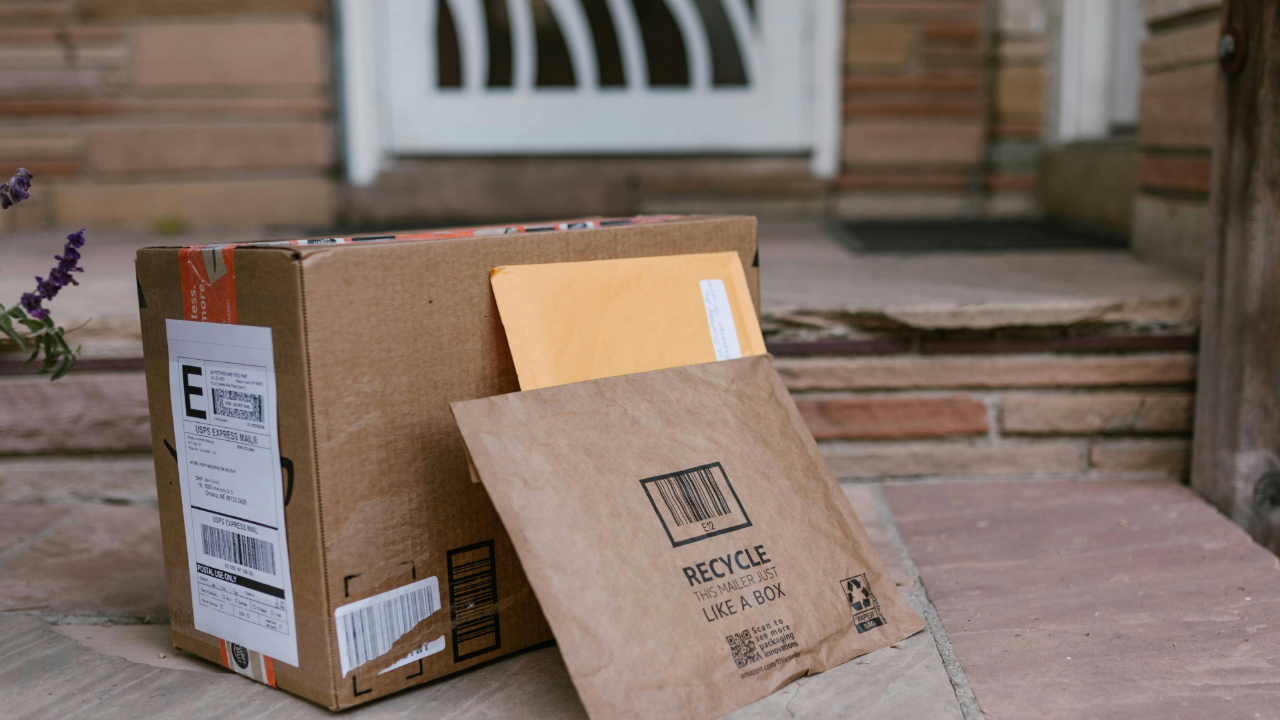
Texans have been getting strange seed packets in the mail that they never ordered. These small envelopes often look like jewelry or trinket deliveries but actually hold seeds of unknown origin. Since early 2025, the Texas Department of Agriculture (TDA) has collected 1,101 of these packets from 109 cities and towns across the state. Many have foreign postmarks, often from Asia, and misleading customs labels that claim they contain harmless items.
Officials say these mailings could harm Texas’s environment and farms if the seeds are planted. Invasive plants, plant diseases, or insects could spread and cause major damage to local crops and ecosystems. The fact that so many packages have been sent to both cities and rural communities suggests that this might be part of a bigger, organized effort rather than random accidents.
How Officials Tracked the Source
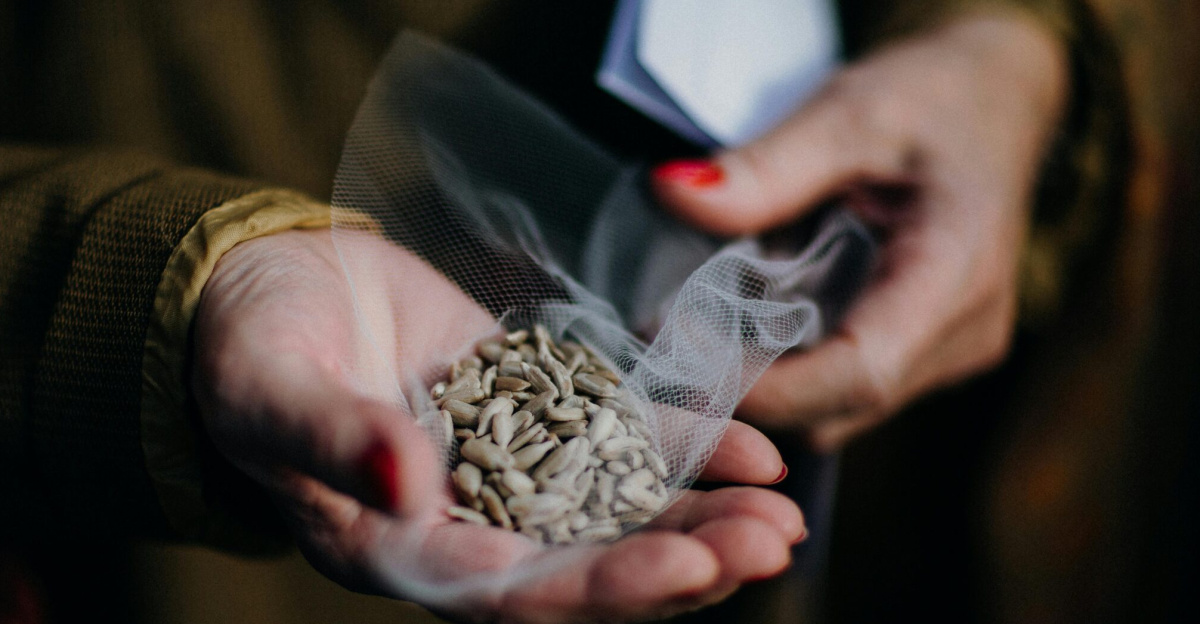
The first report came in February 2025 from a resident in Clute, Texas, who received a suspicious package from China containing seeds and a small vial of liquid. More residents soon came forward, describing nearly identical packages. Investigators found several common details: foreign shipping labels, fake descriptions, and identical seed wrappings.
As reports increased, the TDA began collecting and testing the seeds to identify their types and origins. By the end of 2025, the pattern was clear enough to confirm a widespread trend. The agency then worked with state and federal partners to monitor new cases, alert the public, and trace the distribution channels. While the exact motive remains uncertain, the scale of the activity made officials treat it as a potential biosecurity threat.
A Repeat of the 2020 Mystery Seeds
This situation is similar to what happened in 2020, when people across all 50 U.S. states started receiving unexpected seed packets, often postmarked from China. The U.S. Department of Agriculture (USDA) investigated and discovered many of those cases were part of what’s called a “brushing scam.” In this type of scam, sellers send cheap or fake items to random addresses so they can post false positive reviews online and boost their store rankings.
Even though most of the earlier seeds weren’t linked to any deliberate attempt to harm agriculture, they still broke import rules and carried risks. Unapproved seeds can bring in pests or weeds that could easily invade local environments. That same concern now applies to the 2025–2026 Texas cases: no signs yet of sabotage, but real danger if the seeds get planted or spread.
Other countries have also faced similar problems. Canada, for example, issued nationwide warnings in 2020 after citizens there received comparable seed mailings. These global links show how small, cheap shipments can cross borders easily, putting ecosystems anywhere at risk.
What Texans Should Do Next

Officials have been clear about what residents should and shouldn’t do with these mystery seeds. People should not open them, plant them, taste them, or throw them away. Instead, they should keep both the seeds and their packaging sealed and contact the Texas Department of Agriculture through their hotline (1-800-TELL-TDA) for pickup or testing instructions. Throwing the packets in the trash or compost could allow the seeds to sprout in landfills or fields, which would only spread the problem.
Testing and destroying the seeds under controlled conditions is the safest way to stop any possible threat. Authorities stress that cooperation from the public is essential to protect Texas agriculture, which adds more than $100 billion to the state’s economy every year. When invasive species enter new areas, they can wipe out local plants, destroy farmlands, or harm wildlife. Across the U.S., invasive species have cost more than $1.2 trillion in damages between 1960 and 2020, and that number keeps rising.
Even if these packages are part of another global brushing scam, the risks remain serious. Some packets have real Chinese shipping labels, while others are forgeries made to confuse investigators. Chinese officials in previous cases have asked recipients to send them samples for their own inquiries. Meanwhile, the TDA continues warning that even harmless-looking seeds can be dangerous if released into nature.
Protecting Texas’s Farms and Environment
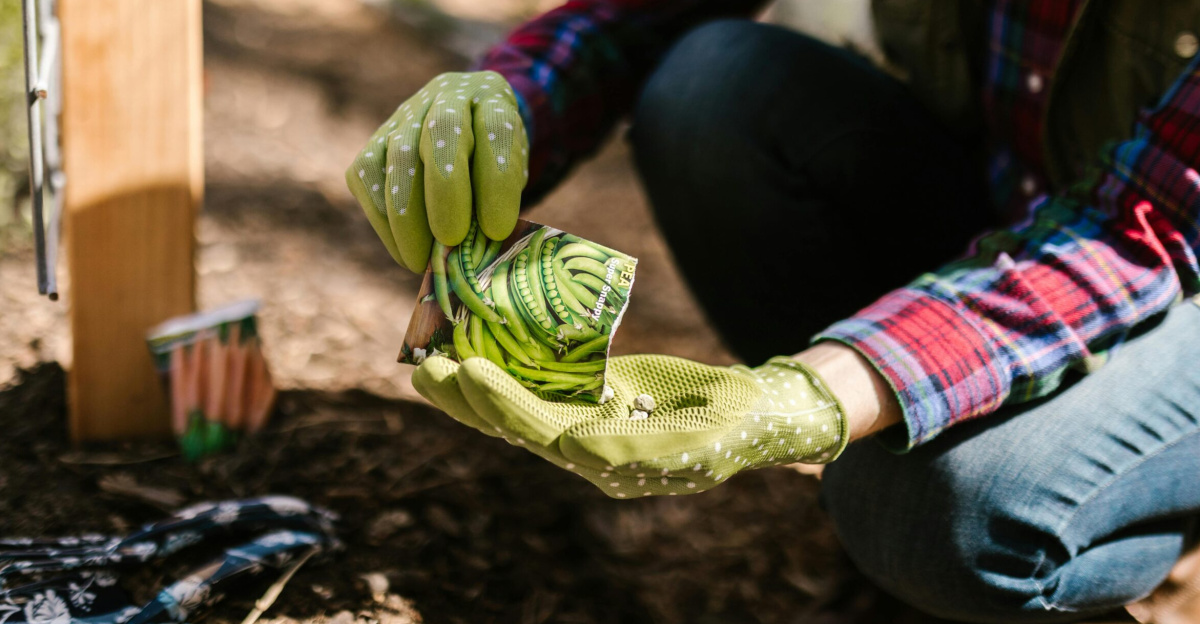
The current challenge for authorities is not only stopping these specific mailings but also preventing future ones. Cheap online marketplaces and easy international shipping make it simple for scammers to send millions of small packages around the world. That means Texas and other states must rely on public awareness as a first line of defense.
Most of the intercepted seeds have turned out to be a mix of flower, fruit, vegetable, and weed species. Because officials can’t predict which ones could become invasive, every untested packet must be treated as a potential threat. With Texas’s vast farmlands and diverse ecosystems, even one harmful species could cause millions in damage.
Public reporting, careful handling, and cooperation with authorities remain the best tools to stop any possible invasion before it starts. As long as residents act quickly and follow safety instructions, Texas can protect its valuable farms, natural landscapes, and food supply from these mysterious mailings.
Sources:
Click2Houston, Texas residents warned about mystery seed packages arriving from China, 4 Jan 2026.
FOX 7 Austin, Texans warned not to plant unmarked seed packets from unknown senders, 5 Jan 2026.
Houston Chronicle, Why Texas officials are urging residents not to open these seed packages, 5 Jan 2026