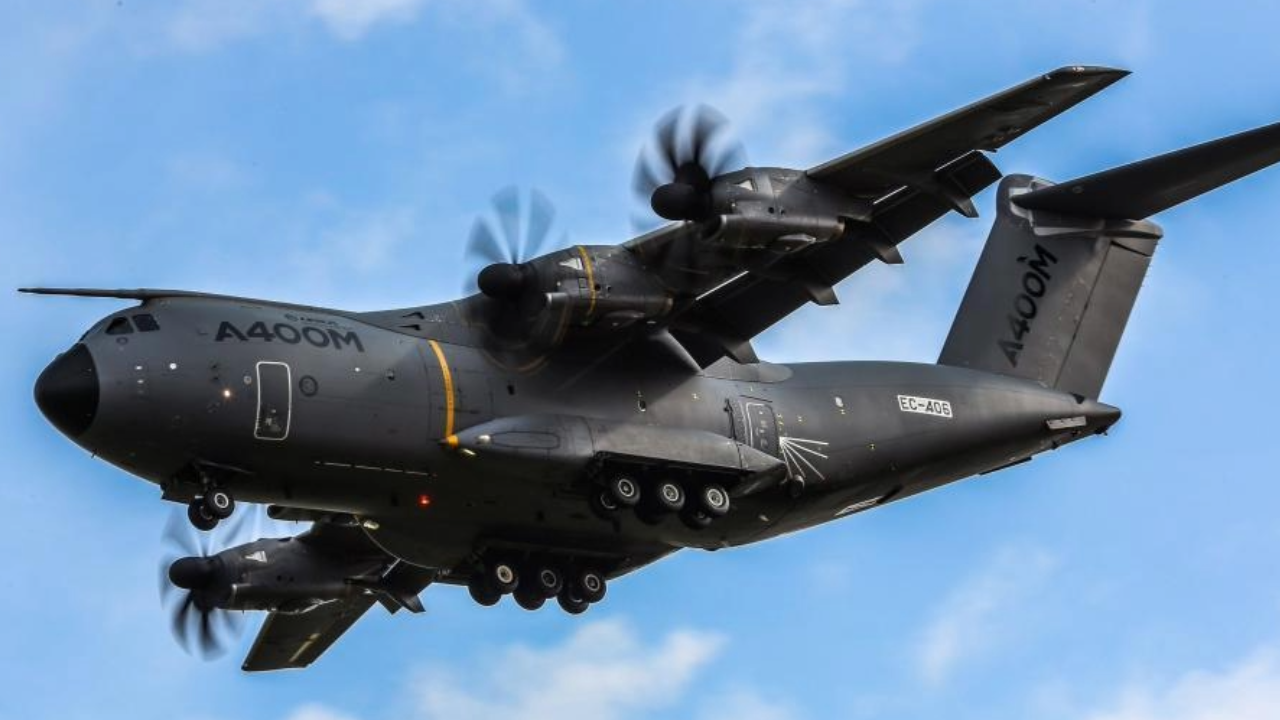
A grey aircraft with no visible markings skimmed low over open water as a small boat cut across the Caribbean. Seconds later, a missile struck, erupting into a white flash and scattering debris across the sea. Eleven people were killed instantly.
Over the next four months, similar strikes would follow—at least 35 in total—leaving as many as 114 people dead. But what happened after that first explosion would trigger far deeper alarm.
Covert Campaign
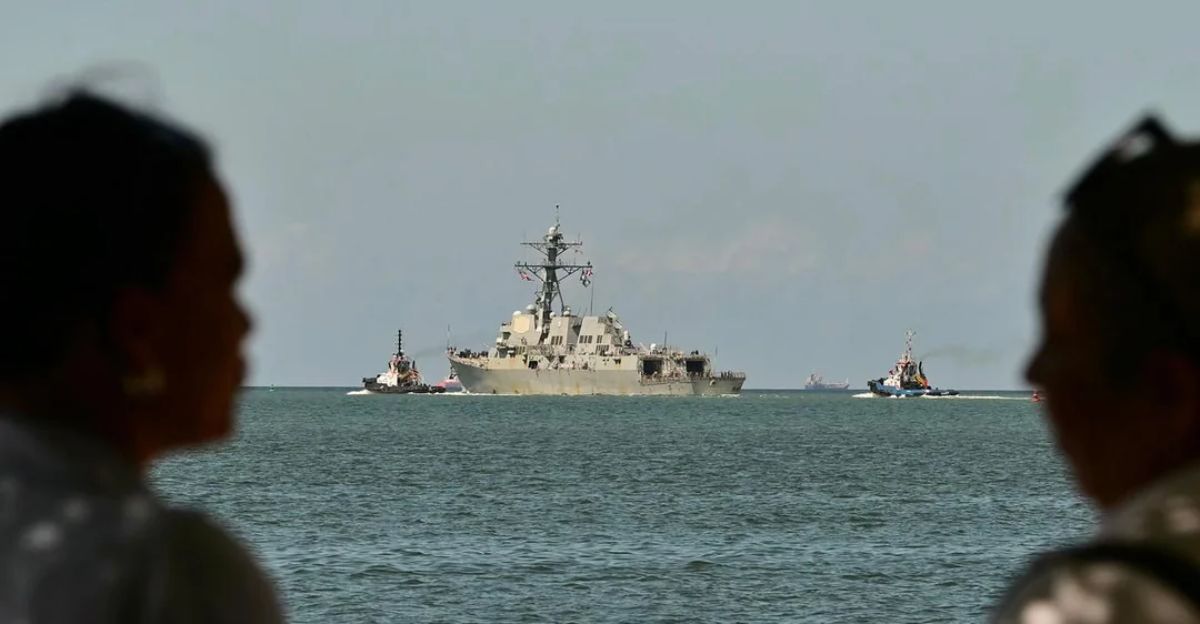
By November 2025, the US had established its largest Caribbean military presence since the Cuban Missile Crisis. The operation hybridized the war on drugs with counter-terrorism efforts.
Warships, bombers, and robotic surveillance units were deployed to disrupt illicit networks tied to Venezuelan cartels. With Trump labeling cartels as combatants, the stakes of the campaign escalated dramatically.
Drug War Roots
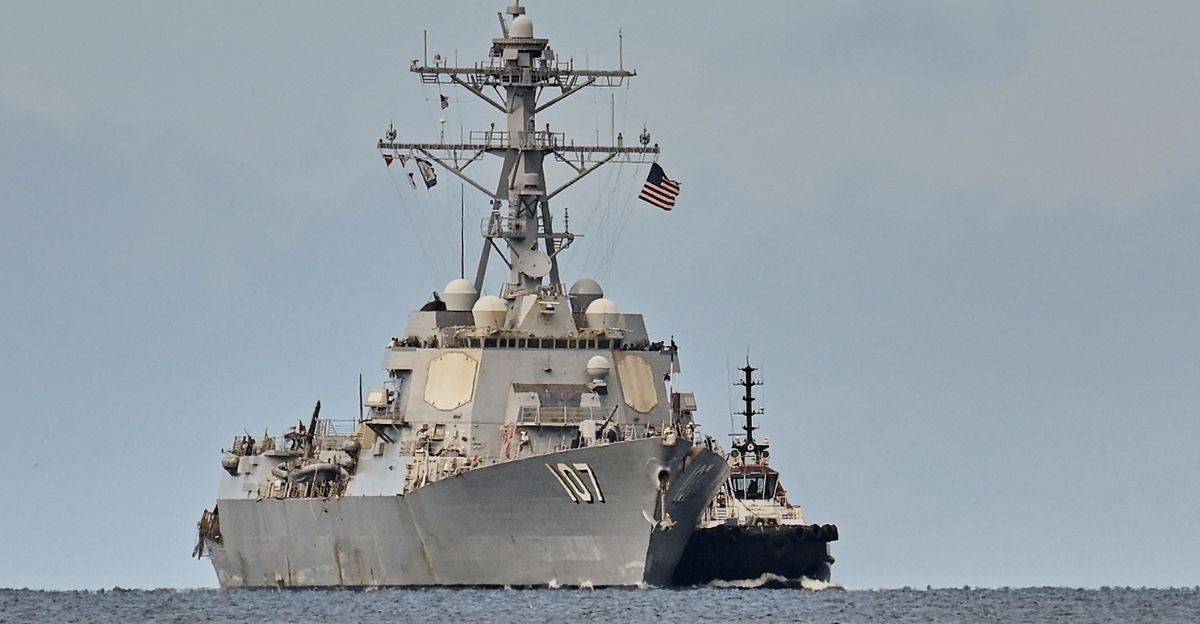
Tensions in the Caribbean heightened in August 2025 when the US expanded its military presence. Trump signed a secret directive allowing lethal force against designated terrorist cartels like Tren de Aragua.
Framing these operations as a non-international armed conflict marked a significant shift from traditional interdiction tactics to more aggressive airstrikes. What drove this change in strategy?
Mounting Pressures
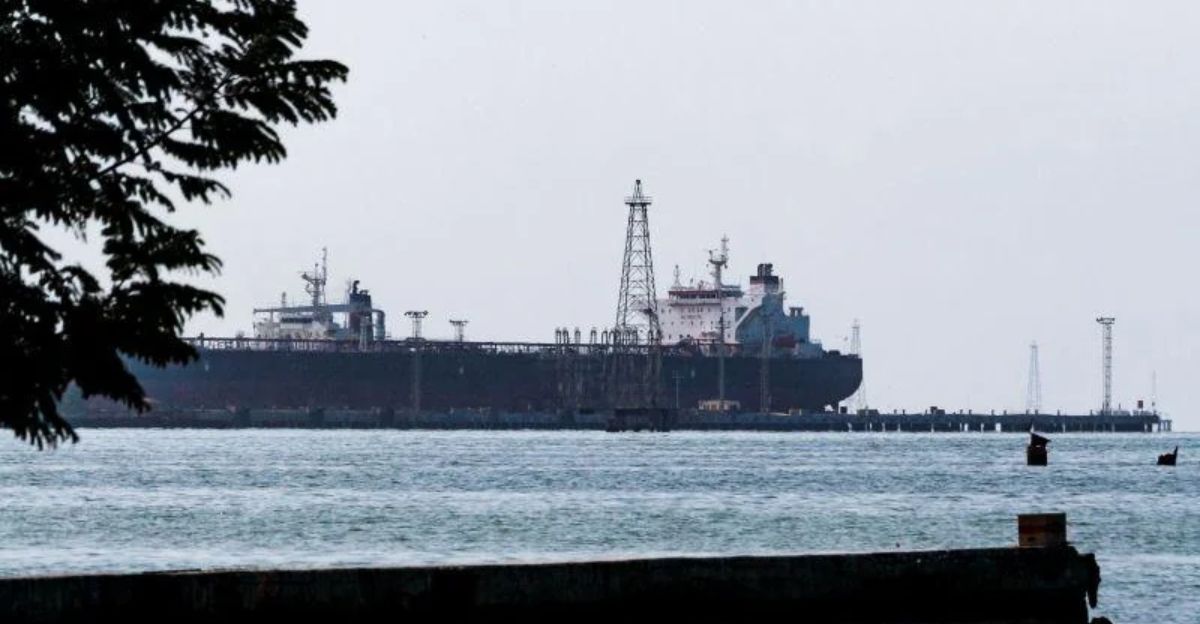
By December 2025, US operations intensified with oil tanker blockades and even a CIA drone strike on Venezuelan soil. Venezuelan President Maduro faced a $50 million bounty as a top narco-trafficker.
Despite the strategic success, critics lamented the lethality of the strikes, pointing out that no boarding attempts were made before the attacks. Global condemnation mounted—would legal challenges derail the campaign?
Perfidy Strike
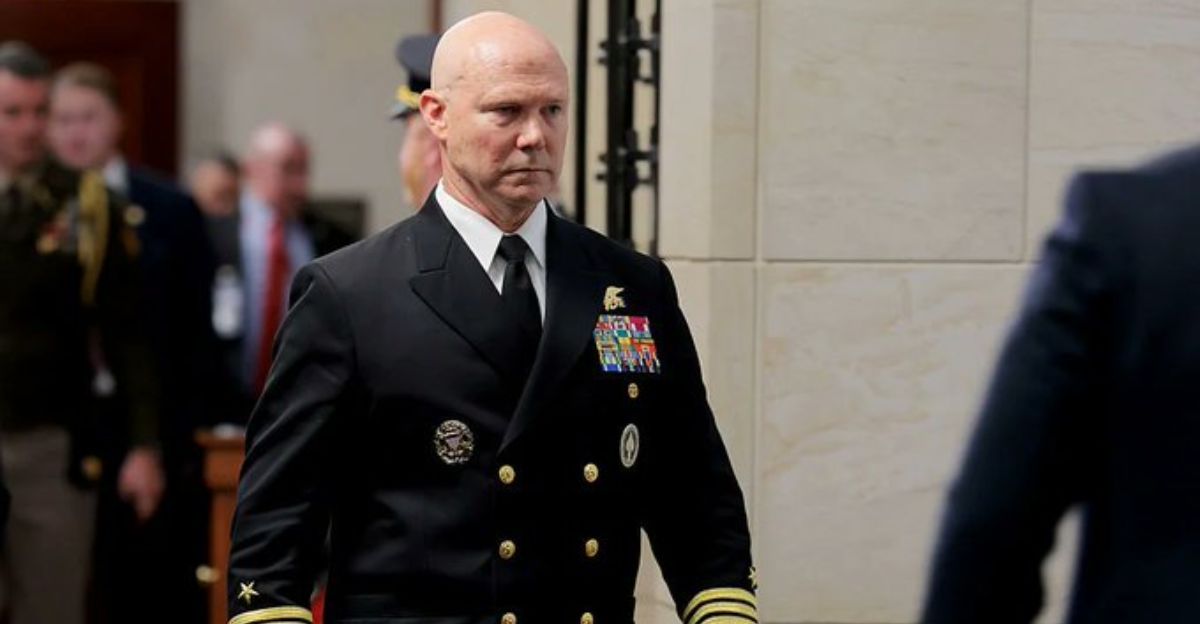
On September 2, 2025, an unmarked grey aircraft struck a suspected drug boat, killing 11 people. Shockingly, Admiral Frank “Mitch” Bradley ordered a follow-up strike that killed two survivors clinging to wreckage—an action deemed “perfidy” under international law.
The operation’s tactics, involving unmarked military aircraft, stunned legal experts and drew accusations of war crimes.
Caribbean Fallout
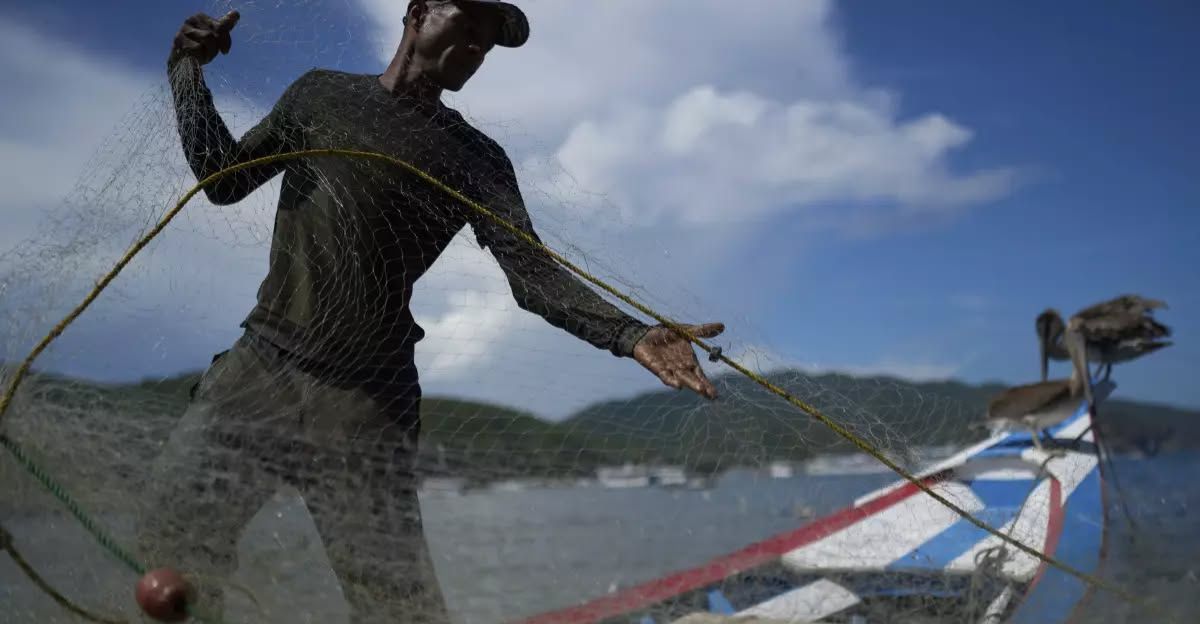
The US strikes reverberated across the Caribbean, where local economies, especially fishing industries, were hit hard. With 114 dead and widespread condemnation from the UN and neighboring governments, protests broke out in Caribbean ports.
The strikes not only killed suspected criminals but also impacted many innocent civilians caught in the crossfire. What did the real human cost entail?
Survivor Stories
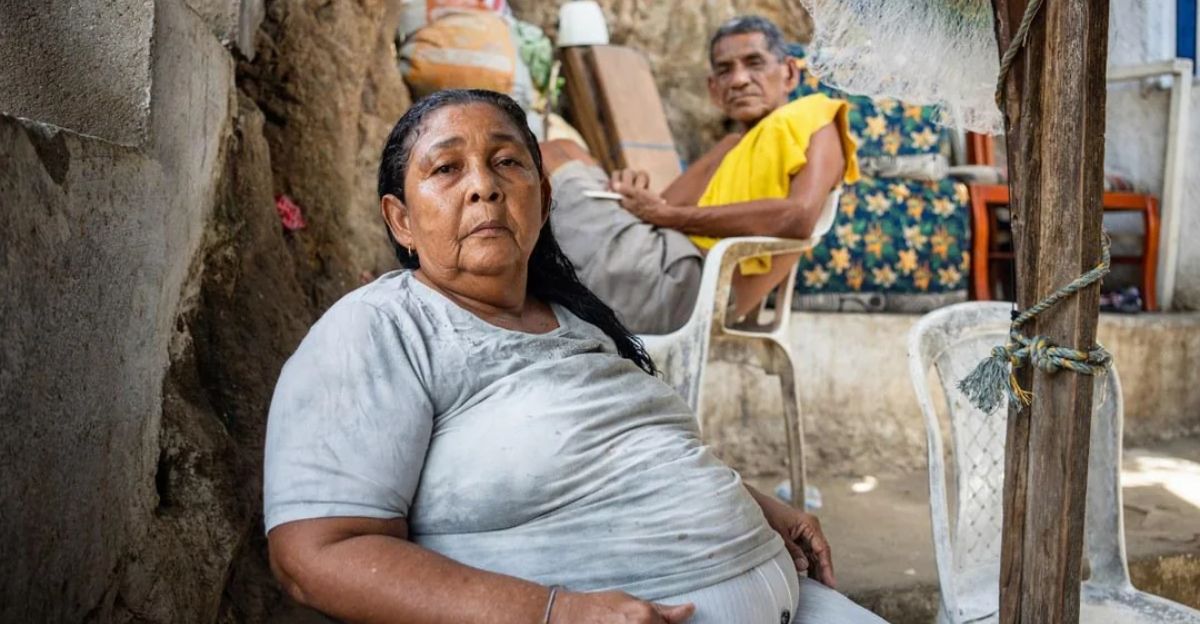
Survivors and families of those killed demanded accountability from both the US and Colombian authorities. Although many of the victims were linked to the Tren de Aragua cartel, families argued that innocent fishermen had been caught in the violence.
Public outcry over the loss of life humanized the deadly campaign, leaving the public to wonder who was truly to blame for the carnage.
Regulatory Scrutiny
UN human rights experts condemned the strikes, labeling the deaths as extrajudicial killings. In response, Congress sought classified briefings, questioning the legal justification behind the attacks.
With no formal authorization for the use of force, legal experts worried about the long-term ramifications. Could investigations or international pressure prompt legal action?
Expert Warnings
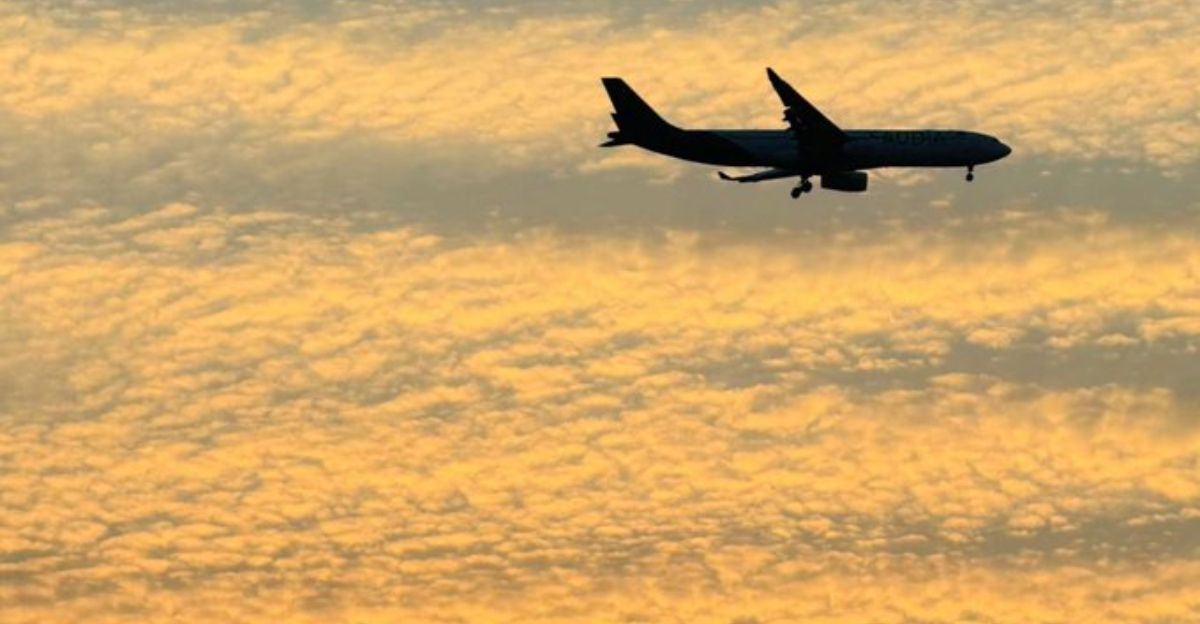
Retired Air Force Major General Steven Lepper criticized the use of unmarked aircraft, calling it a violation of international laws on perfidy. He argued that concealed combatants should not be permitted to engage in warfare under international rules.
Following the September 2 strike, the US shifted to using marked MQ-9 Reapers. What prompted this sudden shift in tactics?
Lethal Trends
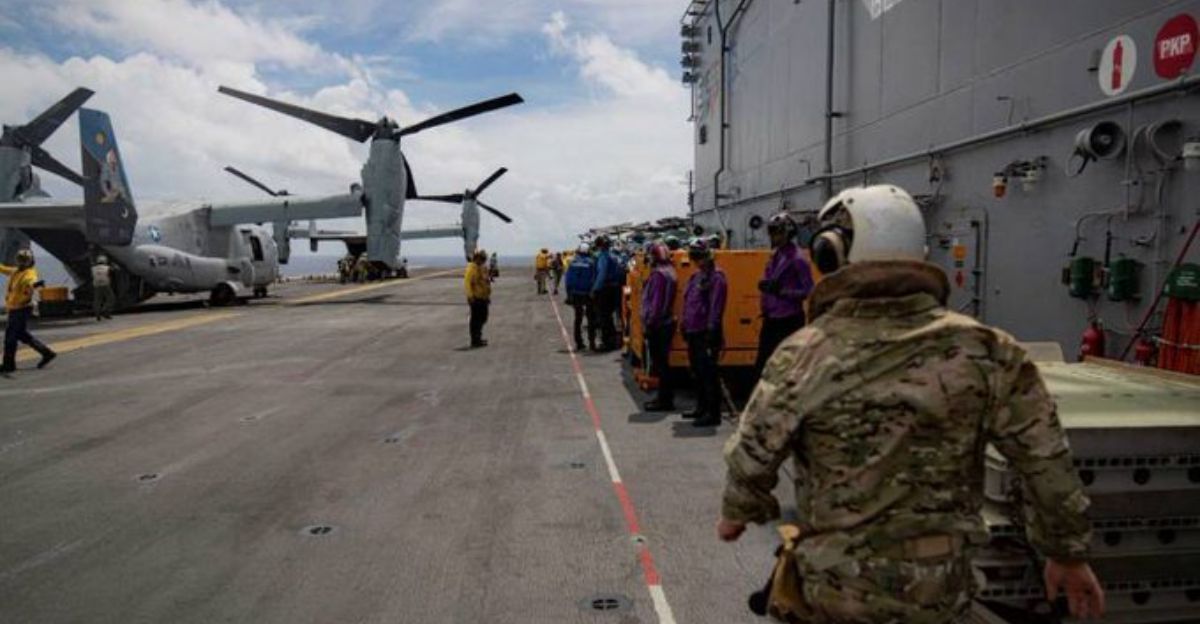
From September 2025 to January 2026, the US military conducted 35 strikes, killing at least 114 people. Hybrid operations blended airstrikes, boat seizures, and surveillance, creating an escalating conflict that echoed Cold War-era tensions.
The pace of operations was intense, averaging nearly 8 strikes per month. How did these escalating tactics affect the broader geopolitical landscape?
Double-Tap Horror
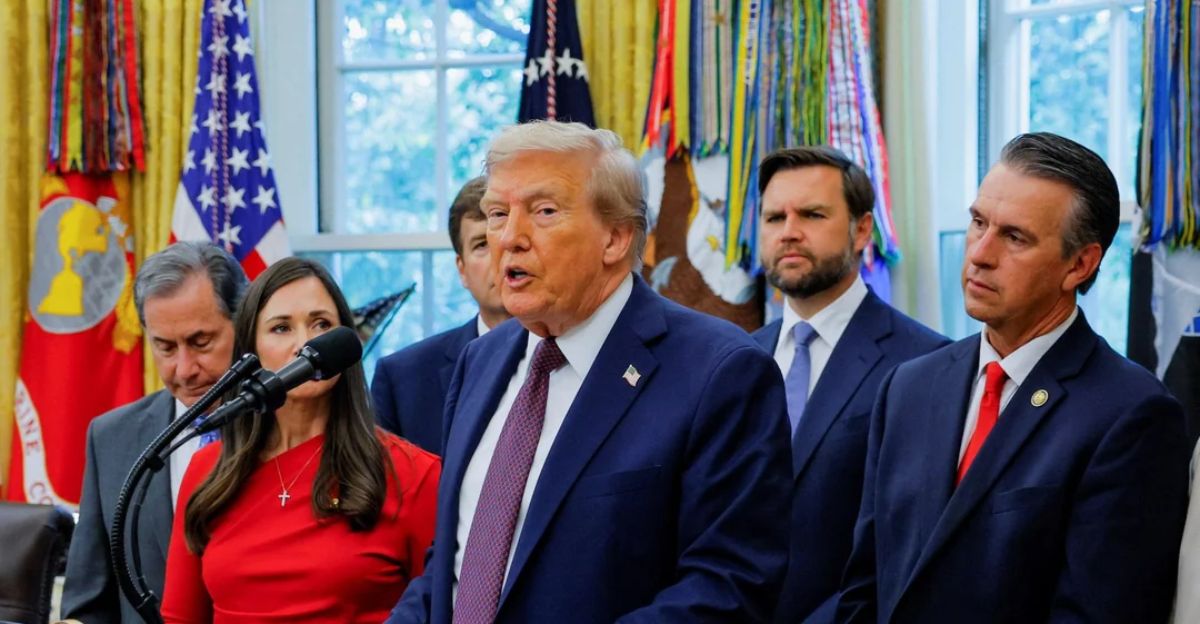
The September 2 “double-tap” strike, where survivors were targeted after clinging to wreckage, intensified public outrage.
Video footage released by Trump showed the initial blast but omitted the fatal second strike, fueling accusations of a cover-up. Was the selective video release a deliberate attempt to hide the full extent of the strikes?
Congressional Pushback
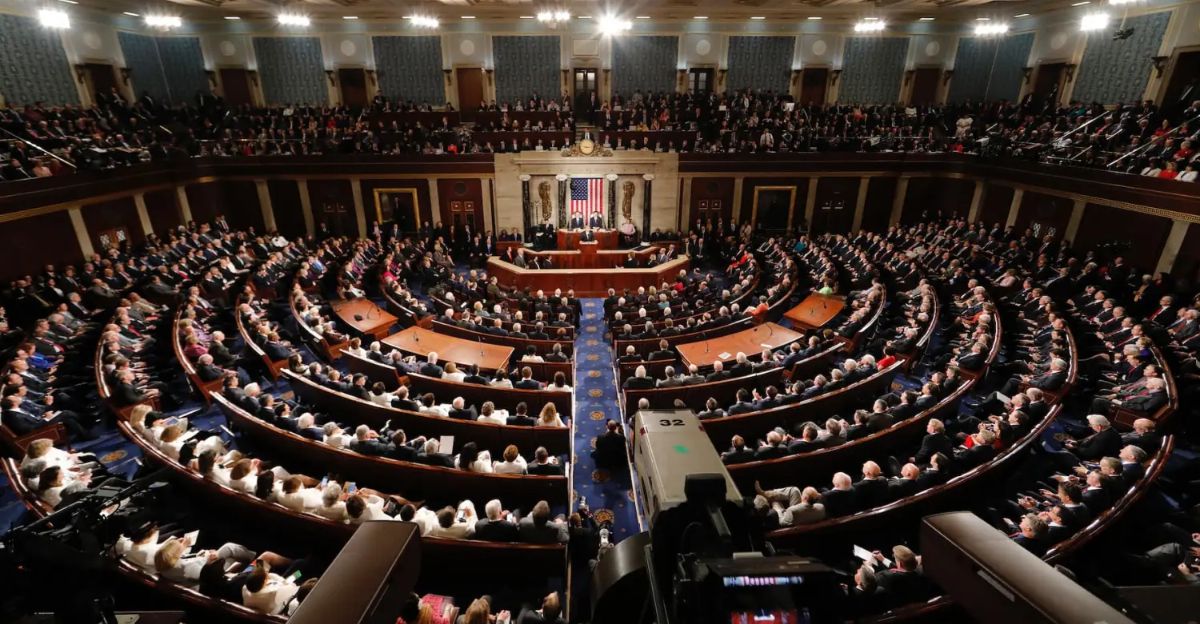
Bipartisan dissatisfaction with the covert strikes reached a boiling point in Congress. Lawmakers grilled Pentagon officials about the legality of the operations and the risks of future war crimes.
Families of the victims united with Congress to demand answers. Could reforms or new oversight measures follow these high-profile failures?
Leadership Pivot
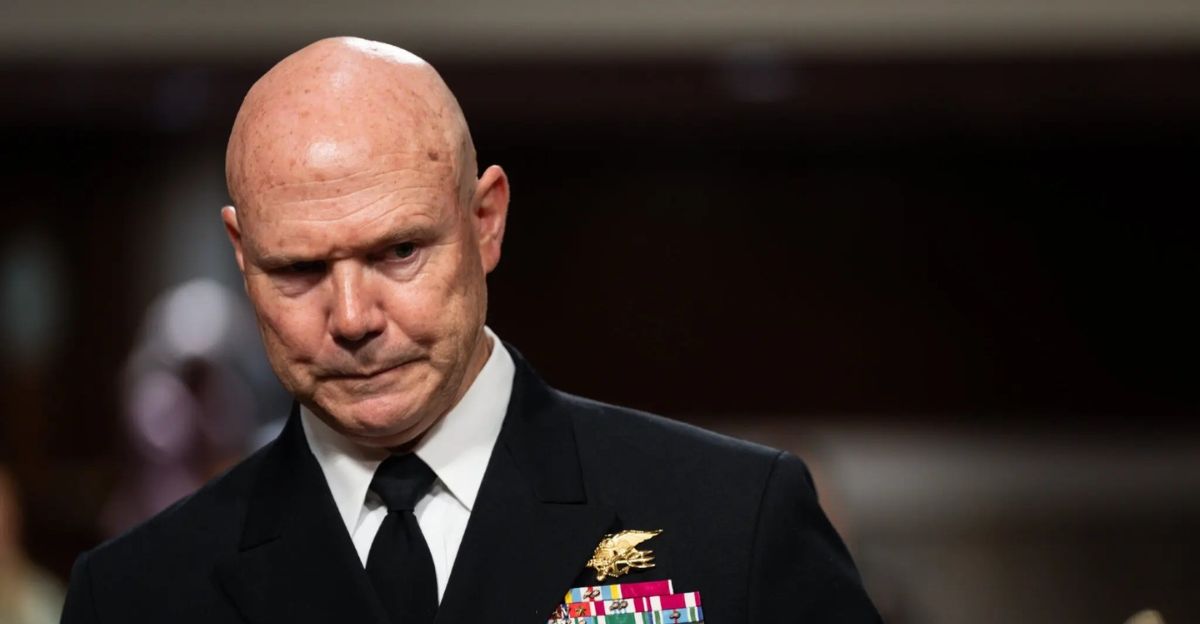
Admiral Frank “Mitch” Bradley’s controversial approval of the double-tap strike prompted a strategic shift to using clearly marked MQ-9 Reapers for subsequent strikes.
President Trump’s administration defended the operations under its “inherent authority,” but internal doubts about the legitimacy of these actions were evident. Would this tactical adjustment help restore credibility?
Strategic Shifts
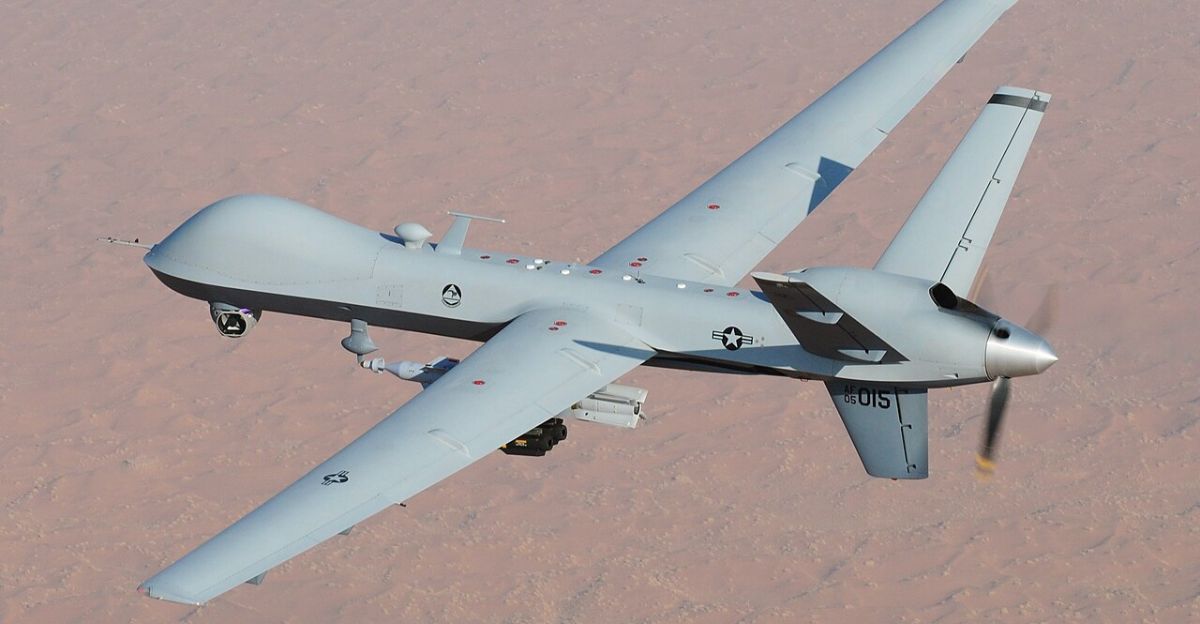
In response to mounting scrutiny, the US shifted to using MQ-9 Reapers for subsequent strikes. Additionally, operations expanded into Venezuela, with the capture of Maduro in January 2026.
Despite these efforts, critics continued to question the legal and ethical implications of the operations. Would these measures provide the political cover needed to continue the campaign?
Expert Doubts
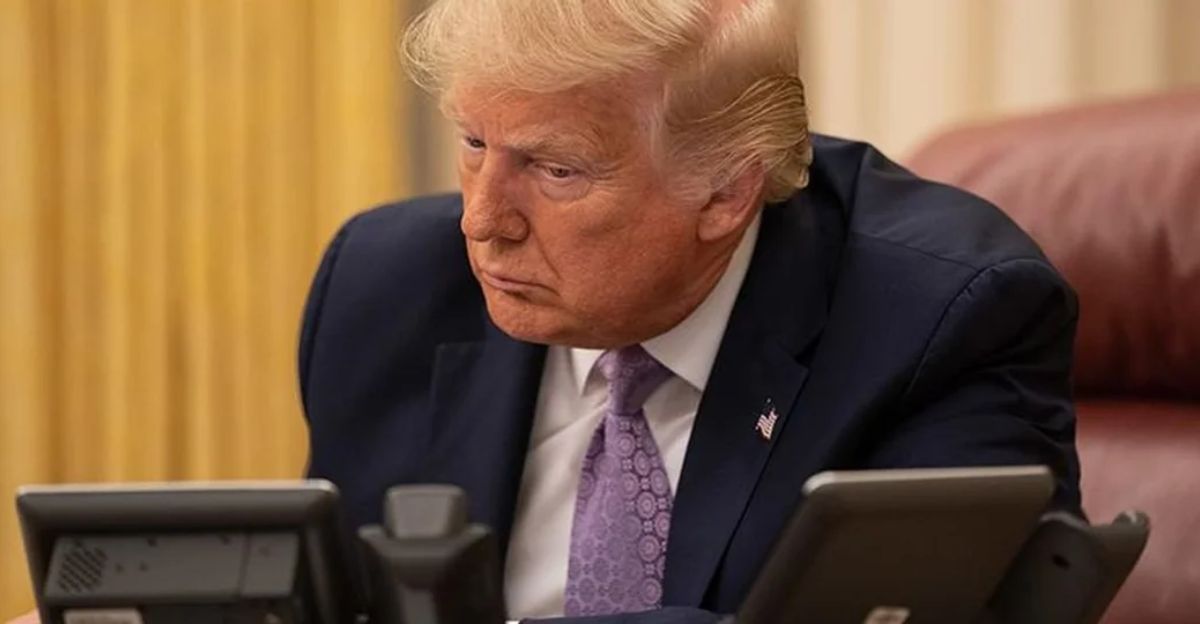
Legal analysts like Pino Arlacchi challenged the foundation of the US campaign, suggesting that the anti-drug strategy was a politically motivated effort against Venezuela.
Despite the legal cover provided by the Trump memo, skepticism about the efficacy and legality of the operations persisted. Could future court challenges reverse the gains made in the operation?
Future Shadows
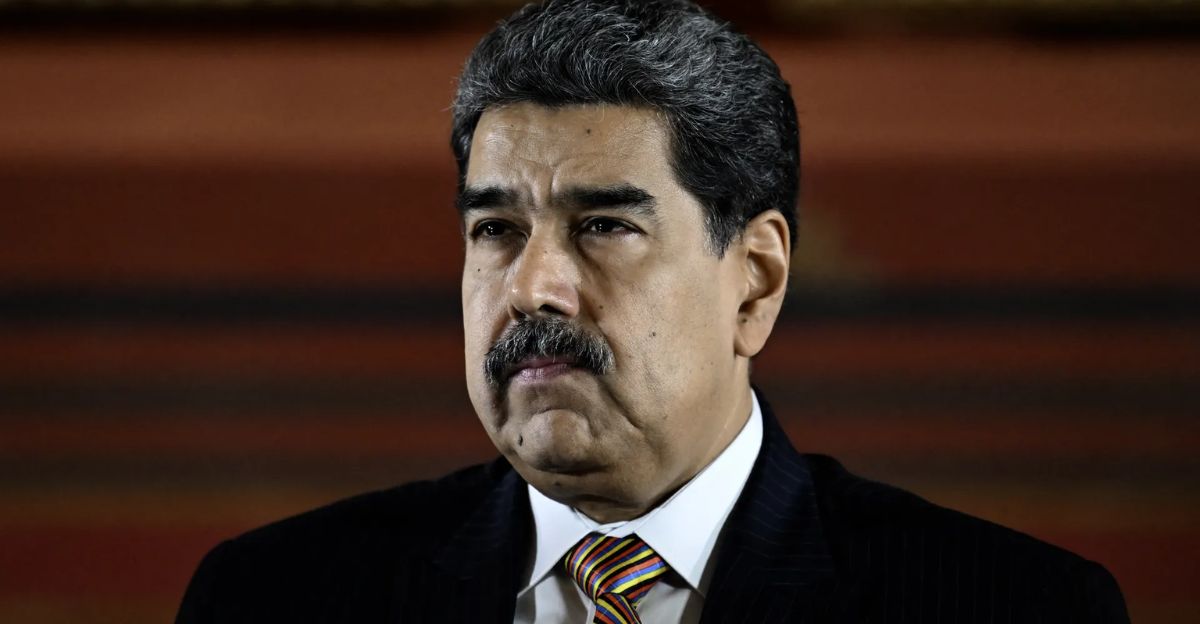
With Maduro now in US custody facing drug trafficking charges, the long-term implications of the covert campaign remain unclear. The operation disrupted drug trafficking routes but raised serious questions about the ethics and legality of shadow warfare.
What does the future hold for these covert military actions, and how will perfidy allegations affect the rules for future conflicts?
Sources:
“U.S. Attacked Boat With Aircraft That Looked Like a Civilian Plane.” The New York Times, 12 Jan 2026.
“Exclusive: Boat at Center of Double-Tap Strike Controversy Was Headed to Suriname, Admiral Tells Lawmakers.” CNN, 5 Dec 2025.
“US Strikes in Caribbean and Pacific Breach International Law, Says UN Rights Chief.” UN News, 30 Oct 2025.
“From Caracas ‘Fort’ to New York Court: Maduro’s Capture in Pictures.” BBC News, 4 Jan 2026.