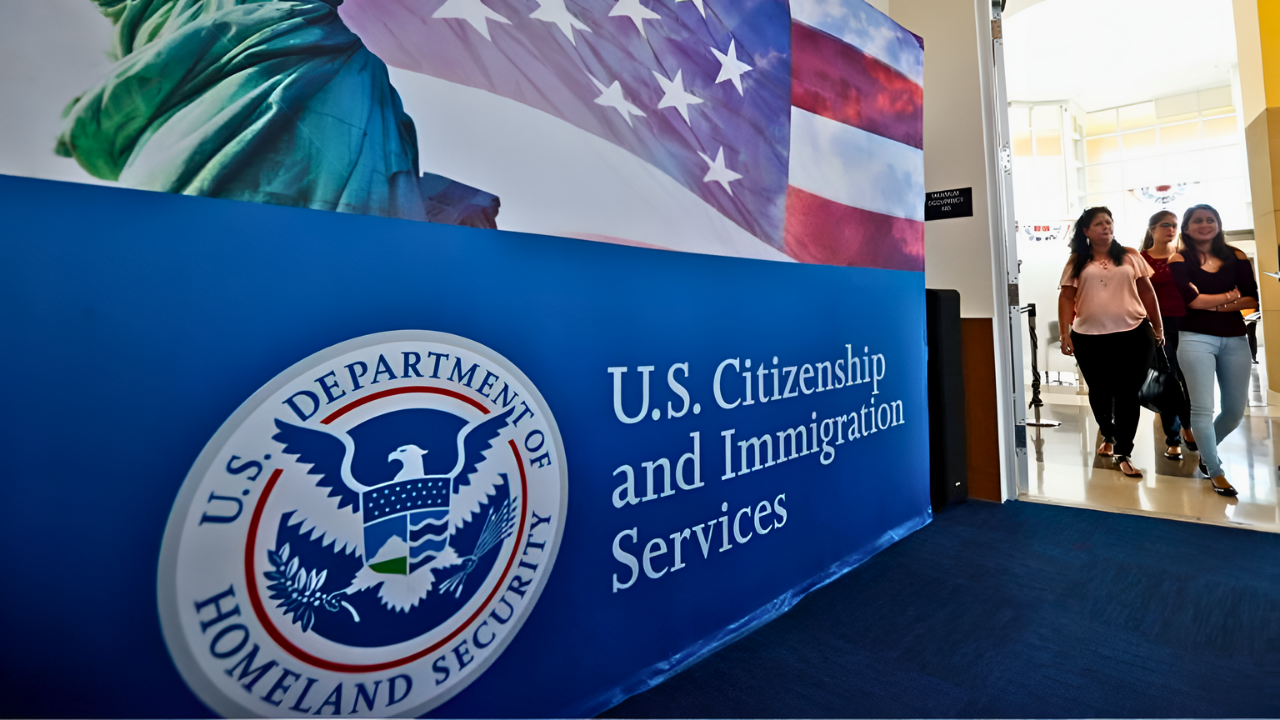
Airport departure gates across Asia, Africa, and Latin America became scenes of confusion and desperation as travelers discovered their U.S. visas had been electronically voided without warning. Over 100,000 non-immigrant visas were revoked in just twelve months—a 150 percent surge from the previous year and more than double 2024’s total.
This unprecedented enforcement campaign, the largest in modern American history, has left international students unable to return to universities and H-1B workers stranded abroad.
Real-Time Surveillance Changes Everything
The State Department’s Continuous Vetting Center, established in August 2025, now monitors all 55 million visa holders in the United States through automated data sharing with law enforcement agencies.
When the Virginia-based facility’s algorithms flag an arrest or citation, analysts can cancel entry documents within 24 hours. Many visa holders only discover their revoked status when airlines deny boarding at international departure points. But the enforcement didn’t stop there.
Students Bear the Brunt
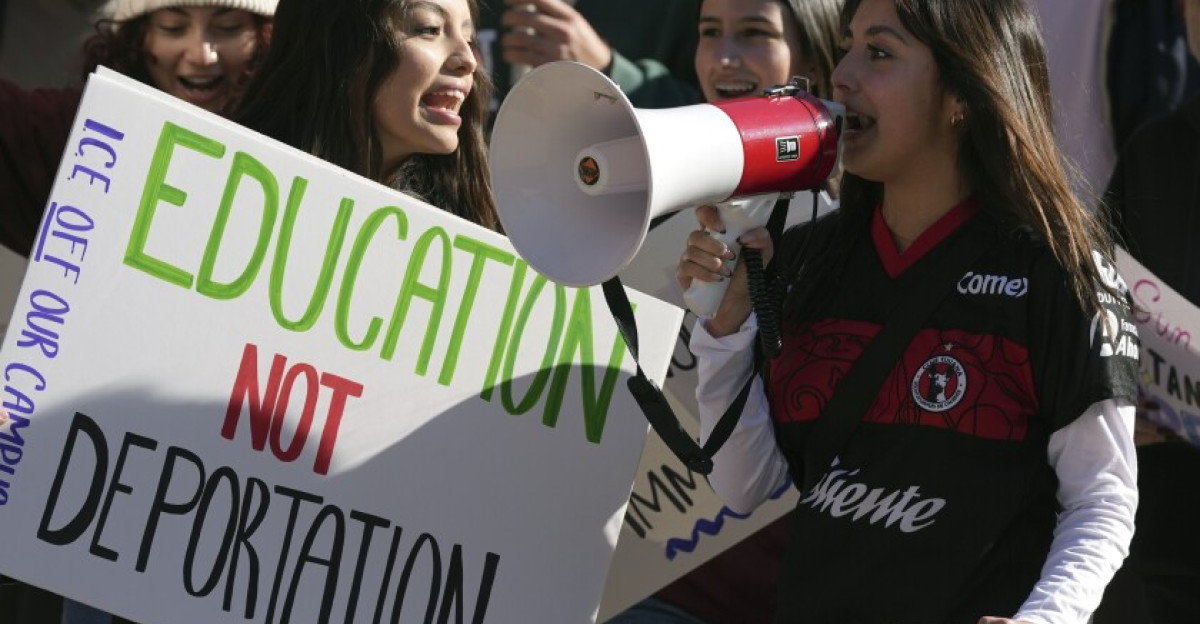
Approximately 8,000 student visa holders lost their immigration status, with revocations affecting individuals at over 200 universities across 32 states.
The State Department clarified that most terminations stemmed from arrests rather than convictions, with some students targeted for participating in pro-Palestinian campus protests. Secretary of State Marco Rubio confirmed visa cancellations for students “who protested against Israel,” sparking immediate constitutional concerns.
Universities Face Financial Devastation
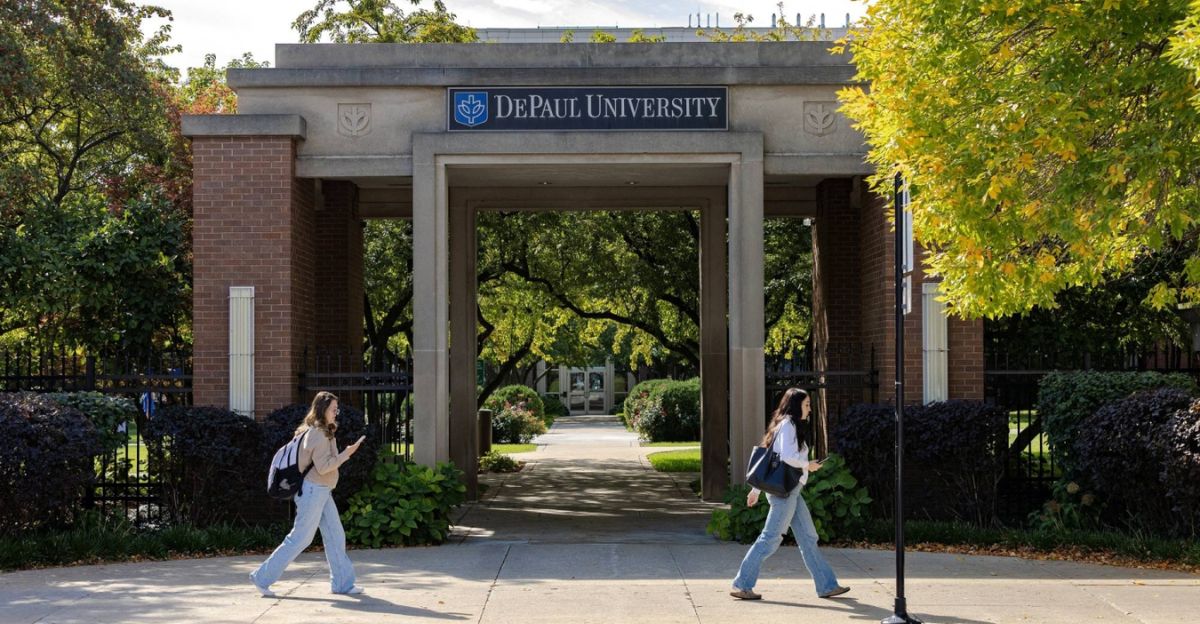
DePaul University’s international enrollment plummeted 30 percent, forcing immediate budget cuts. The University of North Texas confronted a $50 million shortfall, while the University of Texas at Dallas projected $13-15.6 million in lost tuition revenue.
At least 35 institutions announced budget reductions directly linked to visa policy changes, with Moody’s Ratings warning that some colleges face “significant financial stress” threatening their operational viability.
The $7 Billion Economic Shock
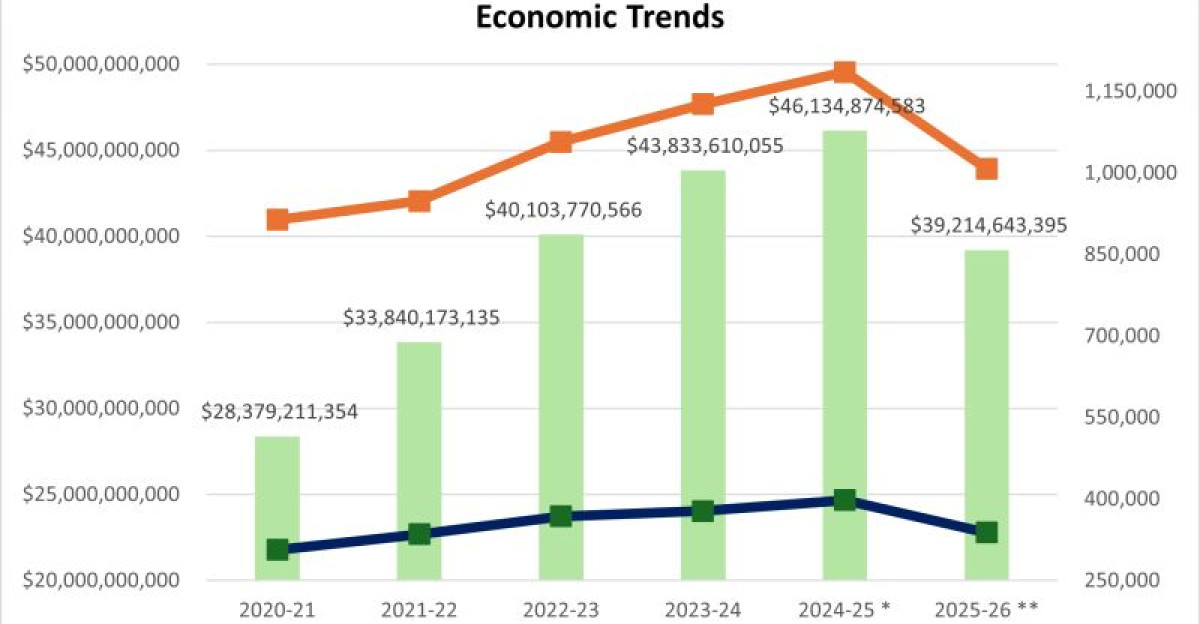
NAFSA: Association of International Educators projects 150,000 fewer international students for Fall 2025—a 30-40 percent enrollment decline translating to $7 billion in lost economic activity and 60,000 eliminated jobs.
Indian student arrivals crashed 46 percent in July 2025, while Chinese enrollment dropped 26 percent. International students contributed over $50 billion to the U.S. economy in 2023, supporting not just universities but local housing, transportation, and retail sectors.
Tech Workers Caught in Crossfire
The administration revoked 2,500 specialized worker visas, predominantly targeting H-1B holders. Fifty percent of revocations involved driving under the influence charges, followed by assault, theft, and substance-related offenses.
Major technology companies including Amazon, Apple, Meta, Microsoft, and Google issued internal travel warnings, advising employees against international trips requiring visa restamping. Tech firms now struggle to fill critical AI and engineering positions.
The 75-Country Freeze
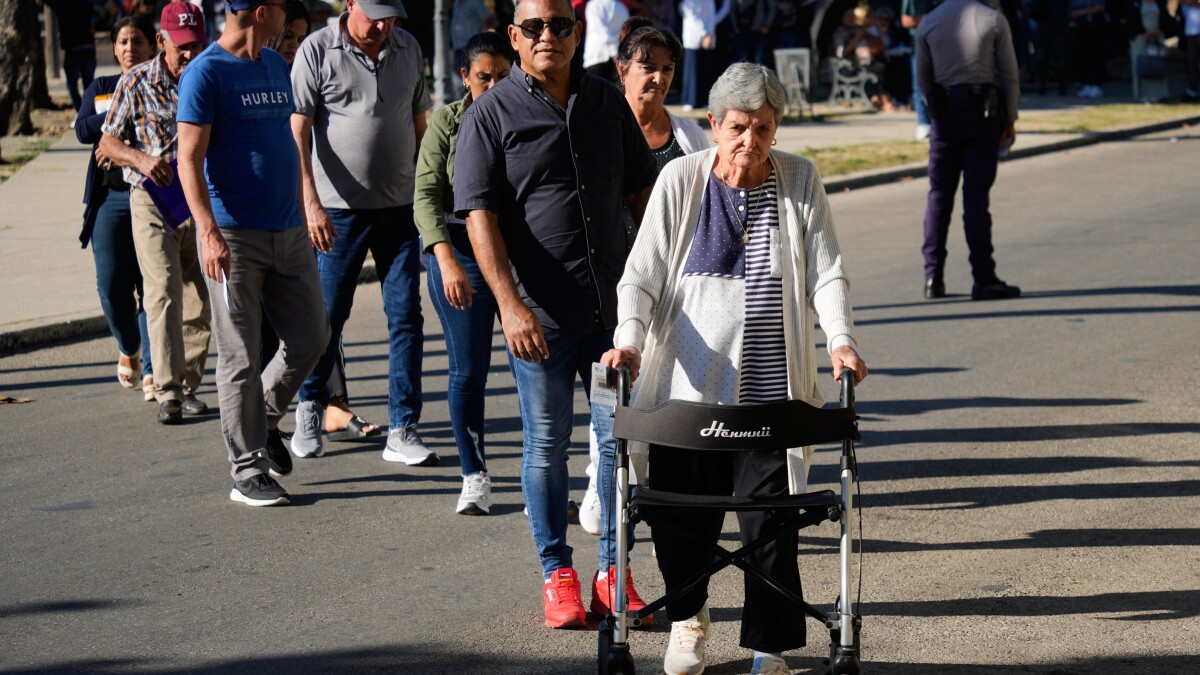
On January 14, 2026, the State Department announced an indefinite suspension of immigrant visa processing for 75 countries, citing concerns about applicants becoming “public charges” requiring government assistance.
The freeze affects Afghanistan, Bangladesh, Brazil, Colombia, Egypt, Ethiopia, Ghana, Haiti, Iran, Iraq, Jamaica, Morocco, Nigeria, Pakistan, Russia, Somalia, Syria, Uganda, and 57 other nations. No timeline for lifting restrictions has been announced.
Expert Analysis

Immigration attorneys report systemic due process deficiencies. “The termination of status for many of these students is an even more insidious threat to due process,” stated the ACLU of Michigan, representing students from University of Michigan and Central Michigan University.
“These determinations provide no opportunity to respond and cannot easily be challenged within the United States by the students or the universities”.
Constitutional Battle Lines Drawn

The Foundation for Individual Rights and Expression filed a federal lawsuit challenging visa revocations based on protected speech. FIRE attorney Conor Fitzpatrick stated: “In the United States of America, no one should fear a midnight knock on the door for voicing the wrong opinion.
Free speech isn’t a privilege the government hands out.” The organization represents students targeted for social media posts, campus protests, and newspaper op-eds critical of U.S. foreign policy.
Administrative Response
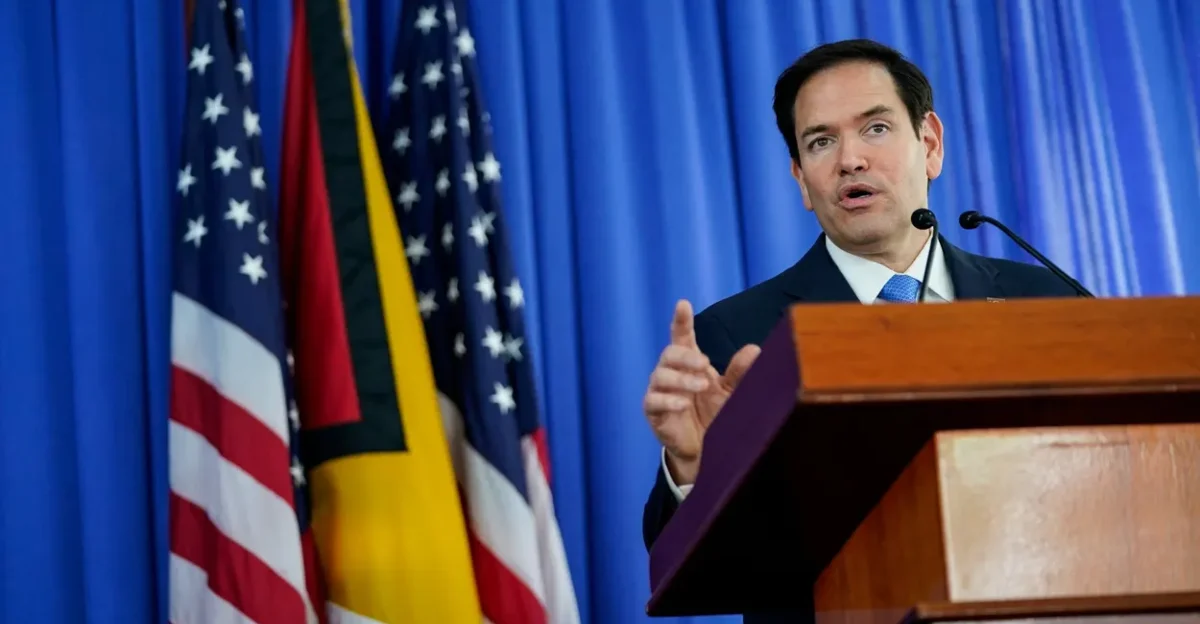
Secretary Rubio defended the enforcement actions, declaring: “Student visas are not a right. There is no constitutional right to a student visa. A student visa is something we decide to give you.”
State Department spokesperson Tommy Pigott characterized the continuous vetting system as ensuring “all foreign nationals on American soil comply with our laws, and that the visas of those who pose a threat to American citizens are swiftly revoked”.
Market Impact Analysis
A December 2025 study of 1,001 hiring managers found that 55 percent of U.S. technology firms experienced critical hiring delays due to visa restrictions, with average delays reaching six weeks. Nearly half reported significant cost increases, while two-thirds stated they cannot find required skills domestically.
The National Foundation for American Policy estimates H-1B restrictions could cost the U.S. economy $100 billion over the next decade.
Global Competitors Respond
Canadian immigration authorities announced accelerated visa processing specifically targeting H-1B holders currently in the United States.
Universities in Germany, Ireland, and Singapore launched aggressive recruitment campaigns targeting students disillusioned by U.S. visa volatility, offering streamlined processing and attractive post-study work opportunities. European venture capital firms are repositioning to capture talent deterred by American immigration barriers.
Historical Context
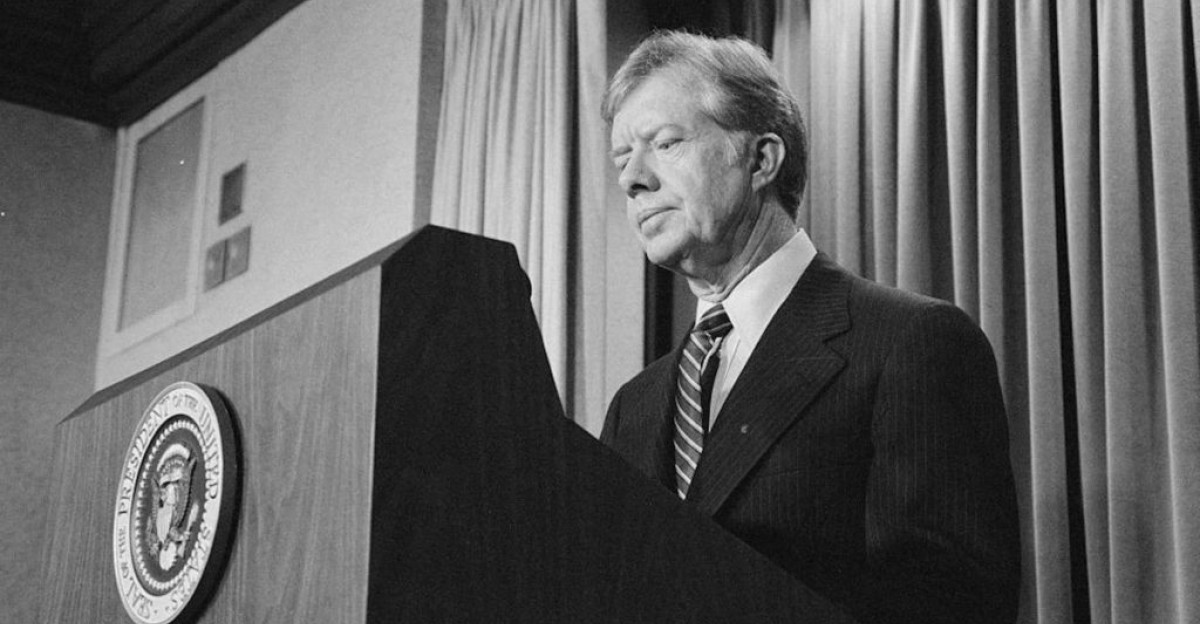
President Carter revoked visas for approximately 7,000 Iranian students during the 1979 hostage crisis—a discrete international emergency with clear foreign policy objectives. The current administration has revoked more than fourteen times that number across multiple nationalities over a sustained period.
Prior administrations maintained annual revocations below 50,000, making the 100,000-plus figure unprecedented in American immigration enforcement history.
Enforcement Mechanisms
Driving arrests trigger automatic visa cancellations through the Continuous Vetting Center’s algorithmic monitoring system. Immigration attorneys report that automated flagging occurs regardless of case disposition, acquittal, or dropped charges.
Many visa holders discover revoked status only when denied boarding at international airports or when university officials detect SEVIS status terminations during routine database audits.
Campus Climate Shifts
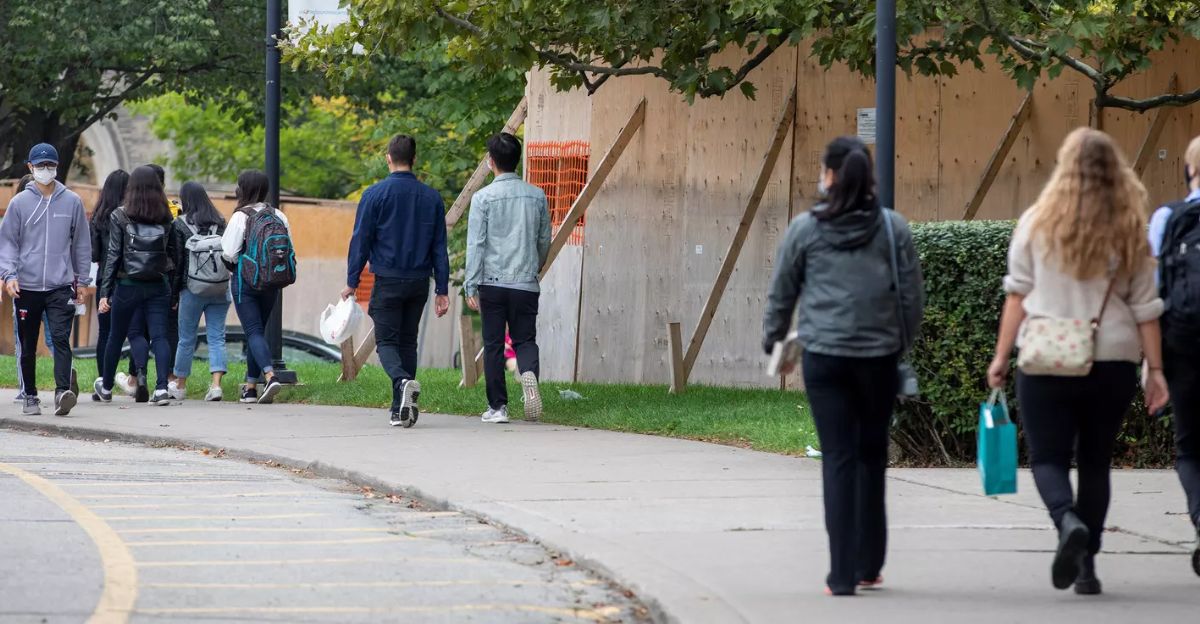
International students described being “afraid to go to lab, class, or even the grocery store” for fear of sudden deportation. Some reported apprehension by undercover officers near their residences without advance notice.
Universities across 32 states have documented student status terminations, with more than 1,800 students losing lawful presence and over 1,000 additional terminations in subsequent months.
Legal Challenges Mount

Federal district courts have issued temporary restraining orders restoring status for limited student groups. The U.S. District Court for the Northern District of Georgia issued a TRO covering 133 international students in April 2025, requiring retroactive status reinstatement.
However, the Supreme Court’s recent reaffirmation of “consular nonreviewability” in Muñoz v. Department of State limits judicial oversight of visa decisions.
Industry Restructuring Accelerates
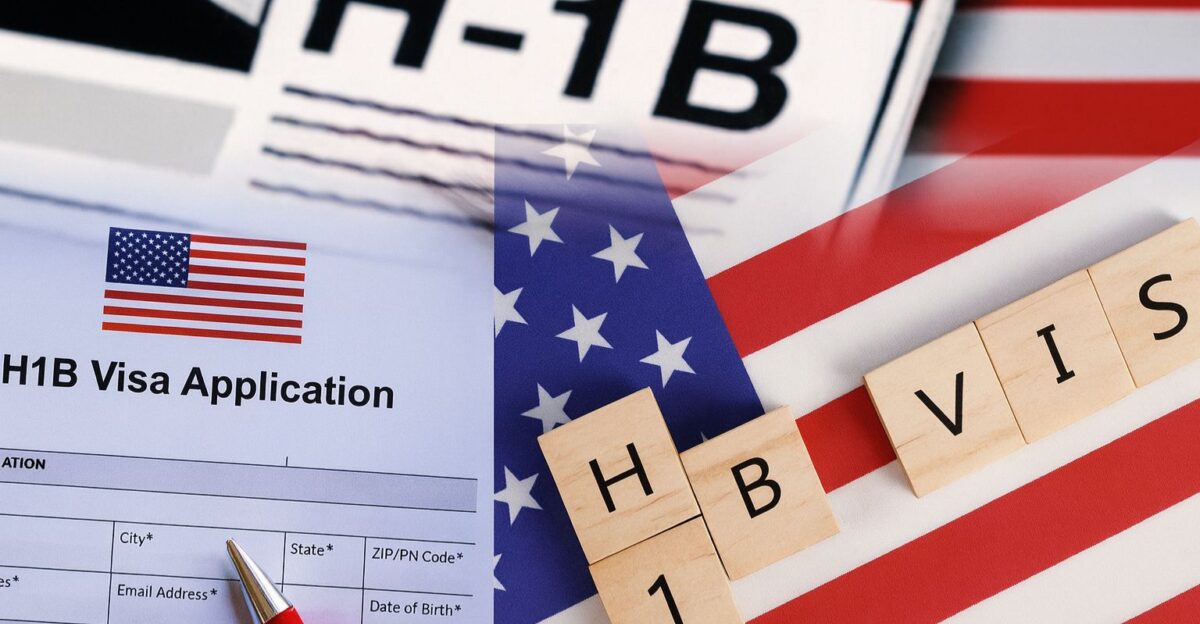
H-1B visa application fees increased to $100,000 under new administration policies, compounding enhanced social media vetting requirements introduced in December 2025.
Technology companies are accelerating nearshoring strategies, establishing development centers in Mexico and Latin America to access engineering talent without navigating U.S. visa constraints. This geographic redistribution may permanently alter innovation ecosystem concentration.
Remittance Flow Disruptions

The 75-country immigrant visa freeze threatens remittance flows to nations dependent on U.S.-based diaspora populations. Countries including Somalia, Haiti, Sudan, Nigeria, Pakistan, and Bangladesh rely substantially on remittances for household consumption, healthcare, and education.
NPR reported that “remittances will likely drop in the near future” due to declining immigration and accelerated deportations.
Denaturalization Expansion
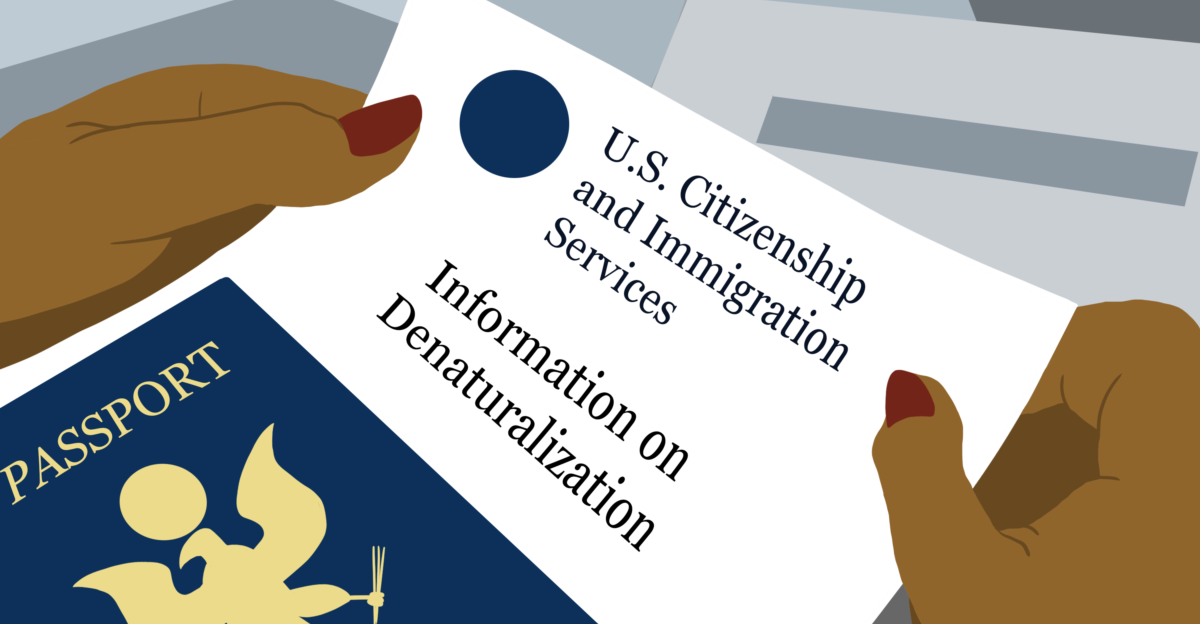
Internal guidance obtained by The New York Times reveals the administration is directing U.S. Citizenship and Immigration Services to refer 100-200 denaturalization cases monthly to the Justice Department during fiscal year 2026—exponentially exceeding the 120 total cases filed from 2017 to 2025.
This “denaturalization quota” extends enforcement uncertainty to naturalized citizens who believed they had achieved permanent status.
What’s Next
Civil society organizations including the ACLU, American Immigration Lawyers Association, and FIRE are mobilizing coordinated litigation and advocacy campaigns. Congressional oversight hearings and bipartisan legislative efforts to constrain executive authority signal sustained political contestation.
The coming months will determine whether courts impose meaningful limits on executive immigration power, particularly regarding First Amendment protections and due process requirements for individuals physically present in the United States.
Sources:
“US revokes more than 100,000 visas since Trump’s return to office.” Al Jazeera, Jan 13 2026.
“Trump administration has revoked over 100,000 visas, State Department says.” Reuters, Jan 12 2026.
“U.S. to suspend immigrant visas from 75 countries over public assistance.” NPR, Jan 14 2026.
“State Department Has Revoked More Than 100,000 US Visas Since January 2025.” VisaHQ, Jan 13 2026.
“US suspending immigrant visa processing from 75 countries.” CNN, Jan 14 2026.
“Trump Admin. Says It Revoked 8,000 Student Visas.” Inside Higher Ed, Jan 13 2026.