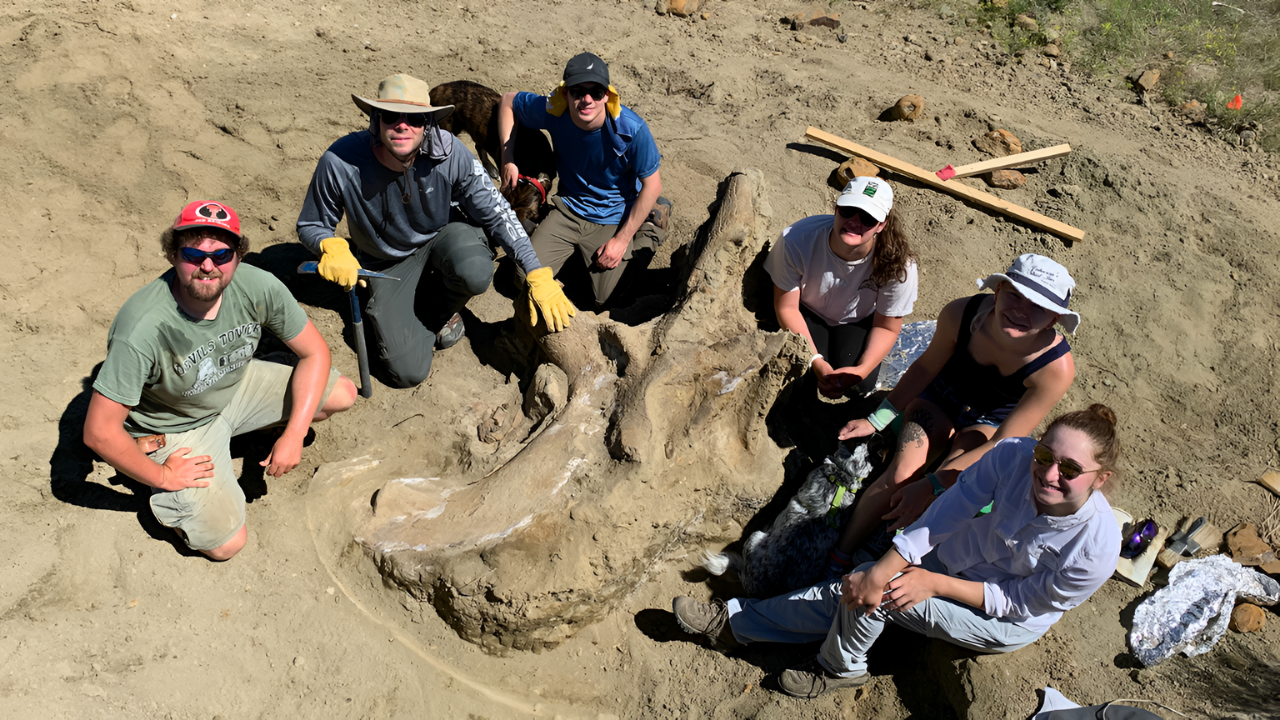
Geologist Dr. Jason W. Ricketts spotted unusual bone fragments eroding from soft shale near Van Horn, Texas, at the Indio Mountains Research Station. The darker pieces stood out against the surrounding rock, revealing a breakthrough that reshaped the known range of an ancient plant-eating dinosaur from 115 million years ago.
Rising Stakes in Paleontology
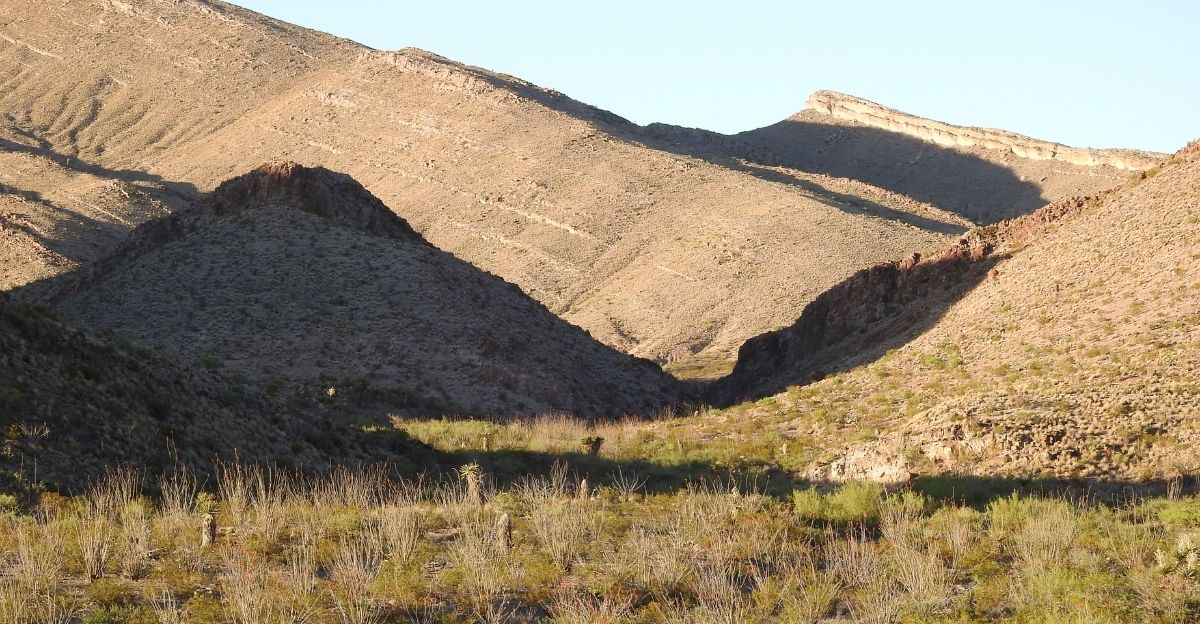
Early Cretaceous fossils from 115 million years ago remain scarce across North America, with a clear bias toward younger, better-preserved specimens in newer rock layers. Older deposits yield only scattered bones, making every fragment valuable. West Texas, largely overlooked for dinosaur remains, holds rocks from ancient river systems that could unlock secrets about prehistoric animal migrations.
Tenontosaurus: A Northern Range Mystery
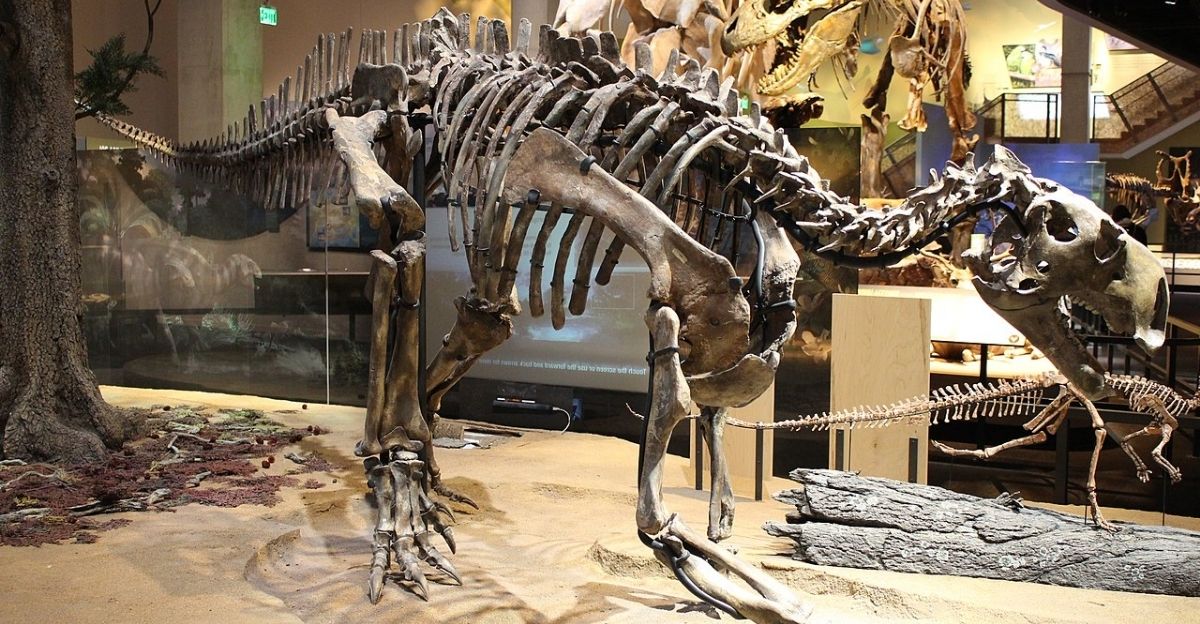
Tenontosaurus, a medium-sized, two-legged herbivore with a long tail stiffened by bony tendons, links to early duck-billed dinosaurs. Known from two species—Tenontosaurus tilletti and Tenontosaurus dossi—its fossils previously came from Montana, Wyoming, Utah, Arizona, and north-central Texas. No records existed from West Texas, leaving a major gap in its distribution.
Prior finds sat about 250 miles east of Arizona sites and 560 miles northeast of the southernmost Texas locations. The Yucca Formation in far West Texas, a Lower Cretaceous unit preserving ancient rivers, had seen little paleontological work. Researchers wondered if Tenontosaurus ranged farther south or if preservation biases hid evidence.
The 2025 Discovery: Extending the Range Southward
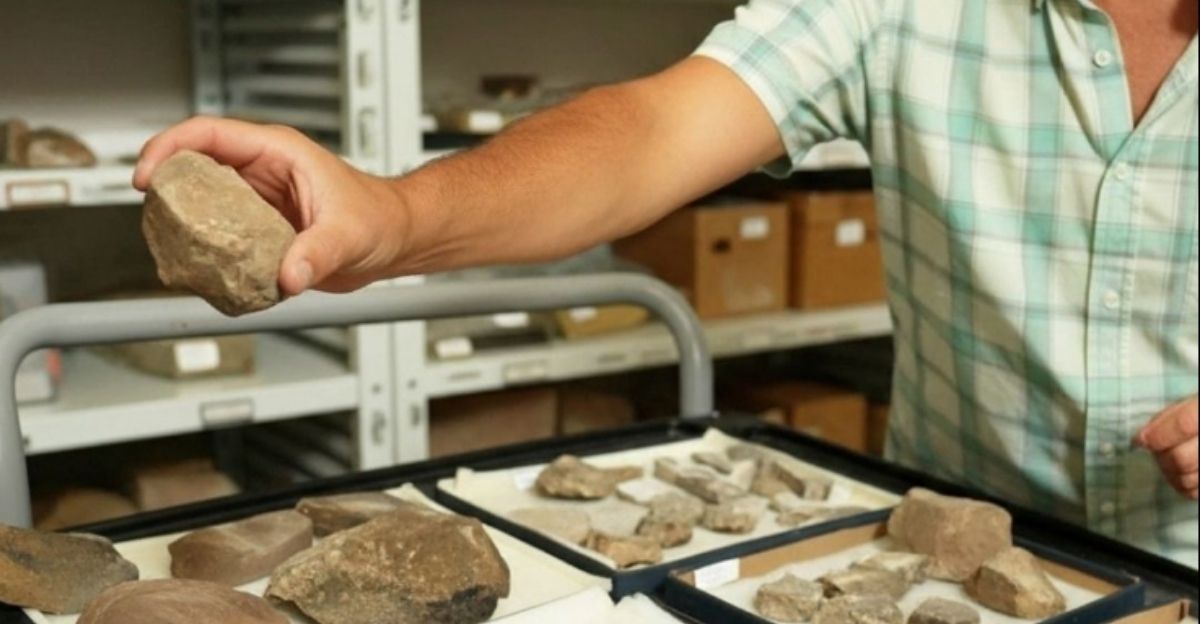
In 2025, while mapping unrelated rocks, Ricketts uncovered three tail vertebrae, a partial femur, and smaller fragments from the Yucca Formation. These matched known Tenontosaurus anatomy exactly and dated to the Aptian-Albian boundary, around 115 million years ago. This marked the southernmost confirmed record, extending the genus’s range hundreds of miles southwest to the Indio Mountains.
Ecological Implications and Future Research
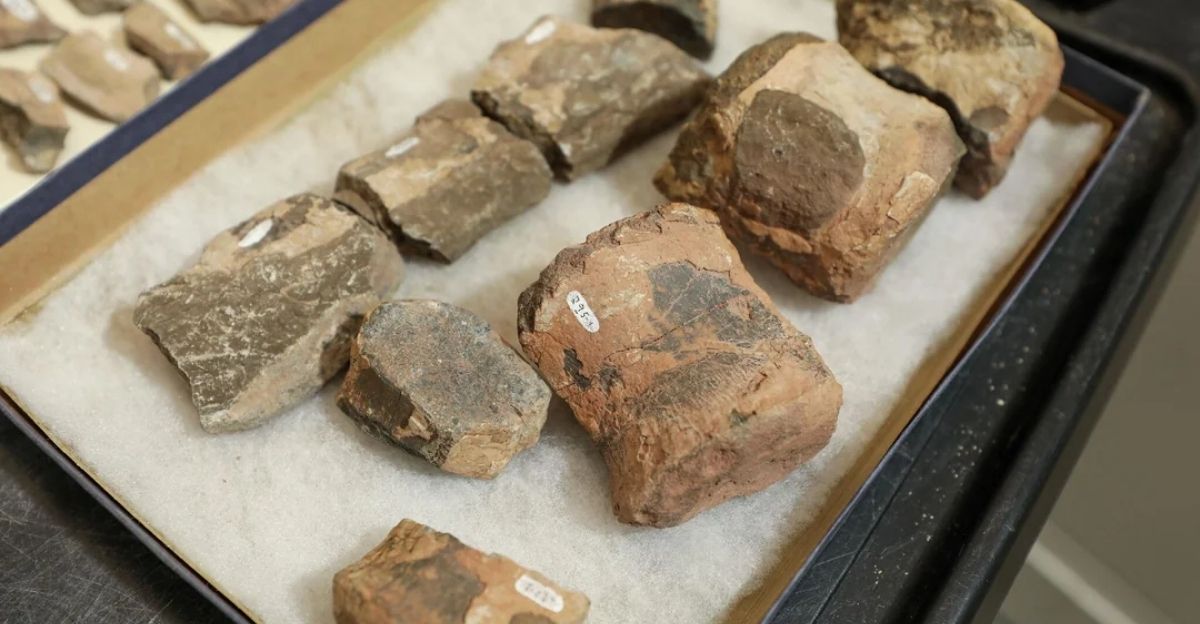
The find upended views of Tenontosaurus as a northern, cooler-climate dweller. West Texas, then a hotter, drier zone, showed the dinosaur’s adaptability to varied environments. The Yucca Formation captured an ancient river landscape where Tenontosaurus shared space with predators like pack-hunting Deinonychus and massive Acrocanthosaurus, plus smaller herbivores. Early flowering plants emerged, supporting complex food webs that reached farther south than previously known.
The discovery spans Tenontosaurus across roughly 1,000 miles north to south in the Western Interior, highlighting its success in diverse states and formations. Fragmentary bones carry outsized weight in early Cretaceous studies, where complete skeletons are rare. Housed in UTEP’s Biodiversity Collections after family-assisted collection, the fossils anchor a 2025 peer-reviewed paper in the New Mexico Museum of Natural History and Science Bulletin. Titled “An Ornithopod Dinosaur from the Lower Cretaceous of West Texas,” it identifies the specimen as “cf. Tenontosaurus sp.” by authors including Ricketts, Dr. Spencer G. Lucas, and Sebastian G. Dalman.
West Texas now emerges as a paleontological hotspot. The 41,000-acre Indio Mountains Research Station draws new fieldwork, with similar exposures promising more finds. Protecting these university lands ensures long-term access amid erosion threats. The breakthrough prompts questions about seasonal migrations, population differences, and interactions in southern ecosystems, setting the stage for deeper exploration of Early Cretaceous life across the Southwest.
Sources:
Phys.org, Dinosaur discovery extends known range of ancient species, November 2025
Earth.com, Rare fossil rewrites the story of early dinosaurs in the Southwest, January 5, 2026
SciNews, New Fossils from West Texas Extend Known Range of Tenontosaurus, November 10, 2025