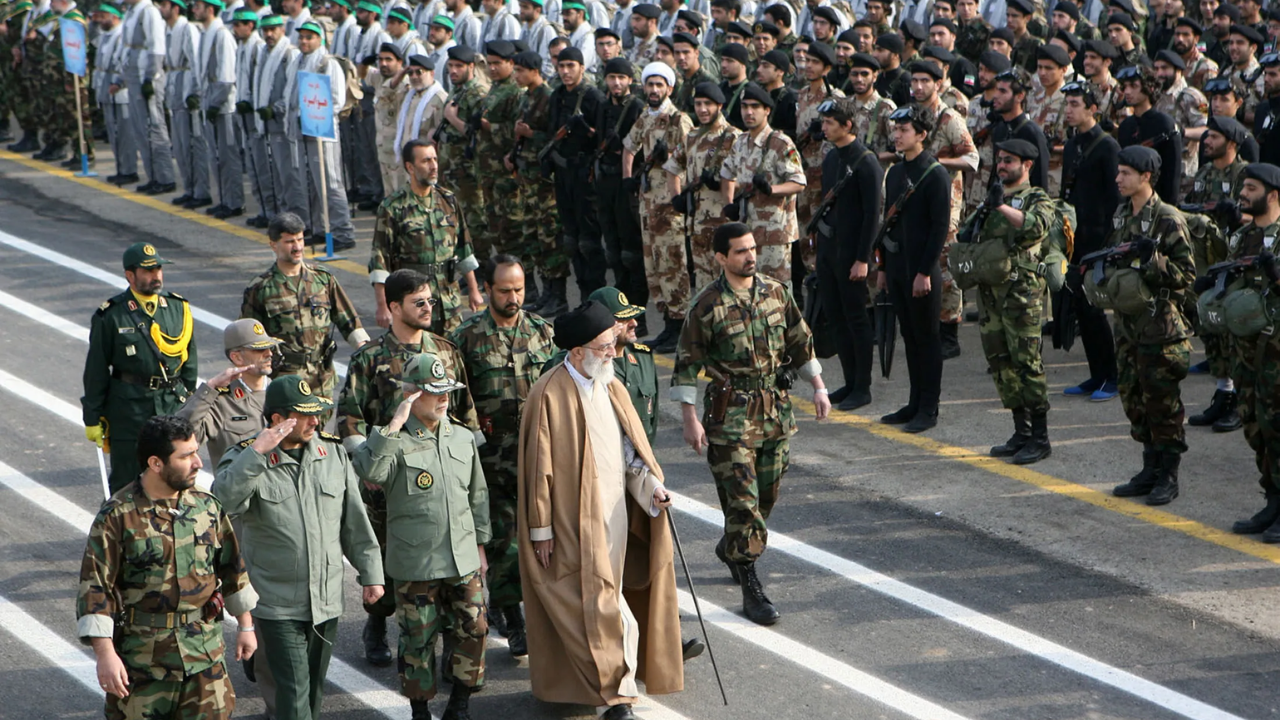
Security forces in Malekshahi County fired military-grade weapons at protesters, killing four and injuring forty others, as Iran’s internet connectivity plunged to just 3% amid nationwide unrest. Hospitals in Tehran and Shiraz filled with gunshot victims, with the death toll reaching at least 65 in what may be the bloodiest uprising in decades.
When the Crackdown Began
Iranian authorities enacted a near-total internet shutdown on January 8, 2026, as protests marked their second week. Security forces arrested over 2,300 demonstrators and used live ammunition, tear gas, and water cannons in all 31 provinces. Supreme Leader Ayatollah Ali Khamenei warned that rioters must be put in their place, underscoring the regime’s resolve to end the dissent.
Why Iranians Are Rising Up
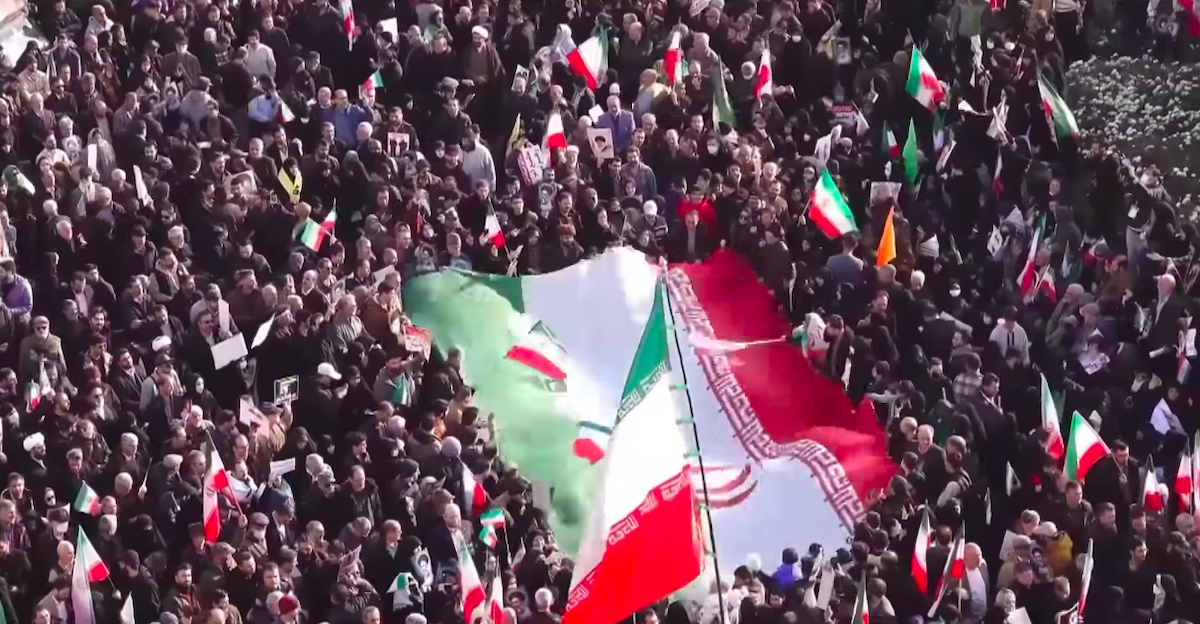
The protests ignited on December 28, 2025, after the rial hit 1.47 million to the U.S. dollar, a collapse representing a 20,000-fold loss in value since 1979. Economic hardship has driven 10 million Iranians into poverty over the past decade, rendering food and medicine scarce for families. Merchant strikes quickly swelled into demonstrations across 285 sites in 88 cities and 22 universities.
The Scale of the Uprising
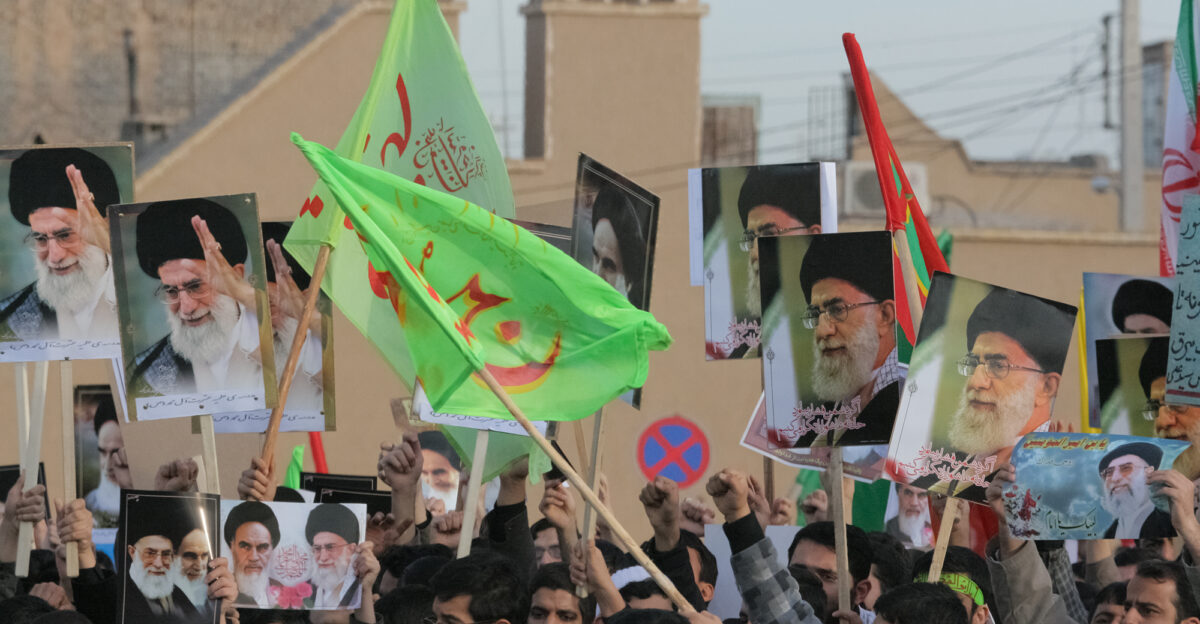
The Human Rights Activists News Agency recorded protests in every province, from Tehran’s Grand Bazaar to Kurdish areas near Iraq. Verified videos captured thousands-strong crowds in Tehran, Isfahan, Shiraz, and Mashhad. Observers described these as potentially the largest since the 1979 revolution, marking a possible turning point for the Islamic Republic.
Revolutionary Symbols Emerge
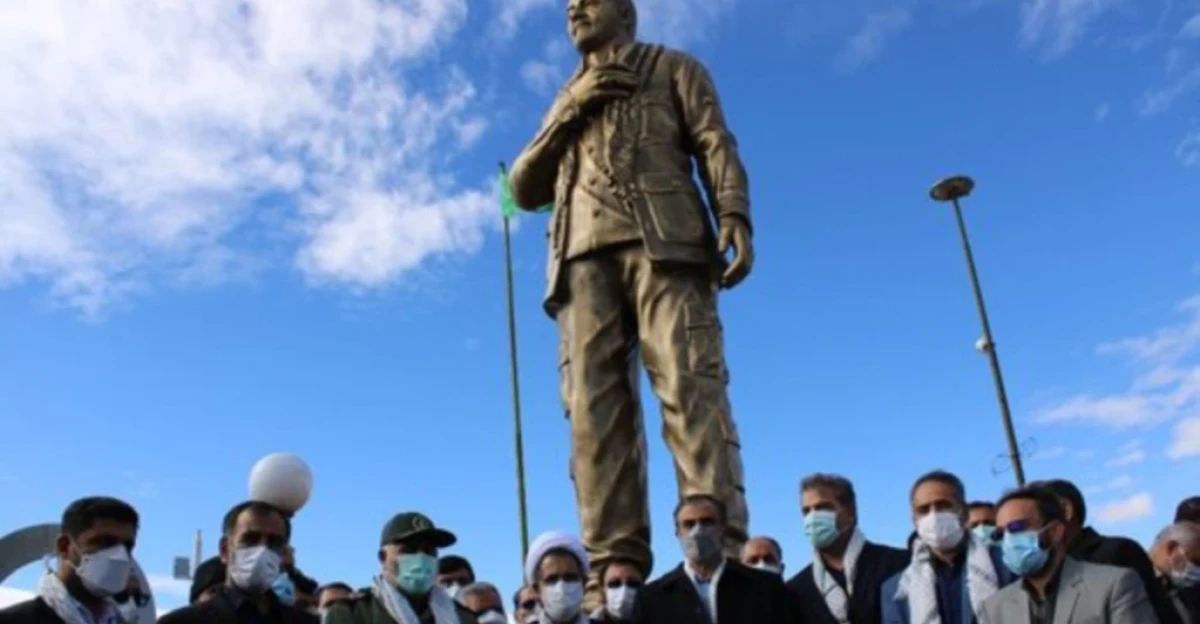
Protesters in Qaemiyeh toppled a statue of Qasem Soleimani, the Revolutionary Guards commander killed by the U.S. in 2020. Crowds hoisted the pre-revolutionary lion-and-sun flag and chanted “Death to the dictator,” “Death to Khamenei,” and “Neither Gaza nor Lebanon, my life for Iran,” rejecting the regime’s foreign engagements.
Digital Siege and Medical Crisis
Cyber experts called the January 8 blackout Iran’s worst ever, exceeding the 2019 protests, with NetBlocks confirming 97% internet loss and full telephone disruption. GPS jamming caused 30% packet loss for Starlink users trying to circumvent controls. In Tehran and Shiraz, hospitals treated surging numbers of gunshot wounded needing surgery; BBC Persian verified 21 deaths, but groups estimated up to 217 in Tehran alone, with the national figure obscured by the blackout.
Revolutionary Guards Escalate
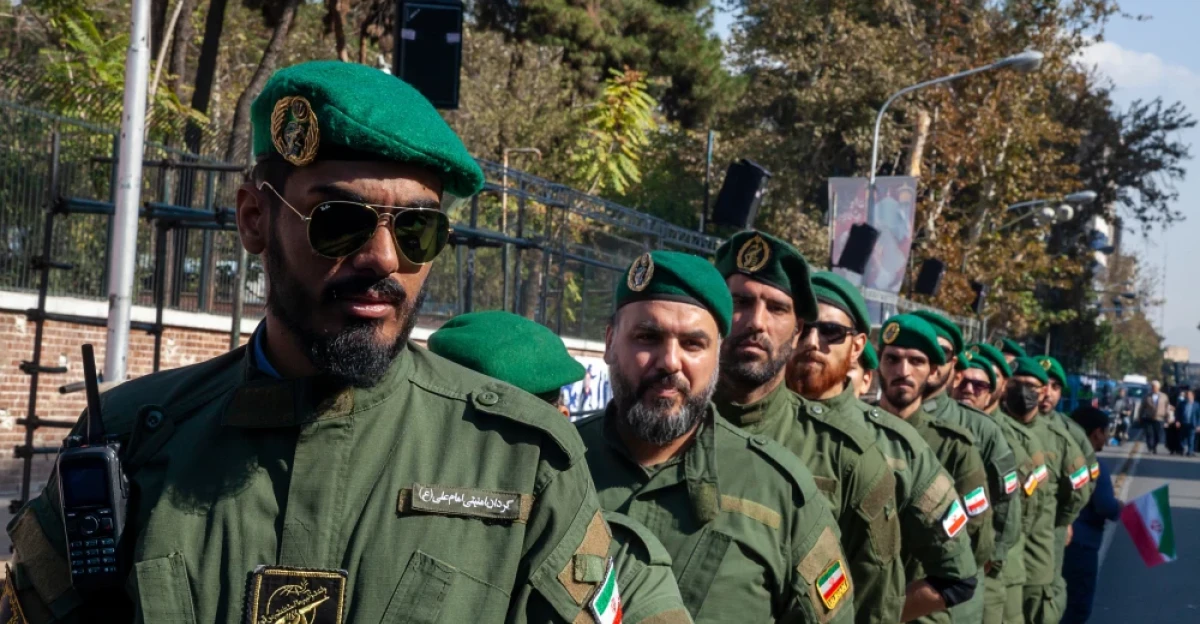
The Islamic Revolutionary Guard Corps ended its tolerance phase, vowing no mercy. State media blamed U.S. and Israeli “terrorist operatives” for the unrest. President Masoud Pezeshkian offered to meet protesters and acknowledged their right to peaceful assembly, but the security forces loyal to Khamenei continued the suppression.
Economic and External Pressures Mount
Sanctions have shrunk Iran’s GDP from $600 billion in 2010 to $356 billion in 2025, costing 20% of oil revenues through evasion tactics despite $193.5 billion in exports over five years. Pezeshkian announced wage hikes up to 43%, a value-added tax cut to 10%, and $8.8 billion in subsidized currency, though experts predict 20-30% rises in essentials. The Revolutionary Guards dominate the economy, fueling corruption.
Geopolitical blows compound the strain: June 2025 U.S.-Israeli strikes hit nuclear sites and leaders, dismantling proxies like Hezbollah and following Assad’s fall in Syria. Nuclear talks stall, with Iran seeking respect-based dialogue while Israel demands full dismantlement. Reza Pahlavi, exiled son of the last shah, called for seizing city centers, nationwide strikes in key sectors, and evening rallies, met with chants of “Long live the king,” though his Israel ties spark debate.
U.S. officials, including President Trump and Secretary of State Marco Rubio, backed protesters with strong warnings. Amnesty International decried the shutdown for hiding violations.
Iran confronts intertwined crises—economic collapse, regional setbacks, and unrelenting protests—testing the regime’s endurance against a population demanding change. The outcome, amid severed communications and global scrutiny, will shape the nation’s path amid shifting Middle Eastern dynamics.
Sources:
“Iran cracks down as protests near 2-week mark.” Associated Press, January 10, 2026.
“Footage shows violent clashes as Iran protests spread to cities.” BBC News, January 7, 2026.
“Iran protests go on despite signal a crackdown is coming.” Associated Press, January 9, 2026.
“2025–2026 Iranian protests.” Wikipedia (Human Rights Activists News Agency documentation), December 28, 2025.
“Internet access cut out in Iran after protests.” Associated Press, January 8, 2026.
“Iran’s army pledges to defend national interests after US backs protesters.” Al Jazeera, January 10, 2026.