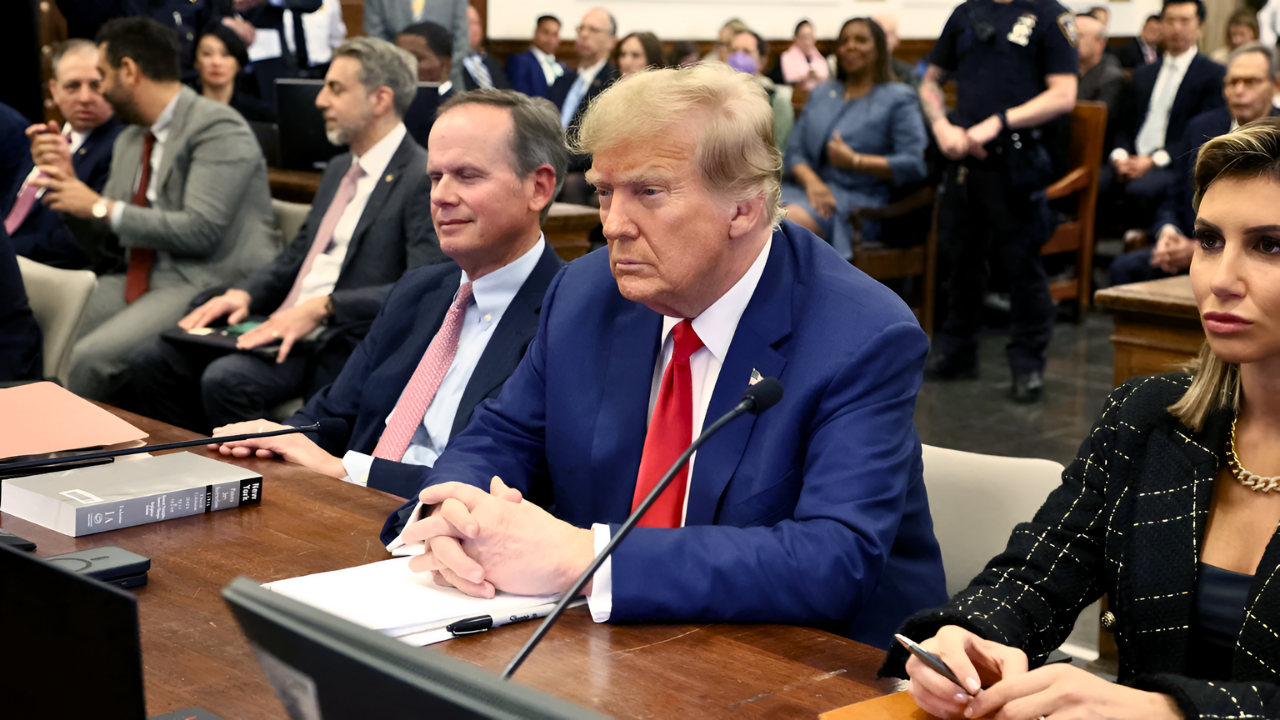
A multimillion-dollar legal bill now looms over Fulton County’s district attorney’s office, triggered by the collapse of the high-profile racketeering case against former President Donald Trump and 18 co-defendants. The demand for $6.26 million in fees, filed under a new state law, threatens up to a quarter of the office’s annual budget and signals a seismic shift in prosecutorial accountability.
The Mug Shot That Captured a Nation
The saga began on August 14, 2023, when a Fulton County grand jury indicted Trump and 18 others on racketeering charges linked to attempts to reverse Georgia’s 2020 election results. The 98-page indictment detailed 161 alleged actions in the conspiracy, with Trump facing 13 felony counts. As defendants surrendered for booking, Trump’s mug shot emerged as the defining image, broadcast worldwide and fueling intense public scrutiny. Internal challenges soon eroded the prosecution’s foundation.
The Romantic Relationship That Unraveled the Prosecution
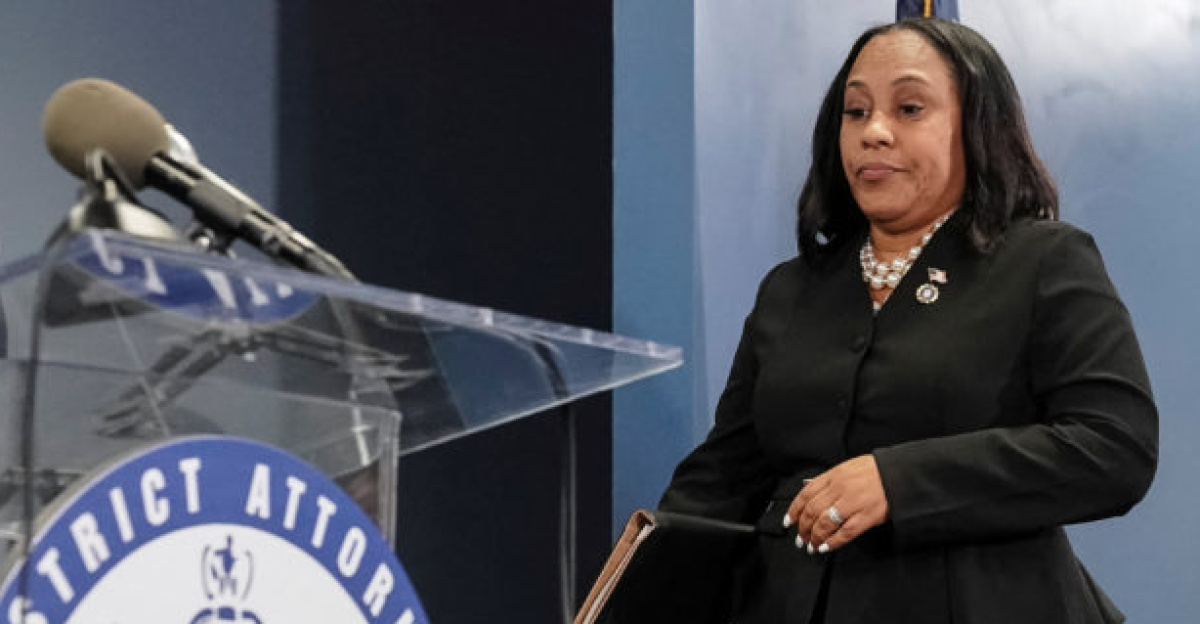
Revelations in January 2024 exposed a personal relationship between District Attorney Fani Willis and special prosecutor Nathan Wade, whom she had hired to helm the case. Wade earned over $650,000, with records indicating the pair took luxury trips together and exchanged more than 2,000 phone calls in 2021 alone. These disclosures prompted defense motions to disqualify Willis, thrusting the conflict into the spotlight and raising questions about the case’s integrity.
Judicial Rulings Reshape the Path
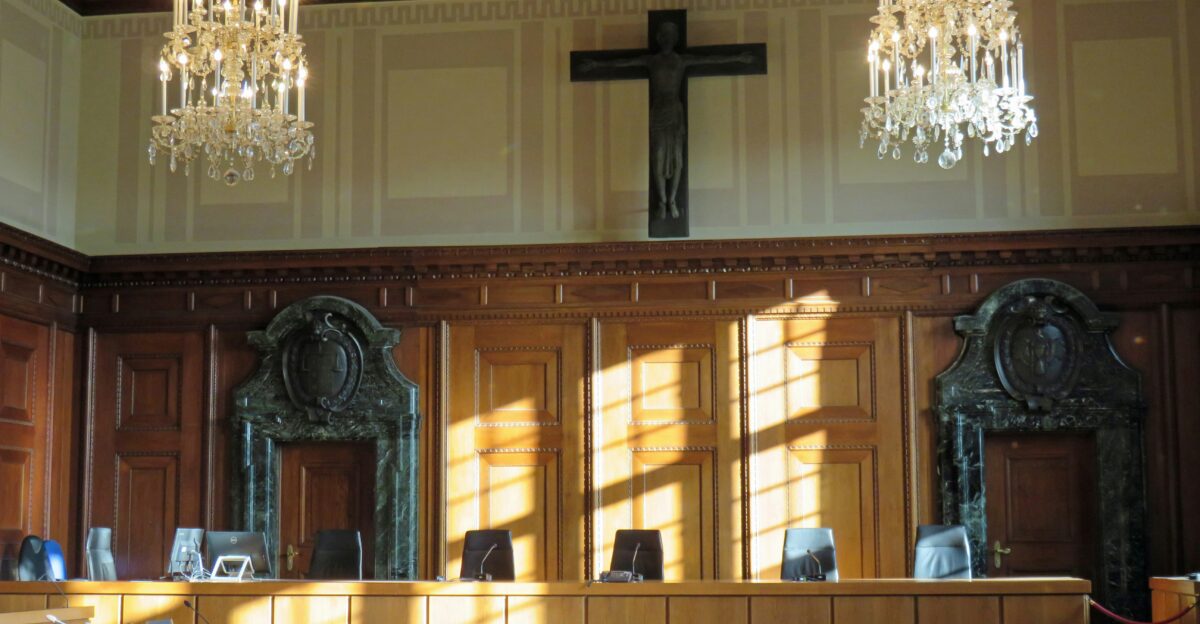
In a February 2024 hearing, Willis and Wade testified that their relationship started after his appointment. Judge Scott McAfee described Willis’s decisions as a “tremendous lapse in judgment” but permitted her to remain if Wade withdrew, which he did promptly. Appeals followed, culminating in a December 2024 Georgia Court of Appeals decision. In a 2-1 ruling, the court removed Willis, emphasizing the “appearance of impropriety” as grounds for disqualification. Willis appealed to the Georgia Supreme Court, but on September 16, 2025, it declined review by a 4-3 margin, ending her involvement.
Replacement Prosecutor Closes the Door
Pete Skandalakis, head of the Prosecuting Attorneys’ Council, took over the search for a successor after multiple experienced prosecutors declined. Facing a November 14 deadline, Skandalakis appointed himself, inheriting 101 boxes of evidence and an 8-terabyte hard drive. On November 26, 2025, he moved to dismiss the case entirely, arguing the alleged conduct originated in Washington, D.C., making it “essentially federal in nature” and lacking viable racketeering elements under state law. The dismissal stunned observers, paving the way for fee recovery claims.
The New Law and Mounting Financial Pressure
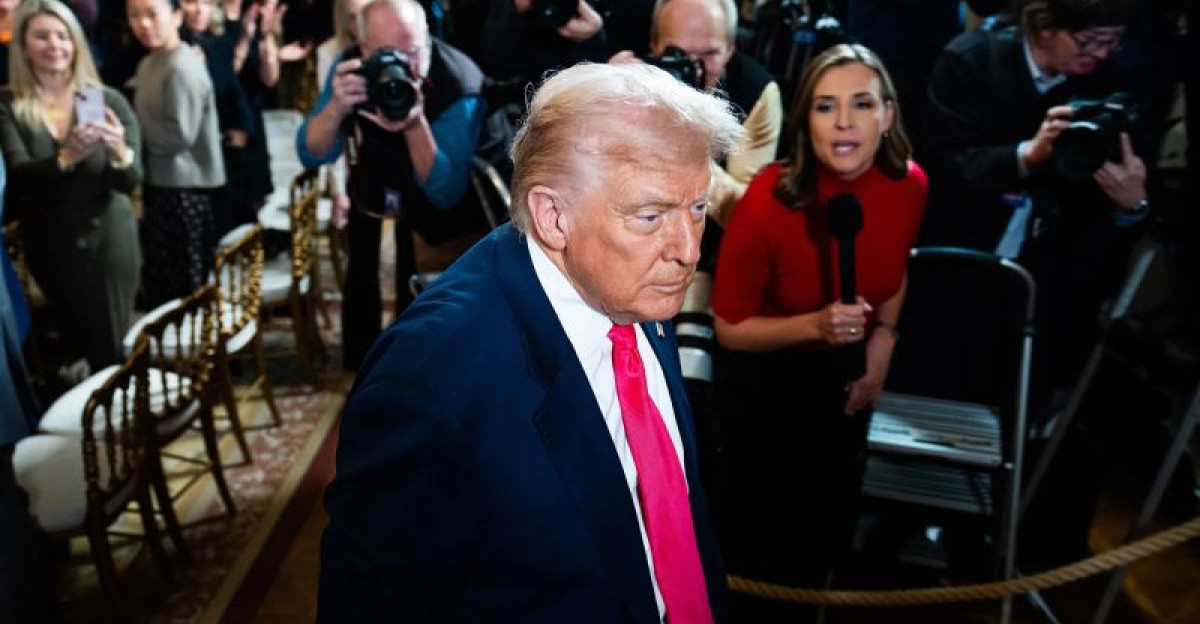
Trump’s attorney, Steve Sadow, filed for $6,261,613.08 in fees on January 8, 2026, invoking Senate Bill 244, signed into law on May 14, 2025. The measure allows defendants to recoup “all reasonable attorney’s fees and costs” when a prosecutor is disqualified for misconduct and the case is dismissed, with payments drawn from the prosecutor’s office budget. Sponsored by State Senator Brandon Beach, the bill passed 35-18 amid debates over its intent to address wrongful indictments. Fulton County’s DA office, with a $40.4 million annual budget, faces this request—nearly 16% of its funds—plus claims from co-defendants like John Eastman and Robert Cheeley, potentially totaling $10-15 million or more.
Lingering Shadows of the Indictment
The original charges encompassed Trump’s January 2, 2021, call to Secretary of State Brad Raffensperger urging him to “find 11,780 votes,” false electors signed by 16 Georgia Republicans, unauthorized access to Coffee County voting systems, and harassment of election workers Ruby Freeman and Shaye Moss. Four defendants—Kenneth Chesebro, Sidney Powell, Scott Hall, and Jenna Ellis—pled guilty in late 2023, receiving probation and fines in exchange for cooperation. Yet the pleas now stand as anomalies in a dismissed prosecution. Freeman endured racist threats after Trump’s accusations, while the Coffee County breach exposed sensitive election data to over a dozen people across states.
Judge McAfee holds the key to fee awards under SB 244, weighing “reasonableness” amid Willis’s constitutional challenge claiming violations of separation of powers and due process. Approval could drain taxpayer funds and deter aggressive prosecutions elsewhere, while rejection or invalidation of the law might preserve local prosecutorial discretion. As co-defendants pile on requests, Georgia’s experiment in fee-shifting tests the balance between accountability and fiscal reality, with national implications for election-related litigation.
Sources
Georgia Court of Appeals decision disqualifying Fani Willis. Georgia Court of Appeals, December 2024
Senate Bill 244. Georgia General Assembly, May 14, 2025
Order declining review of Willis appeal. Supreme Court of Georgia, September 16, 2025
Motion to dismiss State of Georgia v. Donald J. Trump. Prosecuting Attorneys’ Council of Georgia, November 26, 2025
Motion for attorney fees and costs. Fulton County Superior Court filing, January 8, 2026