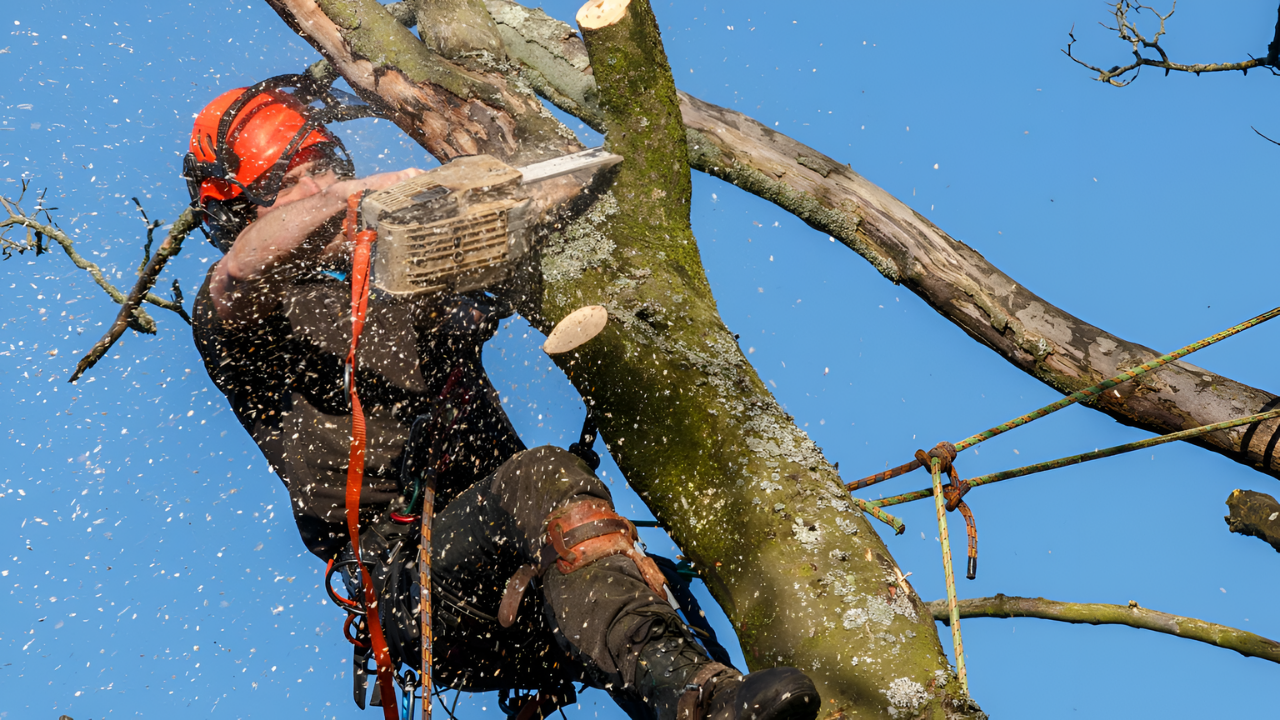
Homeowners across America plant popular shade trees for beauty and longevity, unaware that hidden root systems often threaten foundations, sidewalks, and utilities. Oak trees, with their 90 native species prized for strength, reveal this danger most starkly: roots stretch 2-3 times wider than the canopy, so a 40-foot tree spans 80-120 feet underground, invading neighboring properties.
Structural And Pavement Damage
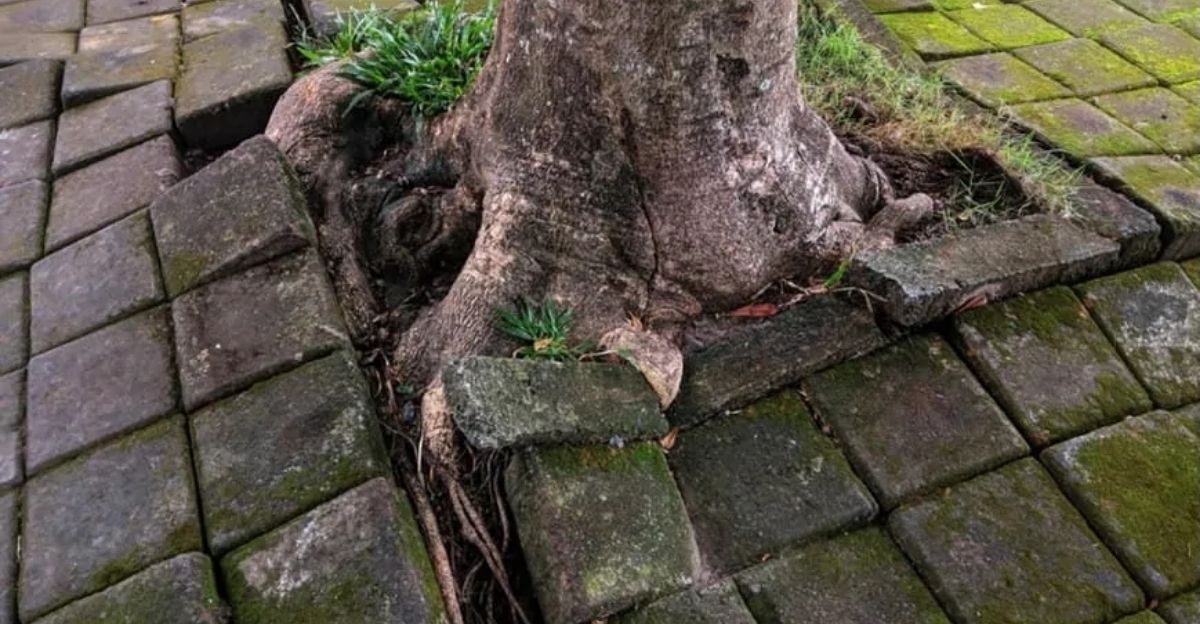
Oak roots damage structures through direct pressure and soil desiccation. Growing horizontally for water and nutrients, they press against concrete, creating stair-step cracks in brick or block walls. Doors stick, floors heave, and foundations shift as roots deplete soil moisture. Prevention demands spacing trees 25-30 feet from buildings, installing root barriers for existing ones, and routine inspections for cracks near mature specimens.
Silver maples allure with rapid growth and shimmering leaves, but their shallow, aggressive roots wreak havoc in suburbs. These networks clog pipes, buckle sidewalks, and compete with lawns, surfacing as tripping hazards. Mature trees progressively upheave driveways, infiltrate foundation gaps, and demand thousands in repairs. Early monitoring spots minor lifts before they escalate; proximity heightens risks to all nearby pavement and utilities.
Norway maples build shallow roots that skim the surface, exploiting cracks in sidewalks, patios, and foundations. Fast establishment leads to visible heaving in 10-15 years, displacing pavement and utilities. Roots favor horizontal expansion over depth, clashing with lawn grass and ground-level features. Keep plantings 25-30 feet from structures; root barriers or removal address established threats, with professional oversight essential.
Water-Seeking And Invasive Roots
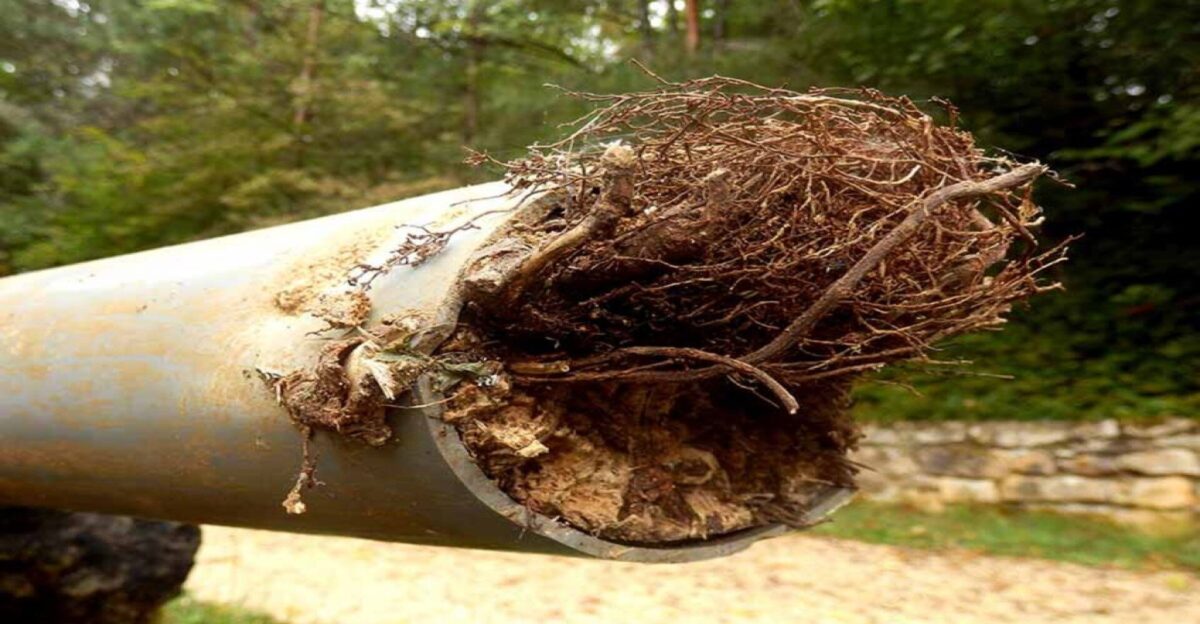
Poplars provide quick shade through towering growth, blending shallow and deep roots that target every soil opportunity. They infiltrate old foundation cracks, widening them over time, and seek moisture beneath homes, prompting settlement. Eastern cottonwood and Lombardy varieties prevail in cities. Plant with root barriers; for trees within 40 feet, inspect during dry spells when roots activate aggressively.
Graceful weeping willows draw water relentlessly with deep, invasive roots, ruining sewers, drains, and pavements. Canopies span 50-60 feet, demanding space, while roots clog lines and crack concrete near moist spots like septics. Disease vulnerability adds upkeep costs. Maintain 50 feet from homes, utilities, and wells; their aggression suits only expansive lots.
White ash grows swiftly with outward roots that contact sidewalks and foundations directly. Over 15-20 years, expansion cracks walls via pressure and water extraction, causing uneven settling. Minimum 30-foot setbacks protect septics and utilities; close monitoring, barriers, or removal counters maturing risks.
Black locust thrives in the East, cloning via roots and seeds for hard-to-eradicate colonies. Lateral roots exploit concrete weaknesses, seeking water amid rapid growth. One tree’s remnants sprout indefinitely, perpetuating damage. Professionals handle removal to avoid resurgence; avoidance prevents long-term property woes.
High-Maintenance Problem Trees
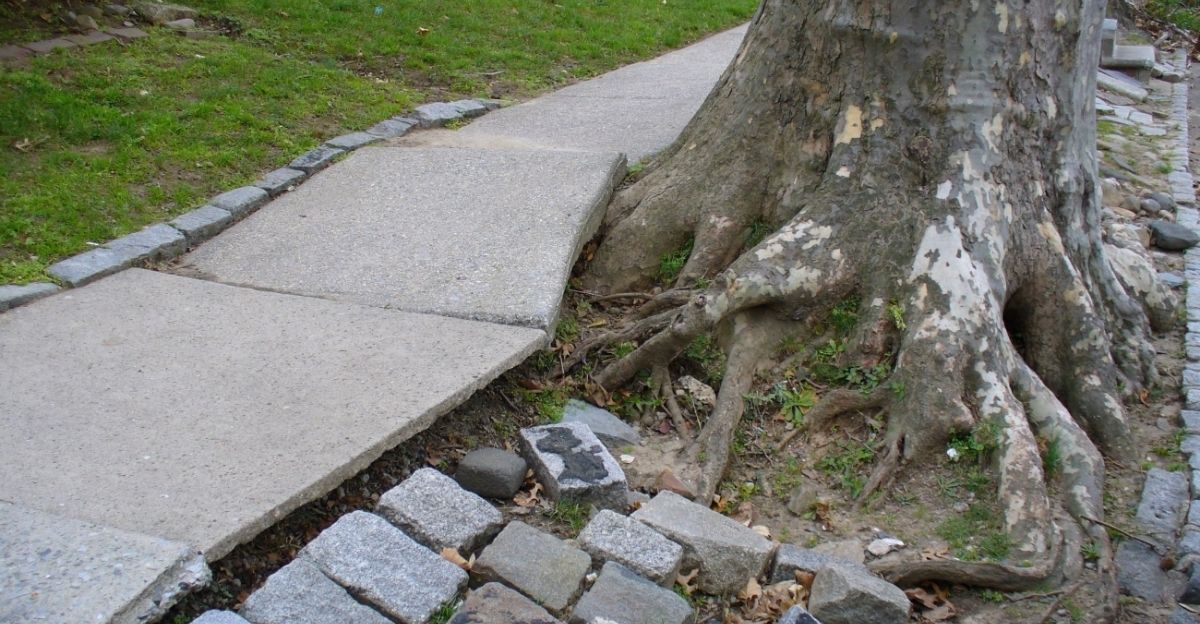
Boxelders sprout readily with shallow roots that lift sidewalks, patios, and slabs upward, fostering cracks and differential movement. Brittle wood and bugs compound issues; cities often ban them. Barriers aid management, but short lifespans favor removal and safer replacements near structures.
Eastern cottonwoods chase water along lines and septics, clogging and cracking them while drying foundations. Vast systems develop fast in moist zones, heaving pavements. Distance of 50-60 feet is critical; young trees demand prompt professional assessment.
Southeastern sweetgums scour topsoil for resources, cracking shallow patios, sidewalks, and utilities within 24 inches. Spiky pods and weak branches add nuisances. Barriers protect, but proximity warrants removal for constrained yards.
These trees underscore a core landscaping truth: beauty demands vigilance. Homeowners face repair bills running thousands, but strategic planting, barriers, and inspections preserve property value. As urban density rises, selecting non-invasive species will safeguard homes against nature’s unseen advances.
Sources:
Tree Journey, 9 Trees That Can Damage Your Foundation & How To Fix, 2025
American Climbers, Tree Roots Foundation Damage MetroWest MA, 2025
Progressive TreeHow Tree Roots Affect Sidewalks, Pipes, and Foundations in the Chicago Area2025
MSU Extension, Reducing Damage Caused by Tree Roots, No date provided
Southern Living, 12 Trees That Will Ruin Your Yard2025
GreenThumb Ottawa, Can a Tree Roots Damage Foundations, 2025