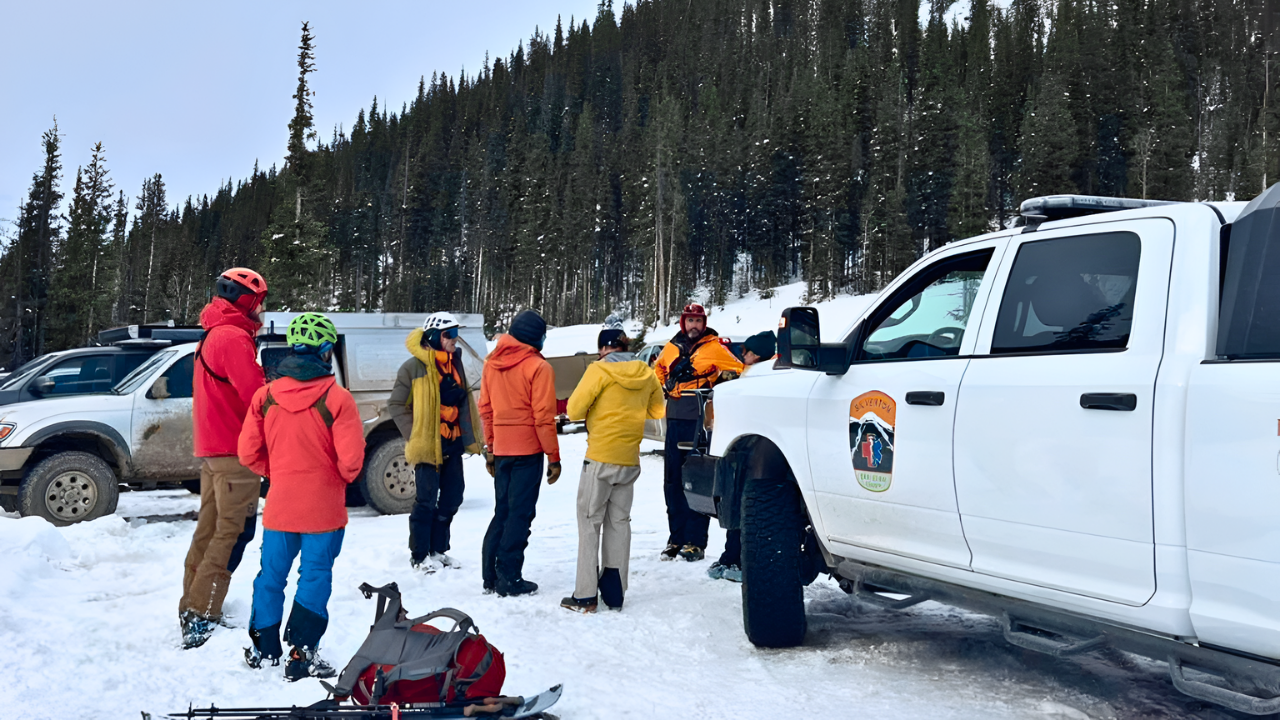
Three avalanches killed three people across Wyoming and Washington between January 10 and 12, 2026. This was the deadliest weekend of the season.
The victims were skilled backcountry enthusiasts, not inexperienced climbers. Temperatures ran 10 to 20 degrees Fahrenheit above normal.
This extreme heat destabilized snowpack across millions of acres. Suddenly, slopes that seemed safe became deadly traps for travelers.
Season Already at Critical Threshold

Four people died before this deadly weekend—in California and Wyoming. The death rate seemed unusually fast. U.S. records show an average of 22.5 avalanche deaths yearly over eleven winters.
By mid-January, the season had already claimed seven deaths. That’s 35 to 40 percent above normal for just six weeks of winter.
The Pattern Emerging
Forecasters identified a concerning trend from December 2025 to January 2026. Record heat covered every major Western watershed. California, Nevada, Washington, Wyoming, Colorado, Arizona, Utah, and New Mexico all hit their warmest December records.
Heat wasn’t confined to low areas. Mountain passes at high elevations saw temperatures climb 15 to 20 degrees Fahrenheit above normal. This altered how snow bonds and retains its strength.
The Ticking Trigger
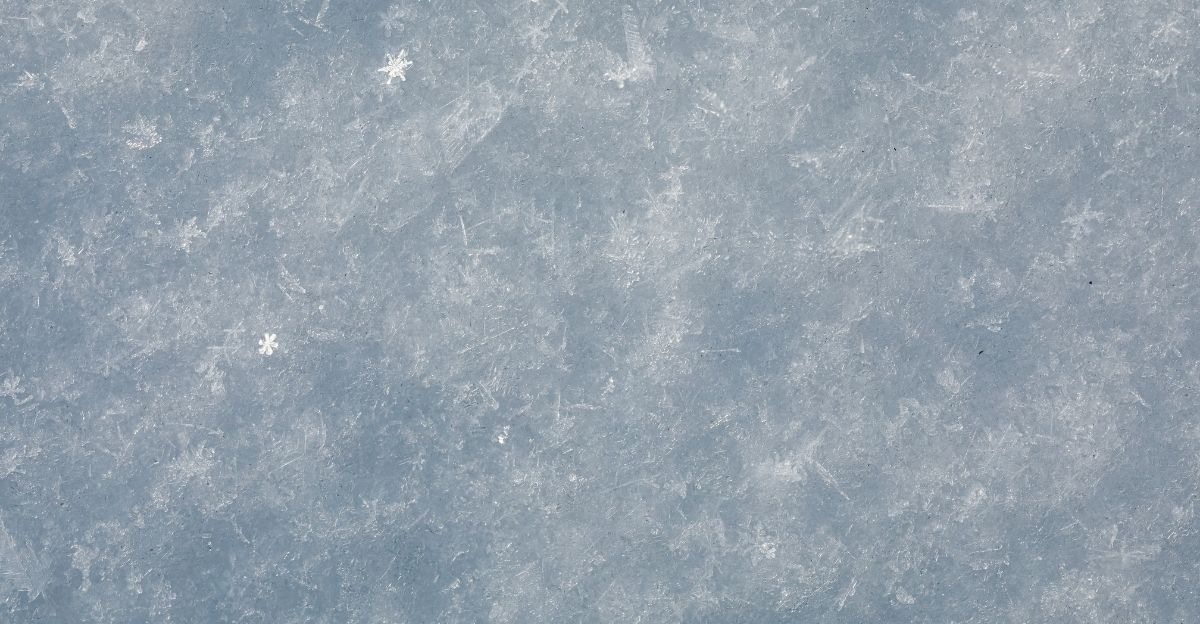
Fresh snow followed by rapid warming created deadly conditions. New snow landed on weakened snowpack. Warm air and rain soaked into the layers below. New snow—called a “slab”—sat loosely on weak layers.
These weak layers had faceted crystals and depth hoar, resulting from weeks of cold temperatures. When the slab’s weight exceeded the strength of the weak layer, it failed. Add a skier or snowmobiler, and the slope collapsed violently.
The Deadly Weekend Unfolds
Three people died in separate avalanches across Wyoming and Washington, January 10-12, 2026. On Friday, January 10, Paul Markoff, 38, and Erik Henne, 43, were caught skiing near Longs Pass, Washington.
Two companions escaped. On January 11-12, Nicholas Bringhurst, 31, triggered an avalanche while snowmobiling near Labarage Creek, Wyoming. He was buried 2 to 3 feet deep. All three died. The season total reached seven.
Wyoming’s Toll
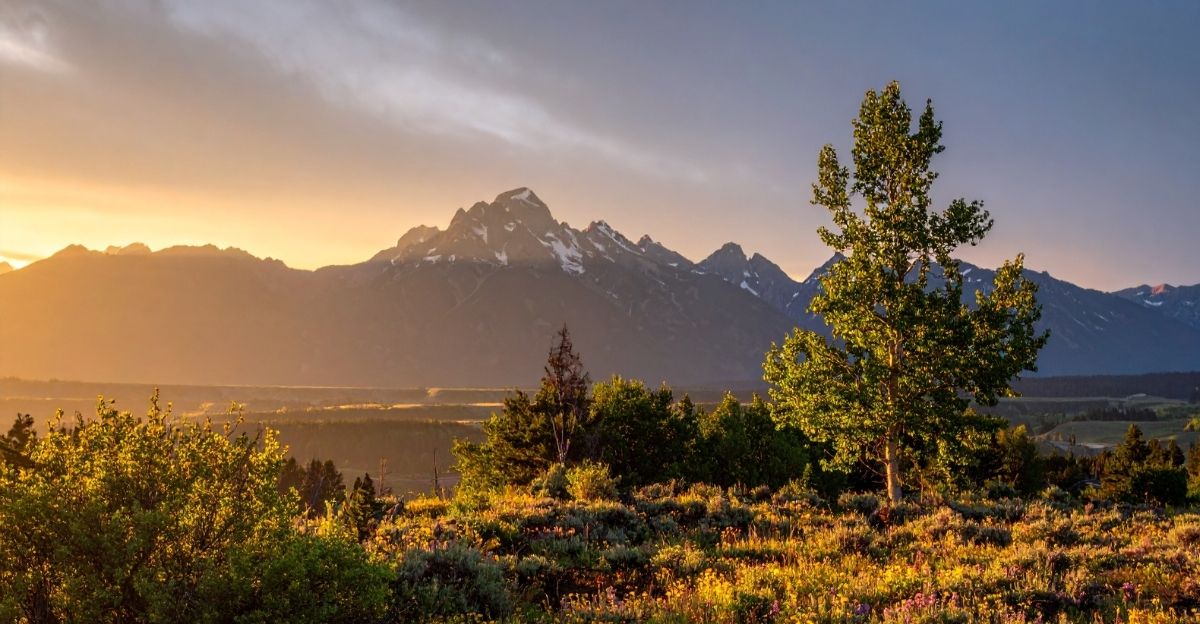
Wyoming suffered hard this season. Nicholas Bringhurst’s death marked the second snowmobile avalanche fatality in weeks. Another snowmobiler died near Radio Tower Peak at Togwotee Pass in early January.
On December 20, skier Nathaniel “Natty” Schneider, 31, of Jackson, was buried on Teton Pass. He died six days later from his injuries. Three deaths in six weeks represent an exceptional and tragic cluster for one state.
The Washington Disaster
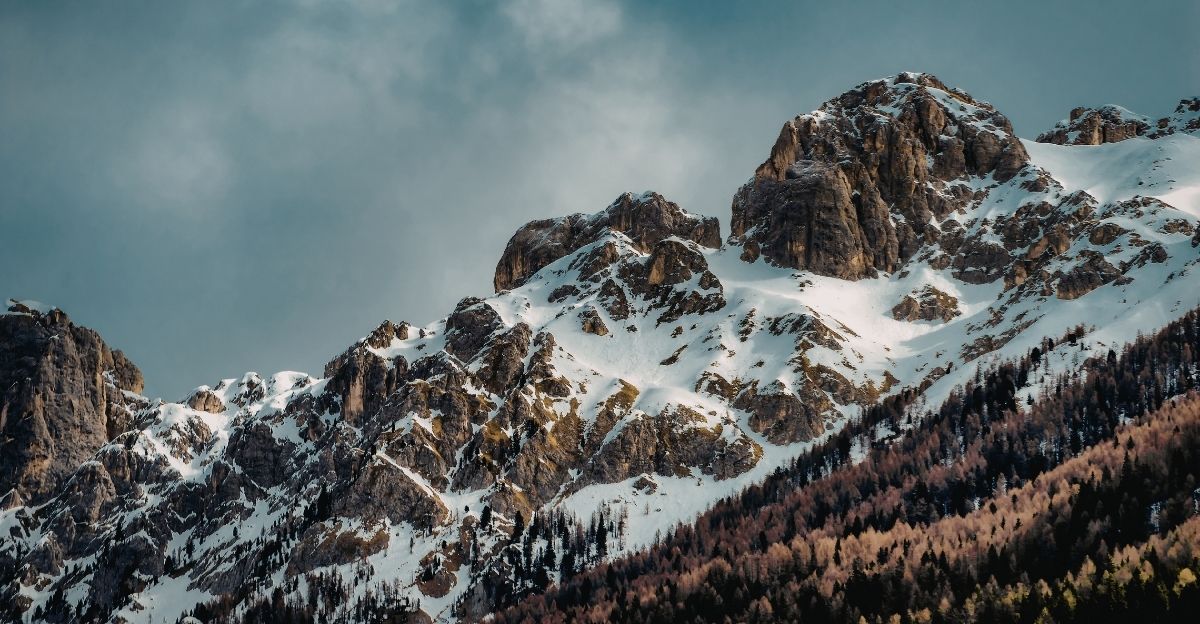
The Washington deaths occurred in the Cascades near Longs Pass. This is a popular backcountry skiing zone. Paul Markoff and Erik Henne were experienced skiers on a routine weekend trip. An avalanche swept both into a ravine.
The rescue team saved two companions that evening. This showed both the terrain’s accessibility and its harsh nature when conditions fail. The rescue only partly softened the tragedy.
The Science of Slab Formation
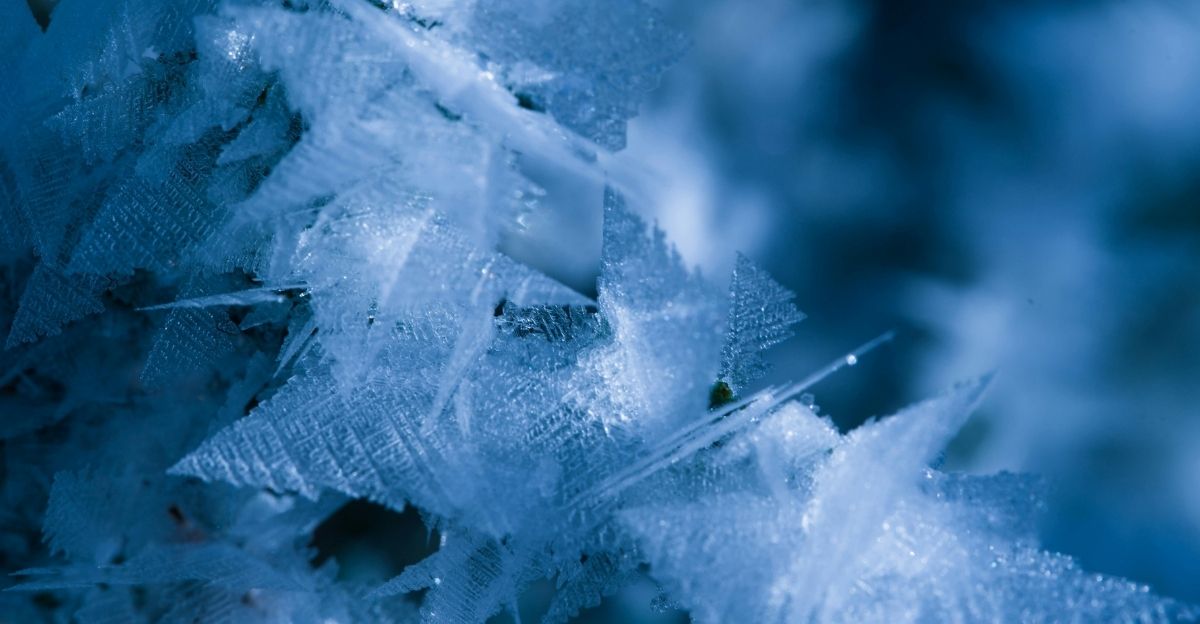
Forecasters explain what caused these deaths. Warm air and sunlight penetrate the snowpack that has been frozen for weeks. Water molecules in the snow begin to move. If weak layers exist below—made of faceted crystals or depth hoar—warm water seeps down.
This weakens bonds between the solid slab above and the fragile layers beneath. Shear strength can drop 50 to 75 percent. Then any added weight triggers inevitable slope failure and catastrophic collapse.
National Forecasting Response
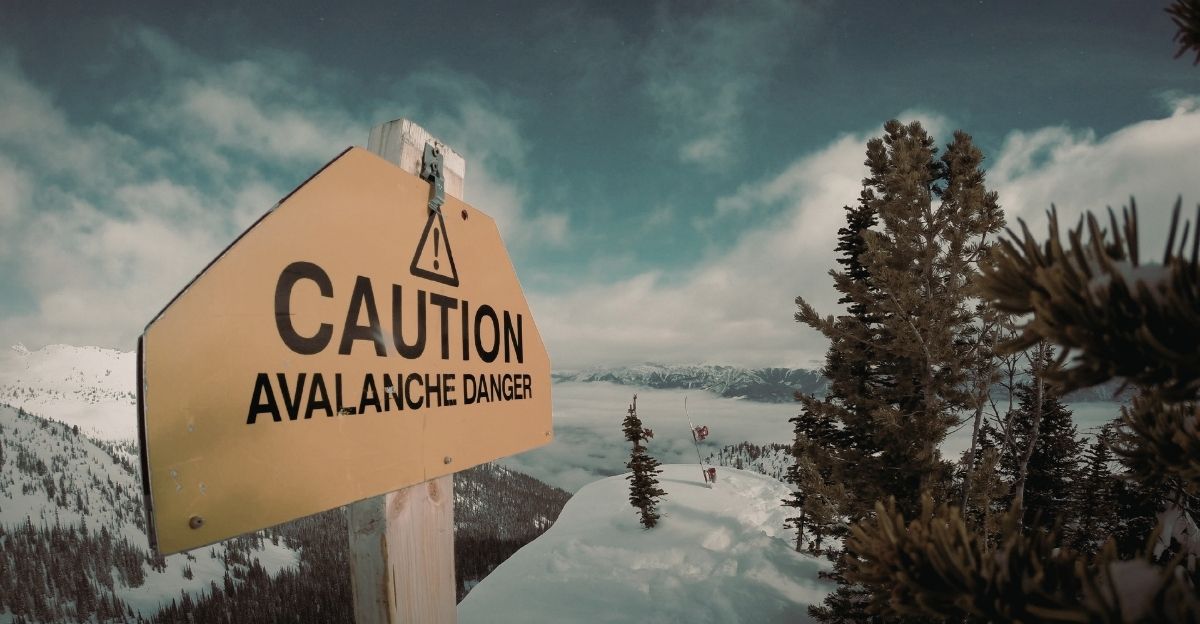
The National Avalanche Center coordinates U.S. avalanche warnings. It issued explicit alerts in mid-January warning of “considerable” to “great” danger across the Rockies and Cascades. The Northwest Avalanche Center covers Washington and Oregon.
It issued accident reports and warnings after the Longs Pass incident. It urged skiers and snowmobilers to check forecasts daily. The Bridger-Teton Avalanche Center covers Wyoming. It issued elevated danger warnings after the Labarage Creek and Togwotee Pass incidents.
The Hidden Cost: Seasonal Trend Reframing
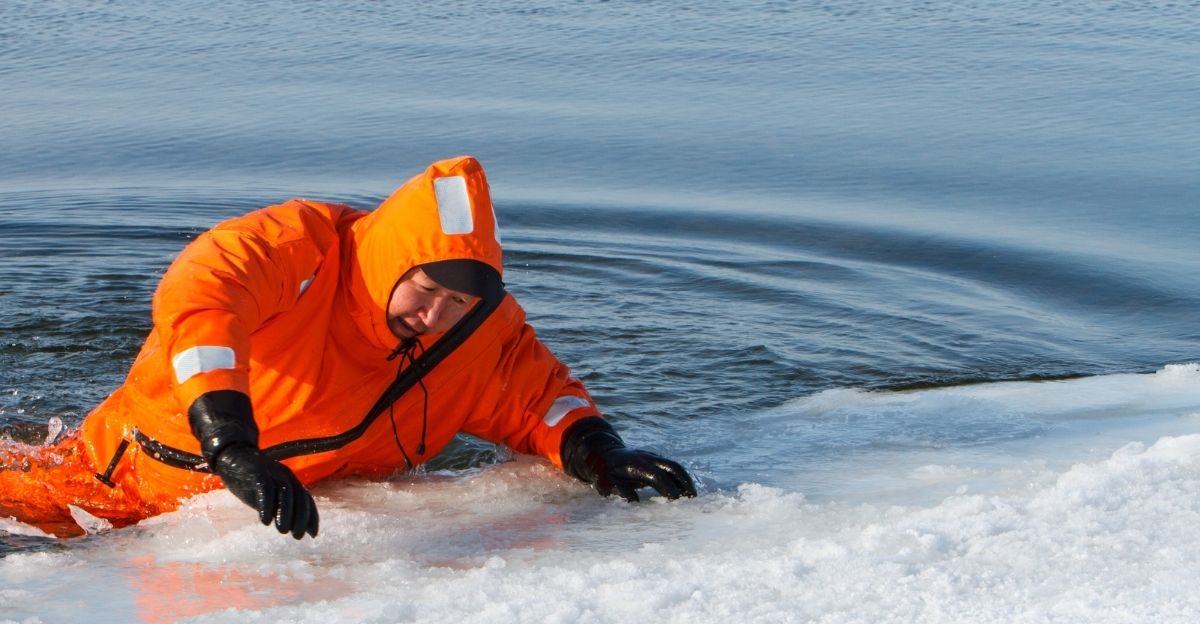
Peer-reviewed research published in May 2025 revealed critical facts. Asphyxia—not trauma—causes most avalanche deaths. This reframes deaths not as dramatic impacts but as silent suffocation within seconds of burial. Rescue teams race against time.
Victims buried deeper than 3 feet have less than 20 percent survival odds after 35 minutes. Yet many backcountry users ignore these odds. They venture into dangerous terrain without airbags or beacon transceivers.
Snowmobiler Frustration Peaks
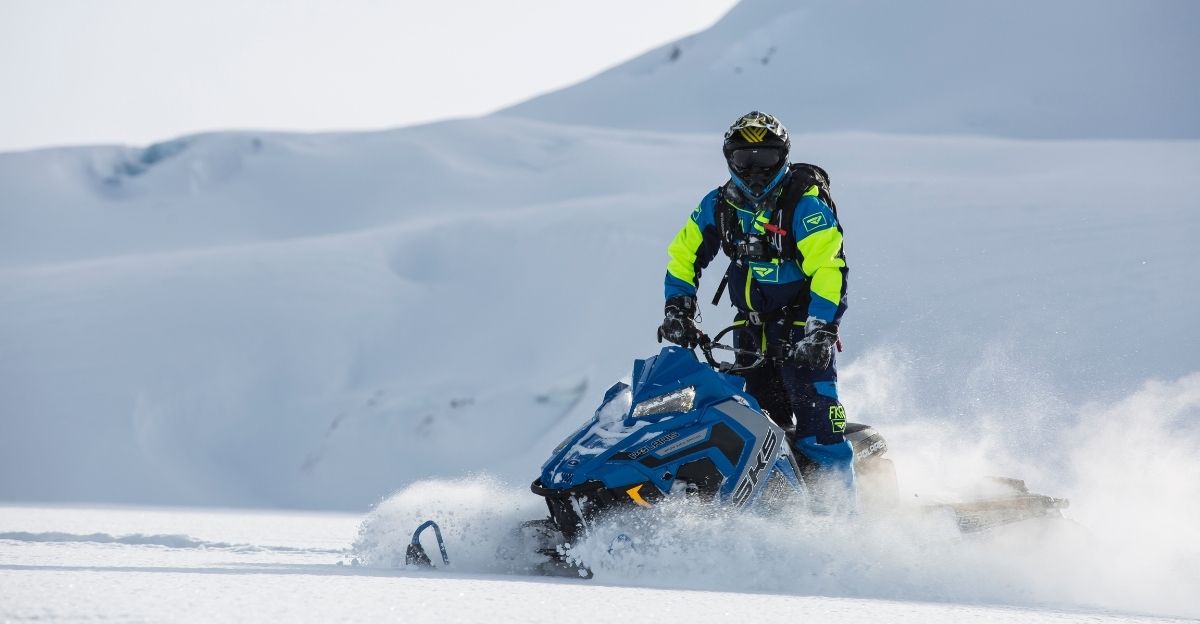
Snowmobilers express anger over closures and cascading warnings across backcountry routes. Some riders dispute the danger report. They cite local observations and past, milder seasons. Online forums and social media are filled with complaints.
Riders claim forecast centers overreact to the three deaths. Yet, avalanche professionals admit that public trust in forecasts is eroding. This occurs when warning levels appear inconsistent, or accidents happen on slopes rated as “moderate” or “considerable”.
Regional Forecast Center Evolution
Both the Bridger-Teton and Northwest Avalanche Centers have upgraded their forecast protocols. They added real-time slope-specific alerts. Smaller, under-resourced regional centers published frequent updates—sometimes hourly during peak danger.
The National Avalanche Center held a conference call on January 13. State emergency management offices joined. They aligned messaging. This ensured law enforcement and ski patrol interpreted danger ratings the same way.
Education and Beacon Adoption Lag
Safety advocates highlight a gap between recognizing danger and taking action. Studies show fewer than 40 percent of backcountry users carry beacon transceivers and probes.
Training courses—such as AIARE Level 1 and Level 2 certifications—fill up quickly but come at a cost and require a significant amount of time.
After the three January deaths, enrollment in rescue clinics and beacon training spiked across Wyoming, Washington, and California. Tragedy teaches faster than statistics.
Expert Skepticism on Short-Term Outlook
Meteorologists and forecasters express doubt about near-term relief. A polar vortex pattern is expected to arrive in late January. It brings cold Arctic air to the Midwest and Plains. The West will see only brief relief.
Long-range climate models predict that above-normal warmth will return by early February. This will reactivate slab formation and weak-layer processes. Some experts warn this season could rank in the top five deadliest in U.S. history if warming continues through March.
The Unanswered Question
As mid-January arrives with seven confirmed deaths and ongoing rescues, one question troubles forecasters and outdoor fans.
Will the backcountry community respond with training, beacon adoption, and caution? Or will constant warnings breed carelessness? Will new adventurers enter the same unstable terrain?
The mountain feels indifferent to human plans. There is no simple answer. Knowledge of danger and the will to heed it remain separate, often tragic distances apart.
Sources:
The Weather Channel – Avalanches Leave 3 Dead In Wyoming, Washington State – 13 Jan 2026
National Avalanche Center – Avalanche.org » Accidents and Fatality Data – accessed 15 Jan 2026
People Magazine – Avalanche Kills Snowmobiler in Wyoming, the 3rd to Die from Avalanches in Recent Days – 13 Jan 2026
CBS News – Avalanche kills snowmobiler in Wyoming, 4th such fatality in U.S. this month – 12 Jan 2026
NBC News – 3rd snowmobiler dies amid series of avalanches in Western states – 13 Jan 2026
Wyoming Public Media – Region reports second backcountry fatality amid low-tide winter despite record moisture up high – 5 Jan 2026