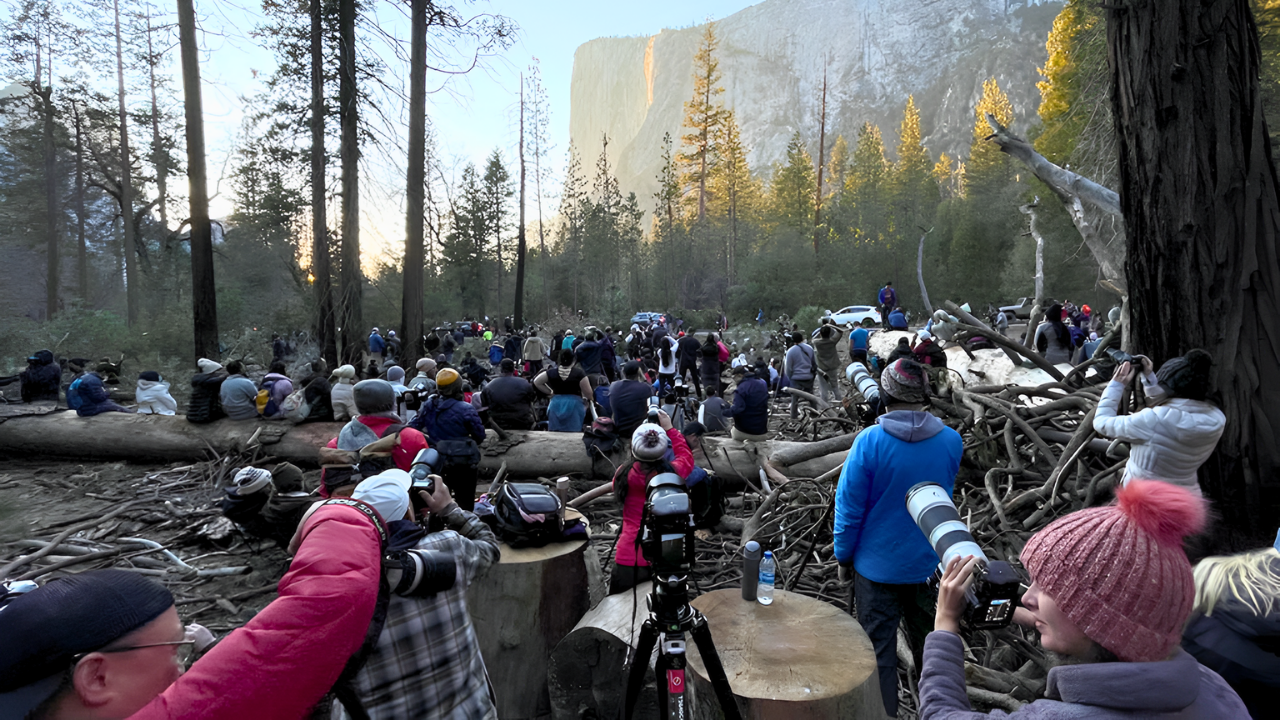
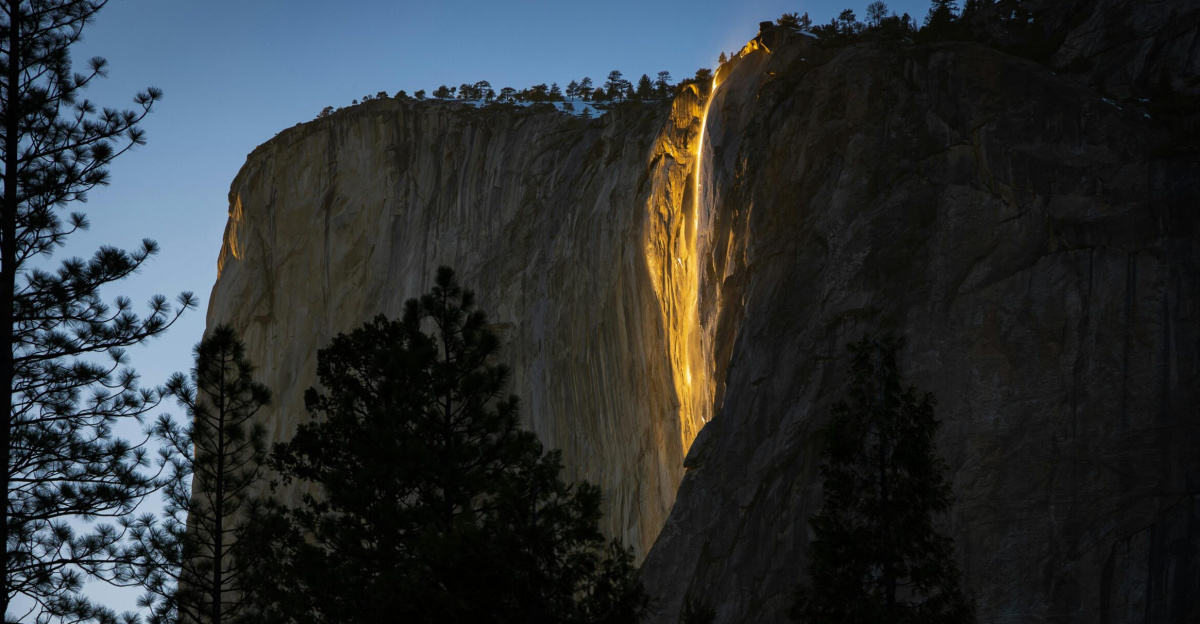
Yosemite National Park is bracing itself for thousands of visitors heading to one of nature’s most spectacular shows: the Firefall. For just a few weeks in February, when conditions line up perfectly, Horsetail Fall glows like molten lava as it tumbles down El Capitan’s cliff face.
The problem? So many people want to witness this rare moment that the park has been forced to make difficult choices about who gets to visit and how to protect the land at the same time. Park officials are now removing the reservation system that controlled crowds for three years, betting that shuttles and designated walking paths can handle the rush. But not everyone thinks this is a good idea.
The Crowds Keep Growing
Picture this: thousands of people jammed onto Yosemite Valley roads, all trying to reach the best viewing spots before sunset. Over the past few years, the Firefall has drawn so many visitors that traffic has become nearly impossible. Parking lots overflow, hiking trails get trampled, and the delicate meadows surrounding the falls show signs of damage from millions of footsteps.
In past Firefall seasons, visitors have hiked 1.5 miles in the dark, carrying flashlights and fighting the cold just for a chance to see the fiery glow. Without the reservation system to limit numbers, park officials worry that 2026 could bring complete gridlock, both on the roads and in nature itself.
How the Firefall Became Famous
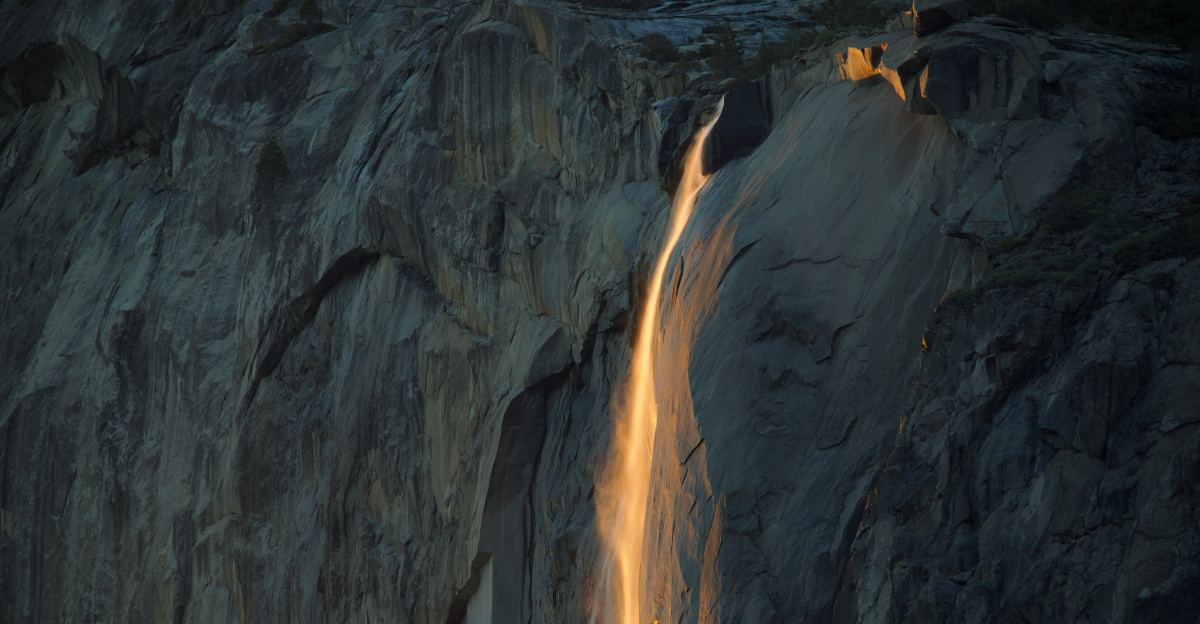
Horsetail Fall isn’t new, people have known about it for decades. But it didn’t become famous until social media exploded in the 2010s and 2020s. Photographers posted stunning images of the waterfall glowing orange at sunset, and the photos went viral. By 2023, so many people were trying to visit that Yosemite’s leadership had to act.
They created a reservation system that required visitors to book their spots in advance online. This three-year experiment was supposed to balance letting people experience this natural wonder while protecting the park from being loved to death. Now that system is ending, and the park is about to find out if that balance can survive.
What Happened Under the Reservation System

From 2023 to 2025, if you wanted to see the Firefall during peak weekends in mid-to-late February, you had to get a permit. The park used an online booking system where visitors could reserve their spot ahead of time. To manage the crowds, the park ran shuttles from Yosemite Village and Curry Village that took people on the 1.5-mile walk to the best viewing areas.
Parking near the viewpoints was restricted, forcing cars to stay farther away. Superintendent Ray McPadden explained the reasoning behind these rules: protect the landscape while still letting people experience the magic. But many visitors felt frustrated by the restrictions, and some complained that the system was unfair or inconvenient.
The Three-Year Experiment Ends

After three years of controlling who could visit during Firefall season, Yosemite National Park is making a major change. Starting in 2026, the park is ending the reservation requirement altogether. Superintendent Ray McPadden confirmed this shift at a recent community meeting, saying the park would return to open access for the first time since 2022.
This means anyone can show up during February and try their luck at seeing the Firefall, no advance booking needed. The park is betting that improved shuttle services and better trail management can handle the crowds without the formal permit system. Whether this gamble pays off remains to be seen.
What Open Access Means for the Valley
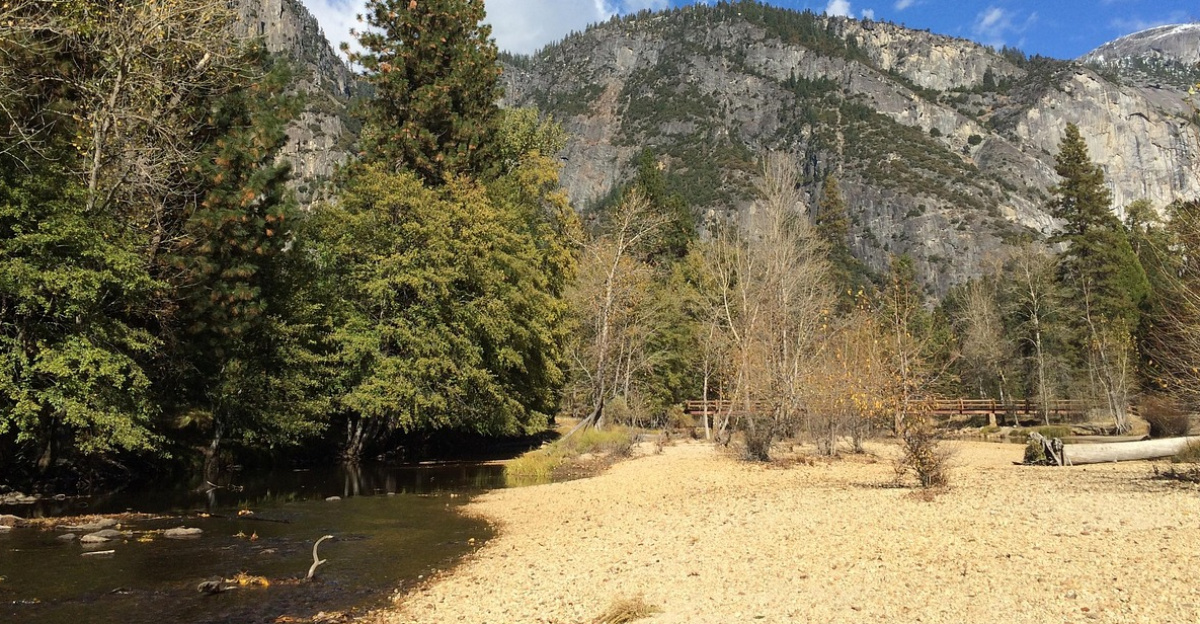
Without reservations, Yosemite Valley is preparing for chaos. Parking lots at Yosemite Falls, the Village, and Curry Village will likely overflow on clear February evenings when the Firefall is visible. The 1.5-mile trail to El Capitan Picnic Area, where most people get the best views, could become dangerously crowded after sunset when visitors are hiking back in darkness.
Roads like Northside Drive, which winds through the valley, will see massive increases in foot traffic. The park’s ecosystems, already stressed from years of heavy use, face another difficult season. Park rangers are concerned about what uncontrolled crowds could do to the meadows, streams, and wildlife that make Yosemite special.
What It’s Really Like to Chase the Glow
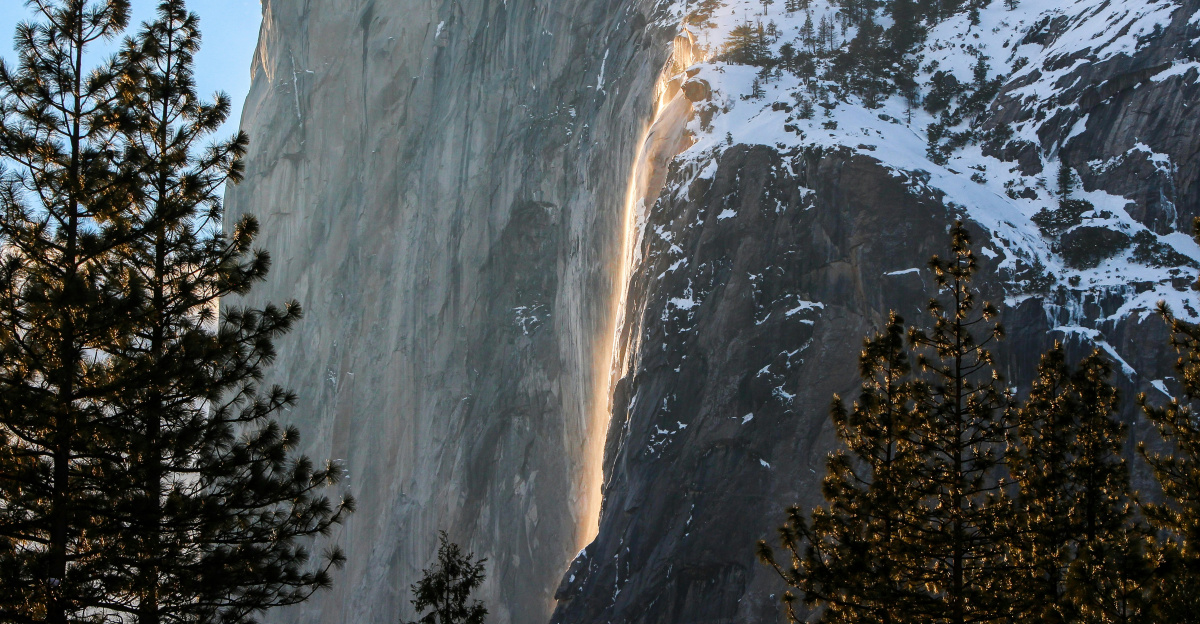
Most people underestimate what it takes to see the Firefall. Photographers arrive hours before sunset to claim good spots, shivering in the cold as they wait. Many visitors have experienced disappointing nights when clouds rolled in or when there wasn’t enough water flowing down the cliff to make it glow properly.
The Firefall depends on snowmelt from the mountains and perfect weather conditions, things that nature controls, not people. Now that reservations are gone, even more spontaneous visitors will show up hoping to get lucky. Those who do make the trip need sturdy hiking boots, flashlights for the return walk after dark, and warm layers.
How the Park Will Still Try to Control Crowds
Even without the reservation system, the National Park Service still has tools to manage visitors. The park retains the authority to restrict parking in certain areas and close specific zones if conditions warrant it. Some private lodges, like Tenaya at Yosemite, now offer guided Firefall tours that include comfortable seating, snacks, and someone who knows the best spots, these bypass some of the traditional hassles for those who can afford them.
But conservationists worry this creates an unfair two-tier system where wealthy visitors get a better experience while the general public wrestles with crowds and parking headaches.
Why the Firefall Blew Up in the First Place
The Firefall phenomenon is part of a much larger trend affecting national parks everywhere. Over the past decade, viral social media has turned quiet natural wonders into Instagram hotspots almost overnight. Yosemite receives 4 million visitors annually, and during February’s brief Firefall window, crowds concentrate heavily on a handful of evenings when conditions are perfect.
Scientists have documented that unmanaged peaks in visitation erode trails 20 percent faster than normal use. Similar phenomena at other parks, like the Wave in Arizona or the geysers in Iceland have all experienced similar booms followed by environmental damage and visitor management crises.
What Environmental Scientists Warn About

John Buckley, a conservation expert at the Central Sierra Environmental Resource Center, has raised serious alarm bells about ending the reservation system. “Eliminating the permits risks renewed gridlock and ecological strain,” Buckley stated, emphasizing that the park should prioritize “natural resources and values” over tourism revenue.
During the years before 2023 when there were no restrictions, meadows were trampled, trails were eroded, and wildlife habitats were damaged. Buckley worries that 2026 could repeat those patterns unless the park finds real alternatives to handle the crowds.
Environmentalists Are Furious
The decision to end reservations has sparked real anger among conservation groups. John Buckley and others argue that the park is prioritizing money and access over protecting the land. They see it as a retreat from responsible stewardship. Meanwhile, park rangers are stretched thin due to budget cuts and staffing shortages affecting the entire National Park Service.
These workers are frustrated because they’re expected to maintain trails, educate visitors, and enforce rules with fewer people than they need. The internal tension within the NPS is real: some officials believe access and enjoyment matter most, while others argue that preservation should come first.
Superintendent McPadden’s Confidence

Yosemite’s Superintendent Ray McPadden is the person making this decision, and he’s standing by it. He says the choice came from listening to community input and believing that the park’s infrastructure can handle open access with improved management. McPadden hasn’t replaced the leadership team or suggested any major policy overhauls, the shift is about trying a different approach within existing systems.
As superintendent, he has the authority to make these visitor management decisions for his park. His confidence rests heavily on enhanced shuttles and designated walking trails to spread crowds and reduce vehicle impact.
How the Park Plans to Manage Without Permits
Since reservations are off the table, Yosemite is rolling out other crowd-control strategies. The park is expanding and improving shuttle service from both Yosemite Village and Curry Village, hoping to move more people without cars. They’re enforcing designated parking areas farther from viewpoints, which forces visitors to walk the 1.5-mile trail instead of driving to the top.
Private lodges are offering guided Firefall experiences that include comfortable seating, food, and expert advice, giving wealthy visitors an escape from the chaos on public trails. The park is also launching expanded Leave No Trace education campaigns, teaching visitors how to minimize their environmental impact.
Why Experts Remain Skeptical
Not everyone believes these mitigation measures will work. John Buckley questions whether Superintendent McPadden is truly putting natural resources first, or if economic interests are driving the decision. Weather is another huge variable: scientists estimate that clouds cancel the Firefall experience on roughly 50 percent of nights, meaning visitors will come and leave disappointed, but that disappointment won’t reduce the crowds trying.
Staffing shortages at the NPS remain a critical vulnerability; rangers simply don’t have the personnel to enforce all the rules effectively. Some transportation analysts predict that if damage mounts quickly this season, the park will be forced to reimpose restrictions or create a hybrid system balancing access and protection.
What Happens Next Is Up to Everyone
The Firefall is returning to open access in 2026, but the outcome remains genuinely uncertain. Thousands of visitors will chase the glow next February, armed with shuttles, walking trails, and warnings about Leave No Trace principles. Some will have incredible experiences under starlit skies. Others will face gridlock, crowded trails, and disappointed returns due to bad weather.
The real question is whether this open-access model can survive the season without causing serious environmental damage. If it does, Yosemite’s approach could become a model for other parks facing similar pressures. If it fails spectacularly, with trampled meadows, eroded trails, and overwhelmed rangers, the park may be forced to reimpose restrictions even stricter than before. Your decision to visit, and how you behave when you do, genuinely could influence what happens next.
Sources:
ABC30, Reservations not required to visit Yosemite National Park to see ‘Firefall’ phenomenon, 13 Jan 2026
NPS Yosemite, Yosemite National Park’s spectacular ‘Firefall’, 16 Feb 2023
SFGATE, Yosemite National Park scraps Firefall reservations, 10 Jan 2026
Flying Dawn Marie, Firefall in Late Feb & Early March? (Yosemite Current Conditions), 2 Mar 2025
Tenaya at Yosemite, Firefall Tour, 6 Jan 2026