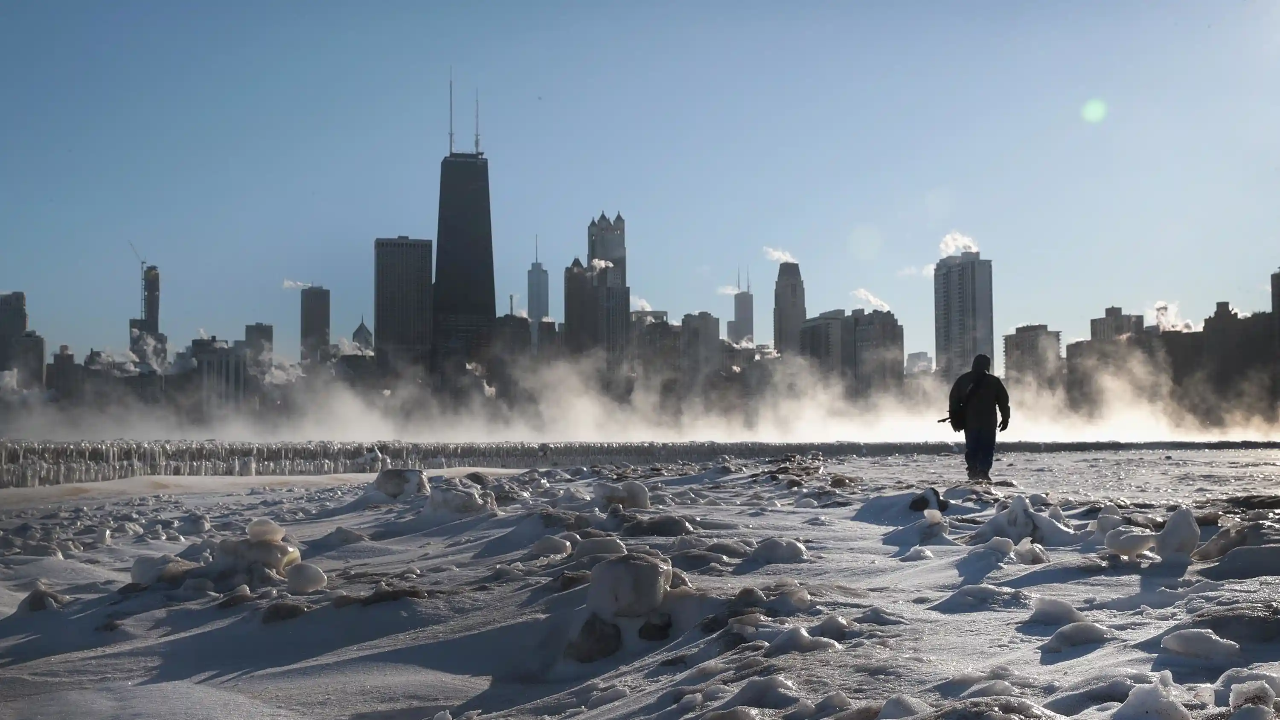
A southward plunge of the polar vortex in January 2025 gripped the Midwest in unrelenting cold, with Chicago temperatures plunging to -15°F and wind chills reaching -35°F. Lake Erie locked into 80% ice cover, while NASA imagery revealed swirling ice patterns near urban skylines, marking one of the season’s most striking displays. A Canadian freighter remained iced in for three days, underscoring the perils of such outbreaks.
Polar Vortex Disruption
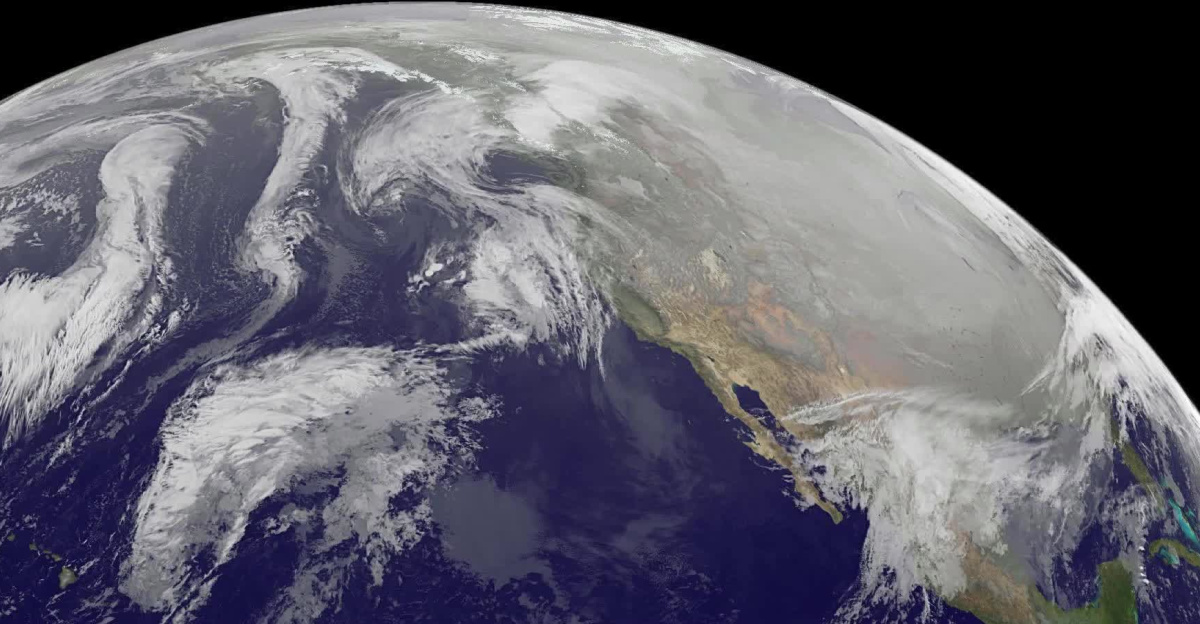
Arctic amplification fueled the event, as the region’s faster warming eroded the jet stream’s strength, allowing frigid air to spill southward. This affected states like Illinois and Ohio, producing dangerous wind chills. Scientists note that while cold winters remain statistically typical, these shifts render patterns more erratic and severe.
Economic and Retail Pressures

The surge in demand for heating supplies strained supply chains already hampered by the freeze, mirroring consumer habits amid volatile winters. Retailers and logistics operations faced challenges from the extreme conditions.
Industrial and Energy Strains
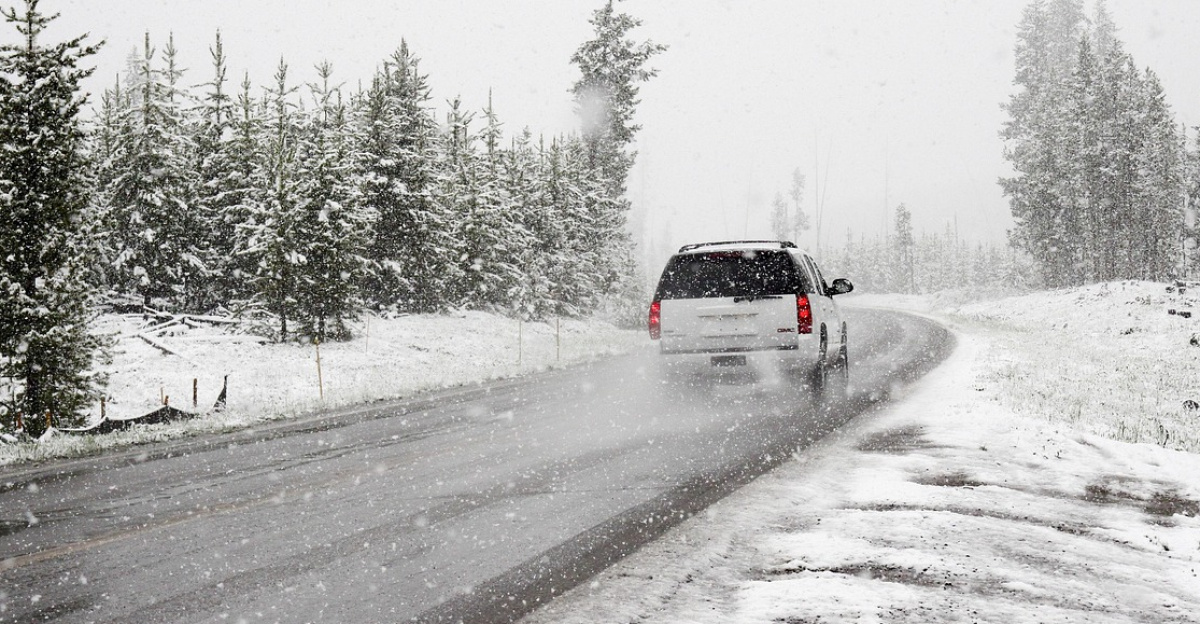
Hazardous roads and bitter cold halted logistics and manufacturing, forcing shipment reroutes, fuel surcharges, and worker absences. Energy demand spiked for heating fuels and propane, pressuring distributors as households ramped up usage. Utilities and food processors extended operations, though some areas saw shortfalls during peak chill.
Shipping and Health Challenges
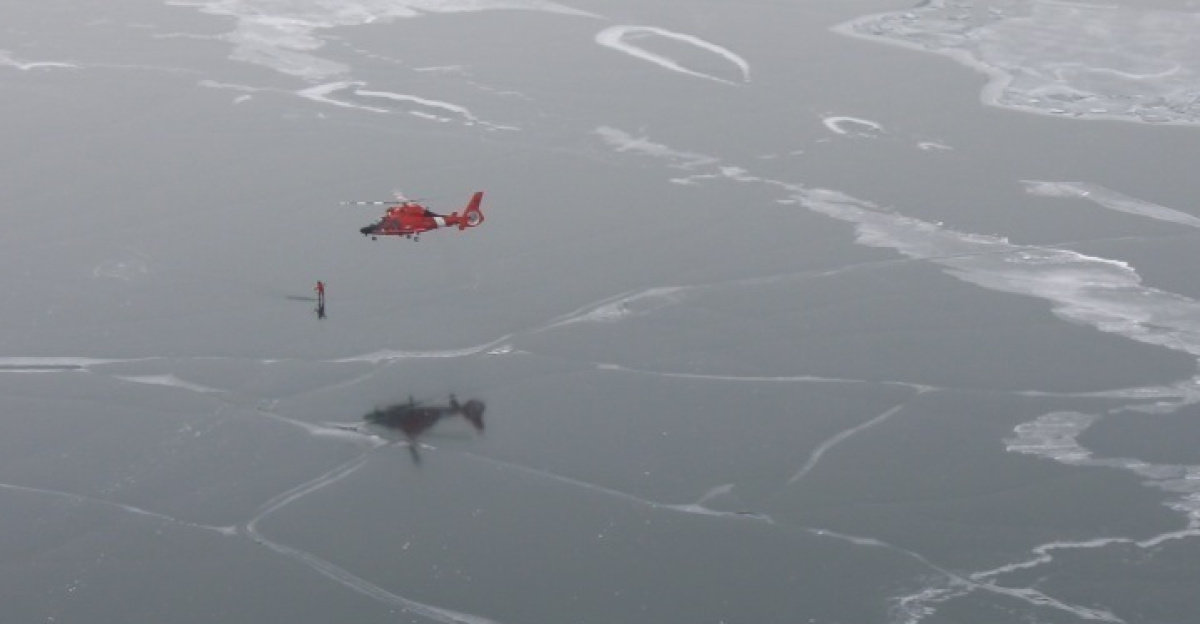
On Lake Erie, the freighter Manitoulin lodged in ice over 2 feet thick, stranding its 17-member crew for three days with limited power and rations. U.S. Coast Guard and Canadian icebreakers launched “Operation Coal Shovel” for rescue. Ports delayed warehouse access, while emergency services handled frostbite and hypothermia cases. Hospitals reported increases in these conditions, prompting health officials to issue cold weather guidance and activate warming centers for at-risk groups, including the homeless. Multiple deaths were tied to the extreme cold.
Responses and Broader Fallout
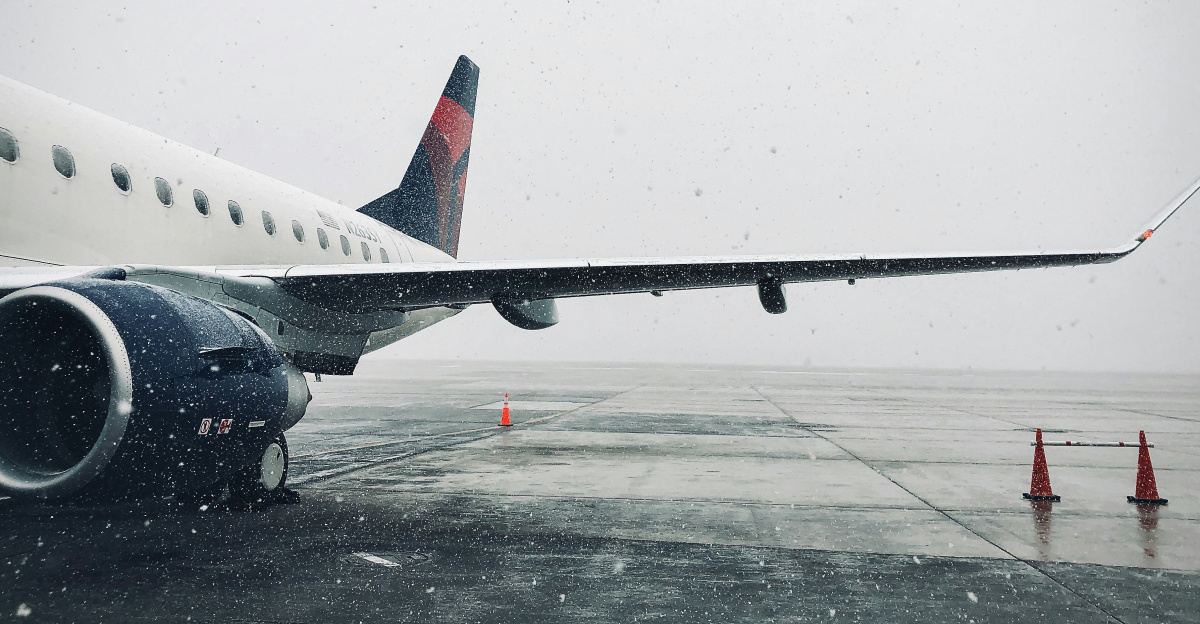
Cities across the Midwest mobilized emergency responses, opening warming centers and issuing National Weather Service warnings. Economic losses from transport halts, elevated heating bills, and disruptions in agriculture and manufacturing were estimated in the hundreds of millions. Airlines canceled flights, retailers faced stockouts, and logistics bore rerouting costs, though heating providers saw increased business.
Certain sectors adapted via diversified fuels, insulation upgrades, and insurance for interruptions, alongside emergency reserves. The episode laid bare infrastructure gaps in roads, shipping lanes, and power grids, spurring talks on resilient upgrades.
This cold wave, set against rapid Arctic thaw, illustrates how warming disrupts rather than erases harsh winters, fostering unpredictable outbreaks. With forecasts of ongoing vortex instability, industries and officials eye advanced ice modeling and readiness plans to buffer future shocks.
Sources:
“January 19-24, 2025: Multiday Cold Spell Featuring Sub-Zero Temperatures and Wind Chills as Cold as -35°F.” National Weather Service, Jan 2025.
“A Chill Over Chicagoland.” NASA Earth Observatory, 28 Jan 2025.
“After 3 Days Trapped in Lake Erie Ice, a Canadian Ship Is Finally Freed.” The New York Times, 25 Jan 2025.
“Assessing the U.S. Climate in January 2025.” National Oceanic and Atmospheric Administration / National Centers for Environmental Information, Feb 2025.