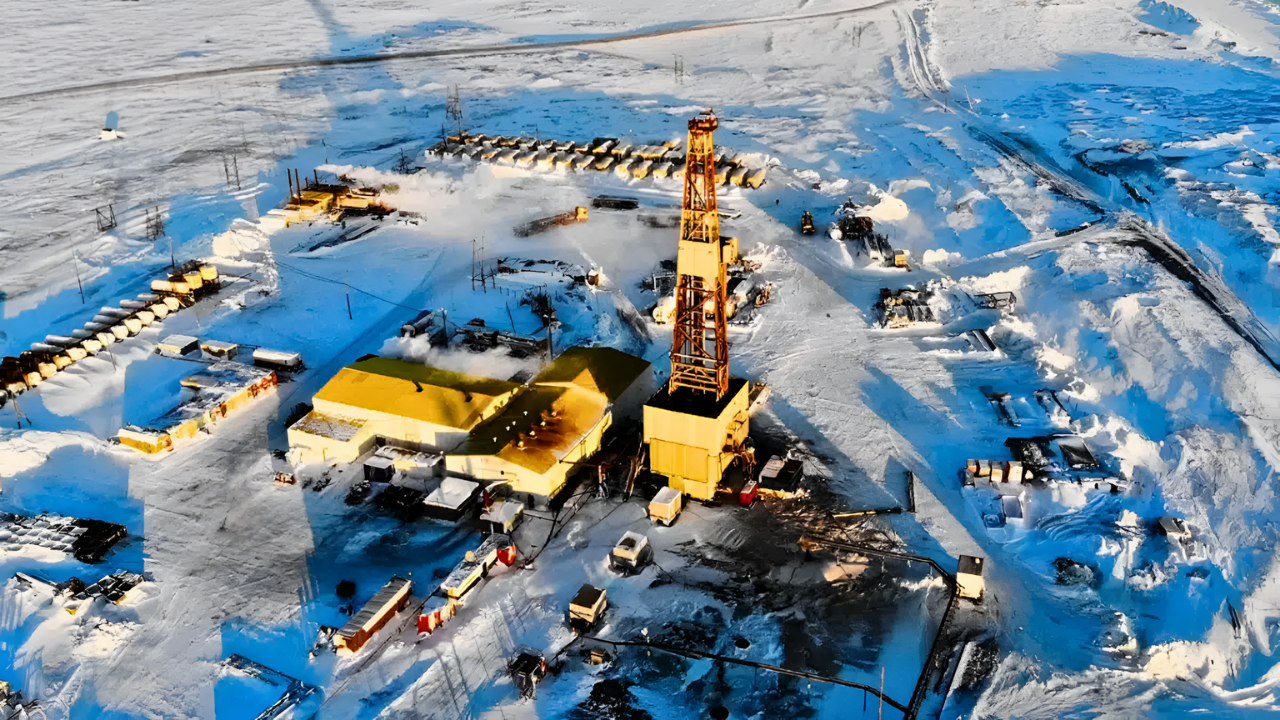
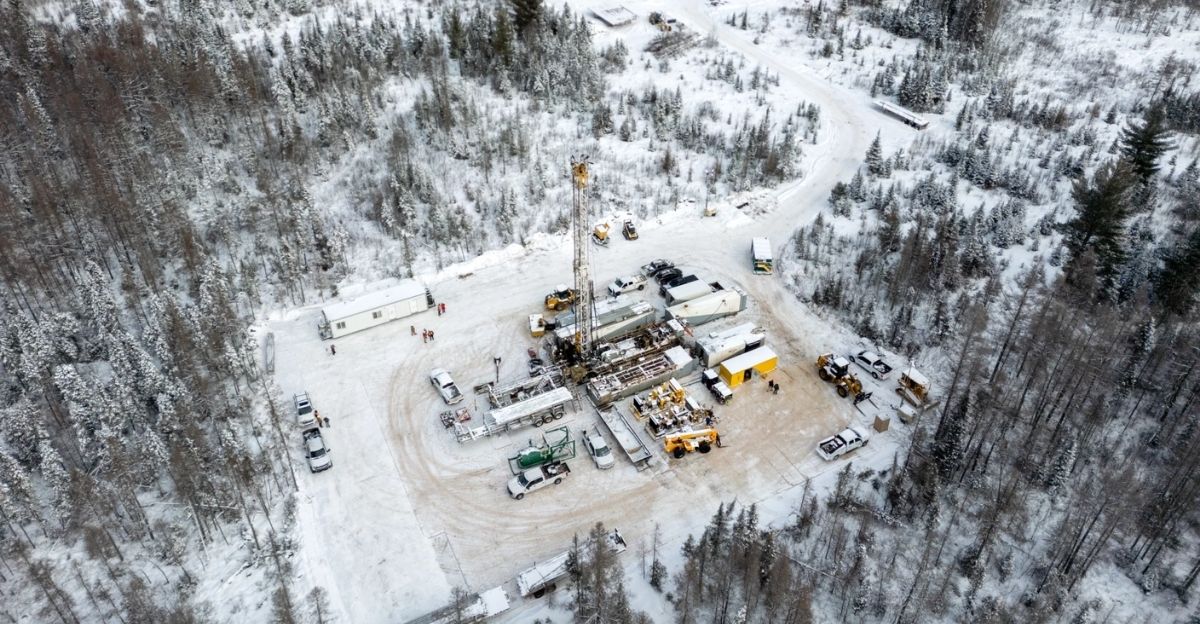
In October 2025, drilling operations at depths between 2,200 and 5,100 feet in northern Minnesota uncovered something extraordinary: helium-3, an ultra-rare isotope previously considered nearly impossible to extract from Earth in meaningful quantities. Laboratory analysis revealed concentrations ranging from 1.3 to 14.5 parts per billion—levels that rival samples collected during NASA’s Apollo lunar missions, which measured between 9.22 and 17.9 parts per billion. Independent verification by Smart Gas Sciences and Woods Hole Oceanographic Institution confirmed a stable, single-source reservoir with a consistent isotopic signature of 0.09 Rₐ across all samples, marking the first measurable terrestrial helium-3 deposit publicly reported in the United States.
The Quantum Computing Bottleneck
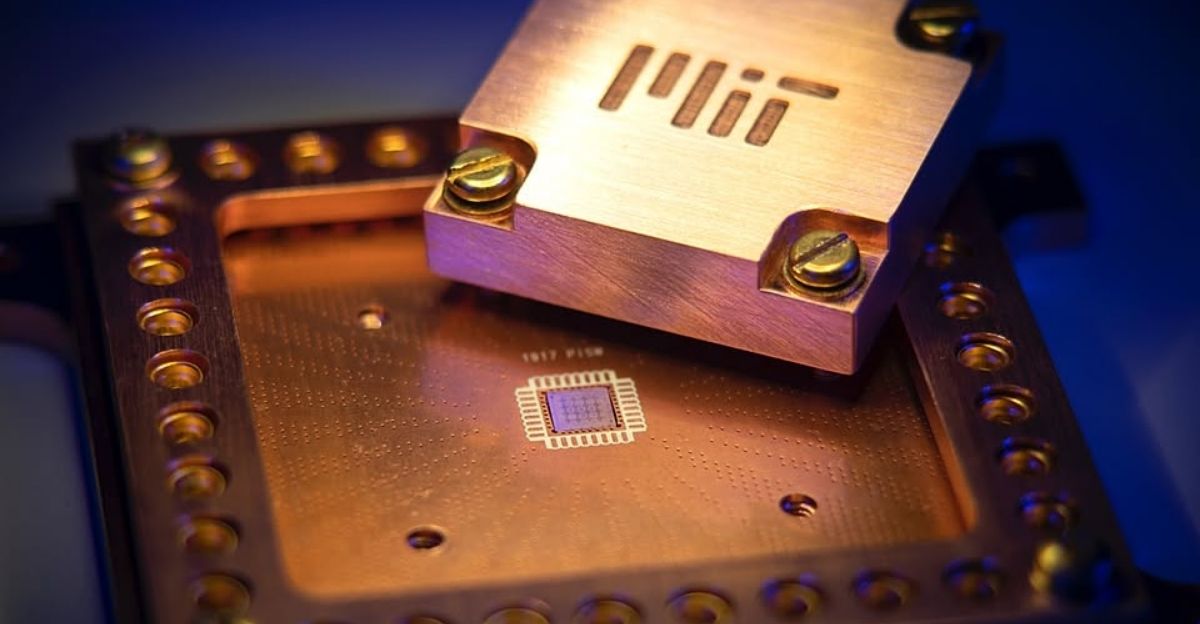
Quantum processors require temperatures approaching absolute zero—below 10 millikelvin—to operate effectively, a threshold achievable only through helium-3 cooling systems. Unlike conventional helium-4, which is relatively abundant in natural gas reserves, helium-3 has historically been sourced from nuclear weapons byproducts or theorized lunar mining operations. As quantum computing infrastructure scales from hundreds to potentially tens of thousands of systems over the next five years, supply constraints threaten to stall innovation across industries dependent on quantum hardware. The terrestrial discovery at Pulsar Helium’s Topaz Project in Minnesota offers a domestic alternative that eliminates decades of lunar mining delays and the multi-billion-dollar space infrastructure previously thought necessary.
Helium-3 also plays a critical role in neutron detection systems deployed at ports and borders for national security purposes, with supply traditionally dependent on tritium decay from nuclear stockpiles. As these inventories decline, terrestrial sources become strategically vital for maintaining detection capabilities independent of weapons programs or imports from Russia and Qatar.
Terrestrial Discovery Challenges Lunar Economics
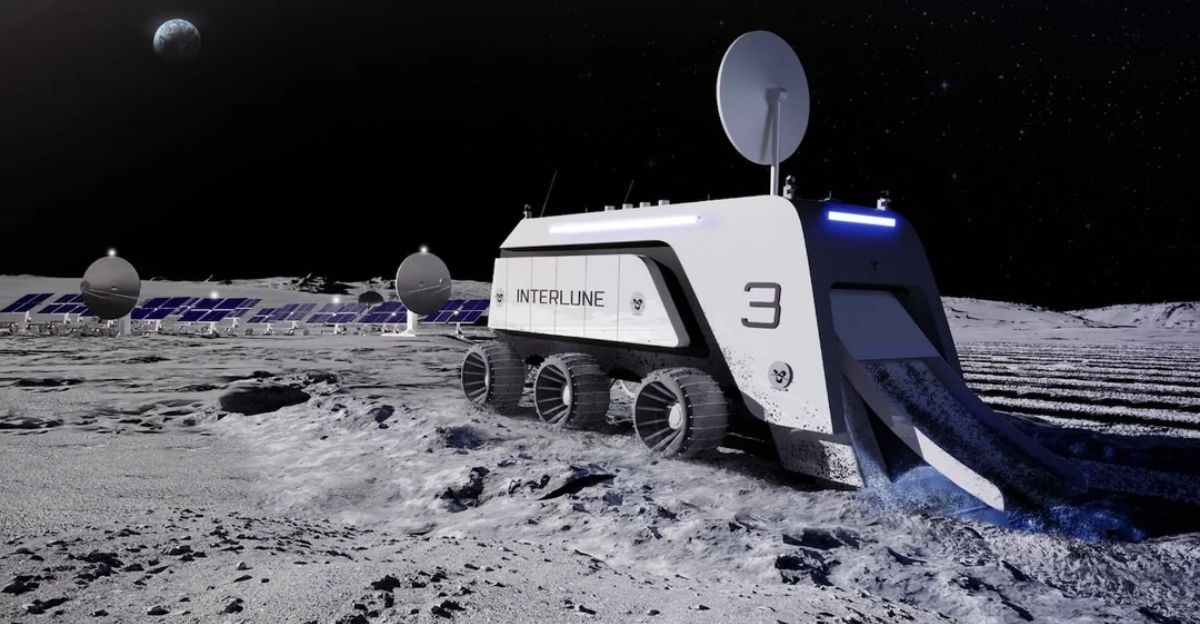
For decades, scientists considered lunar regolith the ultimate helium-3 reservoir. Bombarded by solar winds for billions of years, the Moon’s surface holds an estimated one million tons of helium-3—roughly 40 times the total ever produced on Earth. Lunar mining concepts projected multi-billion-dollar annual costs with profitability remaining uncertain even under optimistic scenarios. Processing one kilogram of helium-3 from lunar regolith requires handling between 100,000 and one million tons of material, an undertaking comparable to operating a large-scale copper mine in low-gravity conditions.
The Minnesota discovery fundamentally alters this calculus. The Topaz Project sits within the 1.1-billion-year-old Duluth Complex, shaped by the Midcontinent Rift. Deep radioactive decay of uranium and thorium generated helium over eons, which migrated through natural fractures and accumulated in porous rock formations. Thomas Abraham-James, President and CEO of Pulsar Helium, stated that encountering helium-3 concentrations of this magnitude in Minnesota represents an extraordinary achievement, positioning the company at the forefront of the helium industry not merely as a supplier of conventional helium-4, but potentially as a supplier of helium-3. He noted that Minnesota likely offers a more reliable and economically viable option than lunar extraction efforts supported by NASA and the U.S. Department of Energy.
From Laboratory Concept to Commercial Reality
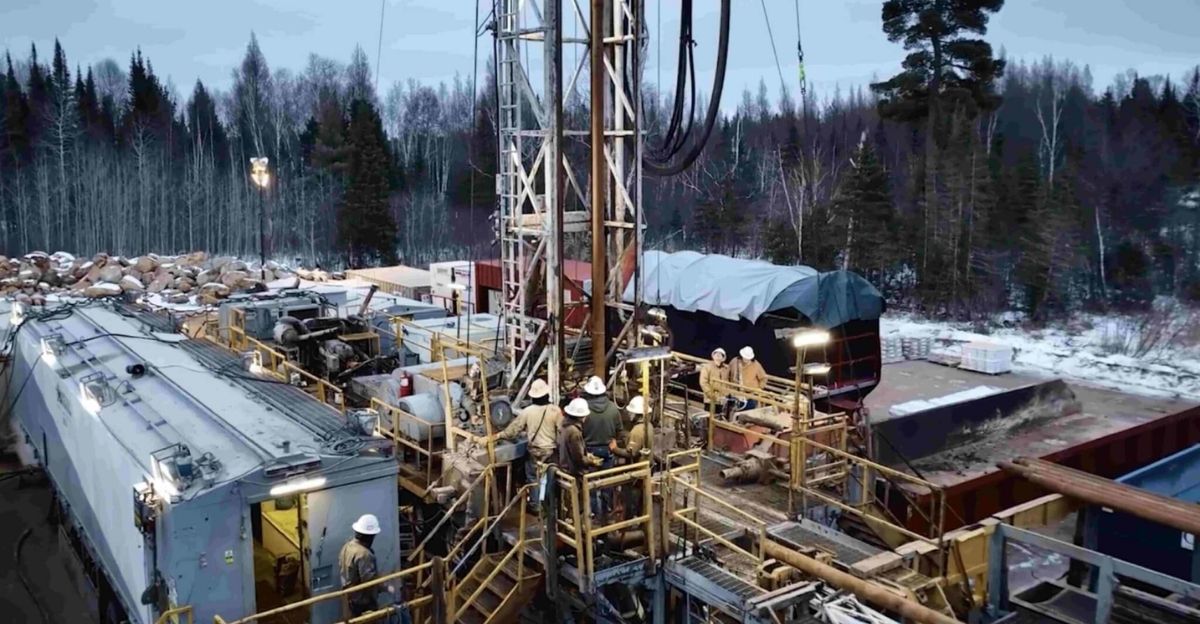
Beyond helium-3, the Topaz well contains 7 to 8 percent helium-4—far exceeding the 0.3 percent commercial threshold—making it one of North America’s richest helium deposits. Total helium concentrations reach up to 14.5 percent, with peak gas flow rates measured at approximately 1.3 million cubic feet per day during August 2025 testing. This multi-product potential allows helium-4 revenues to fund near-term development while helium-3 separation technology scales to commercial viability.
Separating helium-3 from helium-4 requires advanced cryogenic processing or membrane filtration systems, with cryogenic methods achieving recovery rates above 90 percent but demanding energy-intensive infrastructure. Pulsar aims for wellhead processing to produce marketable helium directly onsite, while competitors including NASA-funded Interlune and Maybell Quantum race to perfect scalable separation technologies. Companies like Bluefors, which manufacture ultra-low-temperature systems for quantum computing, have already announced plans to source helium-3 from both terrestrial and lunar supplies, acknowledging the Minnesota discovery as a potential game-changer for the quantum industry.
Helium-3 fusion promises near-zero radioactive waste and direct energy conversion, advantages impossible with conventional deuterium-tritium fusion. In May 2025, Germany’s Wendelstein 7-X stellarator successfully produced helium-3 ions via radio-frequency heating, demonstrating proof of concept. Terrestrial helium-3 supply could accelerate the transition from laboratory research to commercial fusion reactors, a timeline previously constrained by isotope scarcity.
Environmental and Geopolitical Stakes
Minnesota lacked helium-specific extraction regulations prior to the discovery, prompting emergency legislation through HF5350 in 2024 to establish permitting standards, environmental safeguards, and royalty structures. A Technical Advisory Committee was formed to balance economic potential with environmental protection on predominantly publicly owned land near the Fond du Lac Band territory, requiring consultation on tribal sovereignty rights. Local governments anticipate royalties and employment opportunities, while environmental concerns focus on forest impact, water use, and workforce capacity.
Global helium production remains concentrated in the United States, Russia, Qatar, and Australia, creating supply volatility through sanctions, aging infrastructure, and geopolitical tensions. Domestic helium-3 reduces import dependence and strengthens U.S. positioning in quantum computing, fusion energy, and semiconductor technologies. China’s Chang’e 6 mission returned lunar samples in 2024 to advance helium-3 extraction research, but terrestrial supply at scale could undercut the economic viability of multi-billion-dollar lunar infrastructure, forcing reassessment of international space mining timelines and investment priorities.
Commercialization depends on regulatory clarity, technological refinement, and responsible stewardship of sensitive ecosystems. Quantum computing, fusion energy, and national security applications may soon rely on fuel once imagined exclusively as lunar science fiction. The next energy revolution could rise not from the Moon’s surface, but from beneath Minnesota’s ancient geological formations.
Sources
Pulsar Helium Inc. | Helium-3 Discovery at Jetstream#1, Topaz Project | October 1, 2025
Crux Investor | Pulsar Helium Reports Helium-3 Concentrations at Topaz Project, Minnesota | September 30, 2025
Minnesota Legislature | HF 5350: Helium Exploration and Production Regulation Act | May 28, 2024
Forschungszentrum Jülich | World premiere in fusion research: high-energy particles generated by radio-frequency heating in Wendelstein 7-X | May 27, 2025
PR Newswire | Bluefors to source helium-3 from the Moon with Interlune to power next phase of quantum industry growth | September 16, 2025
Earth.com | Northern Minnesota harbors a ‘fuel of tomorrow’ researchers reveal | January 5, 2026