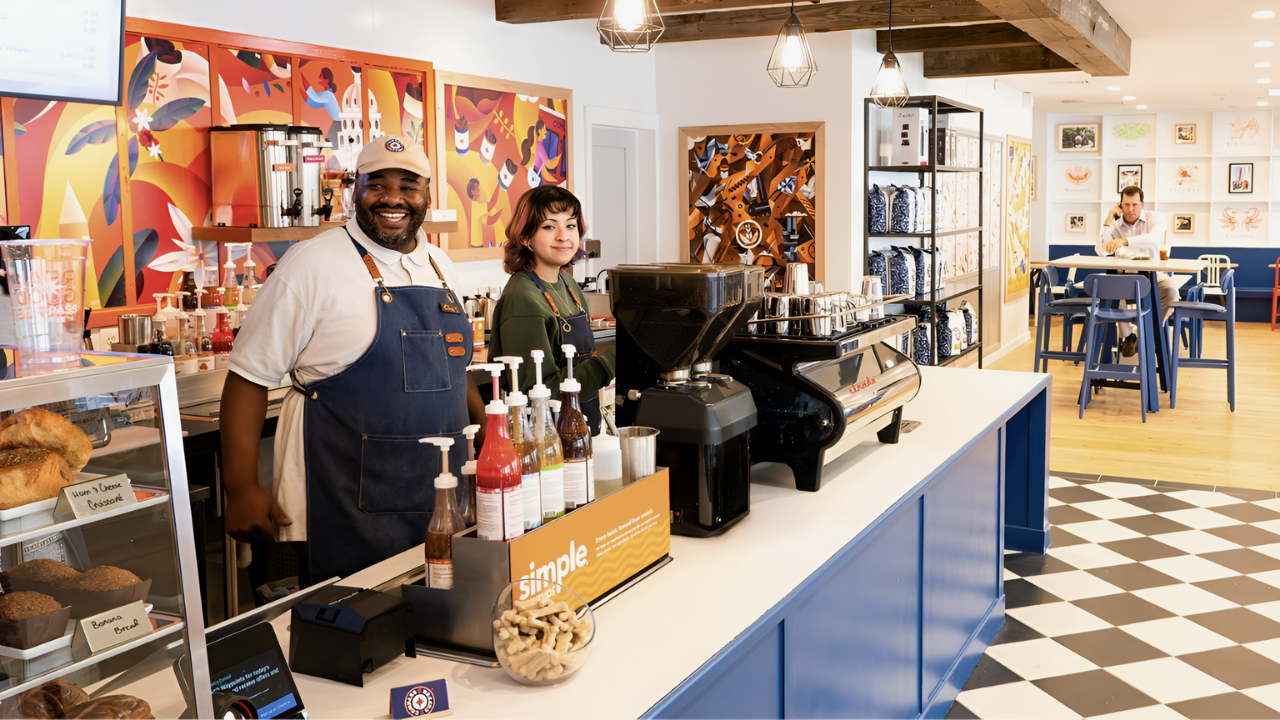
Compass Coffee, a Washington D.C. staple born from Marine veterans’ grit, filed for Chapter 11 bankruptcy on January 6, 2026, amid $11.7 million in debt and a post-pandemic urban slump that hollowed out its customer base. Once a fixture for federal workers with 25 cafes across D.C., Northern Virginia, and Maryland, the chain now plans to shutter 10 locations, leaving 166 employees in limbo as remote work and federal cuts reshape downtown.
Workers in Peril
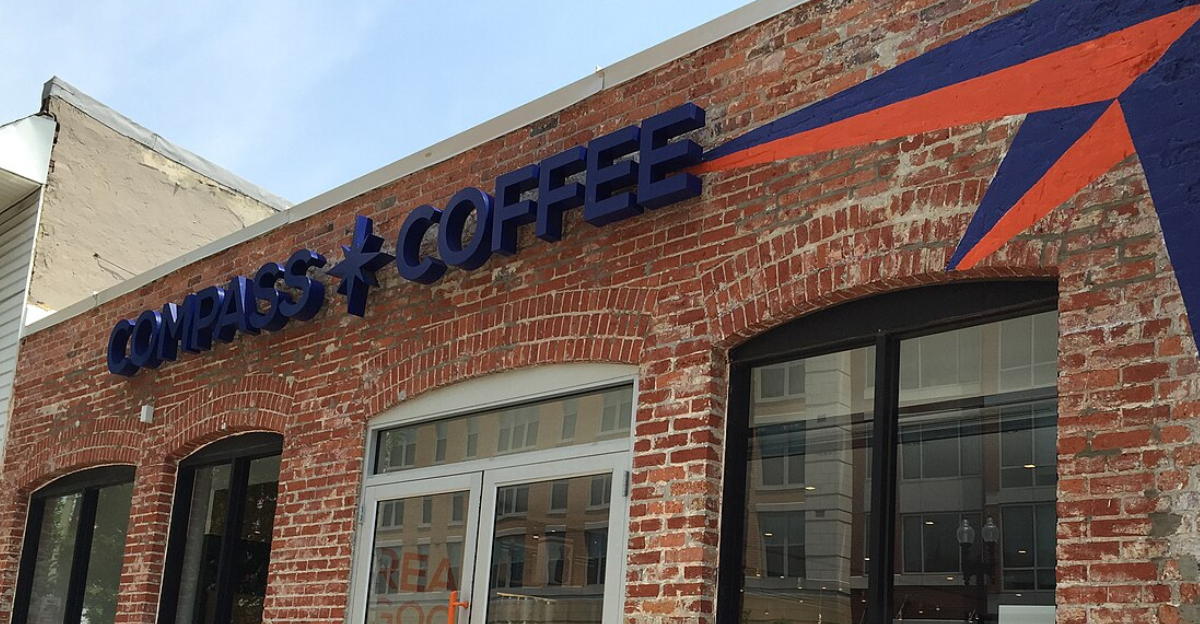
Baristas and managers at the 25 locations face immediate uncertainty, with closures targeting unprofitable sites including West Falls Church and Ballston in Virginia, seven in D.C., and one in College Park, Maryland. By January’s end, the company aims to reject 10 leases, potentially shedding $10 to $50 million in liabilities. Staff schedules hang in doubt as the chain restructures, with many wondering if relocation or layoffs await in a market slow to rebound from empty office streets.
D.C. Roots and Rapid Rise

Founded in 2014 by Marines Michael Haft and Harrison Suarez in the Shaw neighborhood, Compass built a loyal following by expanding to 25 cafes by 2025. It supplied the White House, aided over 12,000 furloughed federal workers with free drinks during shutdowns, and snapped up spots left by Philz Coffee in 2023 and Foxtrot in 2024. That growth, however, collided with declining downtown foot traffic, fixed leases, and $2 million in back rent plus $700,000 owed for beans.
Market Pressures Mount
Remote work emptied D.C.’s core after 2020, federal workforce reductions thinned crowds further, and inflation hiked supply costs. The Ivy City roastery, a 50,000-square-foot hub, shut down, with equipment sold for cash. Fixed leases trapped the chain in high-cost spaces amid falling sales, while unresolved 2024 union drives with Workers United lingered before the National Labor Relations Board, adding friction.
Internal Feuds and Legal Tang tangle

Tensions boiled between founders after Suarez’s 2021 ouster. In a 2025 RICO lawsuit, he accused Haft of misusing $2.1 million in pandemic relief for Bitcoin via MicroStrategy, plus fraud and equity dilution—claims Haft denies. Landlords sued over unpaid rent, vendors claimed $700,000 for beans and $160,000 for oat milk. Amid bankruptcy, these disputes drain resources as Haft steers debtor-in-possession financing to keep core operations afloat.
Restructuring and Uncertain Horizon
Compass agreed to sell substantially all assets to an unnamed global coffee firm with strong retail presence, using Chapter 11 to shed debts and transfer operations. Profitable cafes stay open during negotiations, prioritizing jobs where viable, though court approval looms. CEO Haft focuses on strongest sites to preserve the brand’s D.C. heart, but rigid leases, lawsuits, and policy-driven telework cast shadows. The outcome tests if a local icon can endure under new ownership, signaling wider risks for office-reliant urban retail as D.C.’s recovery stretches ahead.
Sources
Inside Retail US, “DC coffee chain declares bankruptcy after cofounders fall out”, January 7, 2026
Bondoro, “Case Summary: Compass Coffee Chapter 11”, January 8, 2026
ARLNow, “Compass Coffee plans to shutter Ballston location after filing for bankruptcy”, January 6, 2026
Daily Coffee News, “Weekly Coffee News: Support Through Coffee in D.C.”, November 13, 2025
Lawyer Monthly, “Compass Coffee Chapter 11: Inside the Suarez-Haft Dispute”, January 6, 2026
Georgetown Voice, “Compass Coffee employees attempt to unionize amidst alleged unfair labor practices”, September 26, 2024