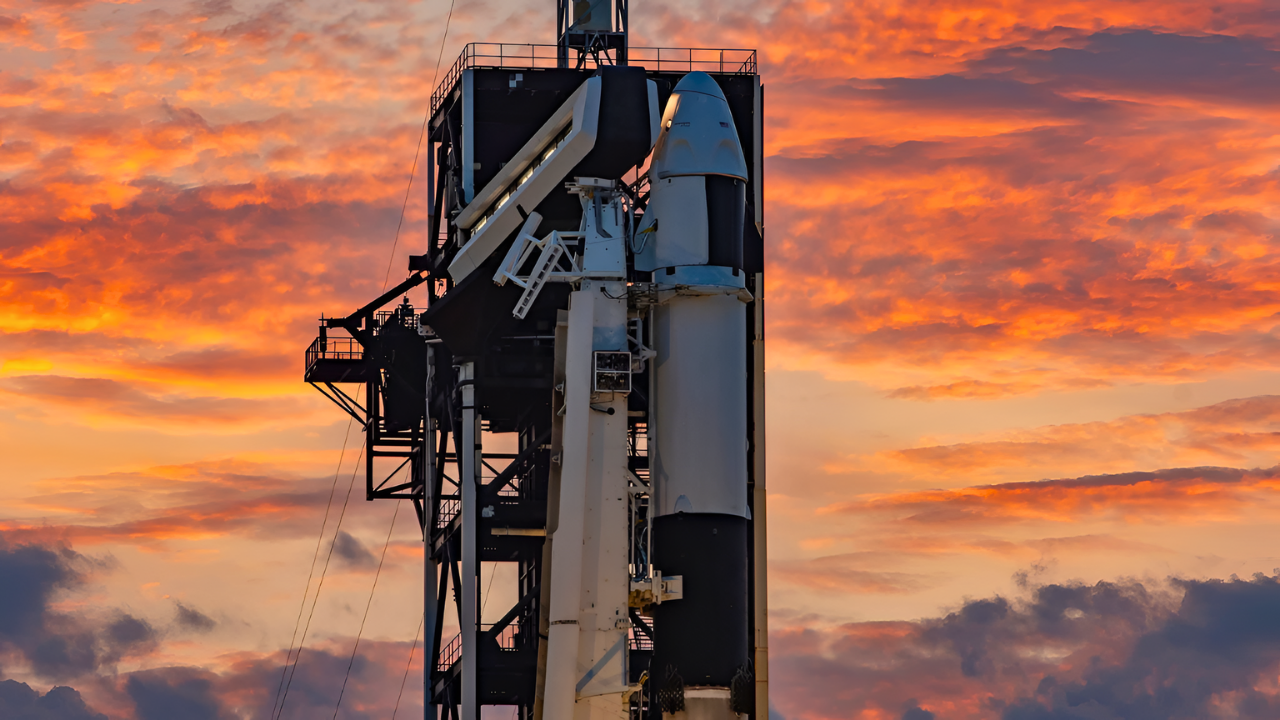
NASA successfully launched the Pandora small satellite on January 11, 2026, aboard a SpaceX Falcon 9 rocket from Vandenberg Space Force Base in California. Pandora is the first mission under NASA’s Astrophysics Pioneers program and is designed to study the atmospheres of 20 known exoplanets.
Its primary goal is to separate planetary atmospheric signals from distortions caused by stellar activity, a challenge that has complicated exoplanet studies for decades.
Why Pandora Matters

Many previous exoplanet observations struggled to distinguish true atmospheric signatures from variability on host stars. Starspots, flares, and surface features can mimic signals such as water vapor or clouds.
Pandora addresses this long-standing problem by observing stars and planets simultaneously in visible and infrared wavelengths. This approach allows scientists to model stellar interference directly, improving confidence in atmospheric detections and refining interpretations from larger observatories.
Historical Context
Exoplanet science began in 1995 with the discovery of 51 Pegasi b and has since expanded to nearly 6,000 confirmed worlds. NASA’s Kepler and TESS missions identified thousands of transiting planets but were not designed for detailed atmospheric correction.
Pandora represents a shift from discovery to refinement, focusing on understanding how stellar behavior alters atmospheric measurements and improving the reliability of conclusions drawn from existing and future exoplanet datasets.
Program Origins
Pandora was selected in 2021 as one of four missions under NASA’s Astrophysics Pioneers program, which emphasizes lower-cost, focused science missions. The program caps total mission costs and encourages rapid development using proven technology.
Pandora’s design reflects this philosophy, delivering specialized science capabilities without the extended timelines or budgets associated with flagship observatories such as the James Webb Space Telescope.
Spacecraft and Orbit

The spacecraft operates in a Sun-synchronous low-Earth orbit, allowing consistent illumination and thermal stability. This orbit enables Pandora to conduct long, uninterrupted observations while maintaining predictable viewing conditions.
The satellite can lock onto a single star system for up to 24 continuous hours, an ability critical for observing complete planetary transits and tracking how stellar activity changes over time.
Telescope and Instruments
Pandora carries a 17-inch aluminum telescope originally developed using technology heritage from the James Webb Space Telescope program.
The payload includes two observation channels: a visible-light detector to monitor stellar variability and a near-infrared detector to measure planetary atmospheric absorption. By combining these datasets, scientists can directly compare stellar and planetary signals during each transit event.
Target Selection
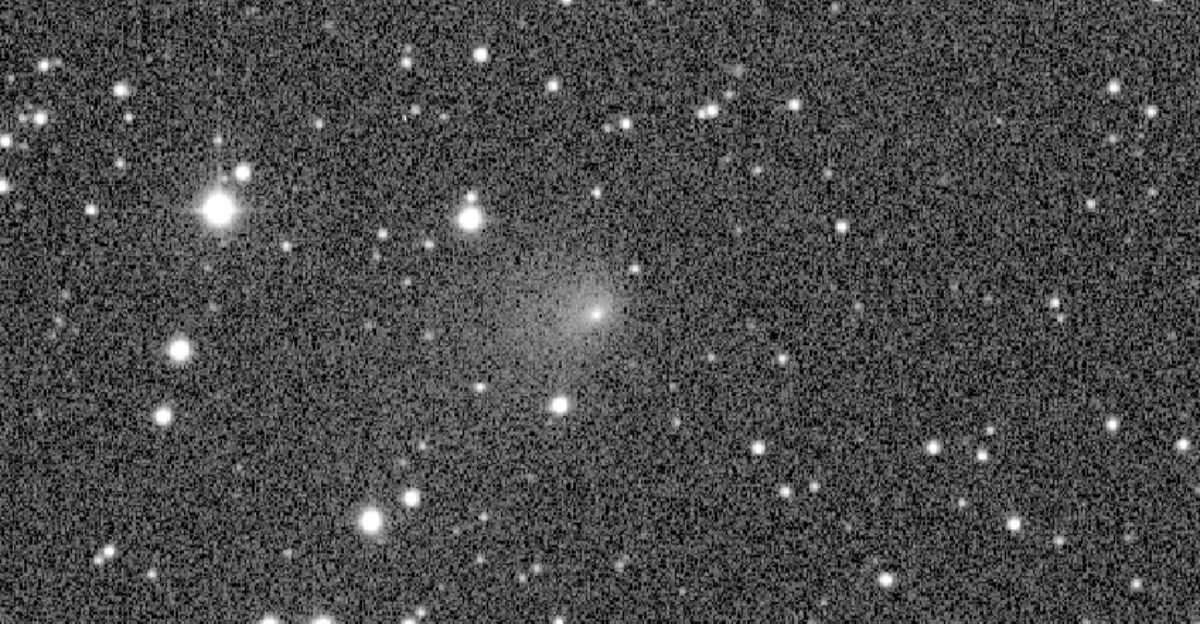
The mission will observe 20 previously known transiting exoplanets, primarily discovered by NASA’s TESS mission.
These planets orbit relatively active stars, making them ideal test cases for studying stellar contamination. The selected worlds span a range of sizes and compositions, from rocky planets to gas-rich bodies, providing a broad sample for validating atmospheric correction techniques.
Observation Strategy
Pandora will conduct repeated 24-hour observation sessions for each target throughout its one-year primary mission. These extended “stares” allow scientists to capture full planetary transits while simultaneously tracking stellar behavior before, during, and after the event.
Repeated observations improve statistical confidence and help identify patterns in stellar variability that could otherwise distort atmospheric measurements.
The Stellar Contamination Problem
Stellar contamination occurs when features on a star’s surface alter the apparent depth or shape of a planet’s transit signal. This can lead to false detections of atmospheric components such as water vapor or haze. Pandora addresses this issue by measuring stellar variability in visible light, where starspots are prominent, and comparing it directly to infrared planetary signals.
Atmospheric Science Goals
Pandora focuses on identifying broad atmospheric characteristics rather than confirming life. The mission will study the presence of water vapor, clouds, and hazes, and assess whether observed signals are planetary or stellar in origin.
These results will help determine which exoplanet atmospheres are suitable for deeper study with larger telescopes and which require revised interpretations.
Mission Leadership
The mission is led by principal investigator Elisa Quintana of NASA’s Goddard Space Flight Center. Development and operations involve collaboration between NASA centers, universities, and industry partners.
This distributed model supports workforce development while maintaining cost efficiency and technical oversight, aligning with the Astrophysics Pioneers program’s emphasis on innovation through collaboration.
Launch and Early Operations
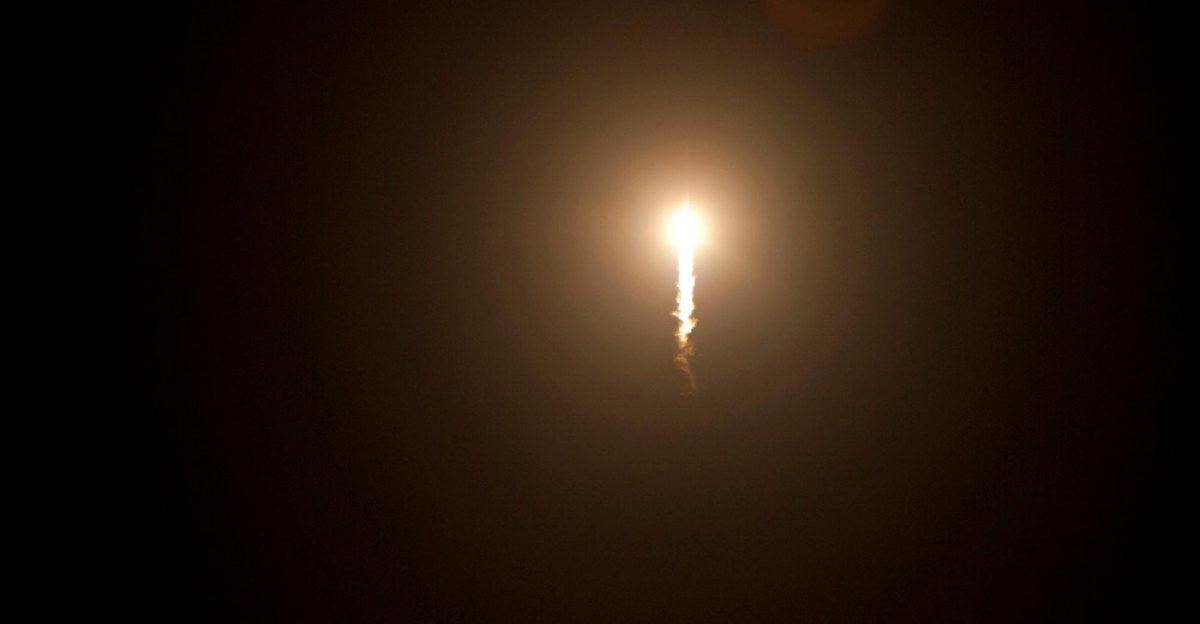
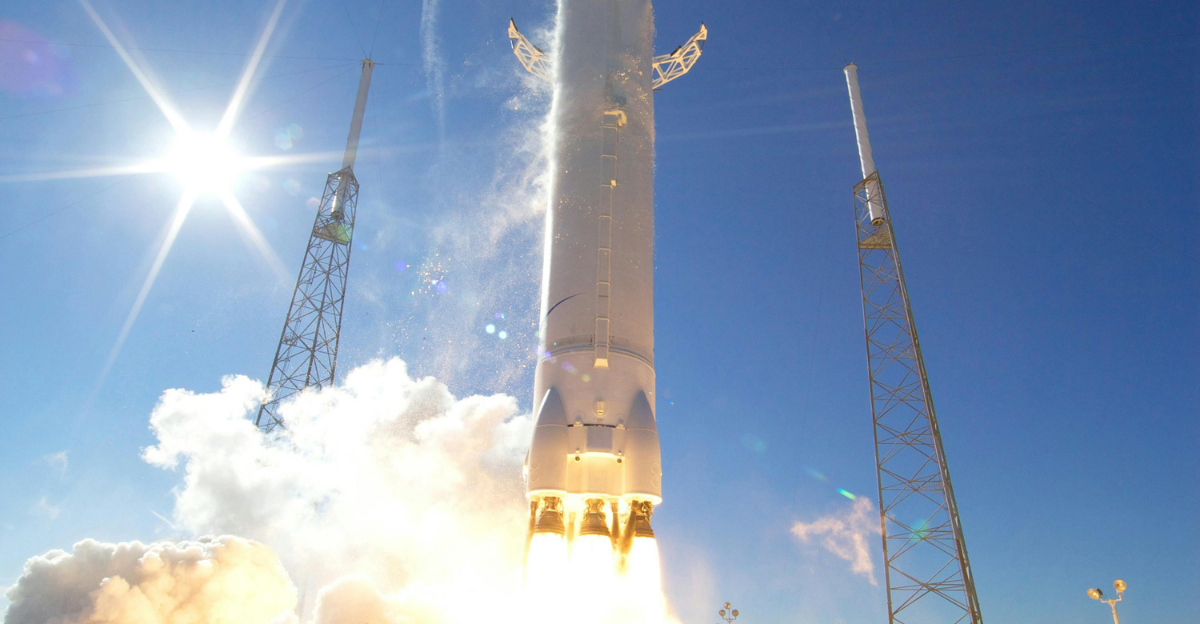
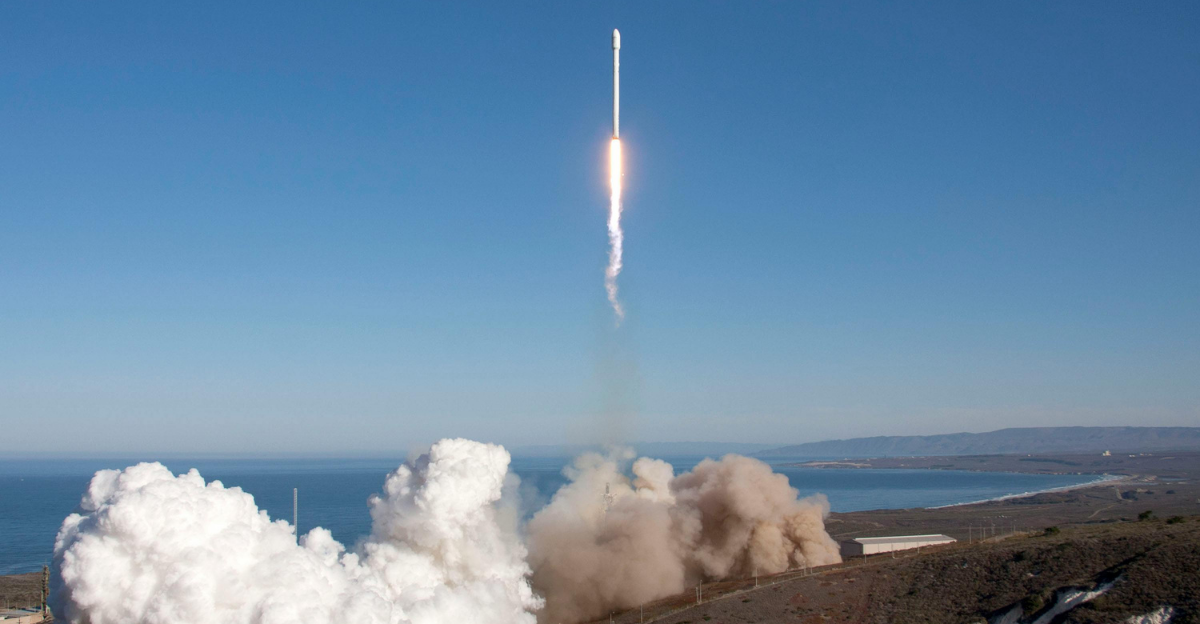
Pandora launched at 5:44 a.m. PST on January 11, 2026, aboard a Falcon 9 rocket from Space Launch Complex 4 East.
The mission shared the launch with two additional payloads, SPARCS and BlackCAT. Initial contact was confirmed shortly after deployment, and early telemetry indicated that the spacecraft and instruments were functioning as expected.
Commissioning Phase
Following launch, Pandora entered a commissioning period lasting several weeks. During this time, engineers calibrated instruments, verified pointing accuracy, and tested data downlink systems.
Commissioning ensures that the visible and infrared detectors are properly aligned and stable before science observations begin. Full science operations are expected once all performance checks are complete.
Data Handling
All observational data will be processed through NASA-approved pipelines to produce calibrated light curves and spectra.
These products will allow researchers to separate stellar and planetary signals with greater accuracy. Data management follows standard NASA archival practices to ensure long-term accessibility and scientific reproducibility.
Open Data Policy

NASA has confirmed that all Pandora data will be released publicly after the completion of the one-year primary mission. There will be no proprietary period.
This open-access approach allows scientists worldwide to analyze the results, test independent models, and apply Pandora’s corrections to past and future exoplanet observations.
Relationship to Larger Missions
Pandora complements major observatories rather than replacing them. Its findings will help refine target selection and interpretation for missions such as the James Webb Space Telescope and the upcoming Roman Space Telescope.
By clarifying which atmospheric signals are reliable, Pandora improves the scientific return of more resource-intensive missions.
Scientific Impact
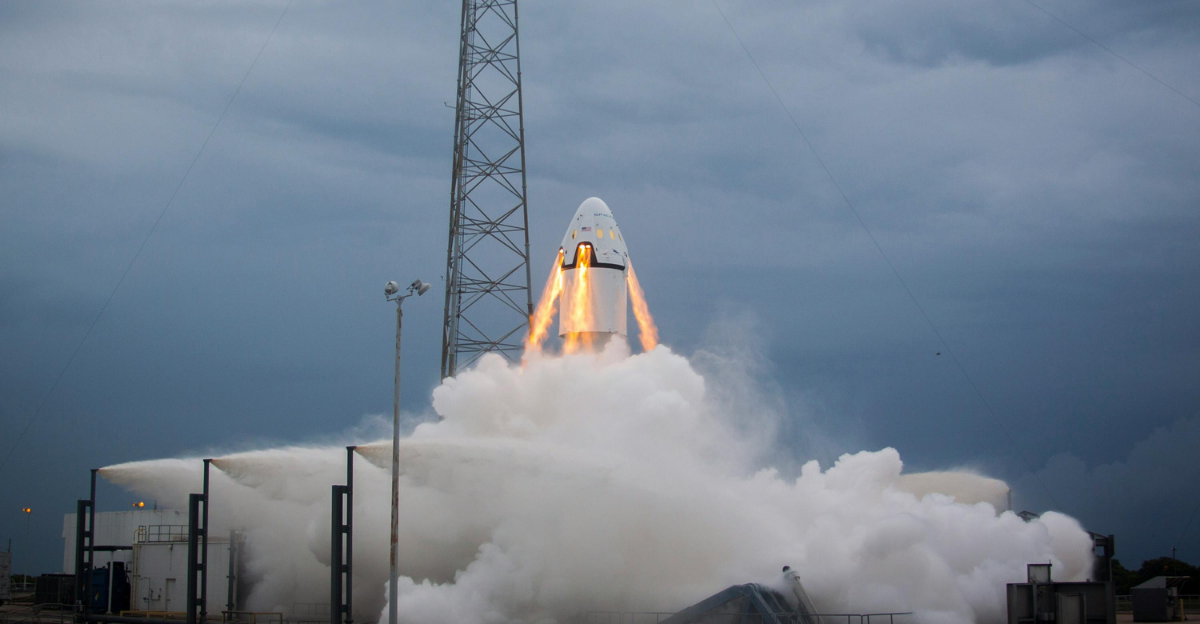
By addressing stellar contamination directly, Pandora is expected to improve confidence in atmospheric studies across thousands of known exoplanets. Its results will inform models used throughout the field and reduce uncertainty in claims about atmospheric composition.
This contribution is particularly important for planets orbiting small, active stars, which dominate current exoplanet catalogs.
Educational and Workforce Benefits
The mission supports training for early-career scientists and engineers through hands-on involvement in mission operations and data analysis.
Universities and research institutions participating in Pandora gain experience with end-to-end space missions, from development to data release, strengthening the future astrophysics workforce.
Mission Timeline
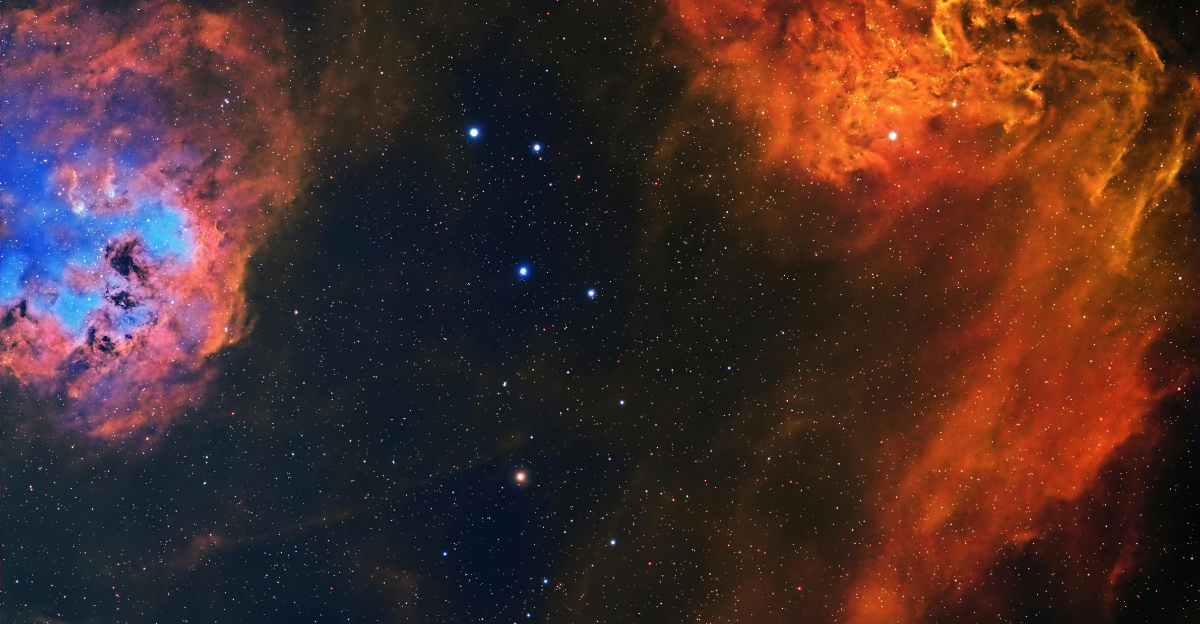
Pandora’s primary mission runs for one year following commissioning, concluding in early 2027. During this period, the spacecraft will focus on its core target list.
Any mission extension would depend on spacecraft health and available resources but is not required to meet the mission’s primary science objectives.
Conclusion

Pandora represents a focused, cost-efficient step forward in exoplanet science. By isolating planetary atmospheres from stellar interference and releasing all data publicly, the mission strengthens the foundation for future discoveries.
Rather than searching for life directly, Pandora ensures that future claims about alien worlds are built on cleaner, more reliable observations.
Sources:
- NASA Pandora Space Telescope Liftoff | SpaceX Falcon 9 (Friends of NASA)
- NASA’s Pandora Satellite, CubeSats to Explore Exoplanets (IPAC Caltech)
- Exoplanet Catalog (NASA Science)
- The Pandora Mission Will Study Exoplanet Atmospheres (Astrobiology.com)
- Target Selection for the Pandora SmallSat: A NASA Mission to (USU Digital Commons)
- NASA’s Pandora Satellite Acquires Signal (NASA Blogs Small Satellites)