A turbulent 10-day period has exposed critical vulnerabilities in Asia’s aviation sector after two international carriers serving cross-border routes ceased operations in rapid succession. Royal Air Philippines announced its permanent closure on December 28, 2025, before canceling all flights on January 4, 2026, while India’s Dove Airlines—dormant since creditors grounded its fleet in 2022—formalized its demise through voluntary liquidation proceedings on January 5, 2026. Together, these twin collapses between late December and early January have left an estimated 3,000 to 4,000 passengers holding worthless tickets and scrambling for alternative travel arrangements.
International Operations Unravel Within Days

Both carriers operated international routes linking Asian markets before their downfall. Royal Air Philippines, which maintained scheduled service between the Philippines and destinations including Taiwan, Cambodia, and China, abruptly shut down all commercial passenger operations after years of mounting financial losses. The airline’s most significant international route—the only direct connection between Taipei and the resort island of Boracay—was eliminated, severing a critical tourism link between Taiwan and the Philippines.
Dove Airlines, though primarily a domestic charter operator in India, had participated in the government’s UDAN regional connectivity scheme aimed at improving air access to underserved markets across South Asia. After operating for 19 years since its 2007 founding, the carrier’s last aircraft was repossessed by creditors in 2022, effectively ending flight operations years before formal liquidation proceedings began.
A Decade-Plus of Financial Struggles Culminates in Collapse
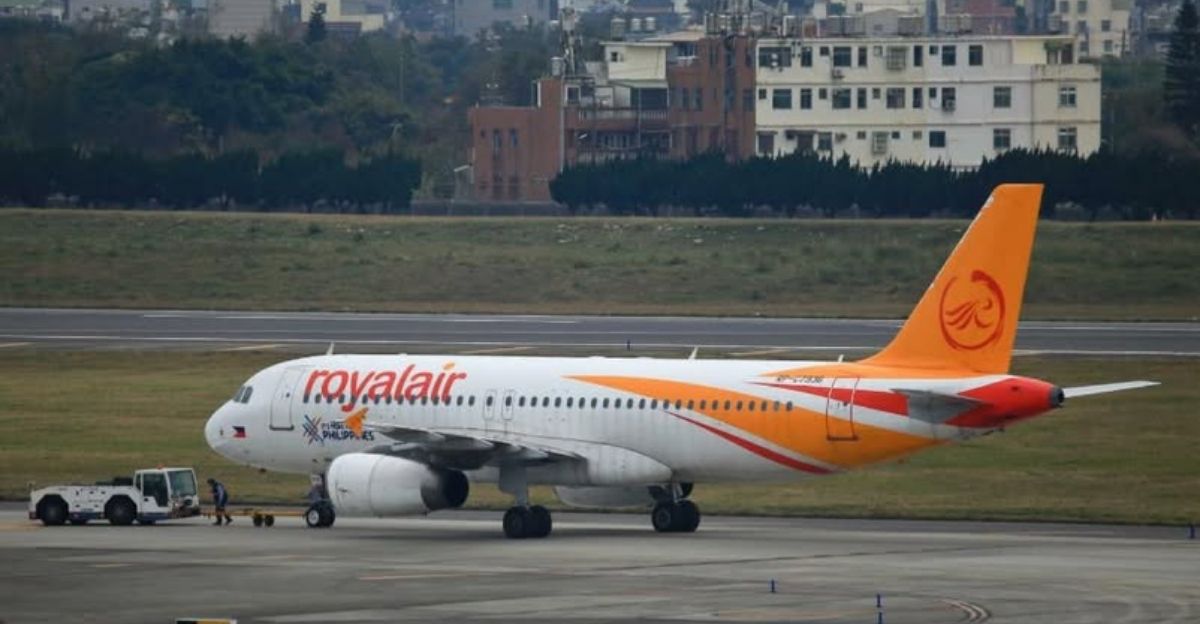
Royal Air Philippines’ journey from charter service to commercial failure spanned nearly 24 years. Established in 2002 and launching scheduled passenger flights in December 2018, the carrier never achieved profitability despite backing from Chinese investors and partnerships with international distribution systems like Sabre. Persistent operational losses, rising fuel costs, and insufficient revenue forced the airline to announce its permanent shutdown on December 28, 2025, giving just one week’s notice before the January 4 flight cancellations took effect.
Dove Airlines faced similar economic headwinds throughout its nearly two-decade existence. Operating small Dornier 228 aircraft, the regional carrier struggled to compete against India’s dominant airlines and low-cost carriers. By 2022, creditors had seized the company’s remaining aircraft, halting all flight operations and leaving debts that would ultimately force formal liquidation under India’s Insolvency and Bankruptcy Code four years later.
The January 5, 2026 liquidation order appointed Pranab Kumar Chakrabarty as official liquidator, with creditors given until February 4, 2026 to file claims against Dove Airlines’ remaining assets.
Thousands of International Travelers Left Without Recourse

The January 4 shutdown of Royal Air Philippines immediately stranded passengers holding confirmed bookings on international routes extending through March 2026. Between 3,000 and 4,000 travelers—many bound for cross-border destinations—found themselves without flights and facing significant rebooking costs as competitors raised prices amid reduced capacity.
The airline has not yet issued refunds, compounding the financial burden on affected passengers. Travelers are now pursuing compensation through credit card chargebacks, travel insurance claims, and booking platforms, while larger regional carriers work to absorb displaced passengers despite limited available seats.
For Dove Airlines’ former customers, the 2022 operational collapse had already forced rebooking years ago. The formal liquidation proceedings serve primarily to settle outstanding debts with creditors and former employees rather than address passenger compensation.
International Connectivity Gaps and Economic Ripple Effects
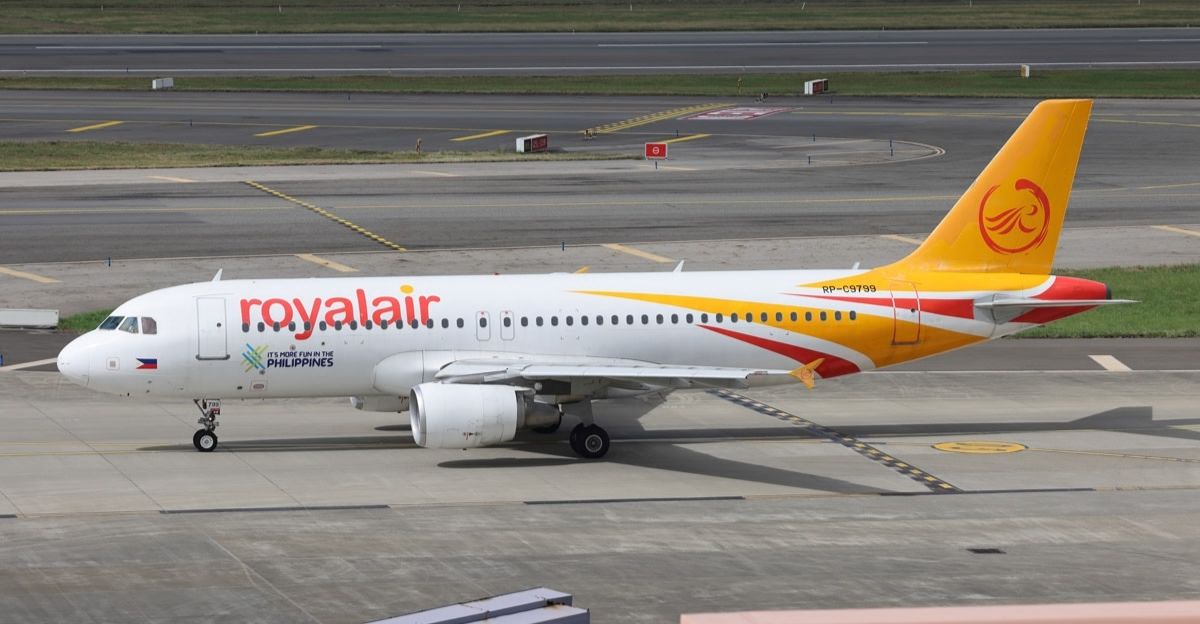
Royal Air Philippines’ international cargo operations—critical for time-sensitive shipments between the Philippines and regional trading partners—ceased alongside passenger services, forcing businesses to seek alternative freight options at higher costs. The elimination of the Taipei-Boracay route has created the most immediate international connectivity gap, potentially dampening Taiwanese tourism to one of the Philippines’ premier beach destinations during the critical winter travel season.
Both airlines’ collapses deliver immediate job losses to aviation workers across two countries. Royal Air Philippines’ shutdown eliminates positions for Filipino pilots, cabin crew, ground staff, and maintenance personnel, while Dove Airlines’ liquidation formalizes unemployment for any remaining Indian employees still awaiting resolution after the 2022 operational cessation.
Philippine and Indian aviation authorities—the Civil Aviation Authority of the Philippines (CAAP) and India’s Directorate General of Civil Aviation (DGCA)—continue monitoring these failures amid broader concerns about small carriers’ financial sustainability. Manila’s Ninoy Aquino International Airport has seamlessly reassigned gates and slots formerly used by Royal Air, maintaining normal operations for other carriers.
Regulatory Scrutiny Intensifies Across Asia-Pacific Markets
The back-to-back collapses within this compressed timeframe have intensified regulatory discussions about financial oversight requirements for small international carriers operating cross-border routes in Asia. Aviation analysts point to the thin profit margins, volatile fuel prices, and competitive disadvantages that make it nearly impossible for regional airlines to survive against established legacy carriers and well-capitalized low-cost airlines.
Travelers throughout the region are increasingly prioritizing airline financial stability and reliability over price, accelerating a shift toward major carriers that may reduce competition and raise fares on secondary international routes. Insurance providers are reviewing coverage policies, with passengers urged to verify insolvency protection before booking tickets on smaller international airlines.
Market Consolidation Accelerates as Survivors Fill International Route Gaps
The elimination of these two carriers from Asia’s aviation landscape signals continued volatility for smaller international operators unable to withstand economic pressures. Larger airlines across the Philippines, India, and neighboring countries are evaluating opportunities to capture the vacated international routes and passenger traffic, though reduced competition may result in higher fares and less frequent service on regional cross-border connections.
The 10-day period from Royal Air’s December 28 shutdown announcement to Dove Airlines’ January 5 liquidation filing marks one of the most concentrated collapses of international airline operations in recent Asia-Pacific aviation history. Industry stakeholders stress the need for sustainable business models and stronger financial safeguards to prevent future disruptions to international air connectivity across the region’s vital tourism and trade corridors.
Sources:
“24-year-old airline cancels all flights, passengers stranded.” The Street, 5 Jan 2026.
“Chinese-backed Royal Air Philippines to suspend passenger flights.” China Travel News, 4 Jan 2026.
“Royal Air Philippines ends direct flights between Taipei and Boracay.” Taiwan News, 23 Dec 2025.
“India’s Dove Airlines enters voluntary liquidation.” ch-aviation, 12 Jan 2026.