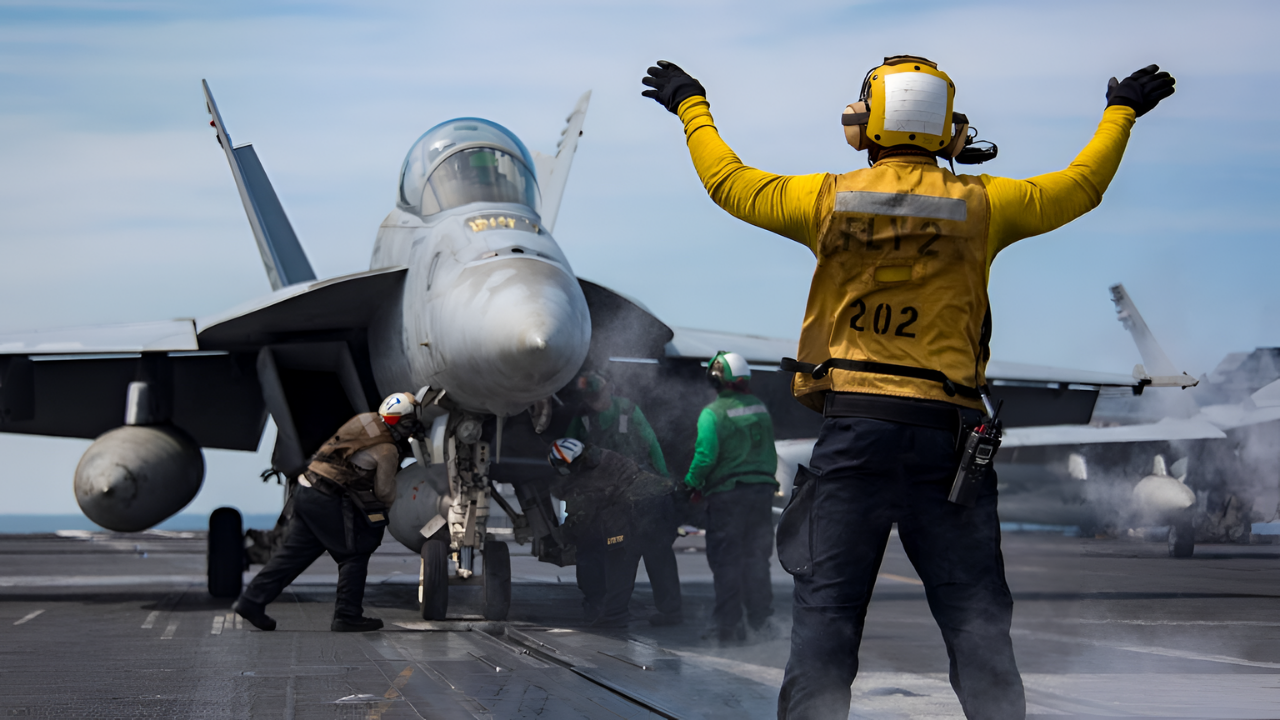
The USS Abraham Lincoln carrier strike group has been operating in the South China Sea since late December 2025. On January 8, 2026, the carrier conducted Phalanx Close-In Weapon System live-fire training in waters China claims under its nine-dash line.
The nuclear-powered carrier and its escorts carry approximately 5,000 U.S. sailors and Marines as regional tensions over Taiwan intensify.
Flashpoint Looms
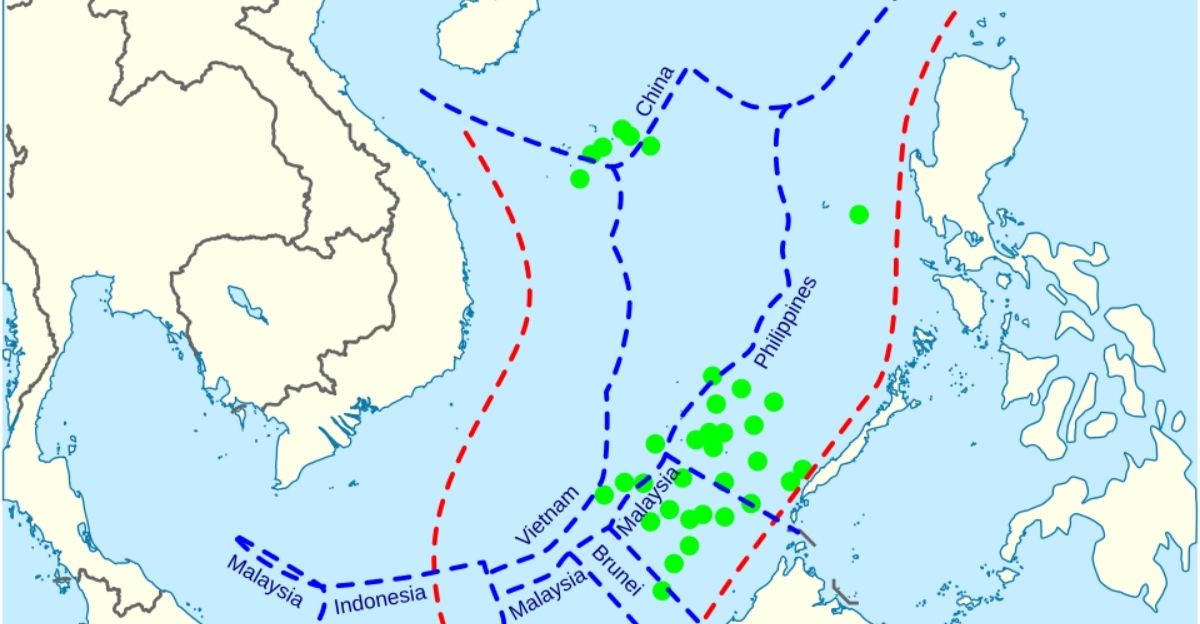
The South China Sea is one of the most contested waterways on Earth, carrying an estimated $3–5 trillion in global trade annually. China, Vietnam, the Philippines, Malaysia, Brunei, and Taiwan all assert overlapping claims.
As regional militarization continues, U.S. forces patrol to uphold international law and freedom of navigation. Every maneuver occurs under close surveillance, raising the risk of miscalculation in waters where distance between rivals is often measured in miles.
Nine-Dash Line Legacy
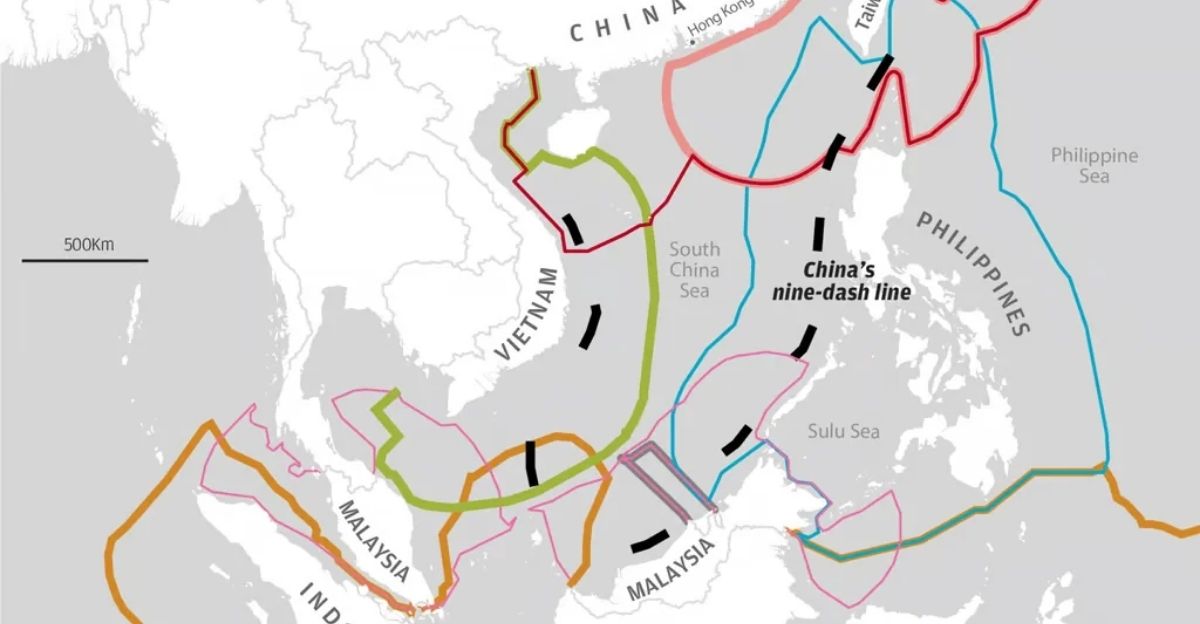
China’s claim to roughly 90% of the South China Sea stems from the “nine-dash line,” first published in 1947. In 2016, an international tribunal under UNCLOS ruled the claim had no legal basis.
Beijing rejected the decision and accelerated island-building and militarization. The ruling remains unenforced, leaving U.S. freedom-of-navigation operations as one of the few practical challenges to China’s expansive maritime assertions.
Taiwan Tensions Build
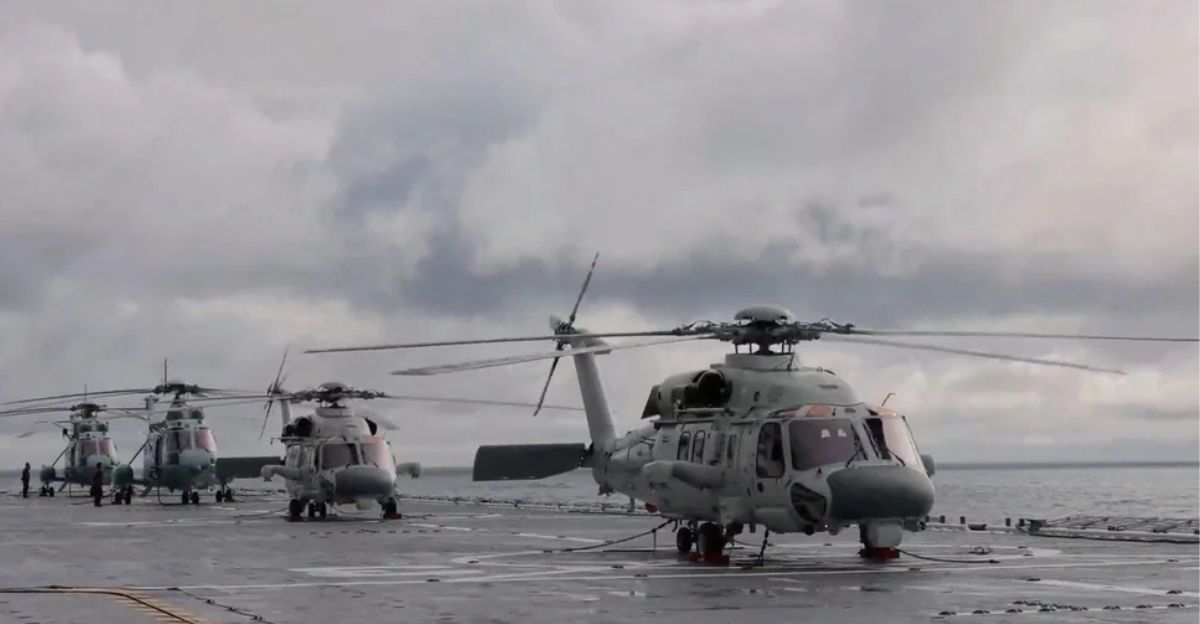
Pressure escalated sharply in late December when China’s Eastern Theater Command launched “Justice Mission 2025.” The live-fire drills on December 29–30 encircled Taiwan, which Beijing considers a breakaway province.
The exercises were framed as punishment for pro-independence forces. Days earlier, the U.S. approved $11.1 billion in arms sales to Taiwan, reinforcing deterrence while raising regional anxiety over potential escalation.
Lincoln Enters the Fray
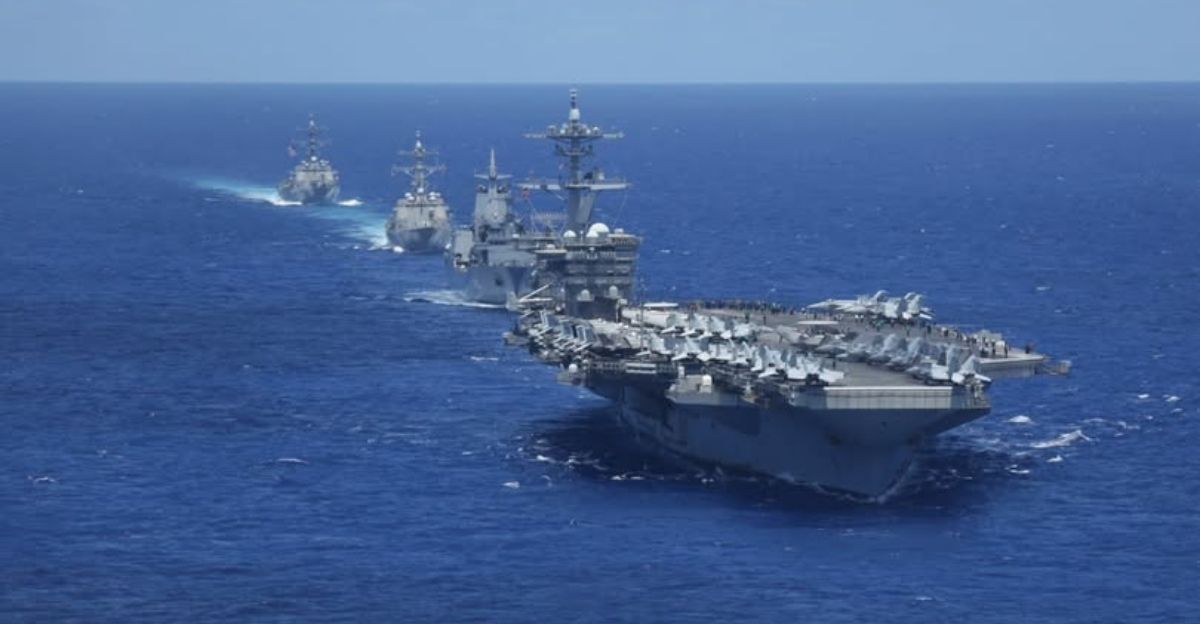
The USS Abraham Lincoln Carrier Strike Group arrived in the South China Sea on December 26, 2025, after a port call in Guam. Escorted by three Arleigh Burke–class destroyers, the carrier launched F/A-18E Super Hornets.
The group conducted live-fire Phalanx CIWS drills on January 8, 2026. U.S. 7th Fleet spokesman Cmdr. Matthew Comer described the deployment as “routine operations” aimed at deterring aggression.
Claim Clash Ignites
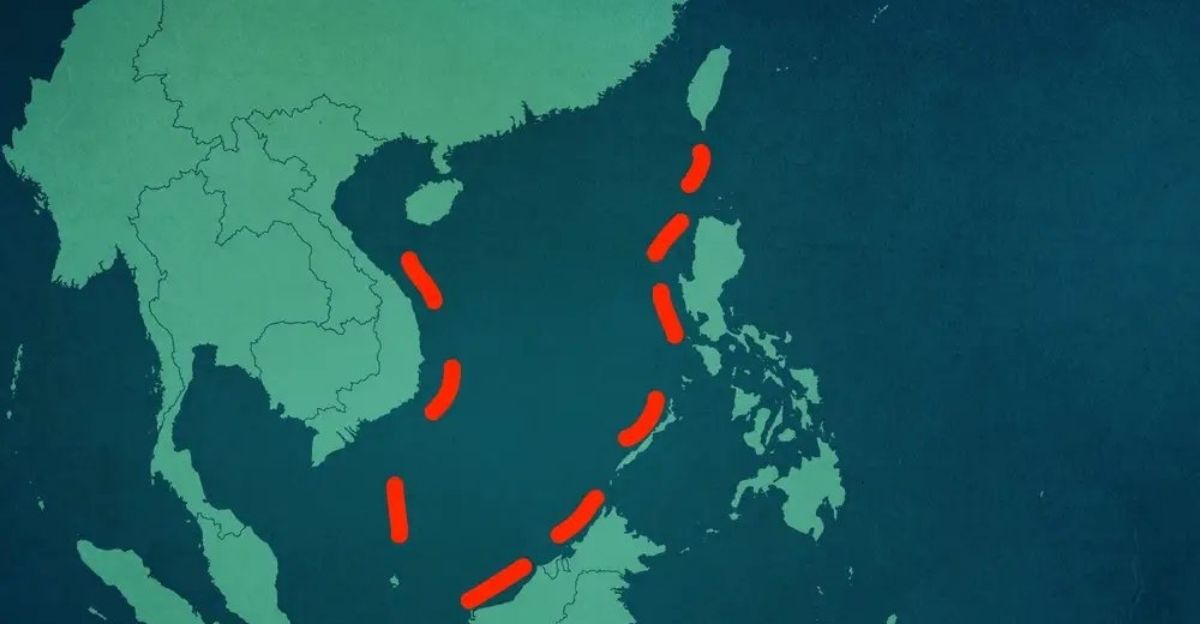
The strike group is operating in waters China claims under the nine-dash line, directly challenging Beijing’s sovereignty narrative. The Pentagon emphasizes compliance with international law, while regional allies quietly track every move.
The timing—coinciding with Chinese drills around Taiwan—raises concern about unintended escalation. With multiple navies operating in close proximity, the margin for error narrows in one of the world’s most heavily monitored seas.
Maintaining Operational Readiness
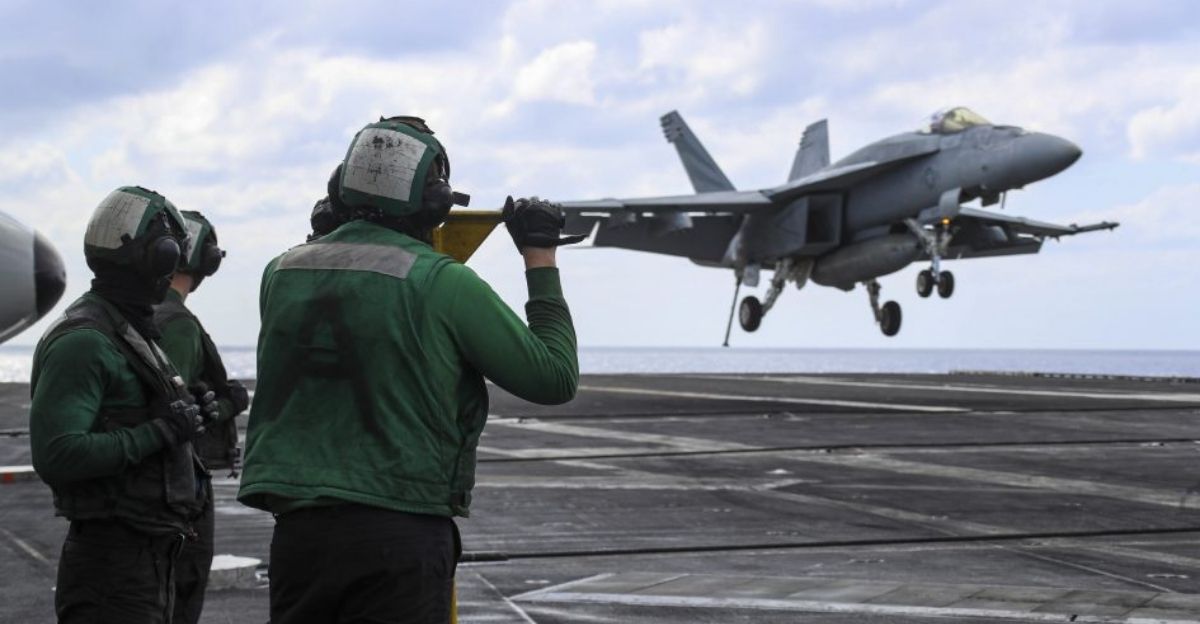
Aboard the Abraham Lincoln, approximately 5,000 sailors and Marines conduct routine drills including damage control, flight operations, and defensive exercises. Before the carrier’s departure from Guam in late December, commanding officer Capt. Dan Keeler said the crew was “eager to learn from new cultures.”
He added they sought to strengthen partnerships and alliances while demonstrating what a carrier strike group brings to the fight. Training continues amid heightened Taiwan Strait tensions following Chinese military drills that encircled the island in late December.
Destroyer Backbone
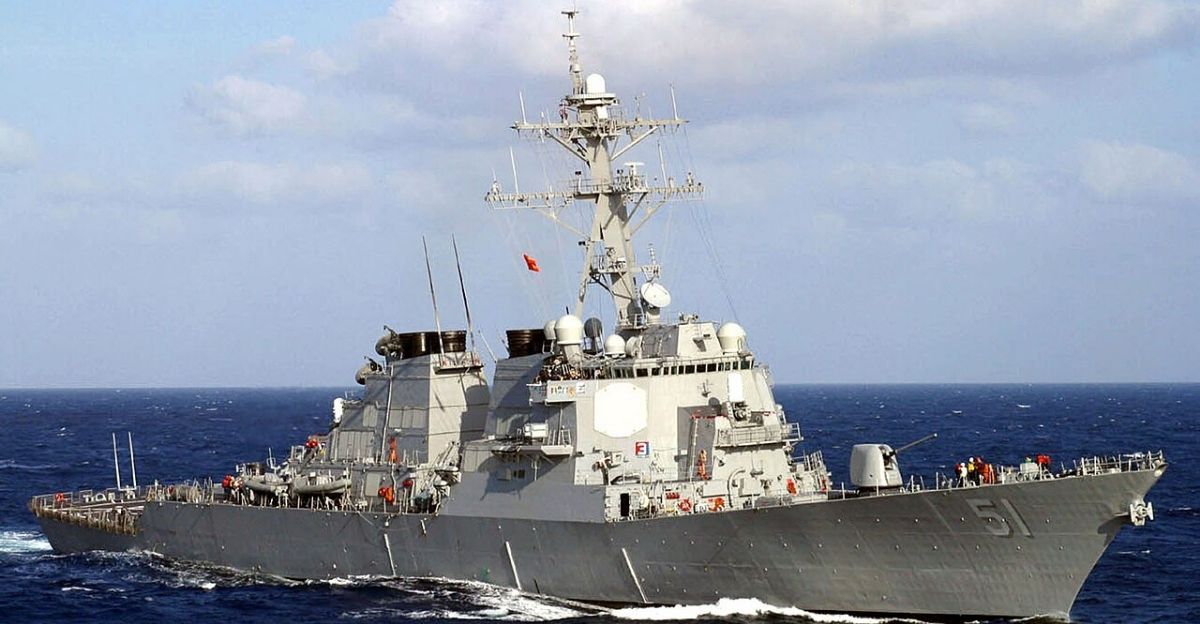
The carrier is escorted by three Arleigh Burke-class guided-missile destroyers: USS Spruance (DDG-111), USS Michael Murphy (DDG-112), and USS Frank E. Petersen Jr. (DDG-121). Arleigh Burke-class destroyers typically cost $1.8–2 billion depending on variant and year.
Together, they provide layered air, surface, and missile defense capabilities. Operating under the U.S. 7th Fleet, which maintains approximately 50–70 ships and submarines forward-deployed in the Indo-Pacific, the escorts help reassure regional allies.
Supercarrier Specs
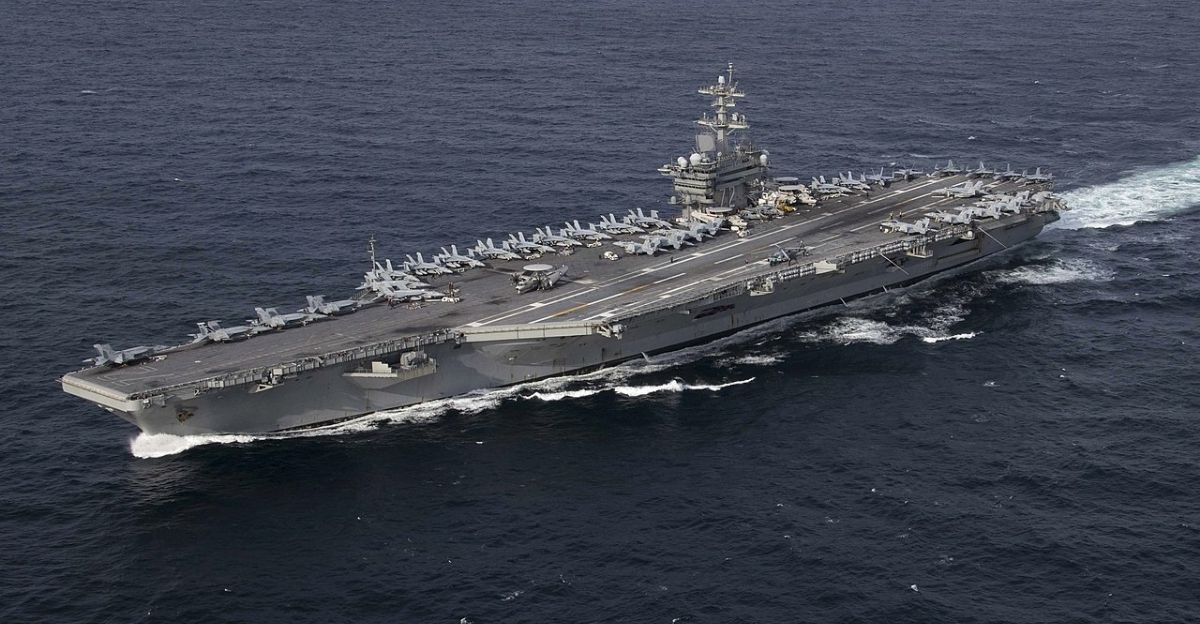
Commissioned in 1989, the nuclear-powered USS Abraham Lincoln (CVN-72) can operate for over 20 years without refueling. The Nimitz-class carrier accommodates up to 90 aircraft and employs multiple defensive systems including Phalanx CIWS.
The carrier’s original construction cost was $4.5 billion, with an additional $2.6 billion refueling completed in 2017, bringing total investment to approximately $7–8.5 billion. Combined with its escorts, the strike group represents roughly $13 billion in naval assets.
Dual Drills, Tight Timing
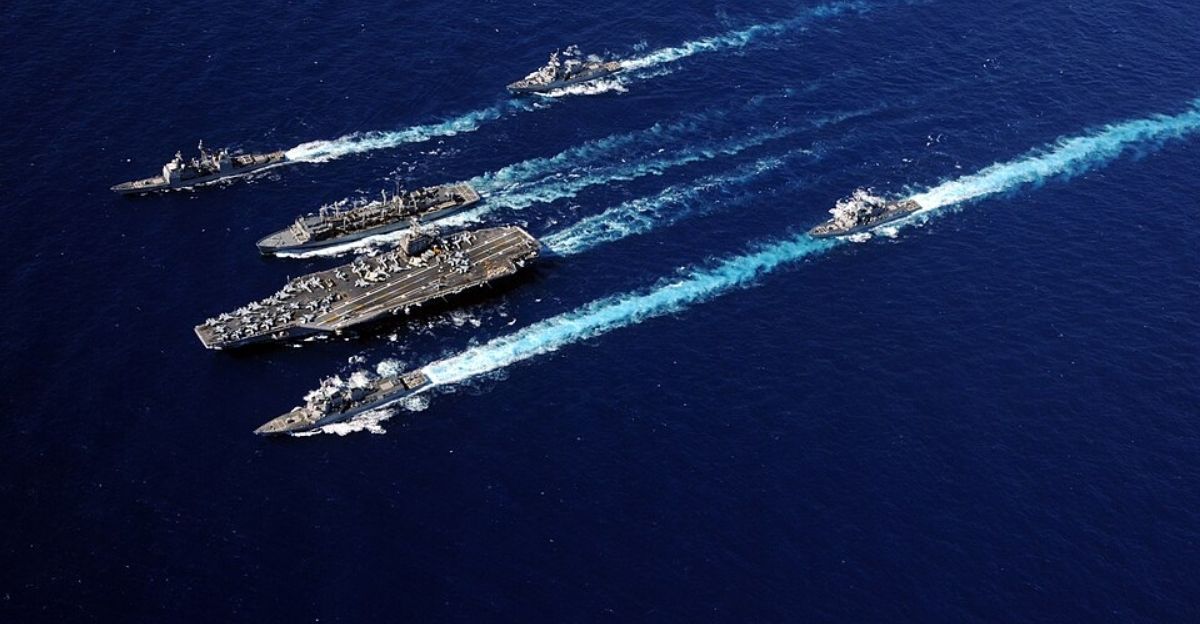
Lincoln’s January 5–11 drills occurred days after China’s Taiwan exercises concluded on December 30. U.S. 7th Fleet officials described the carrier’s operations as routine freedom-of-navigation patrols aimed at deterring aggression.
The timing—following the largest Chinese military exercises around Taiwan in recent months—reflects the increasingly active military environment in the region.
Beijing Pushes Back
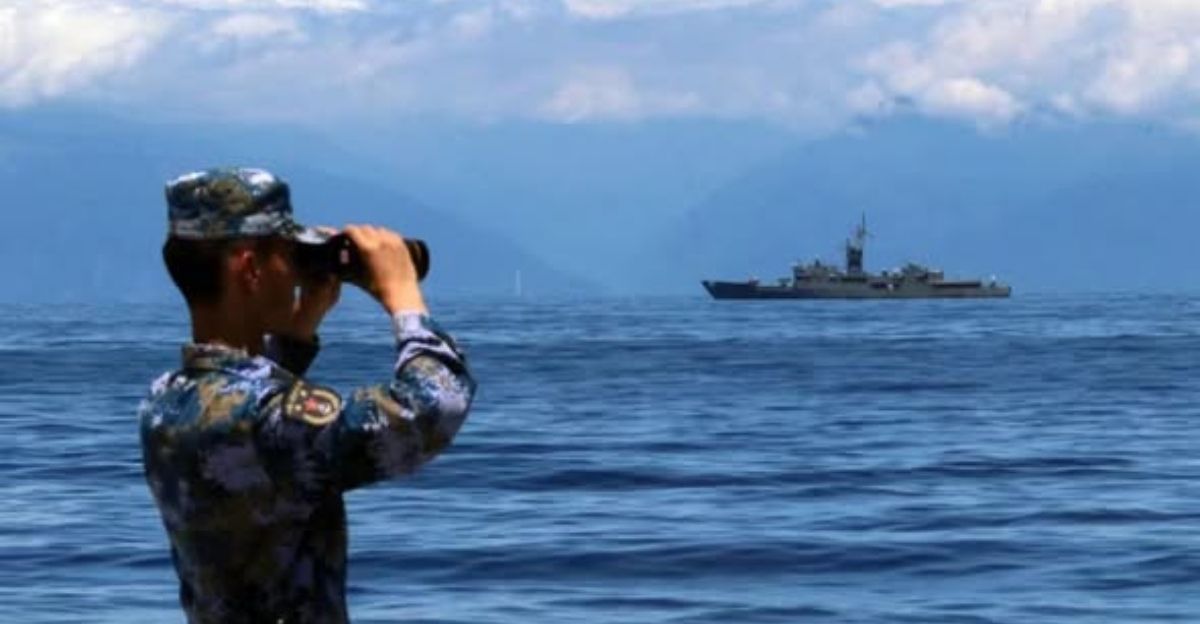
Chinese officials condemned U.S. operations as interference in internal affairs. Chinese state media outlets described the carrier’s presence as deliberate provocation.
The Eastern Theater Command monitored movements closely, reinforcing its expanded island infrastructure. Analysts note Beijing’s frustration with the 2016 ruling and its lack of enforcement.
Leadership and Messaging
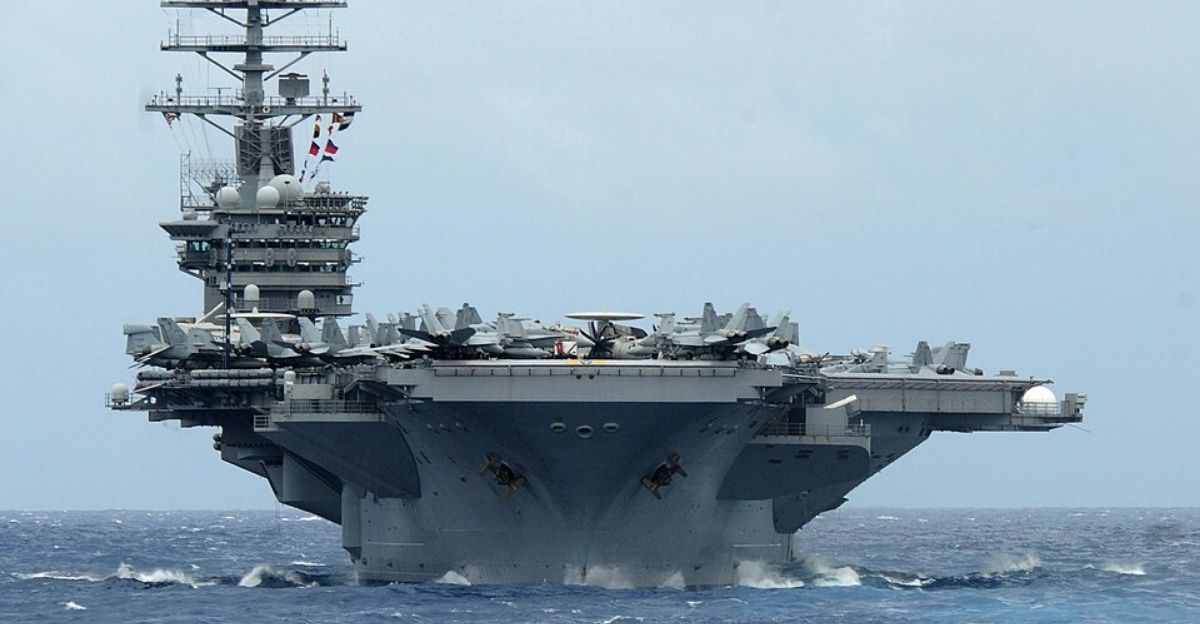
Capt. Dan Keeler commands the Abraham Lincoln, while Cmdr. Matthew Comer speaks for U.S. 7th Fleet operations. The deployment follows USS Nimitz’s departure from the region, maintaining continuous carrier presence.
The Trump administration has emphasized stronger Taiwan support, signaling resolve to Beijing. Official messaging remains measured, but the strategic intent is clear.
Alliance Reinforcement
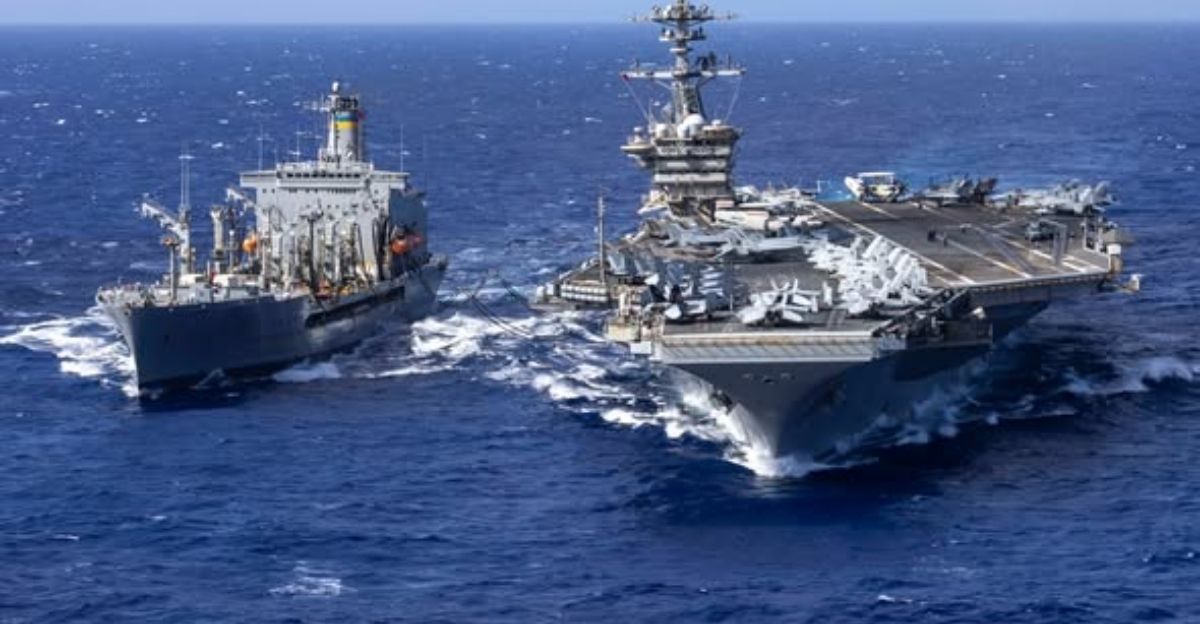
The carrier’s Guam stop and subsequent Philippine Sea operations reinforced ties with regional partners facing Chinese pressure. The U.S. continues to provide defensive arms to Taiwan under the Taiwan Relations Act.
Joint training and patrols signal readiness and reliability. For allies like the Philippines and Vietnam, sustained U.S. naval presence remains a critical counterweight.
Expert Warnings
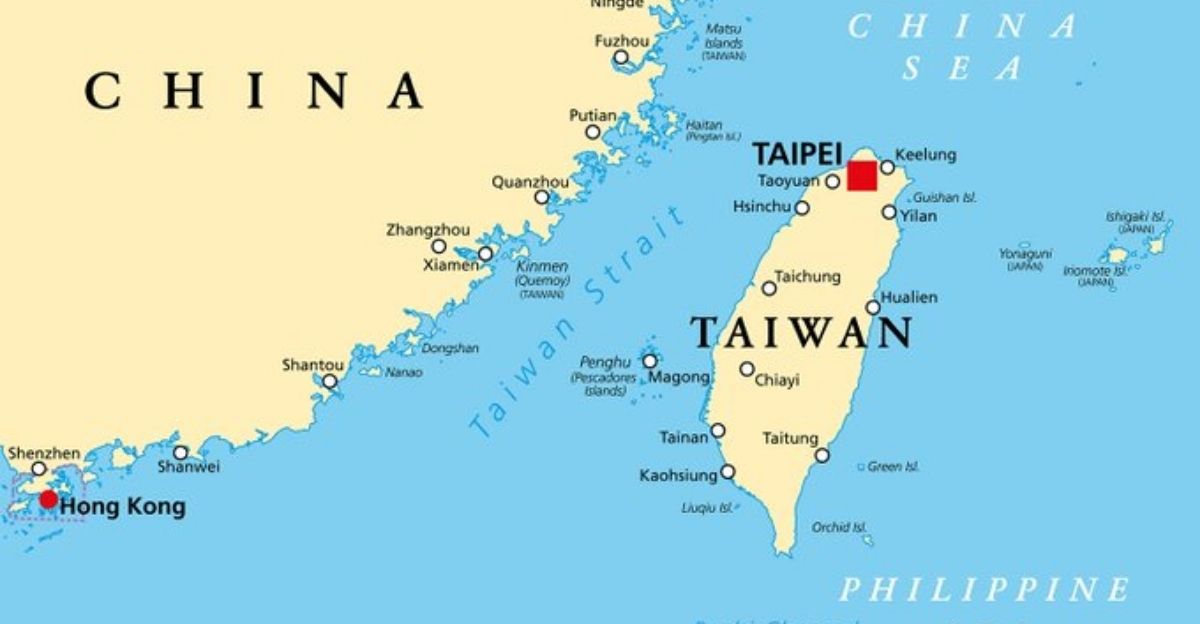
Defense analysts have identified the Taiwan Strait as a major flashpoint in U.S.-China relations. The Center for Strategic and International Studies warns that increased activity in confined waters raises the risk of miscalculation.
Some strategists question carrier survivability within the first island chain, citing China’s missile capabilities. U.S. Navy officials counter that layered defenses mitigate these risks.
What Comes Next
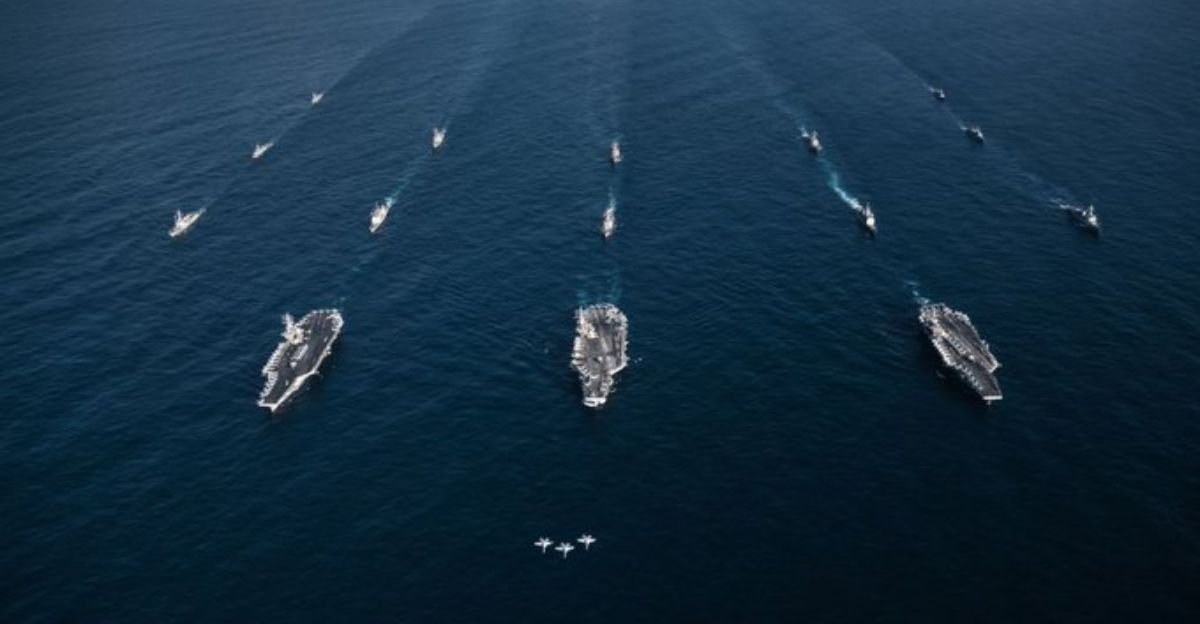
U.S. 7th Fleet planners anticipate continued carrier strike group rotations through the region. Taiwan’s arms pipeline continues to expand, and allies seek long-term U.S. commitments.
The unanswered question is whether deterrence can be sustained without escalation. For now, presence remains policy.
Policy Fault Lines
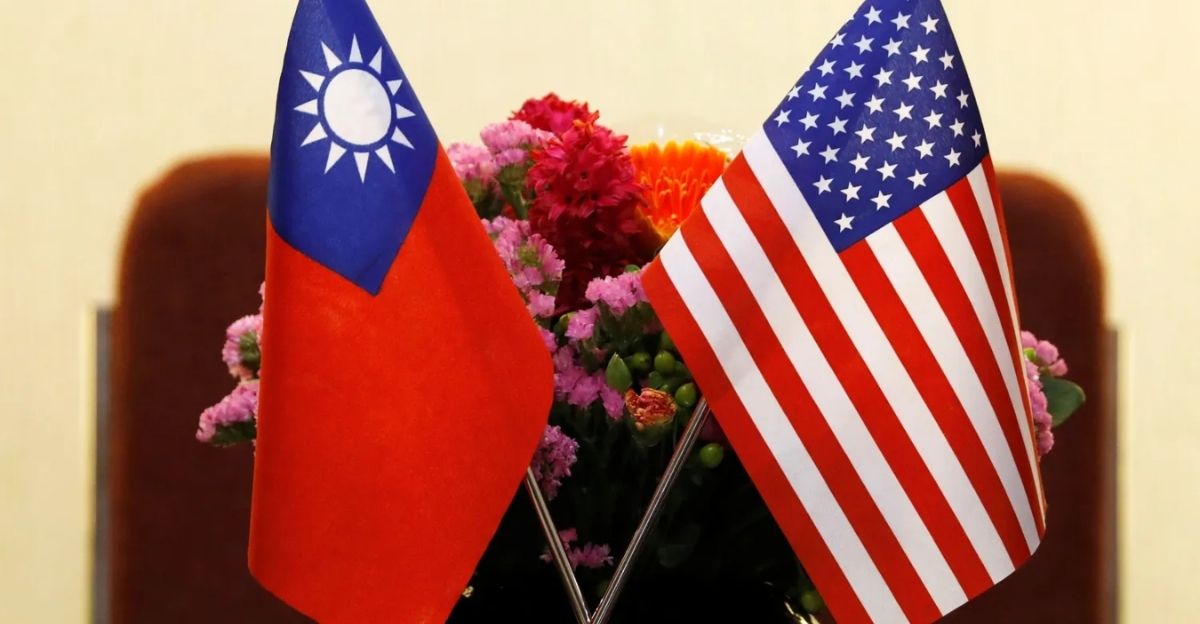
Washington balances strategic ambiguity with increased arms sales. The $11.1 billion package approved for Taiwan is the largest to date, though the Taiwan Relations Act stops short of guaranteed defense.
Beijing calls the policy meddling, while U.S. officials argue it preserves stability. The result is a narrow path between deterrence and provocation.
Global Ripples
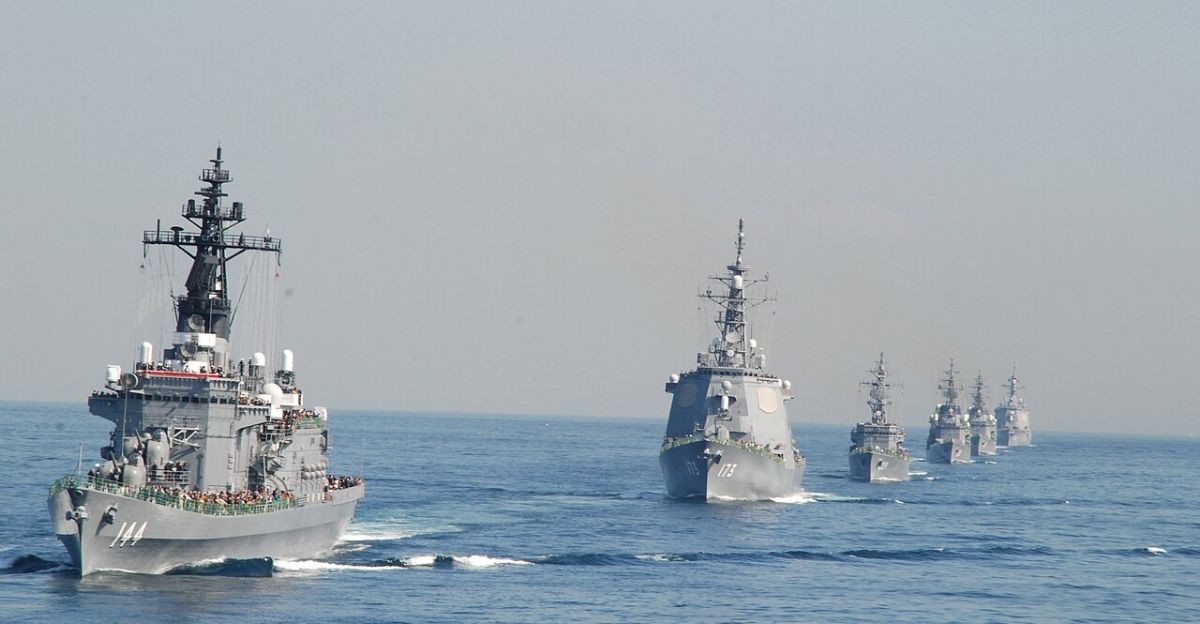
U.S. actions reverberate beyond the region. Japan and Australia increase patrols, while AUKUS deepens military cooperation.
Southeast Asian nations pursue legal channels aligned with UNCLOS, and European leaders monitor trade routes closely. Every naval movement shifts the Indo-Pacific balance.
The Legal Standoff
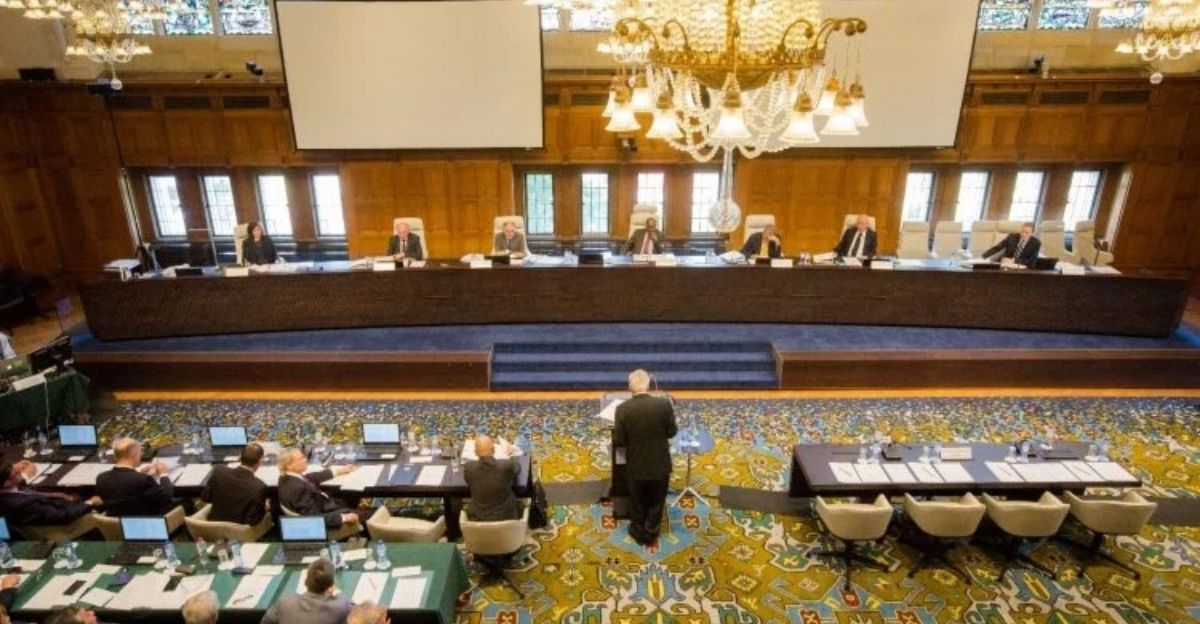
The 2016 Permanent Court of Arbitration ruled that China’s nine-dash line had no basis under UNCLOS. Beijing rejected the ruling, and no enforcement mechanisms exist.
U.S. freedom-of-navigation operations challenge excessive claims, while environmental groups document reef destruction from island-building. With trillions in trade transiting the region, navigation remains central.
Changing Perceptions
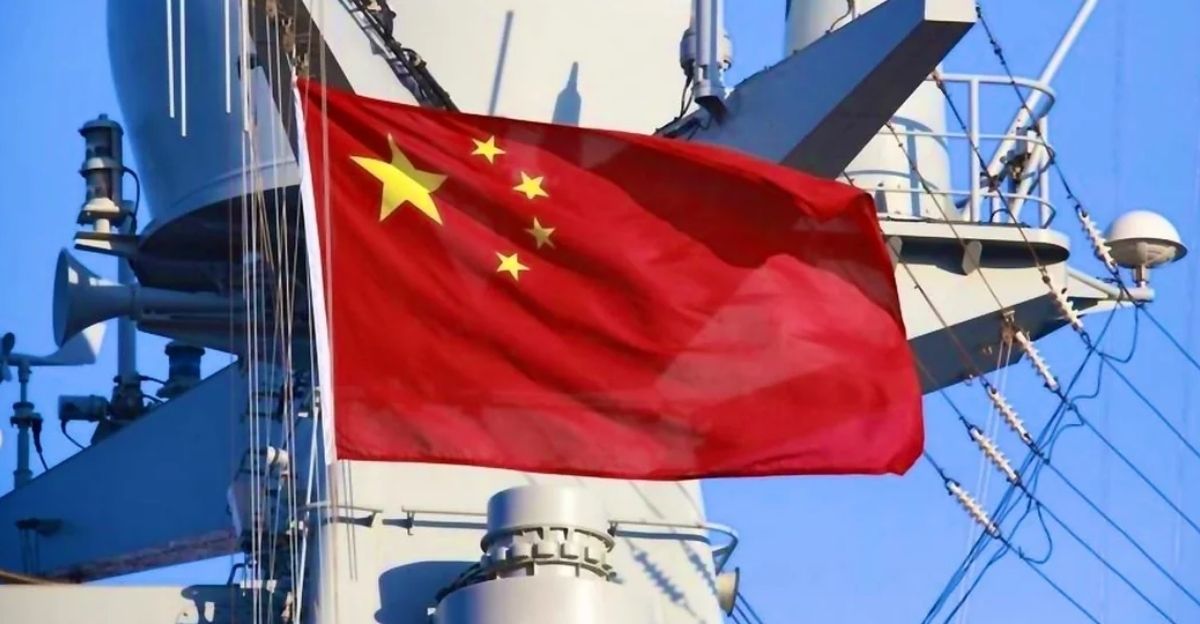
Public opinion polling shows growing concern over China’s military activity, particularly among younger demographics in Taiwan and the U.S. Beijing frames its actions as inevitable reunification.
Sailors share images of operations, reinforcing resolve. The U.S. pivot to Asia reflects a shift toward constant presence rather than episodic response.
The Signal Sent
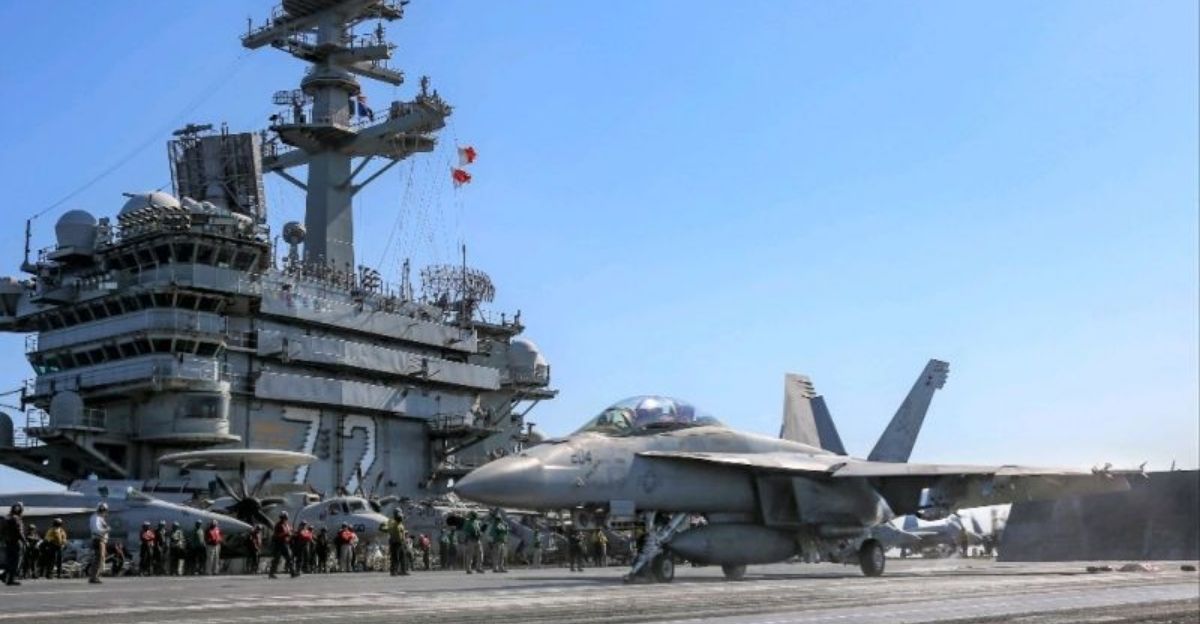
The USS Abraham Lincoln’s operations send a clear message: the U.S. intends to remain active in the region. The drills reinforce alliances and challenge contested claims.
As patrols continue, the question remains unresolved—can diplomacy keep pace with naval power, or will presence at sea define the next decade?
Sources:
Stars and Stripes | USS Abraham Lincoln holds live-fire drills in South China Sea | January 11, 2026
U.S. Navy Commander Pacific Fleet | Abraham Lincoln Carrier Strike Group arrives in Guam | December 10, 2025
Breaking Defense | US greenlights massive, $11 billion military arms package to Taiwan | December 17, 2025
BBC News | US announces $11bn weapons sale to Taiwan | December 18, 2025
Global Taiwan Brief | The PLA’s “Justice Mission-2025” Exercise Around Taiwan | January 4, 2026
Center for Strategic and International Studies | Judgment Day: The South China Sea Tribunal Issues Its Ruling | December 6, 2016