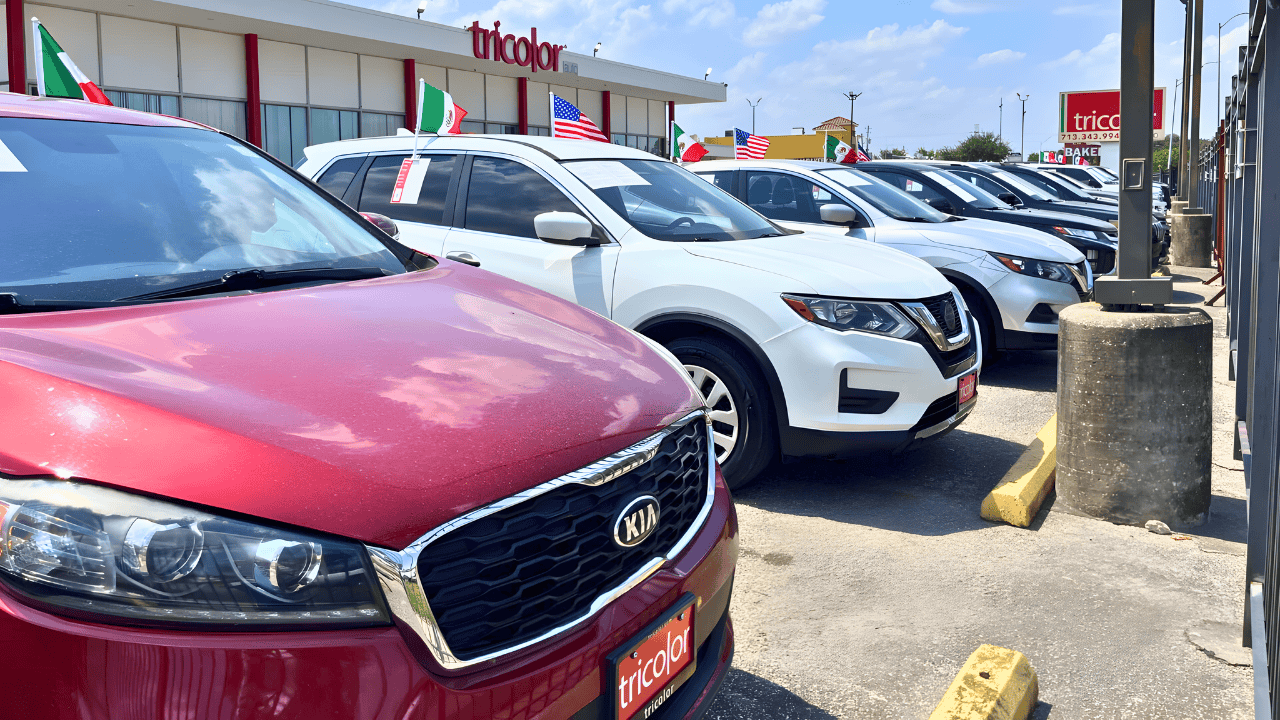
A Dallas-based subprime auto lender has collapsed under the weight of over $1 billion in liabilities. The unexpected shutdown has affected 100,000 borrowers and led to the firing of 1,000 workers across 60 locations.
Subprime auto delinquencies have surged, raising concerns about financial instability in the sector. What caused this rapid collapse of a once fast-growing company?
Delinquency Surge
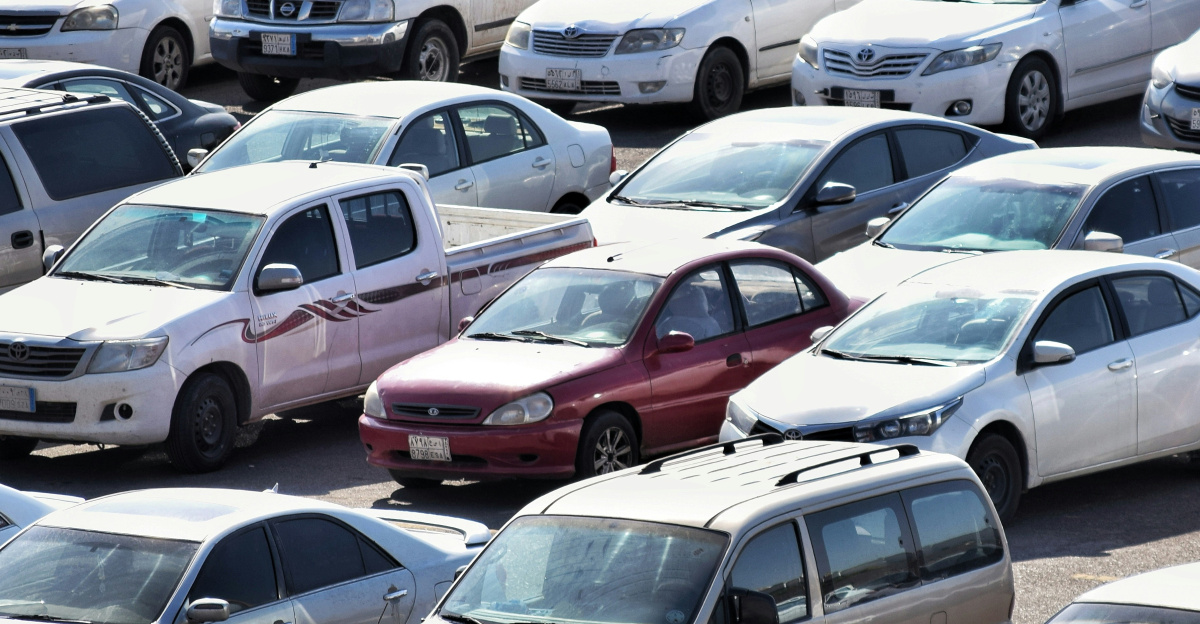
The subprime auto loan market is facing unprecedented strain, with 6.43% of borrowers at least 60 days late on their car loans by Q2 2024. This delinquency rate exceeds those seen during the COVID-19 pandemic, the Great Recession, and the dot-com bust.
The increase in late payments signals a growing crisis in subprime lending, with serious implications for the economy.
Rapid Rise and Fall
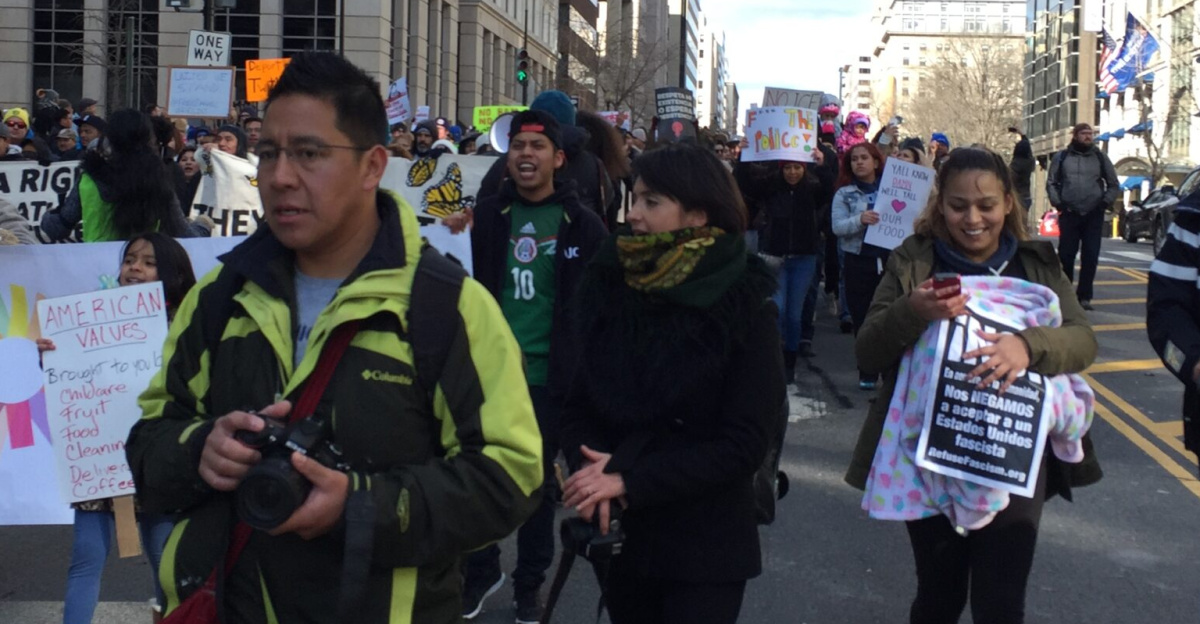
The lender, based in Dallas, rapidly expanded by targeting Hispanic immigrants with no-credit auto loans. In just a few years, it became one of the largest independent used-car chains in the U.S.
However, this rapid growth masked underlying vulnerabilities. The company’s focus on high-risk borrowers ultimately led to its downfall, as its aggressive expansion created an unsustainable financial model.
Fraud Clouds Gather
By August 2025, internal audits revealed significant discrepancies in loan data, including mismatched collateral and questionable loan practices.
Major banks, which had been funding the lender’s loans, began to scrutinize its operations. As fraud concerns mounted, the company’s ability to continue operating came into question, setting the stage for its eventual collapse.
Implosion
On September 10, 2025, Tricolor Holdings filed for Chapter 7 liquidation, marking the end of its troubled journey.
The company’s founder, Daniel Chu, faces federal charges for fraud, specifically for double-pledging collateral. The filing came just days after the closure of 60 retail locations, leaving employees and borrowers in turmoil.
Texas Dealership Chaos
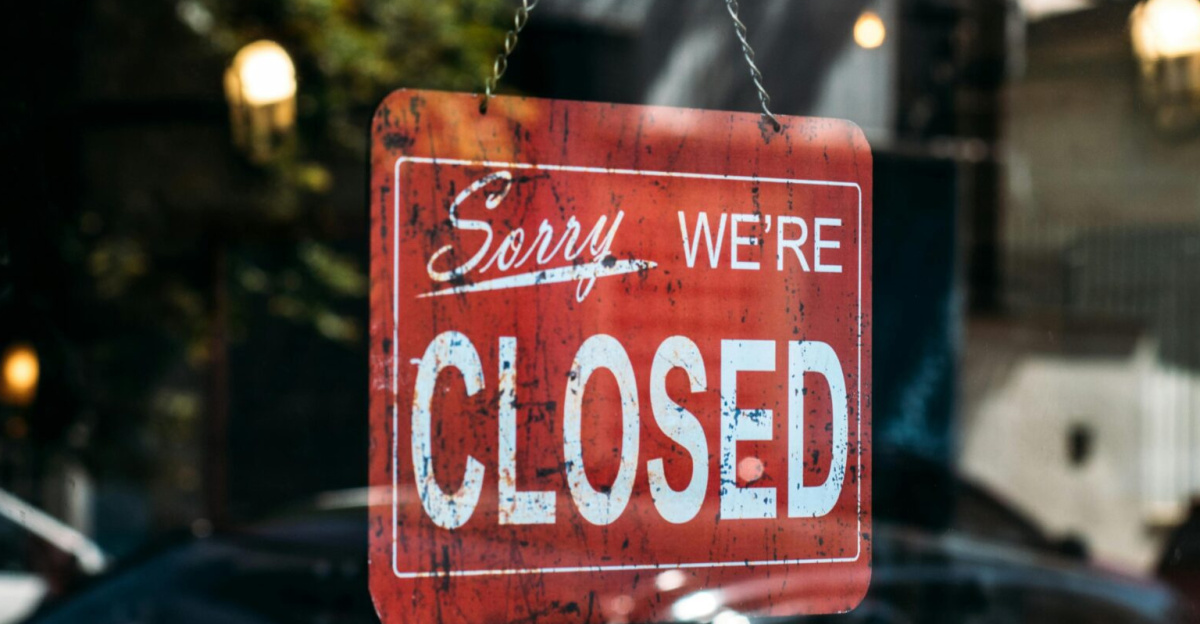
In cities like Dallas and Houston, Tricolor’s 60 retail locations shut their doors without warning. This sudden closure disrupted sales and service, leaving many customers in limbo.
Borrowers reported wrongful repossessions, prompting an investigation by the Texas DMV. The company’s 10,000 vehicles are now under the supervision of a bankruptcy trustee for liquidation.
Borrowers in Limbo
With 100,000 auto loans now under trustee supervision, borrowers face a chaotic future. Many of these borrowers are low-income immigrants, already vulnerable in the subprime market.
U.S. Attorney Jay Clayton warned that fraud in this sector would make it harder for people to secure auto loans in the future, leaving many uncertain about their financial futures.
Bank Losses Mount
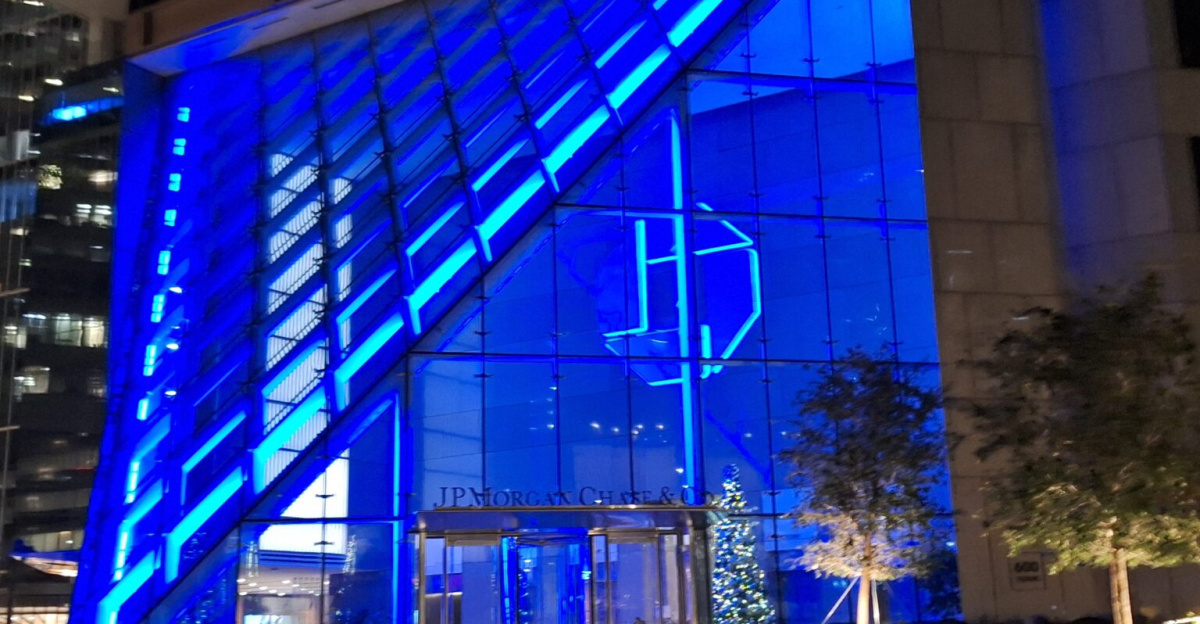
The collapse of Tricolor has sent shockwaves through the banking industry. JPMorgan Chase has written off $170 million, while Fifth Third Bancorp is facing a $170-200 million loss.
Other banks like Origin Bank and Barclays have also been exposed to significant losses, with total bank losses exceeding $370 million.
Subprime Sector Stress
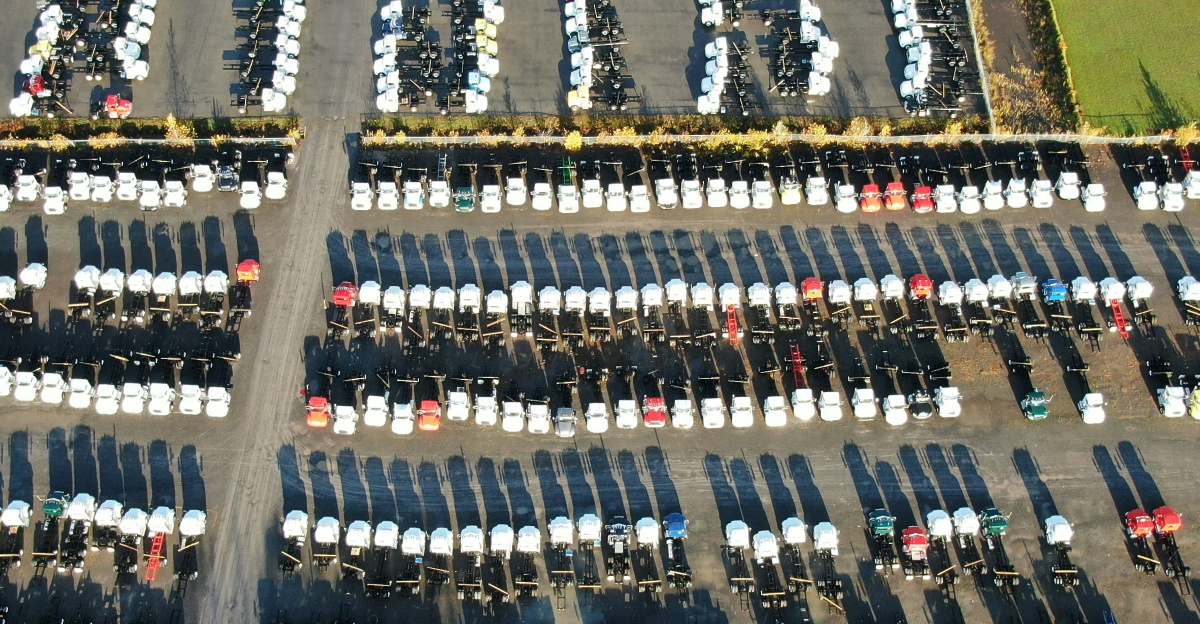
The downfall of Tricolor reflects broader stresses in the subprime auto sector. As subprime loan balances hit a record high of $60 billion in delinquencies, banks are increasingly cautious.
The 16.7% share of subprime auto loans remains stable, but lenders are reassessing their high-risk models in response to rising delinquencies.
$800M Fraud Gap
Prosecutors have revealed that Tricolor falsified its financials by over-pledging collateral. The company claimed $2.2 billion in collateral, but it actually held only $1.4 billion, creating an $800 million shortfall.
This fraudulent activity fueled the company’s growth until a 2025 internal audit exposed the discrepancies, leading to its collapse.
Employee Fury Erupts

Tricolor’s abrupt closure has left over 1,000 workers without jobs. Many employees were placed on unpaid leave before the shutdown, and they are now unsecured creditors.
The sudden layoffs have sparked anger among workers who feel betrayed by the company’s leadership. This has further complicated the financial and emotional fallout from the collapse.
Leadership Purge
Tricolor’s leadership is now under intense scrutiny. Founder Daniel Chu and COO David Goodgame face federal charges for their role in the company’s fraudulent practices.
The company’s former CFO, Jerome Kollar, has pleaded guilty and is cooperating with the federal investigation. Chu and Goodgame could face life sentences if convicted.
Liquidation Grind
Trustee Anne Elizabeth Burns has taken over the liquidation process, with 10,000 vehicles to be sold off by March 2026.
No new loans are being processed, and no new hires are allowed. Vervent, the company handling the servicing of the 100,000 loans, faces its own set of challenges as it transitions the loan accounts and deals with title disputes.
Skeptics Weigh In
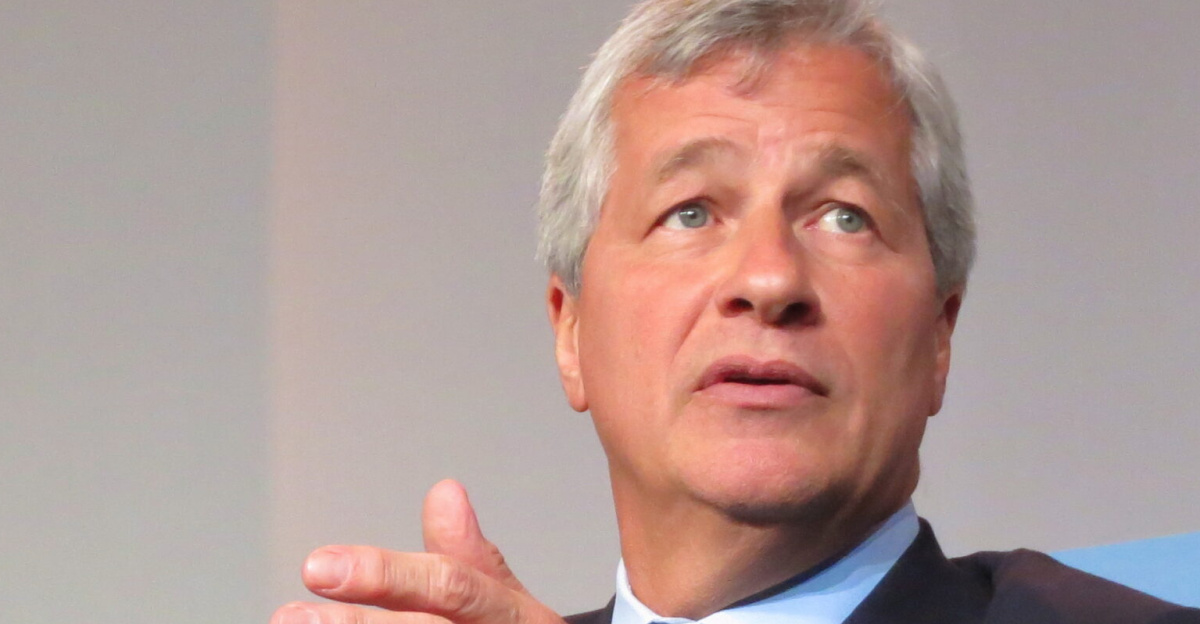
Industry experts are questioning the speed and severity of Tricolor’s collapse.
Restructuring attorney Tom Califano called it “the quickest meltdown ever,” while JPMorgan CEO Jamie Dimon warned that the collapse could signal broader issues in the subprime auto lending market. The question remains: how many other companies are facing similar risks?
Credit Crunch Looms
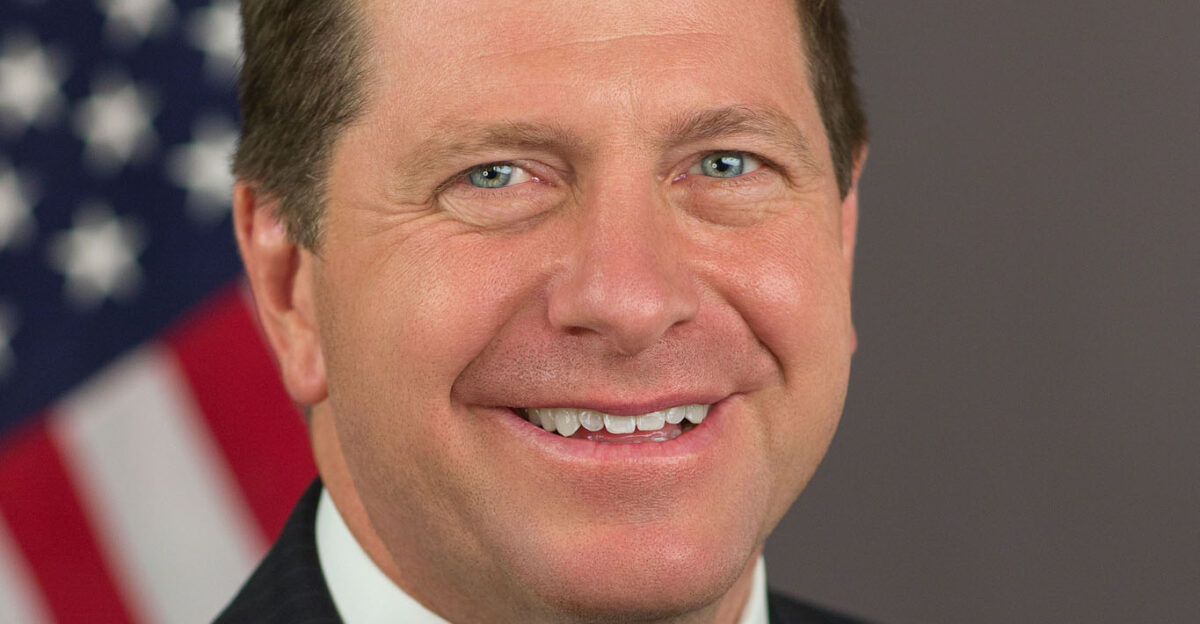
With subprime delinquency rates rising and fraud scandals making headlines, credit access is tightening across the subprime auto sector.
U.S. Attorney Clayton’s warning echoes throughout the industry: tighter credit is making it harder for low-income families to obtain auto loans. For millions of borrowers, the future of subprime financing is uncertain.
Regulatory Reckoning
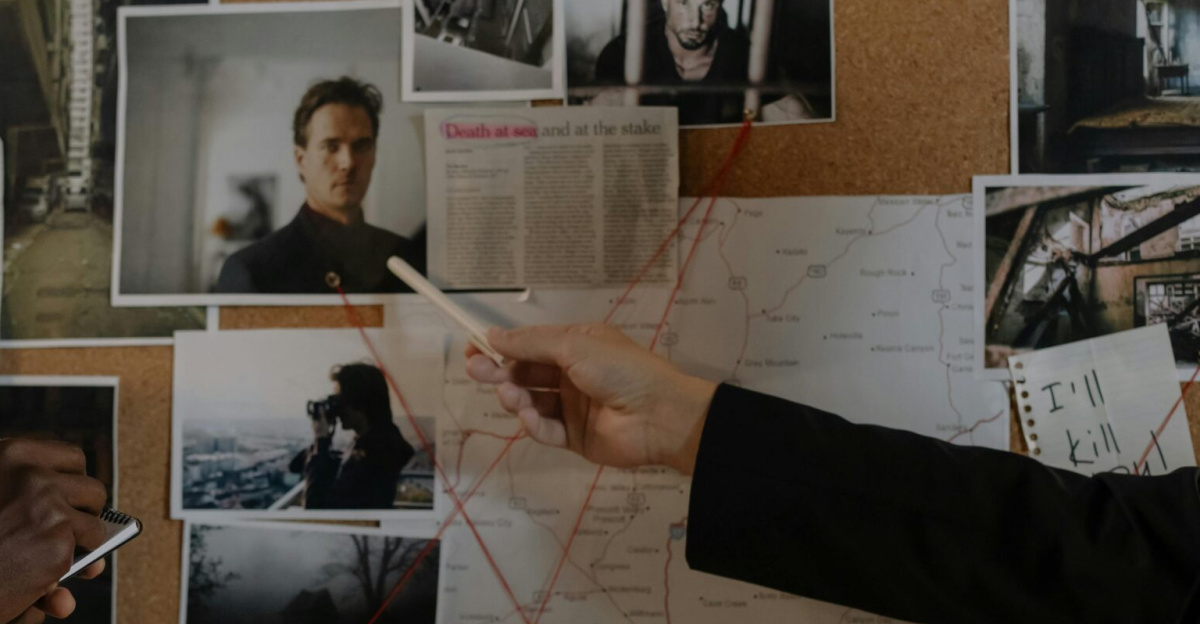
Federal agencies, including the DOJ and SEC, are investigating Tricolor’s fraudulent activities.
The collapse has prompted calls for tighter regulations on subprime auto lending, particularly in the area of warehouse lending. The shift in regulatory focus could have far-reaching implications for the future of auto financing.
Investor Ripples Global
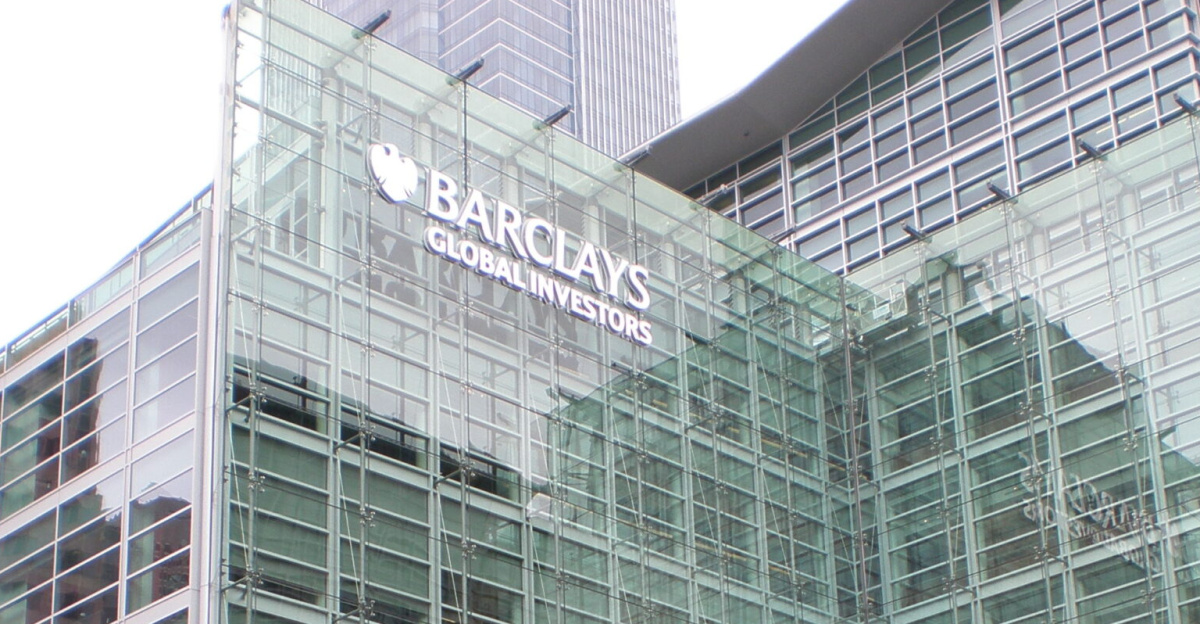
Tricolor’s collapse has caused ripples across global markets. Banks like Barclays and U.S. institutions have lost significant investments, and traders are dumping subprime auto securities.
The liquidation of Tricolor’s assets is having a global impact, affecting international investors who were exposed to U.S. subprime auto loans.
Legal Battles Escalate
As the liquidation process drags on, legal battles are escalating. The trustee’s lawsuit aims to recover assets, while competing liens on the same collateral are causing priority disputes.
The criminal case against Tricolor’s executives is ongoing, and civil suits are expected to follow, leaving creditors and investors to fight for their share.
Immigrant Trust Shattered
Tricolor’s collapse has shattered the trust of immigrant communities who relied on the company for auto financing.
The company’s predatory practices, targeting Hispanic no-credit borrowers, have sparked a backlash. Many in the immigrant community are now questioning the ethics of subprime auto lending and its impact on their lives.
Subprime Echoes 2008

The collapse of Tricolor is a stark reminder of the 2008 housing crisis, with its echoes of fraud, over-pledging, and low-income fallout.
While smaller in scale, the event signals the vulnerabilities of subprime auto lending and raises questions about the sustainability of the entire industry. What’s next for the subprime market, and will the dominoes continue to fall?
Sources:
“CEO, CFO, COO Charged In Connection With Billion-Dollar Collapse of Tricolor Auto.” U.S. Department of Justice, U.S. Attorney’s Office, Southern District of New York, 16 Dec 2025.
“Auto dealer Tricolor files for bankruptcy, moves to liquidate.” Reuters, 10 Sep 2025.
“JPMorgan takes $170M charge-off on Tricolor ties.” Banking Dive, 13 Oct 2025.
“Auto Loan Delinquencies Hit 15-Year High.” Bankrate, 4 Dec 2025.