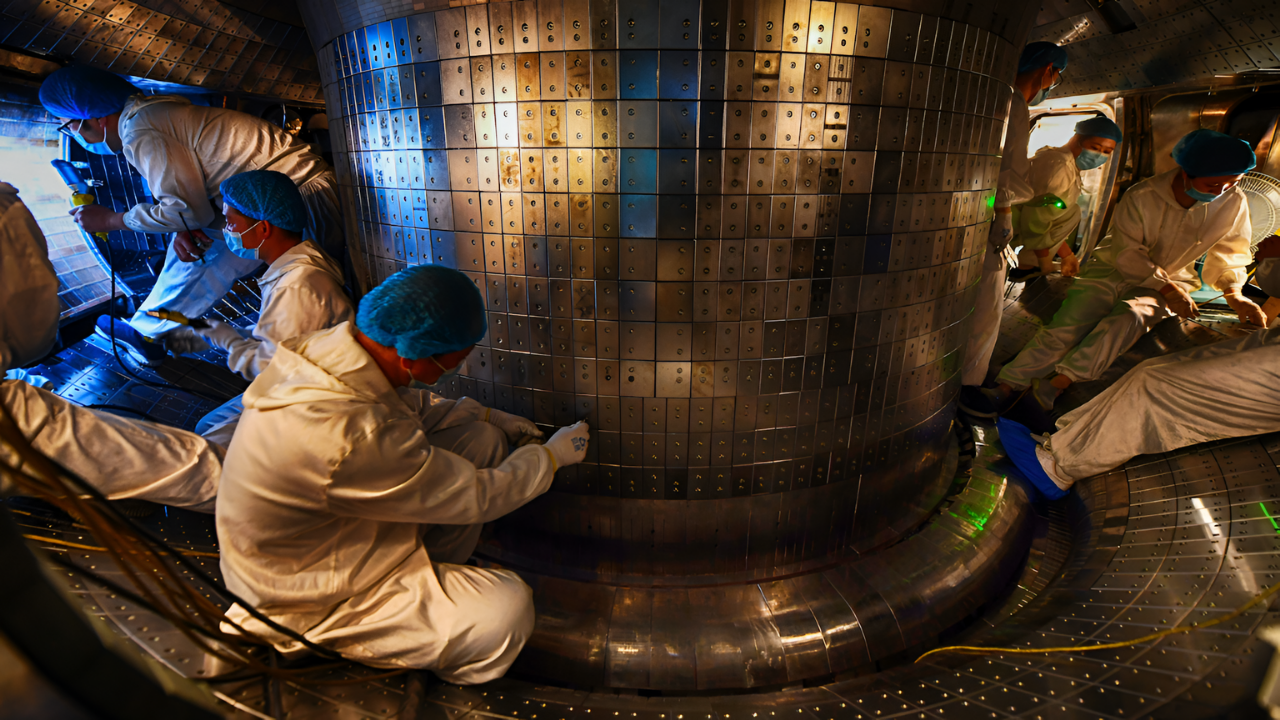
For years, fusion energy has been described as the holy grail of clean power, promising enormous energy without the climate‑warming emissions of coal, oil, or gas. Instead of burning fuel, fusion works by forcing light atoms to fuse together at extremely high temperatures, like the reactions that power the Sun.
The challenge has always been keeping this ultra‑hot “plasma” stable long enough, and dense enough, to produce more power than the machine uses.
Inside the Hefei Breakthrough
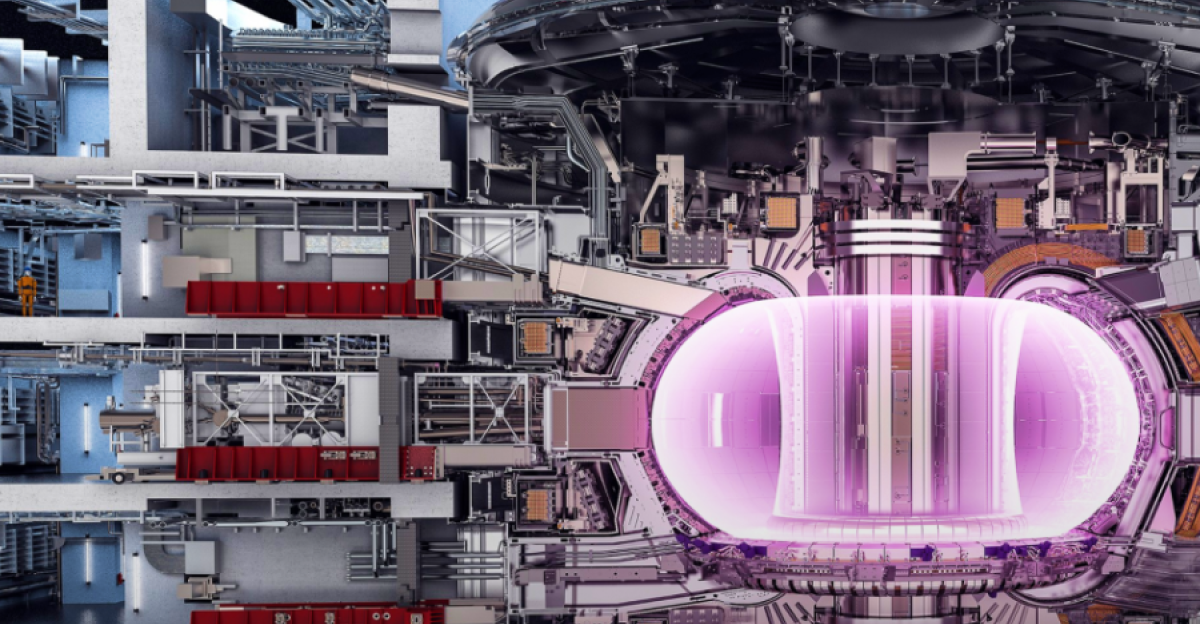
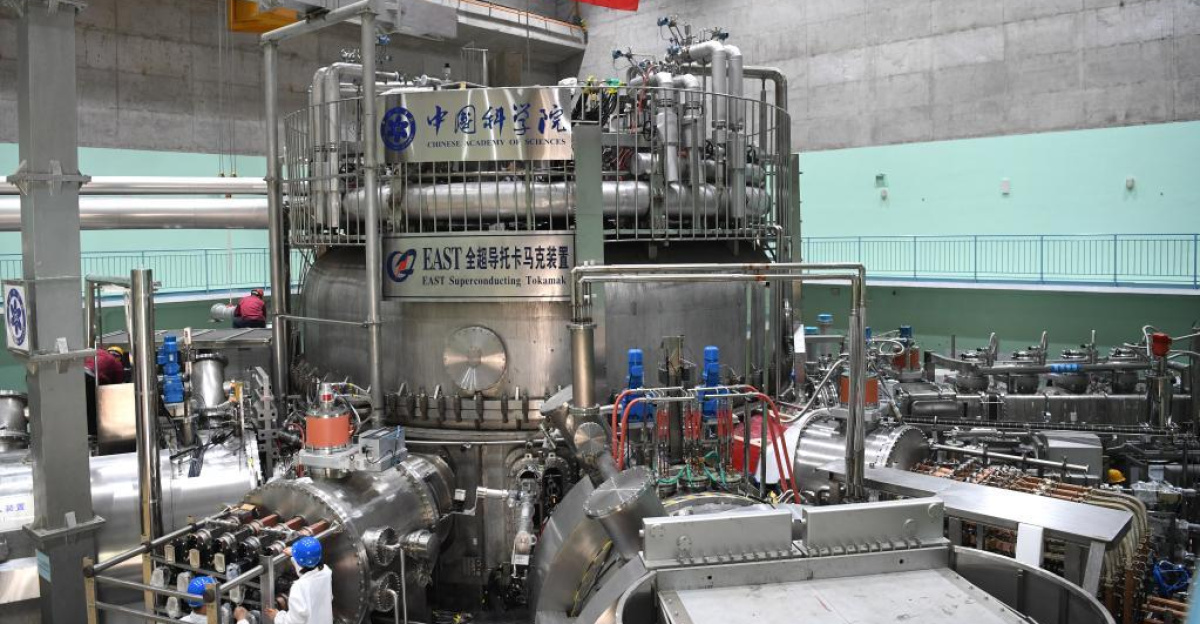
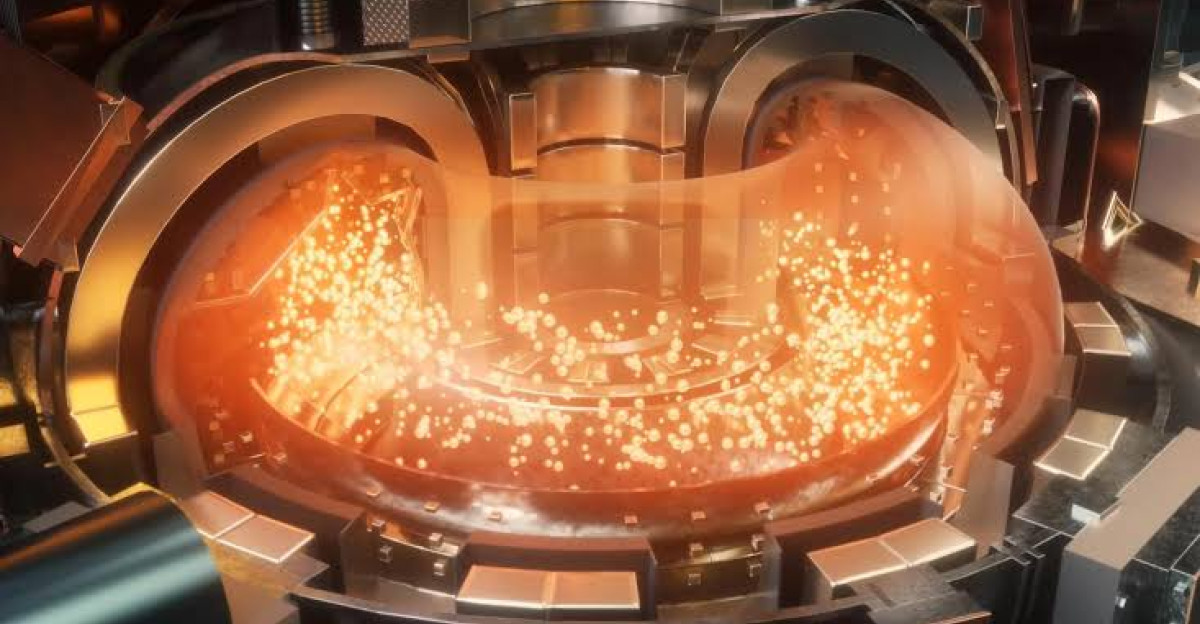
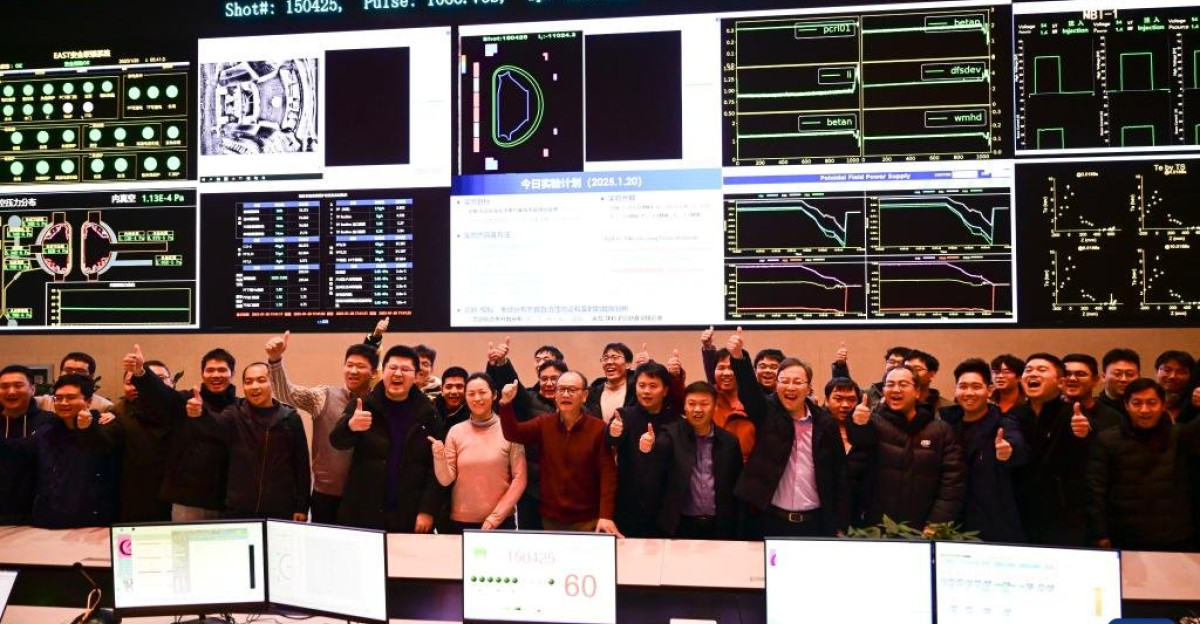
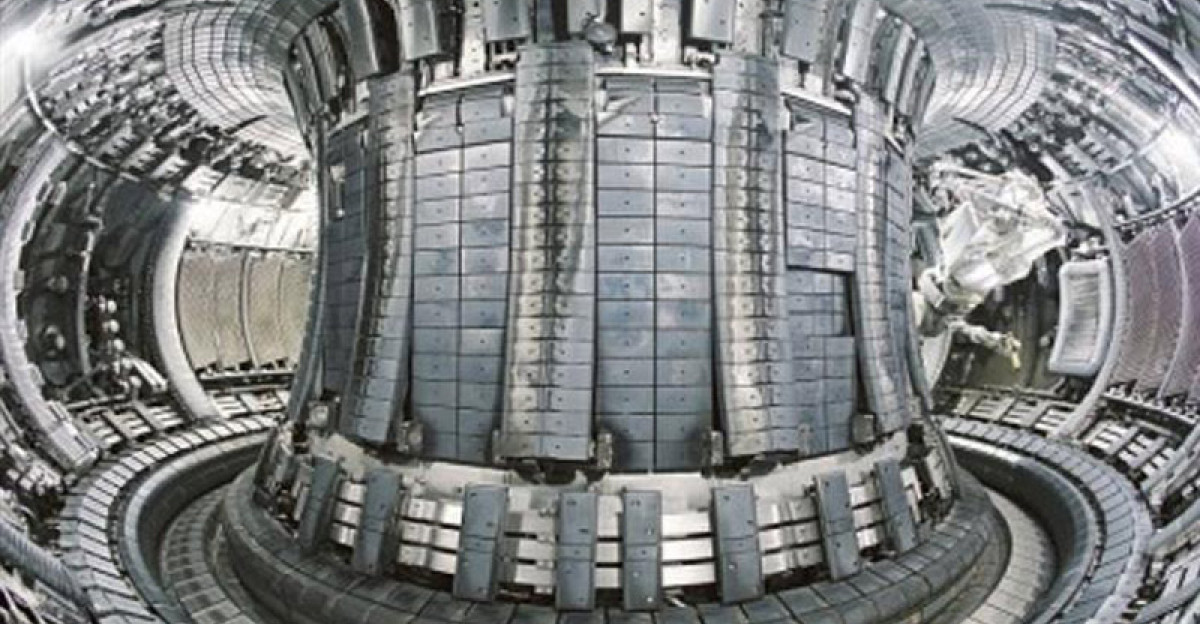
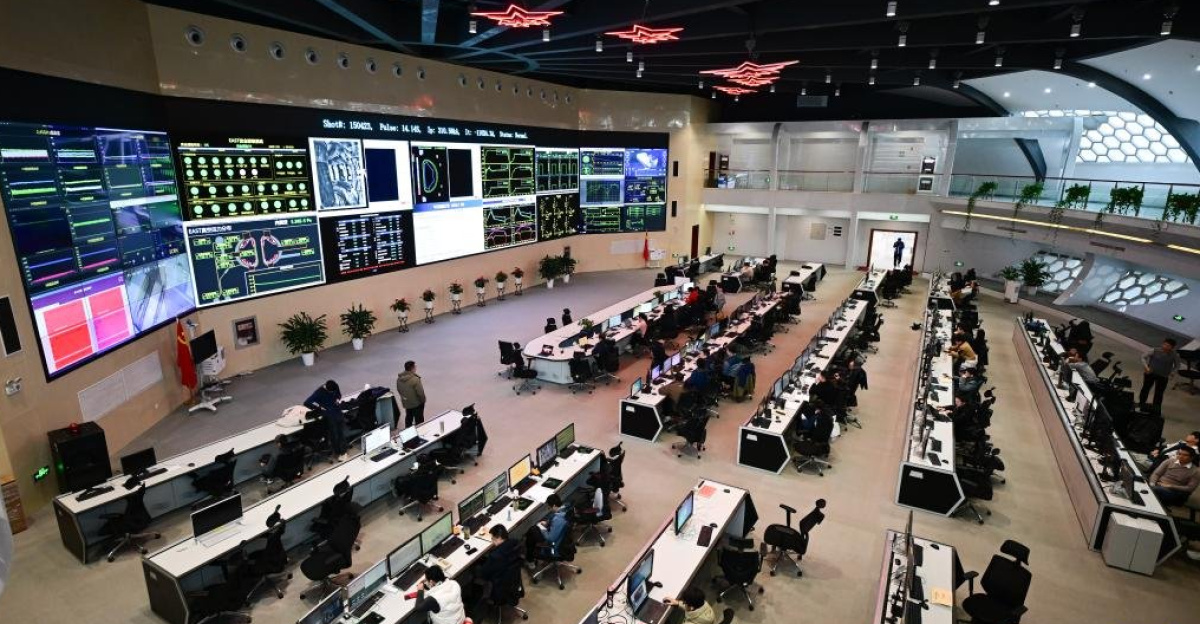
The breakthrough happened inside a doughnut‑shaped device in Hefei called the Experimental Advanced Superconducting Tokamak, or EAST, which is operated by the Chinese Academy of Sciences. A tokamak traps plasma using powerful magnetic fields so it never touches the reactor walls, because contact would instantly cool and destroy the reaction.
In recent experiments, EAST pushed that plasma into conditions no tokamak had ever sustained before: extremely dense, yet surprisingly stable. World Nuclear News notes that EAST reached densities between 1.3 and 1.65 times a long‑accepted safety ceiling, while still maintaining control. That was not supposed to be possible at this scale.
What the Greenwald Limit Is
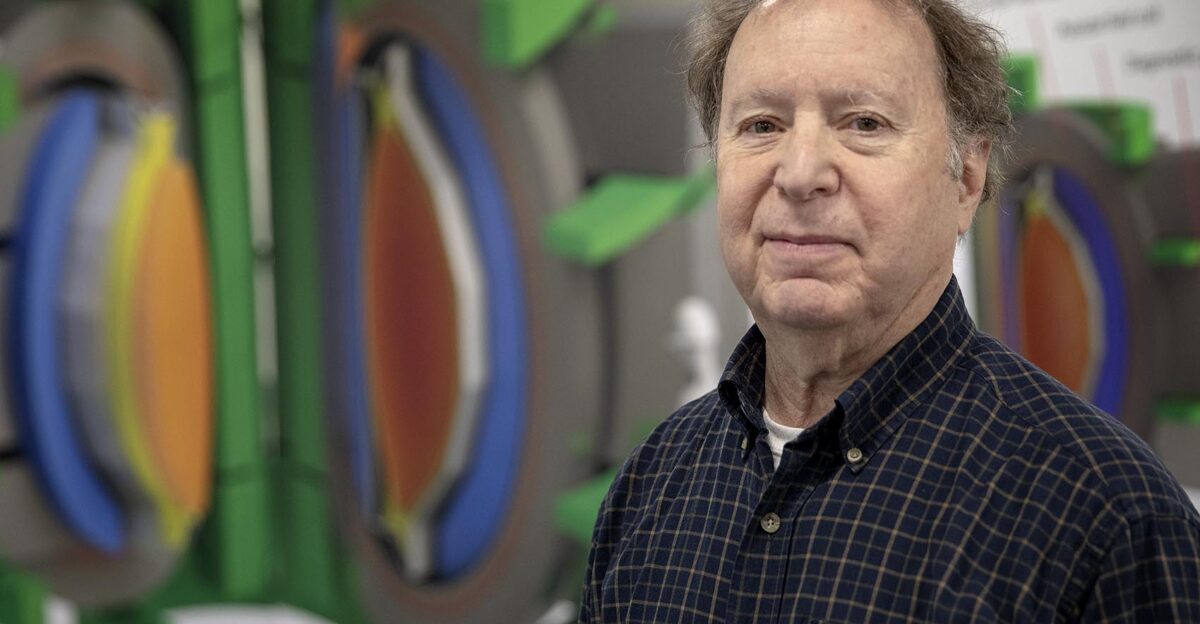
Back in 1988, American physicist Martin Greenwald studied data from many fusion experiments and noticed a pattern: when plasma became too dense, it tended to become unstable. He turned that trend into a formula, which became known as the Greenwald limit, and engineers treated it as a strict guideline when designing new reactors.
In simple terms, the limit says there is a maximum safe density for the plasma in a tokamak, and pushing beyond it sharply raises the risk of sudden disruptions that can damage the machine.
Breaking a “Unbreakable” Barrier
The EAST team did not just brush past the Greenwald limit; they went well beyond it. According to the peer‑reviewed Science Advances study, the reactor reached plasma densities between roughly 30 and 65 percent higher than the Greenwald value that previously constrained its operation.
Phys.org described it as “stable operation at densities well beyond conventional limits,” a phrase that captures how surprising the result is to many experts. For fusion engineers, it is as if a car once thought unable to exceed 120 km/h without falling apart has suddenly been driven safely at 200 km/h.
The Plasma-Wall Self-Organization Trick
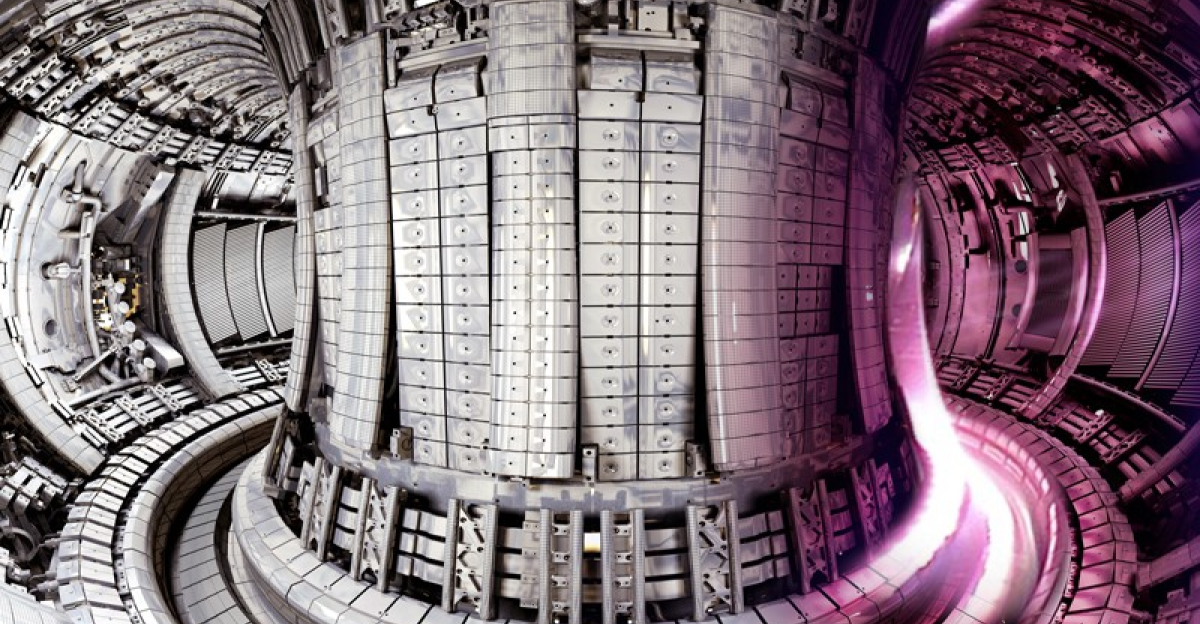
The key to EAST’s success is a technique called Plasma‑Wall Self Organization, or PWSO, which focuses on what happens at the fragile boundary between the hot plasma and the solid metal walls. In most reactors, that region is chaotic: particles shoot out, hit the walls, knock off impurities, and those impurities drift back into the plasma, cooling and destabilizing it.
The PWSO approach tries to turn that chaos into order by carefully controlling how the plasma and wall “settle” into a stable pattern early in the experiment. The team tuned the initial gas pressure and added precisely timed microwave heating so that wall interactions produced less contamination and more predictable behavior.
First Time Since 1988
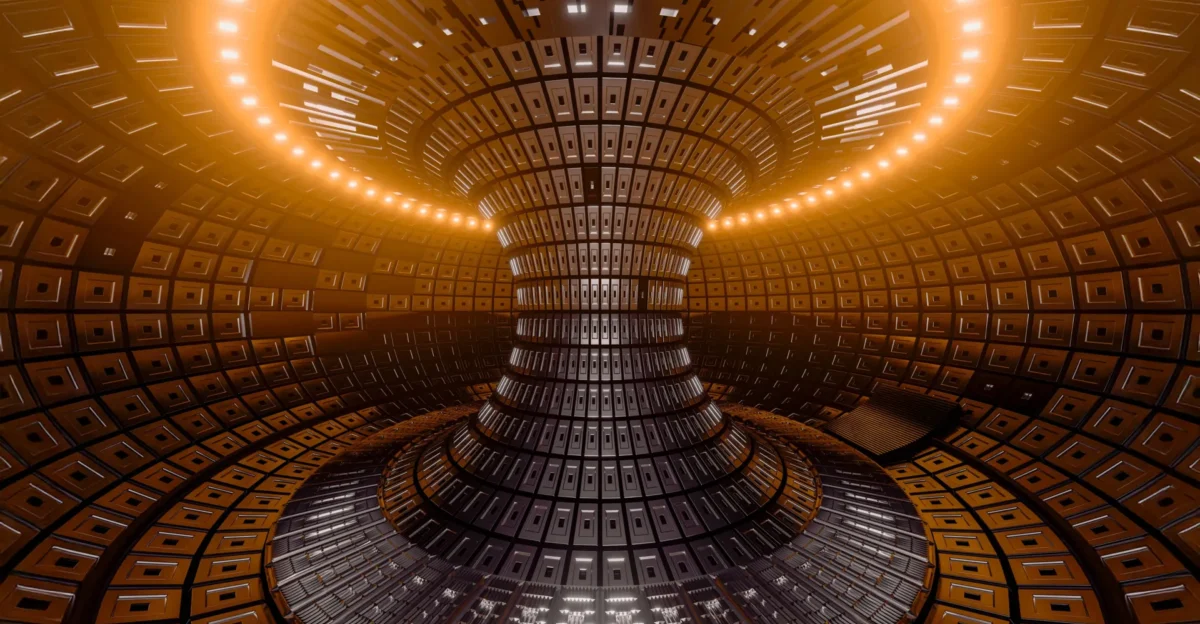
For 38 years, the Greenwald limit functioned as a kind of speed limit for fusion reactors, widely treated as something you could not safely cross for long. Other machines had briefly poked above the line, including devices in Europe and the United States, but usually only for fractions of a second or with special tricks like fuel pellets.
EAST’s new results are different because they combine significantly higher densities with stable operation over several seconds, under conditions relevant to future power plants. German reports note that earlier EAST runs operated at about 80 to 100 percent of the Greenwald value, but the latest experiments surpassed that by a wide margin without triggering dangerous disruptions.
Holding a Mini Sun in Place
Long before this latest achievement, EAST had already made headlines by holding a super‑hot, high‑confinement plasma for nearly 17 minutes, a world‑leading performance at the time. That earlier record showed that China’s reactor could keep a miniature version of the Sun’s interior trapped in place for far longer than most rivals.
Now, by combining long‑lasting confinement with much higher plasma density, EAST is getting closer to the holy benchmark where a fusion reaction becomes self‑sustaining. In practical terms, higher density means more fuel in the same space and more potential fusion reactions per second, as long as the plasma remains stable.
What’s Happening in the Plasma
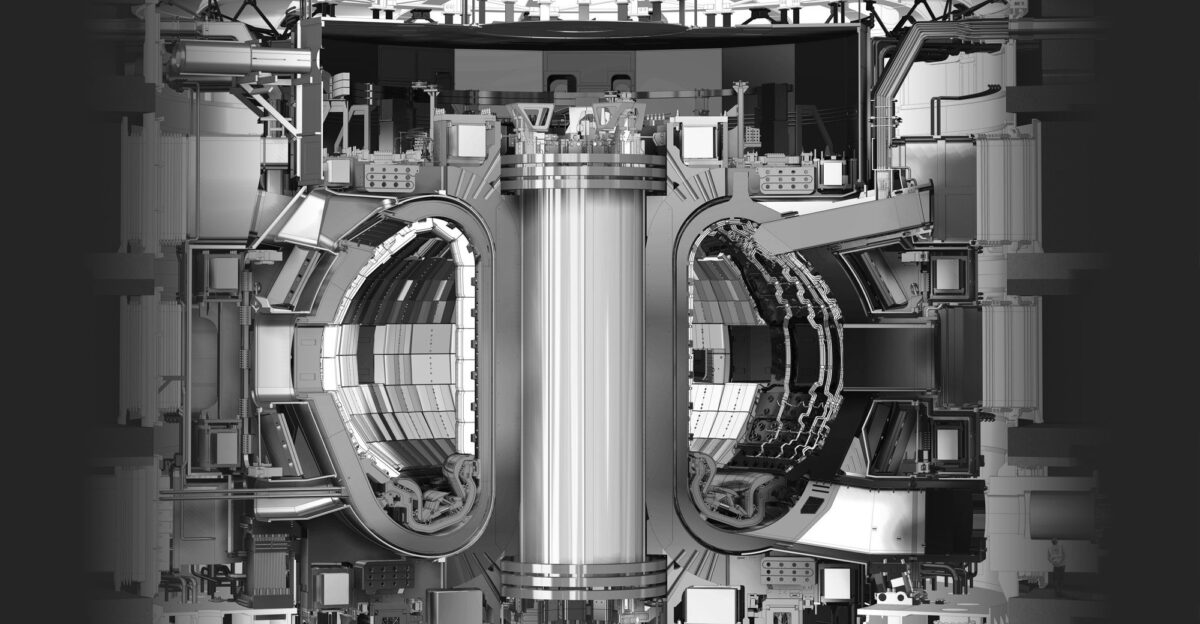
Inside a tokamak, plasma is a seething soup of charged particles, constantly in motion and prone to turbulence, like a stormy sea. When engineers increase its density, the waves in that sea typically grow wilder, causing more heat and fuel to leak away, which undermines the whole point of the reactor.
Researchers describe this as accessing a “density-free regime,” where the usual link between rising density and rising instability is broken. “The EAST experimental results are located in the density-free regime … which further validate the PWSO theory,” the Science Advances paper reports.
The Paper Behind the Headlines
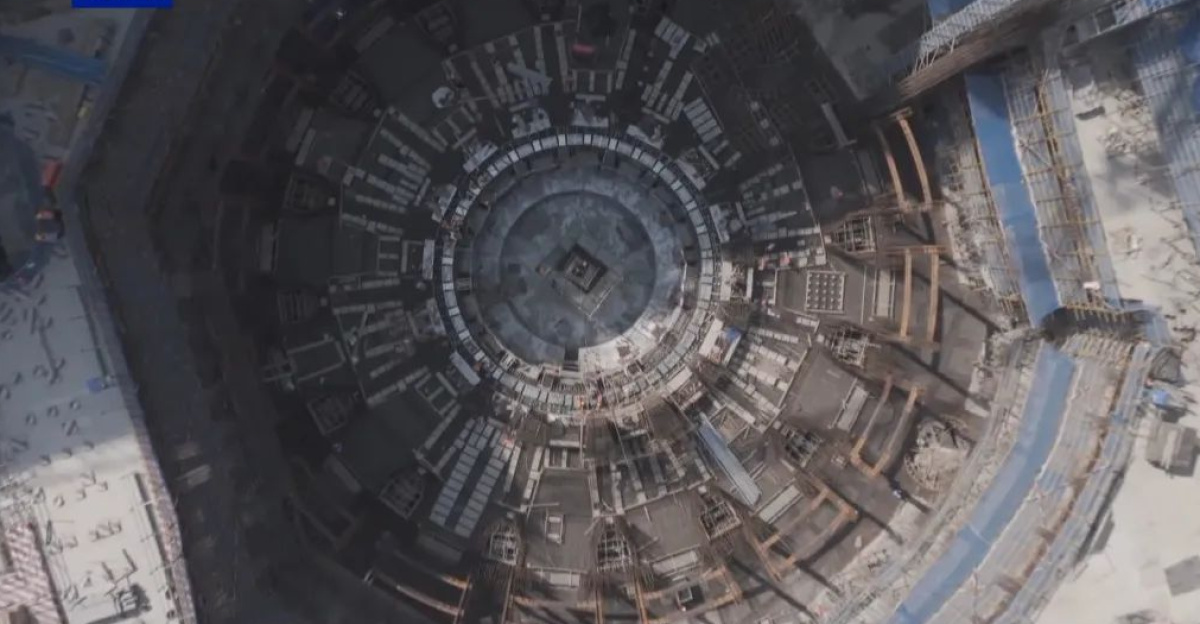
The details of the Hefei experiments are laid out in a peer‑reviewed article titled “Accessing the density‑free regime with ECRH‑assisted ohmic start‑up on EAST,” published on 31 December 2025 in Science Advances.
They then compared what they saw with predictions from the PWSO model, finding strong agreement between theory and experiment. The paper concludes that EAST reached densities between 1.3 and 1.65 times the Greenwald limit while remaining in the density‑free regime.
Ping Zhu’s Big Idea
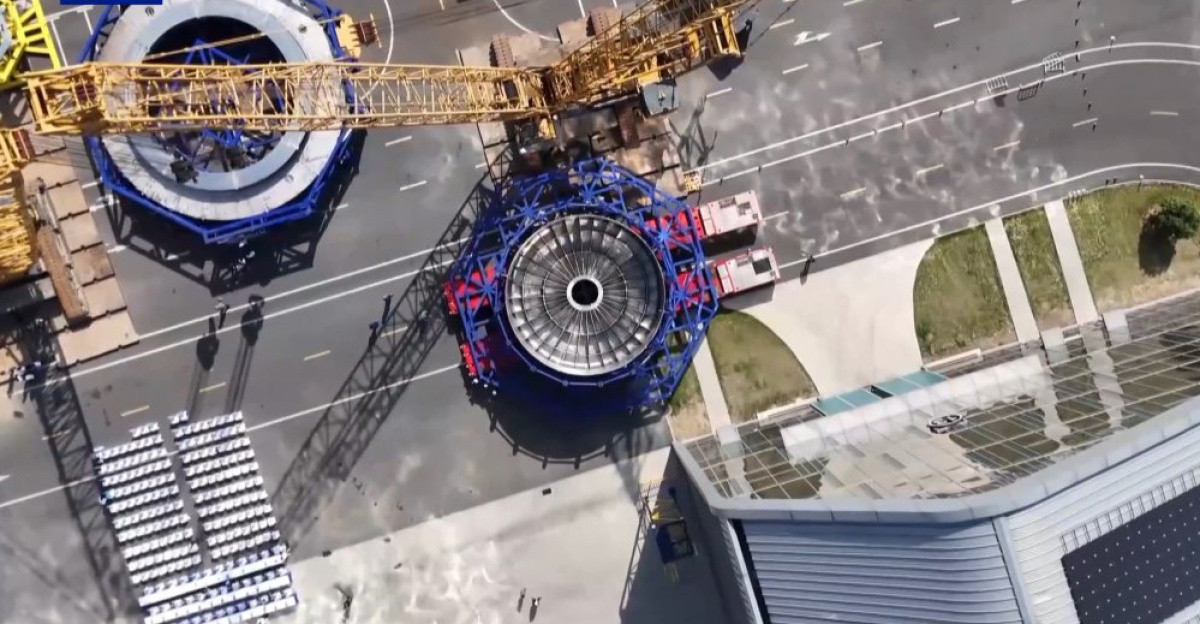
Among the scientists behind the study is Ping Zhu of Huazhong University of Science and Technology, who has worked extensively on the PWSO concept. In a statement quoted by outlets including Popular Mechanics and ScienceAlert, Zhu highlighted how the new results move beyond theory into practical engineering.
“The findings suggest a practical and scalable pathway for extending density limits in tokamaks and next‑generation burning plasma fusion devices,” he said, summing up the work’s broader promise.
What This Means for ITER
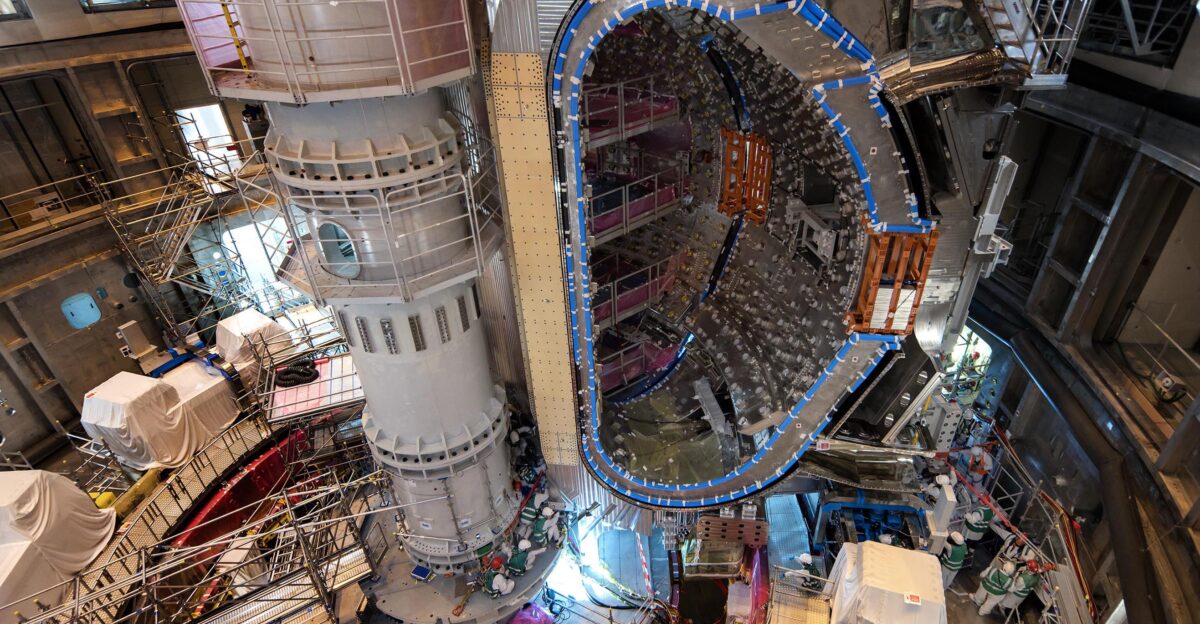
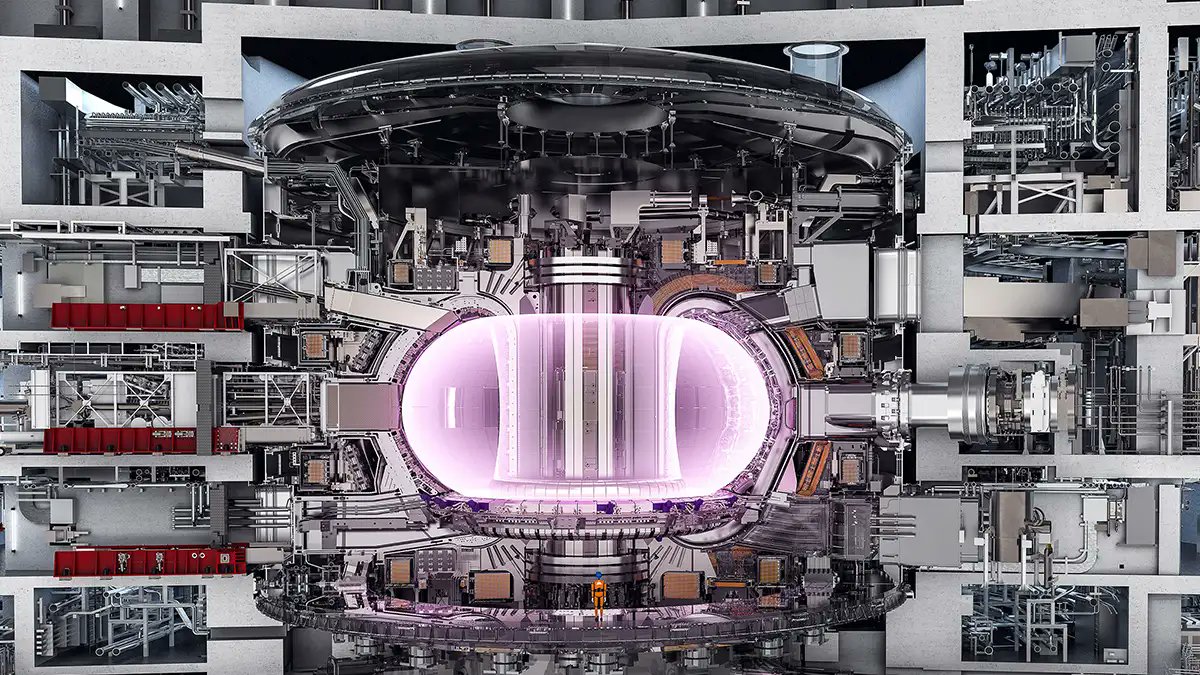
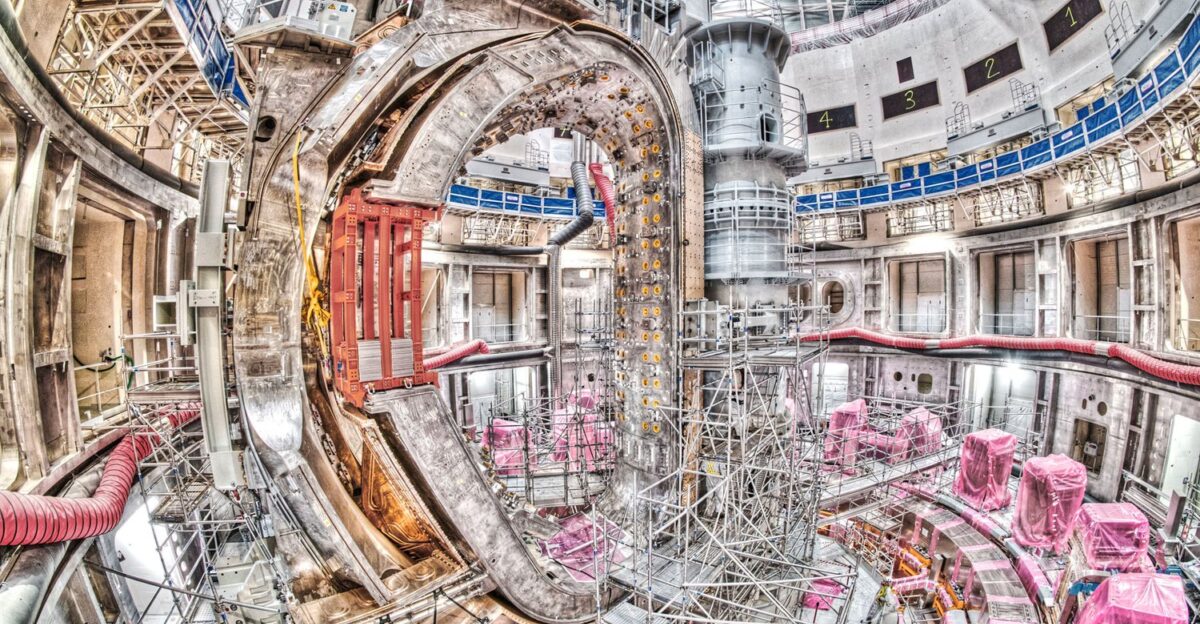
All eyes are now on ITER, the huge international fusion project being built in southern France, which aims to be the first tokamak to produce more fusion power than it consumes for sustained periods. ITER’s design was based on pre‑existing limits, including the Greenwald constraint, meaning its planned operating conditions are relatively conservative.
EAST’s success suggests that future ITER campaigns might safely explore higher‑density regimes by adopting similar plasma‑wall control strategies.
A Possible Turning Point for Energy
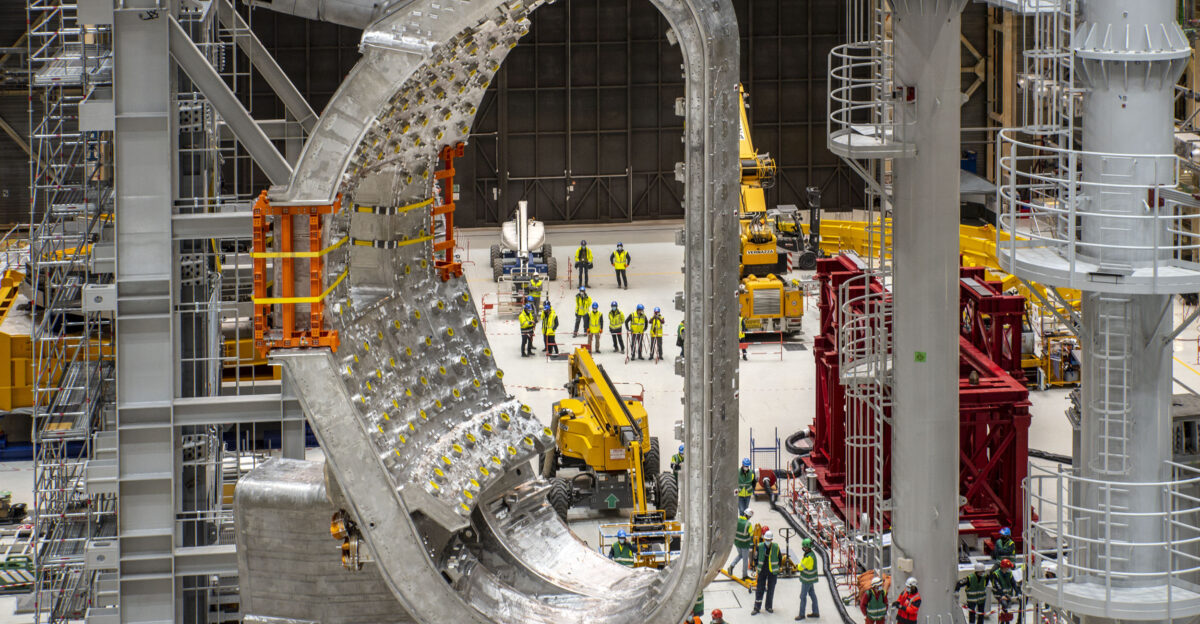
If the methods pioneered on EAST can be replicated and scaled up, fusion could become commercially realistic sooner than many analysts predicted. A single gigawatt‑scale fusion plant, roughly the size of a large nuclear or coal station, could power close to a million homes, depending on demand and efficiency.
Unlike fossil‑fuel plants, fusion reactors would produce no carbon dioxide during operation, and the radioactive materials involved are far less long‑lived than those in traditional fission reactors.
A New Phase in the Fusion Race
China’s progress comes as laboratories in the United States and Europe are also chasing their own breakthroughs, using different reactor designs and strategies. But in tokamak research specifically, EAST now sits near the front of the pack, with multiple world records in confinement time and, now, density.
Commentators have described the latest result as giving China a potential edge in the geopolitical race to dominate future clean‑energy technologies.
The Science of Moving Past Limits
One striking lesson from the Greenwald story is that not all “limits” in science are hard laws like the speed of light; some are best‑fit lines drawn through past data. The Greenwald limit falls into the second category: it captured how older tokamaks with particular materials and controls behaved, not how all future machines must behave.
As devices improved, some experiments briefly exceeded the limit, hinting that it might be more flexible than originally believed. The PWSO theory built on that insight, arguing that by redesigning how the plasma and walls interact, researchers could climb out of what it calls the “density limit basin” and into a “density‑free basin.”
Changing What Scientists Thought Was Possible
For decades, many fusion specialists assumed that going far beyond the Greenwald limit in a large tokamak would inevitably wreck plasma stability, making such experiments too risky or short‑lived to be useful.
EAST’s new data forces a rethink of that assumption, because it shows that with the right operating regime, those dangerous disruptions do not have to occur. ScienceAlert reports that “researchers were able to reach densities up to about 65 percent higher than the tokamak’s Greenwald limit” under the new regime, a result that would have seemed unlikely not long ago.
Why the World Is Watching
This breakthrough is about more than one experiment; it is about who will lead the next energy era. By pushing fusion science into new territory, China is signaling that it intends not just to participate in global research, but to set the pace. Nature’s coverage of the EAST result highlights how it “pushes plasma densities beyond this limit,” drawing attention from scientists and policymakers alike.
If China continues to rack up firsts in fusion, it could gain leverage in international collaborations, deciding which technologies and standards become dominant.
What Western Labs Can Learn
For decades, Western institutions supplied much of the theoretical backbone for fusion research, turning complex plasma behavior into detailed equations and computer models.
China’s latest achievement suggests that turning those theories into practical engineering may be where the real competition now lies. Instead of simply building ever‑larger machines, EAST shows the value of smarter control over start‑up conditions, wall materials, and real‑time plasma behavior.
Entering the Density-Free Era
Researchers describe EAST’s new operating state as a “density‑free regime,” meaning the plasma remains stable even as density climbs beyond what old rules would allow. That does not mean density can increase forever without consequences, but it does mean one of the main empirical constraints has been loosened.
In both simple (“0D”) and more detailed (“1D”) versions of the PWSO model, the EAST data points fall squarely inside this density‑free basin, confirming the theory’s core prediction. The Science Advances paper stresses that these experiments “demonstrate the potential of a practical scheme for substantially increasing the density limit in tokamaks,” not just nudging it slightly.
From Experimental Device to Power Plant
Despite the excitement, EAST is still an experimental machine, not a power plant, and important hurdles remain before fusion electricity reaches homes and businesses. Engineers must show that high‑density, stable plasmas can be maintained for far longer timescales, tens of minutes to hours, while also extracting useful heat and converting it into electricity.
Scaling up also demands materials that can withstand intense neutron bombardment and ingenious systems for breeding tritium fuel inside the reactor itself. The EAST team argues that their methods “can be extended and applied to other magnetic confinement fusion devices in the future,” including stellarators and larger tokamaks.
Beyond the “Unbreakable” Line
The story of the Greenwald limit now reads like a snapshot of a particular era rather than a permanent boundary, drawn by an American physicist and later redrawn by Chinese engineers. The latest EAST experiments do not make fusion a solved problem, but they do shift the line between what is considered experimental and what looks increasingly practical.
Each such step raises expectations that fusion will eventually deliver on its decades‑old promise of abundant, clean energy. For a world grappling with climate change and rising electricity demand, that prospect is no longer just a slogan on a lab wall, it is starting to look like a destination that, slowly but surely, is coming into view.
Sources:
Science Advances, Accessing the density-free regime with ECRH-assisted ohmic start-up on EAST, 31 December 2025
Nature, Chinese nuclear fusion reactor pushes plasma past crucial limit: what happens next, 9 January 2026
Popular Mechanics, China’s Fusion Reactor Reached an “Unbreakable” Limit—and Broke Right Through It, 11 January 2026
Phys.org, Tokamak experiments exceed plasma density limit, offering new insights into fusion ignition, 31 December 2025
World Nuclear News, Chinese tokamak achieves progress in high-density operation, 8 January 2026