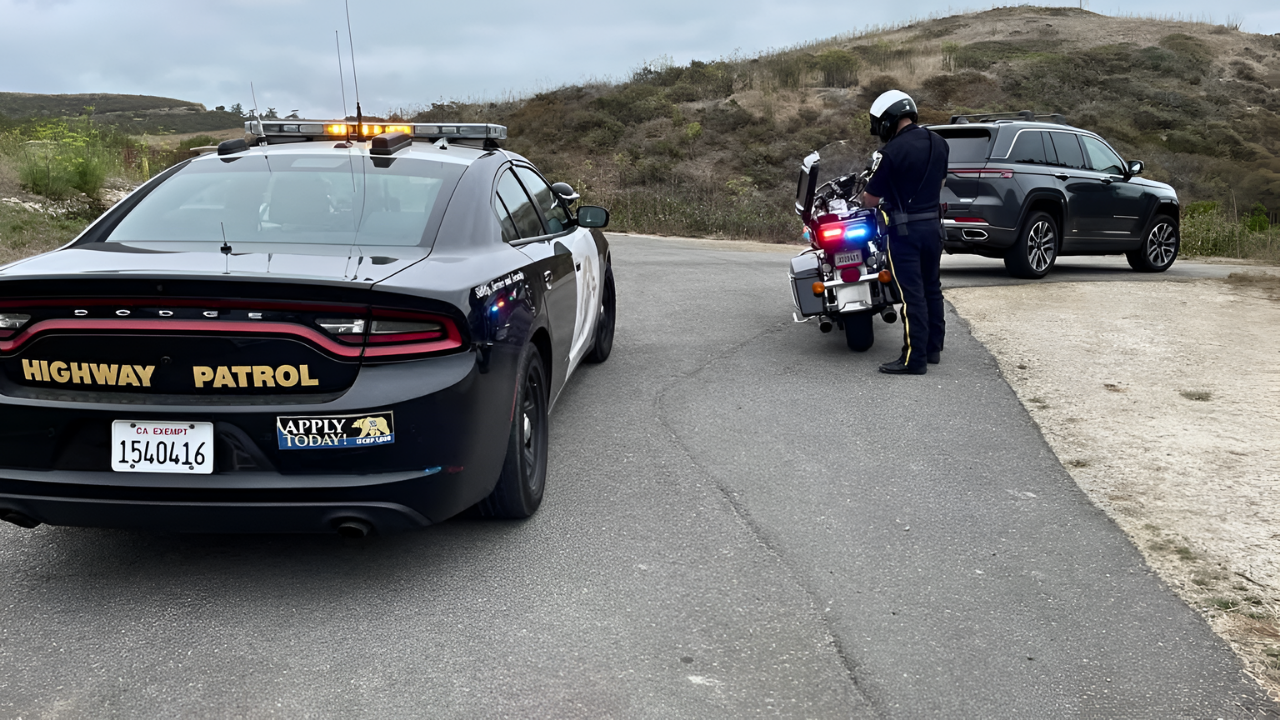
Red and blue lights flicker across California highways as the New Year countdown ticks closer to midnight. In just 30 hours, CHP officers stop car after car—some crawling, others screaming past at triple-digit speeds.
By the time the enforcement window closes, 379 drivers are in custody for DUI, 92 are clocked over 100 mph, and six fatal crashes have already claimed lives. This is California’s most dangerous night, unfolding in real time.
Holiday Death Toll
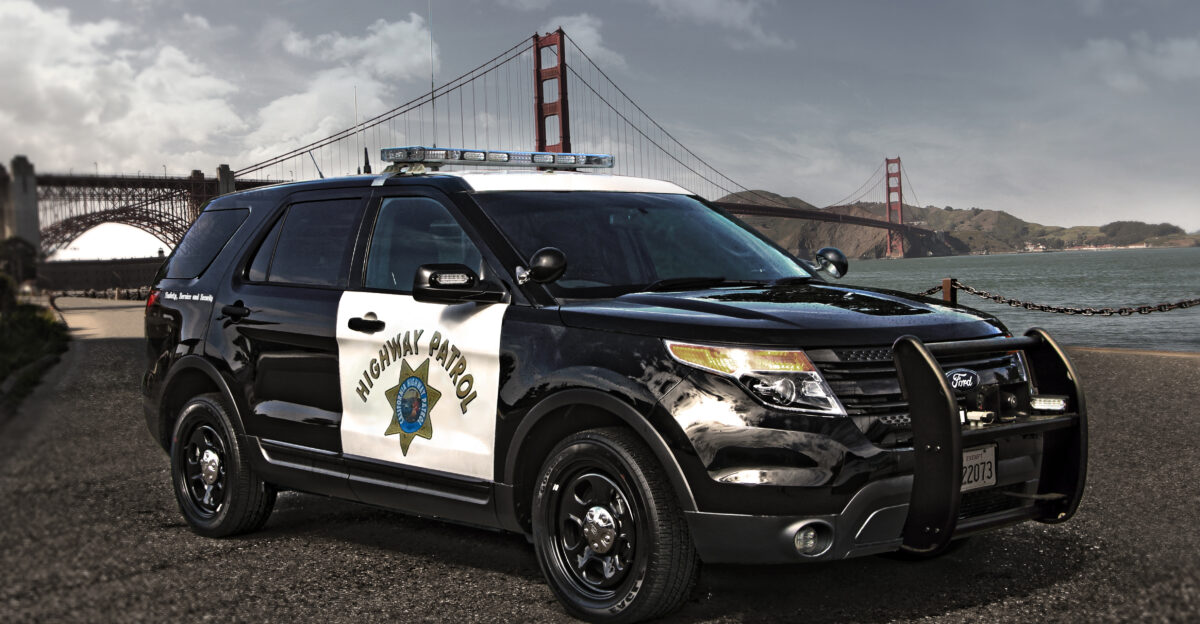
New Year’s travel once again proved deadly. During the roughly 30-hour New Year’s Maximum Enforcement Period, CHP reported six fatal crashes statewide. Alongside those deaths, officers arrested 379 suspected impaired drivers and issued thousands of citations.
Speeding, alcohol, and celebration collided on crowded roads carrying millions of travelers. CHP officials warn that each fatal statistic represents a family permanently changed, underscoring why holiday enforcement remains one of the agency’s highest priorities.
MEP Origins
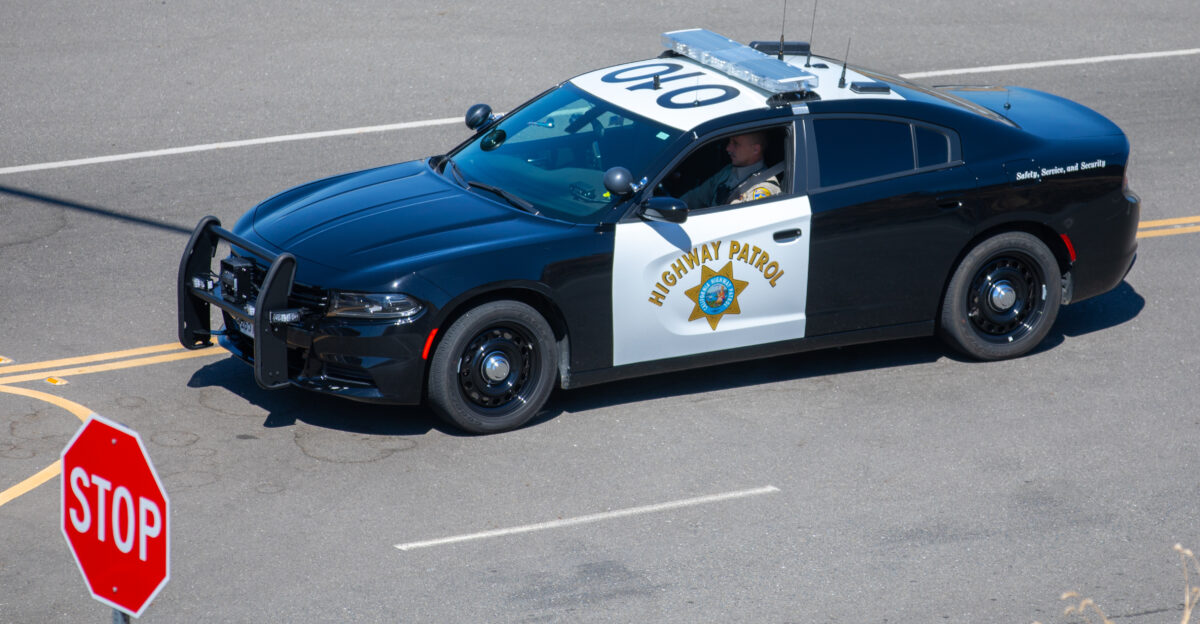
The California Highway Patrol created Maximum Enforcement Periods after data revealed sharp spikes in crashes during major holidays. These planned surges place every available officer on duty, transforming routine patrols into saturation enforcement.
Over time, MEPs evolved to address rising population density, faster vehicles, and increasingly aggressive driving behaviors. Christmas and New Year’s remain the most enforcement-intensive windows, reflecting consistent historical patterns of elevated risk statewide.
Christmas Crackdown
The danger didn’t begin on New Year’s Eve. During the Christmas enforcement period just days earlier, CHP arrested 297 suspected impaired drivers in a 30-hour window. Eight people were killed in six crashes.
Officers also issued 1,385 speeding citations, including 94 drivers traveling over 100 mph. Winter storms compounded the risk, creating slick road conditions that magnified the consequences of reckless decisions.
Maximum Enforcement Launch
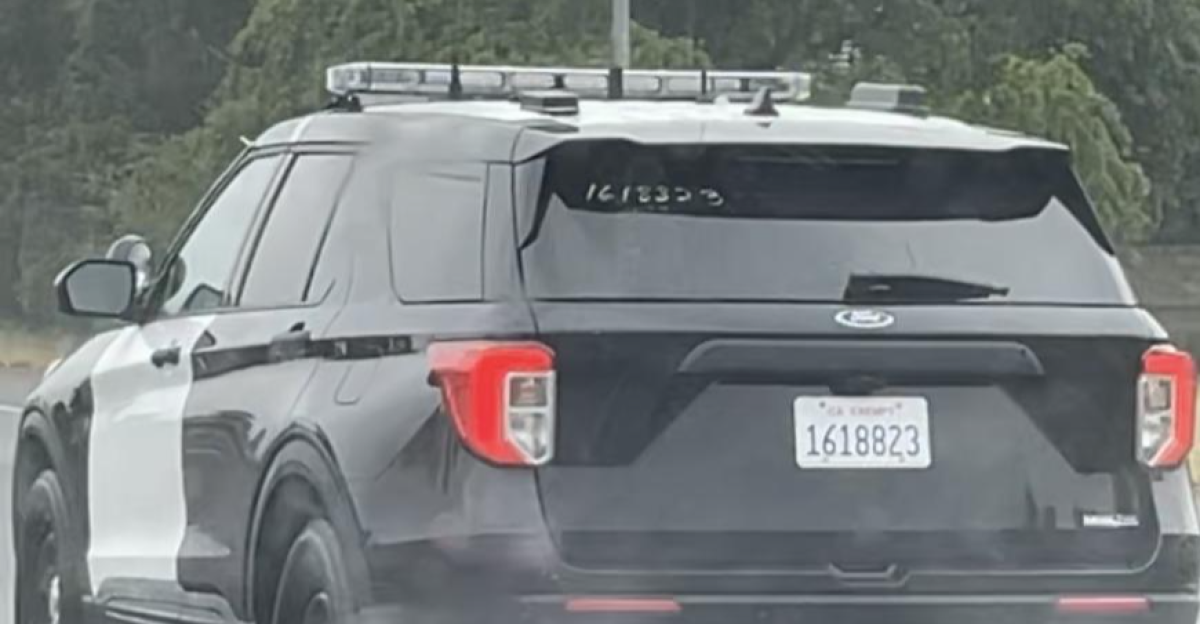
CHP’s New Year’s Maximum Enforcement Period ran from 6 p.m. on Dec. 31, 2025, through 11:59 p.m. on Jan. 1, 2026. All officers statewide were deployed, resulting in 9,308 enforcement actions in about 30 hours.
Officers issued 5,458 citations, including 2,972 for speeding. The operation built directly on Christmas enforcement trends, aiming to interrupt predictable holiday crash patterns.
Statewide Deployment
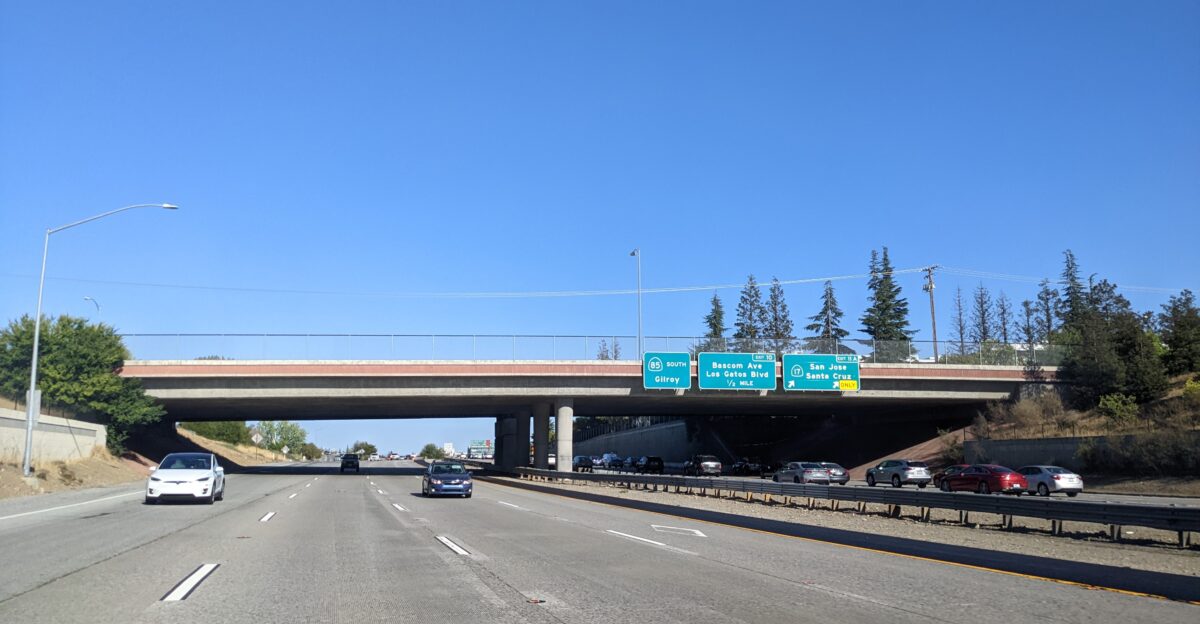
From rural highways to dense urban freeways, CHP divisions across California participated simultaneously. Patrols saturated unincorporated roads, major interstates, and known high-speed corridors.
Officers faced wet pavement, holiday congestion, and drivers pushing limits despite heavy police presence. The statewide scope ensured no region was excluded, reinforcing CHP’s message that impaired or reckless driving would be confronted anywhere during the holiday period.
Lives Impacted
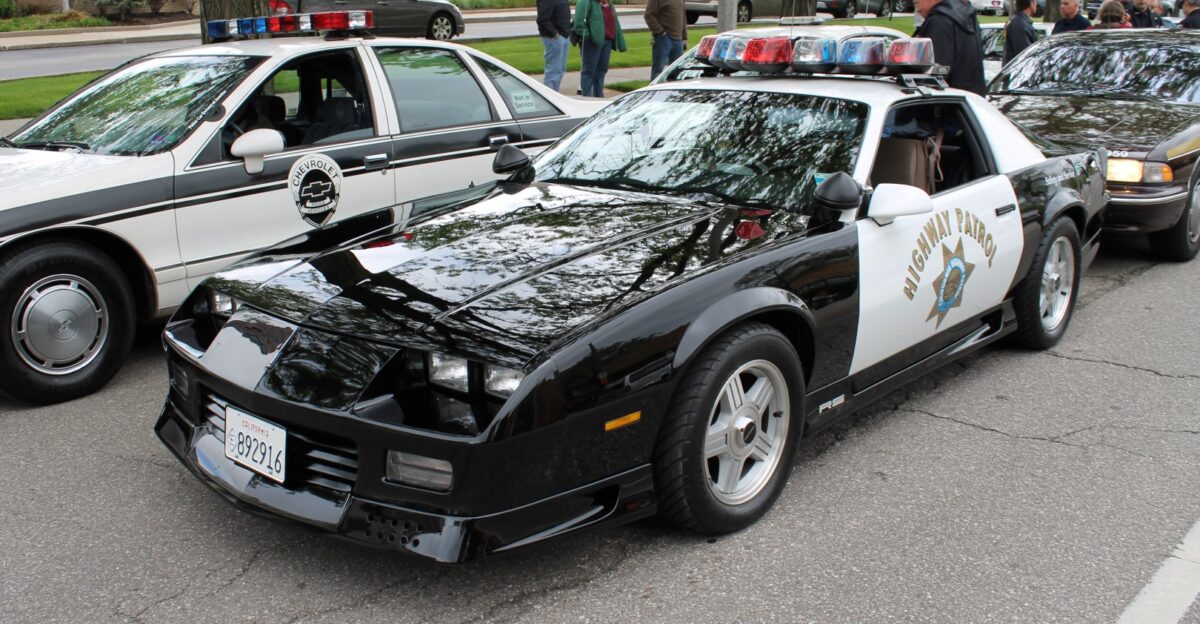
CHP Commissioner Sean Duryee emphasized the human cost behind enforcement statistics. “Every instance of speeding or reckless driving carries the potential for life-changing consequences,” he said.
During the New Year’s period, six fatal crashes confirmed that risk. Christmas enforcement had already disrupted dozens of families, leaving visible scars that extended far beyond citation numbers.
Regulatory Push
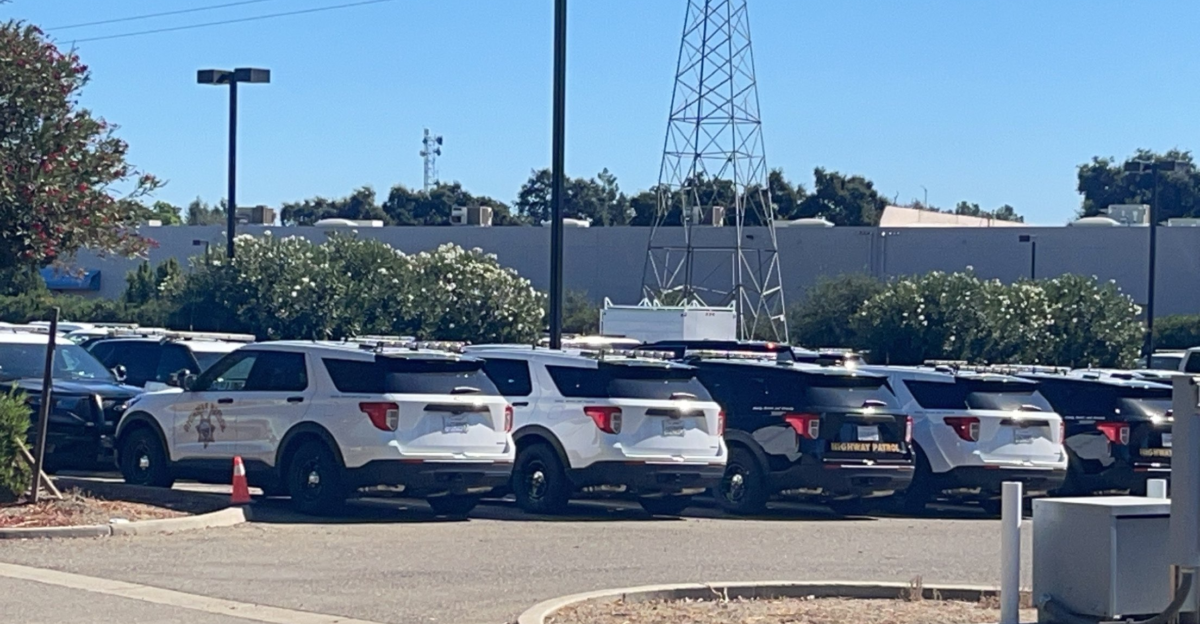
Enforcement doesn’t stop at the roadside. CHP’s FAST program accelerates license suspensions for drivers caught exceeding 100 mph, working directly with the DMV.
New 2026 laws, including AB 289’s pilot speed cameras in work zones, add new deterrence tools. While local agencies assist, CHP coordinates the statewide framework, extending the impact of holiday enforcement beyond the enforcement window itself.
Macro Trends
Holiday enforcement numbers fluctuate by year and duration, but the underlying pattern is consistent. Past periods have produced anywhere from hundreds to nearly 900 DUI arrests depending on window length.
With nearly 40 million residents, California’s roads see massive holiday surges. CHP data repeatedly shows aggressive driving, impaired operation, and extreme speeding peaking during celebration-heavy travel periods.
Extreme Speeds
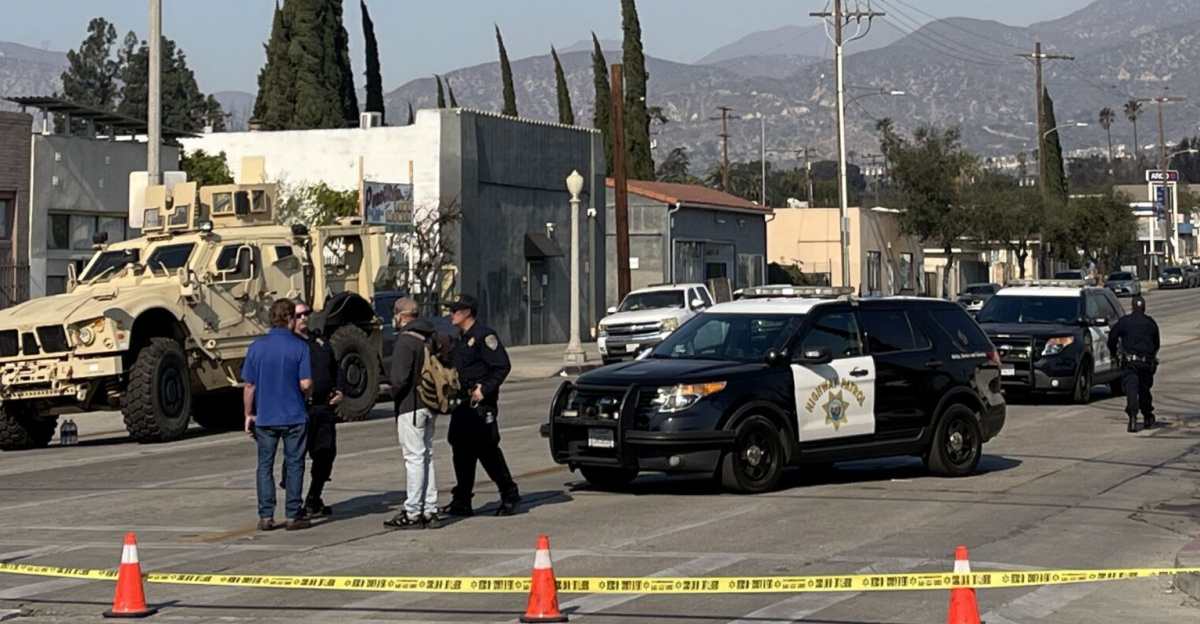
During the New Year’s enforcement window, 92 drivers were caught traveling over 100 mph—about three every hour. Christmas enforcement logged similar figures.
These aren’t marginal violations but deliberate risk-taking on heavily traveled highways. CHP’s low-profile vehicles, deployed statewide, have become central to intercepting these drivers.
Zero Tolerance

For arrested drivers, the holidays ended abruptly. CHP maintains zero tolerance for impaired and reckless driving, regardless of occasion.
While critics question intensity, six fatalities in a single 30-hour window reinforce the agency’s stance that aggressive enforcement remains necessary during peak-risk periods.
Leadership Resolve
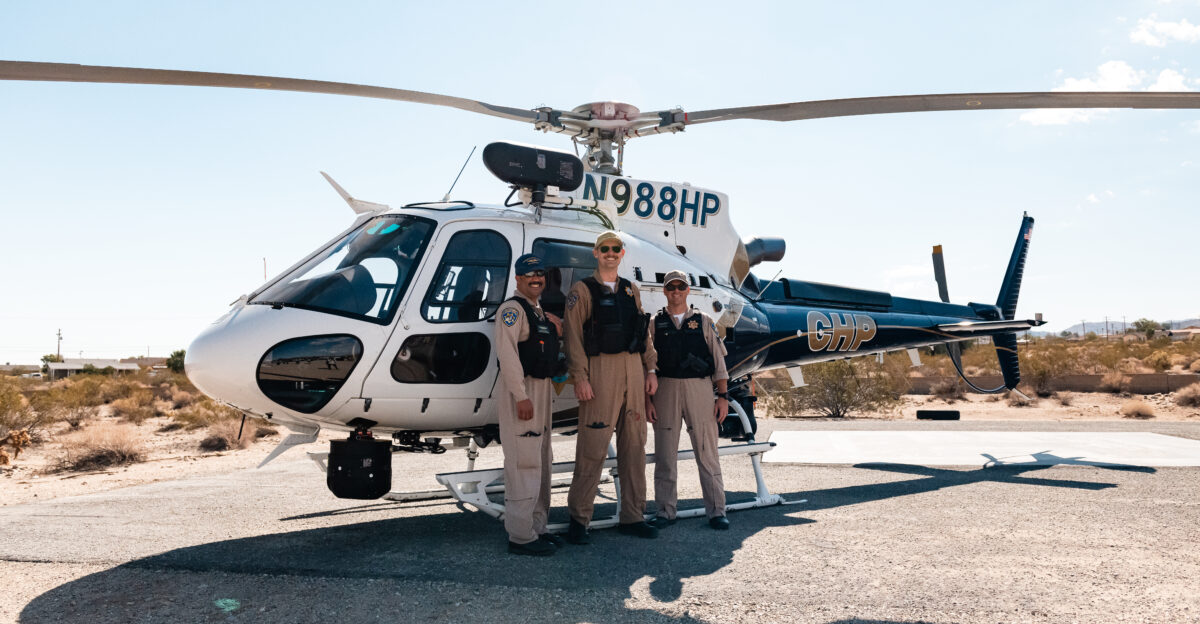
Under Commissioner Sean Duryee’s leadership, CHP has expanded specialized enforcement strategies during MEPs. His messaging emphasizes personal responsibility alongside visible deterrence.
Governor Gavin Newsom’s recently signed 2026 traffic safety laws further strengthen CHP’s enforcement toolkit, positioning holiday enforcement as both a safety mission and a legislative priority.
Strategic Ramp-Up
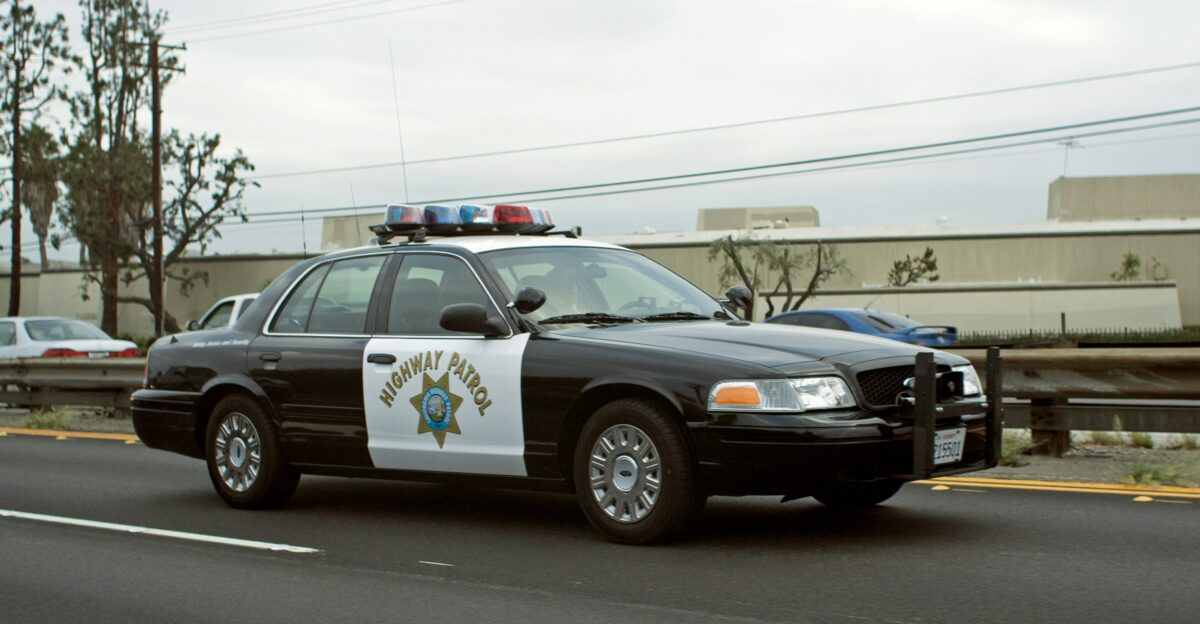
CHP’s holiday blueprint is deliberate: maximum staffing, targeted patrols, and focused enforcement on DUI, speeding, and seatbelt violations. The New Year’s period followed Christmas enforcement that generated 5,450 actions.
Officers adjusted strategies for winter weather, congestion, and nighttime visibility, while planning continued FAST program expansion to address dangerous speeding behaviors year-round.
Ongoing Challenge
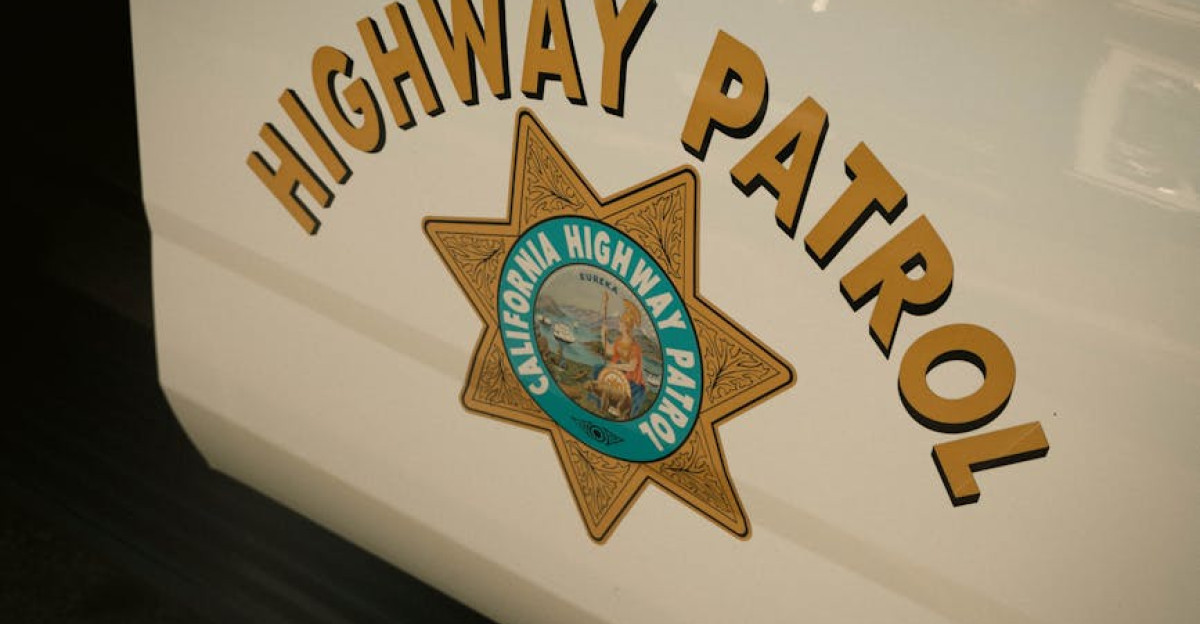
Safety advocates largely support Maximum Enforcement Periods but debate their long-term deterrent effect. CHP data shows results vary annually based on weather, travel volume, and enforcement duration.
Winter storms complicate outcomes, while human behavior remains unpredictable. CHP officials argue consistent pressure remains essential alongside education and evolving technology.
Future Horizons
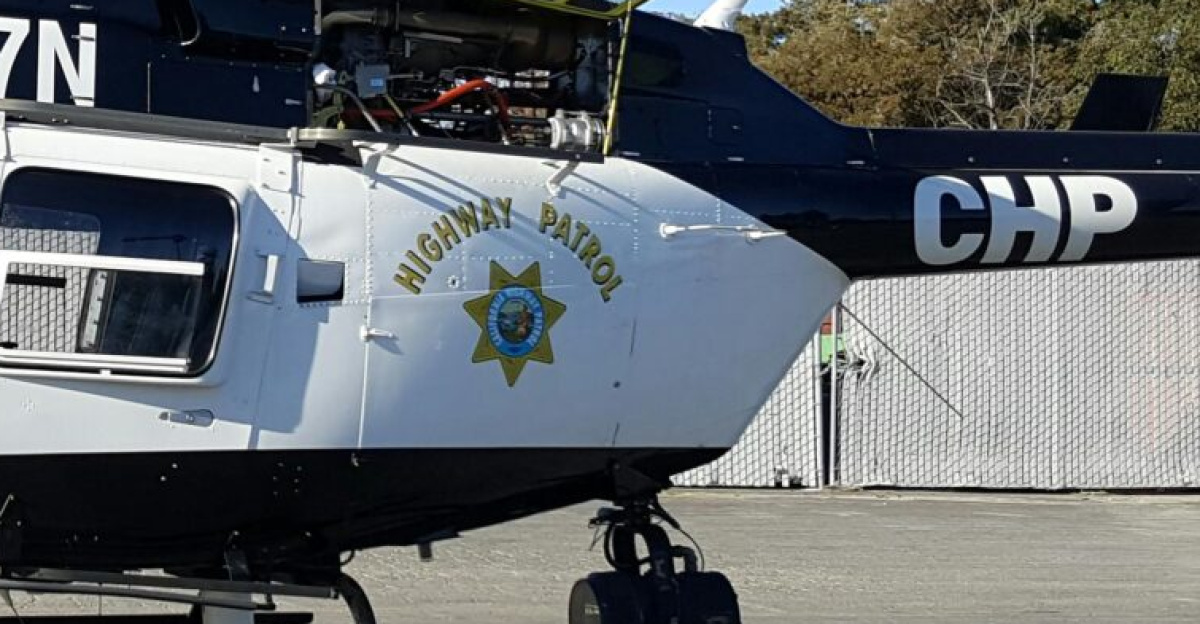
New laws taking effect in 2026 may reshape future holiday outcomes. Measures like AB 1014’s speed limit adjustments and AB 1777’s autonomous vehicle framework reflect a broader safety push.
CHP faces a central question: can enforcement scale keep pace with population growth and vehicle technology? Long-term safety will depend on compliance, infrastructure, and smarter integration of emerging tools.
Policy Shifts
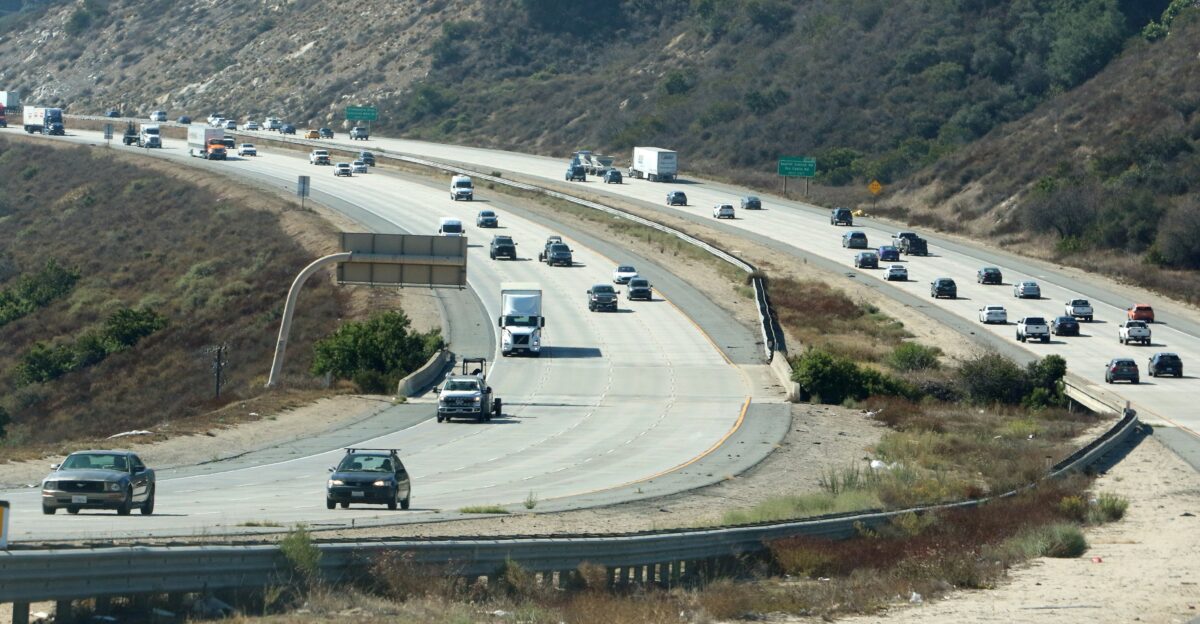
Holiday crash data continues to inform legislation. Laws such as AB 382 lowering speed limits in school zones and AB 390 expanding “move over” protections reflect growing political urgency.
Governor Newsom’s approvals empower CHP to confront speeding more aggressively, placing pedestrian and roadside safety at the center of policy discussions shaped by holiday enforcement revelations.
Broader Impact
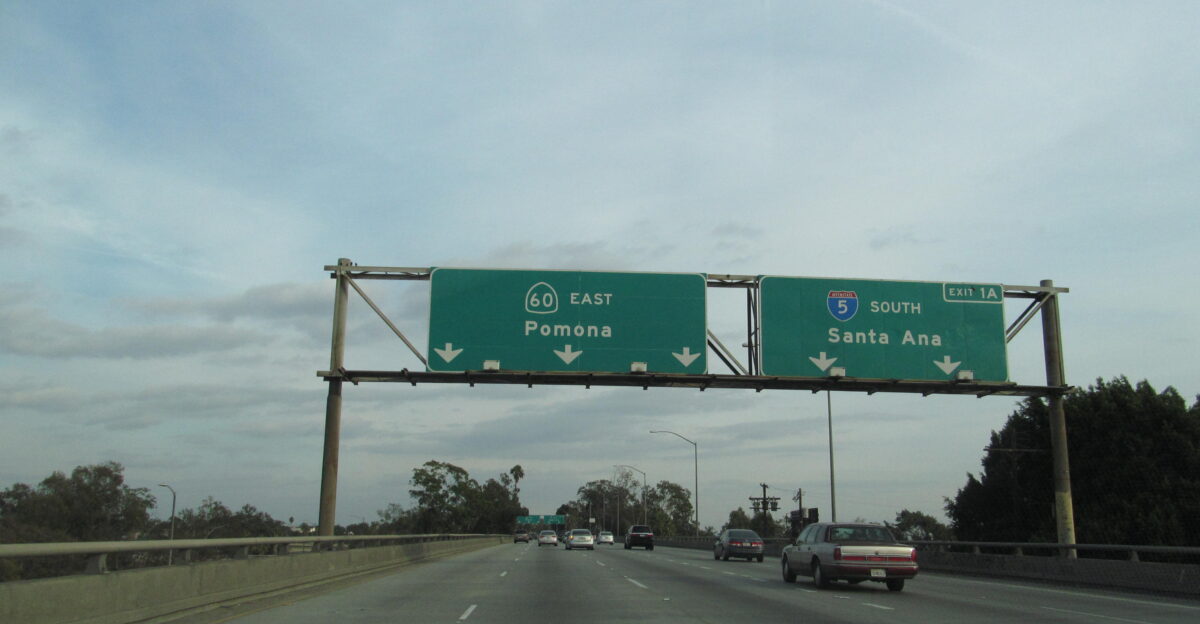
California’s Maximum Enforcement Period model reflects a nationwide strategy used by multiple states facing similar holiday surges. The approach emphasizes visible patrols, zero tolerance for impairment, and data-driven targeting.
California’s scale makes its enforcement outcomes a reference point for nationwide traffic safety planning.
Legal Ramifications
DUI arrests during MEPs often trigger immediate administrative penalties, including license suspensions under FAST. Extreme speeders risk long-term revocation.
Courts experience citation surges following holidays, while the removal of dangerous drivers creates broader public safety benefits across California’s roadways.
Cultural Wake-Up
New Year’s celebration increasingly collides with zero-tolerance enforcement. Younger drivers face shifting risk calculations shaped by new micromobility and e-bike laws.
Through messaging and visibility, CHP aims to reshape holiday driving culture—positioning restraint and planning as integral parts of modern celebration.
Bigger Picture
The New Year’s enforcement period delivered a stark reminder: peak travel demands maximum vigilance. In just 30 hours, CHP logged 9,308 enforcement actions, arrested 379 impaired drivers, and responded to six fatal crashes.
While human behavior remains the greatest variable, CHP’s sustained commitment signals a future where technology, policy, and enforcement converge to make California’s roads safer.
Sources:
California Highway Patrol – CHP RINGS IN THE NEW YEAR WITH HOLIDAY ENFORCEMENT PERIOD – December 28, 2025
GV Wire – CHP Reports Six Fatal Crashes, 379 DUI Arrests During New Year’s Enforcement Period – January 5, 2026
Pasadena Now – CHP Launches 30-Hour New Year’s Enforcement After Nearly 300 DUI Arrests During Christmas – December 30, 2025
California Highway Patrol – CHP HIGHLIGHTS PUBLIC SAFETY LAWS TAKING EFFECT IN 2026 – December 25, 2025
Bakersfield Now – CHP: 8 deaths, 2744 cited and 297 arrested for alleged DUI in holiday enforcement period – December 25, 2025
California DMV – Pilot Program Targets Speeders to Make California Highways Safer – December 21, 2025