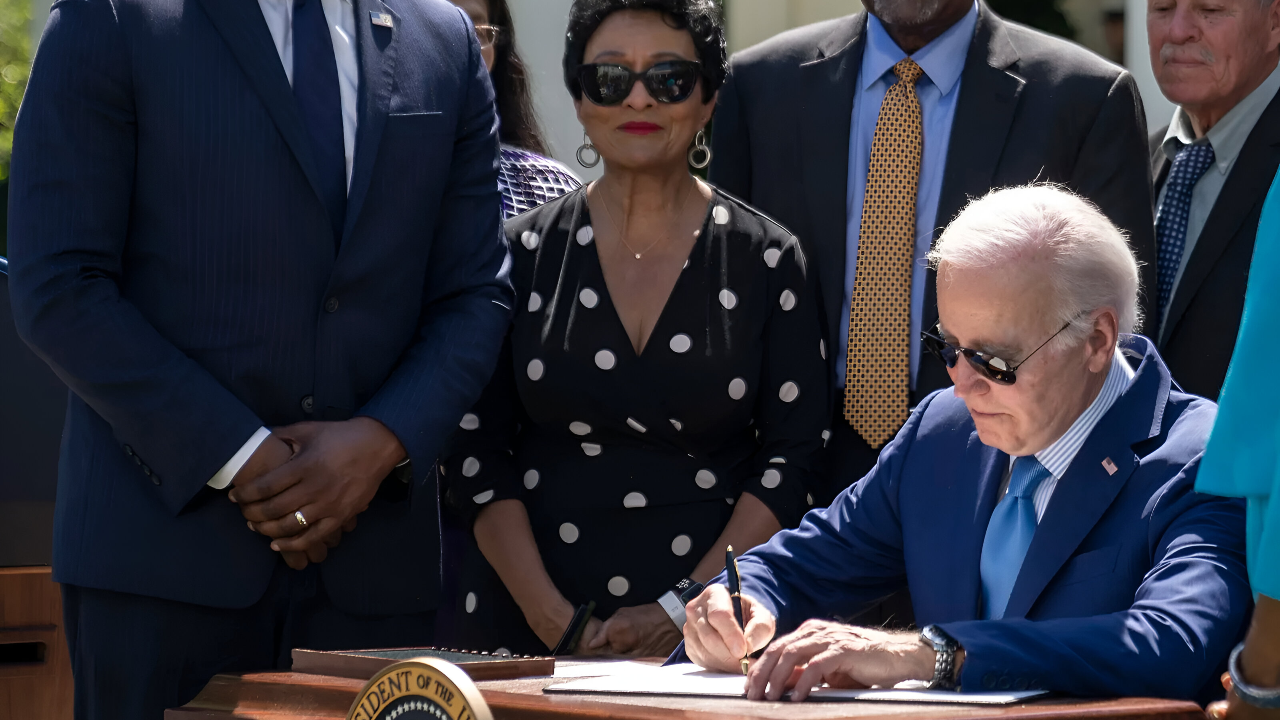
A year-long examination of federal housing assistance revealed that approximately 30,000 deceased individuals collected rental subsidies throughout 2024 while the Department of Housing and Urban Development distributed nearly $50 billion with minimal verification safeguards. Internal auditors identified $5.8 billion in questionable payments—representing 11.6 percent of total expenditures—flowing to dead tenants, ineligible non-citizens, and households earning far above income thresholds.
Massive Oversight Failure Exposed

HUD released its Fiscal Year 2025 Agency Financial Report in December 2024, employing advanced data analytics for the first time to scrutinize every rental assistance payment made during the year. Officials cross-referenced housing records against U.S. Treasury databases, uncovering between 29,715 and 30,054 deceased individuals receiving payments across all 50 states. The comprehensive analysis also flagged 9,472 non-citizens and more than 165,000 households exceeding income eligibility limits.
The questionable payments originated from two massive federal programs: Tenant-Based Rental Assistance, which distributed $33 billion to four million households, and Project-Based Rental Assistance, which allocated $16 billion for property-based subsidies. TBRA showed eligibility concerns tied to approximately $1.5 billion in payments, while PBRA raised red flags on roughly $4.3 billion—a staggering 26.4 percent of all funds distributed through that program during fiscal year 2024.
Large concentrations of suspected improper payments appeared in New York, California, and Washington, D.C., though deceased tenant payments occurred nationwide. Minnesota alone received up to $84 million in ineligible assistance during 2024, including $496,000 sent to 509 confirmed dead tenants. The geographic patterns suggest systemic verification failures in jurisdictions with the largest rental assistance programs and highest population densities.
Systemic Breakdown Across a Decade

After identifying critical process gaps, HUD disclosed a material weakness in its financial reporting—an unprecedented acknowledgment that internal controls failed to prevent or detect material misstatements. This marked the first time HUD’s Office of the Chief Financial Officer used comprehensive data analytics rather than statistical sampling to examine all payments.
The $5.8 billion revelation culminates a decade of payment integrity failures at HUD. The department has been noncompliant with federal improper payment laws for 11 consecutive years, failing to produce required estimates for its two largest rental assistance programs for eight straight years through fiscal year 2024. When HUD last reported compliant estimates in 2016, officials identified approximately $1.7 billion in improper payments from $30.7 billion in total expenditures.
HUD doesn’t directly administer housing assistance. Instead, approximately 2,756 Public Housing Agencies nationwide assess tenant eligibility, verify applicant income and household composition, determine subsidy amounts, and make direct payments to landlords. This delegation structure—placing responsibility on thousands of non-federal entities—created significant oversight challenges and verification gaps.
The department’s inability to produce improper payment estimates stemmed from failure to collect necessary supporting documentation. In 2017, officials discontinued quality control contractor studies and attempted collecting data directly from housing agencies without adequate planning. Most critically, HUD allowed its data-sharing agreement with Treasury’s Do Not Pay system to lapse in 2019. This system specifically helps federal agencies prevent improper payments to deceased individuals, debarred contractors, and other ineligible recipients through automated checks against multiple death databases.
Political Accountability and Response
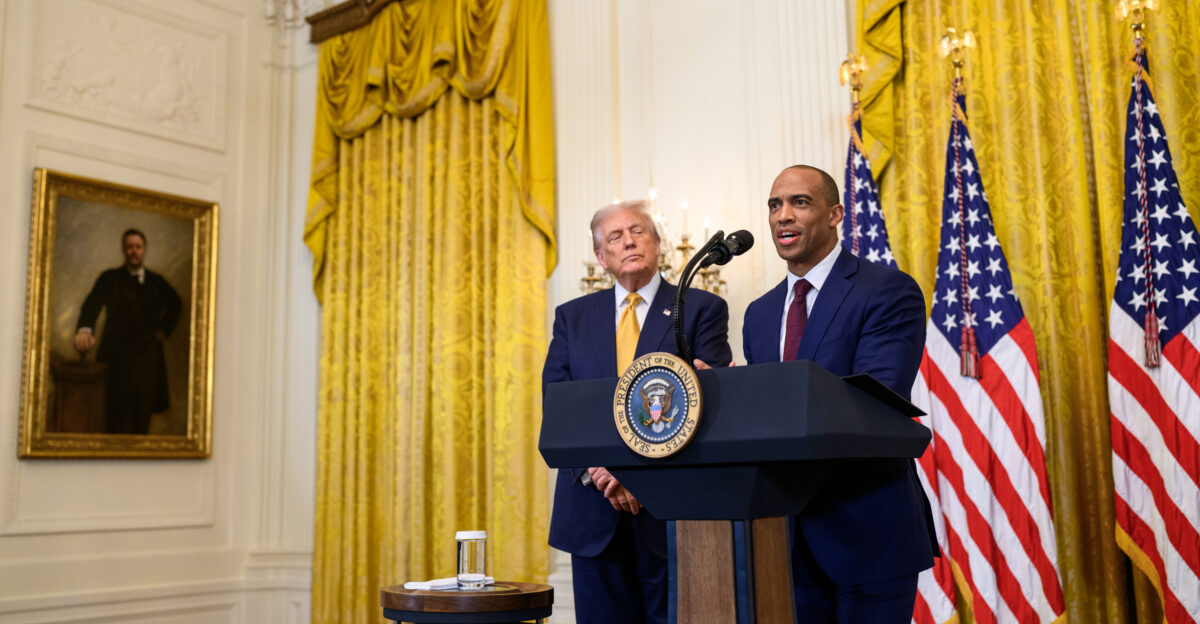
HUD Secretary Scott Turner released a strongly worded statement accompanying the report, characterizing the findings as resulting from directives prioritizing rapid distribution over verification. The HUD financial report stated that a directive from the Biden Administration to push funding out the door with minimal oversight placed substantial trust in non-federal entities without adequate verification mechanisms. According to the report, the Biden Administration did not provide HUD with effective tools, technology, or access to the evidence necessary to verify whether these entities were properly enforcing the intricate rules governing rental assistance.
Turner pledged HUD would continue investigating the shocking results and will take appropriate action to hold bad actors accountable. Officials announced plans to contact housing authorities and partners to determine the full scope of improper payments. Depending on findings, the department may pause or revoke funding and refer cases for criminal prosecution. New tracking processes will monitor how agencies spend federal funds.
Path Forward and Implications

The HUD Office of Inspector General repeatedly criticized the department’s approach to payment integrity. A January 2024 management alert stated the Office of the Chief Financial Officer’s approach to improper payments was fundamentally flawed because it failed to develop methods testing payments made directly by Public Housing Agencies to landlords—the payment stage representing the greatest risk to payment integrity.
HUD’s failures exist within broader federal challenges. According to the Government Accountability Office, 16 federal agencies made approximately $162 billion in improper payments across 68 programs during fiscal year 2024. Between fiscal years 2004 and 2023, federal agencies reported approximately $2.7 trillion in cumulative improper payments.
The findings raise fundamental questions about balancing payment integrity controls with ensuring rapid housing assistance access for vulnerable populations. Immediate actions required to restore safeguards include reinstating data-sharing agreements with Treasury’s Do Not Pay system to enable automated checking of rental assistance payments against death records. Long-term solutions require establishing an improper payment council with senior officials across the department, developing feasible testing methodology accounting for necessary resources, modernizing data systems enabling secure documentation collection, and resuming regular monitoring reviews of housing agencies suspended since 2021.
Sources:
“HUD Financial Report Finds Billions in Potential Payment Errors During 2024.” U.S. Department of Housing and Urban Development, December 31, 2024.
“HUD audit reveals $5.8 billion in ‘questionable’ rental assistance payments under Biden.” ABC News, December 29, 2025.
“HUD Did Not Comply With the Payment Integrity Information Act of 2019.” HUD Office of Inspector General, May 2024.
“GAO: 16 federal agencies made $162B in improper payments in 2024.” SignalSCV, March 12, 2025.
“HUD secretary says up to $84 million in ineligible assistance was given to MN under Biden.” Fox Baltimore, January 12, 2026.
“Biden-era rental assistance included payments to dead tenants, non-citizens, new HUD report reveals.” Fox News, December 29, 2025.