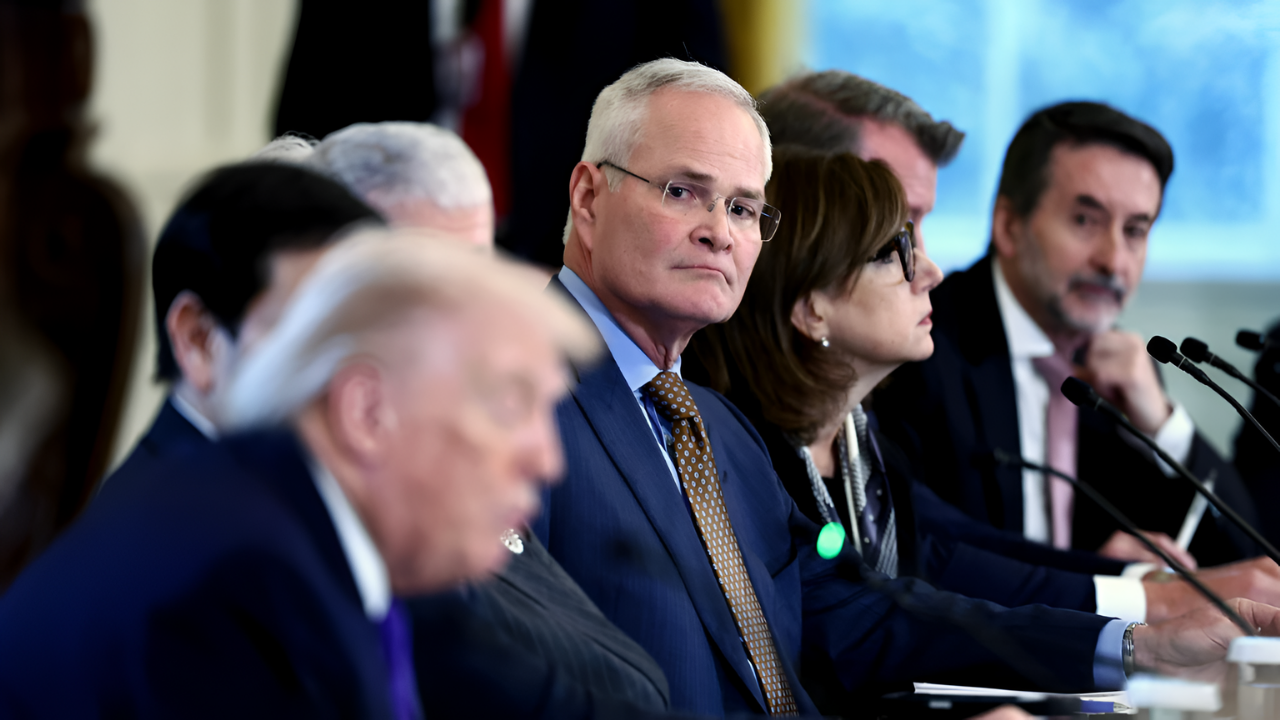
On January 10, 2026, at a White House meeting, Exxon Mobil CEO Darren Woods delivered a single word that froze the room: “Uninvestable.” The comment, aimed directly at Venezuela’s energy sector, came as President Donald Trump pressed U.S. oil giants to commit $100 billion to rebuild the country with the world’s largest oil reserves.
Days later, Trump responded publicly—hinting Exxon could be shut out entirely. Markets were listening.
Investor Alarm
Wall Street reacted fast. Exxon Mobil shares slipped about 1.1% in premarket trading after President Trump suggested the company could be excluded from future Venezuela deals. With approximately $500 billion in market capitalization, even a modest move translated into billions in value at risk.
Investors now face a rare collision between presidential pressure and corporate risk discipline, as Fortune 10 oil companies weigh politics against shareholder obligations.
Expropriation Echoes
Exxon’s caution is rooted in history. In 2007, Venezuela expropriated Exxon Mobil’s assets under President Hugo Chávez, triggering years of arbitration as Exxon pursued billions in compensation. ConocoPhillips suffered similar losses.
The aftermath hollowed out PDVSA’s technical expertise and credibility. For today’s oil executives, those scars remain vivid—proof that political promises in Caracas have collapsed before, often without warning.
Sanctions Legacy

U.S. sanctions imposed beginning in 2014 sharply reduced Venezuela’s oil exports, compounding years of corruption, underinvestment, and infrastructure decay. Output collapsed to roughly 900,000 to 1 million barrels per day, down nearly 80% from peak levels.
Brain drain accelerated as skilled workers fled PDVSA. Trump now frames the push as a post-regime revival, but investors still see unresolved structural and governance failures.
CEO’s Rebuke
Speaking directly at the White House on January 10, 2026, Exxon CEO Darren Woods rejected Trump’s $100 billion investment push outright. He cited Venezuela’s current legal, fiscal, and commercial frameworks as unacceptable.
Woods emphasized that Exxon would require substantial modifications to hydrocarbon laws and durable legal protections before committing capital. The unusually public rebuke marked a rare moment of open defiance from a Fortune 10 CEO.
Stock Tremors
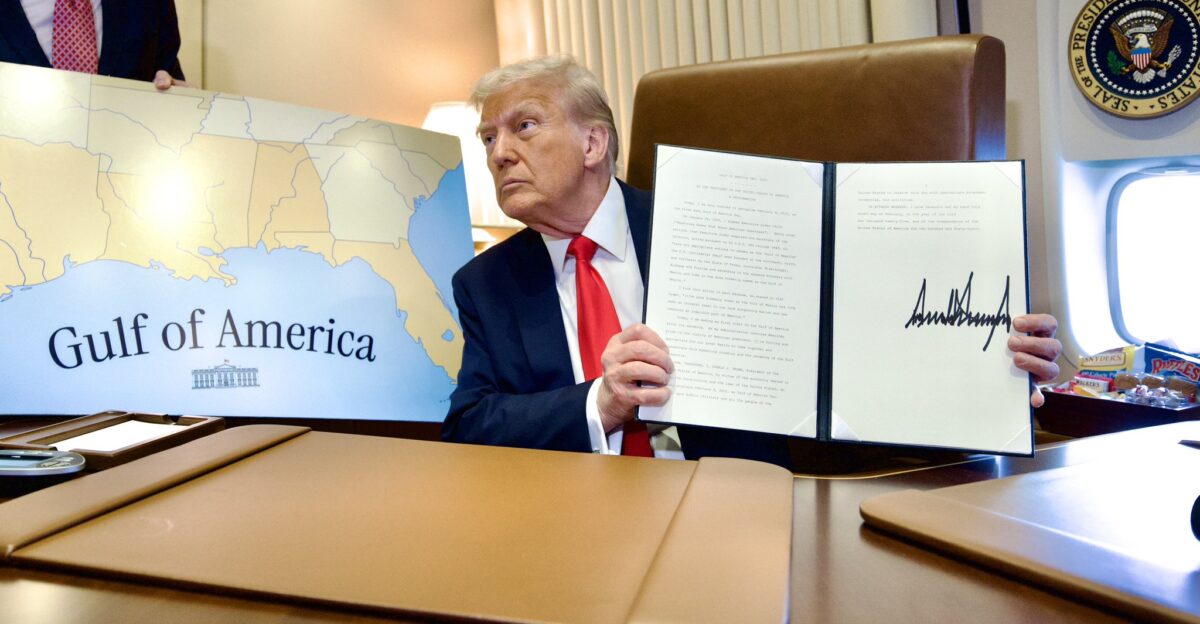
Trump’s remarks aboard Air Force One on January 12 amplified the fallout. Exxon shares slipped again, and broader energy stocks wavered as traders reassessed geopolitical risk.
Houston trading desks tracked headlines in real time, aware that presidential comments alone had moved billions in market value. The episode underscored how quickly political rhetoric can ripple through shareholder portfolios—even without a single contract being signed.
Woods’ Warning
Woods’ message was blunt and carefully worded. “If we look at the commercial constructs and frameworks in place today in Venezuela, today it’s uninvestable,” he said.
The CEO explicitly referenced Exxon’s 2007 expropriation as a defining lesson. His stance reinforced Exxon’s priority: protecting shareholder capital, even when that means resisting White House pressure in one of the world’s most resource-rich nations.
Rivals Circle
With Exxon sidelined, the White House turned its attention to rivals. Chevron and ConocoPhillips emerged as alternatives, both holding long-standing claims against Venezuela and limited operational footholds.
Chevron currently operates under narrow U.S. licenses, while ConocoPhillips continues to pursue arbitration payments. Trump’s outreach signaled a willingness to reshuffle Big Oil partnerships, intensifying competition for access to sanctioned Venezuelan assets.
Rebuild Costs
The scale of Venezuela’s recovery challenge is daunting. Analysts estimate $100 billion or more would be required over 10–15 years to restore meaningful production capacity.
Annual investment needs could reach $10–15 billion, especially given Venezuela’s heavy crude, which is expensive to extract and refine. Untapped gas reserves add complexity.
Revenue Shield
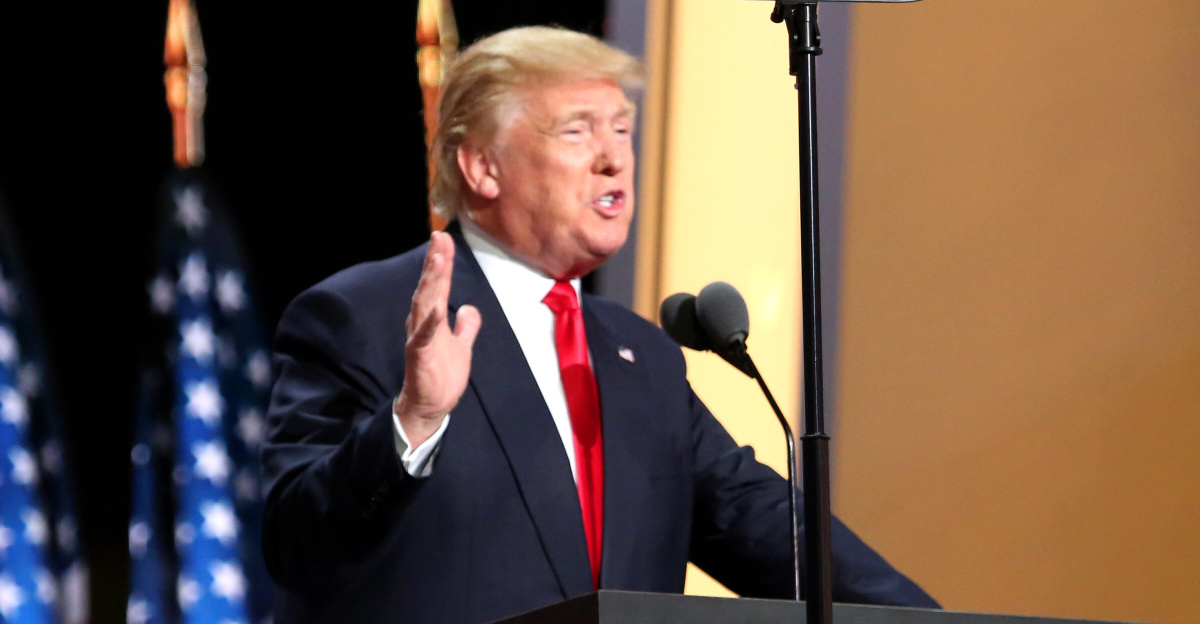
To reassure investors, Trump signed an executive order shielding Venezuelan oil revenue from seizure by U.S. courts. The move aims to bypass outstanding arbitration claims and clear a path for new capital inflows—particularly benefiting Chevron.
Funds would be held under U.S. oversight, with proceeds earmarked for humanitarian and energy-related purposes. The order reduced one risk, but left broader legal and governance questions unresolved.
Exxon Frustrations
Inside Exxon, shareholders now face a delicate trade-off. Woods’ resistance shields the company from repeating past losses, yet risks political retaliation.
Some investors worry exclusion from Venezuela could forfeit long-term upside, while others applaud management’s discipline. Boardroom debates reflect a larger dilemma.
Leadership Standoff
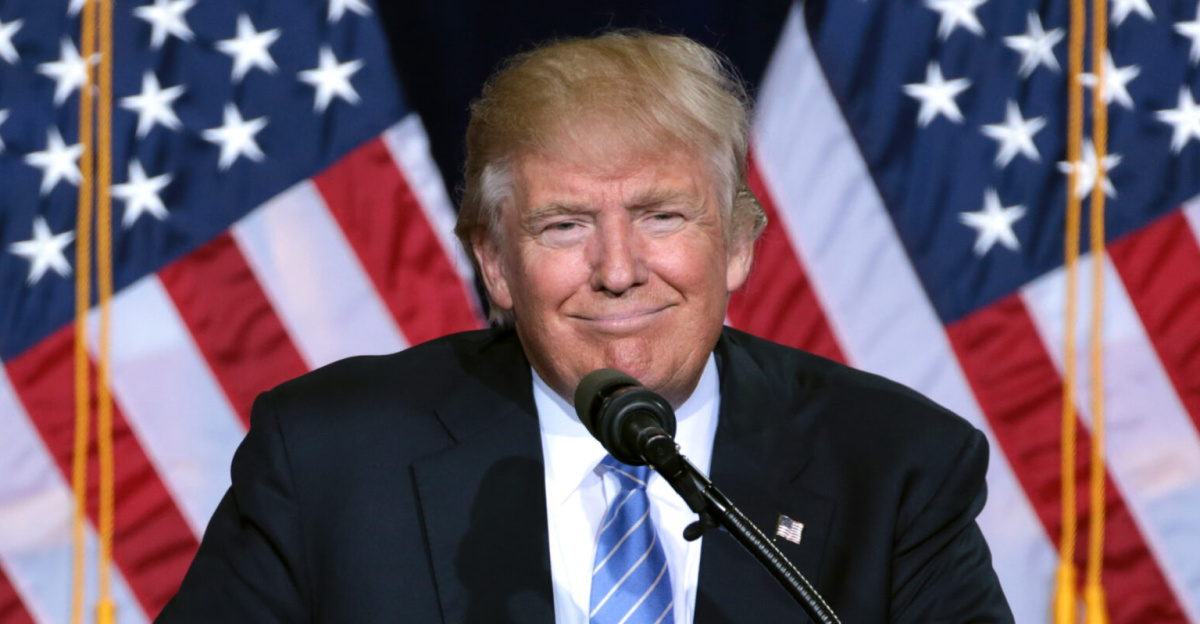
Trump’s response was unmistakable. “I’d probably be inclined to keep Exxon out of Venezuela,” he said publicly, calling the company “too cute.”
While no ownership or regulatory changes followed, the signal was clear. The White House would move forward without Exxon if necessary.
Strategic Pivot
Exxon, meanwhile, continues prioritizing U.S. shale and lower-risk jurisdictions, avoiding Venezuela’s uncertainty. The administration, however, presses ahead—marketing initial crude sales of 30–50 million barrels.
Sanctions are eased to allow imports of diluent and equipment. Recovery efforts accelerate, but without America’s largest oil producer.
Expert Doubts
Energy analysts remain skeptical. Rebuilding Venezuela’s oil sector, they warn, is a multi-year process burdened by legacy debt and decayed infrastructure.
FIU’s Jerry Haar describes the country as high-risk for foreign direct investment, citing entrenched corruption and weak institutions.
Future Bets
The central question remains unresolved: what guarantees would actually unlock major capital? Trump’s team is exploring PDVSA joint ventures and long-term fiscal assurances.
Investors demand 20-year stability, not temporary protections. Optimistic scenarios target a rise toward 1.5 million barrels per day.
Policy Fault Lines
Trump’s Venezuela push exposes deeper policy tensions. The U.S. champions energy independence, yet now seeks overseas production to stabilize global supply.
By favoring some companies over others, Washington risks accusations of politicized corporate selection.
Global Ripples
A Venezuelan production surge could reshape global markets. Additional heavy crude would pressure prices, challenge OPEC coordination, and benefit U.S. refiners configured for dense blends.
Meanwhile, China, holding approximately $10–12 billion in outstanding debt, along with Russia, looms over any restructuring.
Legal Hurdles
Unpaid arbitration awards to Exxon and ConocoPhillips remain unresolved, even as Trump’s order shields new revenue streams.
Environmental constraints add another barrier: Venezuela’s oil is among the highest carbon-intensity crude globally.
Ethical Shifts
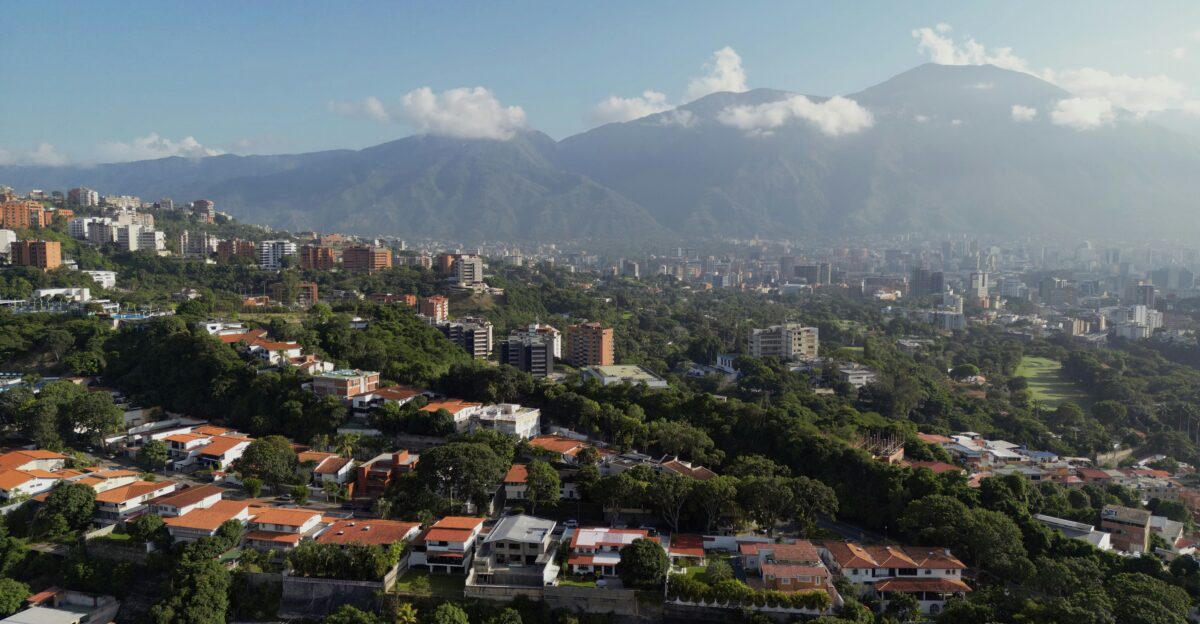
Beyond contracts, social conditions weigh heavily. Venezuela faces extreme poverty affecting over 80% of the population, with only 19% full-time employment.
PDVSA’s brain drain has hollowed institutional capacity, while corruption perceptions deter long-term commitments.
Signal Moment
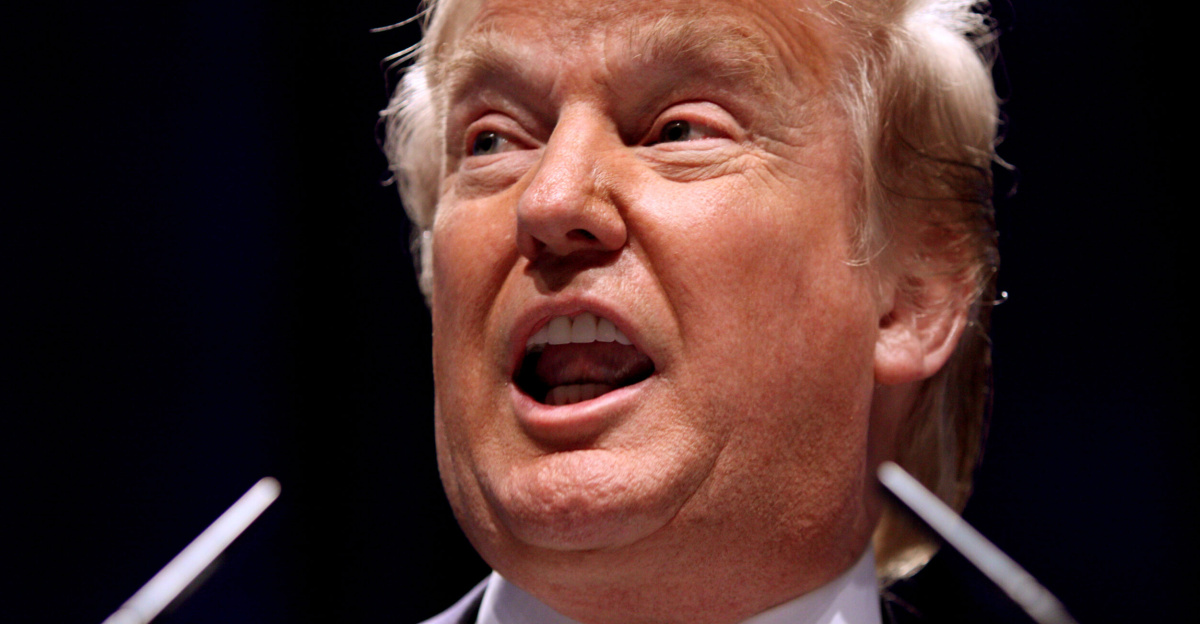
The Trump–Exxon clash marks a defining moment for global energy investing. Even with the world’s largest reserves and presidential backing, Venezuela cannot override rule-of-law concerns.
Exxon’s refusal signals a broader industry discipline: capital follows enforceable frameworks, not political pressure.
Sources:
CNBC, “Trump threatens to sideline Exxon from Venezuela’s oil”, January 12, 2026
Fortune, “Trump threatens to keep ‘too cute’ Exxon out of Venezuela”, January 11, 2026
New York Times, “Trump’s $100 Billion Venezuela Oil Plan Gets a Cool Reception”, January 9, 2026
Yahoo Finance, “Trump Signs Order to Firewall Venezuela Oil Revenue From Seizure”, January 10, 2026
CSIS, “How Much More Oil from Venezuela—and How Soon?”, January 12, 2026
FIU News, “Why Venezuela remains a high-risk market for business”, January 8, 2026