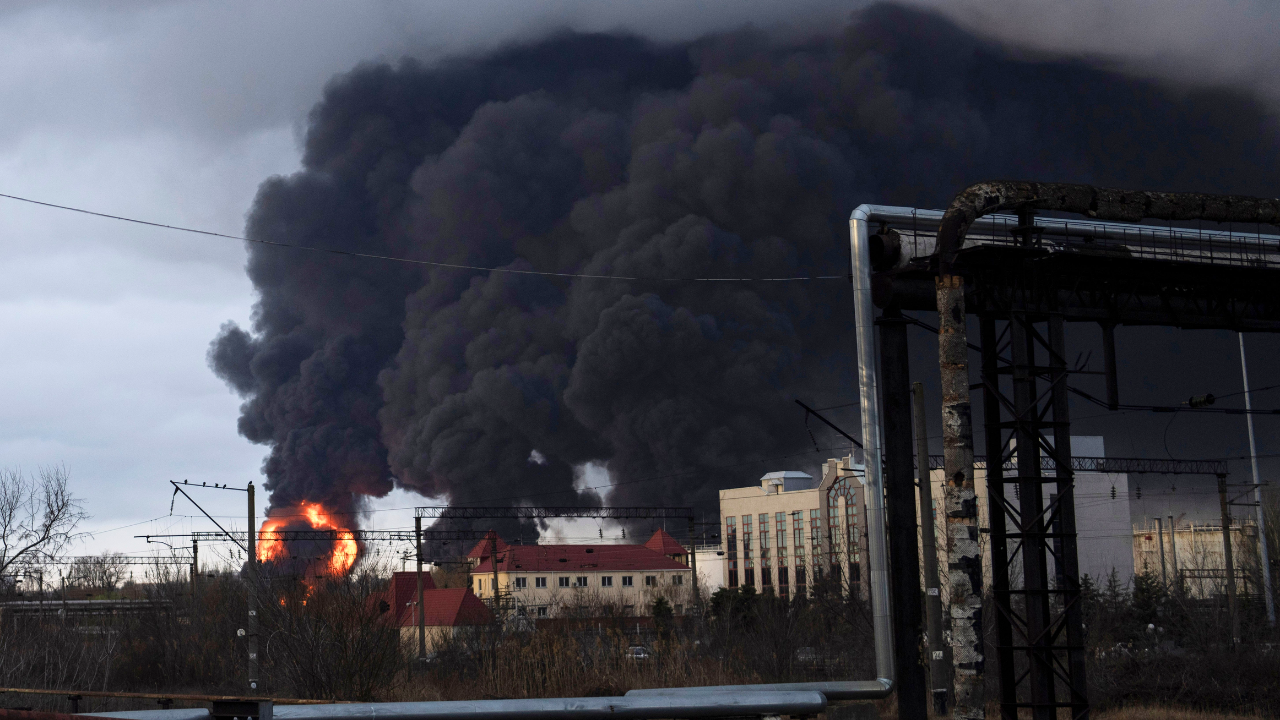
Flames erupted from an oil refinery shortly after midnight as emergency crews scrambled to contain the damage. Within hours on January 3-4, three major Moscow airports suspended operations, disrupting nearly 200 flights as Ukrainian drones advanced toward the capital. The coordinated assaults unfolded across multiple Russian regions over several days in early January, with fires burning at refineries and fuel storage sites scattered hundreds of kilometers apart, marking some of the most extensive Ukrainian aerial operations of the conflict.
Ukrainian forces launched strikes targeting ten military and infrastructure locations in a single night on New Year’s Eve, according to Ukraine’s Unmanned Systems Forces. The operation reached extraordinary distances into Russian territory, with some targets positioned more than 1,100 kilometers from Ukrainian-controlled areas. This marked among the deepest confirmed penetrations by Ukrainian drones since hostilities began, demonstrating Kyiv’s expanding capacity to project force far beyond frontline zones.
Overwhelming Defenses Across Vast Territory
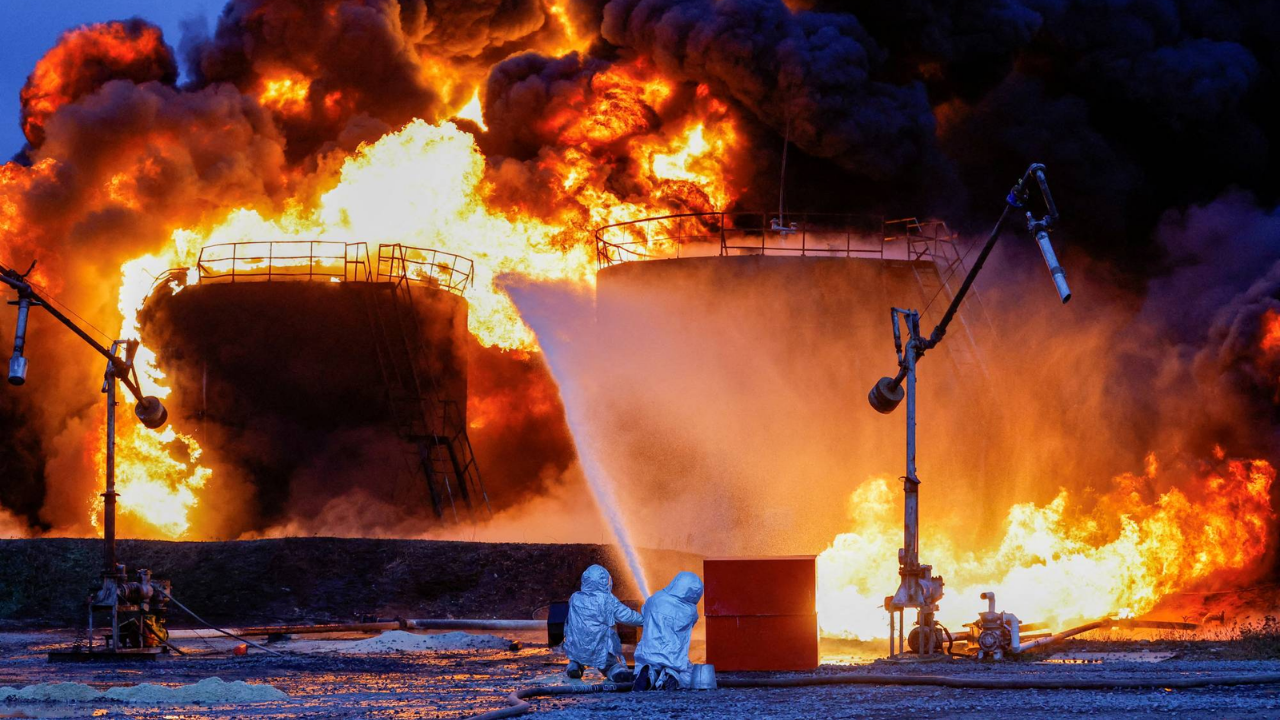
The geographic distribution of strike locations formed a sweeping arc across Russia’s landscape, stretching from southern coastal regions to central industrial zones. Facilities in Krasnodar Krai sustained damage alongside sites in the Republic of Tatarstan and Kaluga region, revealing Ukraine’s strategy of saturation tactics designed to overwhelm regional air defenses through simultaneous attacks from multiple directions.
In a separate wave on January 3-4, Russian authorities claimed intercepting 132 drones during an overnight assault, yet the successful strikes on numerous high-value targets during the early January period suggested defensive systems were stretched beyond capacity. The destruction of at least one Tor-M2 surface-to-air missile system near the settlement of Shevchenko underscored vulnerabilities in Russia’s air defense network, even as Moscow deployed advanced equipment valued at tens of millions of dollars.
Critical Energy Infrastructure Under Fire
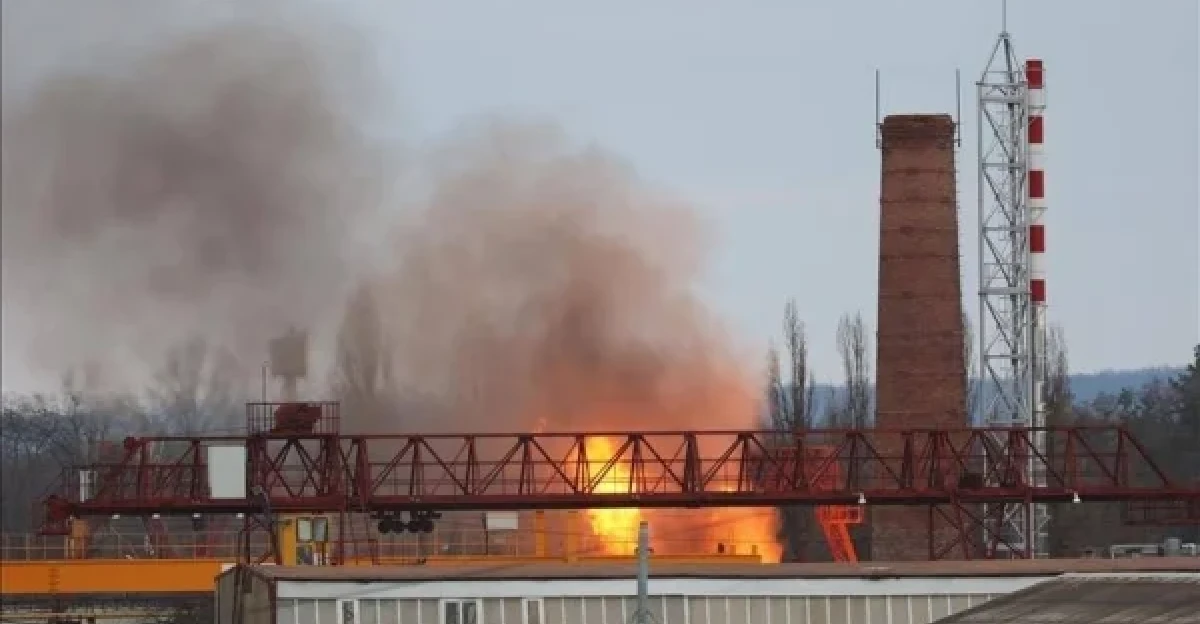
Ukraine has systematically intensified operations against Russia’s petroleum sector throughout recent months, targeting the revenue streams financing military operations. The Ilsky oil refinery in Krasnodar Krai erupted in flames following drone impacts, while the nearby Tuapse refinery sustained strikes during the same period. In Tatarstan, the Almetyevsk oil preparation facility reported damage, with assessment ongoing.
These installations represent essential nodes in Russia’s fuel processing infrastructure. Beyond refineries, Ukrainian drones struck storage facilities directly supplying Russian forces, including a depot linked to Russia’s 51st Army near Ilovaisk and an oil depot in Lyudinovo, Kaluga region. Such losses directly constrain military logistics by limiting fuel availability for vehicles, generators, and frontline operations.
Capital Region Disruption and Military Losses

On January 3-4, the drone threat forced temporary closures at Vnukovo, Domodedovo, and Zhukovsky airports serving Moscow, grounding flights during peak holiday travel and affecting civilian infrastructure in the capital region. The suspensions highlighted how deeply Ukrainian unmanned systems had penetrated Russian airspace, reaching areas previously considered secure.
Military assets also absorbed significant damage during the operations. Beyond the destroyed Tor-M2 air defense system, Ukrainian forces hit a command and observation post belonging to the 68th Tank Regiment of the 150th Motorized Rifle Division near Avdiivka. These strikes aimed to degrade both defensive capabilities and battlefield coordination, compounding Russia’s challenges in protecting critical assets across vast distances.
Escalating Economic Pressure and Strategic Implications
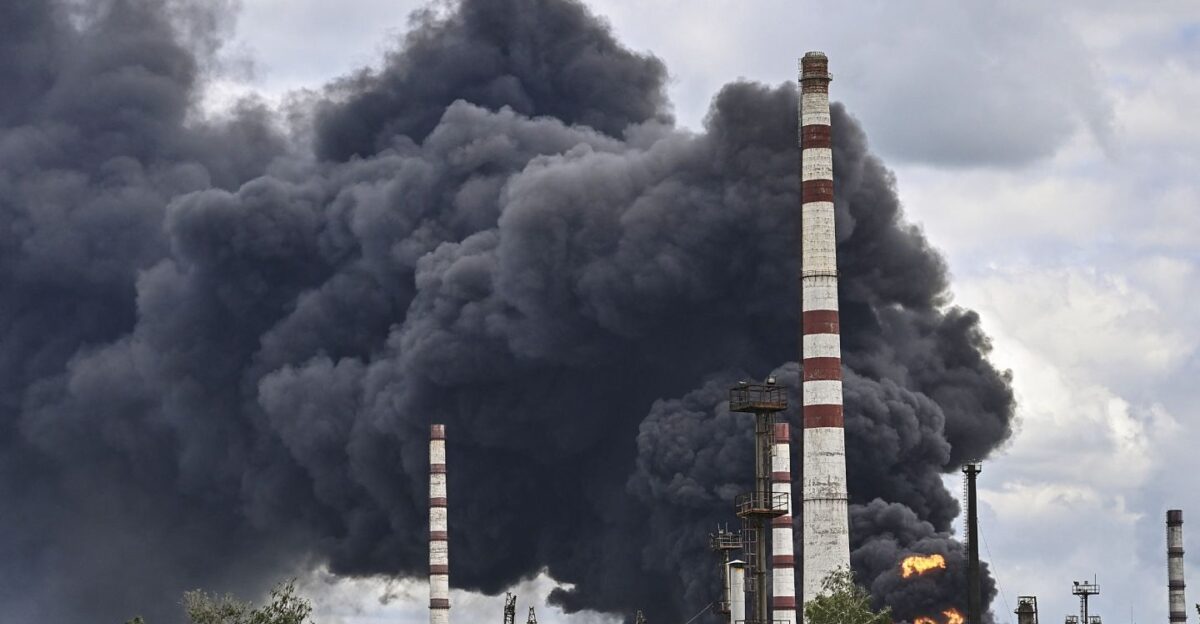
Repeated disruptions to refinery operations carry tangible economic consequences. Russian fuel exports have declined in recent months as unplanned shutdowns force a shift toward exporting crude oil rather than refined products. Ukrainian officials characterize petroleum revenue as the financial foundation of Russia’s military campaign, making each successful strike progressively more costly for Moscow to absorb.
Emergency teams worked to extinguish fires and assess damage across multiple sites, yet repair efforts face mounting complications. Ukraine has demonstrated a pattern of striking facilities multiple times within weeks, targeting locations before full restoration can occur. Analysts note that even brief outages generate outsized effects during winter demand peaks when fuel consumption intensifies.
Expanding Domestic Drone Production
Ukraine has signaled its intention to continue expanding domestic drone production, aiming to sustain long-range strike capacity indefinitely. The early January operations demonstrated that coordinated attacks can reach deep into Russian territory, including proximity to the capital region. As energy facilities remain vulnerable and defensive systems show strain under coordinated assaults, the interplay between escalation, deterrence, and economic pressure appears set to define the conflict’s trajectory in coming months.
Sources:
“Defense Forces strike Ilsky Oil Refinery and several important Russian targets.” Ukrinform, 31 Dec 2025.
“Moscow airports shut over Ukrainian drone threat.” The Straits Times / AFP, 4 Jan 2026.
“Ukraine strikes Ilsky oil refinery in Kuban and hits depots and command post in Donetsk region.” Ukrainska Pravda, 31 Dec 2025.
“Ukrainian drones target Moscow, trigger airport closures, Russia says.” Kyiv Independent, 3 Jan 2026.