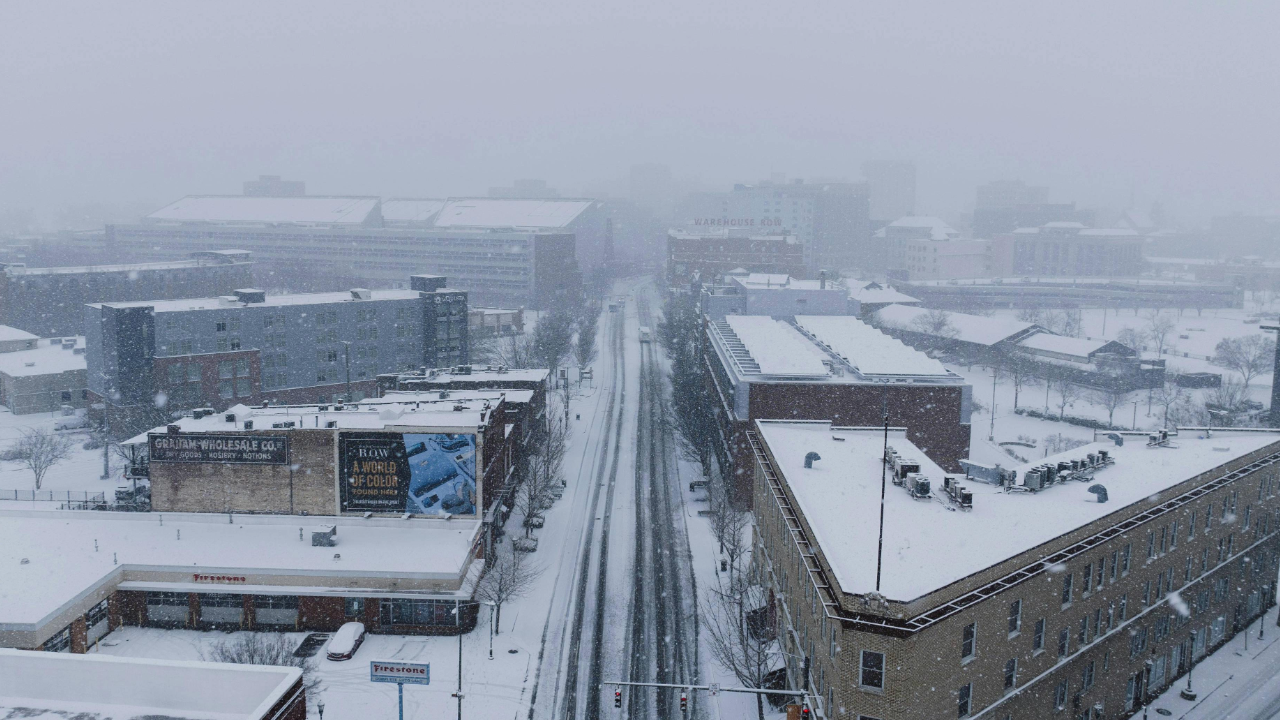
The National Weather Service issued winter storm warnings for Alaska, Michigan, and Maine on January 11-12, 2026. All three states face dangerous whiteout conditions that make travel extremely risky. Alaska’s Nenana Hills region expects up to 10 inches of snow. Wind gusts along the Dalton Highway will reach 45 miles per hour.
Maine’s northern counties—Aroostook, Piscataquis, and Somerset—will see 6 to 9 inches of snow in rural areas. Michigan’s Cheboygan and Presque Isle Counties in the Upper Peninsula expect up to 1 inch of snow with winds of 30 to 35 miles per hour. Lake-effect snow near the Great Lakes will make conditions worse.
Whiteouts happen when falling snow, blowing snow, and strong winds combine. They drop visibility below a quarter mile. Drivers cannot see road edges or landmarks. A single stalled car can cause chain-reaction crashes. In Alaska, snowfall rates hit 1 to 2 inches per hour. This rate overwhelms snowplows and erases visibility in minutes.
Ground blizzards formed along the Dalton Highway between Cantwell and Nenana. Roads disappeared under snow drifts. Mountain passes could close within hours. Maine officials warned of “exceedingly dangerous” travel conditions. Schools closed, and childcare centers shut down. Michigan’s winds caused rapid visibility loss near manufacturing areas. Hotels near Fairbanks sold out as travelers got stranded. Airlines canceled flights, and emergency crews staged salt supplies.
Why Winter Storms Kill
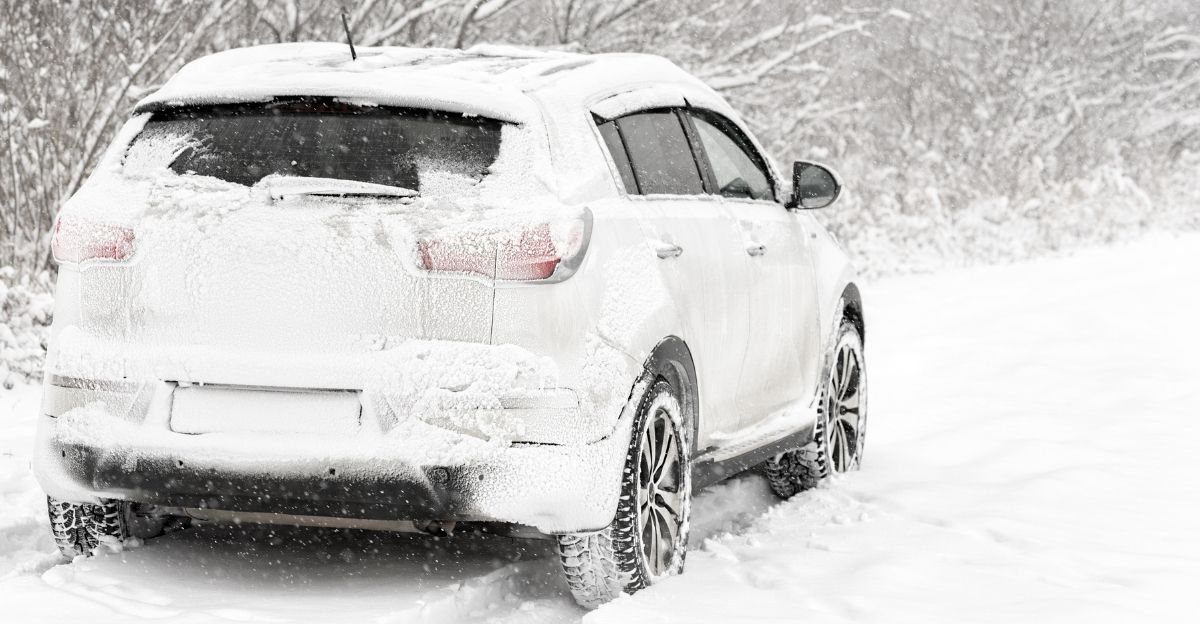
Winter storms claim more lives through hidden dangers than from snow alone. The National Weather Service calls them “deceptive killers” because most deaths happen indirectly. Traffic accidents surge during whiteouts when drivers cannot see. Hypothermia strikes people who get stranded in isolated areas. Heart attacks happen when people shovel heavy snow. Fatalities often continue for days after storms end, even when the snow stops falling.
Historical data shows the deadly toll of winter weather. From 1949 to 2000, major snowstorms caused $21.6 billion in insured losses. The 1993 Superstorm hit 20 states, killed 270 people, and cost $1.8 billion in insured losses. Total damages reached $5.5 billion. Winter weather events rank among the costliest disaster types in U.S. history. They have contributed significantly to the 403 billion-dollar disasters recorded between 1980 and 2024.
Emergency responders face blinding conditions that delay rescue efforts. This raises death rates. In Alaska’s isolated interior, stranded travelers risk prolonged exposure and hypothermia. Resources are sparse in these remote areas. Maine’s rural roads stay closed longer, stranding motorists far from help. Michigan’s lake-effect snow creates sudden pockets of heavy snow that trap drivers despite modest total accumulations.
Emergency Teams Respond
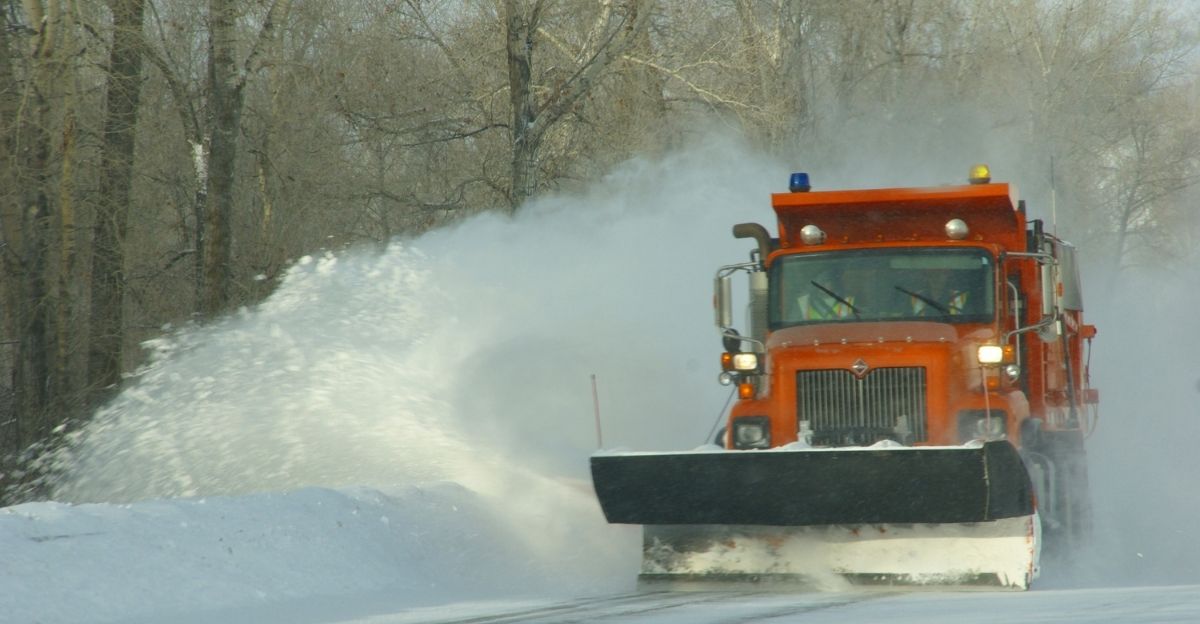
State agencies moved quickly to prepare for the storms. Alaska’s Emergency Operations Center worked with the National Guard to plan rescues. Maine used mutual-aid agreements with neighboring states to position equipment along major highways.
Michigan State Police prepared for collision responses. Federal highway officials coordinated potential road closures. Transportation teams moved equipment across more than 1,000 miles. State operations centers activated mutual-aid networks within hours of the warnings.
Weather forecasts still held some uncertainty. Computer models agreed that warnings were necessary but differed on wind duration and peak snowfall timing. Conditions could weaken or intensify beyond 2 inches per hour. Travelers faced difficult decisions about whether to risk travel.
This tri-state event shows America’s uneven readiness for winter threats. Winter weather has caused numerous billion-dollar disasters with high indirect death tolls over recent decades. The event raises important questions about improving cold-weather defenses as weather patterns become more unpredictable.
Sources:
National Weather Service, Winter Storm Warnings (Alaska, Michigan, Maine), January 2026
Newsweek, Winter Storm Warning As 9 Inches of Snow to Strike, January 11, 2026
National Weather Service, Winter Storm Educational Materials, (no specific date – standing educational content)
National Safety Council, Injury Facts – Weather-Related Deaths and Injuries, July 2024
NOAA, Billion-Dollar Disasters Database, 2024
Changnon, Snowstorm Catastrophes in the United States, Journal of Applied Meteorology, 2005