A hotel in Lakeville, Minnesota, is at the center of a national dispute after staff told federal immigration agents they could not stay there, leading to the loss of both federal business and the Hilton brand name for the property. What began as a local booking decision quickly turned into a political, financial, and legal lesson for the entire hotel industry.
How One Decision Started the Crisis

A Hampton Inn by Hilton in Lakeville had long been used by federal workers, including immigration agents, when they traveled to the Minneapolis–St. Paul area for official work. In early January, as roughly 2,000 federal agents were being sent to the region for a major immigration enforcement effort, demand for hotel rooms jumped sharply.
Emails later shared by the Department of Homeland Security (DHS) and Immigration and Customs Enforcement (ICE) showed that hotel staff told federal contacts the property was “not allowing any ICE or immigration agents to stay at our property.” DHS said this amounted to refusing service to law enforcement officers traveling on official business, not just canceling a few reservations.
The wording in those emails left little doubt that the policy targeted specific federal agencies based on who they were, not on normal reasons like overbooking or safety concerns. What could have been a routine block of government rooms was instead seen as discrimination against immigration officers.
Emails Go Public and Pressure Grows

The situation escalated when DHS and ICE posted screenshots of the hotel emails on social media, accusing Hilton of running a “coordinated campaign” to deny rooms to their agents using government rates. This moved the issue from a private dispute into a highly public argument over immigration enforcement and corporate behavior.
At nearly the same time, the U.S. General Services Administration (GSA), which manages federal travel programs, announced that the Lakeville Hampton Inn had violated government lodging rules. GSA’s administrator said the property was being removed “effective immediately” from all federal booking tools and stressed that government-approved hotels must honor reservations from all federal agencies “without exception.”
Investors also reacted once the story hit national news outlets. Hilton’s stock fell by a little more than 2% as markets weighed the risk that the company could be seen as unfriendly to law enforcement and government travel, a key source of business for major hotel chains.
Hilton Cuts the Franchise and the Hotel Loses Government Business
After the emails circulated, the Lakeville hotel’s owner, Everpeak Hospitality, issued a statement saying it was committed to welcoming all guests and that the cancellations did not reflect its values. The company apologized to those affected and said it aimed to follow brand standards and the law.
However, pressure intensified when an undercover video by journalist Nick Sortor appeared to show a front-desk worker still refusing rooms for DHS and ICE personnel, citing a “management policy,” even after the public apology. Hilton said the video raised serious concerns that the independent owner was not meeting the chain’s standards and announced it was removing the hotel from its systems, effectively ending the Hampton Inn franchise at that location.
GSA’s decision went further than a simple warning. The agency removed the Lakeville hotel from all federal lodging programs, including FedRooms, Long Term Lodging, and emergency lodging lists, which meant federal employees and military travelers booking through approved systems could no longer select the property for any official trip. For the Twin Cities area, this immediately tightened an already busy hotel market, forcing federal coordinators to move agents to nearby hotels on short notice.
What It Means for the Hotel and the Industry
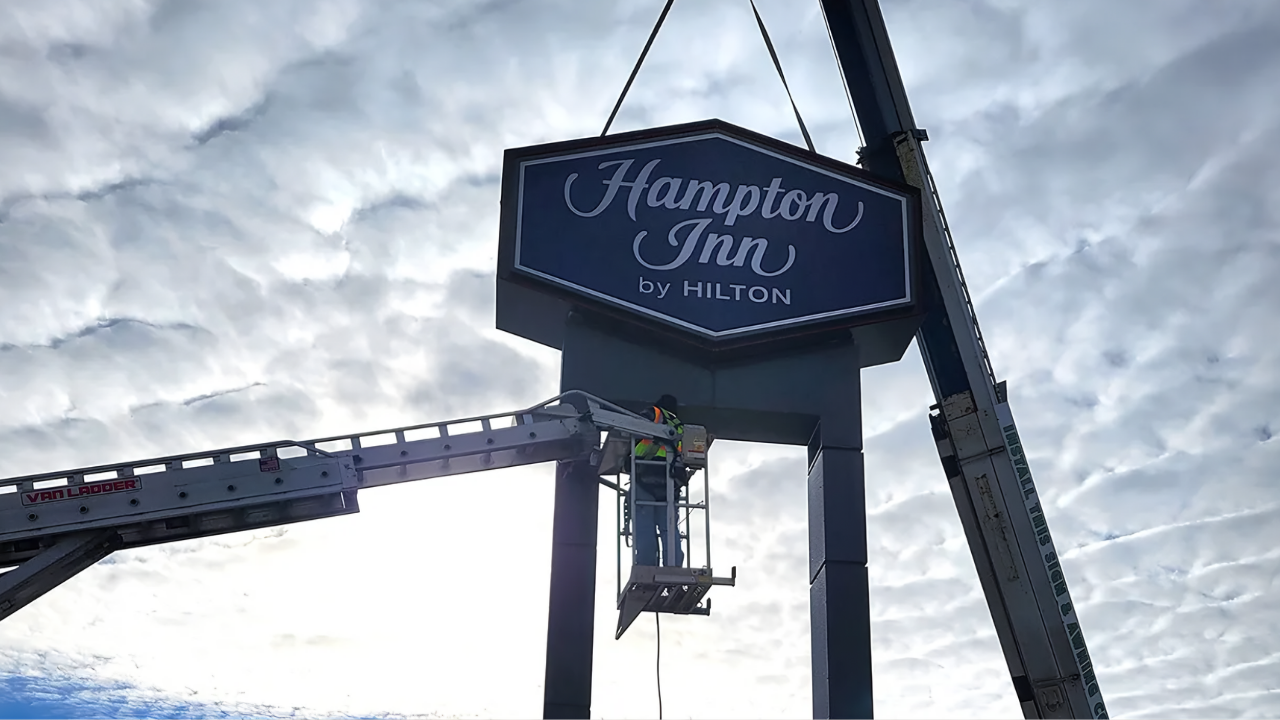
Following Hilton’s termination, workers used a crane to take down the Hampton Inn and Hilton signs from the Lakeville building, and the property disappeared from Hilton’s website and reservation systems. Reports indicated the listed phone number was disconnected or unanswered, leaving the future of the site unclear: it could join another brand, operate independently, or sit underused for some time.
Hilton emphasized that the Lakeville hotel was independently owned and not operated directly by the corporation, but it also reminded all franchisees that hotels using its name must not discriminate against lawful guests, including federal law-enforcement officers. The company contacted owners across its portfolio to restate its rules for serving government travelers, trying to show that this was an isolated situation rather than a broader pattern.
Industry analysts note that losing access to federal lodging programs can significantly damage a hotel’s revenue, since government travel often provides steady business and fills rooms during slower periods. The Lakeville case now serves as a clear warning for hotels nationwide: refusing rooms to government agencies based on who they are can lead to being blacklisted by federal programs, losing a global brand flag, and facing intense public and political scrutiny.
Sources:
GSA – “GSA Removes Minnesota Property From All Government Lodging Programs Following Denial of Rooms to Federal Immigration Agents” – 5 January 2026
Fox News Digital / Yahoo News (syndicated) – “Minnesota hotel removed from approved federal lodging list after allegedly refusing to accommodate ICE agents” – 5 January 2026
Hotel Dive – “Hilton cuts ties with a Minnesota Hampton Inn after DHS debacle” – 6 January 2026
Fox Business – “Hilton tears down signs to sever ties with Minneapolis hotel that allegedly refused ICE agents rooms” – 7 January 2026