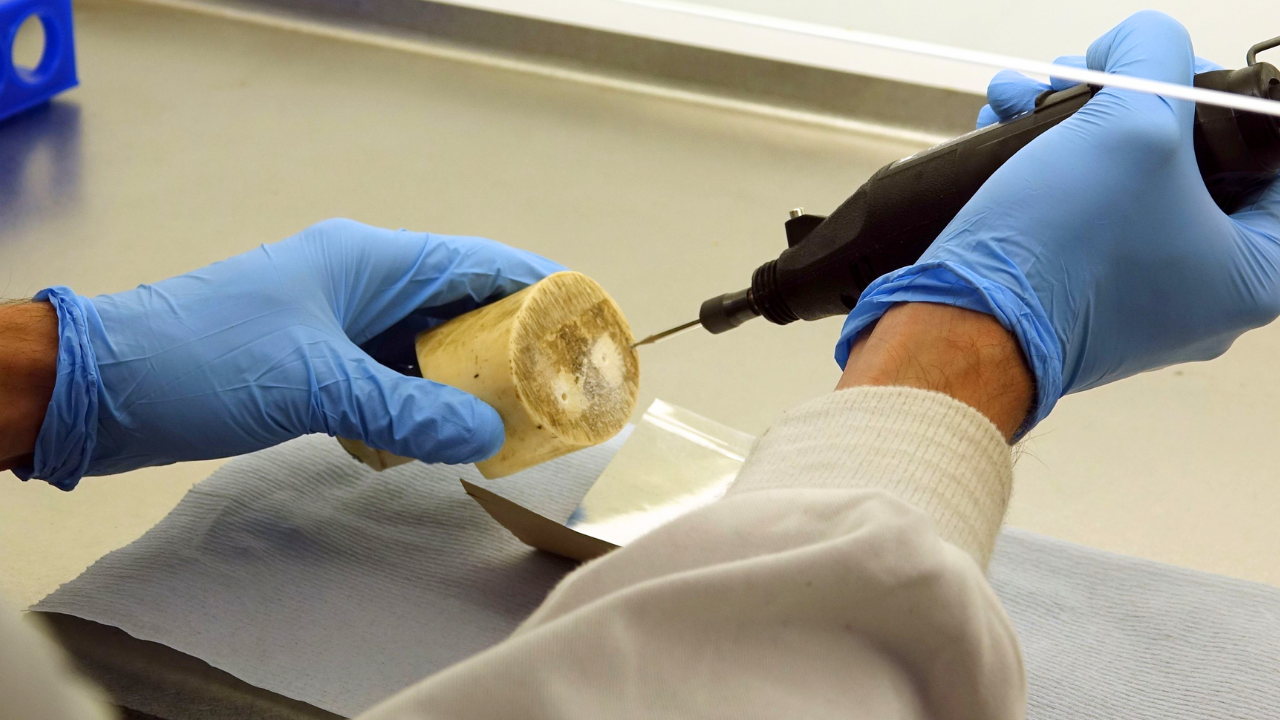
In late 2025, researchers at the University of Alaska Museum of the North uncovered a startling revelation: two fossilized vertebral plates, long labeled as the youngest woolly mammoths from Alaska’s interior, were actually whale bones dating to just 1,854–2,731 years old. This discovery upended decades of assumptions, exposing how visual identifications from the mid-20th century could mislead even seasoned experts.
The museum holds about 1,500 woolly mammoth fossils, most from around 13,000 years ago, consistent with established extinction patterns. These two vertebral epiphyseal plates, collected from Dome Creek—250 miles inland—yielded radiocarbon dates of 1,900–2,700 years, placing them in the Late Holocene. Such young mammoth remains would have challenged core timelines for Ice Age megafauna, prompting immediate scrutiny.
Crowdsourcing the Surprise
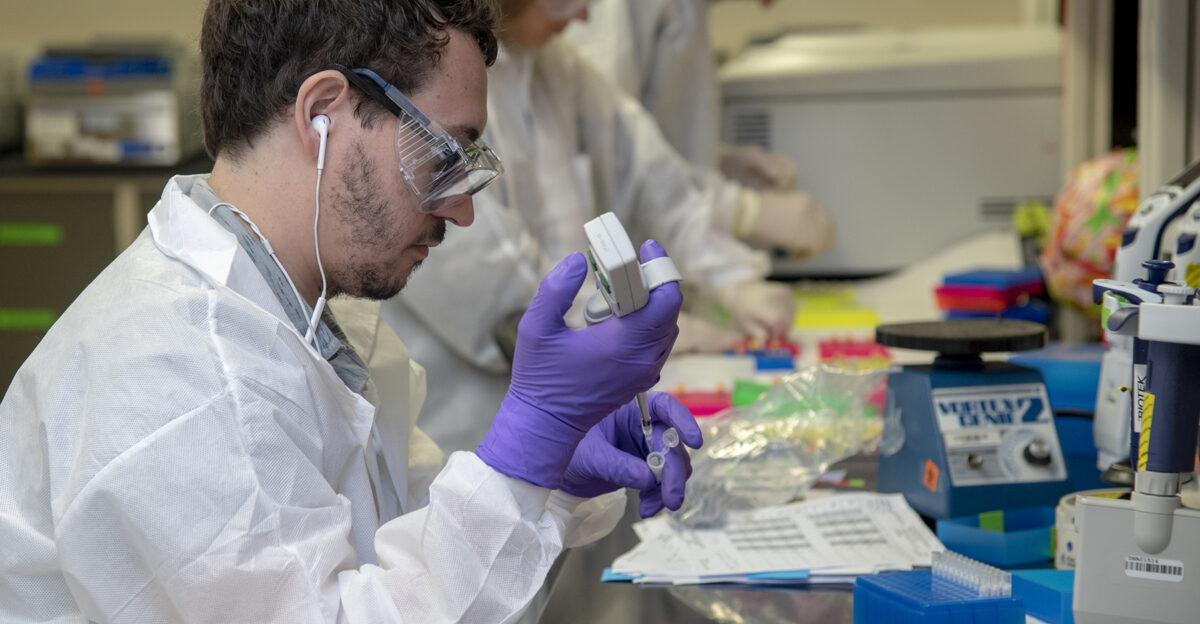
The 2022 Adopt-a-Mammoth program at the University of Alaska Fairbanks invited public sponsorships of $350 per specimen for radiocarbon testing, aiming to pinpoint the last surviving mammoths. Sponsors got photos and chances to win prizes for the youngest finds. This citizen-science effort unexpectedly audited the collection, revealing mislabels through systematic analysis.
Naturalist Otto Geist excavated the plates in 1951 at Dome Creek. He identified them as mammoth bones based on their spongy, plate-like structure and donated them to the museum, where they sat unquestioned for over 70 years. At the time, without DNA or advanced isotopes, the call seemed logical given their inland discovery amid mammoth-rich sites.
Marine Mammals Unveiled
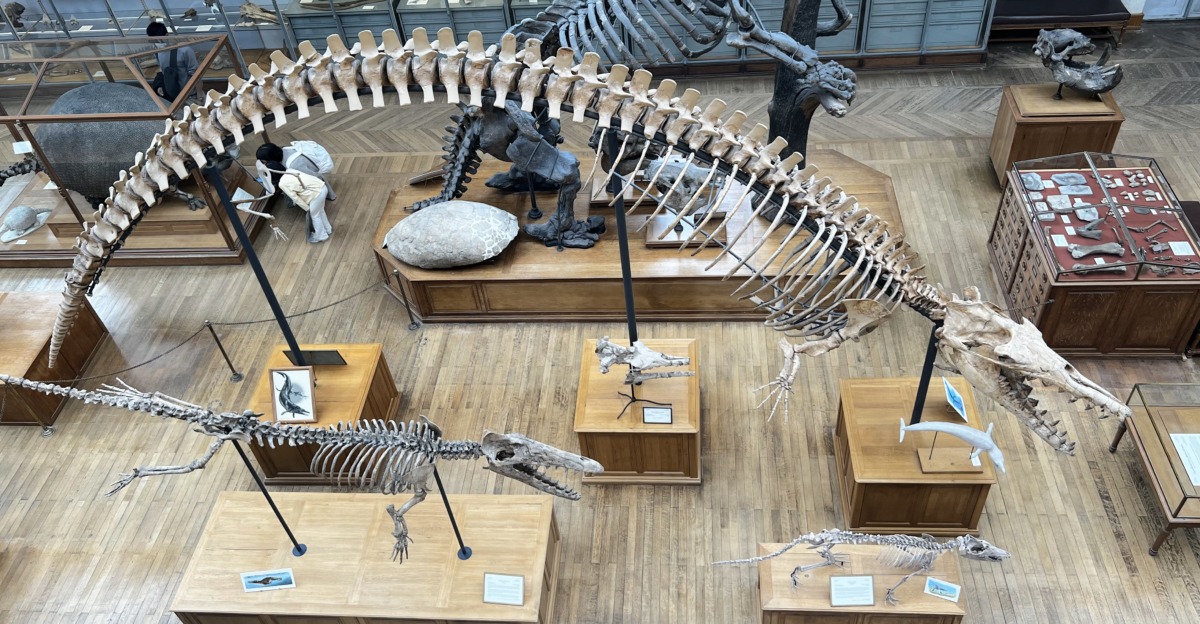
DNA sequencing confirmed the truth: one plate belonged to a North Pacific right whale, the other to a minke whale—two distinct species. Stable isotope analysis of nitrogen and carbon had earlier suggested a marine diet, mismatched with herbivorous mammoths, but these clues went unnoticed for decades. The findings aligned across methods, with radiocarbon dates fitting whale lifespans.
Dome Creek lies 250 miles from the coast, raising questions about how whale remains, including from a 45-foot right whale, arrived there. Theories include river navigation, human transport for tools or trade, or scavenging. Most probable: a cataloging error, as Geist’s hauls mixed interior mammoth and coastal whale fossils, with records showing overlapping processing dates in the 1950s.
Archival Lessons Learned
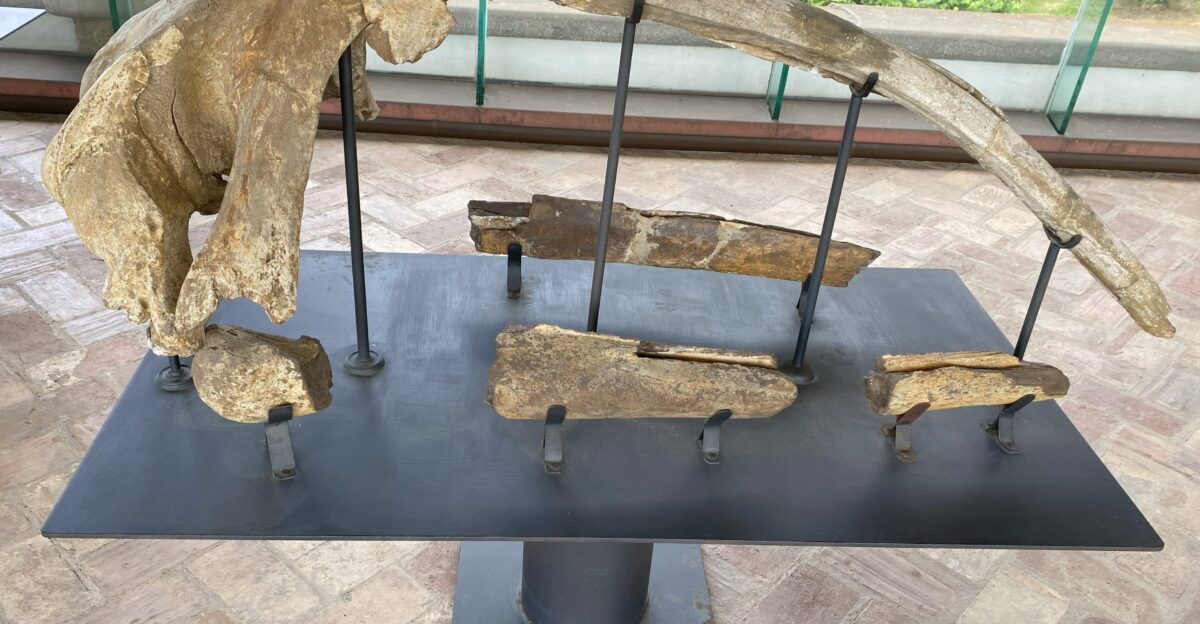
This case exposed vulnerabilities in museum archives, where visual IDs dominated before modern tools. Many of the 1,500 mammoth specimens remain undated. The incident spurred commitments to routine radiocarbon dating, DNA, and isotope checks, bolstered by Colossal Biosciences support. The program now funds genetic tests, shifting collections from storage to active verification.
While not altering mammoth extinction—still pegged at about 11,600 years on Alaska’s mainland—the find refocused efforts on true young fossils and human-mammoth overlaps. It highlights systemic issues in worldwide collections, urging DNA and isotope re-exams of ambiguous items. Indigenous records of transporting whale bones inland add cultural layers, blending anthropology with paleontology to rethink Arctic ecosystems and ancient networks.
This revelation demonstrates science’s self-correcting nature: one error corrected opens doors to verified knowledge and fresh inquiries, from ecological connections to archival rigor, ensuring future research builds on solid foundations.
Sources:
Phys.org, “A case of mistaken identity: Mammoth fossils from Alaska turn out to belong to two ancient whales”, January 6, 2026
Journal of Quaternary Science, “Adopted ‘mammoths’ from Alaska turn out to be a whale’s tale”, December 2025
Discover Magazine, “Youngest Mammoth Fossils Identified as Whale Bones in Surprise Discovery”, January 8, 2026
Science Alert, “‘Mammoth’ Bones Kept in a Museum For 70 Years Turn Out to Be an Entirely Different Animal”, January 9, 2026
Smithsonian Magazine, “Mysteriously Young ‘Mammoth’ Fossils Discovered in Alaska Turned Out to Be Whale Bones”, January 9, 2026
University of Alaska Fairbanks, “Adopt a woolly mammoth and win!”, August 25, 2022