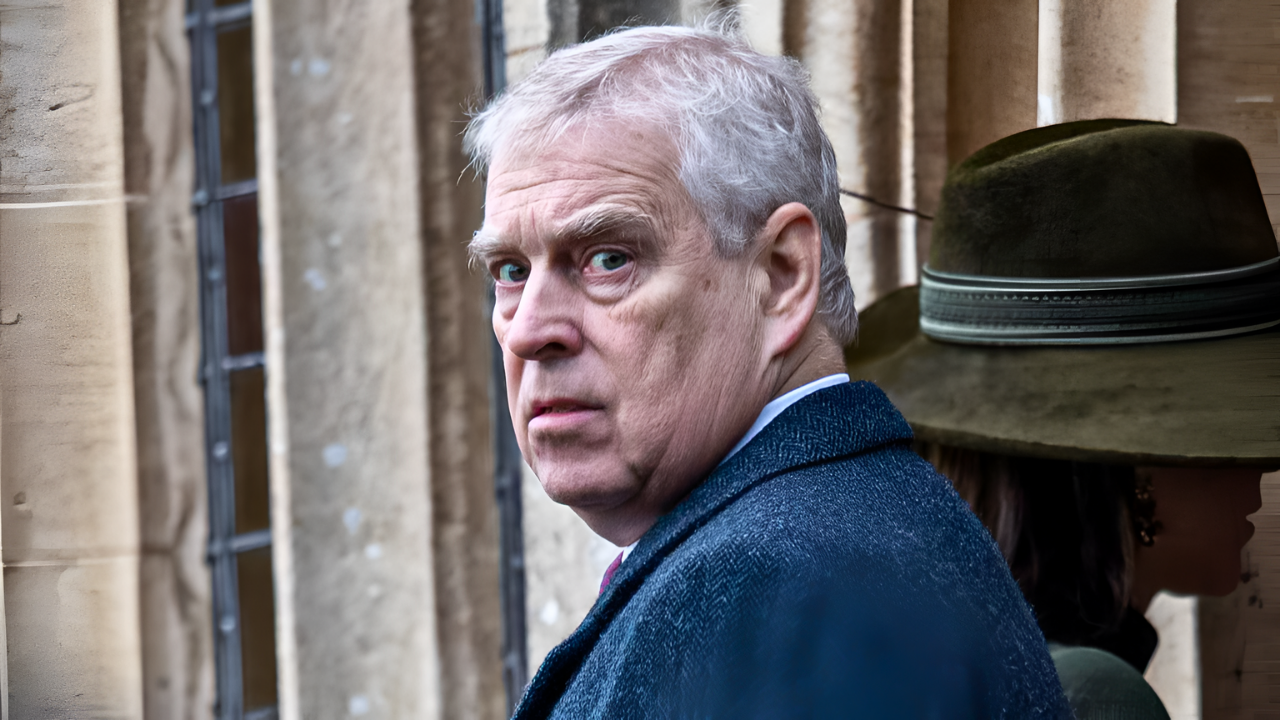
A property transaction completed nearly two decades ago has resurfaced under fresh scrutiny after Italian prosecutors traced funds from an alleged bribery scheme to a loan that helped finance the 2007 purchase of Prince Andrew’s former residence. The £15 million sale of Sunninghill Park—£3 million above its asking price—drew immediate questions when it closed. Court documents now show that approximately £6 million from a corruption network flowed into Enviro Pacific Investments, the company that extended credit to buyer Timur Kulibayev, son-in-law of Kazakhstan’s then-president. The revelations have reignited debate over foreign capital in UK property markets and the scrutiny applied to high-value transactions involving politically connected figures.
The 12-bedroom Berkshire mansion was a 1986 wedding gift from Queen Elizabeth II to Andrew and Sarah Ferguson. After the couple separated, the property languished on the market from 2001 onward, attracting limited interest until Kulibayev’s purchase in 2007. At the time, Andrew served as the UK’s Special Representative for International Trade and Investment, cultivating relationships with Kazakhstan’s political and business elite. British officials had publicly warned of systematic corruption allegations in Kazakhstan during this period, yet the sale proceeded with the buyer’s identity shielded by offshore structures that UK law did not then require to be disclosed.
Financing Chain Under Investigation
Italian prosecutors determined that Enviro Pacific Investments received money from a 2007 bribery scheme involving oil contracts before issuing the loan to Kulibayev. Court filings allege $6.5 million was promised to the company from the scheme, though only $1.5 million in verified payments could be documented before the loan was made. A businessman later admitted in Italian proceedings to bribing Kulibayev over energy contracts, strengthening prosecutors’ narrative around the financial networks involved. The admission has intensified calls for UK authorities to examine whether proceeds of corruption reached British real estate through intermediary steps, even as no criminal charges have been filed in the UK related to the property sale.
Red Flags and Due Diligence Gaps
Anti-money-laundering specialists interviewed by the BBC highlighted multiple warning signs that should have triggered enhanced vetting. Kulibayev’s family ties to Kazakhstan’s presidency, his role overseeing the state oil and gas sector through sovereign wealth fund Samruk-Kazyna, and the price sitting roughly £7 million above 2007 market estimates all marked him as a politically exposed person requiring stricter checks. Experts note that the use of offshore vehicles to obscure ownership, combined with an unusually generous purchase price, would rarely occur in transactions involving ordinary sellers. Andrew maintains he had no knowledge that any funds might be corrupt, and legal specialists confirm no evidence suggests he knowingly accepted tainted money. Still, the case has become a reference point for critics arguing that elite clients have sometimes received preferential treatment over rigorous compliance protocols.
Empty Mansion, Lingering Questions
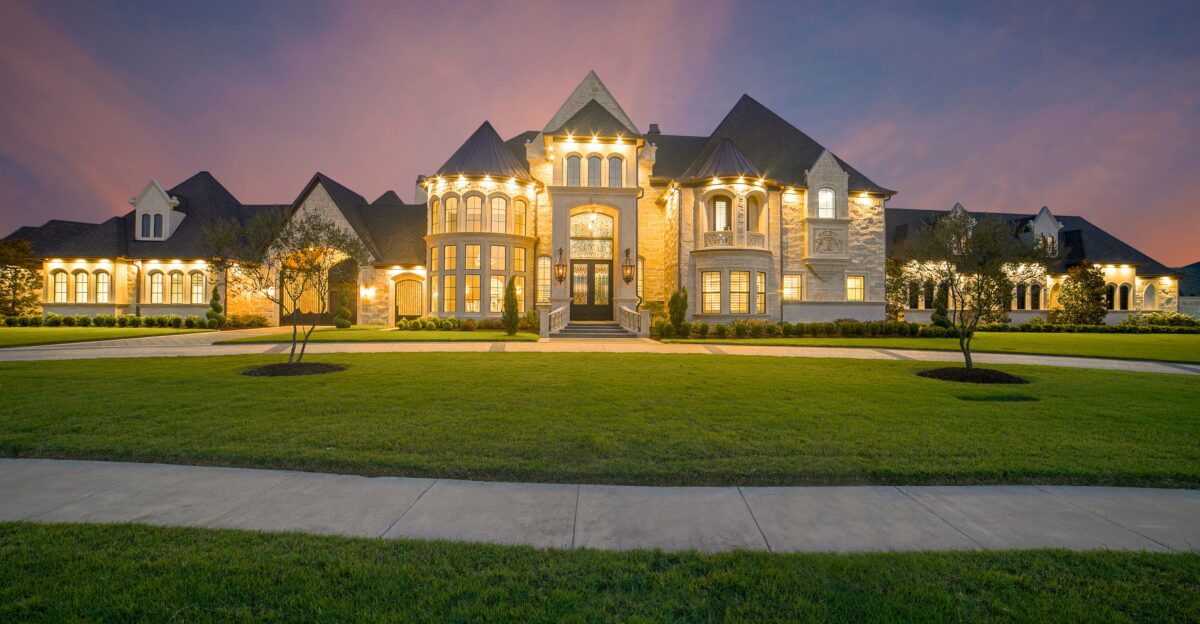
Following the sale, Sunninghill Park reportedly sat largely vacant for years. In 2016, the original mansion was demolished and replaced by a new 14-bedroom structure on the same site, which also remains unoccupied according to investigative reporting. The physical transformation mirrors the symbolic weight the property now carries in discussions about London and the Home Counties as destinations for suspect foreign wealth. Kulibayev’s representatives insist all funds used were legitimate and that the Enviro Pacific loan was repaid with interest under normal commercial terms. Anti-corruption advocates counter that repayment does not erase questions about a loan’s origins, particularly when politically exposed buyers and offshore entities are involved.
System Under Pressure

The Sunninghill controversy feeds into broader debates about oversight of royal finances and the UK property market’s vulnerability to illicit capital. Campaigners argue the case demonstrates historic weaknesses in beneficial-ownership transparency and political-exposure screening, lending weight to calls for stronger enforcement and increased resources for financial-crime agencies. For the monarchy, the intersection of a high-profile property deal with a detailed overseas bribery probe adds pressure to demonstrate that royal status does not shield transactions from the standards applied to public officials. As policymakers revisit anti-money-laundering frameworks, the nearly 20-year-old sale remains a focal point for what can occur when warning signs go unchallenged and cross-border financial flows fall between national enforcement systems.
Sources:
BBC News – “Prince Andrew’s Sunninghill Park sale: Italian bribery funds ‘helped finance’ £15m deal” – 8 Jan 2026
Hello Magazine – Andrew made £15 million on sale of Sunninghill Park
Radar Online – Prince Andrew sells wedding gift from Queen
The Royal Observer – Andrew puts royals in fresh crisis
Andrew Lownie Substack – Andrew’s Sunninghill Park sale linked to bribery