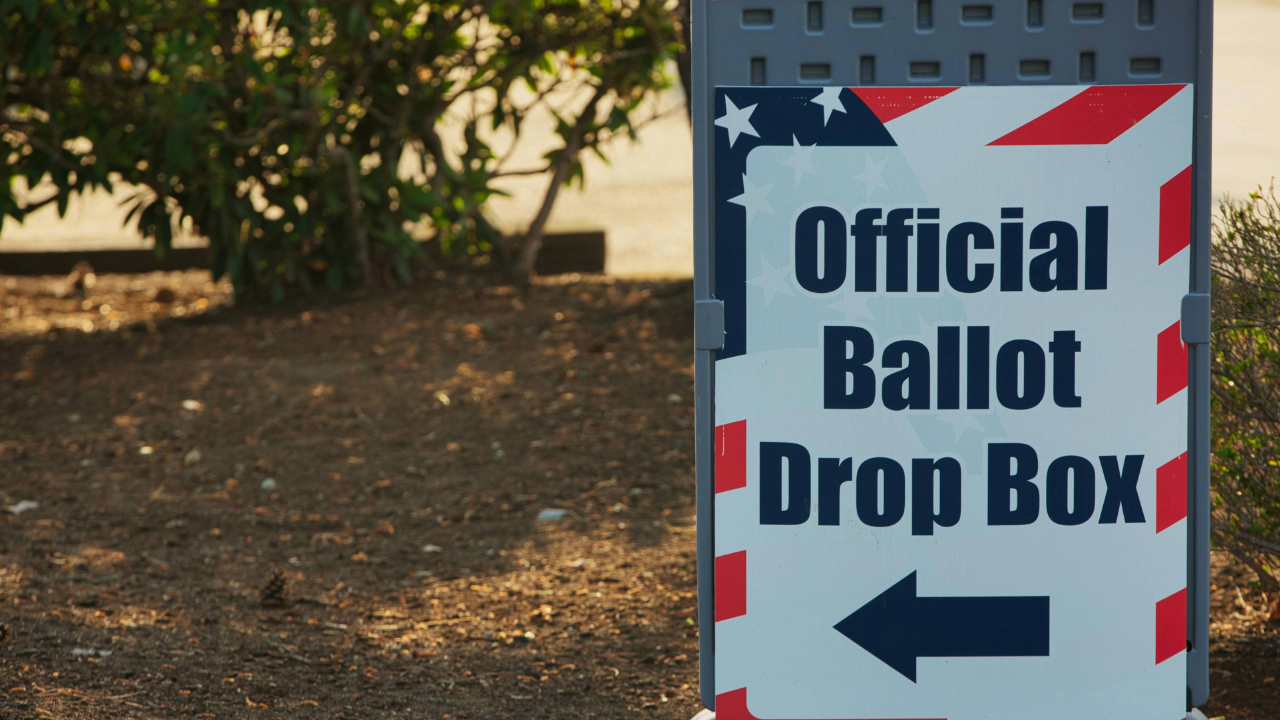
A federal judge’s bold declaration that the Constitution grants no presidential authority over election administration has delivered a decisive blow to Donald Trump’s executive order on vote-by-mail systems, shielding millions of ballots in two key states just as midterm elections loom.
Washington and Oregon Secure Permanent Injunction
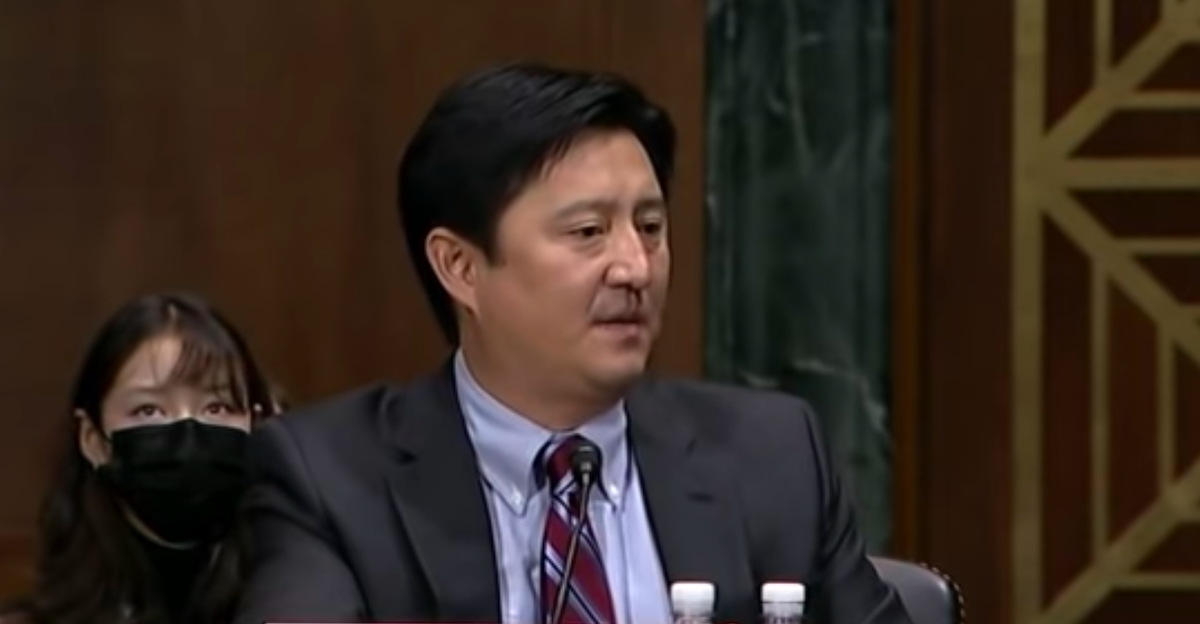
U.S. District Judge John H. Chun issued a 75-page ruling on January 9, 2026, permanently blocking Executive Order 14248 in Washington and Oregon. The Seattle-based court sided fully with state officials, who contended the order overstepped constitutional bounds by altering long-established voting rules. This decision preserves universal vote-by-mail operations that have functioned reliably for decades in these states.
The stakes were immediate and vast. In Washington’s 2024 general election, nearly 120,000 ballots postmarked on Election Day arrived later and were counted. Oregon tallied about 14,000 similar ballots. The order would have invalidated them all, citing postal delays outside voters’ control, a move state leaders described as a profound threat to democracy.
Executive Order Details and Challenges
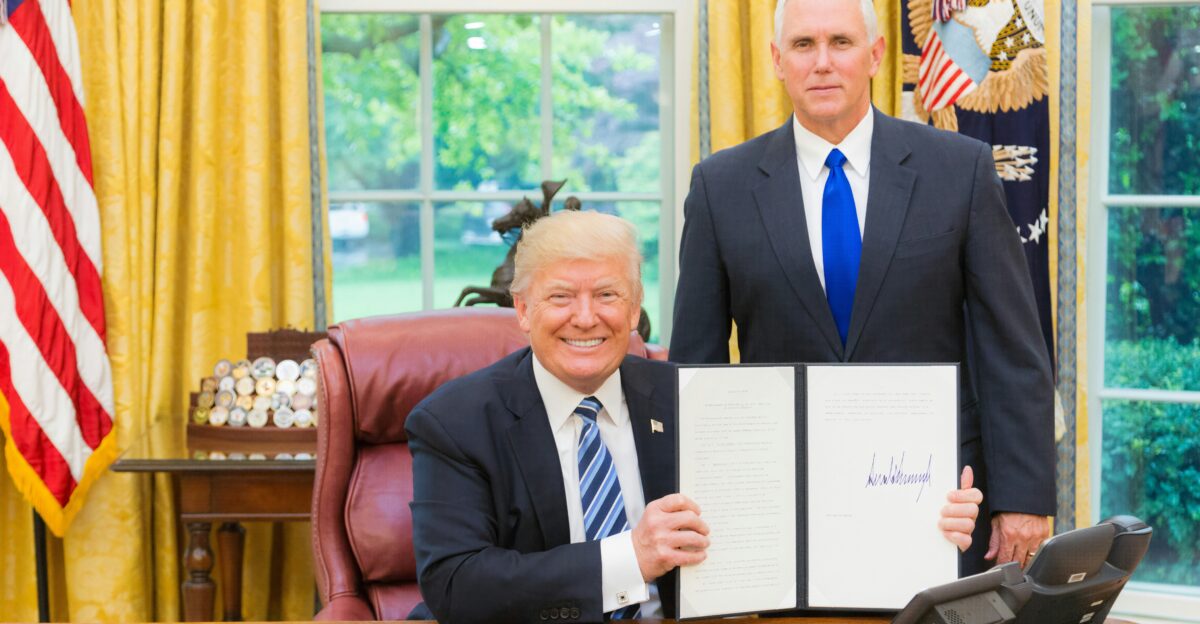
Issued March 25, 2025, and titled “Preserving and Protecting the Integrity of American Elections,” the order demanded proof of citizenship for voter registration, insisted mail ballots arrive by Election Day—not just postmarked—and wielded threats of funding cuts and criminal charges against non-compliant states. Legal analysts swiftly flagged its overreach.
Washington and Oregon filed suit in April 2025, seeking summary judgment in May to halt the order as unconstitutional and beyond presidential power. They warned of enormous costs, disrupted systems, and widespread voter exclusion.
Constitutional Foundations of the Ruling
At the ruling’s core lay bedrock principles of separation of powers. Judge Chun wrote that this doctrine guards against concentrating authority in one branch, a risk the Framers deliberately forestalled. The Constitution assigns election oversight to states and Congress alone, not the executive.
The judge underscored that presidential duty is to execute laws faithfully, not craft them. Executive orders require backing from Congress or the Constitution itself; this one had neither. Allowing unilateral election mandates, the court ruled, would upend the federal structure.
State officials hailed the outcome. Washington Attorney General Nick Brown called it “a huge victory for voters in Washington and Oregon, and for the rule of law,” affirming that only states and Congress regulate elections. Secretary of State Steve Hobbs added that the Constitution ensures qualified voters’ rights to cast and count ballots, opposing any suppressive measures.
Impacts and Broader Rejections

The injunction bars enforcement of key provisions: states keep their ballot-receipt deadlines; no forced citizenship proof on federal forms; no funding conditions; no prosecutions. Judge Chun struck down funding threats explicitly, noting presidents cannot impose new conditions or override congressional appropriations.
This marks the third major federal setback for the order. Earlier, Judge Colleen Kollar-Kotelly in Washington, D.C., halted citizenship proof in April 2025, and Judge Denise Casper in Massachusetts blocked deadline rules in June 2025—both under appeal. More challenges persist nationwide, signaling courts’ widespread skepticism of executive overreach in elections.
White House spokesperson Abigail Jackson countered that the order advances lawful election security, vowing an appeal and predicting victory.
Future Implications for Elections and Power
With 2026 midterms nearing, Washington and Oregon proceed under state laws, free from interference. Yet the order lingers elsewhere without injunctions, fueling expected litigation. The ruling restores Framers’ balance among executive, states, and Congress, affirming states’ primacy in deadlines, registration, and methods absent congressional change. Appeals will test whether this curbs presidential election influence, shaping federalism and voting rights ahead.
Sources:
“Federal judge blocks Trump administration from enforcing mail-in voting rules in executive order.” Fox News, January 10, 2026.
“Federal Court Blocks Key Parts of Trump’s Anti-Voting Order, Restores States’ Control Over Elections.” Democracy Docket, January 8, 2026.
“Judge Bars Trump From Withholding Election Funds to States.” The New York Times, January 9, 2026.
“Judge blocks Trump’s elections order in lawsuit by vote-by-mail states Oregon and Washington.” CNN, January 10, 2026.
“Judge rules against Trump’s order on citizenship proof for voter registration.” Votebeat, October 30, 2025.
“Judge Blocks Trump Voting Order Requiring Proof of Citizenship.” The New York Times, June 13, 2025.