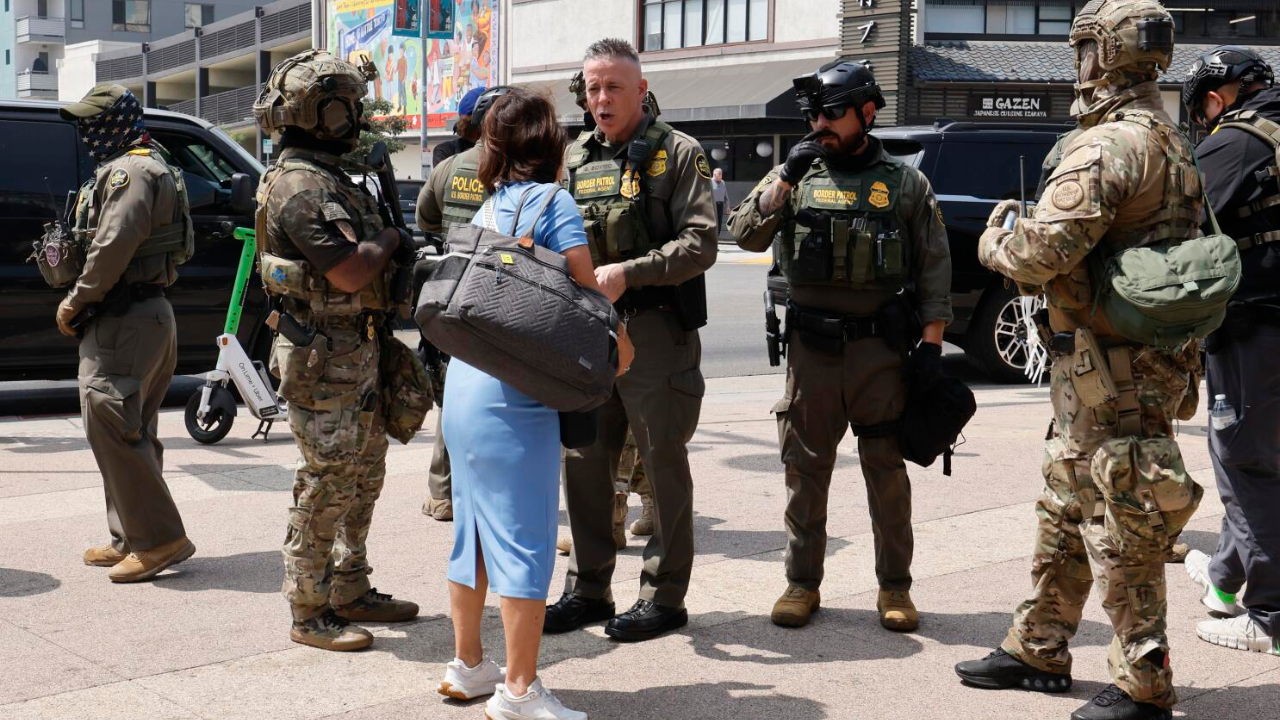
In the sweltering summer of 2025, California’s private sector shed 742,492 jobs in a single week in July, a 4.9% plunge that echoed the darkest days of the COVID-19 shutdowns. Federal immigration enforcement, ramping up through intensified ICE raids in areas like Los Angeles, triggered this cascade of losses, paralyzing industries from farms to ports and rippling through communities statewide.
The Spark of Enforcement
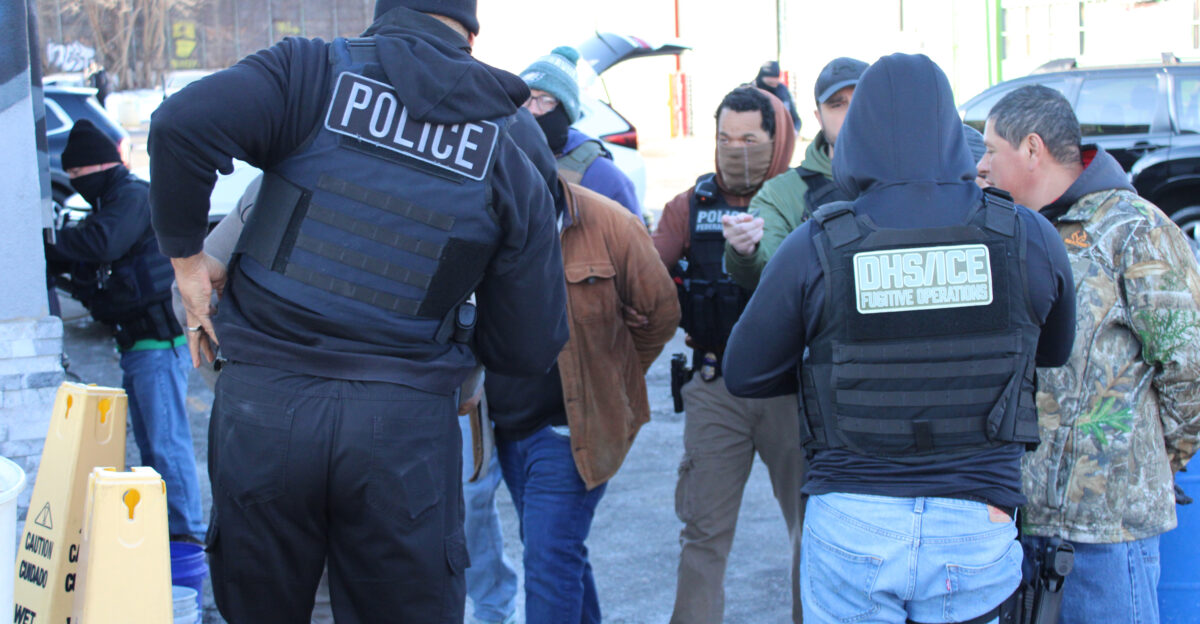
ICE operations escalated in June 2025, kicking off with a high-profile raid at a Los Angeles garment factory. Fear rippled outward, halting work among both documented and undocumented laborers. Employers paused hiring and cut hours amid the uncertainty. UC Merced researcher Edward Flores highlighted how this pervasive anxiety, beyond actual deportations, ground the labor market to a standstill.
Agriculture’s Breaking Point
Central Valley farms bore the brunt first, as labor shortages crippled harvesting of strawberries, lettuce, and peaches. Unpicked crops spoiled, driving up fresh produce prices. Local economies faltered, with grocery stores and gas stations logging sharp revenue drops. Farm operators reported widespread worker absences during peak June and July weeks, leaving fields barren and families’ incomes in jeopardy.
Service Sector Squeeze

Restaurants faced a dual hit from minimum wage increases and enforcement fears. Chains like Jack in the Box shuttered outlets, pivoting to kiosks and delivery-only setups that accelerated automation and job shifts. The gig economy saw shifts with platforms like DoorDash and Uber Eats, while changing restaurant partnerships affected driver earnings, hollowing out middle-class opportunities.
Broader Industrial Fallout

Ports in Los Angeles and Oakland faced disruptions as agricultural supply chains strained, eroding California’s export edge. Agricultural shipments to China plummeted sharply amid tariffs, prompting buyers to source elsewhere. Construction activity slowed as subcontractors lost crews. Manufacturing, especially Los Angeles apparel, disrupted local supply chains, sparking layoffs in logistics and rentals. Retailers dabbled in automation but grappled with theft issues, while hotels faced housekeeping shortages, denting tourism revenues and public tax coffers.
Enduring Ripples and Paths Forward

Inflation surged, with food prices climbing 3.5-4.3% from supply snarls and tariffs; service wages flatlined as cautious employers held back raises. Public health strained under rising stress-related visits and delayed care in immigrant-heavy areas. Los Angeles Mayor Karen Bass launched cash aid in July, aiming to support affected families, though red tape slowed delivery. A federal shutdown in October froze Census data, blinding officials to the crisis’s scope.
Debate sharpened: conservatives praised raids for border security, while progressives noted 415,000 citizen job losses in the period. Tech firms in compliance software and automation thrived, widening inequality against labor-heavy sectors. Wall Street recalibrated investments toward tech substitutes.
Looking to 2026, Flores forecasts persistent instability absent policy clarity, demanding a rethink of California’s growth model. Families eye skill diversification and savings; businesses brace for volatility. These shocks expose structural frailties—agriculture, trade, inflation intertwined—pressuring leaders to balance enforcement with economic resilience, lest long-term shifts redefine the state’s prosperity.
Sources:
“The Effects of Recent Federal Immigration Enforcement on California’s Private Sector Employment.” UC Merced Community and Labor Center, Edward Orozco Flores et al., Aug 2025.
“California Added 15,000 Jobs in July.” California Employment Development Department, 16 Sep 2025.
“Immigration raids leave crops unharvested, California farms at risk.” Reuters, Kristina Cooke and Ted Hesson, 30 Jun 2025.
“At a troubled fashion company, workers found community. Then ICE came.” Los Angeles Times, 10 Jun 2025.