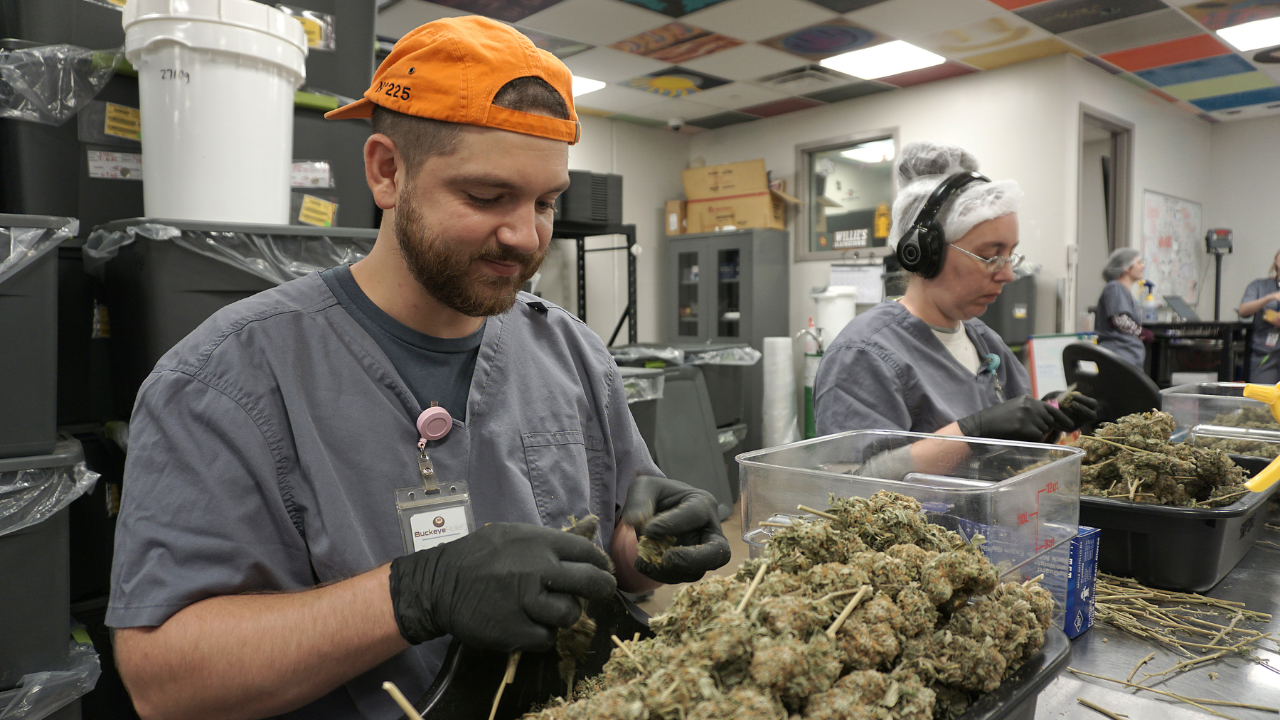
A single line in Texas health department filings delivered a knockout blow to thousands of small business owners: retail hemp licenses would jump from $150 to $20,000 annually, a 13,233% increase. Manufacturer fees would skyrocket from $250 to $25,000.
The numbers seemed impossible, but they were real. State officials projected $200 million in new revenue, assuming businesses would simply pay up and survive.
The Immediate Fallout
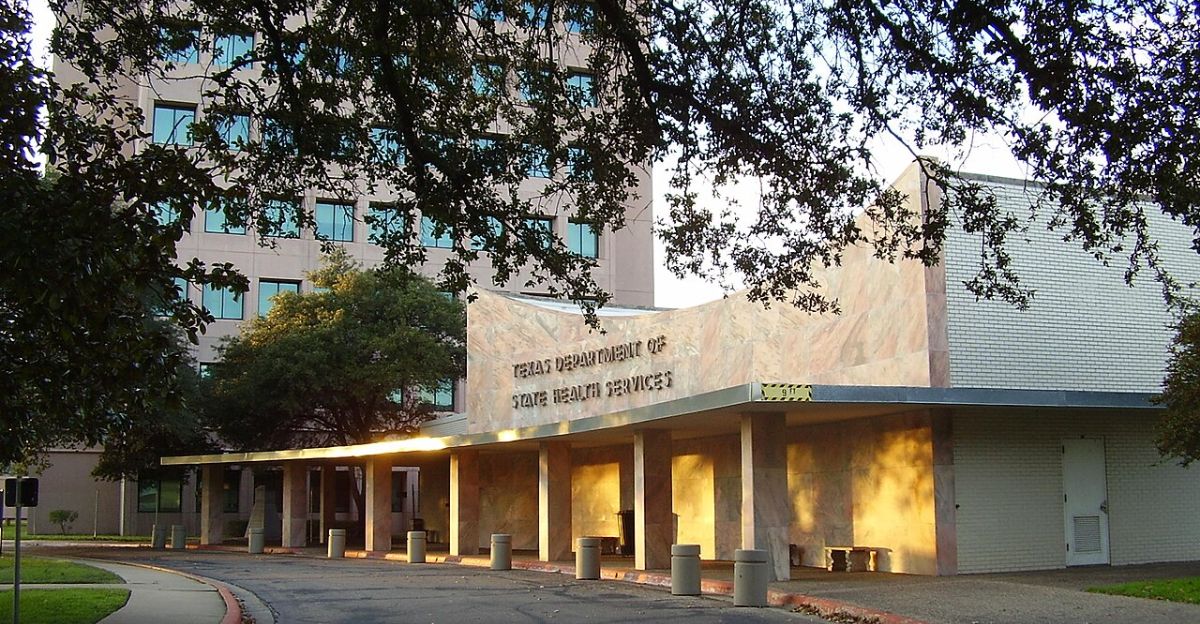
The proposed rules from the Texas Department of State Health Services sparked immediate outcry across the state’s hemp industry. Approximately 8,000 licensed retailers suddenly faced an economic calculation that seemed designed to eliminate them.
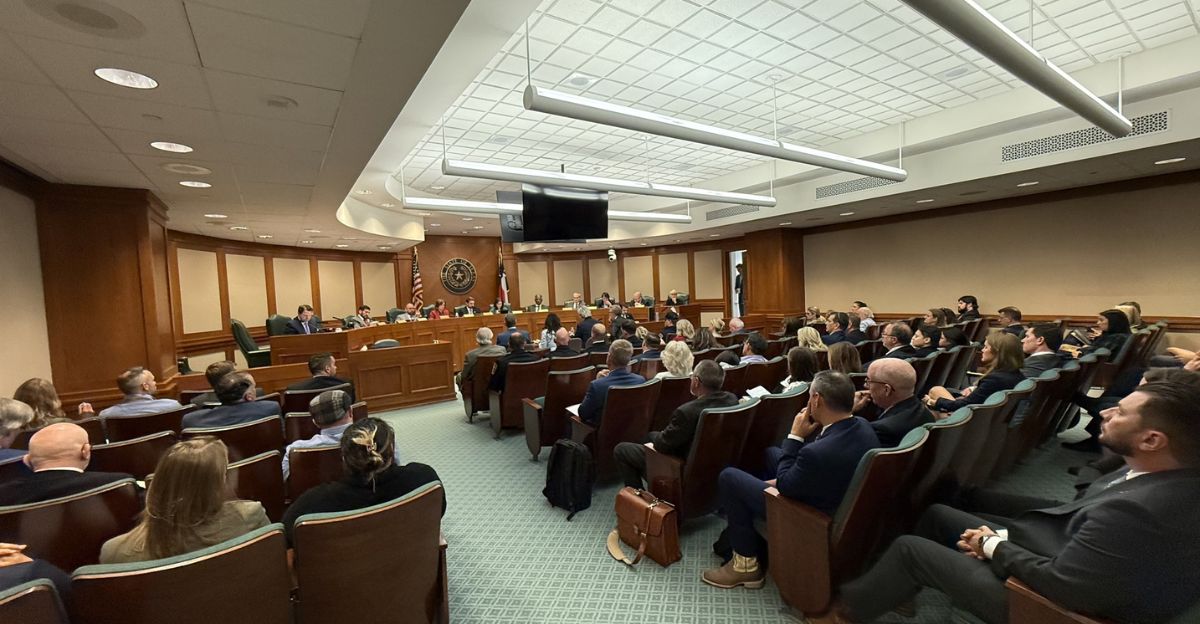
Small shop owners, veterans’ advocates, and industry groups converged on public hearings to protest what many called a de facto ban disguised as regulation.
Who’s Behind the Regulatory Earthquake
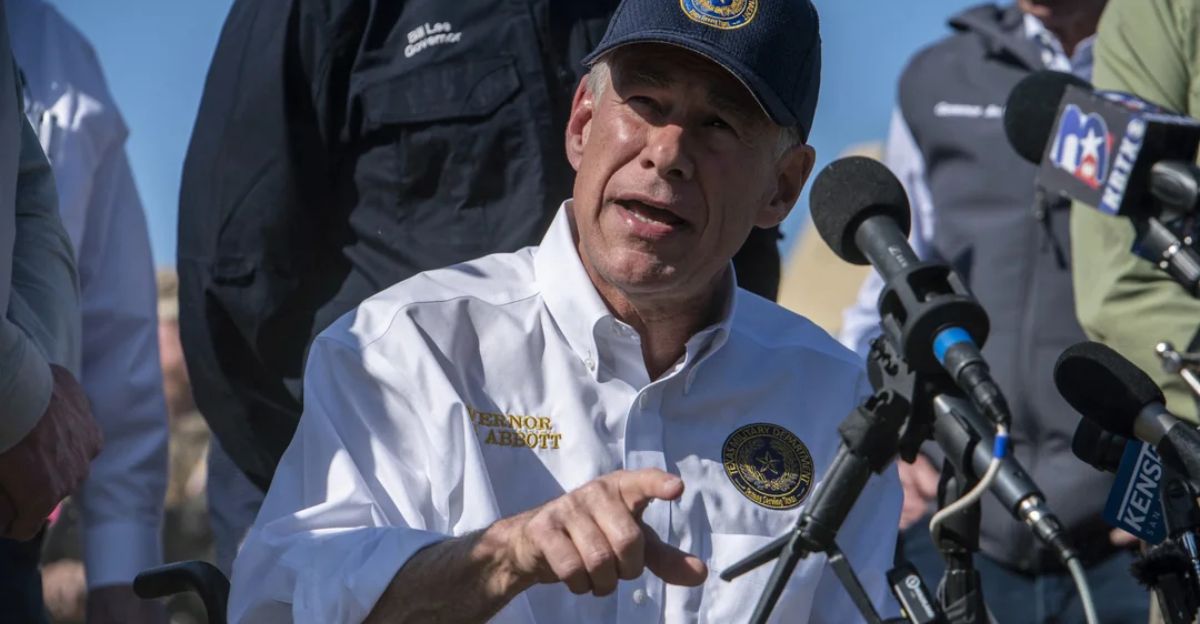
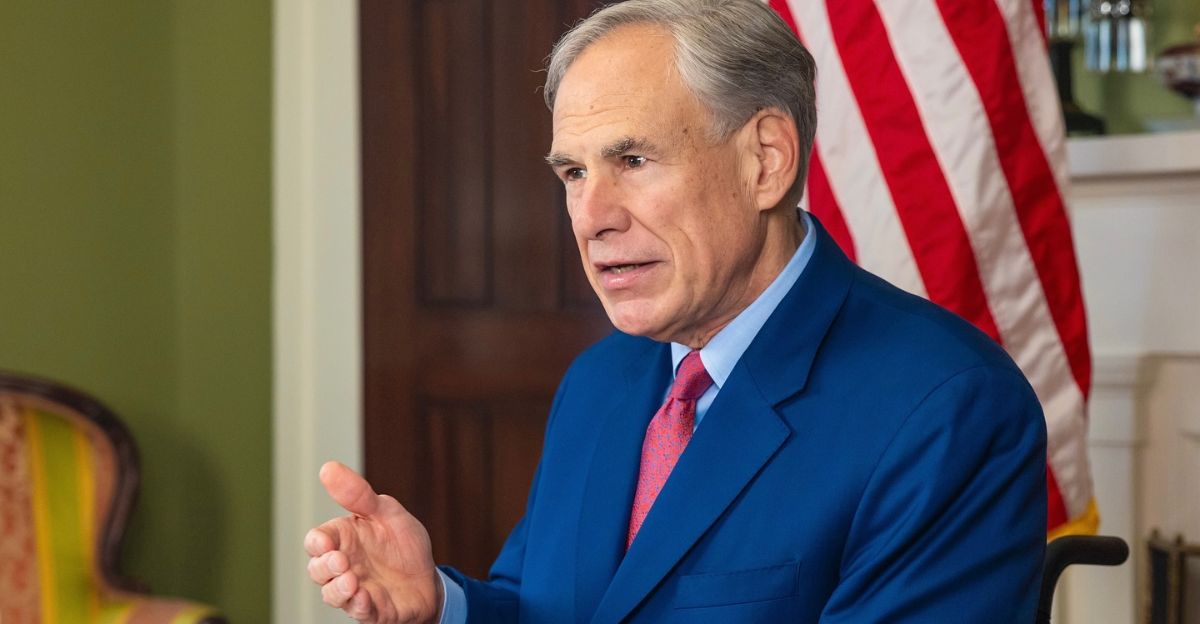
Governor Greg Abbott’s executive order set this upheaval in motion after the Texas Legislature failed twice to resolve hemp policy during consecutive special sessions.
The Department of State Health Services and Texas Alcoholic Beverage Commission received orders to regulate consumable hemp products. What emerged went far beyond simple oversight, creating what critics characterize as economic warfare against small businesses.
The Death Sentence for Small Operators
Hayden Meek, owner of Delta Denton, delivered perhaps the most memorable testimony at public hearings. “A $20,000 fee is dropped in the bucket for multi-state corporations; for a single location shop like mine, it’s a death by 20,000 cuts,” he told state officials.
His words crystallized what thousands of small retailers were calculating: the fees would accomplish what legislative bans could not.
Product Elimination Beyond the Fees
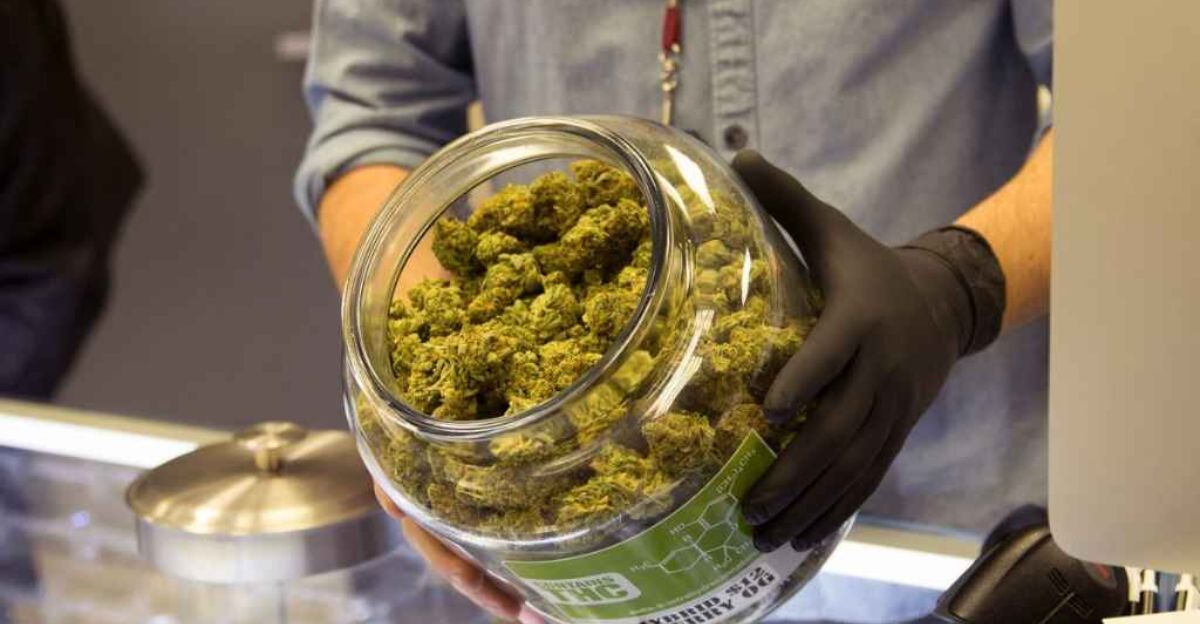
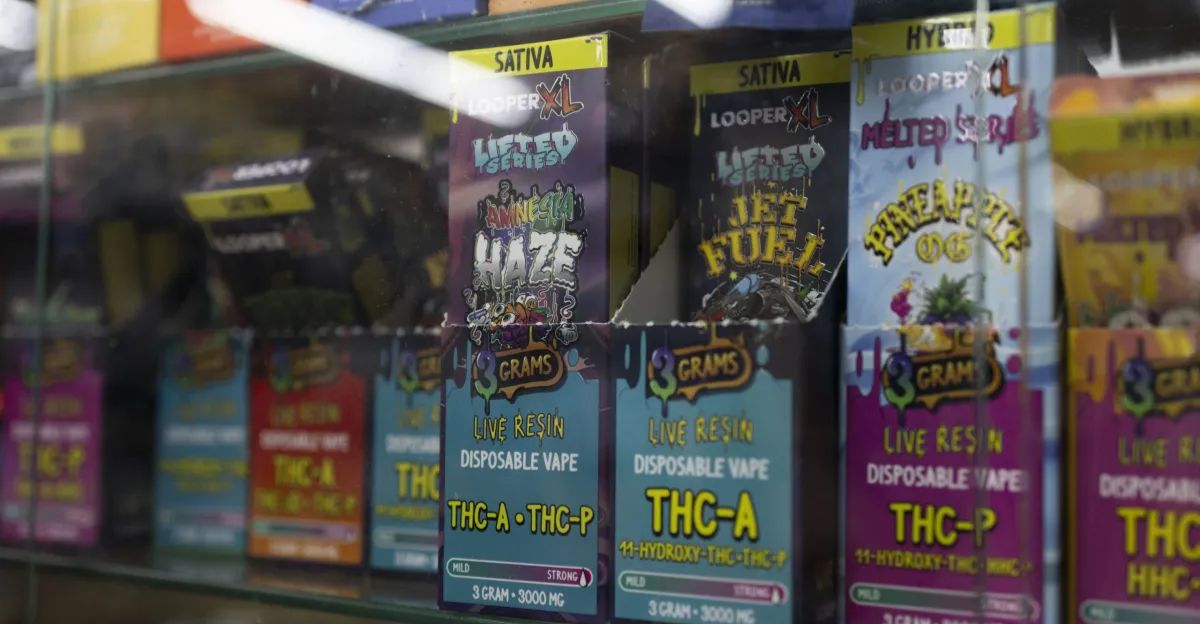
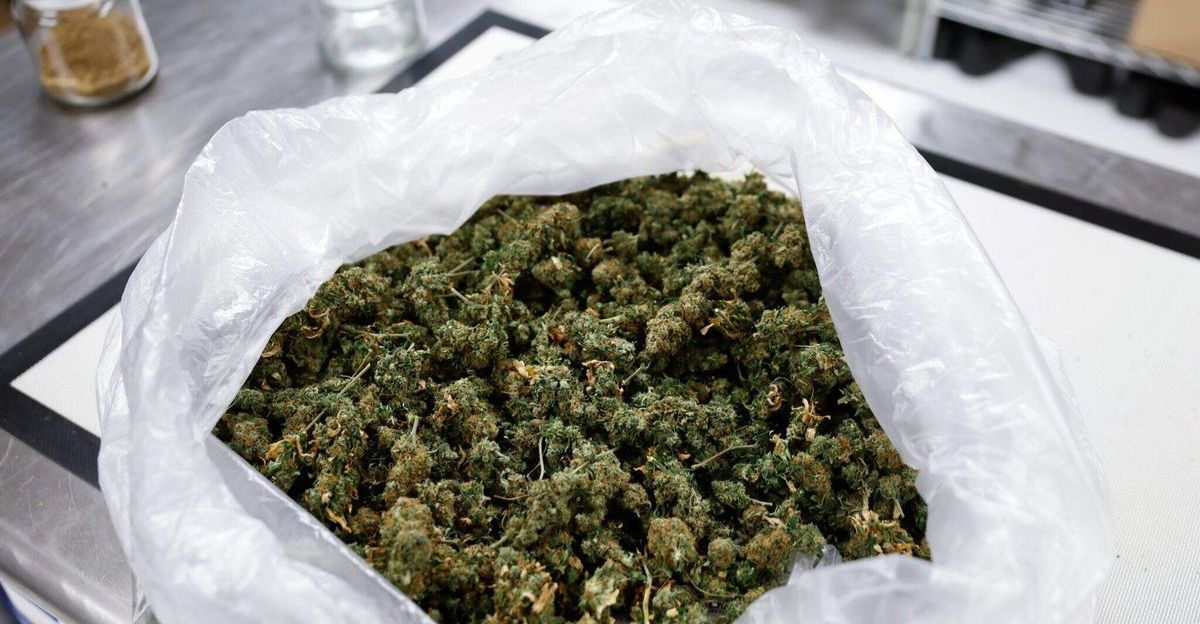
The licensing costs represent only part of the threat facing hemp businesses. New testing requirements for THC levels would effectively prohibit using hemp flowers in manufacturing, even though flowers are natural products.
Scott Stubb, owner of Sublingwell Cannabinoids and Euphorics, warned officials: “The proposed rules wipe out about 80% of what all shops sell, including ours, which is natural hemp flower”.
The Testing Trap
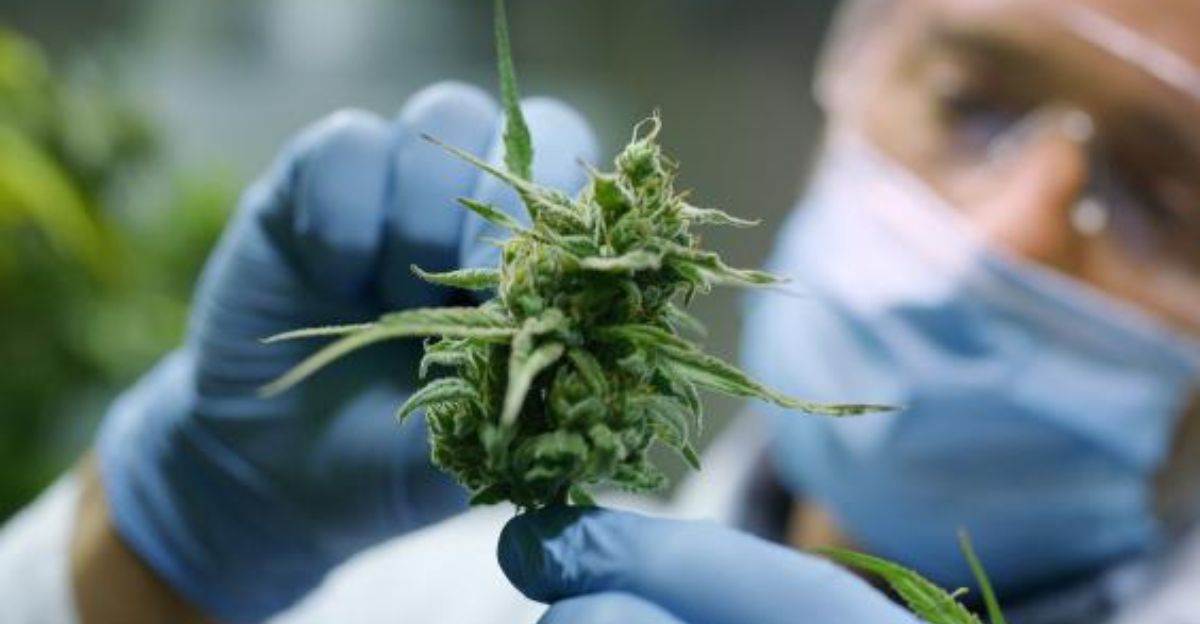
Hemp flowers naturally contain THC levels that would exceed proposed regulatory limits, making them impossible to sell legally under the new rules.
This creates a perverse outcome where naturally derived products face elimination while synthetically produced THC alternatives could dominate the market. Industry members argue this defeats the purpose of health-focused regulation by pushing consumers toward laboratory-created compounds.
The Revenue Reality Check
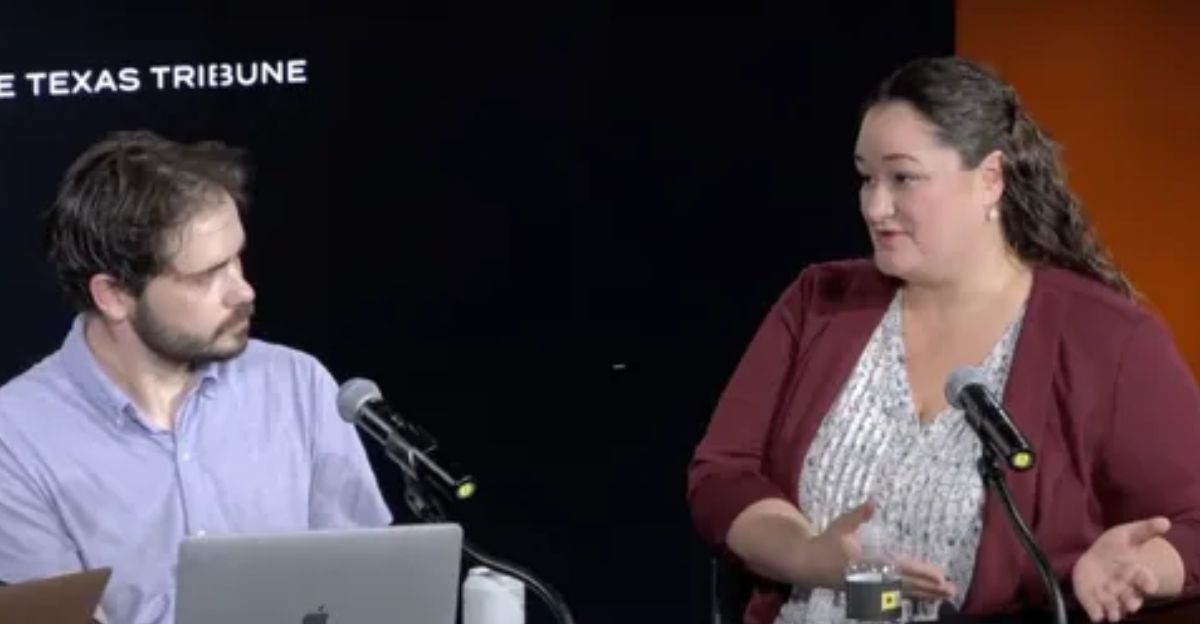
Heather Fazio, director of the Texas Cannabis Policy Center, challenged the state’s $200 million revenue projection as fundamentally flawed.
She stated the assumption is “unrealistic” because “many small businesses simply cannot absorb this level of cost and will be forced to shut down rather than renew.” Her analysis suggests the state is counting money from businesses that won’t exist.
What Regulations Should Cost

Fazio argued that licensing fees should “recover the reasonable costs of effective regulation, not to function as a revenue mechanism that drives businesses out of the regulated market.”
She pointed out that the department’s own estimates show minimal increased costs for administering the new rules, making the dramatic fee increases difficult to justify on regulatory grounds alone.
The Pro-Regulation Perspective

Not everyone opposes the crackdown. Betsy Jones, director of policy and strategy at Texans for Safe and Drug-Free Youth, defended the fee structure at public hearings.
“Cannabis advocates say this is a billion-dollar industry. It’s fair and appropriate for the people who profit from selling a billion dollars in intoxicating products to create fees that help cover the cost,” she argued.
Calls for Even Stricter Measures
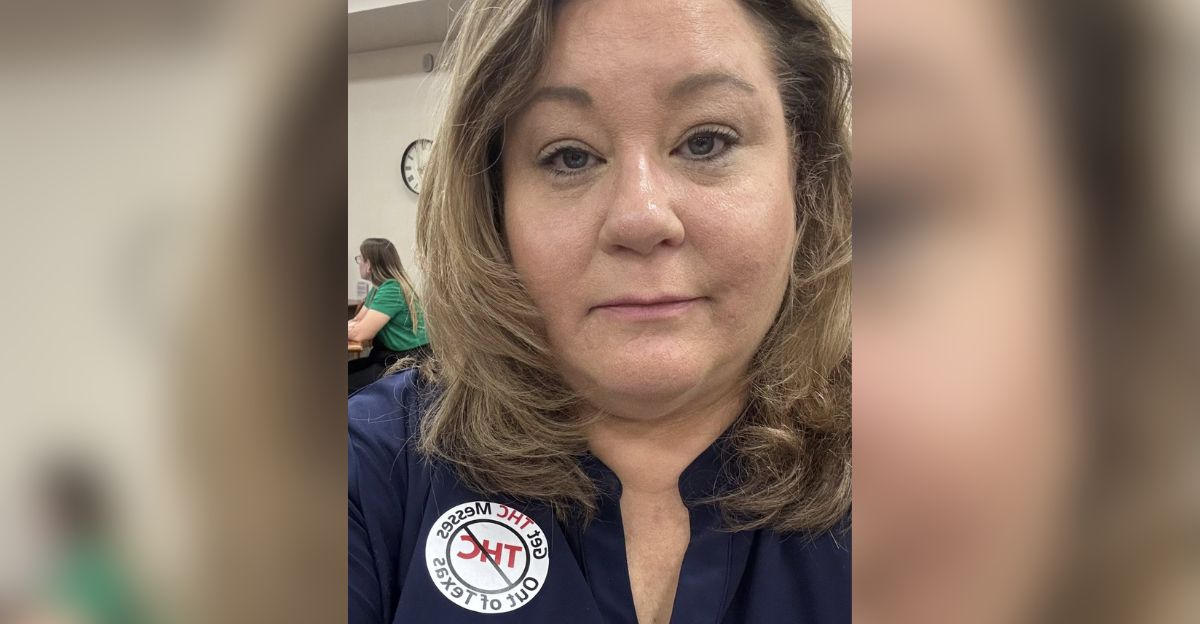
Aubree Adams, director of Citizens for a Safe and Healthy Texas, pushed for regulations extending beyond current proposals. She advocated raising the minimum purchase age to 25 and requiring hemp businesses to fund public education, data collection, treatment programs, and infrastructure development.
Her testimony characterized the industry as driven by “chemical manipulation and misleading information”.
Veterans Caught in the Crossfire
Combat veterans delivered some of the most emotional testimony at public hearings. Adam Peterson from San Antonio shared his experience: “I spent 16 months overseas and used a lot of different pharmaceuticals that were dangerous and caused seizures and physical harm to me.
These health products have given me my life back and allowed me to go back to work”.
Medical Access at Stake

Veterans rely on hemp products for PTSD, anxiety, sleep disorders, and chronic pain management. Many testified that conventional pharmaceuticals caused severe side effects while hemp-derived products provided relief without harm.
Eliminating naturally derived hemp flower would cut off access to treatments these individuals consider essential for managing service-connected conditions and maintaining quality of life.
The Unregulated Market Warning
Fazio warned that removing regulated access to hemp products won’t eliminate consumer demand. Instead, it will push people back into unregulated black markets where no safety standards or quality controls exist.
She stated this “outcome runs counter to the public-health objectives these rules are meant to advance,” highlighting the unintended consequences of overly restrictive regulations.
Divided Regulatory Authority
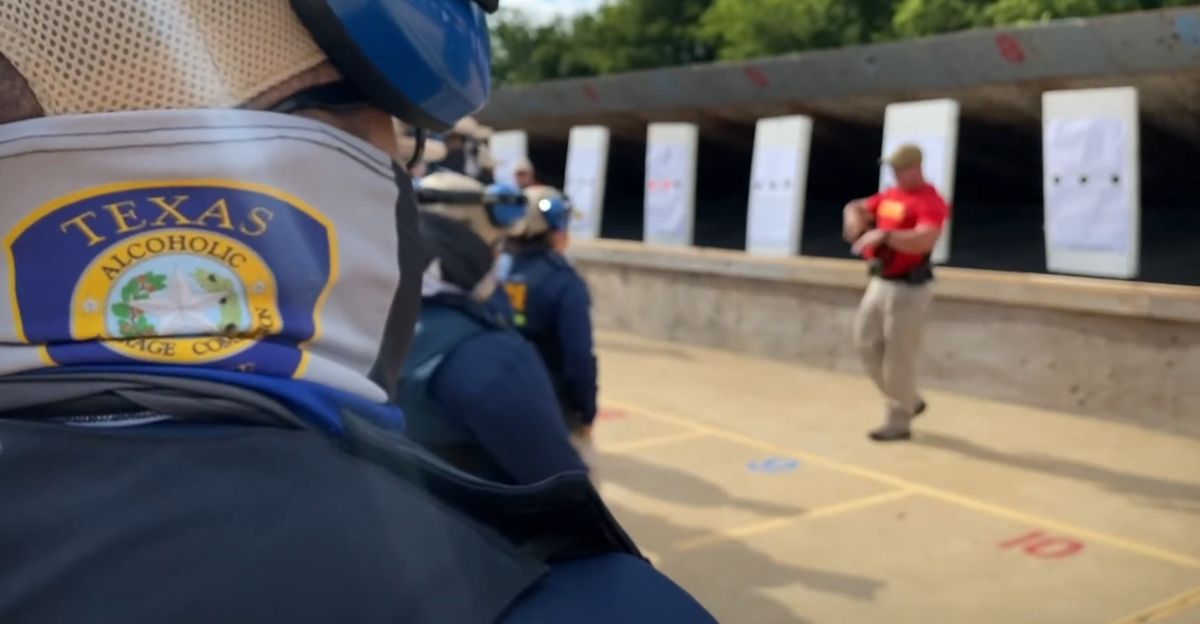
The Texas Alcoholic Beverage Commission and Department of State Health Services coordinate hemp oversight because neither agency holds complete jurisdiction.
DSHS governs 8,000 licensees including smoke shops and gas stations, while TABC oversees 60,000 license holders like restaurants and liquor stores. Notably, TABC has not proposed comparable fee increases for its licensees.
The Legislative Backstory
This regulatory drama follows a tumultuous year in the Texas Legislature. Both the House and Senate passed a total ban on consumable hemp products, which Governor Abbott vetoed last summer.
He then placed THC regulation on the agenda for two consecutive special sessions, but lawmakers couldn’t find compromise before both sessions ended.
Abbott Versus Patrick
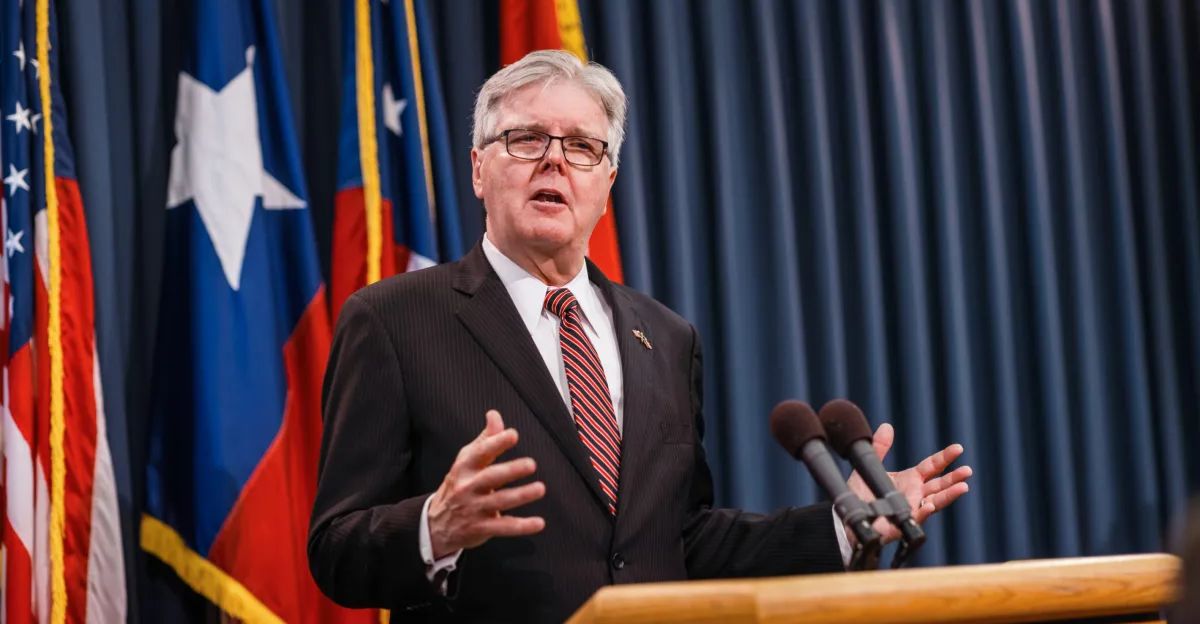
Abbott’s executive order bypassing the Legislature created friction with Lieutenant Governor Dan Patrick, who ardently supported banning consumable hemp products entirely.
Rather than calling a third special session, Abbott chose administrative action through state agencies. This approach allowed regulatory changes without legislative votes but sparked concerns about executive overreach and democratic process.
Industry’s False Hope
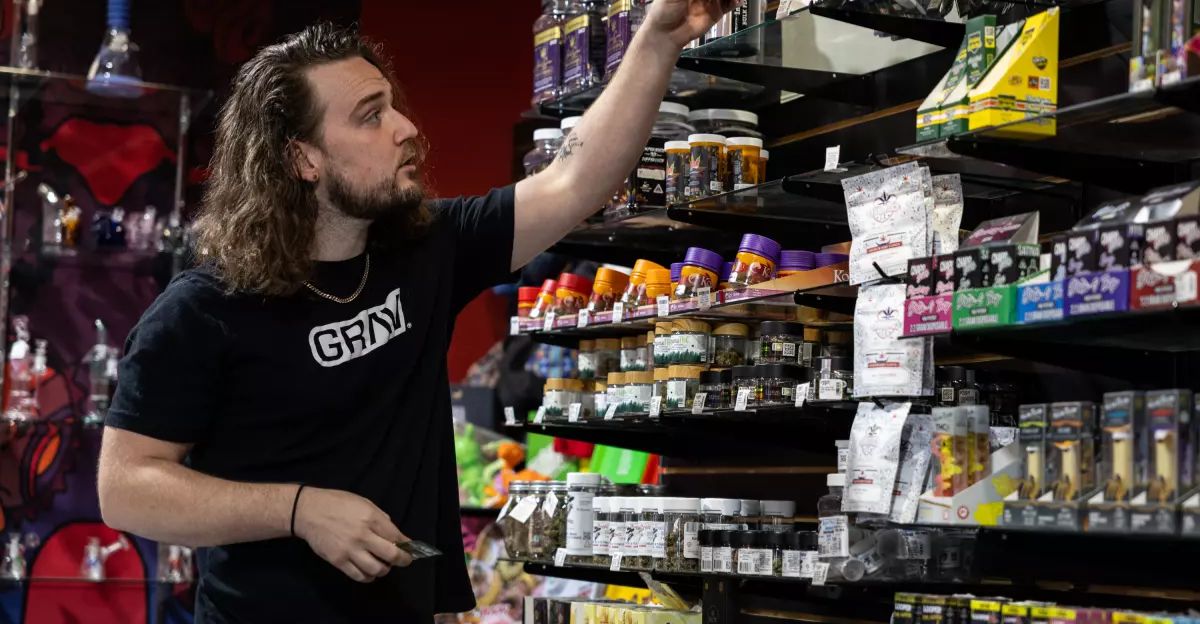
Hemp retailers initially celebrated Abbott’s veto of the legislative ban, viewing it as validation of their advocacy efforts. The executive order seemed like a favorable alternative to complete prohibition, offering hope that THC could establish legitimacy as a recognized industry in Texas.
Many believed they had secured their future through successful lobbying efforts.
Betrayal Through Bureaucracy
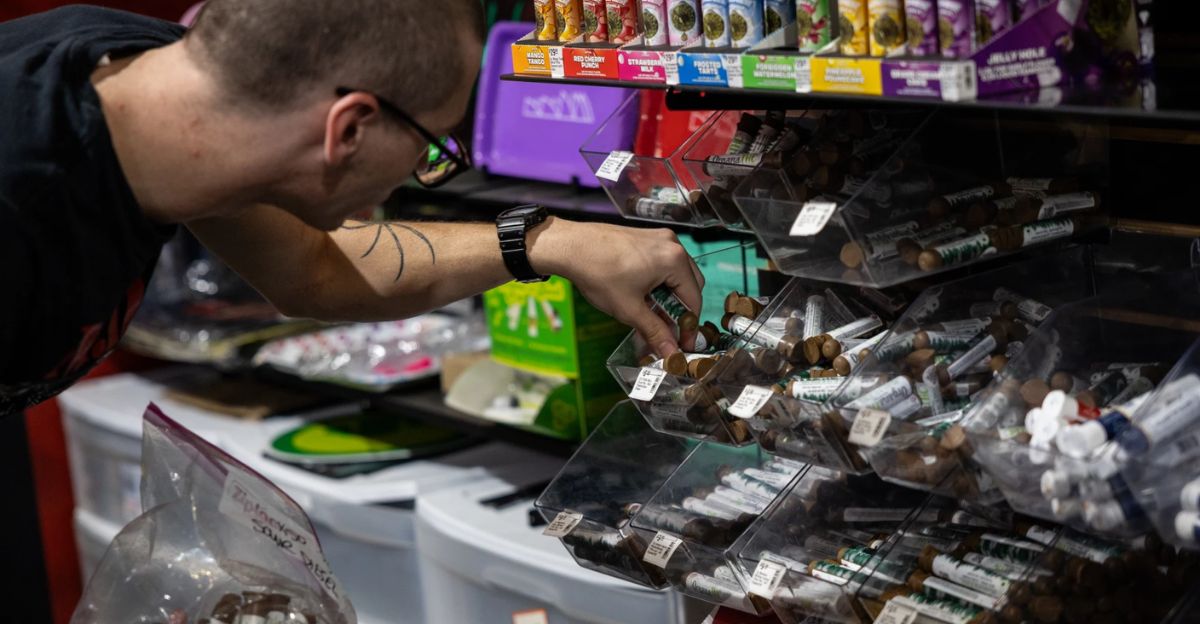
The proposed rules shattered that optimism. Business owners now view the regulations as achieving prohibition through economic pressure rather than explicit legal bans.
Meek noted that adopting the fee structure from the previously vetoed legislation “undermines that outcome,” suggesting the administration is implementing through agencies what legislators couldn’t pass directly.
Regulatory Features That Work
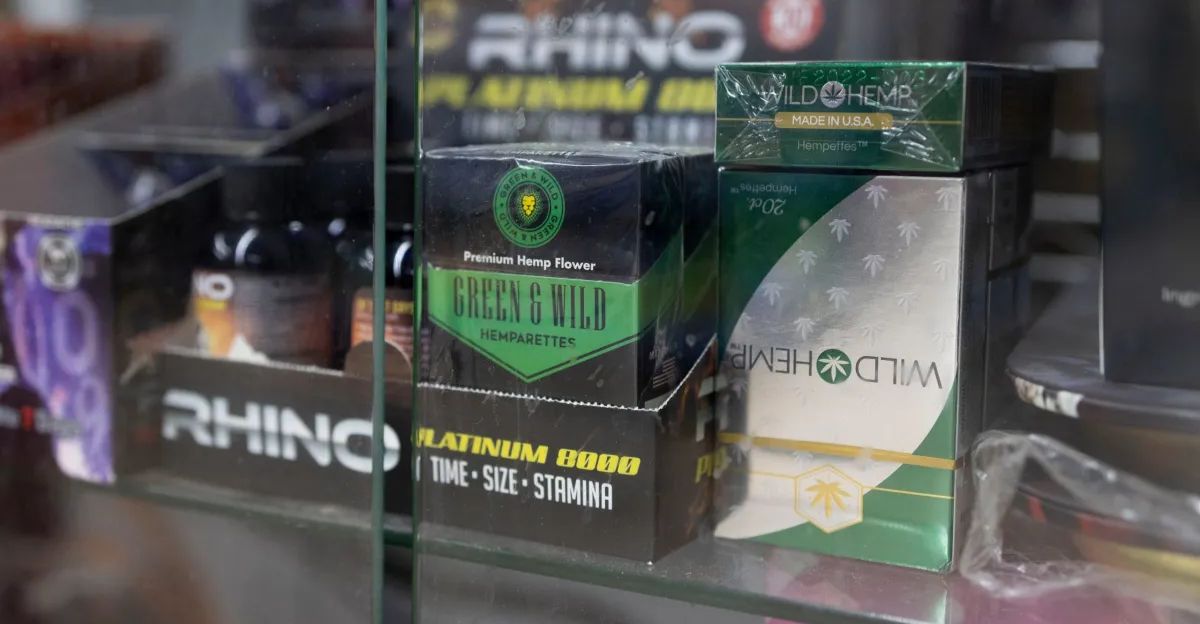
The industry does support certain proposed changes. Establishing a minimum purchasing age of 21, implementing age verification requirements, and creating mandatory product recall procedures address legitimate concerns about youth access and product safety.
These measures demonstrate that collaboration between regulators and industry is possible when regulations focus on actual public health goals.
What Happens Next
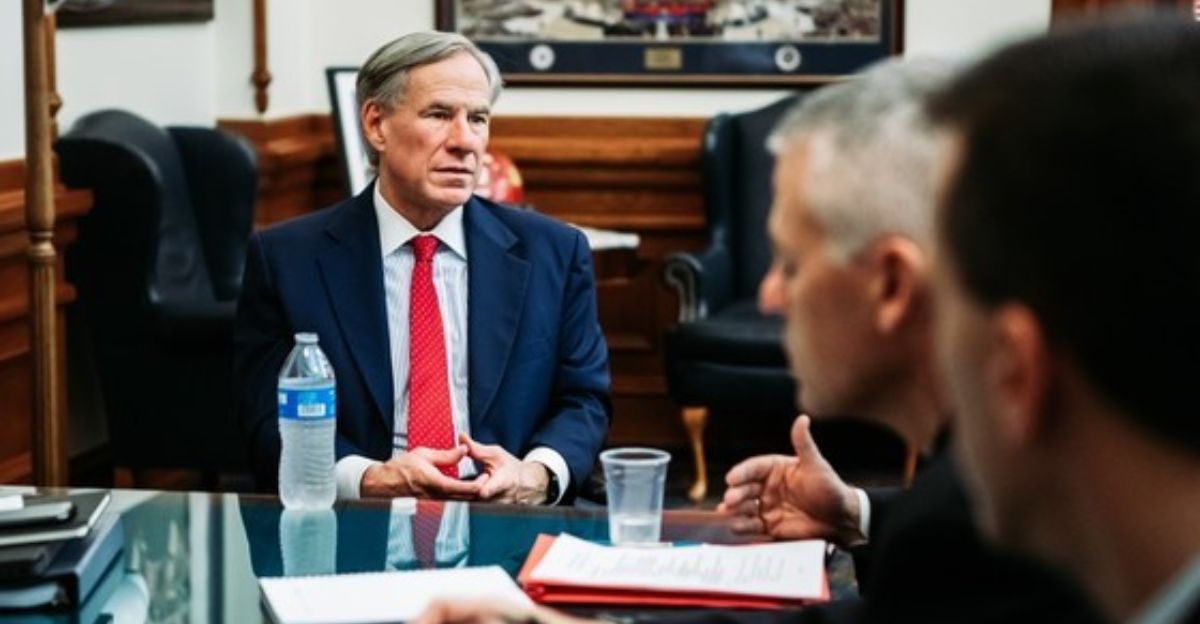
The public comment period allowed business owners, veterans, advocates, and citizens to testify about potential impacts. State health officials collected extensive feedback addressing concerns about fees, testing requirements, product availability, and economic consequences.
The final rules must consider this input, though the extent of potential modifications remains uncertain as the regulatory process advances toward implementation.
Sources:
“Texas proposes 13,000% fee hike on hemp THC shops.” Texas Tribune, January 9, 2026.
“Texas proposes massive fee hikes for hemp retailers, manufacturers.” Fox 4 News, January 11, 2026.
“Texas set to ban smokable cannabis as soon as Jan. 25.” Texas Public Radio, January 9, 2026.
“Texas Hemp Regulation Is Becoming a Backdoor Ban.” Texas Policy Research, January 11, 2026.
“Proposed Rules Title 25 – Health Services (Consumable Hemp Program).” Texas Secretary of State, December 26, 2025.