
Over 10,000 migrants from Central and South America are facing an uncertain future after the Trump administration moved to terminate Family Reunification Parole programs. The decision affects people from Colombia, Cuba, Ecuador, El Salvador, Guatemala, Haiti, and Honduras, nations where families have been separated by geography and circumstance. These individuals entered the United States legally, passed security screenings, and obtained work permits while waiting for permanent status.
Many are weeks or months away from receiving their green cards when the deadline hit. The sudden termination threatens to strip away legal protections and employment authorization, potentially forcing people to leave the country or return to dangerous situations they fled.
A Bridge Program Explained

Family Reunification Parole programs began under the Biden administration in 2022 and 2023, building on earlier initiatives for Cuban and Haitian migrants. The concept is straightforward: relatives of U.S. citizens or permanent residents could come legally, work for up to three years while waiting for permanent residency, and sidestep months or years of visa delays caused by massive backlogs.
The program represented a humane solution to family separation, allowing people to reunite while maintaining security standards. It generated economic benefits too, as working migrants paid taxes and contributed to their communities. Yet the new administration views these programs as problematic, claiming they bypass congressional oversight and represent misuse of parole authority designed for emergencies.
Vetting Claims Meet Scrutiny
The Trump administration’s Department of Homeland Security argues that Family Reunification Parole bypassed proper congressional procedures and created security risks through inadequate vetting. DHS states that discontinuing categorical programs in favor of case-by-case reviews protects national security and represents an “America First” approach. However, federal Judge Indira Talwani challenged this reasoning in her ruling.
She found that DHS mischaracterized parolees as improperly vetted, noting each beneficiary had already passed criminal history checks, security screening, and medical examinations identical to those required for regular immigrant visas. Judge Talwani wrote that “these individuals were following the rules Congress set.” Legal experts noted that security concerns appear overstated given the rigorous screening process already in place.
Court Hits Pause Button
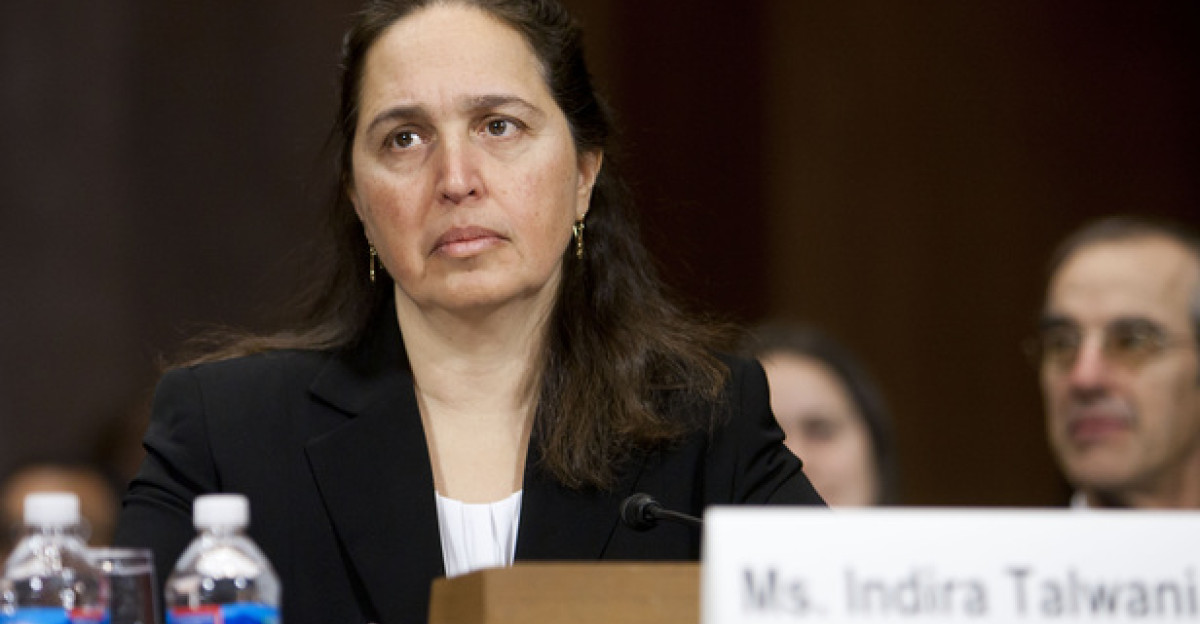
On January 10, 2026, U.S. District Judge Indira Talwani issued a temporary restraining order blocking the Department of Homeland Security from terminating the seven-country programs. The 14-day pause saved over 10,000 people from sudden legal status revocation just days before the January 14 deadline. Judge Talwani’s five-page ruling identified a critical flaw: DHS failed to provide proper written notice to affected individuals.
The government claimed that posting termination notices on USCIS online accounts satisfied legal requirements, but Talwani found this inadequate. She noted that some immigrants received electronic notice weeks after the announcement, while others claim they never received any notification at all.
Communities Feel the Ripple

South Florida bears the heaviest burden, with tens of thousands of Family Reunification Parole beneficiaries living in Miami-Dade, Broward, and surrounding counties. The region’s Cuban and Haitian communities have deep roots built on these migration pathways, and the crisis threatens family unity networks. Beyond Florida, nine states across the nation rely on these workers in manufacturing, agriculture, hospitality, healthcare, and professional services.
Employment verification systems briefly stabilized under the court order, allowing businesses to avoid immediate HR disruptions and mass terminations. However, uncertainty persists, if the termination resumes after litigation concludes, regional economies will face workforce disruptions. Employers have scrambled to understand their obligations and workers’ rights under the temporary order.
When Dreams Face Deadline

The lawsuit challenging the termination, Svitlana Doe v. Noem, represents actual families with names and stories. These are people who navigated complex immigration procedures, invested their savings, waited patiently for approvals, and built lives in the United States. Many are mere weeks or months from final green card processing when the termination threat emerged. Some hold established jobs, own homes, or have children born in the country.
Their U.S. citizen relatives face the anguish of potential separation. The Justice Action Center lawsuit plaintiffs include individuals who followed every rule, submitted required documentation, and maintained good records.
Due Process and Administrative Rules
Judge Talwani’s ruling identified violations of fundamental legal procedures that protect all Americans. The Administrative Procedure Act requires federal agencies to notify the public and allow comment periods before major policy changes. DHS bypassed this process entirely, announcing the termination and implementing it within days. The judge found this violated the APA’s requirement for reasoned decision-making and proper notice.
Additionally, Talwani determined the government likely violated due process rights to individual immigrants by failing to provide adequate written notice before stripping legal status. This mirrors Talwani’s April 2025 ruling blocking termination of the broader Cuba, Haiti, Nicaragua, Venezuela parole program. However, that decision was overturned by the Supreme Court in May, creating uncertainty about parole authority.
Workers Employers Cannot Lose
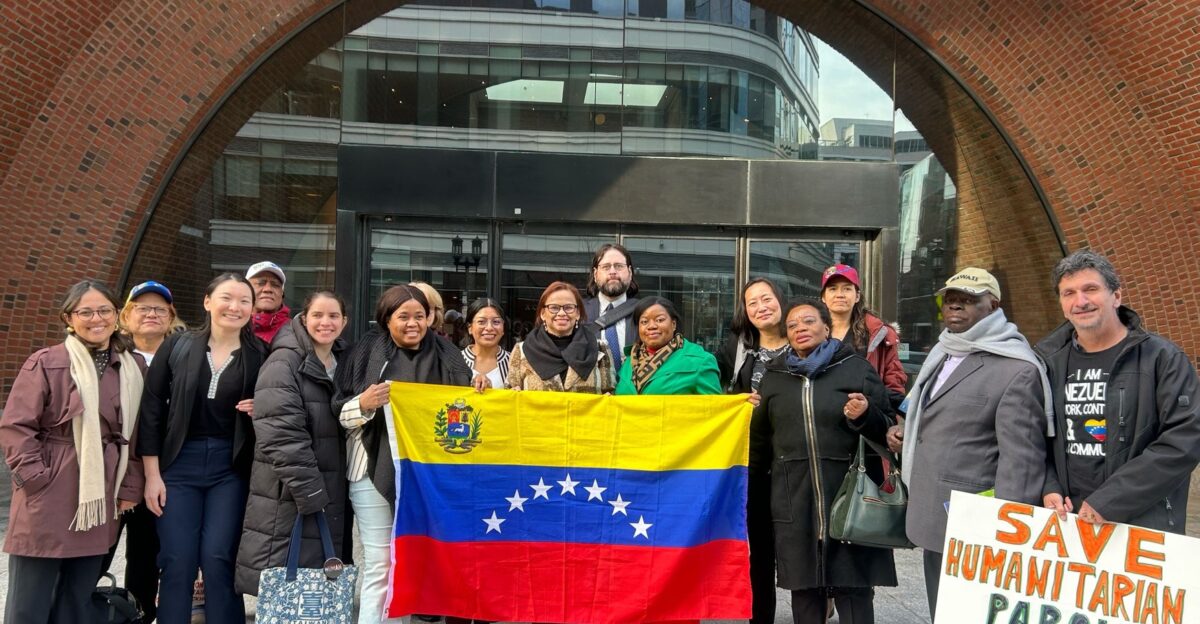
Approximately 10,000 to 12,000 Family Reunification Parole beneficiaries hold active employment across multiple sectors. Their work authorizations would be revoked if the termination proceeds, creating workforce disruptions in industries already facing labor shortages. Manufacturing facilities, agricultural operations, healthcare systems, restaurants, and professional services all employ parole beneficiaries. Immigration counsel has advised employers to monitor litigation while retaining staff where possible, recognizing the business imperative to avoid mass terminations.
The Trump administration’s broader mass deportation campaign has already eliminated temporary protected status for hundreds of thousands of migrants, compounding labor market pressures. Construction companies report difficulty finding workers for major projects. Healthcare facilities face nursing shortages. These economic realities weigh against rapid implementation of termination policies, and business groups have expressed concern about employment authorization revocation.
The I-485 Loophole
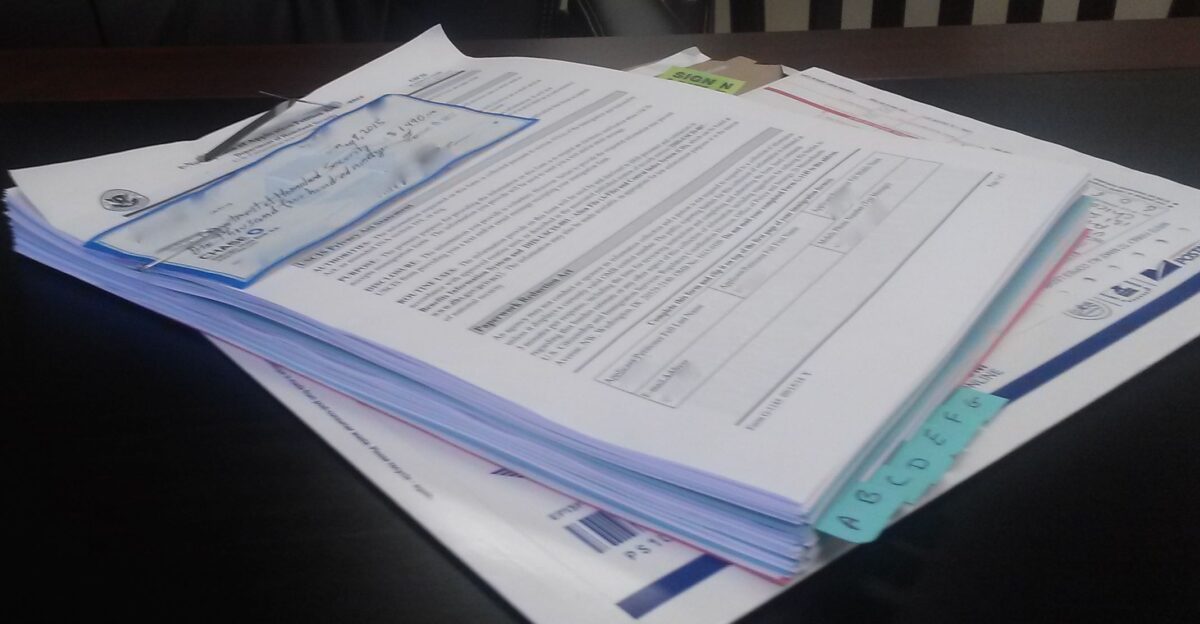
DHS’s termination order included one critical exception: parolees who filed Form I-485 (adjustment of status application) by December 15, 2025, remain exempt from the revocation. This meant some beneficiaries could escape the termination’s reach by immediately pursuing green card applications. While this provided an escape hatch for those positioned to take it, it simultaneously created a two-tier system—some beneficiaries maintain status while others lose it.
Immigration attorneys urged clients to file I-485s rapidly, creating urgency in administrative offices. The exemption essentially rewards those with legal assistance and access to information. Those without resources or guidance might miss the deadline. This distinction reframes the crisis: not a total program shutdown, but selective termination affecting less-prepared beneficiaries.
Mounting Frustration and Resolve
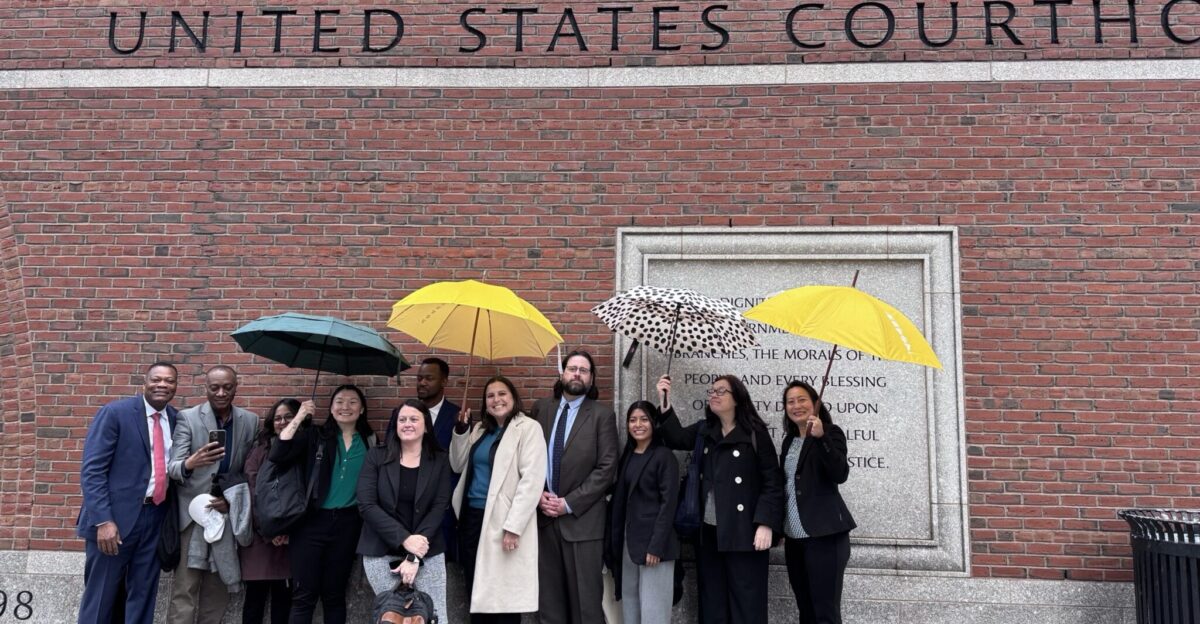
Immigration rights organizations characterize the termination as “cruel and completely unnecessary,” targeting individuals who followed every legal procedure. Justice Action Center filed suit December 29, 2025, arguing the policy violates due process and administrative law. Other advocacy groups mobilized rapidly, Human Rights First, Refugee Council, and immigrant community organizations coordinated messaging and legal support. The lawsuit Svitlana Doe v. Noem names DHS Secretary Kristi Noem as defendant, framing this as a top-level policy decision.
Advocates document emotional family meetings where relatives learned deportation could separate them within days. This human dimension fuels continued mobilization. Supporters view the temporary restraining order as a partial victory but recognize the 14-day window expires January 24, requiring rapid briefing and next steps.
DHS Defends Its Authority

Secretary Kristi Noem’s Department of Homeland Security maintains that ending categorical parole programs represents appropriate policy-making within executive authority. DHS argues that returning to case-by-case reviews strengthens security by providing individualized assessment rather than blanket categorical approvals. Government lawyers note that parole authority derives from the Attorney General’s discretion to grant humanitarian parole in emergencies.
By this reasoning, ongoing Family Reunification Parole represents an inappropriate permanent expansion of temporary executive authority. DHS has indicated plans to issue a new notice-and-comment period addressing court concerns about procedural notice. The White House reportedly eyes a “shorter” notice-comment timeline, potentially rushing through revised regulations.
The Next Legal Steps
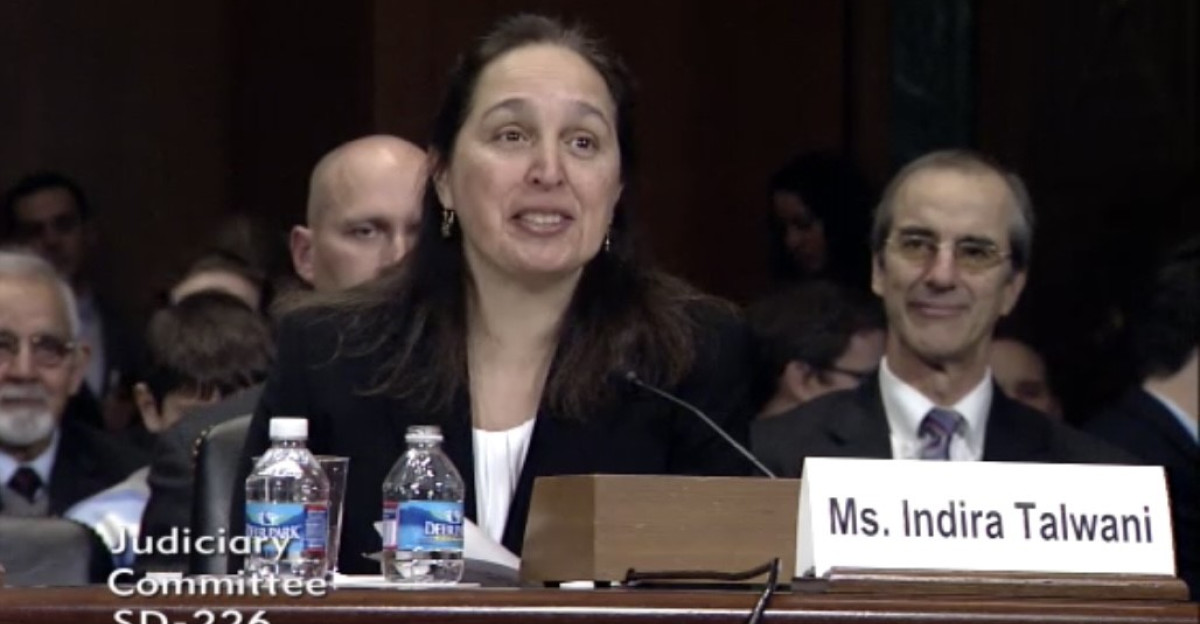
Judge Talwani’s temporary restraining order established a tight briefing schedule. The government was ordered to produce records by January 13, submit its response by January 15, and plaintiffs’ reply by January 20. This compressed timeline reflects TRO urgency, courts must act quickly on temporary restraining orders, typically expiring after fourteen days unless converted to preliminary injunctions.
Before January 24, the judge must decide whether to extend relief, a decision likely based on case merits regarding due process, Administrative Procedure Act compliance, and administrative law. Legal strategy will focus on highlighting procedural flaws and due process violations. The government will emphasize executive authority over immigration and security rationale for policy changes.
Why Past Victories Don’t Guarantee Future Wins

Judge Talwani’s track record on parole cases creates both confidence and concern for advocates. In April 2025, she blocked termination of the broader Cuba, Haiti, Nicaragua, Venezuela parole program affecting 430,000 beneficiaries. However, the Supreme Court lifted her order in May without explanation, a stark reversal that left immigrant advocates reeling. The Court’s majority provided no reasoning, suggesting deep deference to executive immigration authority.
This precedent haunts current litigation, advocates cannot confidently predict Supreme Court intervention. Additionally, Talwani’s initial parole block relied on Administrative Procedure Act reasoning. That theory faces skepticism from conservative justices who favor executive flexibility on immigration matters. Legal experts debate whether parole authority, delegated since 1952, allows the categorical programs Talwani protected.
Strategic Options Remain Limited
The fourteen-day temporary restraining order provides breathing room but not resolution. Over 10,000 people remain in legal limbo as briefing unfolds. Attorneys urge beneficiaries to advance I-485 applications, renew work permits, or explore alternative employment visa pathways before court deadlines pass. Congress could codify Family Reunification Parole through legislation, but election-year political dynamics make comprehensive reform unlikely.
Some beneficiaries consider voluntary departure before legal status expires, avoiding forced deportation proceedings. Others plan appeals to higher courts while organizing community support. Workplace protections under employment authorization documents could vanish if the termination proceeds, forcing urgent decisions about relocation, family separation, or underground work status.
What Comes Next?

The fundamental tension persists: Can immigration policy balance humanitarian concerns with security requirements? Will federal courts defer to executive judgment or protect individual rights? The next weeks will test whether due process and administrative procedures limit executive immigration authority, or whether courts grant near-absolute deference to the executive branch. The temporary restraining order bought time, but thousands remain vulnerable.
How the courts ultimately rule will reshape immigration policy for years to come and determine whether thousands of families stay united or face separation. If litigation fails, Congress remains the only institution capable of protecting Family Reunification Parole through codified law.
Sources:
New York Times – “Judge Pauses Trump Policy Ending Family Reunification for Some Migrants” – January 10, 2026
Politico – “Judge blocks Trump administration from revoking immigration parole” – January 10, 2026
Reuters – “US judge to block Trump move to end thousands of Latin American migrants’ legal status” – January 10, 2026
VisaHQ – “Federal Judge Halts Trump Administration’s Plan to Cancel Family Reunification Parole Programs” – January 9, 2026