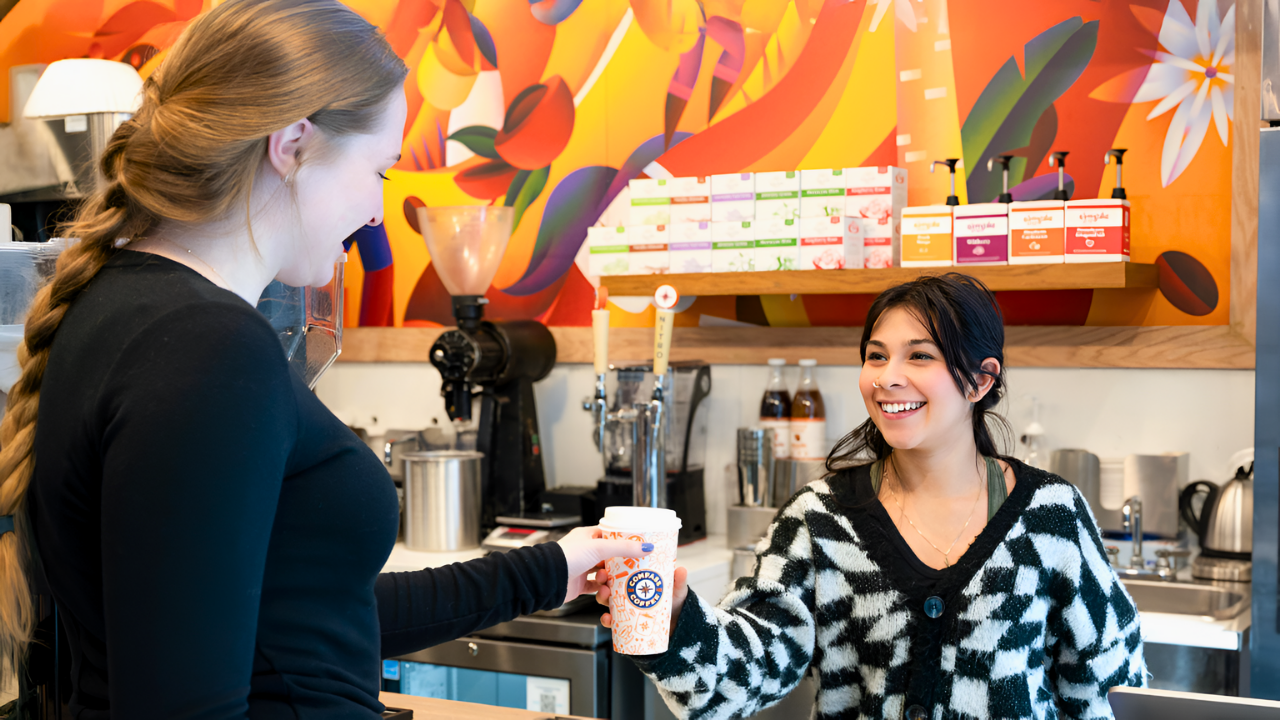
Coffee poured, machines whirred, and baristas moved between tables—but 10 Compass Coffee locations were already preparing to close. January 6, 2026: bankruptcy filings hit the U.S. Bankruptcy Court for D.C., listing $11.7 million in debt. Staff glanced nervously at schedules, while delivery trucks unloaded beans at remaining stores.
Downtown Washington, once buzzing with federal workers, now echoed with empty streets. D.C.’s local coffee darling, a 12-year-old institution, faced a reckoning that threatened both its cafes and 166 employees.
Workers in Peril
Across 25 cafes in D.C., Northern Virginia, and Maryland, 166 Compass Coffee employees now face job uncertainty. Bankruptcy could shutter nearly half the chain, with 10 stores closing and 10 leases rejected by January’s end. Many staffers, long accustomed to the morning rush, now wonder if their shifts will continue.
Post-pandemic foot traffic never fully recovered, and federal workforce reductions compounded the crisis. How many careers will vanish as downtown Washington shifts under the weight of remote work?
D.C. Roots Run Deep

Compass Coffee was founded in 2014 by Marines Michael Haft and Harrison Suarez in D.C.’s Shaw neighborhood. The brand expanded steadily, reaching 25 cafes by 2025, building a loyal following among federal workers and office-goers. It famously served coffee at the White House and offered support to furloughed staff during government shutdowns.
The chain also absorbed locations vacated by Philz Coffee and Foxtrot, cementing its presence—but aggressive growth came just as downtown demand began to fall.
Pressures Mount Fast
Remote work reshaped downtown D.C. after 2020, emptying streets and cafes alike. Federal workforce reductions worsened the situation, while Compass continued expanding to 25 locations. Financial strains mounted: $2 million in back rent, $700,000 owed for coffee beans, and unsustainable costs at the Ivy City roastery.
Fixed leases prevented flexibility, and slow sales made growth perilous. By late 2025, the chain was teetering on the edge, with mounting debt and declining foot traffic pushing it toward collapse.
Bankruptcy Bombshell Drops
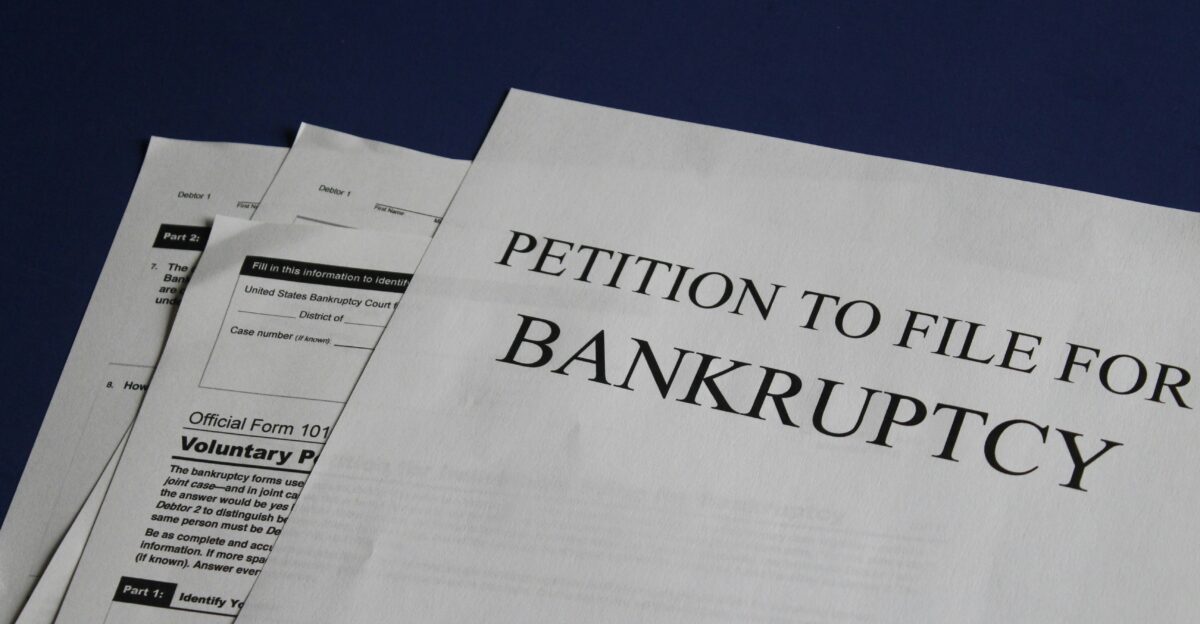
On January 6, 2026, Compass Coffee filed for Chapter 11 bankruptcy in U.S. Bankruptcy Court for D.C., citing $11.7 million in debt. CEO Michael Haft outlined plans to close unprofitable cafes across D.C., Northern Virginia, and Maryland. Remote work, shrinking office populations, and federal cuts decimated downtown demand.
The filing allows the company to reject certain leases and restructure operations, keeping some locations open while preparing for potential sale. The fate of the workforce and cafes hangs in balance.
Virginia Cafes Targeted
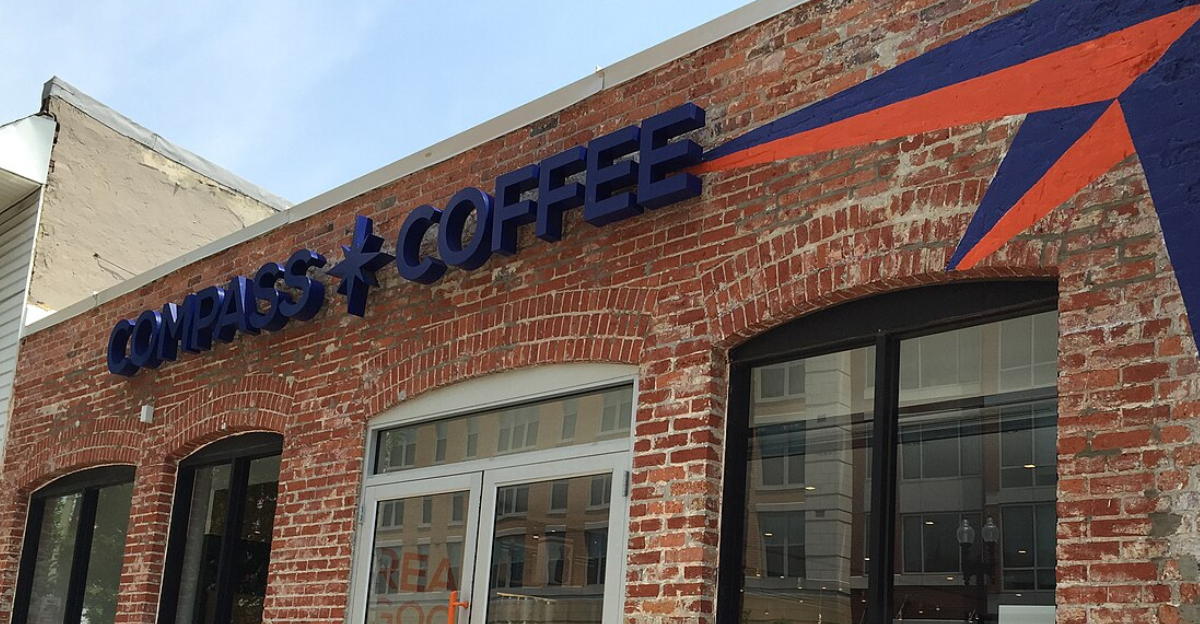
Two Virginia locations—West Falls Church and Ballston—are set to close as unprofitable branches. In addition, seven D.C. and one Maryland (College Park) site face lease rejection by January 30. Compass argues that shedding these leases preserves remaining assets in the face of $10–50 million in potential liabilities.
The announcement shocked local coffee fans, while employees at these branches grapple with sudden uncertainty and questions about their future in a rapidly changing D.C. retail landscape.
166 Workers Brace
The human toll is immediate: 166 employees across the chain face layoffs or relocation. CEO Haft stressed, “We are refocusing on our strongest locations so we can protect the heart of Compass.” Union cases from the 2024 Workers United drive remain unresolved with the NLRB, adding legal uncertainty.
Many baristas, managers, and support staff now face a precarious future. The closures, layoffs, and ongoing lawsuits underline the challenges of navigating post-pandemic urban retail in D.C.’s competitive coffee market.
Competitors Circle Ruins
Compass expanded into spaces vacated by Philz Coffee (closed 2023) and Foxtrot (closed 2024), hoping to capture their customers. Yet the strategy faltered. Starbucks and Dunkin’ continue operations, while Compass struggles with lawsuits and union claims.
Legal disputes, unpaid rent, and declining downtown traffic combine to weaken the chain. The urban coffee landscape proves unforgiving, illustrating how local chains can be vulnerable even after decades of growth and popularity when broader market forces shift dramatically.
Macro Shift Hits Urban

Downtown Washington’s post-COVID exodus transformed the urban retail scene. Telework persists, federal cuts reduce commuter traffic, and legacy leases trap businesses in costly spaces. Cafes like Compass, once bustling, now see persistent declines in daily customers.
Inflation and supply costs exacerbate the struggle. The crisis highlights a broader pattern: downtown, office-centered business models are increasingly unsustainable. Urban recovery may be years away, leaving local coffee institutions at the mercy of shifting workforce habits.
Bitcoin Allegation

Former co-founder Harrison Suarez alleges in a 2025 RICO lawsuit that pandemic relief funds were misused. He claims $2.1 million went into Bitcoin via MicroStrategy following his 2021 firing. Suarez’s suit accuses CEO Michael Haft of fraud and equity dilution, while Haft disputes the claims.
The legal battle unfolds amid bankruptcy, exposing a bitter internal rift. Beyond financial mismanagement, the case raises questions about governance, transparency, and leadership decisions during a period of rapid expansion and mounting debt.
Founders Feud Erupts
The Suarez-Haft conflict deepened after Suarez was ousted in 2021. He claims relief funds were misused and equity denied. Michael Haft and his father face multiple landlord suits, including from Okie Street roastery owner.
Internal disputes drained resources and clouded decision-making. The feud, combined with mounting debt, contributed to operational instability. As employees worry about layoffs and closures, the public witnesses a local institution struggle under both external market pressures and internal power battles.
Leadership Holds Firm
Michael Haft continues steering Compass through restructuring. The Ivy City roastery, a 50,000-square-foot facility, was closed, while distribution gear was sold to raise liquidity. Debtor-in-possession financing helps maintain operations during Chapter 11, preventing immediate collapse.
Haft insists no ownership change has occurred yet, keeping control as the sale process proceeds. Focus is on protecting core operations, stabilizing profitable cafes, and navigating legal and financial hurdles while preserving the brand’s identity in the midst of downtown D.C.’s retail upheaval.
Sale Deal Emerges
Compass agreed to sell “substantially all assets” to an unnamed global coffee company. The buyer promises a strong retail presence, but details remain vague. Chapter 11 facilitates transferring core business free of most liabilities.
CEO Haft had sought a pre-filing sale, but bankruptcy proceedings now formalize the process. Cafes remain open during negotiations, preserving jobs where possible. The deal offers hope for survival of Compass’s most vital locations, but the brand’s local identity and the fate of specific cafes remain uncertain pending court approval.
Skeptics Weigh Odds

Experts caution that rigid leases, declining foot traffic, and union disputes have weakened Compass. Some locations remain profitable, yet court filings show persistent losses. Open NLRB cases and ongoing lawsuits may deter potential buyers.
Analysts question whether the brand can survive without structural change. CEO Haft frames the restructuring as a “pathway to adapt,” but broader D.C. retail challenges persist. Success depends not only on financial maneuvers but also on overcoming legal, operational, and market obstacles that now define Compass’s precarious future.
Horizon Beckons Uncertain
Will the buyer preserve Compass’s “Made in D.C.” brand? Court approval of the asset sale remains uncertain, leaving employees anxious. Restructuring targets profitable cafes first, but the survival of local culture hangs in the balance.
D.C.’s coffee scene continues evolving, with small chains adapting—or disappearing. For baristas and loyal customers, every closure signals a shift in the city’s landscape. Compass’s future will test whether a local institution can endure global ownership while preserving its community roots and city identity.
Policy Shadows Loom

Federal telework policies prolong low downtown traffic, while workforce reductions shrink Compass’s customer base. The chain previously supported over 12,000 furloughed federal workers with free drinks and meals, underscoring its community role.
Policy shifts, however, stripped away its primary audience, highlighting the vulnerability of office-centric retail models. Bankruptcy spotlights Washington’s broader office vacancy and retail crises. Lawmakers are observing urban retail struggles closely, raising questions about whether targeted aid or policy intervention could stabilize small local businesses in the post-pandemic era.
Global Buyer Mystery

The strategic buyer has a “substantial global retail coffee presence,” sparking speculation about which international chain might acquire Compass. The sale could eliminate debts but risk the brand’s local character.
For D.C., the transaction symbolizes the influx of global capital reshaping community businesses. If the identity of Compass shifts, the city loses a homegrown icon. The purchase may stabilize operations financially, yet long-term cultural implications—loyalty, community ties, and local flavor—remain unknown.
Legal Web Tightens

Compass faces multiple lawsuits: landlords over unpaid rent, vendors over $700k in beans and $160k in oat milk, Suarez’s fraud claim, and ongoing NLRB union charges. Chapter 11 allows rejection of some leases, but litigation continues.
These cases compound financial pressures and prolong uncertainty. For employees, the lawsuits heighten anxiety; for buyers, they introduce risk. Bankruptcy offers temporary protection, but navigating this tangled legal environment is essential for any hope of a successful restructuring or sale.
Culture Clash Emerges

The Compass Coffee United union drive reflects a generational shift in barista power. Mass hiring during union campaigns drew criticism, revealing tensions between staff expectations and management practices. Workers demand fair pay and stability amid uncertainty, pushing back against traditional coffee shop norms.
The pandemic exposed vulnerabilities in local chains, and labor activism now shapes operational decisions. Employee voices are central to the evolving culture of D.C. coffee, highlighting how labor movements intersect with business survival in the urban retail landscape.
Signals Urban Reckoning
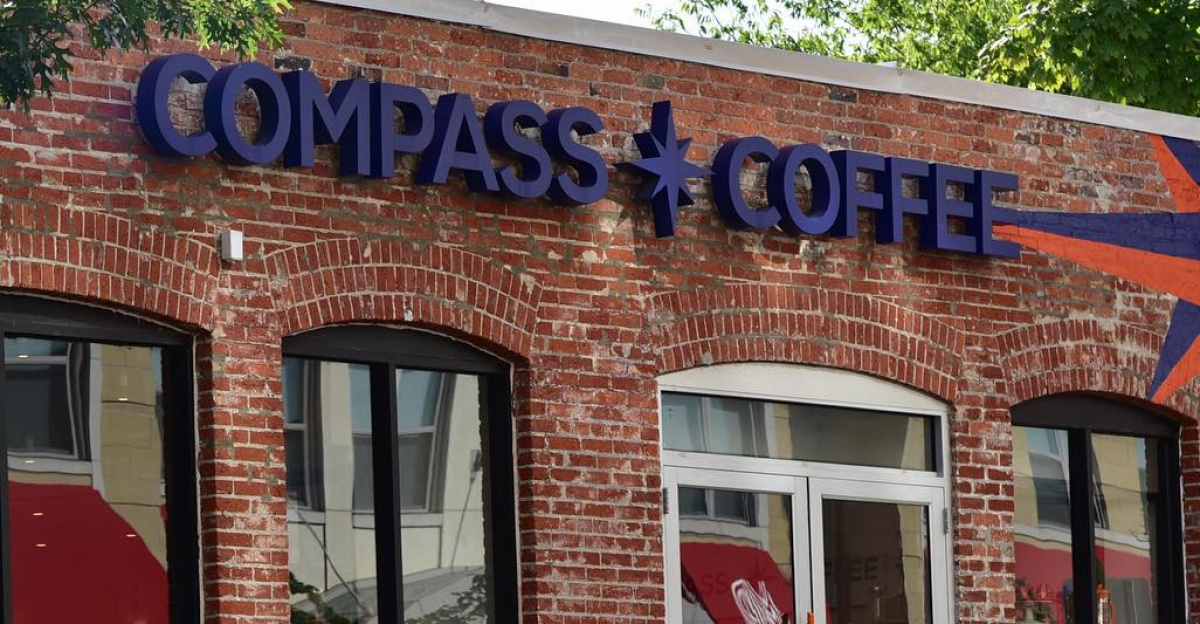
Compass Coffee’s decline signals a broader urban reckoning: remote work, federal cuts, and changing consumer behavior are reshaping downtown cities. The potential closure of 10 cafes and the impact on 166 employees illustrate the vulnerability of office-centered businesses.
While the sale may preserve core operations, D.C.’s coffee identity faces transformation. The story is a warning: urban businesses must adapt to survive in a post-office era, or risk becoming relics of a pre-pandemic economy.
Sources:
Inside Retail US, “DC coffee chain declares bankruptcy after cofounders fall out”, January 7, 2026
Bondoro, “Case Summary: Compass Coffee Chapter 11”, January 8, 2026
ARLNow, “Compass Coffee plans to shutter Ballston location after filing for bankruptcy”, January 6, 2026
Daily Coffee News, “Weekly Coffee News: Support Through Coffee in D.C.”, November 13, 2025
Lawyer Monthly, “Compass Coffee Chapter 11: Inside the Suarez-Haft Dispute”, January 6, 2026
Georgetown Voice, “Compass Coffee employees attempt to unionize amidst alleged unfair labor practices”, September 26, 2024