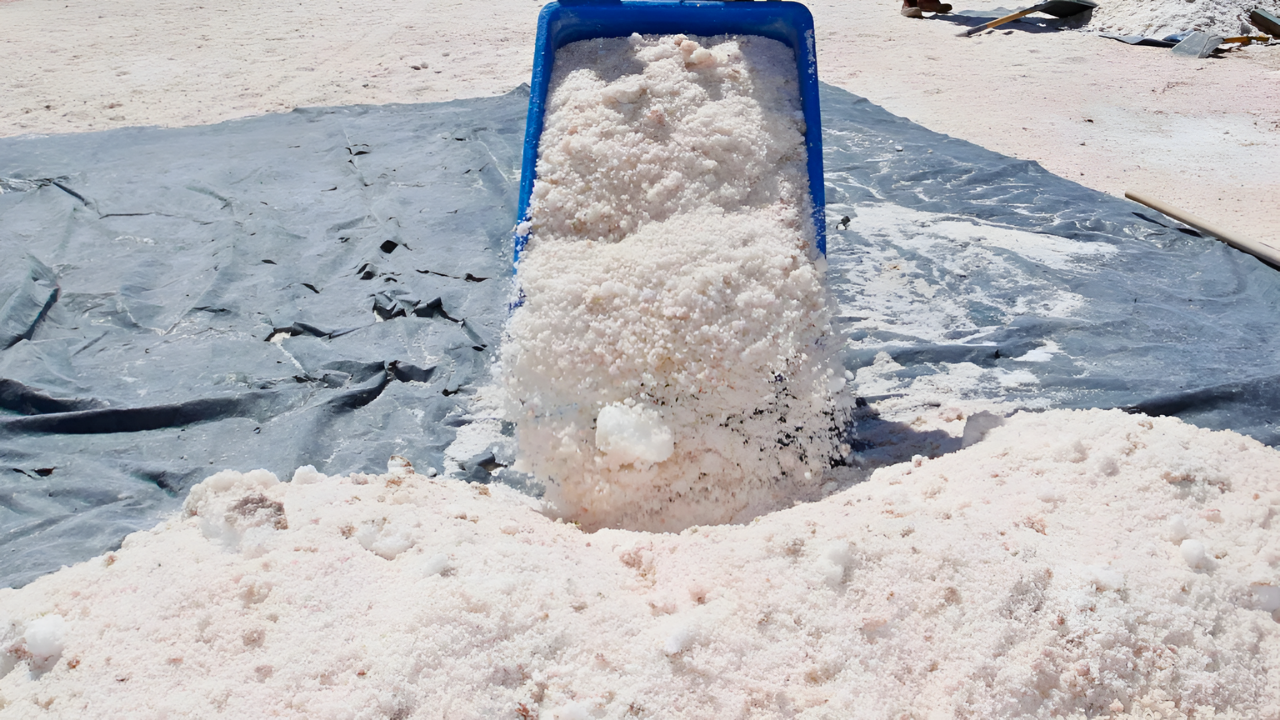
In the stark expanse of the Oregon-Nevada border, a wind-battered desert conceals one of the world’s largest lithium deposits, valued at up to $1.5 trillion. This vast reserve, buried beneath sun-scorched earth, promises to reshape global energy supplies amid surging demand for electric vehicles and battery storage.
The Trillion-Dollar Prize
Geological surveys reveal lithium reserves at the McDermitt Caldera potentially totaling 40 million metric tons, positioning it as the largest known deposit worldwide. One segment, Nevada’s Thacker Pass, alone contains 13.7 million tons—enough to meet decades of U.S. demand if fully extracted. This windfall rivals the GDP of major economies and could bolster domestic production, reducing dependence on imports from South America and China.
A Supervolcano’s Hidden Wealth
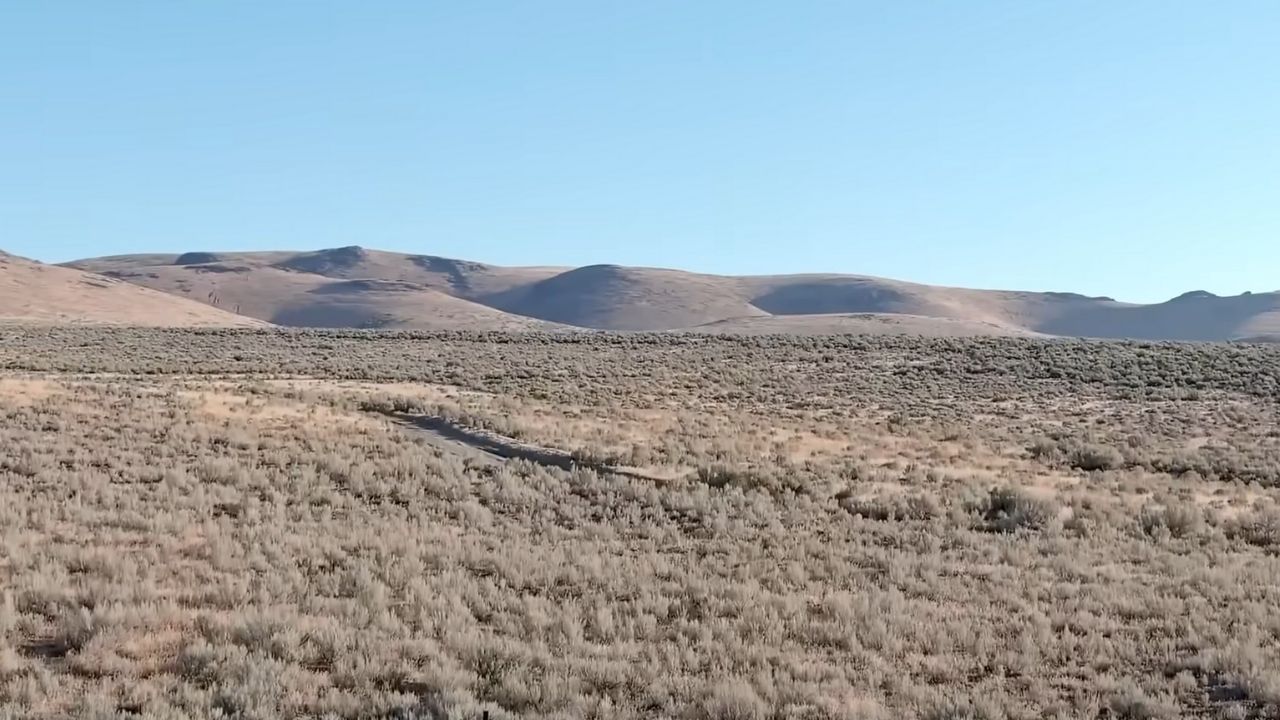
Formed 16.4 million years ago by a colossal eruption, the McDermitt Caldera spans 616 square miles across the high desert. Volcanic activity and mineral-laden lakes over millennia concentrated lithium into shallow claystone layers. Unlike deeper hard-rock deposits elsewhere, this near-surface clay makes extraction potentially simpler and less disruptive, drawing interest from energy firms eager to scale up supplies.
The Mining Rush Underway
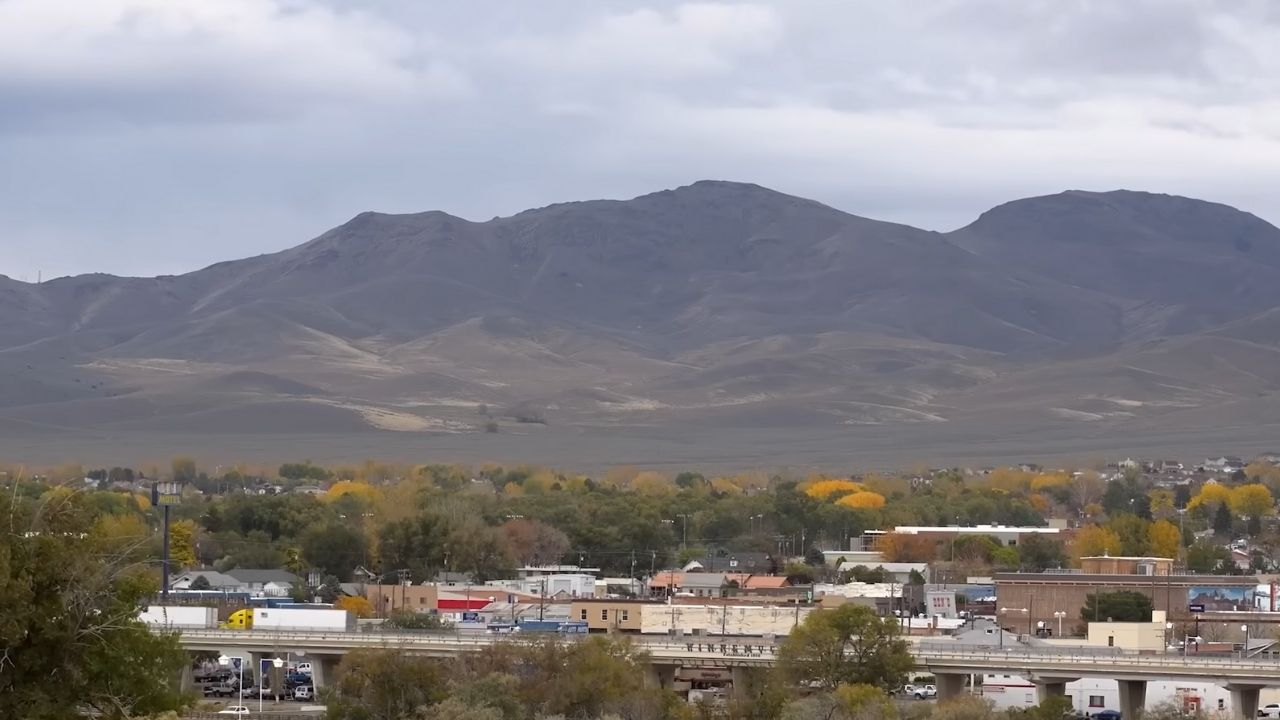
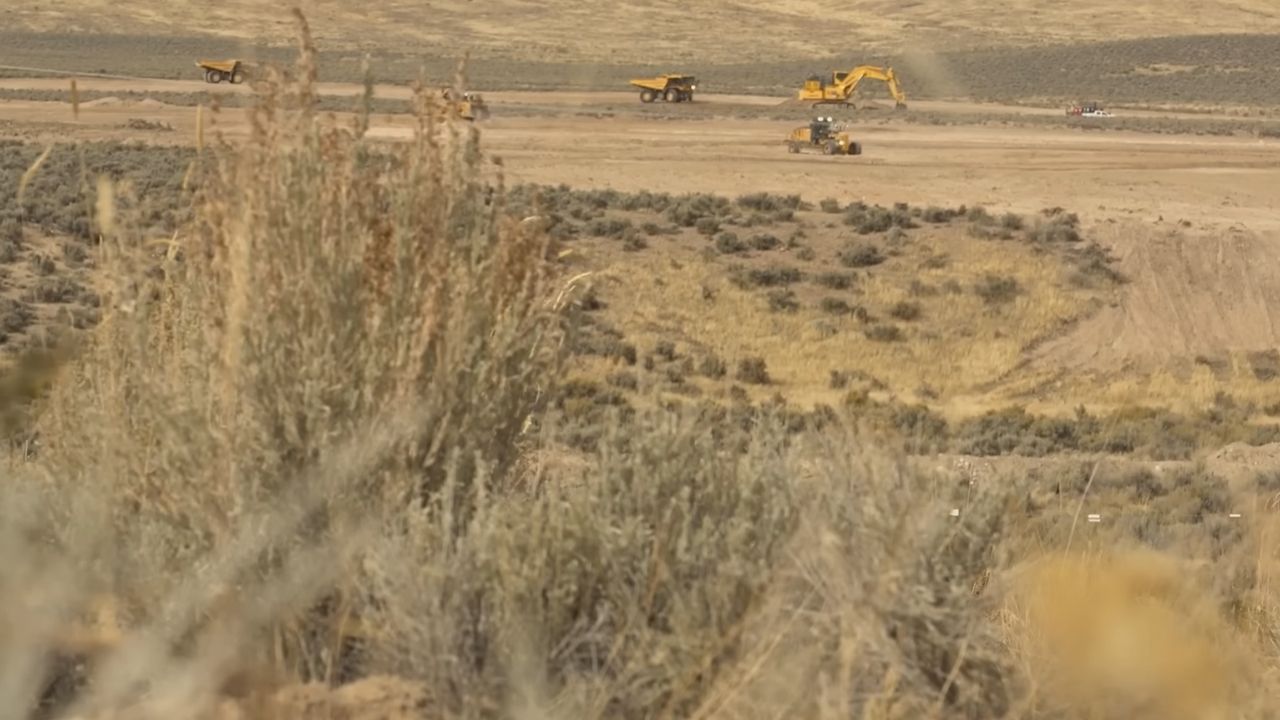
Development is accelerating. Lithium Americas has started construction at Thacker Pass, while explorers like HiTech Minerals prospect the Oregon portion. Jindalee Resources and others are staking claims, eyeing job growth and economic boosts for rural areas. These efforts align with U.S. goals to secure critical minerals, potentially elevating the region as a strategic hub in the shift to renewables.
Opposition and Environmental Risks
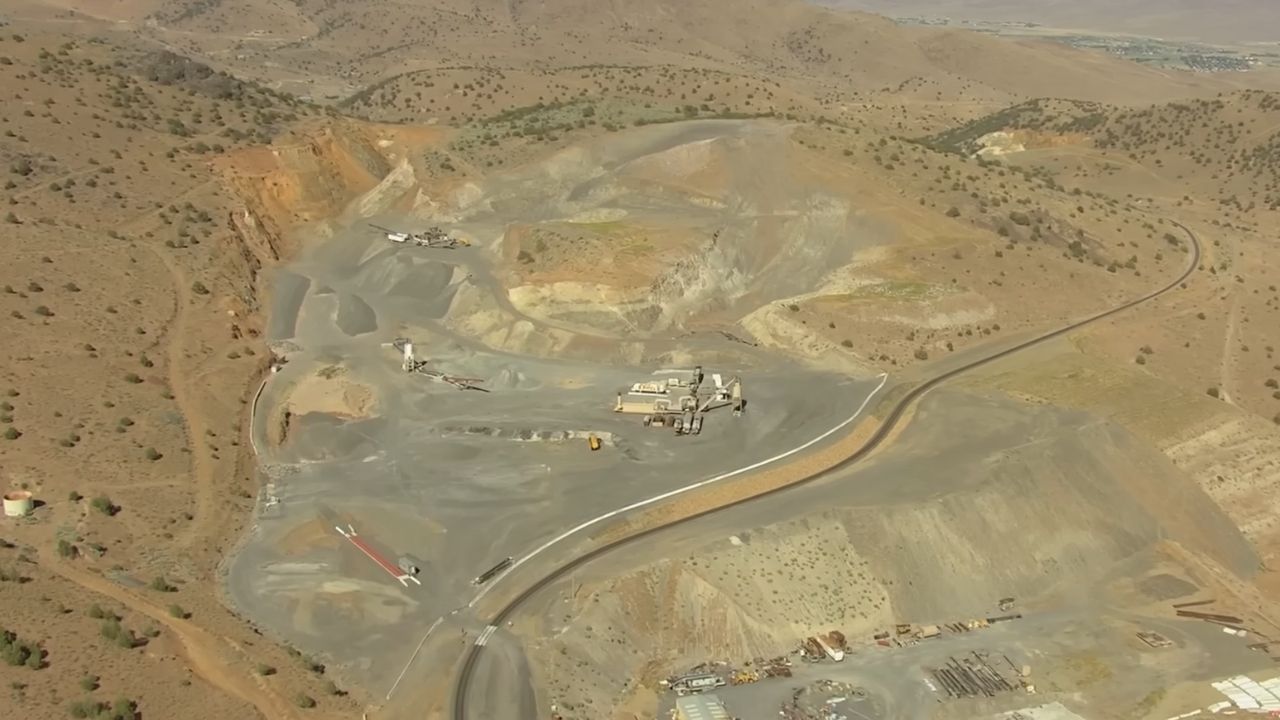
Pushback is mounting from ranchers, Indigenous groups, and conservationists. Sacred sites and spring-fed grazing lands face threats, alongside habitats for declining species like the sage-grouse, whose populations have dropped 80 percent, and pronghorn antelope. Arid conditions amplify concerns: lithium extraction globally has depleted water tables and scarred landscapes. Critics question federal approvals by the Bureau of Land Management, citing short public comment periods that sidelined community input.
Balancing Innovation and Stewardship
Emerging techniques, such as direct lithium extraction, aim to minimize water use and waste compared to traditional methods. Yet doubts persist about their viability in this delicate ecosystem. Experts urge comprehensive long-term studies before full-scale operations. As demand climbs, McDermitt stands at a pivotal juncture—offering energy independence and economic revival, yet risking irreversible harm to biodiversity, water resources, and cultural heritage. The outcome will test commitments to sustainable progress in the clean energy era.
Sources:
“High-grade lithium resource uncovered at McDermitt Caldera.” Scimex, 29 Aug 2023.
“Lithium deposit valued at $1.5 trillion has been discovered in the U.S.” Earth.com, 5 Jan 2026.
“Tribes face an uphill battle to defend their sacred land against lithium mining.” Cronkite News, 14 Jan 2021.
“Nevada lithium mine breaks ground despite Indigenous opposition.” Al Jazeera, 15 Mar 2023.