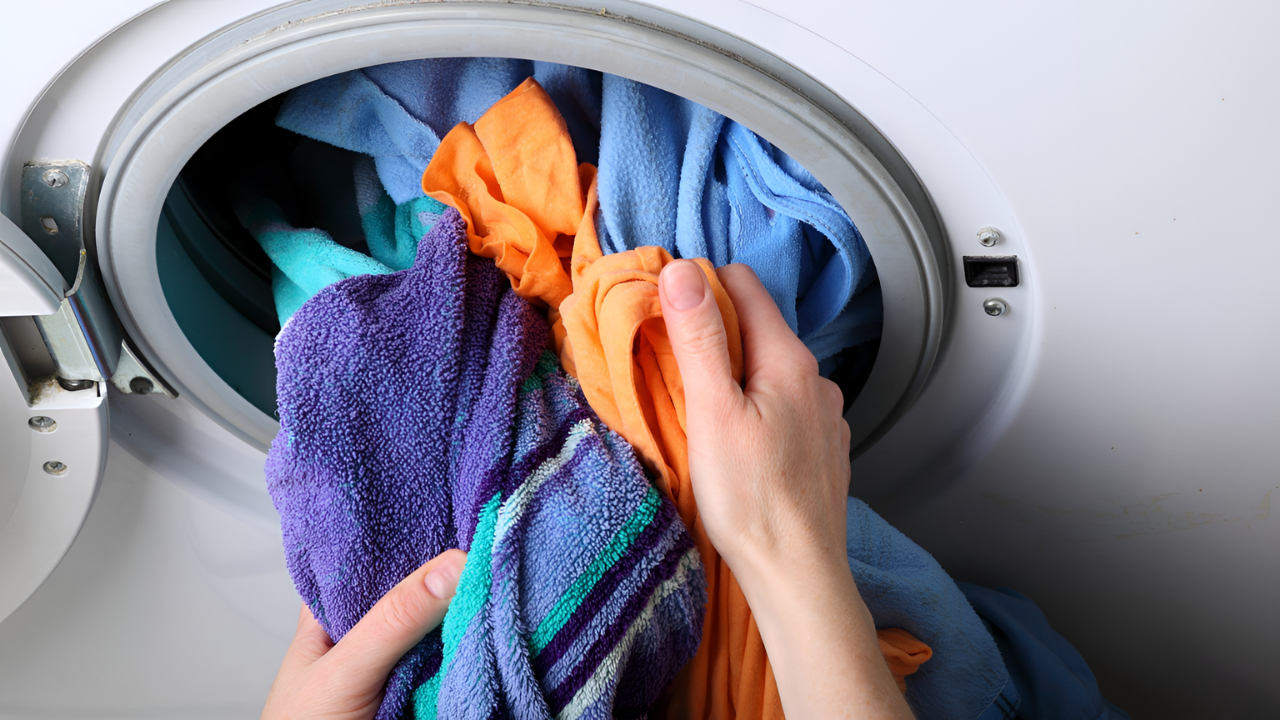
Laundry routines drain more resources than most realize, with American households running 300 to 400 loads yearly, each using about 41 gallons of water and emitting 7.2 pounds of CO₂ in a hot wash-and-dry cycle. Nationwide, this adds up to 179 million metric tons of CO₂ annually, alongside higher utility bills, faster appliance wear, and premature clothing damage.
Why Laundry Habits Demand Attention
Dryers alone claim 6 percent of home energy use, while detergent costs hit $180 to $600 per year for many families, often inflated by overuse and specialty buys. Overloaded machines and residue buildup shorten equipment life and dull fabrics. Simple shifts in approach can cut these burdens without new gear.
Cold Water for Most Loads
Heating water consumes 90 percent of a wash’s energy. Energy Star notes that U.S. households switching one weekly load from warm to cold could save 2 billion kilowatt-hours and 2.3 million metric tons of CO₂ yearly. Modern detergents perform well in cold, and the Sierra Club estimates each home could avoid 1,600 pounds of CO₂ annually this way.
Proper Loading and Detergent Dosing
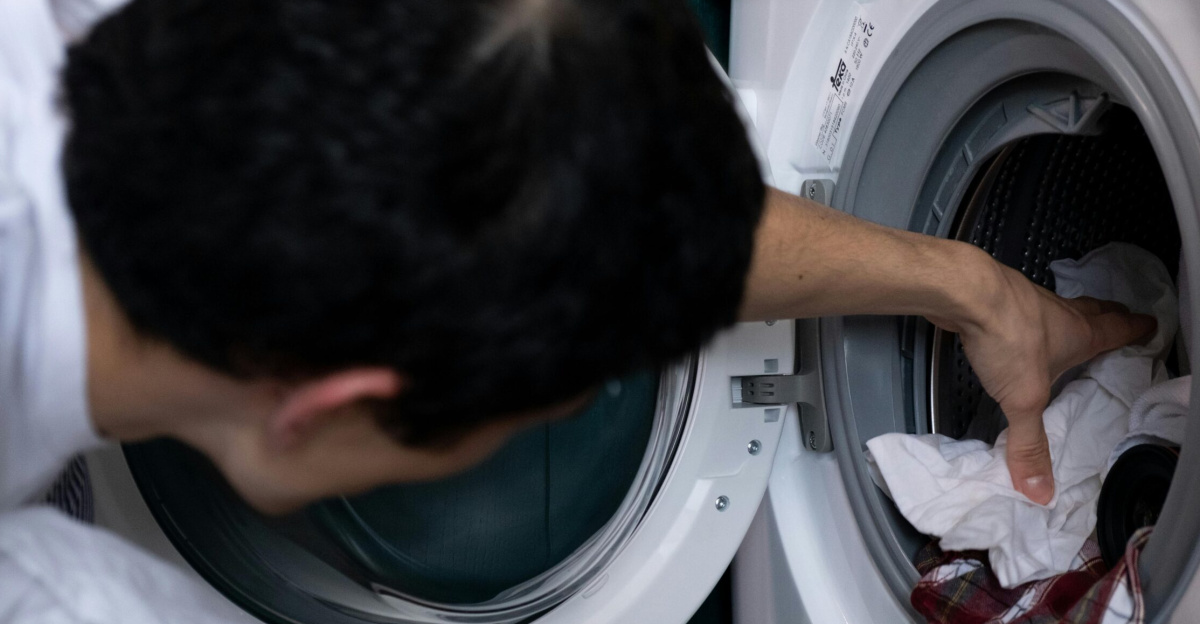
Overloading jams clothes, trapping dirt and forcing machines to use extra water and energy. Front-loaders and high-efficiency models clean best with full but loose loads. Excess detergent breeds suds that redeposit grime, leaving residue; Tide guidelines and New York Times Wirecutter tests show halving amounts yields cleaner results without crunchiness.
Skip Fabric Softeners and Monthly Machine Cleans
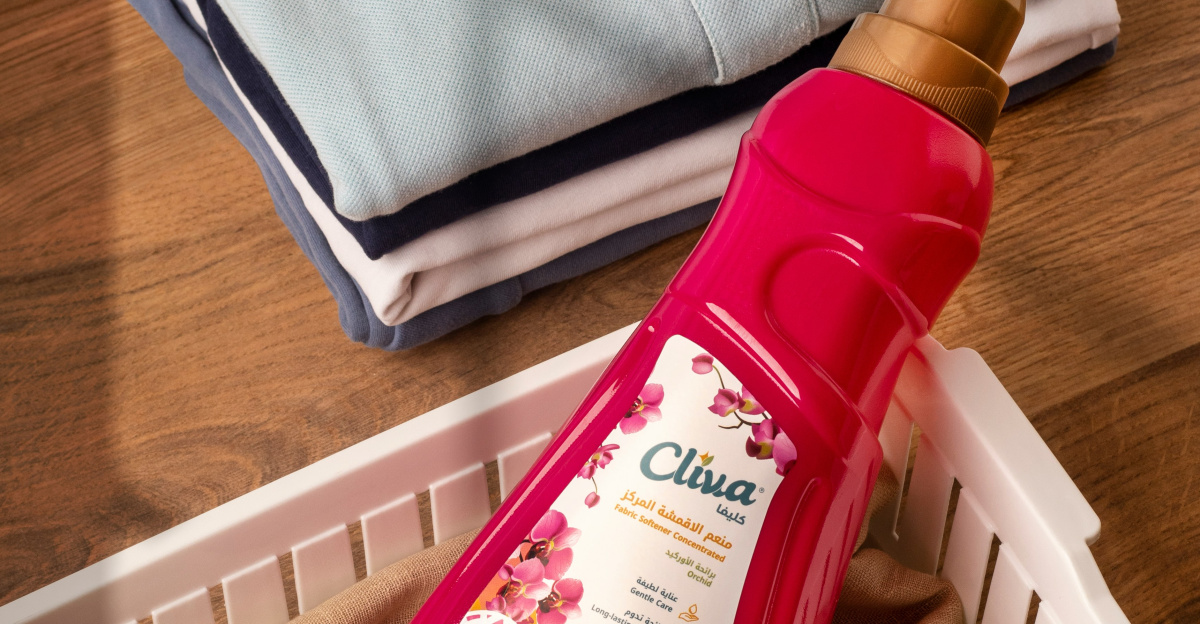
Fabric softeners coat machines, clogging dispensers and fostering mold, especially in low-water high-efficiency units; they also stiffen towels and weaken fibers. Monthly hot cycles with vinegar or cleaners dissolve buildup in drums, hoses, and seals, boosting efficiency, freshness, and longevity.
Lint Management Essentials
Clean dryer lint traps before or after every load to maintain airflow and avert fire risks from flammable buildup. Quarterly, vacuum hidden lint in housings and vents; fire safety experts warn this hidden accumulation matches visible clogs in hazard and efficiency loss. Annual vent hose checks prevent overheating.
Smart Washing Frequency and Prep
Air out clothes to skip unnecessary washes—denim industry research suggests jeans can remain hygienic for 10 wears or more, slashing environmental impact by 80 percent. Turn items inside out to shield colors and details from snags. Spot-treat stains and inspect for repairs first; mending prevents tears from worsening in agitation.
Cycle and Temperature Choices
Short 15- to 30-minute cycles suffice for lightly soiled items like daily wear, saving resources. Default to cold, use warm (around 140°F) for towels, linens, or heavy dirt, and limit hot to rare cases to avoid fading and high energy draw.
Drying and Vent Strategies
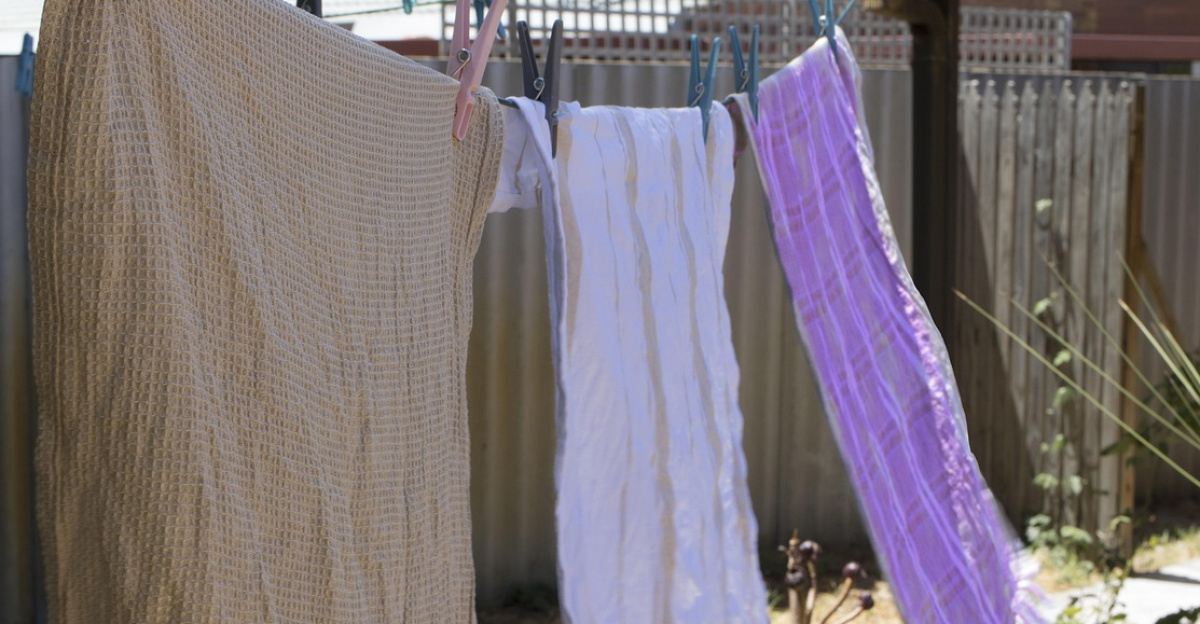
Air-drying cuts drying’s 75 percent share of laundry’s carbon footprint by 67 percent, sparing fibers from heat damage. Annually disconnect and vacuum dryer vents; pros recommend 1- to 2-year deep cleans for inaccessible lint.
Only Wash the Dirty
Reserve machines for sweat-stained or soiled items, dodging 30 to 50 needless loads yearly. This preserves clothes, cuts detergent use, and conserves water and energy.
Cumulative Gains Ahead
These adjustments—cold washes, precise dosing, maintenance, less frequent cycles, and air-drying—compound to lower bills, extend appliance and garment life, enhance safety, and shrink environmental impact. Starting with one change builds lasting habits, turning routine chores into efficient practice with tangible returns for households and the planet.
Sources:
Energy Star Laundry Data – U.S. Environmental Protection Agency
American Cleaning Institute Cold Water Savings Modeling – American Cleaning Institute
Sierra Club Household CO₂ Reduction Analysis – Sierra Club
Colorado State University Jeans Rewearing Study – Colorado State University Design and Merchandising Department
Better Homes & Gardens Dryer Lint Safety Guide – Better Homes & Gardens
New York Times Wirecutter Detergent Overdosing Analysis – New York Times Wirecutter